Ask most people what happened to the woolly mammoth and you’ll get the same answer: they died out with the dinosaurs, hunted by cavemen before the last Ice Age finally thawed. It’s a tidy story. It’s also almost entirely wrong, and scientists have known it for years without much fanfare.
New genome reconstructions, a molecular fossil frozen into literal glass, and a Texas biotech company racing toward a 2028 deadline have quietly rewritten nearly everything the textbooks taught us – how mammoths died, who (or what) actually killed the last survivors, and whether we’re really close to seeing one walk again.
Here’s what the research actually says, counted down from the merely surprising to the genuinely unsettling.
#13 – They Outlived the Ice Age By Thousands of Years
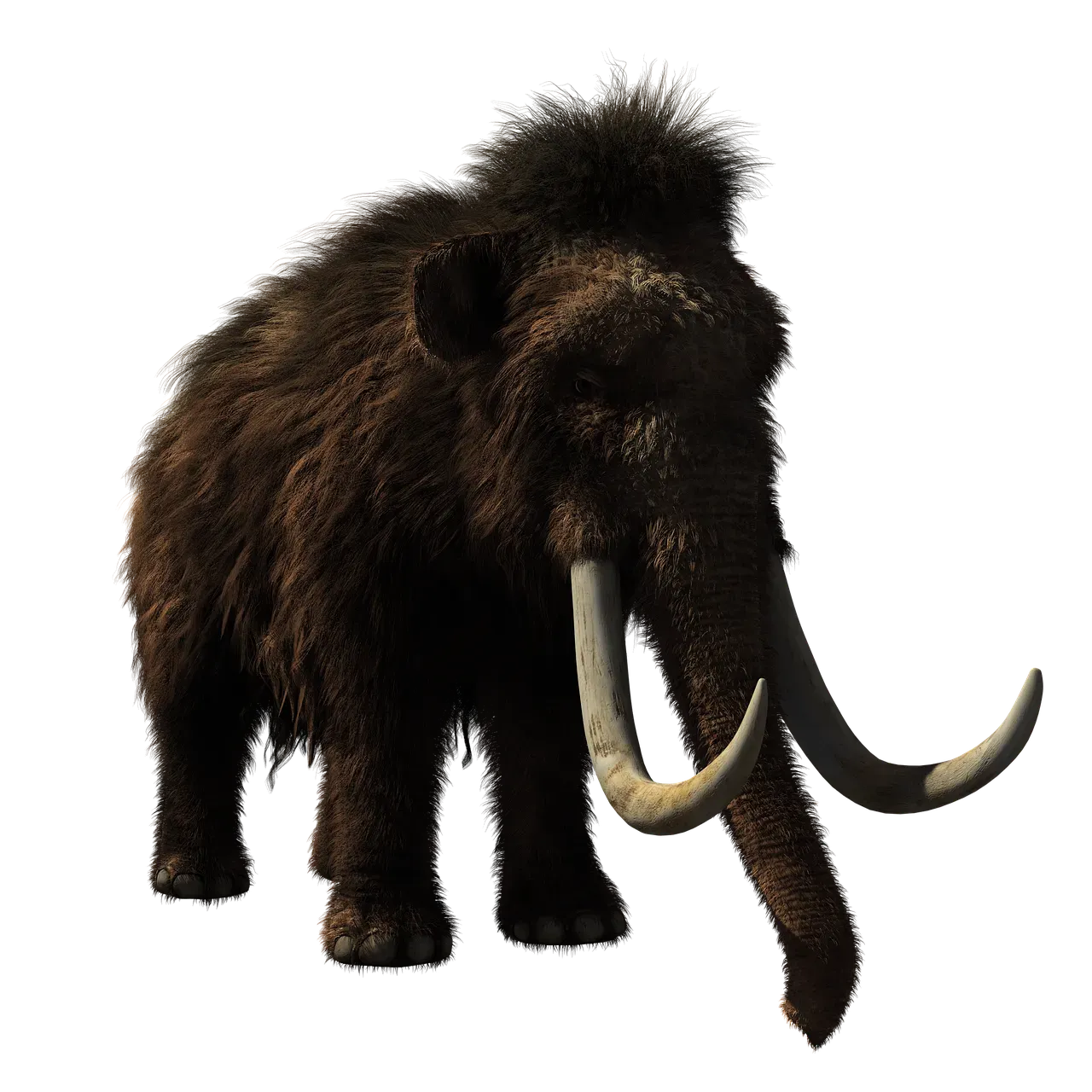
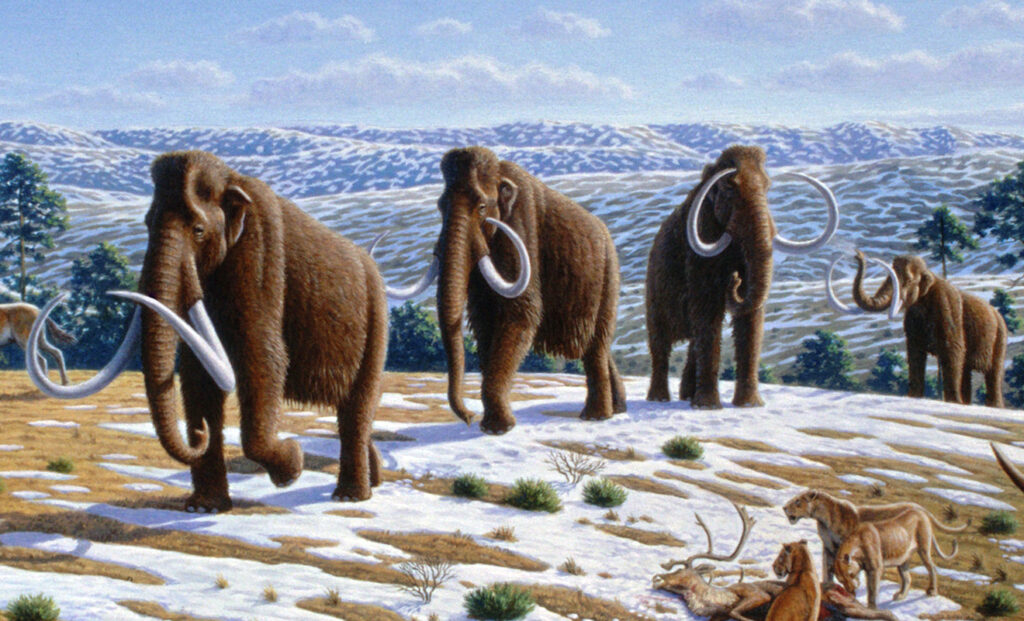
Most people assume woolly mammoths disappeared with the glaciers. That’s not even close to true. The last mammoths held on for thousands of years after the ice sheets retreated, isolated on a remote Arctic island while human civilization was already underway elsewhere. Woolly mammoths roamed the earth for millions of years and only vanished for good about 4,000 years ago – meaning they were still alive while the pyramids of Egypt were under construction.
What’s stranger is how long mammoths overlapped with our own species before that final disappearance. Humans lived alongside woolly mammoths for at least 2,000 years, sharing the planet right up through the construction of Egypt’s most famous monuments. The overlap between “prehistoric monster” and “witnessed by early civilizations” is far larger than pop culture ever lets on.
Fast Facts
- Woolly mammoths existed as a species for millions of years before their final decline
- The last population died out roughly 4,000 years ago
- That timeline overlaps with the construction of Egypt’s pyramids
- Humans and mammoths shared the planet for at least 2,000 years before extinction
#12 – The Extinction “Cause” Debate Is Still a Mess
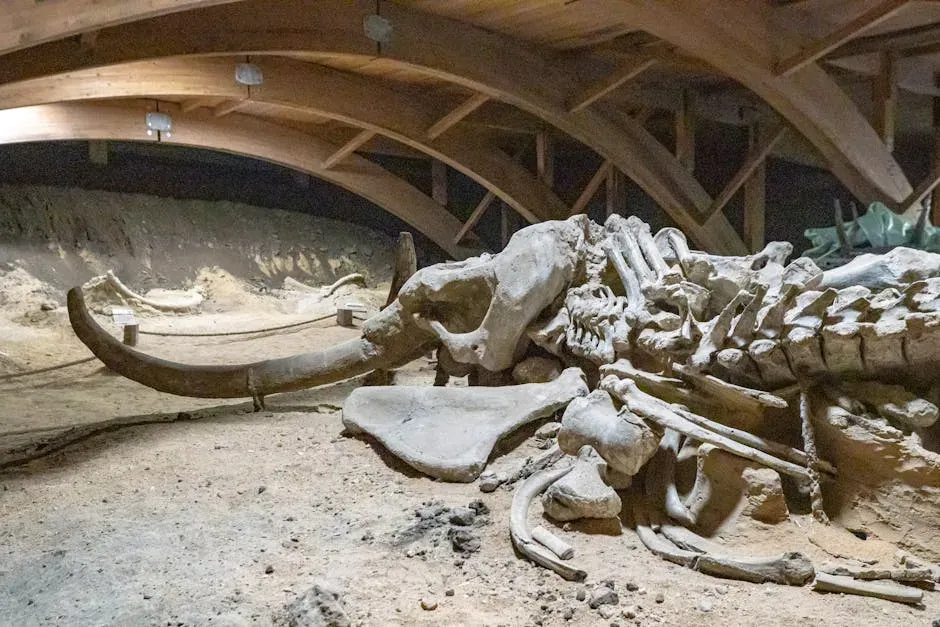
Ask ten scientists why the mammoth went extinct and you’ll get ten different half-answers, because the field genuinely hasn’t agreed. For decades the fight was framed as climate versus humans, and researchers have flip-flopped between the two explanations more than once. An early modeling study concluded mammoths went extinct primarily from habitat loss driven by rising temperatures, with human hunting acting as the final straw – a combined-cause theory that dominated for years.
Then a massive decade-long DNA project complicated the story all over again. Geneticists analyzed ancient environmental DNA and concluded that when the icebergs melted, the landscape became too wet for the giant animals to survive, wiping out the vegetation they depended on.
Scientists have argued for 100 years about why mammoths went extinct. Humans have been blamed because the animals had survived for millions of years without climate change killing them off before, but when they lived alongside humans they didn’t last long.
Eske Willerslev
A full century of scientific argument, and there’s still no unanimous verdict.
#11 – Inbreeding Was Bad, But It Wasn’t the Killer
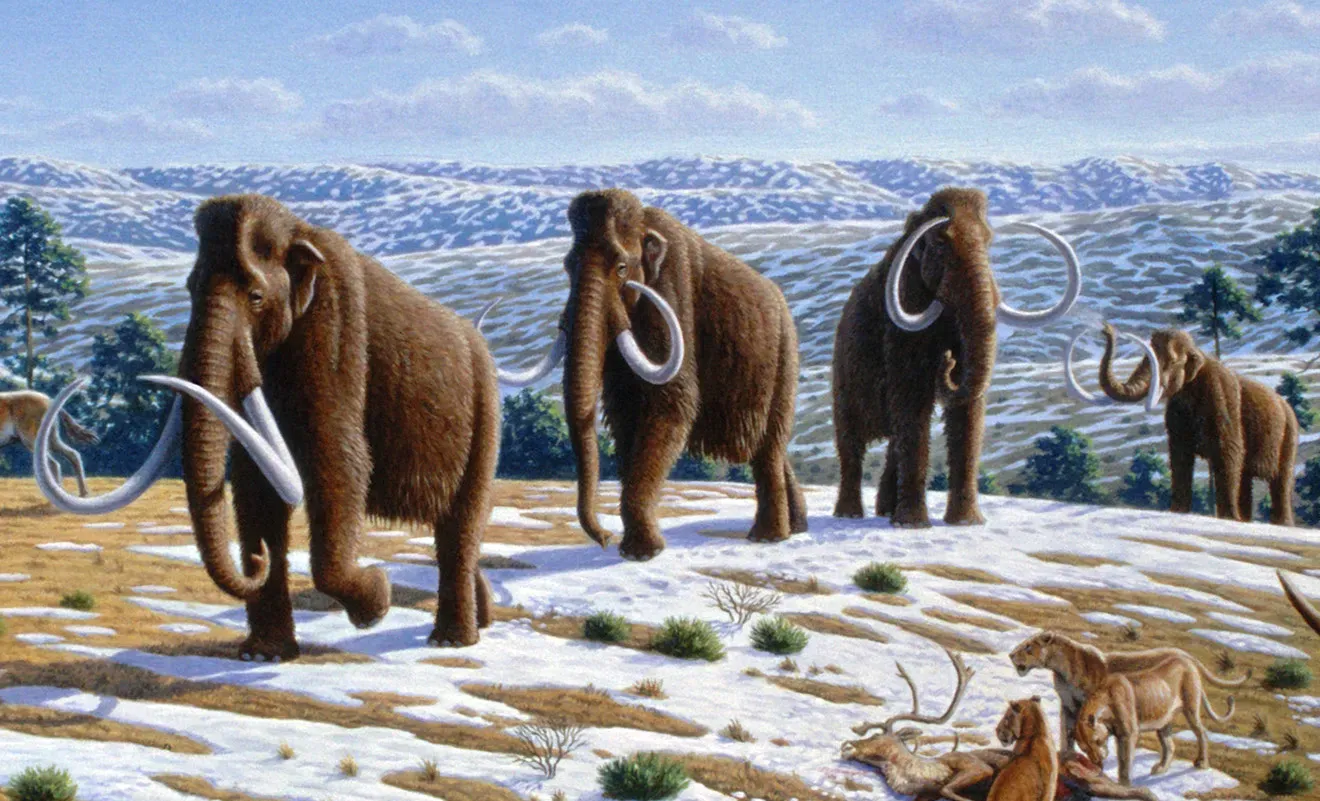
Here’s a theory scientists quietly had to walk back: that the last mammoths simply bred themselves into oblivion. For years, the leading explanation for the Wrangel Island mammoths’ extinction was genetic collapse from isolation. A landmark genome study tested that idea directly and found the population’s DNA was rougher than expected – showing inbreeding and low genetic diversity – but not nearly bad enough to explain their sudden, mysterious end.
The population had started from almost nothing. The isolated mammoths, who lived on the island for roughly 6,000 years, originated from as few as 8 individuals but grew to 200-300 within 20 generations, and somehow stabilized. “This suggests that something else, and very sudden, caused the population to collapse,” said evolutionary geneticist Marianne Dehasque of Uppsala University, lead author of the study. The inbreeding was real, but it wasn’t the smoking gun everyone assumed.
#10 – Scientists Pulled Actual RNA Out of a 40,000-Year-Old Mammoth
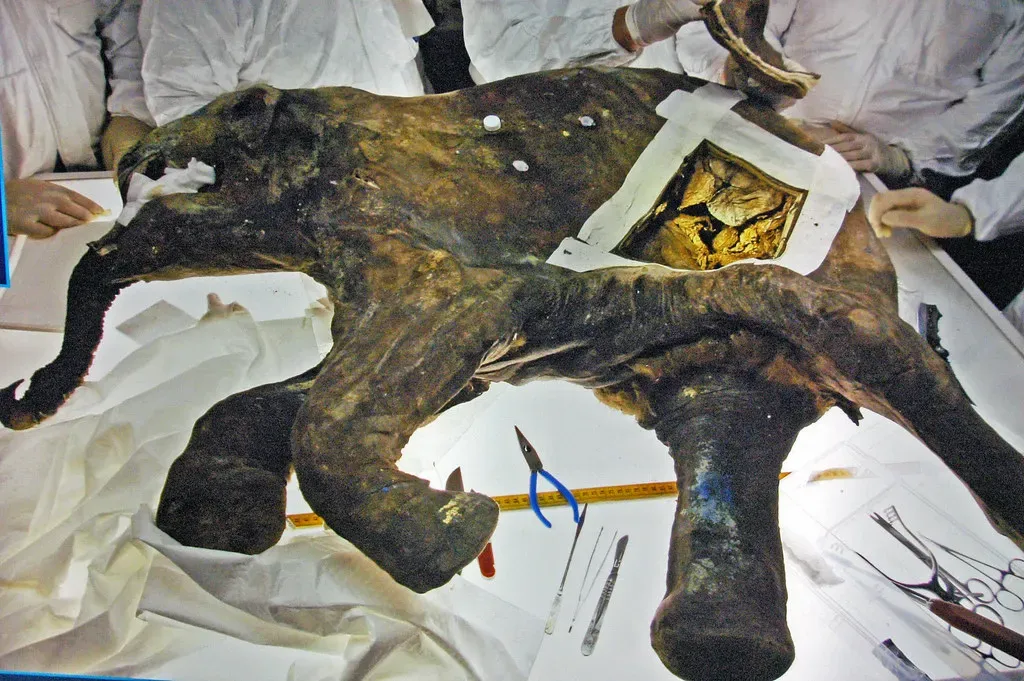
This one sounds like science fiction, but it happened in a lab in Stockholm. RNA is far more fragile than DNA – it degrades faster, breaks down easier, and was long considered impossible to recover from anything ancient. Researchers at Stockholm University managed the unthinkable anyway, successfully isolating and sequencing RNA molecules from mammoth tissue preserved in Siberian permafrost for nearly 40,000 years – the oldest RNA sequences ever recovered.
This isn’t just a preservation curiosity. RNA tells scientists which genes were actually switched on while the animal was alive, not just which genes existed somewhere in its genome. Recovering functional gene activity from a 40,000-year-old carcass was considered borderline impossible until this study.
#9 – One Mammoth’s DNA Literally Turned Into Glass
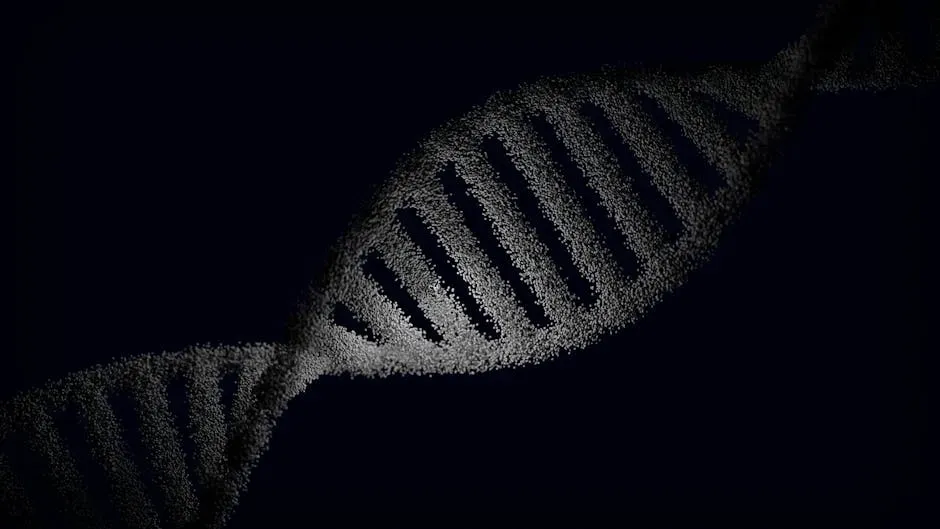
In 2024, researchers discovered that a 52,000-year-old mammoth had been preserved by a process nobody had ever documented before – and it wasn’t ordinary freezing. The skin sample had undergone a bizarre natural transformation, locking its molecular architecture in place far better than typical permafrost preservation. Scientists now describe this state as “chromoglass,” and their theoretical models suggest DNA preserved this way could survive indefinitely – far longer than anyone previously guessed.
Northeastern physicist Michele Di Pierro called it something genuinely new to science. “This is fascinating because this is a new type of fossil,” Di Pierro said. “Typically, we see in fossils the displacement of organic material with minerals, and that preserves larger structures. Here, this is a molecular fossil… each piece of DNA is in exactly the same position as it was 50,000 years ago.” A fossil where the actual molecules, not just the shape, survived intact for 50 millennia.
#8 – Mammoths Have the Exact Same Chromosome Count as Elephants
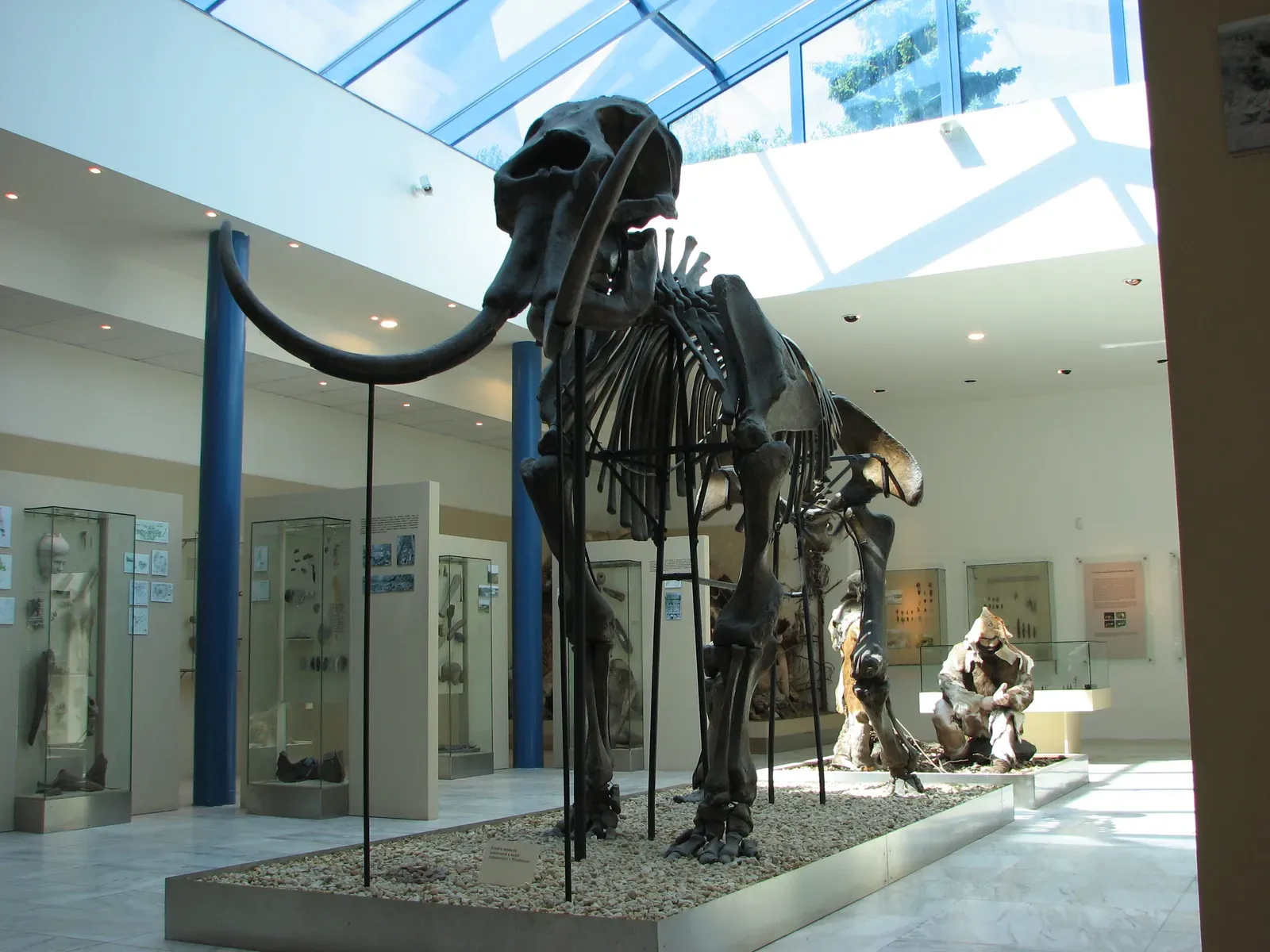
You’d think 300,000-plus years of separate evolution would leave two species with wildly different genetic architecture. It didn’t. When researchers finally reconstructed the mammoth’s 3D genome, they found a number that surprised even the geneticists involved: 28 pairs of chromosomes, “the same number as the mammoth’s closest living relatives, modern elephants,” said José Onuchic of Rice University.
What made the resemblance even more striking is that the researchers didn’t cheat by borrowing elephant data to fill in the gaps. No elephant data were used to recreate the mammoth’s 3D chromosome structures at all, yet the results came out remarkably similar to those of modern elephants. Two species separated by hundreds of thousands of years of evolution, and their chromosome architecture still lines up almost perfectly.
#7 – The Best-Preserved Baby Mammoth Ever Found Surfaced in Late 2024
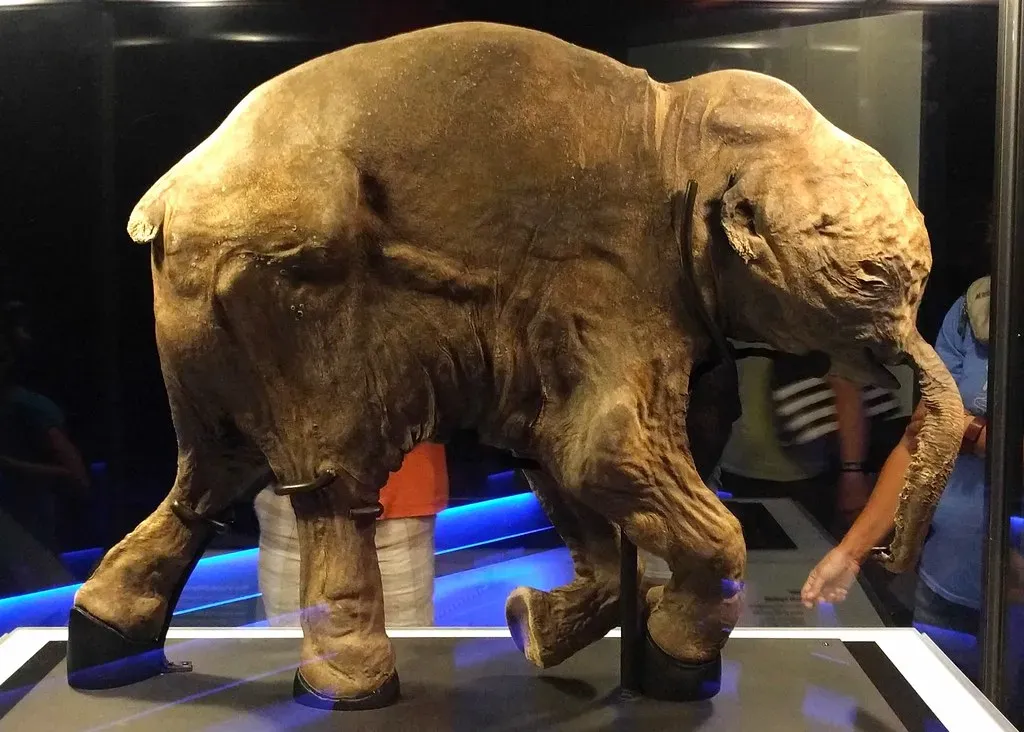
Just when scientists thought they’d seen every kind of mammoth specimen, Siberia handed them something unprecedented. In December 2024, researchers unveiled Yana, a baby mammoth pulled from eastern Siberia’s Batagaika crater – a 50,000-year-old specimen hailed as the best-preserved mammoth ever found, with no damage to its head, trunk, ears, or mouth.
Despite her age, Yana was tiny by mammoth standards, and that size is exactly what makes her valuable. At just 4 feet tall and 400 pounds, this young pachyderm offers scientists an unprecedented window into early mammoth development – marking only the seventh baby mammoth carcass ever found anywhere on Earth. Only seven baby mammoths have ever been recovered on the entire planet, and this is the best one.
At a Glance: Yana
- Found: Batagaika crater, eastern Siberia
- Unveiled: December 2024
- Estimated age: around 50,000 years old
- Size: roughly 4 feet tall, 400 pounds
- Significance: only the 7th baby mammoth carcass ever found
#6 – Scientists Already Built a “Practice Mammoth” – And It’s a Mouse
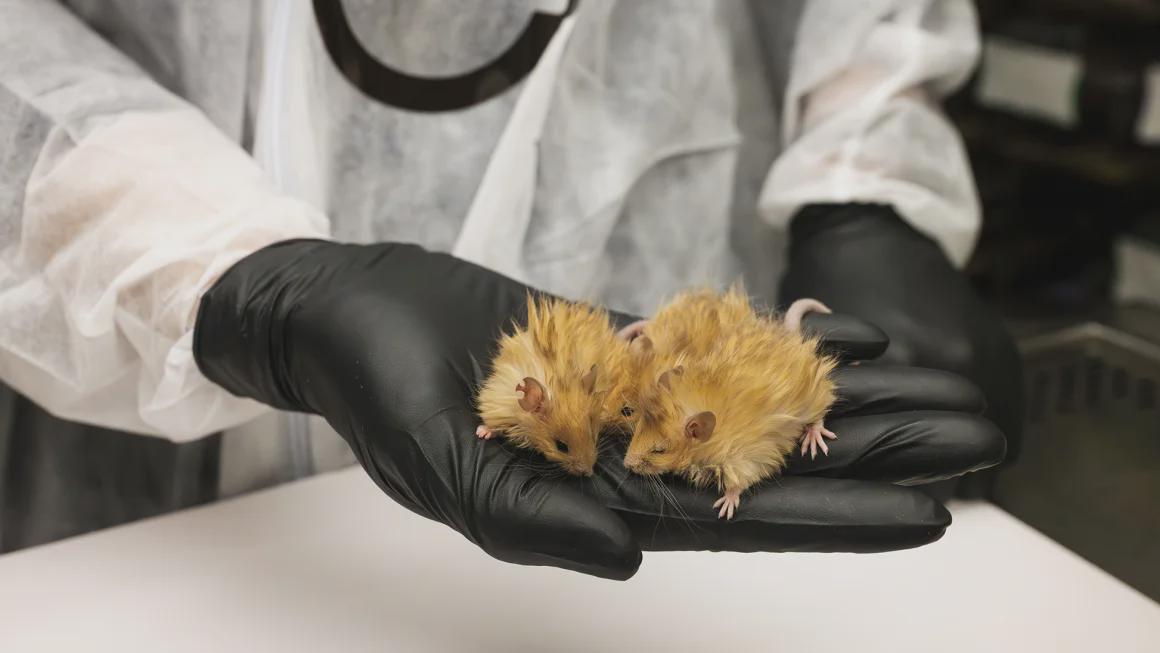
Before touching a single elephant embryo, Colossal Biosciences tested their entire process on something far smaller and far less risky. The result was a genuinely bizarre-looking rodent with traits borrowed straight from Ice Age biology. “We ended up with some absolutely adorable mice that have longer, woolly, golden-colored coats,” said Colossal’s Beth Shapiro. The mice also carry fat similar to a mammoth’s, the company says, helping them survive cold weather.
The engineering wasn’t subtle. It involved editing seven specific genes tied directly to hair growth and metabolism to get the woolly effect right. Not everyone was impressed. “Colossal’s team made a number of genetic changes known as ‘knock outs’ in lab mice that are already known to produce longer, thicker, wavier – or woollier – coats in mice. They also made a change known to cause blonde hair coloring in mice,” said Tori Herridge, an evolutionary biologist not involved in the study. Critics call it a proof-of-concept using traits scientists already understood, not a mammoth breakthrough.
#5 – Many Scientists Say This Isn’t “De-Extinction” At All
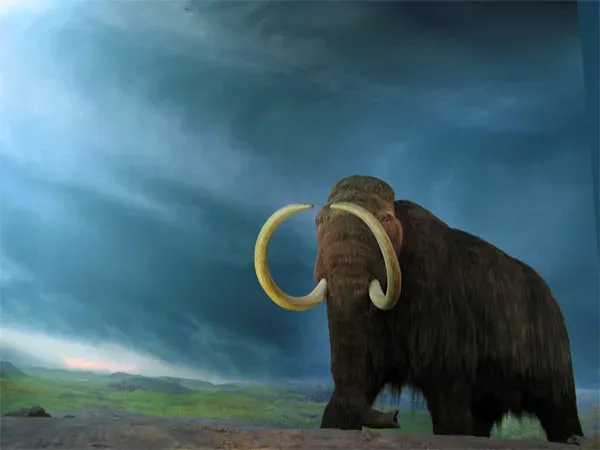
Here’s the quiet admission that keeps resurfacing every time Colossal makes headlines: what they’re building isn’t technically a mammoth. The company itself uses careful language to describe the goal. “We call it functional de-extinction because it’s not possible to clone an extinct species if you do not have a living cell,” says CEO Ben Lamm. That framing matters – the end product will be a modified elephant carrying select mammoth traits, not a resurrected mammoth.
Outside critics have been even blunter about what that actually means. Vincent Lynch, an evolutionary biologist at the University at Buffalo, doesn’t think this counts as de-extinction in any respect. “They’re making genetic changes in an Asian elephant that gives that Asian elephant the superficial appearance of being a mammoth,” he says. “That’s not de-extinction; that’s genome engineering.” The animal being promised for 2028 will look like a mammoth without technically being one.
Quick Compare: What’s Really Being Made
- Colossal’s term: “functional de-extinction”
- Critics’ term: “genome engineering”
- The actual animal: a modified Asian elephant with mammoth-like traits
- What it is not: a resurrected, genetically pure woolly mammoth
#4 – A Private Company Is Trying to Patent the Extinct Mammoth
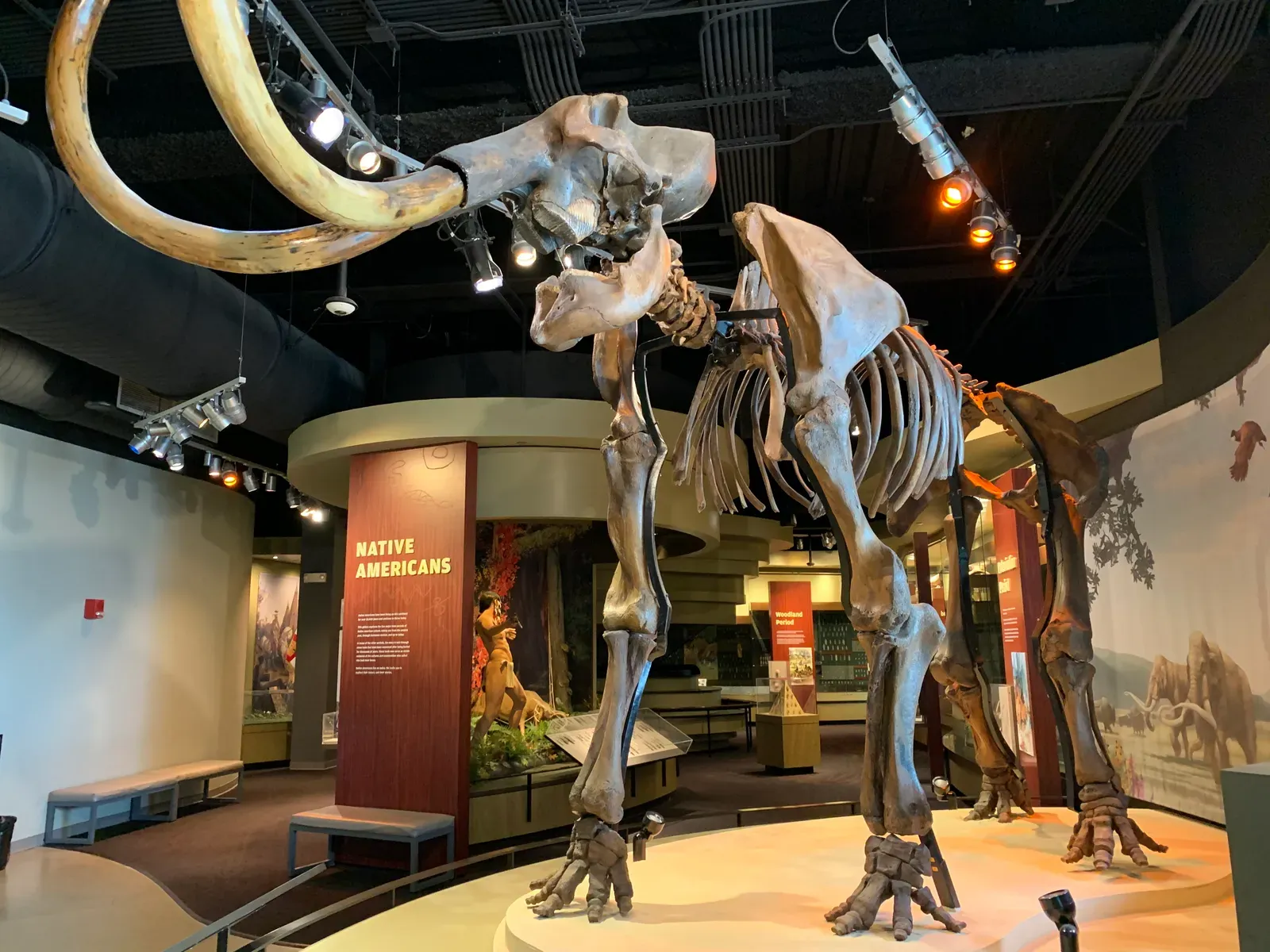
This is the detail that turns heads: a biotech startup filed paperwork to legally own the genetic recipe for reviving a species that’s been dead for 4,000 years. MIT Technology Review reported the Texas company is seeking a patent that would give it exclusive legal rights to create and sell gene-edited elephants containing ancient mammoth DNA.
Colossal’s CEO tried to draw a distinction between owning the science and owning the animals themselves. “What’s important to understand is that any IP protection would be limited to specific technical methods and innovations we’ve developed – not the genetic heritage of extinct species themselves. We see ourselves as stewards of this science rather than owners of these magnificent creatures,” Lamm said. Whether a patent on the process amounts to the same thing in practice is exactly the kind of question that splits scientific opinion. A company hoping to sell exclusive rights to a creature that nature itself never patented.
#3 – Baby Mammoths Nursed for Years, and It May Have Doomed Them
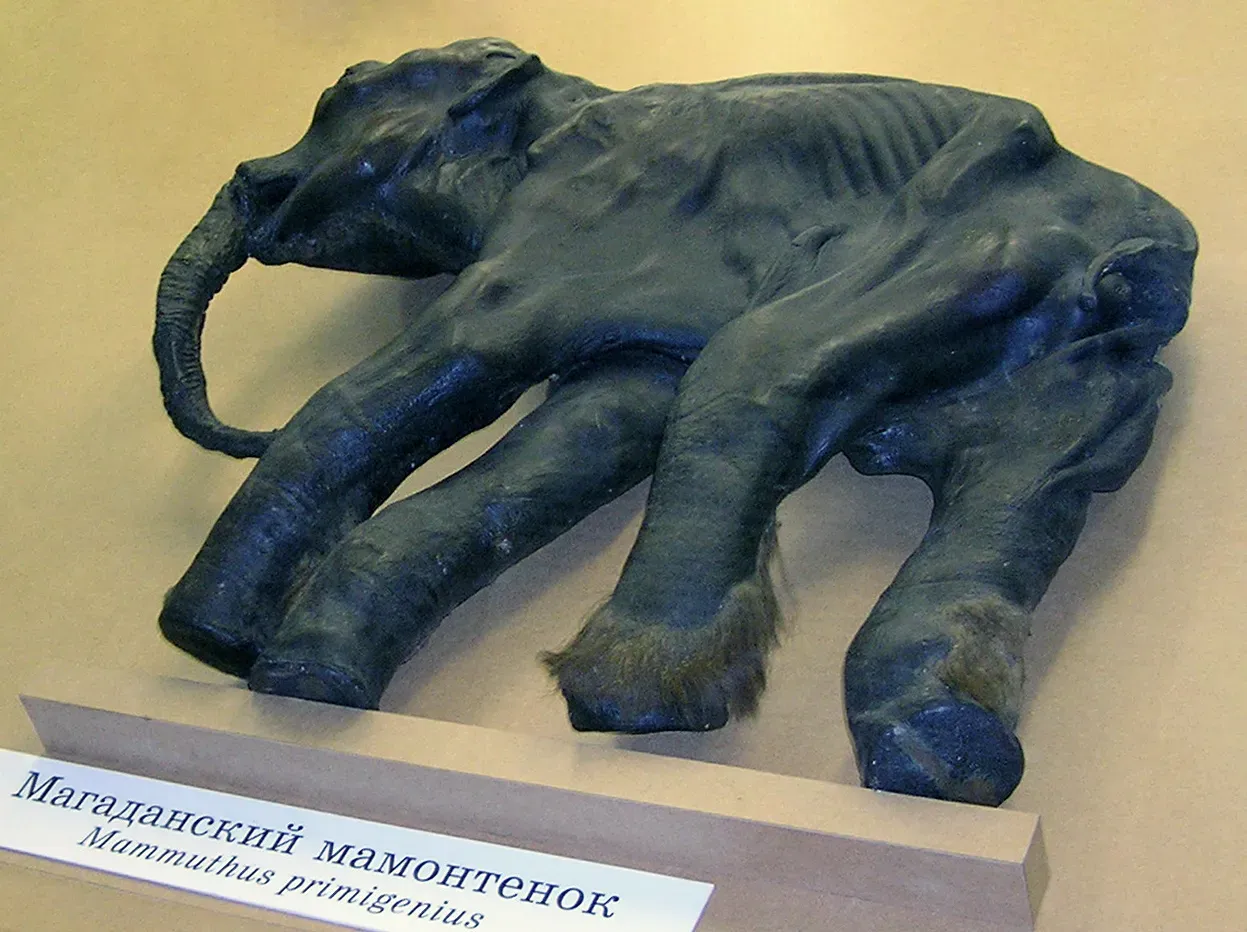
Long before genetics entered the picture, scientists studying mammoth teeth found something that reshaped how vulnerable these animals really were as infants. The Arctic environment forced mammoth calves into unusually long dependency on their mothers. Analysis of mammoth teeth showed they didn’t begin eating solid food before age 2, and sometimes not until age 3 – much later than modern-day African elephants, likely due to prolonged winter darkness north of the Arctic Circle.
Researcher Jessica Metcalfe connected that extended vulnerability directly to predation risk during those long, dark winters. “In modern Africa, lions can hunt baby elephants but not adults. They can’t kill adults. But they can kill babies, and by and large, they tend to be successful when they hunt at night because they have adapted night vision,” Metcalfe explained. Two to three years of nursing in near-permanent Arctic darkness made mammoth calves sitting targets.
#2 – The 2028 “Mammoth” Might Never Actually Be Born on Schedule
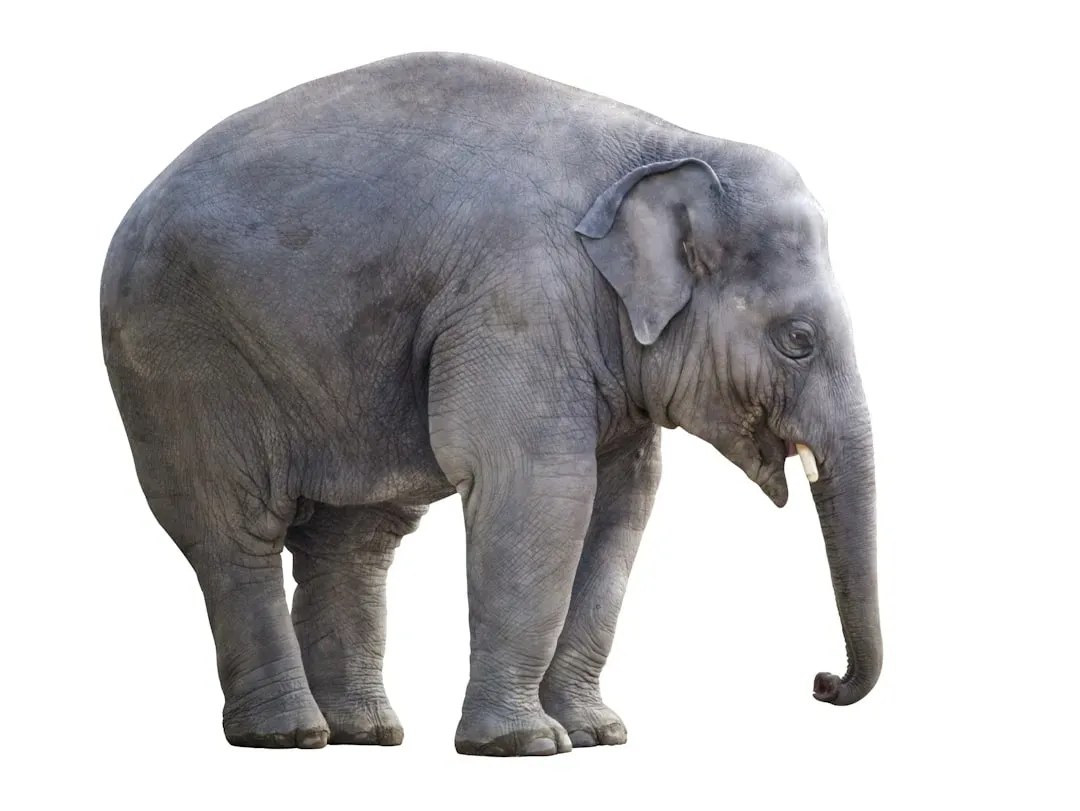
Colossal has publicly promised calves by 2028, but the scientific reality behind that deadline is far messier than the press releases let on. Rewriting a genome takes extensive experimentation across hundreds of embryos to make sure the key genes are properly edited. The only way to confirm success is to follow embryos through gestation and see if a viable calf is born – a process that takes nearly two years per attempt, making rapid iteration essentially impossible.
On top of that timeline problem sits an ethical one with no quick engineering fix. Asian elephants are highly social, highly intelligent, and endangered, which raises serious ethical obstacles to experimenting on them at scale. You can’t mass-produce test embryos in an endangered, highly social species the way you can in lab mice.
Worth Knowing
- Each embryo attempt requires nearly two years to confirm success or failure
- Hundreds of embryos may be needed to properly validate gene edits
- Asian elephants are endangered, limiting how much testing is ethically possible
- Fast trial-and-error, common in mice, simply isn’t an option at elephant scale
#1 – The Last Mammoths May Have Died in a Single, Random Catastrophe
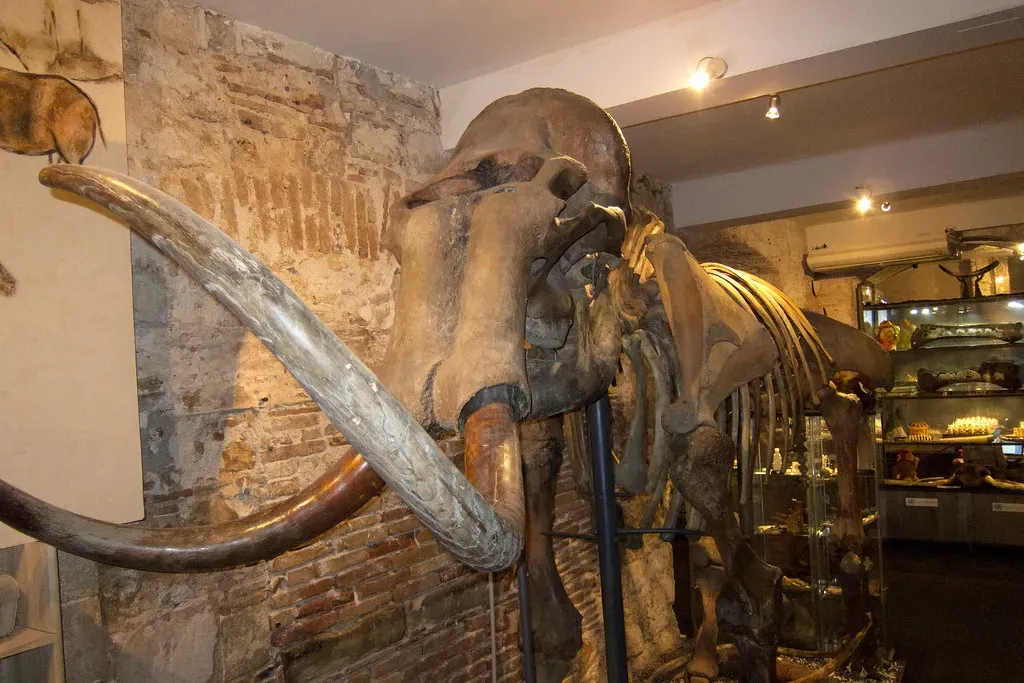
After all the genome sequencing, all the inbreeding studies, and all the climate modeling, the most unsettling admission scientists have made is simply this: they still don’t fully know what killed the very last mammoths. Once the genetic collapse theory was ruled out, researchers were left staring at a genuinely mysterious, abrupt ending. Humans likely weren’t responsible either – they didn’t arrive on Wrangel Island until roughly 400 years later. The leading theory now points to a single unlucky incident: a novel virus, a natural disaster, an Arctic volcanic eruption, or even a tundra fire.
It was probably just some random event that killed them off, and if that random event hadn’t happened, then we would still have mammoths today.
Love Dalén
An entire species, surviving 6,000 years of isolation, wiped out by what may have simply been bad timing. After 100 years of scientific argument, the truth might be less about grand evolutionary failure and more about one unlucky day in Arctic history.
The Bottom Line
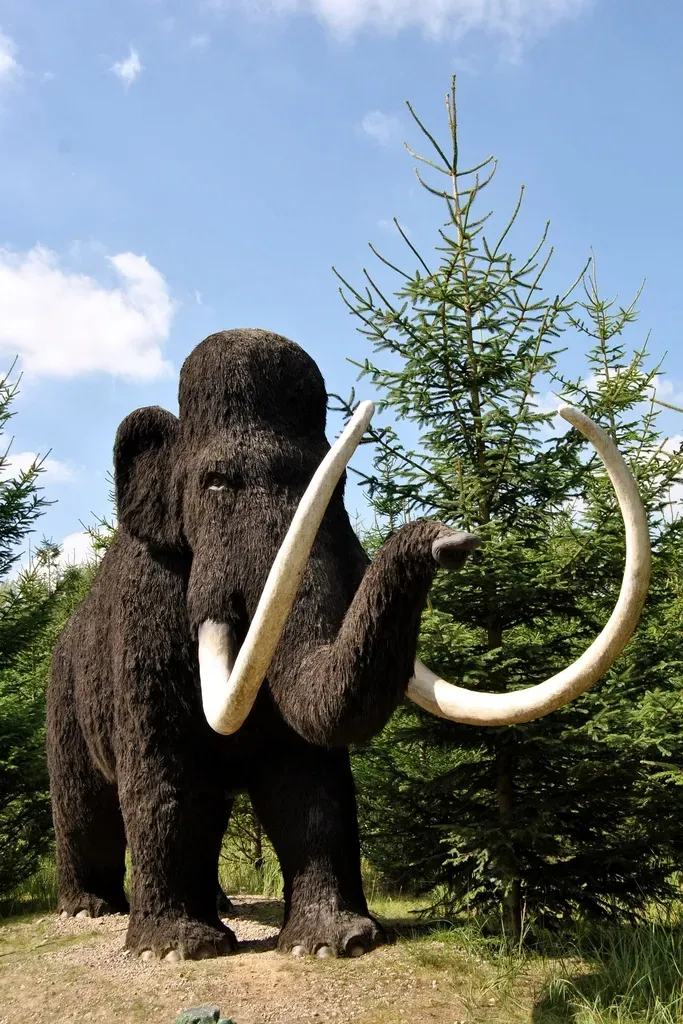
The woolly mammoth story scientists actually believe today looks nothing like the simplified version most of us grew up with. These animals outlasted the Ice Age by millennia, survived brutal inbreeding that should have doomed them, and may have vanished in one sudden, unlucky event rather than a slow decline.
Meanwhile, the “de-extinction” headlines dominating the news are, by the researchers’ own admission, closer to elephant genome engineering than actual resurrection – and a company is racing to patent the whole process before anyone else can.
If you ask me, the real mammoth is more fascinating dead and genetically dissected than any lab-grown lookalike will ever be. Which of these 13 facts genuinely surprised you the most? Drop it in the comments.