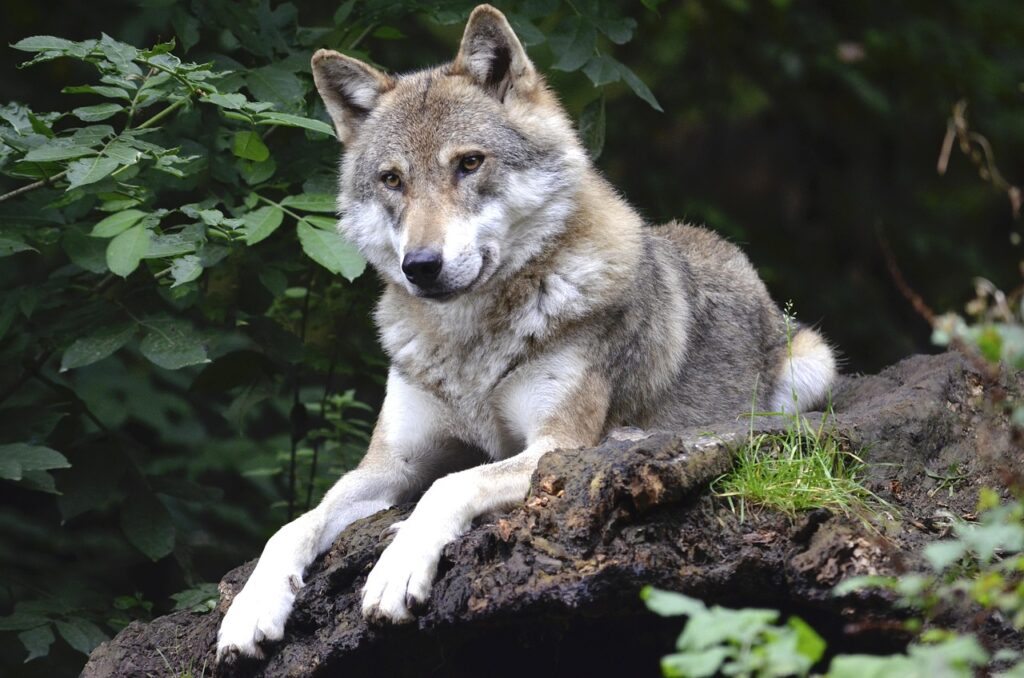
Most people think wolves live like something out of a nature documentary villain script – a snarling “alpha” clawing its way to power over a trembling pack. That story is almost entirely wrong, and the scientists who built it have spent the last two decades trying to quietly walk it back.
From ancient bones on a forgotten Baltic island to hunting success rates that would embarrass a house cat, the real research paints a picture nobody expected. Here’s what wolf biologists actually admit once the cameras stop rolling.
#13 – Humans May Have Kept Tame Wolves Thousands of Years Before Dogs Existed
A pile of old bones on a tiny Swedish island just rewrote the wolf-domestication timeline, and researchers still aren’t sure what to do with it.
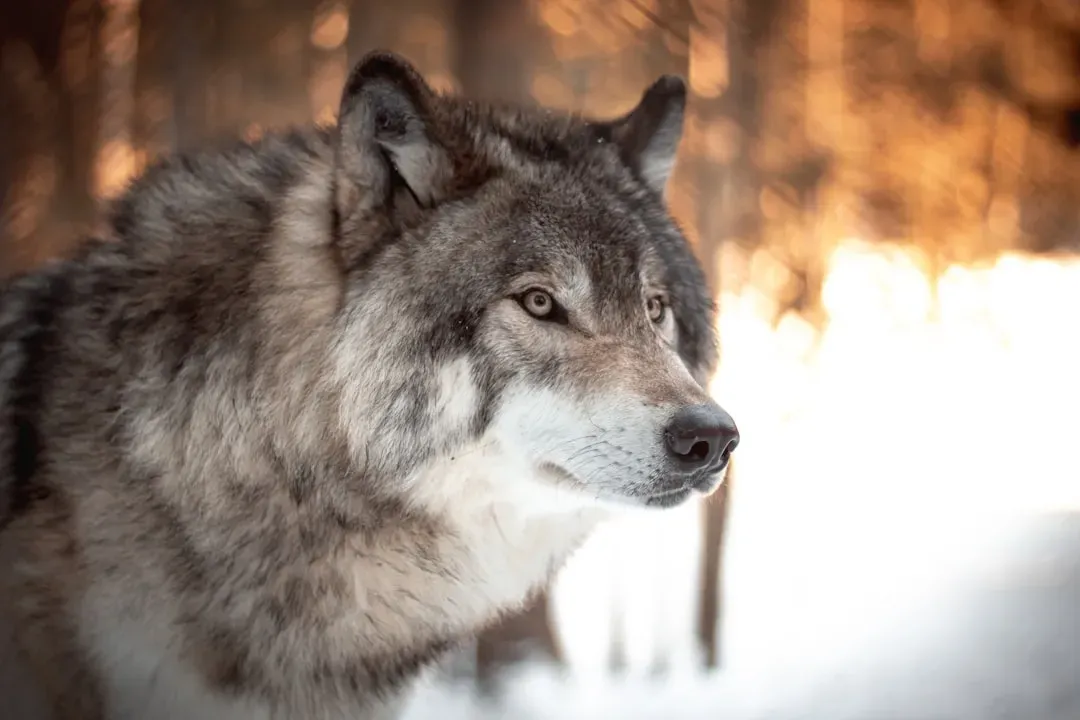
Scientists identified wolf remains dating back roughly 3,000 to 5,000 years on the Swedish island of Stora Karlsö, a finding that is remarkable because the island is isolated and has no native land mammals. That meant one thing: the wolves could not have reached the island on their own, leading researchers to conclude that people must have transported them there.
What makes this even stranger is the physical evidence. These animals weren’t dogs, but true wolves that ate the same marine food as the people living there and showed signs of isolation and possible care – one even survived with an injured limb that would have made hunting difficult.
Fast Facts
- Location: Stora Karlsö, an isolated island in the Baltic Sea off Sweden
- Age of remains: roughly 3,000 to 5,000 years old
- Species: true wolves, not domesticated dogs
- Diet: marine-based, matching the human residents’ own food
- Standout case: a wolf that survived a hunting-limiting limb injury
A wolf that couldn’t hunt but still survived doesn’t sound like a wild animal – it sounds like a pet. And that mystery is just the warm-up for how little we actually understand living right now.
#12 – Even the “Most Studied Mammal on Earth” Still Baffles Scientists
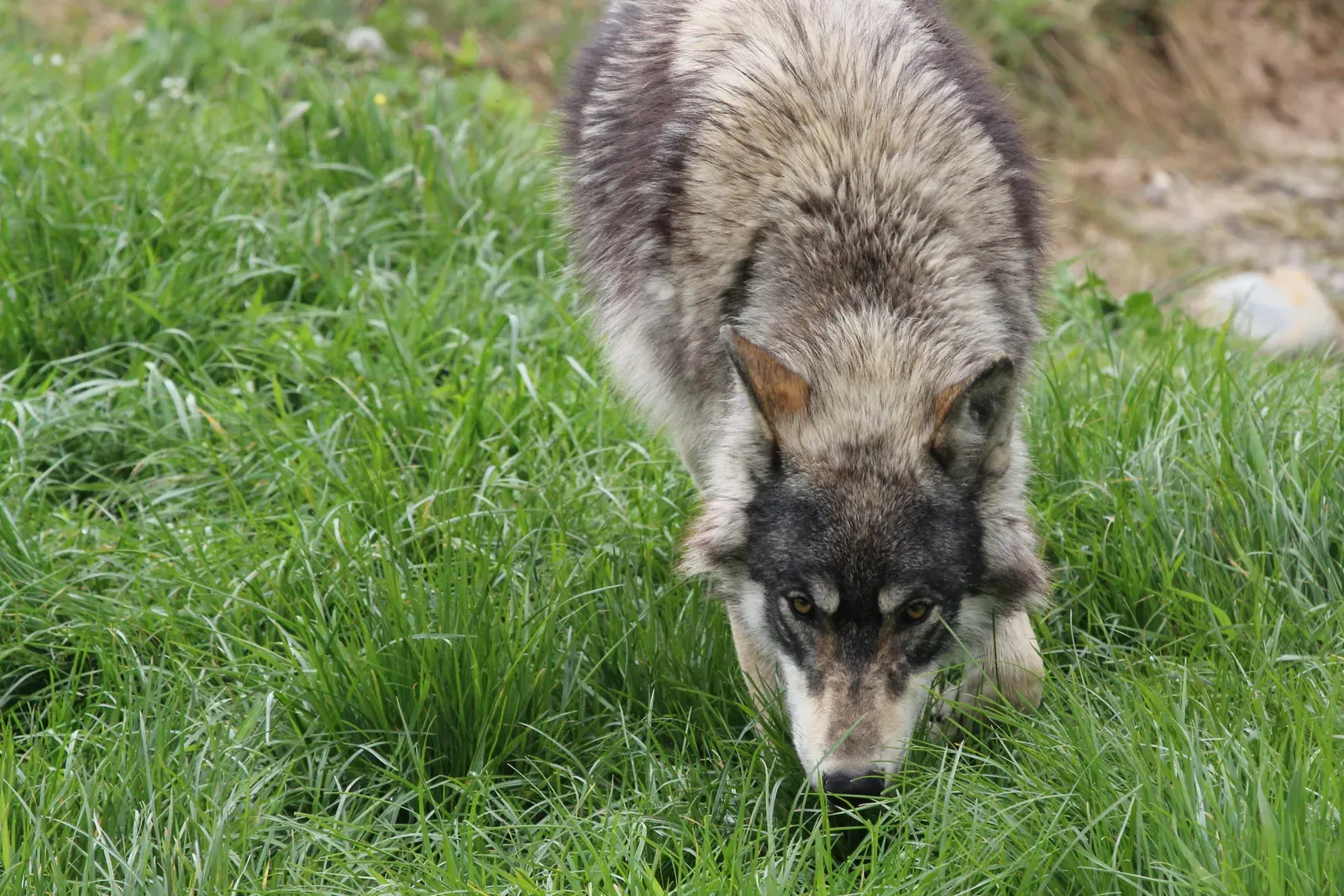
Wolves have been tracked, collared, and filmed more than almost any other wild animal, yet there’s a giant hole in what we actually know about them.
Researchers openly admit it: wolves may be one of the most studied wild mammals in the world. Yet when it comes to how wolves actually process scent – arguably their most important sense – the picture falls apart fast.
Beyond the study of territory-related pheromones in urine and faecal marks, there is a surprising lack of information on the neuroanatomical and physiological basis of wolves’ chemical communication. That’s a strange gap for an animal whose entire social life runs on scent-marking territory, tracking prey, and identifying pack members.
Scientists still don’t fully understand how a wolf’s nose actually decodes the chemical messages other wolves leave behind. It’s a quiet admission that decades of GPS collars and camera traps still haven’t answered some of the most basic biological questions – which makes the next fact about wolf identity even harder to wrap your head around.
#11 – Wolves Aren’t One Animal, They’re Basically 38 Different Ones
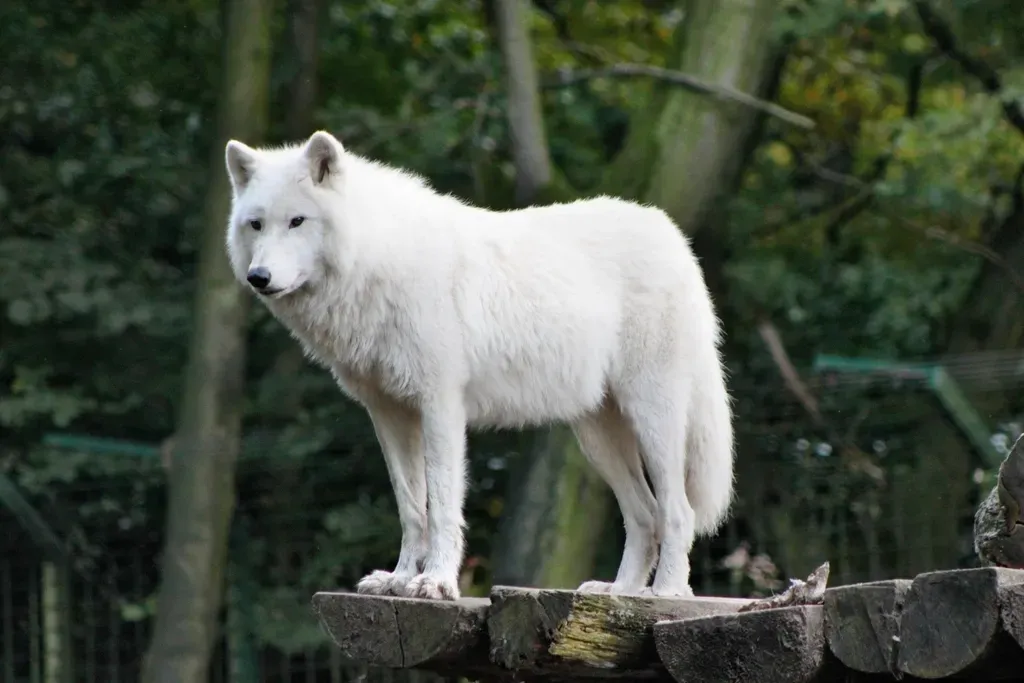
Say “wolf” and most people picture the same gray, wide-jawed animal from every documentary. Scientists say that’s like picturing one dog breed and assuming it represents the whole species.
Canis lupus, the grey wolf, is the most widespread wolf species found in the wild, inhabiting various areas across North America, Europe, and Asia. Over millennia it has diverged into as many as 38 different subspecies – from the white Arctic wolf to the small Mexican wolf, the vulnerable Iberian wolf, and the high-elevation Himalayan wolf.
Here’s the part that surprises people most: the boundary between “wolf” and “dog” is blurrier than most people realize. Scientists have confirmed that wolves can mate and produce offspring with dogs, and wolf mates usually stay together for life.
The same genetic lineage that gave us the Himalayan wolf also gave us the golden retriever asleep on your couch. That blurred line gets even stranger once you hear a wolf’s actual voice.
#10 – Every Wolf Has a Voice as Unique as a Fingerprint
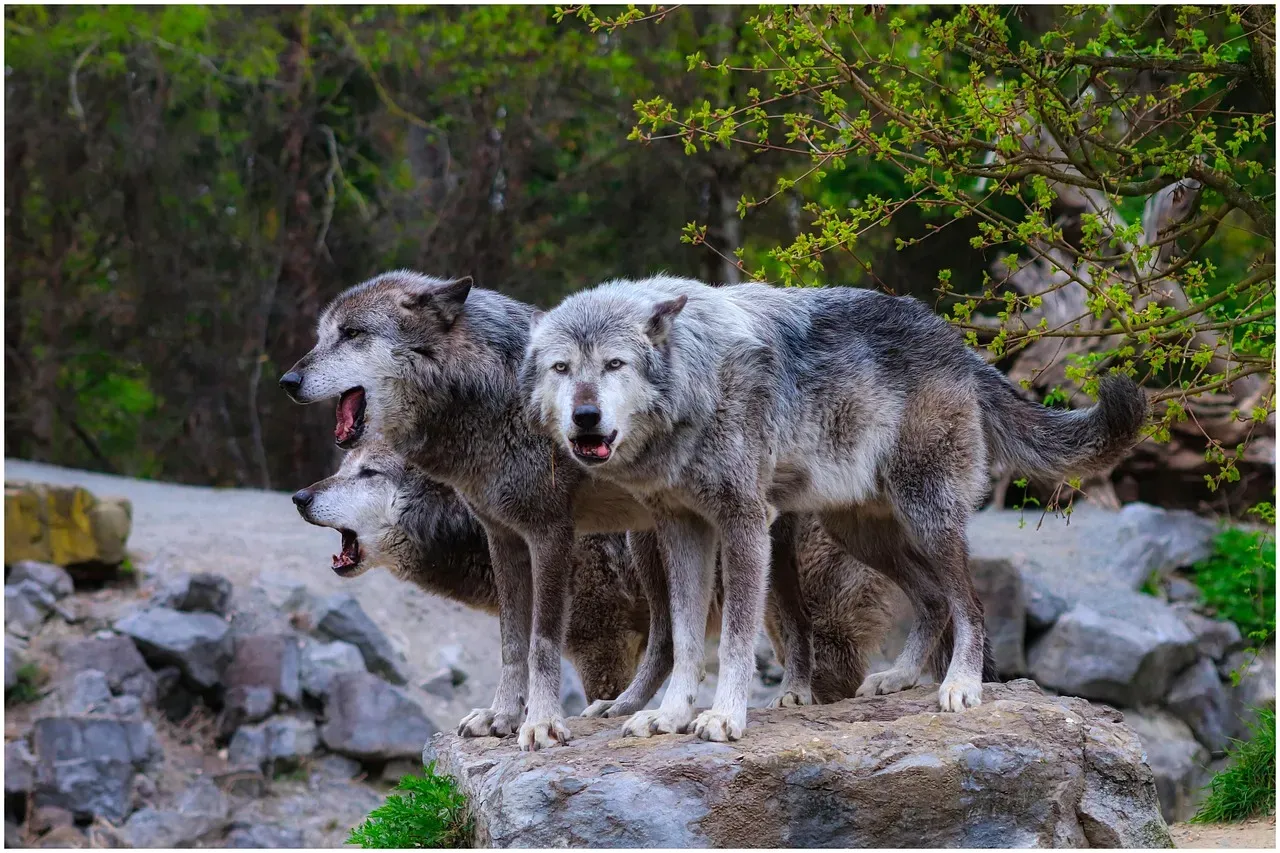
If you played a recording of ten different wolf howls, researchers now claim they could tell you exactly which wolf made each one – no visual confirmation needed.
Wolf howls aren’t generic – each wolf has a vocal signature as distinctive as a human voice. Researchers recording howls from individually isolated timber wolves found they could reliably tell wolves apart based on the fundamental frequency of the howl and how much the pitch varied within it.
That’s not guesswork anymore, either. Newer software has pushed this further than anyone expected – sound analysis code has been developed that can tell which wolf is howling with 100% accuracy, whereas relying on pitch alone previously only achieved an accuracy rate of 76%.
At a Glance
- Old method (pitch alone): about 76% accuracy identifying individual wolves
- New software method: 100% accuracy in identifying which wolf is howling
- Key markers used: fundamental frequency plus how much the pitch varies
- Why it matters: lets researchers track individual wolves without ever seeing them
A machine can now pick a single wolf’s “voice” out of a chorus with total certainty. That’s not a party trick – it’s changing how researchers count and track wild packs. But even that voice goes quiet at exactly the moment you’d expect it loudest.
#9 – Wolves Go Silent Right When You’d Expect Them to Howl the Most
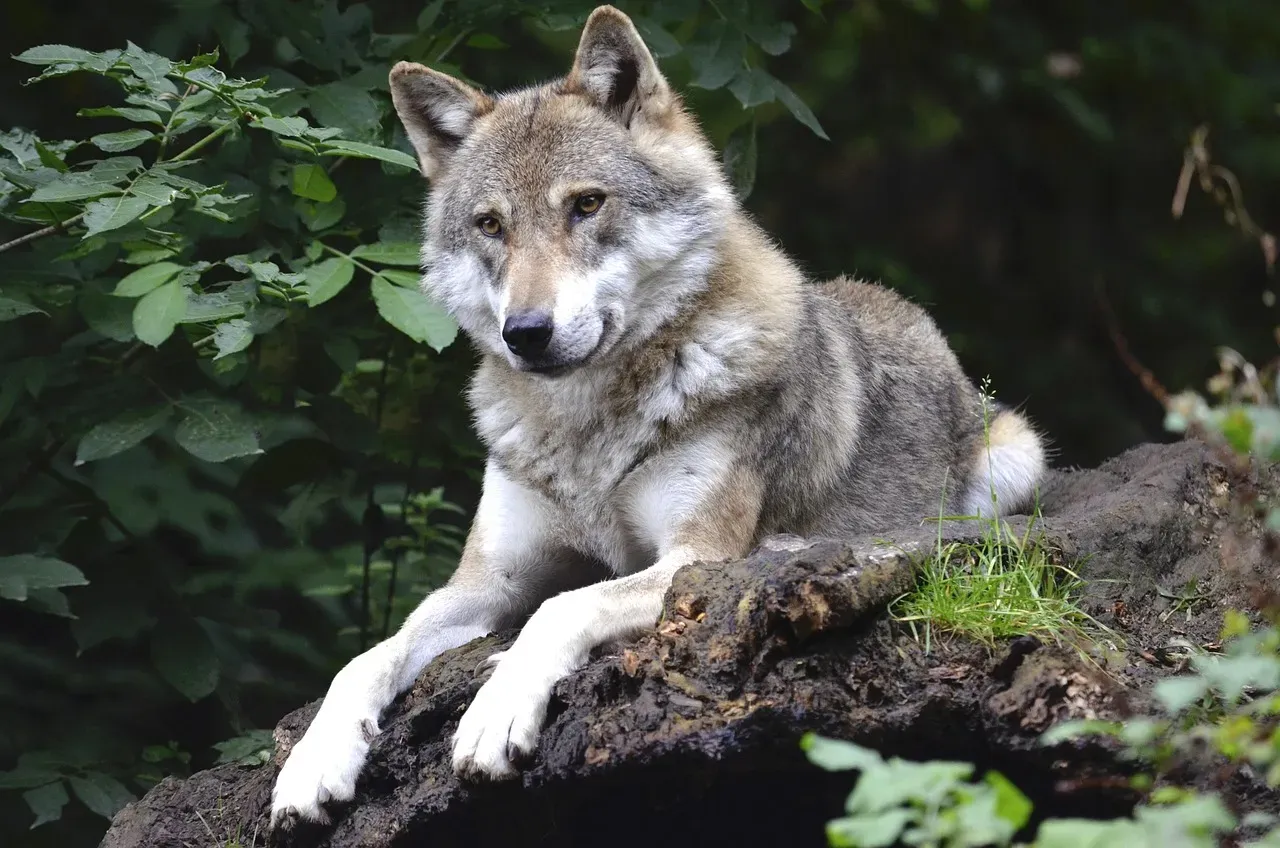
You’d assume a pack with newborn pups would be the loudest, most vocal group in the forest. Researchers found the exact opposite happens, and the reason is chilling once you think about it.
Howling increases during the breeding season, then drops sharply after pups are born, likely because the noise could attract predators to vulnerable newborns. It’s a calculated silence – the pack essentially goes into lockdown mode the moment the most defenseless members of the family arrive.
The silence doesn’t last, though. As pups grow, howling picks back up, and pups at 16 to 18 weeks old are significantly more likely to respond to howls than younger pups, with response rates roughly doubling compared to earlier weeks.
A four-month-old wolf pup is already learning to answer the family call. That kind of behavioral timing suggests far more deliberate communication than a simple warning bark – and silence, it turns out, isn’t the only myth wolves have to live down.
#8 – The Danger Wolves Pose to People and Livestock Is Wildly Overstated
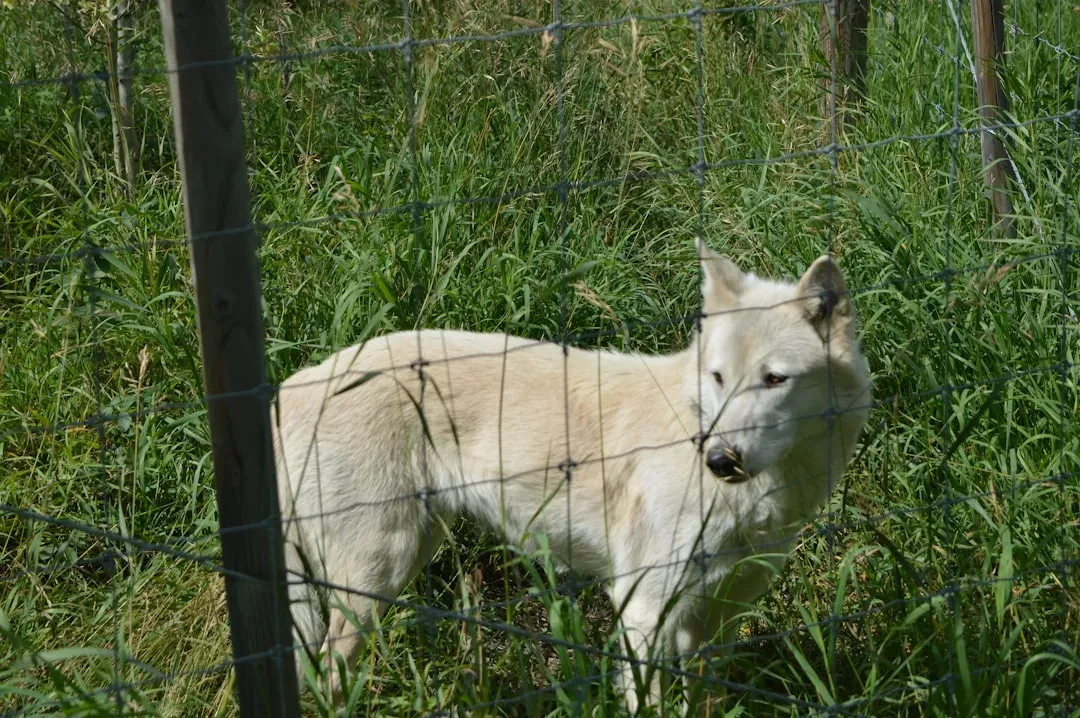
Ask most people what a wolf does to a farm, and they’ll describe a slaughter. Ask a researcher, and you’ll get a very different, much less dramatic answer.
While wolves occasionally prey on livestock, the scale of these incidents is often exaggerated. Research shows that wolves primarily hunt wild prey, and conflicts with livestock are relatively rare when preventive measures are in place.
The human-safety numbers are even more lopsided. Wolves have an unfair reputation as threats to farmed animals and human safety, but research shows the risks are vastly overstated.
Simple deterrents like guard animals and electric fencing do more to stop conflict than any wolf cull ever has. That’s a controversial thing to say in ranching country, but the data keeps pointing the same direction – and the most famous wolf story of the last thirty years has its own asterisk, too.
#7 – The Viral “Wolves Change Rivers” Story Isn’t as Airtight as You Think
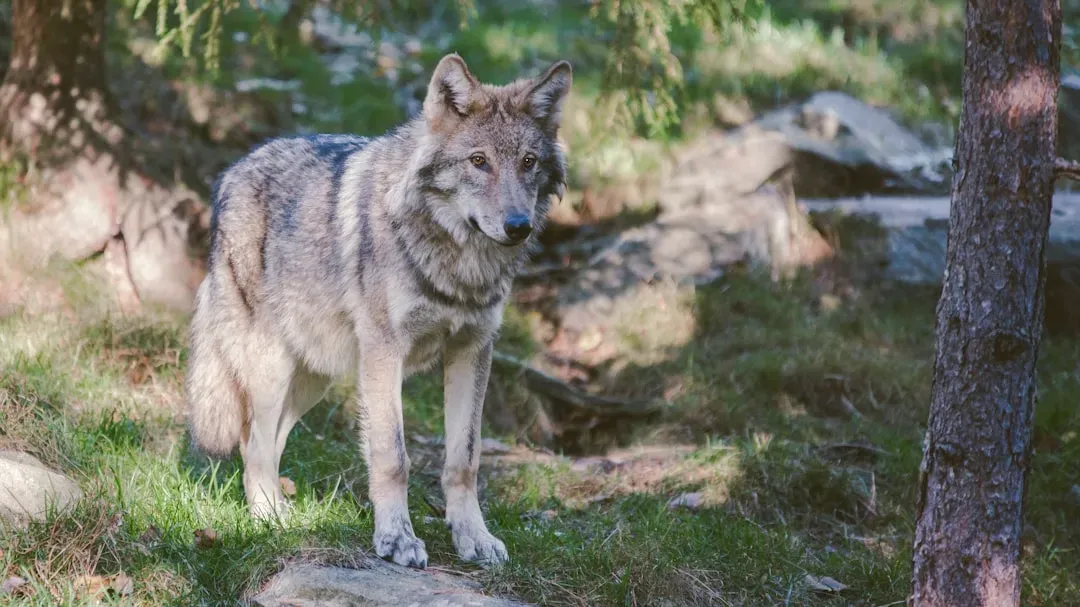
If you’ve ever seen the famous video reshaping entire rivers in Yellowstone, you’ve watched one of the most-shared nature clips ever made. Some scientists now argue it oversold the science.
The basic outline is real: 14 gray wolves were reintroduced to Yellowstone from Canada in 1995, followed by 17 more in 1996, and as the population grew, a trophic cascade unfolded, restoring balance across multiple levels of the food web. That part is well documented.
But the clean, cause-and-effect story gets messier under scrutiny. Some scientists who have studied the reintroduction argue that many trophic cascade claims fail to actually prove causation, since “the fallacies lie in coming to a conclusion based on the order or pattern of events, rather than accounting for other factors.”
The wolves mattered – but they probably weren’t the whole story. And once you start pulling at wolf myths, pack size is next on the list.
#6 – Bigger Packs Aren’t Always Better Hunters, and Scientists Were Stunned
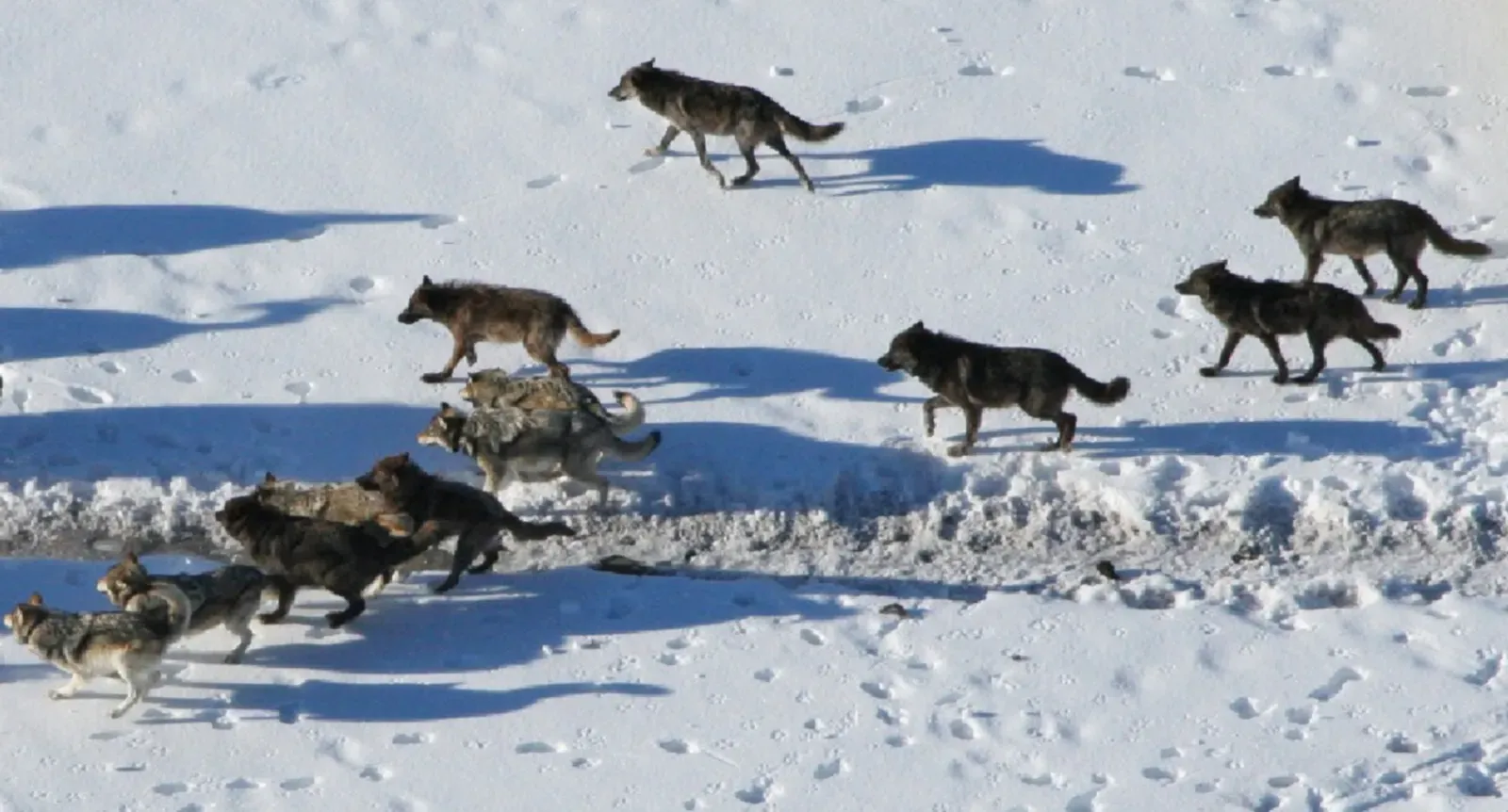
Common sense says a bigger pack should catch more prey. Researchers who actually crunched the numbers found something almost backwards.
Observational data show that the optimal group size for hunting success is surprisingly small, ranging from just 2 to 5 in carnivores. Beyond that sweet spot, adding more wolves to a hunt barely helps – and can even hurt, likely because coordination gets harder and individual effort drops.
The one exception is when the prey fights back hard. When Yellowstone wolves hunt bison – prey that is on average 3 times harder to capture than elk – elk-capture success levels off at just 2 to 6 wolves, while bison-capture success doesn’t level off until 9 to 13 wolves.
Quick Compare
- General carnivore optimum: just 2 to 5 wolves for peak hunting efficiency
- Elk hunts: success rate levels off at only 2 to 6 wolves
- Bison hunts: success rate doesn’t level off until 9 to 13 wolves
- Difficulty gap: bison are roughly 3 times harder to capture than elk
A pack only grows large when the prey is genuinely terrifying enough to demand it. Pack size isn’t the only place instinct gets it backwards – hunting itself does too.
#5 – Wolves Fail at Hunting Way More Often Than They Succeed
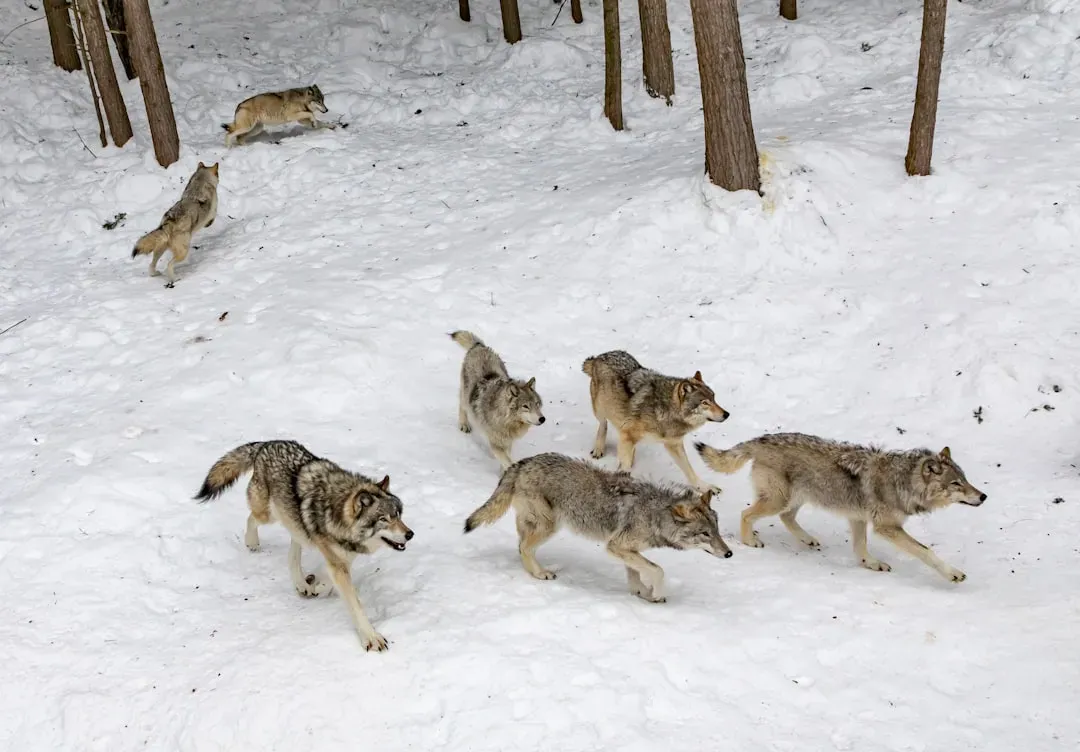
Movies love to show wolves as unstoppable killing machines. Field researchers following real packs found something closer to a losing streak.
The success rate for wolf chases that result in kills is only 14%, with 86% of the chases ending with no food. Think about that for a second – nearly nine out of ten hunts end with a wolf pack going hungry.
Other long-term studies confirm it’s not a fluke. Wolves succeed in securing a kill in about 15% of attempted hunts, with studies from various locations and prey types showing a range of 5-28%.
That’s an exhausting way to make a living. This failure rate is exactly why surplus killing gets misunderstood – when wolves occasionally kill more than they can eat in one sitting, it’s a rare energy-banking strategy, not cruelty. All that failure raises an obvious question: who’s actually in charge when the pack finally does eat?
#4 – The “Alpha Pair” Isn’t Fighting for Power, It’s Just… Married
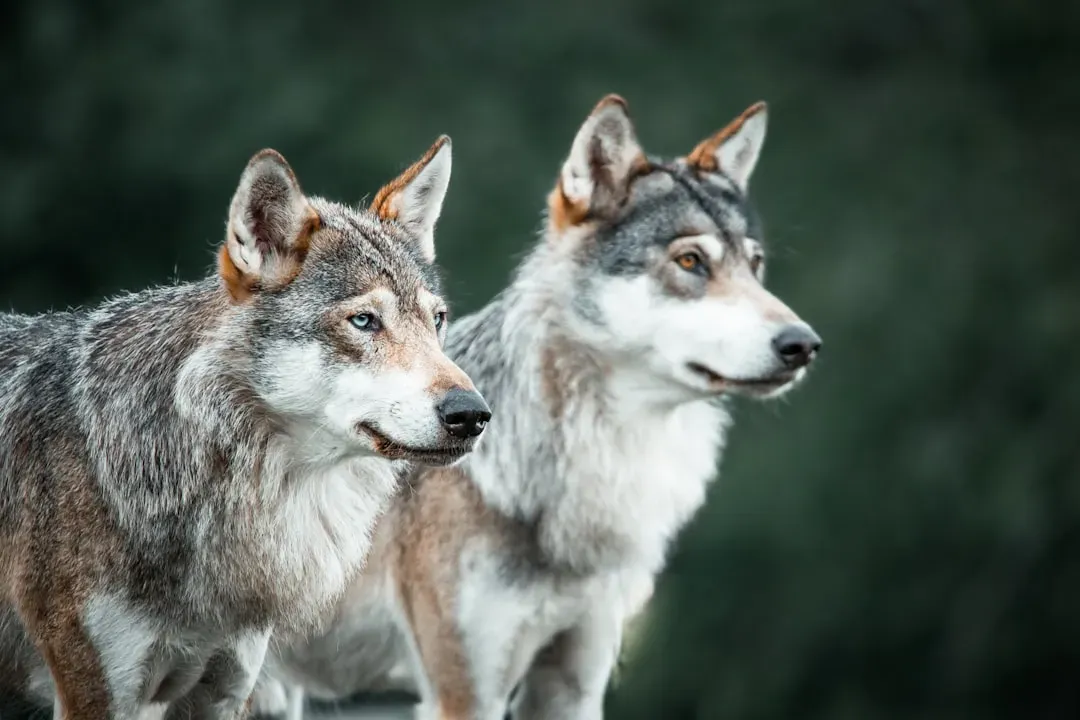
Here’s a phrase you’ve probably heard a hundred times: “alpha male and alpha female.” Researchers who actually track these pairs say the label makes something pretty ordinary sound far more dramatic than it is.
One researcher tracking wolf pairs with GPS found that in more than 70% of readings, the breeding pair remained within 100 metres of each other – practically inseparable. That’s not a power struggle. That’s a long-term partnership.
And it usually stays that way for life. Wolf mates typically stay together for life, raising litter after litter as a single committed unit rather than constantly renegotiating dominance.
The most “powerful” wolves in a pack aren’t warlords – they’re just the parents. That partnership is also the reason the next myth needed to die.
#3 – A Wolf Pack Is Just a Family, Not a Battlefield
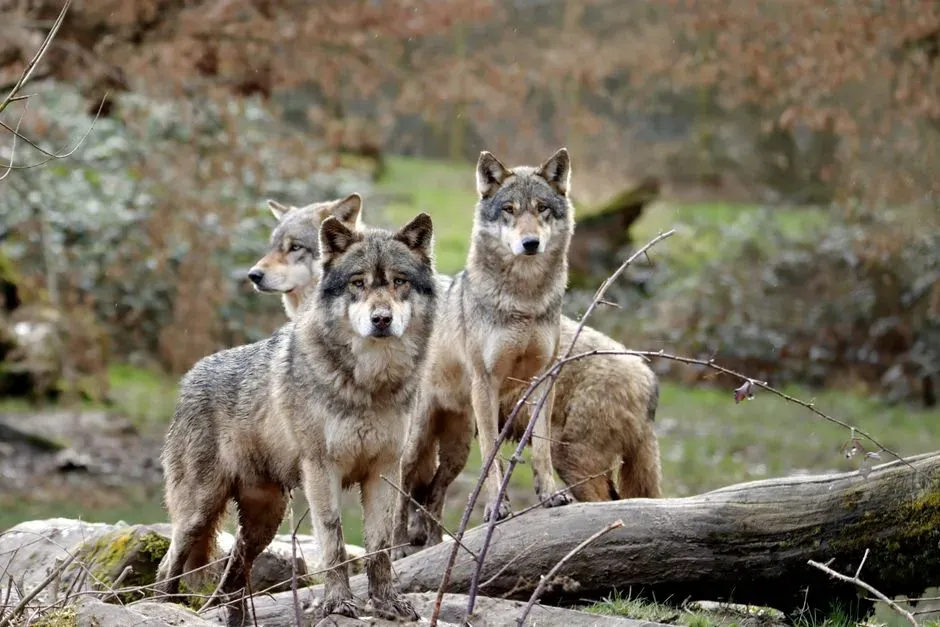
If the word “pack” makes you picture a violent hierarchy of rivals clawing for rank, biologists who’ve spent decades in the field say you’ve been misled by outdated research.
Wild wolf packs are usually made up of a breeding male, a breeding female, and their offspring from the past two or three years that have not yet set out on their own – perhaps six to 10 individuals. That’s a household, not a hierarchy.
And the internal fighting people expect? It basically doesn’t happen. Infighting for dominance is basically unheard of in a typical pack – when offspring reach two to three years old, they simply leave in search of mates to start their own family.
Wolf cubs don’t stage coups. They move out. Which brings us to the study that started this entire misunderstanding in the first place.
#2 – The “Alpha Wolf” Concept Came From a Study on Wolves That Weren’t Even a Real Pack
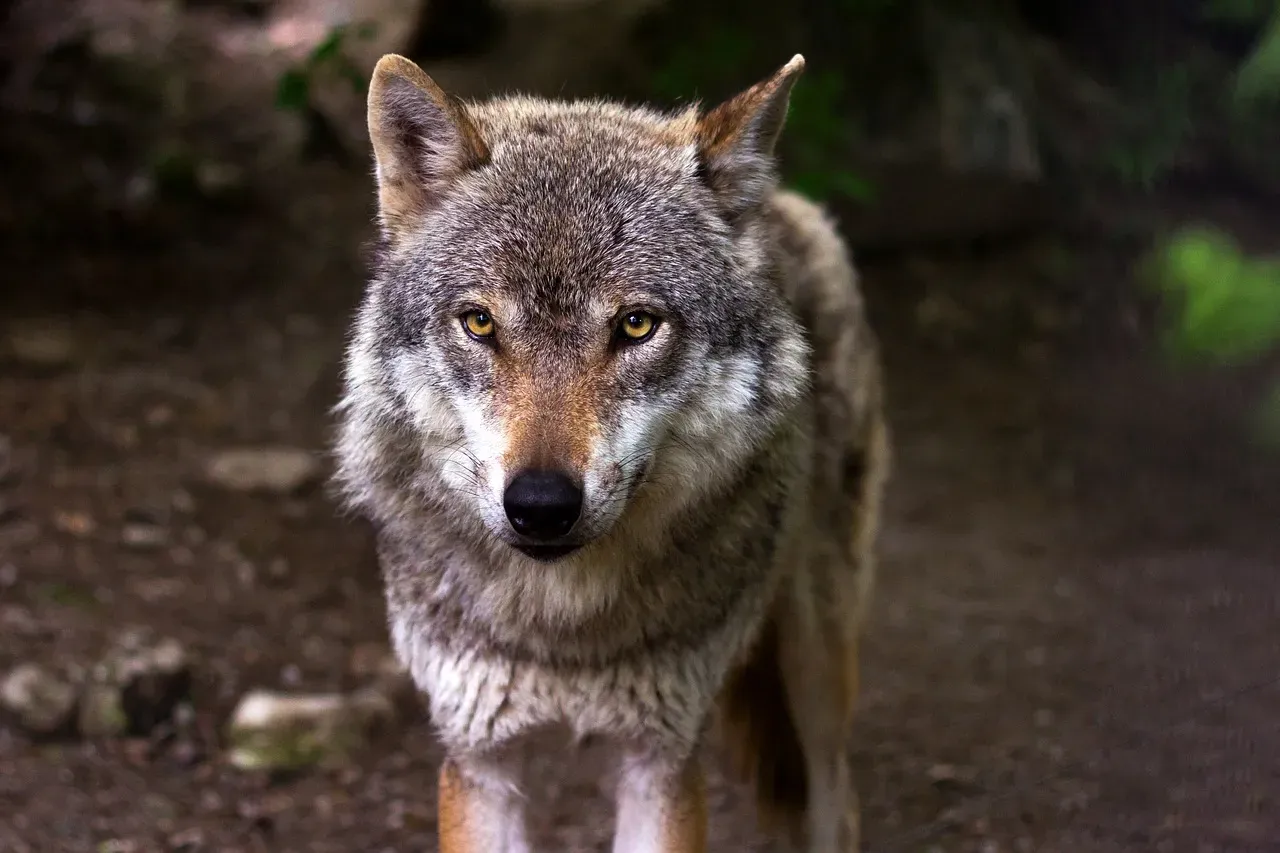
This is the moment the whole “alpha” myth falls apart, and it traces back to one deeply flawed mid-century experiment that somehow shaped decades of pop culture.
The term came from a 1947 study on captive wolves that weren’t actually a natural pack. The concept was introduced by German behaviorist Rudolf Schenkel, who studied animals in captivity by pulling wolves from different zoos and putting them together, mistakenly treating that as a real pack.
The problem is obvious once you know it. Researchers observed the behavior of animals under extreme artificial stress and assumed that’s how wolves naturally live – but a wolf pack in nature is really a family, and Schenkel didn’t know this at the time.
An entire cultural archetype – the ruthless alpha – was built on stressed-out strangers thrown together in a zoo enclosure. And the person most responsible for that myth going global didn’t stay quiet about it.
#1 – The Scientist Who Popularized “Alpha Wolf” Spent Years Trying to Take It Back
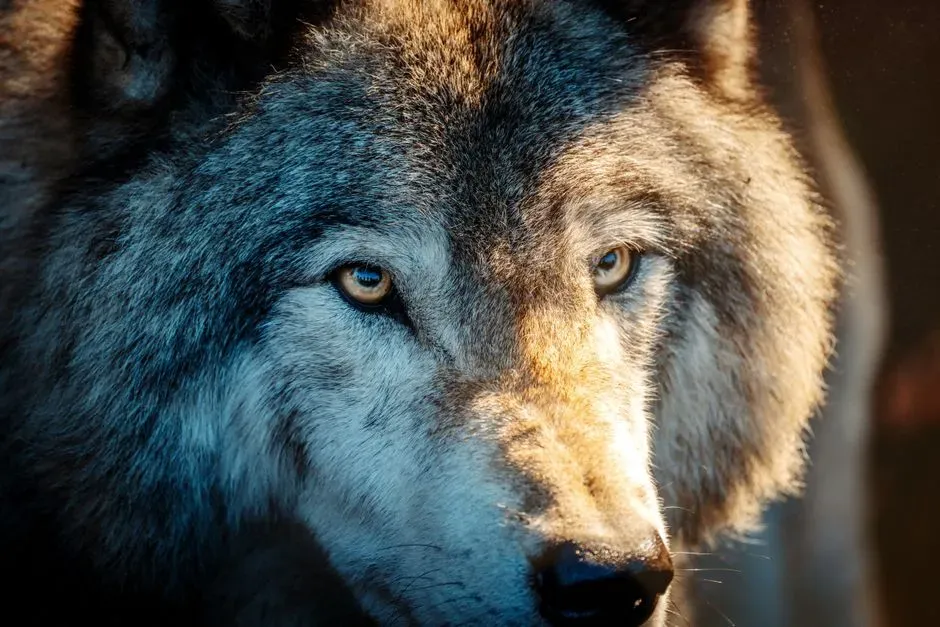
This is the quiet admission that changes everything: the very researcher most responsible for making “alpha wolf” a household phrase has spent the back half of his career practically begging the world to forget he ever said it.
Wildlife biologist L. David Mech used the terminology in his own influential writing decades ago. But newer field research on wild, unmanipulated packs changed his mind completely – Mech has since revised his views and renounced the concept of the alpha wolf, going as far as trying to stop publishers from printing his old book.
It wasn’t just talk. In the 1970s, Mech used the alpha wolf nomenclature in a classic book of wolf biology, but as new research came to light, he pushed back against the term he’d helped create, and the book was finally taken out of print in 2022.
The concept of the alpha wolf as a ‘top dog’ ruling a group of similar-aged compatriots is particularly misleading.
L. David Mech, 1999
A scientist voluntarily killed his own famous book rather than let a myth keep spreading. That’s not a small correction – that’s a researcher publicly admitting his life’s early work misled the entire world.
The Bottom Line
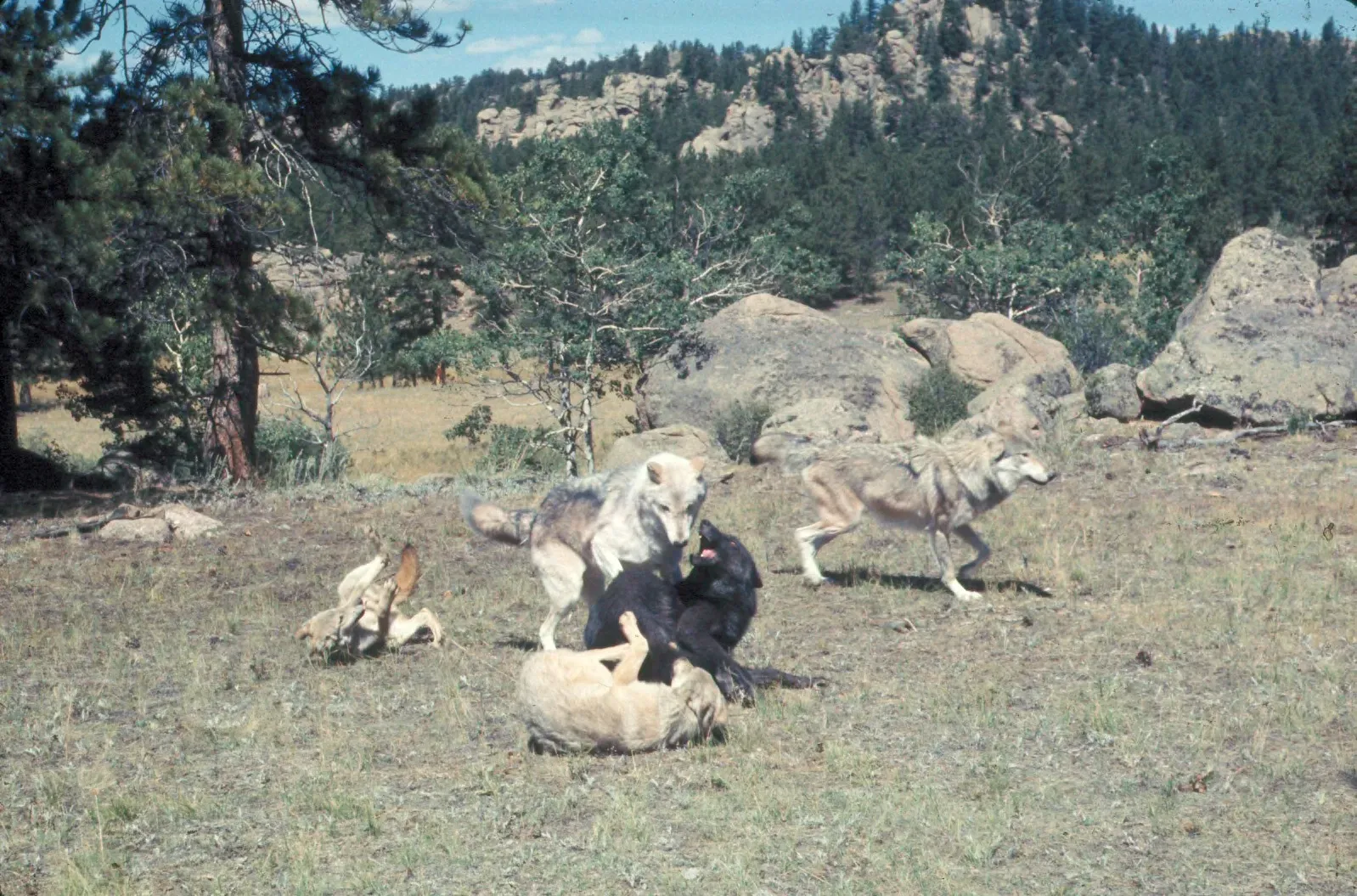
The real story of wolves is less about power struggles and more about family, failure, and quiet correction. These animals fail at hunting nearly nine times out of ten, stay loyally paired for life, and organize themselves as parents and offspring rather than warring rivals.
Even the scientists who invented the myths we all grew up on – the alpha, the merciless pack leader – eventually turned around and dismantled their own work in public. If you ask us, that takes more courage than the myth ever did.
What surprised you most here – the vanishing “alpha,” the ancient tamed wolves, or the sky-high hunting failure rate? Drop your pick in the comments.