
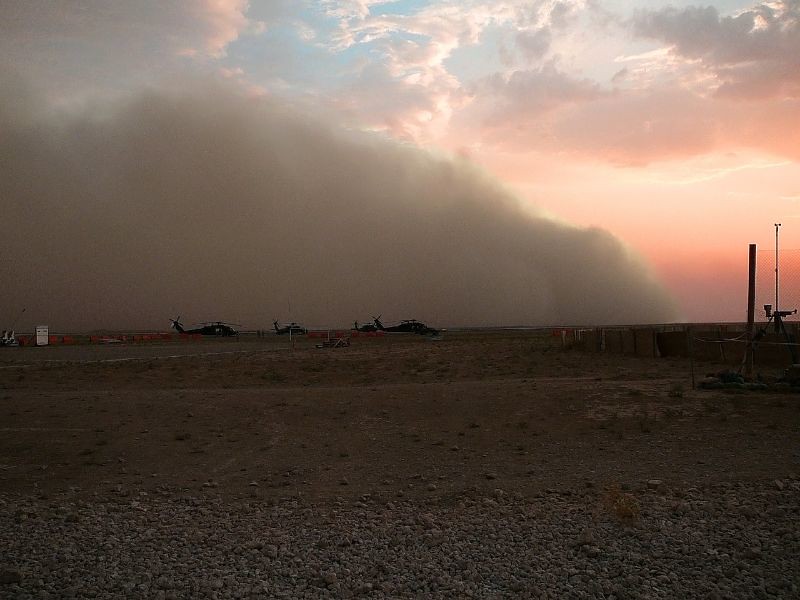
Most people picture the Dust Bowl as a story about black skies and desperate farmers boarding up windows. But the real damage happened underground, in the dirt itself, and most of it never fully healed. Scientists studying the Great Plains today still find fingerprints of the 1930s buried in soil samples, decades after the last “black blizzard” rolled through.
The drought gets the headlines, but the soil paid the real price – losing structure, nutrients, and stability in ways that reshaped American agriculture forever. Here’s what soil scientists actually say happened to the ground beneath our feet, and why some of it never came back.
#1 – It Stripped Away Generations of Topsoil in a Few Short Years
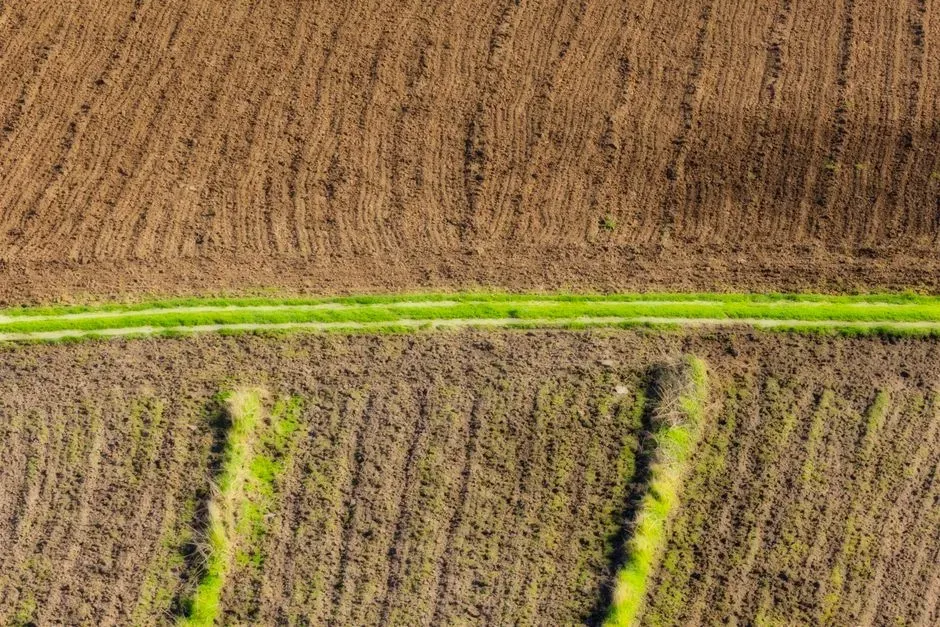
Soil takes roughly a century to build a single inch naturally, through slow decomposition and mineral weathering. The Dust Bowl erased that timeline almost overnight, and the numbers are staggering when you actually look at them.
During the worst years of the crisis, strong winds blew away 480 tons of topsoil per acre, removing an average of five inches of topsoil from more than 10 million acres. That’s not a typo – five inches of soil, gone, from an area larger than several states combined. Some researchers now estimate it would take five centuries of natural soil formation to replace what blew away in that single decade. Farmers watched their most fertile ground literally lift off the fields and disappear into the horizon, leaving behind ground that couldn’t support the crops their families had grown for generations. But that’s nothing compared to what we found about #2…
Fast Facts
- 480 tons of topsoil per acre blew away in the worst years
- Roughly five inches of topsoil vanished across 10+ million acres
- Natural soil formation moves at about one inch per century
- Some estimates put the replacement timeline at 500 years
#2 – It Shattered Soil Structure, Turning Farmland into Fine Dust
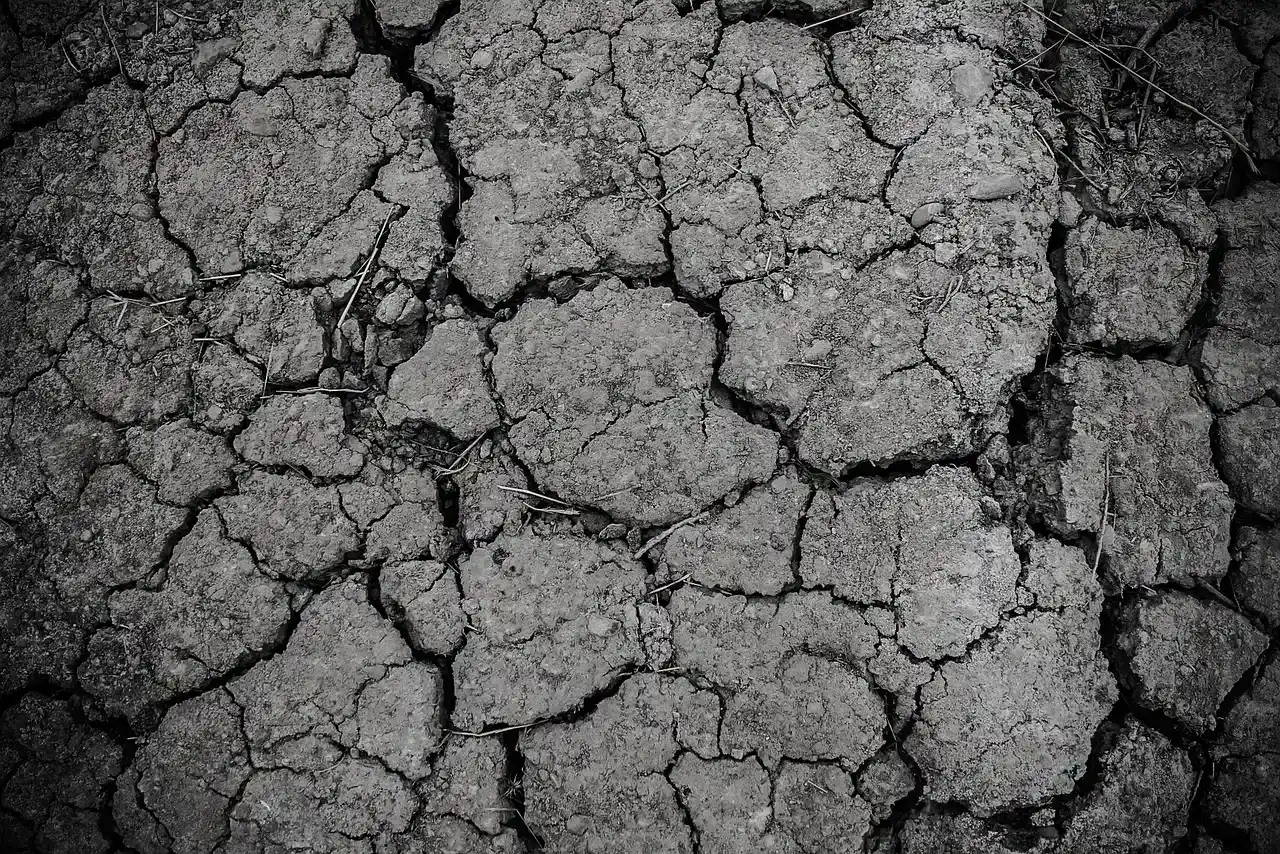
Healthy soil isn’t just dirt – it’s a web of clumped particles, called aggregates, held together by roots, fungi, and organic glue. The Dust Bowl didn’t just remove soil; it destroyed the structure holding what remained together.
Decades of poor farming practices, including deep plowing and removal of native grasses, left soil exposed and vulnerable. Without root systems binding particles together, the soil crumbled into a fine, powdery texture that had almost no resistance to wind. Turns out, this loss of structure was actually more devastating than the drought itself – soil that keeps its clumped structure can survive dry spells, but pulverized dirt simply lifts away with the first strong gust. This structural collapse is why comparable droughts in later decades caused far less damage; the soil itself hadn’t been broken the same way. But the next effect on this list changed the physical landscape completely.
#3 – It Buried Living Farms Under Drifting Dunes
Dust didn’t just float away – a huge portion of it piled right back down, burying everything in its path. Fence posts vanished. Barns filled with silt up to their rooflines. Entire fields disappeared under drifts that looked more like desert dunes than farmland.
The worst dust storm occurred on April 14, 1935, when a wall of blowing sand and dust started in the Oklahoma Panhandle and spread east, with as many as three million tons of topsoil estimated to have blown off the Great Plains during that single day. Some estimates for other major storms run even higher. One of the worst dust storms, “Black Sunday,” displaced 300 million tons of topsoil from Oklahoma, Texas, and more. Most people don’t realize how much of that soil never left the region at all – it simply relocated, smothering neighboring fields under sterile drifts of sand that took years of manual labor to clear. But #4 is where things get genuinely alarming for anyone who cares about food production.
#4 – It Gutted the Soil’s Organic Matter and Killed Its Microbial Life
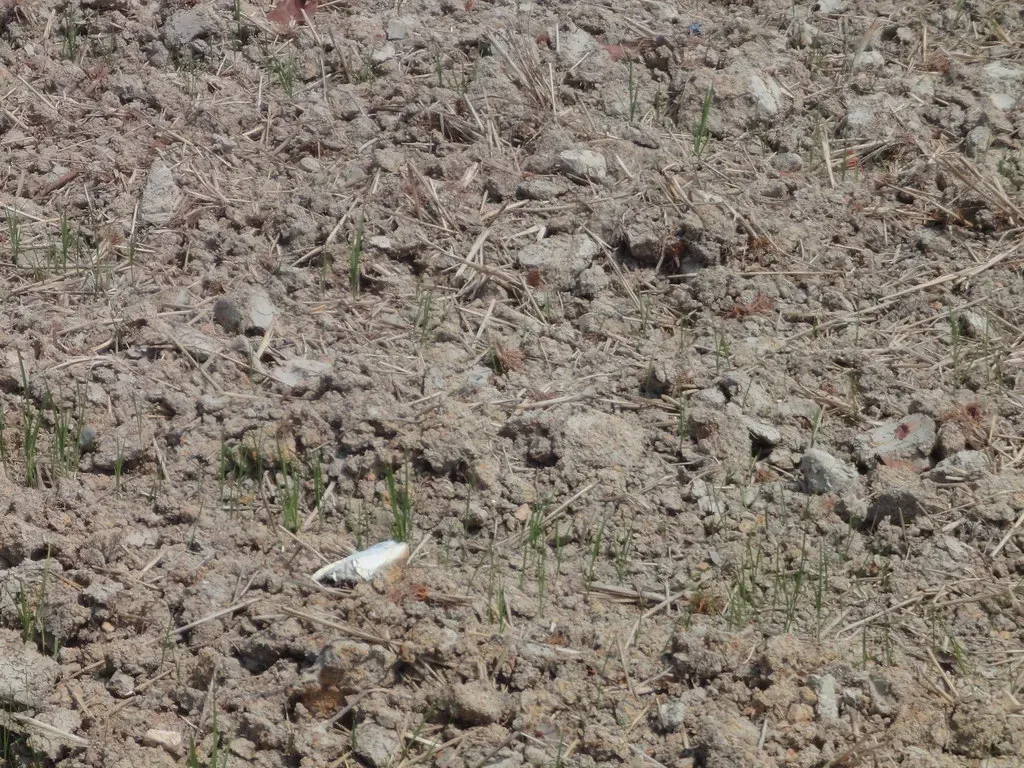
Organic matter is the soil’s engine room – it feeds the bacteria, fungi, and insects that recycle nutrients back to plants. The Dust Bowl years quietly drained that engine before the storms even hit.
The process of plowing grasslands into cropland depleted soil organic matter and reduced microbiological diversity, so the once-healthy, living soil was left unable to withstand the inevitable dry period, and when rainfall returned to normal, the soil was sick and fragile. Secretly, this had been happening for years before the drought even started – the visible dust storms were just the final symptom of soil that had already lost its biological life support system. Healthy living soil is filled with beneficial insects, fungi, and microbes that recycle material into organic matter and nutrients, and it also serves as a natural carbon store. Without that living network, soil becomes inert – closer to sand than to fertile earth. But the nutrient story gets even worse on the next slide.
#5 – It Drained Soil’s Natural Nitrogen and Nutrient Bank
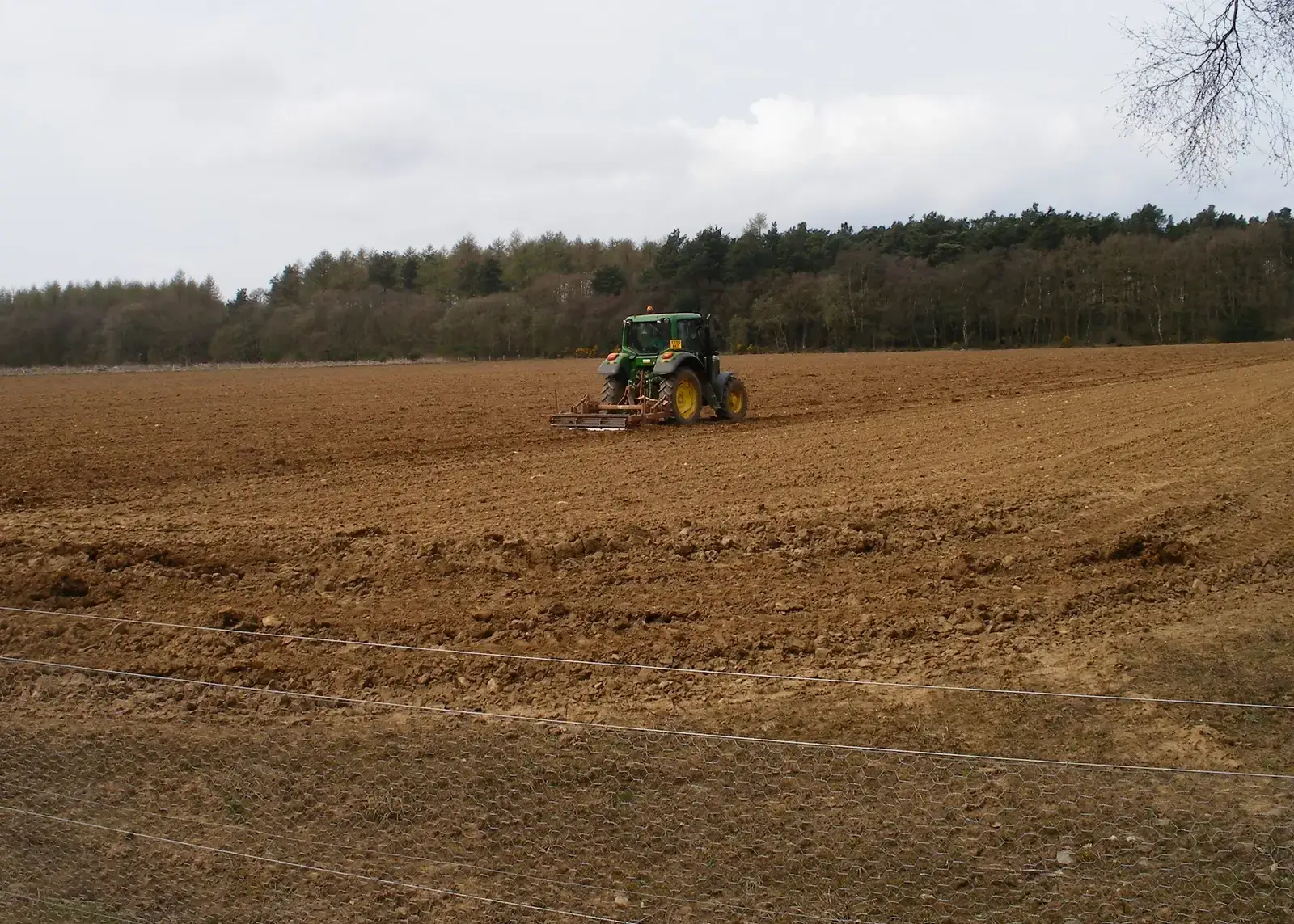
Tilling doesn’t just loosen soil for planting – it releases gases and nutrients that took years to accumulate. Farmers in the 1930s had no idea they were literally venting their soil’s fertility into the air.
Tilling is a method of turning over the top layer of soil to remove weeds and add fertilizers and pesticides, but it also allows carbon dioxide, an important soil nutrient, to escape from the topsoil. This is the mistake almost nobody talks about – every pass of the plow across virgin prairie sod released nutrients that had been locked away since the last Ice Age. The loss of topsoil dramatically reduced soil fertility, making it incredibly difficult for farmers to grow crops even after the drought subsided, and the land became less productive in many areas. Some fields never fully recovered their original nutrient bank, and farmers had to lean on synthetic fertilizers for decades afterward just to hit pre-Dust Bowl yields. But what happened to the soil that actually blew away is even stranger.
#6 – It Sent Prairie Soil Thousands of Miles Away, Burying It Elsewhere
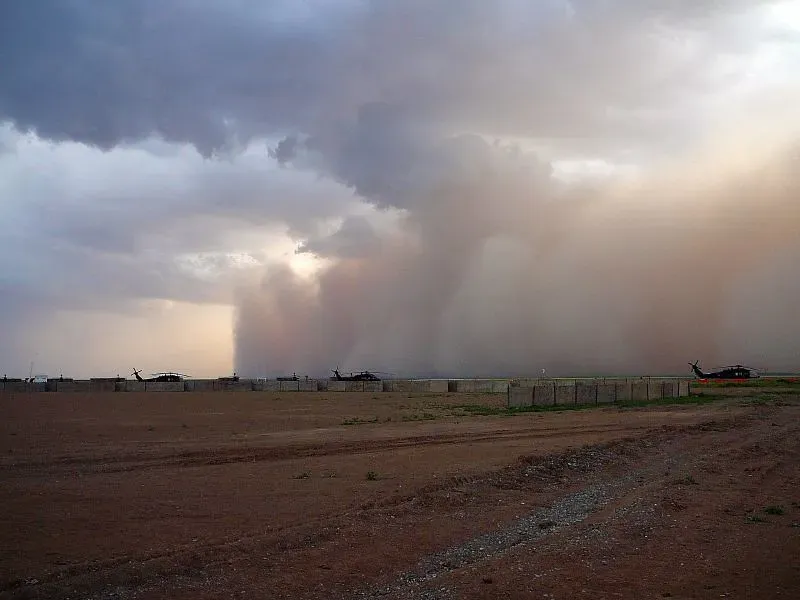
The topsoil that vanished from Oklahoma and Texas didn’t disappear into thin air – it traveled, sometimes farther than most Americans could believe. Great Plains dirt ended up coating rooftops, decks, and ships hundreds of miles from where it was plowed.
In May 1934, a cloud of topsoil from the Great Plains blanketed the eastern U.S. as far as 2,400 km (1,500 miles) away. That means Kansas and Oklahoma farmland literally rained down on Washington, D.C., and even ships far out in the Atlantic Ocean reported dust settling on their decks. Experts now consider this one of the most dramatic examples of soil transport in recorded American history. The soil that once grew wheat in the Southern Plains was permanently redistributed across an entirely different ecosystem, mixing with soils it was never meant to touch. But what got left behind was arguably worse than what left.
At a Glance
- Date: May 1934, one of the most far-reaching dust events on record
- Distance traveled: roughly 1,500 miles from the Southern Plains
- Reached: Washington, D.C., and ships out in the Atlantic Ocean
- States of origin: Oklahoma, Texas, Kansas, Colorado, and New Mexico
#7 – It Exposed Hardpan and Subsoil That Couldn’t Support Crops
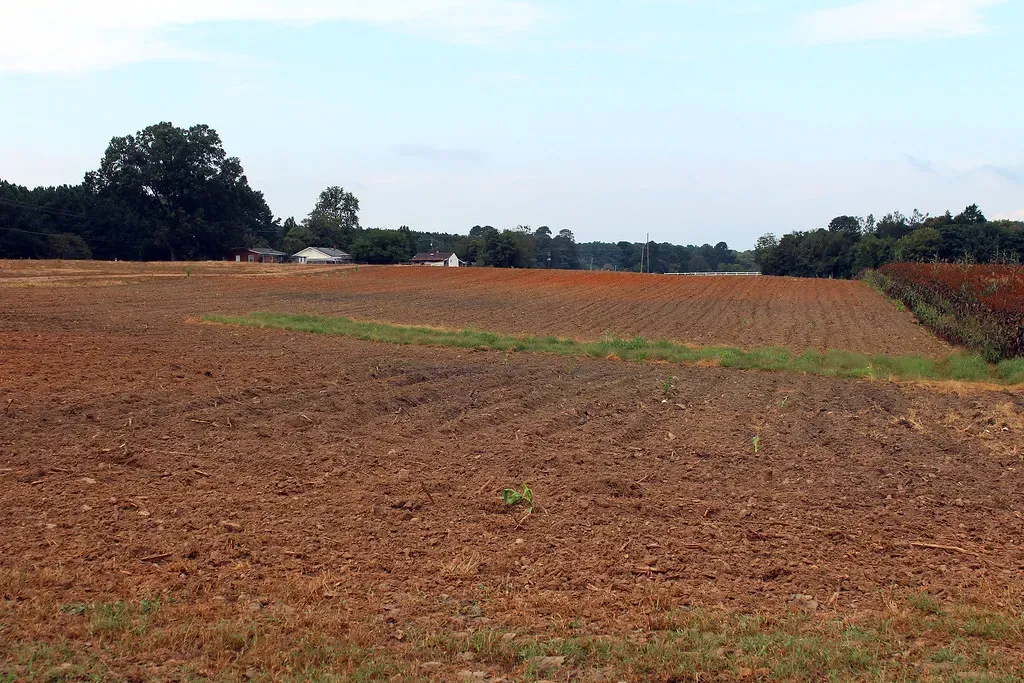
Once the fertile top layer blew away, farmers were left staring at something far less forgiving underneath – compacted subsoil, clay, and in some areas, hardened caliche layers that plant roots simply couldn’t penetrate.
As topsoil is lost due to erosion, the fertility of the remaining soil decreases, and without adequate nutrients, plants struggle to grow and produce healthy crops. Most people assume the ground just got “thinner” – it actually got fundamentally different, chemically and physically, from what farmers had been cultivating for decades. Over time, continuous erosion transformed once-fertile land into barren and unproductive areas, with the loss of topsoil and degradation of soil structure rendering land unsuitable for agriculture. Entire counties in the Southern Plains had to be reevaluated for what they could even grow, if anything, once the fertile crust was gone. But the damage didn’t stop once the wind died down.
#8 – It Made Soil More Vulnerable to Water Erosion for Decades After
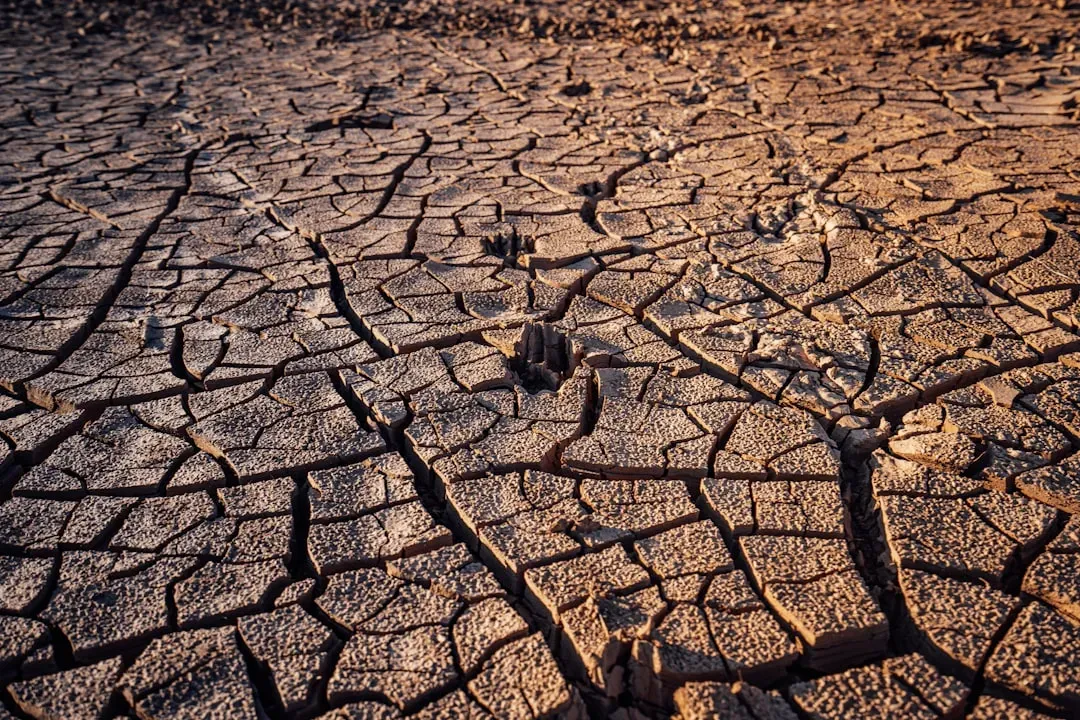
Wind erosion gets all the attention, but it set the stage for a second wave of destruction that played out much more quietly – water erosion. Soil that’s been stripped of structure and organic matter can’t absorb rainfall properly, so instead of soaking in, water runs straight off, taking whatever soil is left along with it.
This is still happening today, and the scale might shock you. Oklahoma Cooperative Extension says 50 million tons of soil are washed away from the state’s land every year by water erosion, now the major cause of soil loss in the state and other parts of the U.S. Turns out, wind erosion in the 1930s basically primed the pump for a slower, ongoing water erosion crisis that never really ended. Soil that survived the dust storms often had its structure so compromised that it became permanently more susceptible to runoff, a problem regional farmers still fight every single spring. But America’s response to all this damage created something nobody expected.
Quick Compare
- 1930s wind erosion: Sudden, visible, measured in tons blown off in a single storm
- Today’s water erosion: Slow, quiet, measured in tons washed away every year
- Shared root cause: Loss of soil structure and organic matter from the Dust Bowl era
- Modern scale: 50 million tons lost annually to water erosion in Oklahoma alone
#9 – It Mixed and “Homogenized” Soils Across State Lines
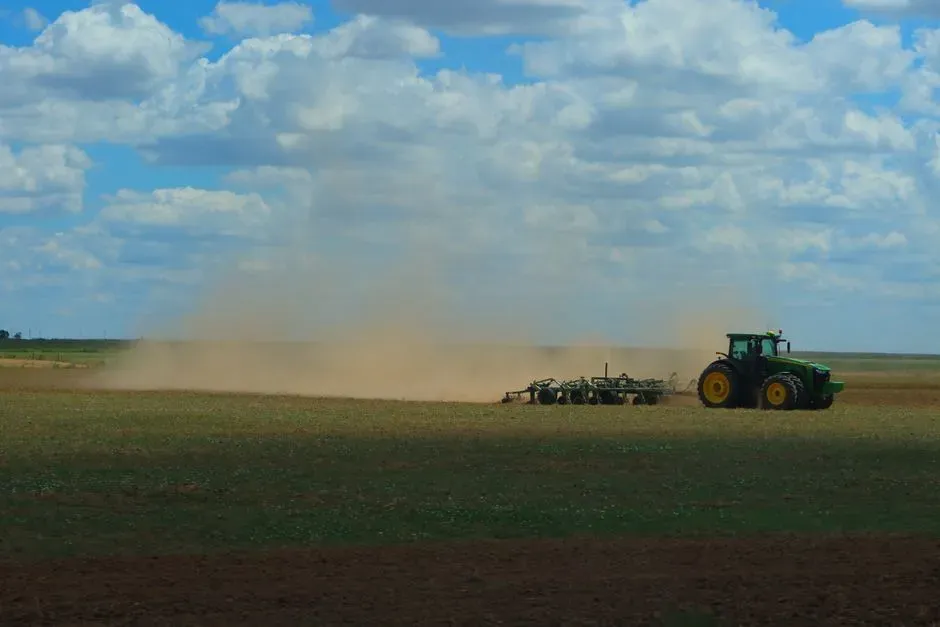
Soil is supposed to be regionally distinct – Iowa dirt looks and behaves differently than Texas dirt because of different minerals, climate, and history. The Dust Bowl scrambled that regional identity by physically mixing soils from different states into single, blended dust clouds.
That May 1934 dust cloud that blanketed the eastern U.S. combined particles from Oklahoma, Texas, Kansas, Colorado, and New Mexico into one indistinguishable mass before scattering it across entirely different soil zones. This is a detail most soil scientists don’t mention casually, but it genuinely puzzled researchers for years – how do you separate “native” soil chemistry when the wind has already blended it with dirt from a thousand miles away? Some of that mixed sediment is still detectable in soil cores today, layered in as a distinct, dusty stripe from the 1930s. But the scientific response to this chaos changed soil research forever.
#10 – It Forced the Birth of Modern Soil Science in America
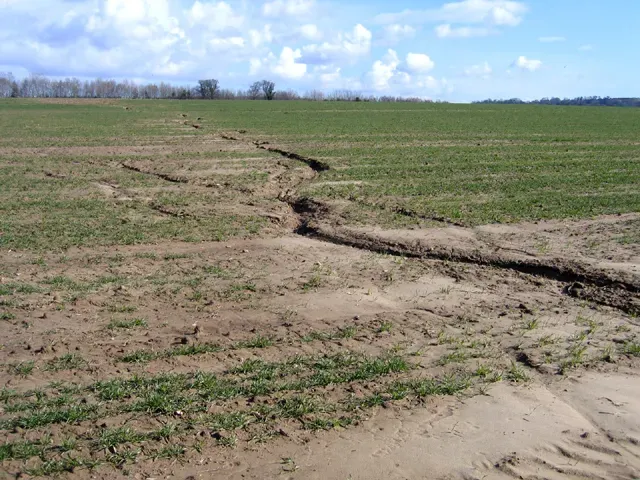
Before the Dust Bowl, soil conservation wasn’t really a formal discipline in the U.S. – it was assumed the ground would just keep producing no matter how it was treated. The disaster proved that assumption catastrophically wrong, and the government scrambled to respond.
The USDA had already been aware of the effects farming was having on soil conditions when the Dust Bowl hit, and in 1933 they formed the Soil Erosion Service to help monitor and improve conditions, which would eventually lead to the creation of the NRCS. As part of Roosevelt’s New Deal, Congress established the Soil Erosion Service and the Prairie States Forestry Project in 1935.
A nation that destroys its soil destroys itself.
Franklin D. Roosevelt
Experts argue this was the single biggest institutional shift soil science has ever seen in America – an entire federal apparatus built from scratch because dirt itself had proven it could fail catastrophically. Soil testing, contour plowing standards, and erosion monitoring all trace back to lessons learned in this decade. But not every field could be saved by new policy.
#11 – It Pushed Millions of Acres Out of Farming Permanently
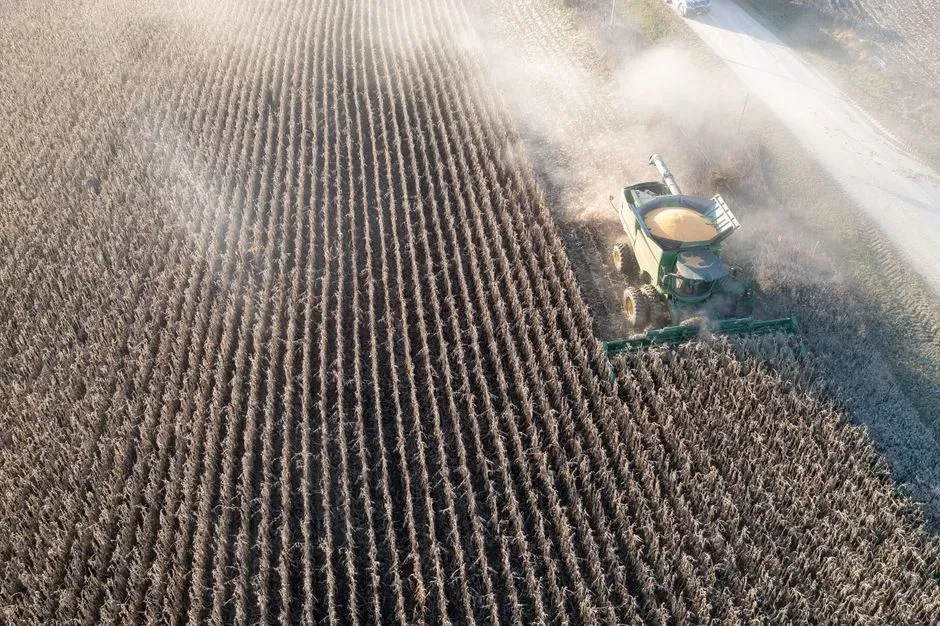
Some land damaged during the Dust Bowl never went back into full agricultural production – it was simply too degraded, too unstable, or too economically risky to farm again. Instead, large swaths were converted into permanent grassland or protected reserve land.
Strong wind erosion exacerbated topsoil displacement, creating many “marginal” lands of low soil nutrient quality across Oklahoma and the Southwestern U.S., and since then, many of these sites have remained a “poor” fit for agricultural development. This directly led to programs like the Conservation Reserve Program, where farmers and landowners are paid to take environmentally sensitive and marginal farmland out of active production, establishing native vegetation instead to protect and enrich soil while reducing erosion. While many consider CRP a conservation success story, plenty of agricultural economists still argue it was essentially an admission that certain Great Plains soil should never have been plowed at all. Nearly a century later, some of that land is still sitting out of production. But the data proving all this still shows up in surprising ways.
#12 – It Left Scars That Still Show Up in Soil Data Today
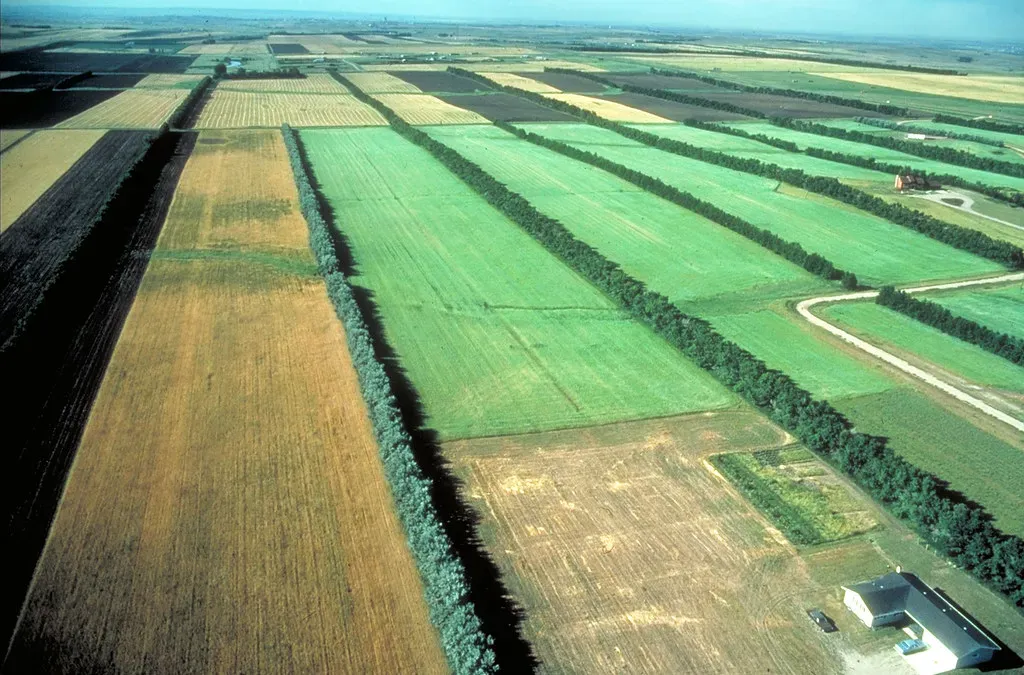
You’d think nearly a century would be enough time to erase the Dust Bowl’s fingerprints from American soil. It hasn’t. Soil surveys and erosion studies routinely reference 1930s baseline data because the damage from that decade still functions as the benchmark for “worst-case” soil loss in U.S. history.
According to a 2020 report by the Union of Concerned Scientists, every year, U.S. croplands lose at least twice as much soil to erosion as the Great Plains lost annually during the peak of the Dust Bowl. Most people assume modern farming solved this problem – the data actually says the opposite. Given that it takes a century or more for an inch of soil to form naturally, the United States will lose the equivalent of at least 300 years’ worth of soil by 2100 if today’s trends prevail. The Dust Bowl isn’t a closed chapter in a history book – it’s the reference point scientists use to measure how close we are to repeating it. But the final, most sobering fact ties everything on this list together.
Worth Knowing
- Modern U.S. croplands lose at least 2x the Dust Bowl’s peak annual soil loss every year
- Projected losses equal roughly 300 years’ worth of natural soil formation by 2100
- 1930s baseline data is still the go-to benchmark in erosion studies today
- Soil forms at about one inch per century, making these losses essentially permanent
#13 – It Proved Topsoil Could Vanish Faster Than Anyone Believed Possible
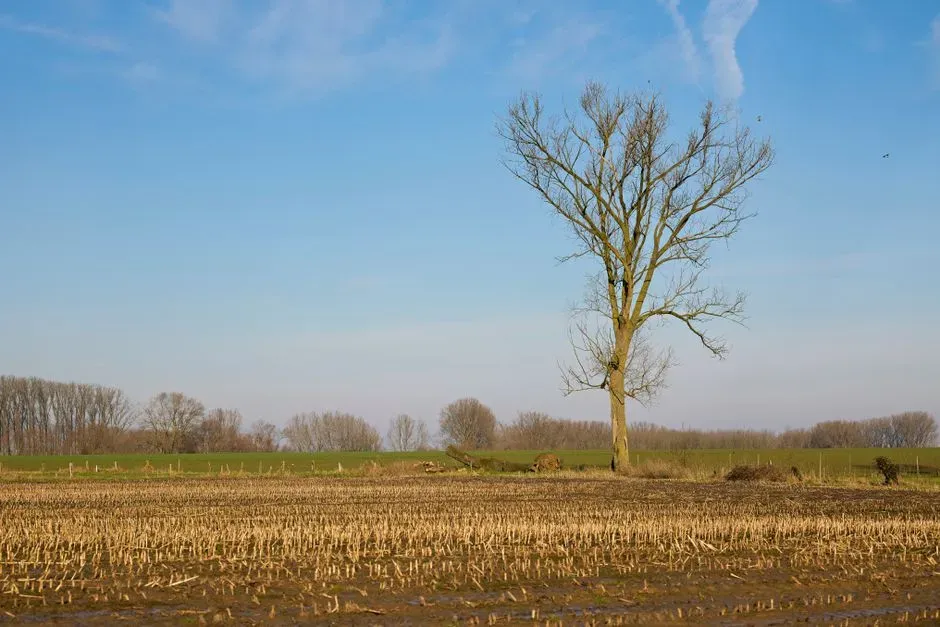
Before the 1930s, nobody seriously believed America’s breadbasket could turn to dust within a single generation. The Dust Bowl shattered that assumption permanently, and the numbers behind it still stop soil scientists in their tracks.
If soil continues eroding at current rates, U.S. farmers could lose a half-inch of topsoil by 2035 – more than eight times the amount of topsoil lost during the Dust Bowl – and nearly three inches by 2100. That means the historical disaster used as our worst-case warning could actually be dwarfed eight times over within the next decade, according to researchers tracking current erosion trends. The Dust Bowl wasn’t just a freak weather event layered on top of bad luck – it was proof that soil, something most people treat as permanent and unlimited, can be destroyed shockingly fast when it’s mismanaged at scale. That single realization reshaped American agricultural policy, soil science, and land ethics for the rest of the century, and it’s arguably the most important lesson buried in this entire list.
The Bottom Line
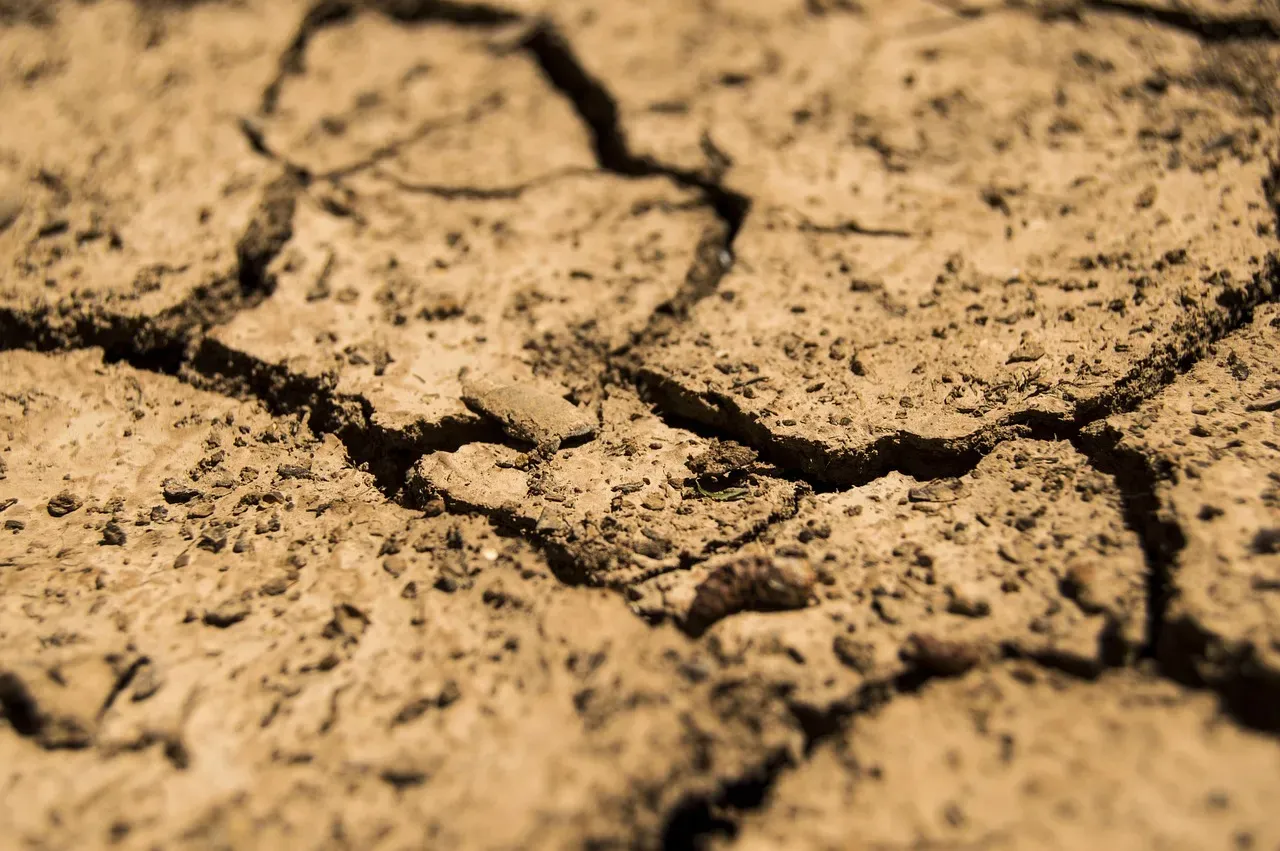
The Dust Bowl wasn’t just a dramatic weather event – it was a soil science catastrophe that stripped structure, nutrients, and microbial life from millions of acres almost overnight. Topsoil that took centuries to form vanished in years, some of it traveling over a thousand miles before burying entirely different ecosystems.
Frankly, the most uncomfortable truth in all this data is that modern farming hasn’t solved the problem – current erosion rates could eclipse Dust Bowl losses eight times over by 2035. We built an entire federal soil conservation system out of this disaster, yet somehow we’re still losing ground, literally. Which of these facts genuinely surprised you the most? Drop it in the comments.