Most people assume science has human origins all figured out – one neat family tree, branch by branch, all the way back to the apes. It doesn’t. Inside museum drawers and cave storage rooms sit skeletons that flatly refuse to fit any known box, and the researchers who’ve spent entire careers on them will admit it if you catch them off guard.
Some of these remains have hands like ours attached to skulls like nobody’s. Some were buried thousands of years too late for the bodies inside them. A few have literally forced scientists to invent brand-new species just to have somewhere to file the bones. Here are the 14 sets of ancient remains that still spark arguments at conferences – starting with a skull that shouldn’t exist where it was found.
#14 – The Iwo Eleru Skull (Nigeria)
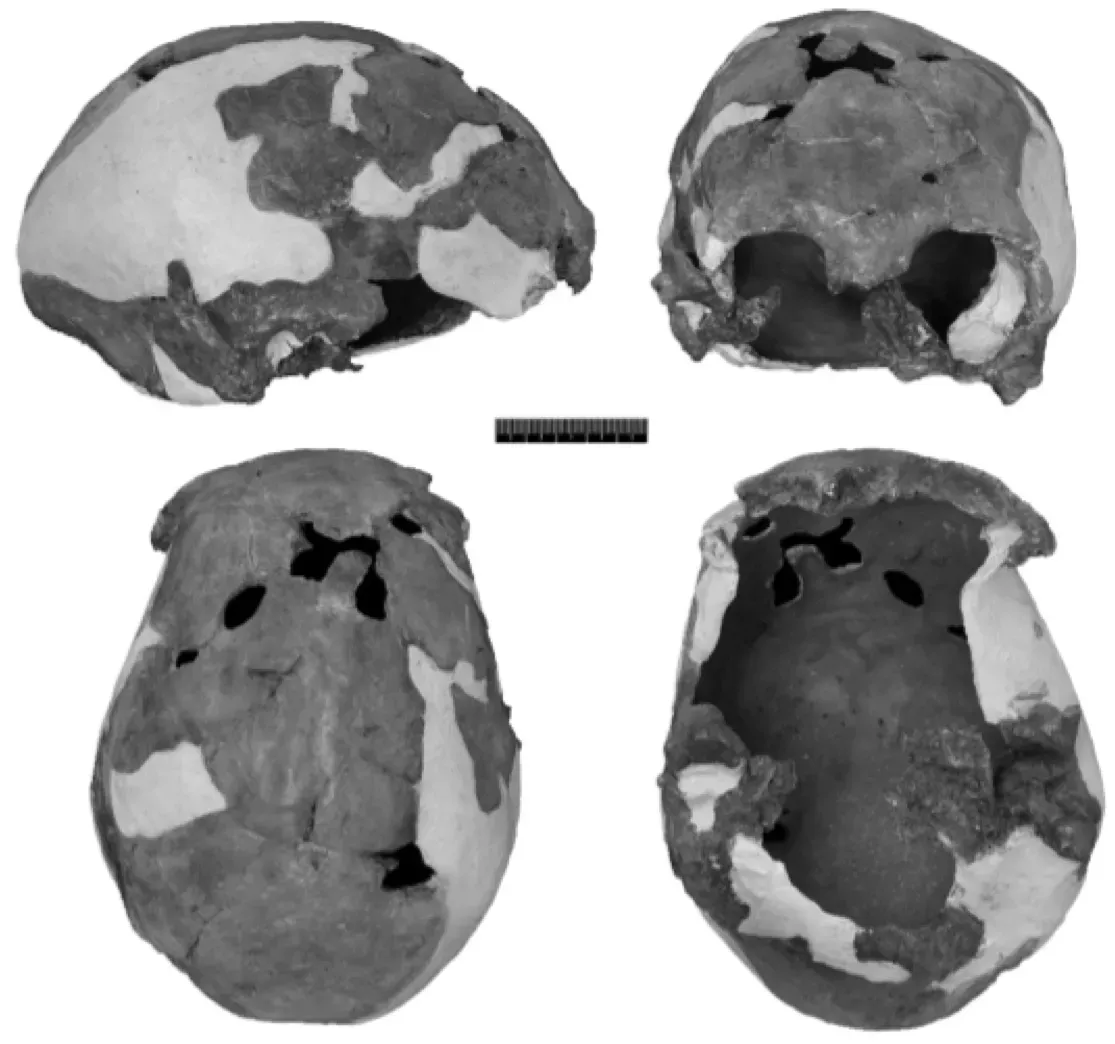
A skeleton buried only 11,000 years ago looks like it wandered out of the wrong era entirely. Excavated in 1965 from a rock shelter in Nigeria by archaeologist Thurstan Shaw and his team, the Iwo Eleru skeleton was found deliberately buried among Late Stone Age tools, in a layer dated to roughly 11,200 years ago. That places it firmly within the age of anatomically modern humans everywhere else on the planet. The skull, though, tells a different story.
When researchers reconstructed the cranium, they didn’t get the smooth, high-vaulted shape you’d expect from an 11,000-year-old modern human. Its low, sloping vault and heavy brow looked more like something out of the Pleistocene – archaic traits with no business showing up this recently in the fossil record. That mismatch between age and anatomy is exactly why some researchers argue it hints at a lingering archaic lineage in West Africa long after everyone assumed such populations were gone. That kind of anatomical time-lag is rare, but it’s not the only case on this list – what’s waiting at #13 has puzzled researchers for over half a century.
#13 – The Deep Skull of Niah Cave (Borneo)
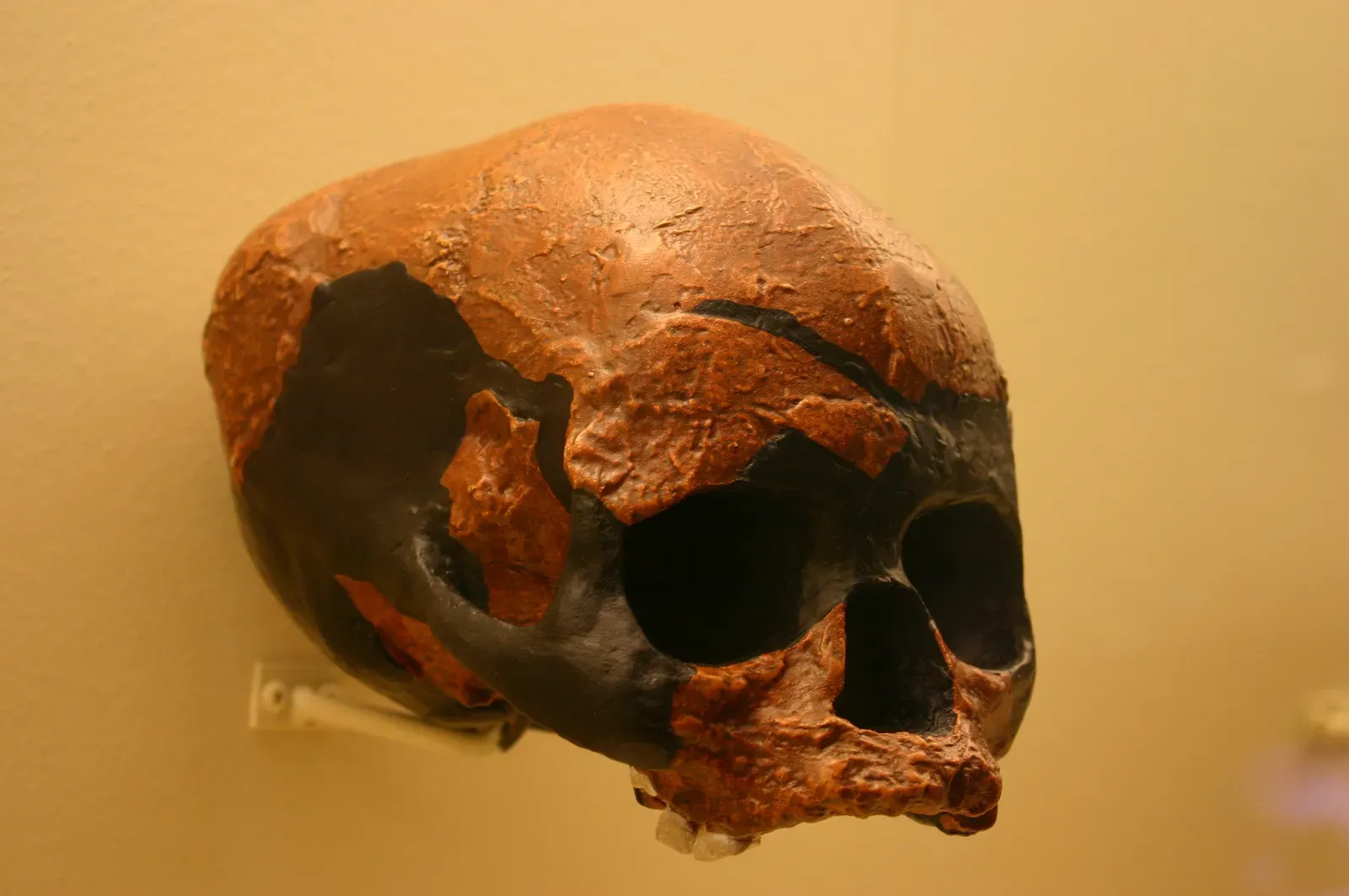
A single skull has confused scientists for more than half a century, and nobody has fully closed the file. Discovered in Sarawak, Malaysia, this cranium is widely considered the region’s most important early human find – the oldest anatomically modern human recovered anywhere in island Southeast Asia. For more than 50 years, its relevance to tracing the region’s prehistory has stayed controversial, with every generation of researchers re-measuring, re-dating, and re-arguing over what population it actually represents.
Fast Facts
- Found in Niah Cave, Sarawak, on the island of Borneo
- Considered the oldest anatomically modern human fossil in island Southeast Asia
- First formally described back in 1960
- Unresolved classification debate has now run for more than 50 years
The leading theory has shifted more than once. The most widely held view, originating with Brothwell’s 1960 description, links the Niah individual to Indigenous Australians. A more recent reanalysis even flipped basic facts about the skeleton, concluding it belonged to an elderly woman rather than the adolescent male originally proposed. A 60-year-old identification error on age and sex alone should tell you how shaky “settled science” can be with a single skull. If a full skeleton can be this contested, imagine what happens when the argument is over the species name itself – that’s precisely the fight waiting at #12.
#12 – The Kabwe Skull (“Rhodesian Man”)
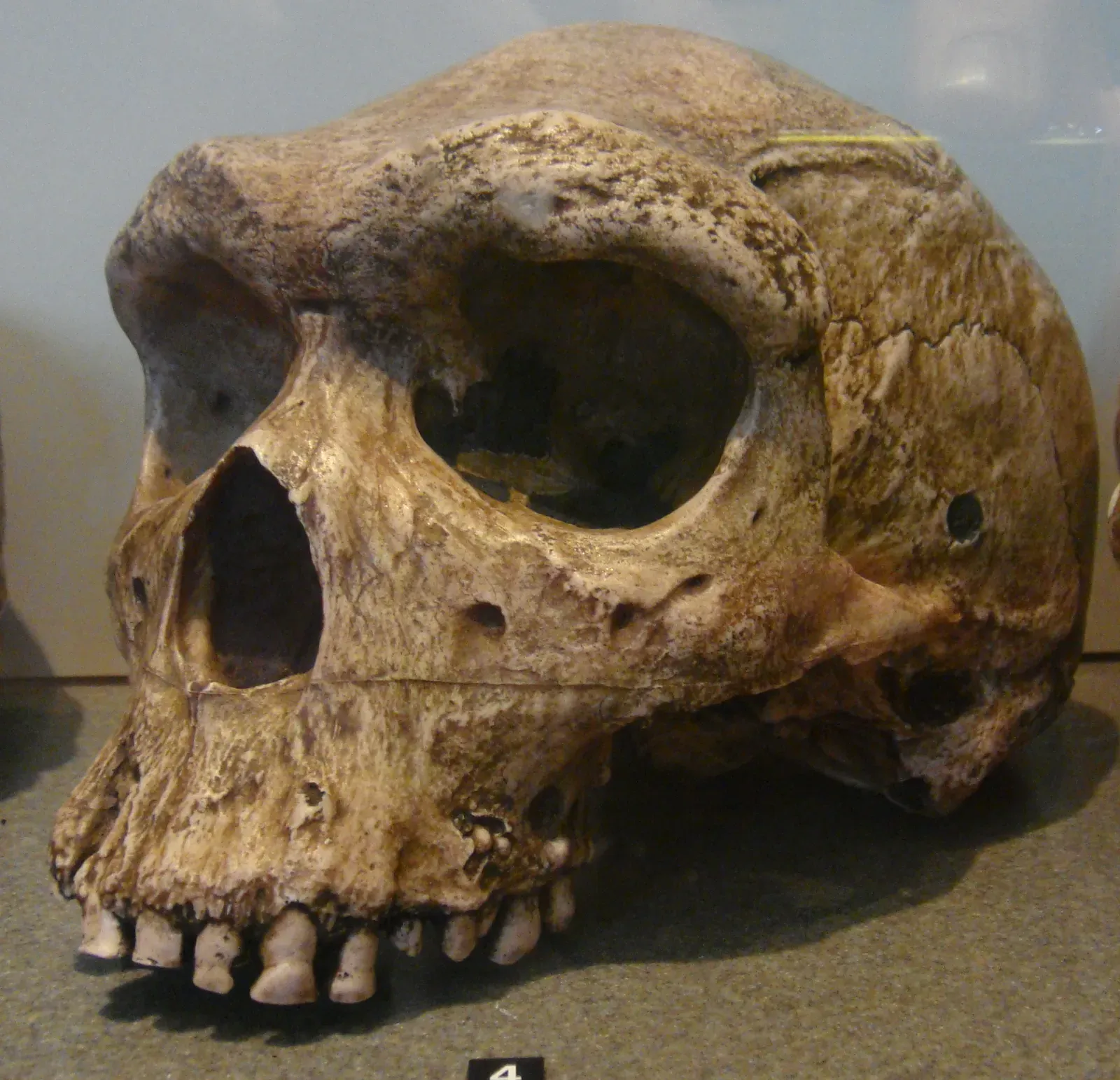
One of Africa’s best-preserved ancient skulls still doesn’t have an agreed-upon species name. Found in a Zambian mine in 1921, the Kabwe cranium is remarkably complete, with a heavy brow ridge and a brain size larger than many archaic humans. For decades it was labeled Homo rhodesiensis, its own distinct species. Other researchers insist it’s simply an African variant of Homo heidelbergensis, while a growing camp argues it should be folded into early Homo sapiens instead.
The disagreement isn’t cosmetic – it changes when and where modern humans actually originated. Recent dating pushed the skull’s age to around 300,000 years, putting it uncomfortably close to the earliest known Homo sapiens fossils elsewhere in Africa. If Kabwe really is an early sapiens, the accepted timeline of our own species needs rewriting. If it isn’t, we still don’t have a name everyone agrees on – and the disagreement over Kabwe looks almost tame next to what’s coming at #11.
#11 – Australopithecus sediba (Malapa, South Africa)
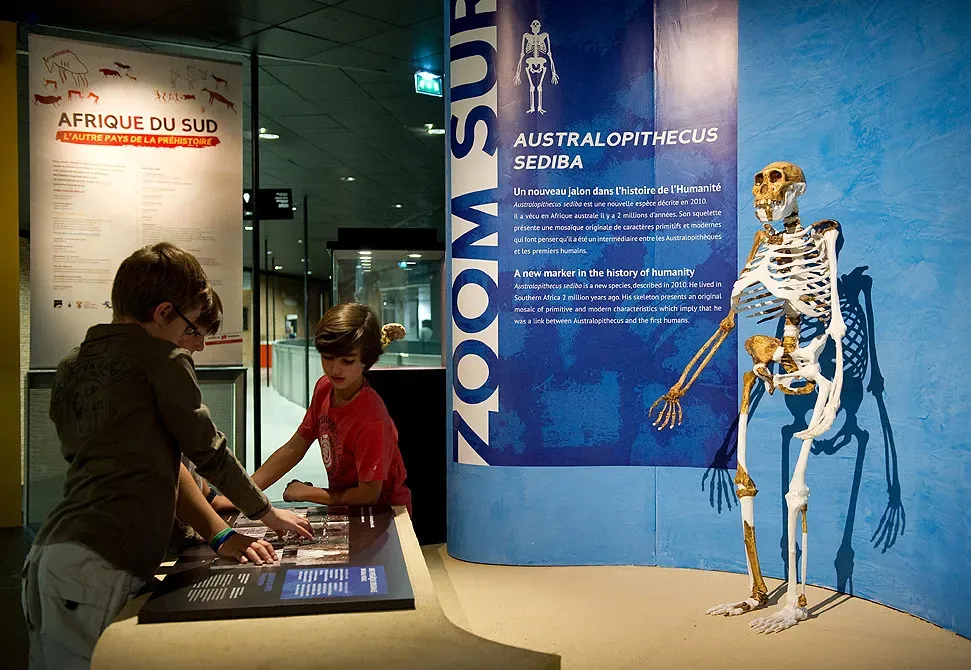
A nearly complete skeleton was hailed as a missing link – then scientists spent years tearing that claim apart. Discovered in the Malapa cave system, sediba combines an ape-like upper body with surprisingly human-like hands and pelvis. When it was unveiled in 2010, headlines immediately crowned it the newest human ancestor, a title that lasted only until researchers dug deeper into the actual dates and anatomy.
Worth Knowing
- Discovered in the Malapa cave system, South Africa
- Unveiled to the public in 2010 as a possible new human ancestor
- Body plan mixes ape-like limbs with human-like hands and pelvis
- “Missing link” title was walked back once dating and anatomy were reexamined
The reversal stung. Sediba turned out to be from the wrong time period and carried the wrong mix of traits to comfortably serve as the missing link between Homo and the australopithecines. Its exact place – ancestor, dead-end cousin, or separate cousin species entirely – remains unresolved. Most people don’t realize the “missing link” label gets slapped on a new fossil almost every year, and most of those labels quietly get walked back. That pattern repeats constantly in paleoanthropology, and it gets even stranger at #10.
#10 – Homo antecessor (Atapuerca, Spain)
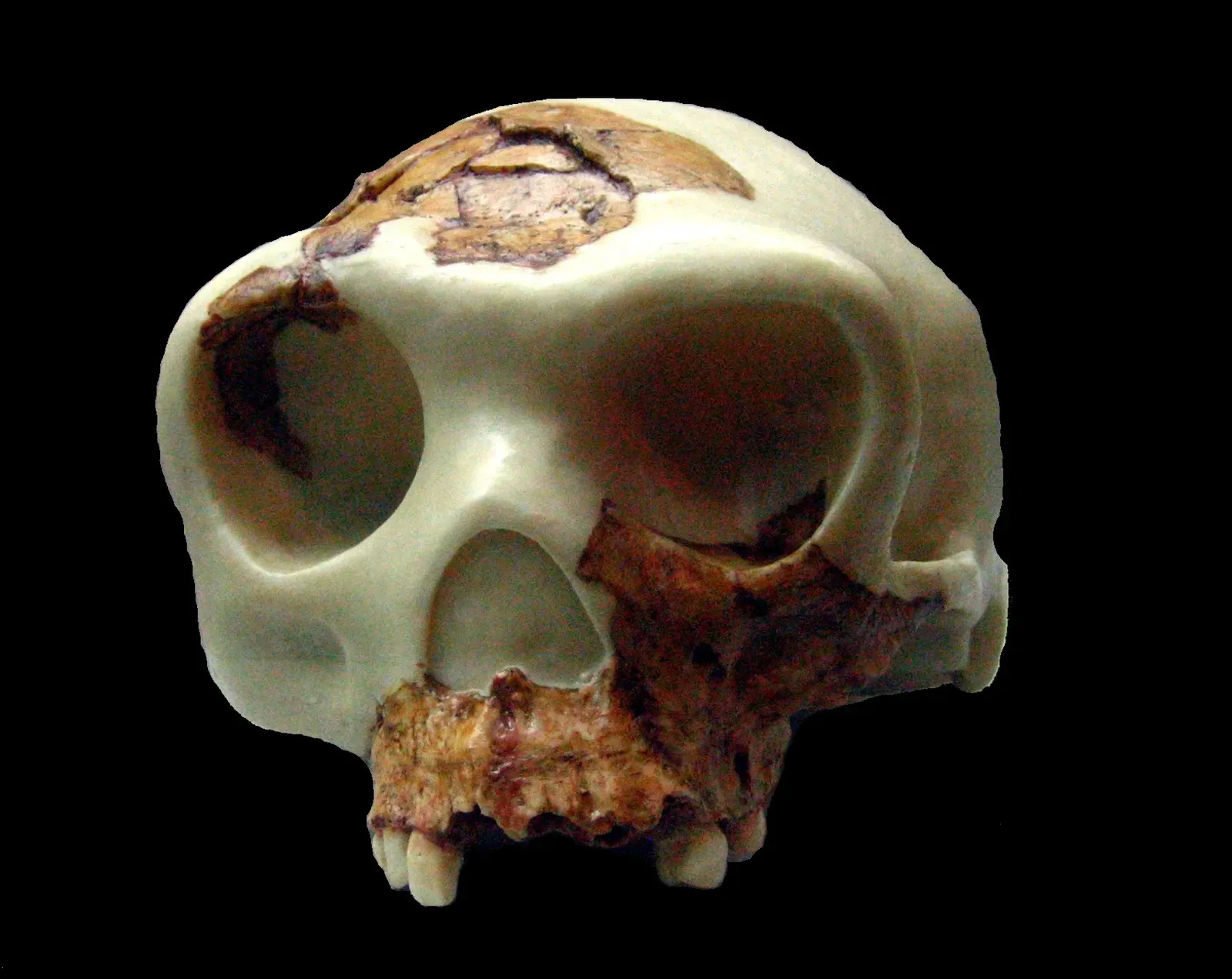
A jawbone and skull fragments from Spain forced researchers to invent an entirely new branch of humanity – one that may not have needed to exist. Unearthed at the Gran Dolina site in the Atapuerca hills, Homo antecessor fossils date back roughly 800,000 to 900,000 years, making them some of the oldest hominin remains in Western Europe. The team that named the species argued it represented the last common ancestor of both Neanderthals and modern humans, a bold and convenient position on the family tree.
Critics were never fully convinced. Many argue the remains simply represent an early, geographically isolated population of Homo erectus or Homo heidelbergensis, not a genuinely separate species. The entire “new species” claim rests on a surprisingly small number of fragmentary bones from a single site. Until more remains turn up, antecessor sits in an uncomfortable taxonomic limbo – named, published, and still argued over decades later. Even a shaky new species beats what’s coming at #9, a fossil scientists can’t even agree is human.
#9 – Sahelanthropus tchadensis (“Toumaï”)
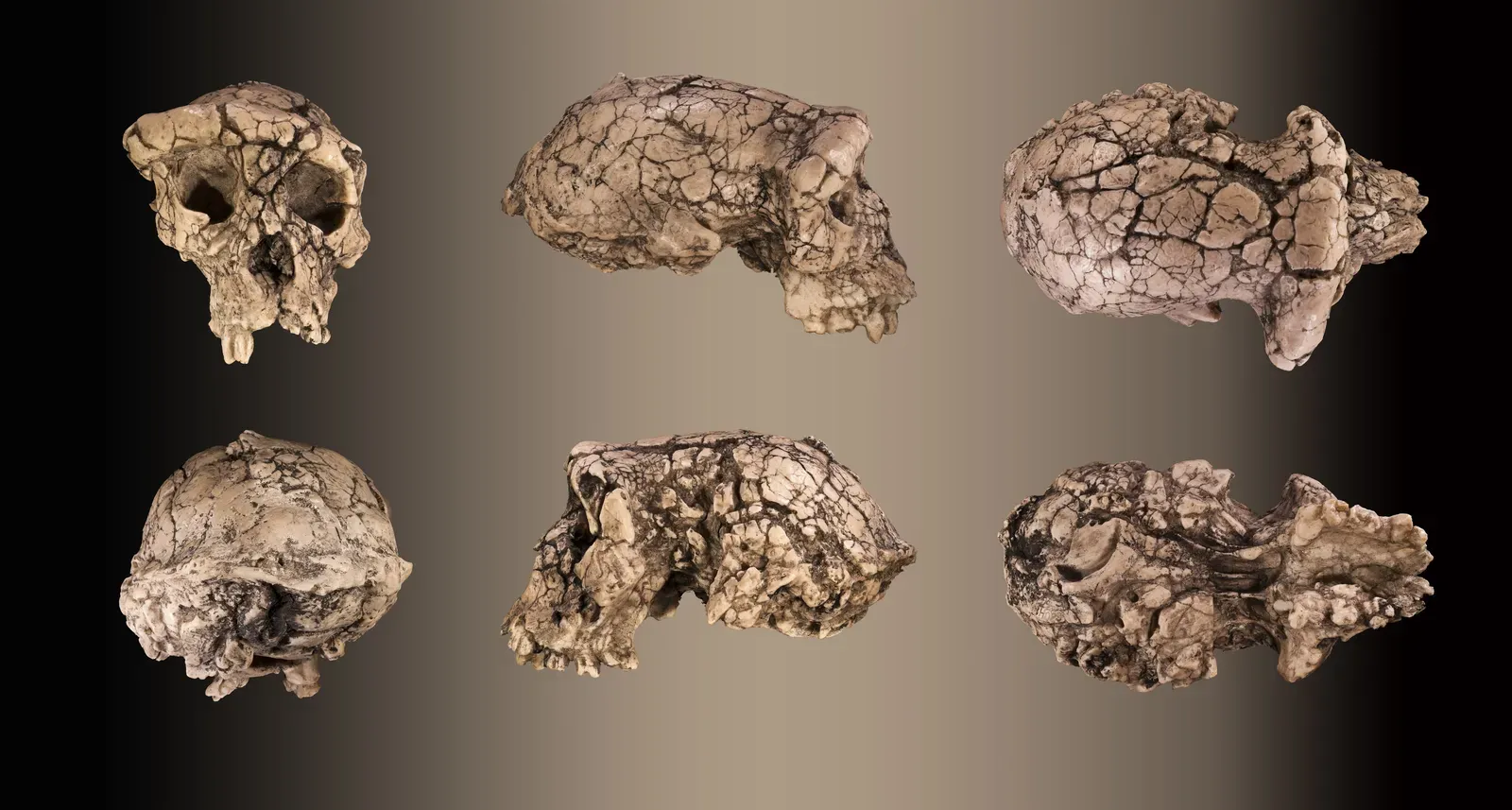
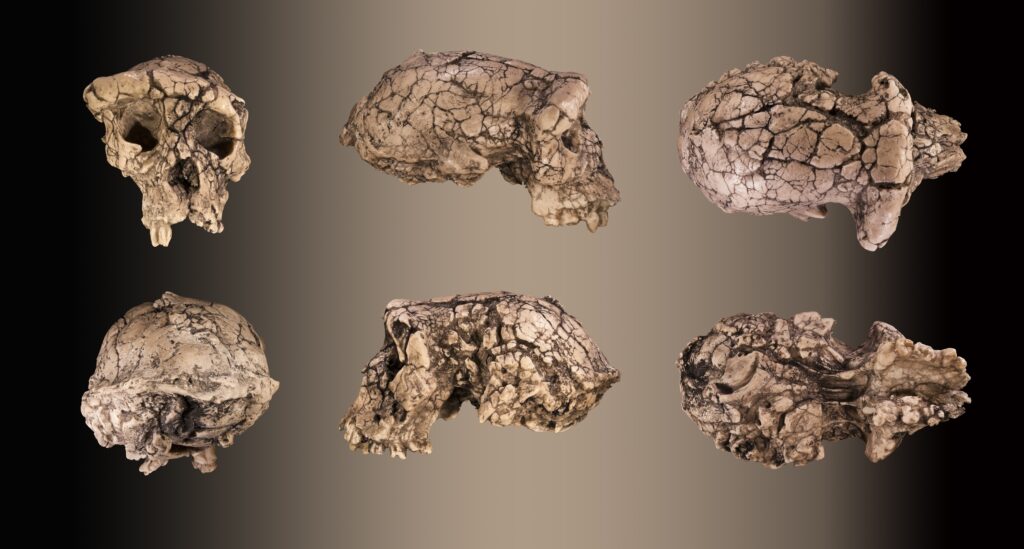
Scientists can’t even agree whether this seven-million-year-old skull belonged to a human ancestor or an ordinary ape. Discovered in the deserts of Chad, Toumaï is one of the oldest fossils ever proposed as an early hominin. The position on the skull where the spinal cord connects to the brain suggested upright walking to the discovery team, a huge deal for a fossil this ancient – and that single anatomical clue became the entire basis for calling it a bipedal ancestor of humanity.
Then a disputed femur entered the picture. Researchers who later examined an accompanying leg bone argued its shape pointed to a creature that moved on all fours, not two legs, reigniting the entire debate about whether Toumaï belongs anywhere near the human lineage at all. A find hyped as rewriting the start of the human story might just be an ordinary Miocene ape. Nobody has definitively settled it either way, and if a whole species can be this contested, wait until you see a skeleton nobody can even agree on the genus for at #8.
#8 – Little Foot (Sterkfontein Caves, South Africa)
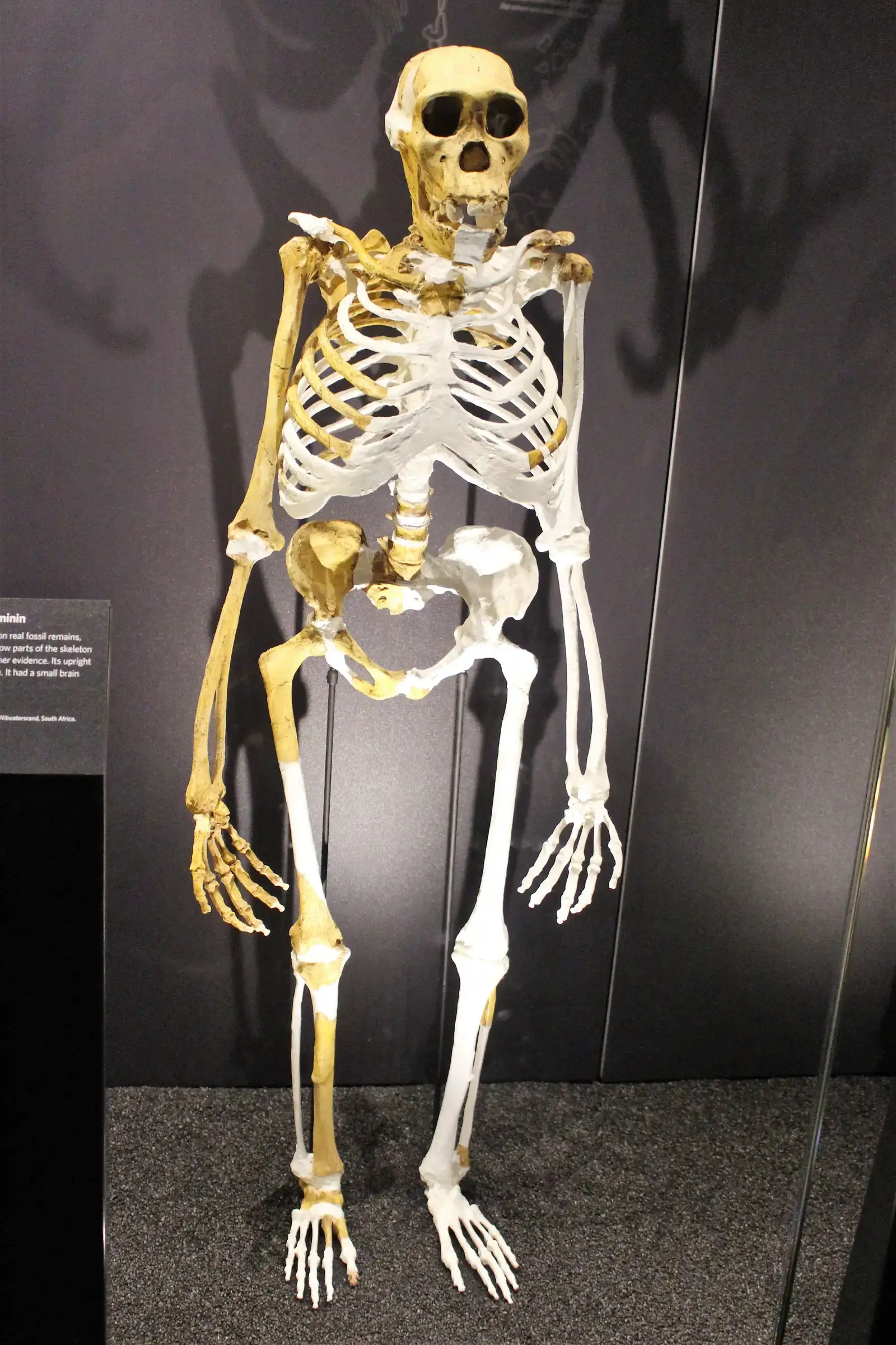
Arguably the most complete early human ancestor skeleton on Earth still doesn’t have a settled species name. Nicknamed for the four tiny foot bones that first tipped off researchers to its existence, “Little Foot” is a nearly intact Australopithecus skeleton dated to roughly 3.67 million years old, discovered deep inside the Sterkfontein cave system. It took researcher Ron Clarke and his team more than a decade to painstakingly excavate the skeleton from solid rock.
Here’s where it gets contentious: Clarke classified Little Foot as Australopithecus prometheus, an entirely separate species from the famous “Lucy” lineage. Most of the paleoanthropology world disagrees, insisting the skeleton is just an unusually complete example of the already-known Australopithecus africanus. Two world-class research teams, looking at the exact same skeleton, can’t agree on its species. That’s not a minor footnote – it’s the core problem with classifying ancient remains at all, and it only gets messier at #7, where one pit held two dozen skeletons at once.
#7 – The Sima de los Huesos Hominins (Spain)
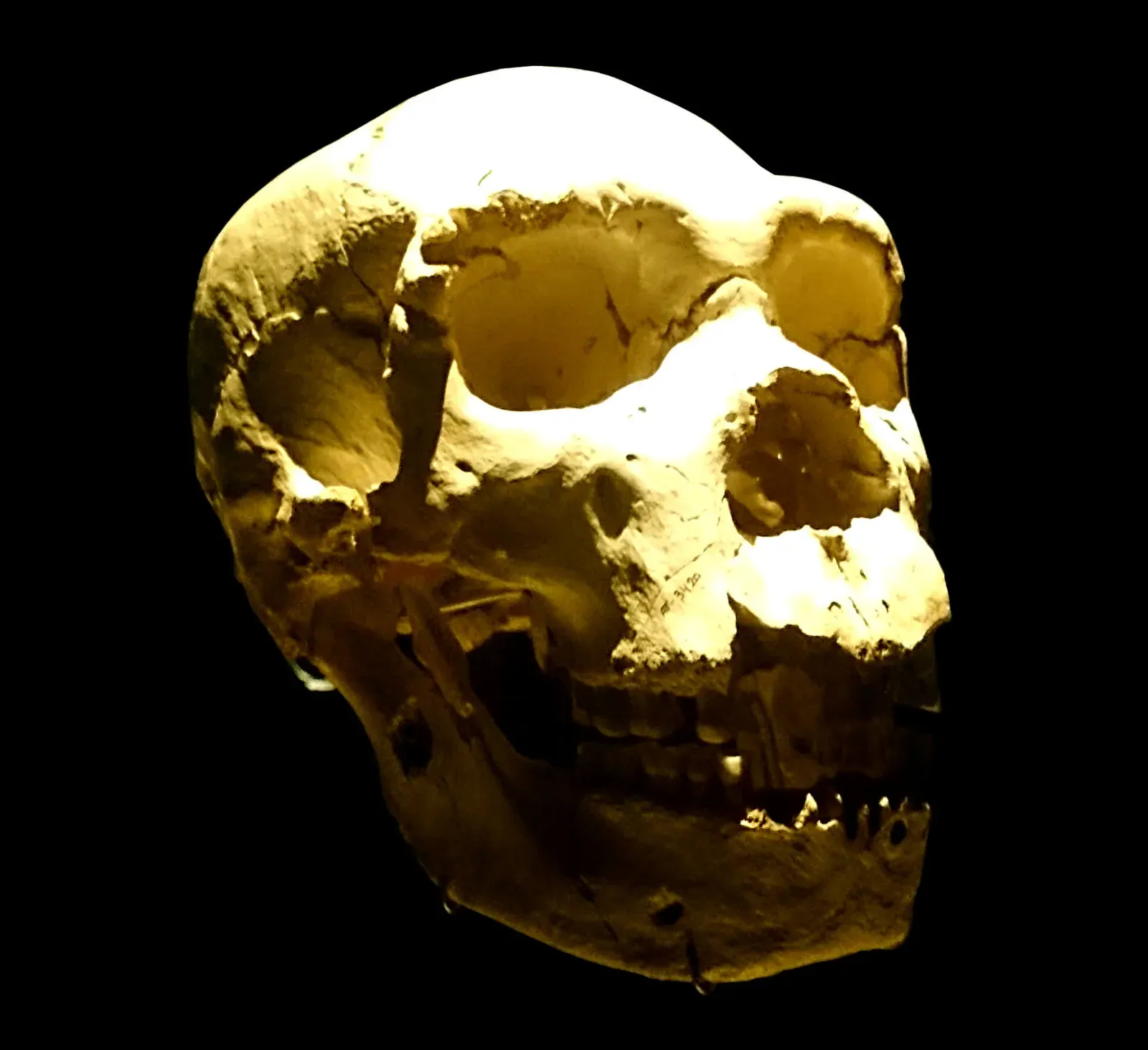
More than two dozen ancient skeletons packed into a single pit turned out to have DNA scientists never expected. The “Pit of Bones” at Atapuerca yielded the remains of at least 28 individuals, all apparently dumped or fallen into a vertical shaft roughly 430,000 years ago. For years these remains were classified as Homo heidelbergensis, a catch-all archaic human species bridging older hominins and Neanderthals.
Then ancient DNA extraction changed everything. Genetic analysis showed the Sima population was more closely related to Neanderthals than expected for their age, suggesting they may actually represent very early Neanderthals rather than a separate heidelbergensis lineage. A species label that stood for decades got quietly undermined by a genetic test nobody could run when the bones were first found. The debate over what to call them continues today, and a DNA surprise this big is rare – but at #6, the surprise is that there’s barely enough bone to test at all.
Quick Compare
- Old classification: Homo heidelbergensis, based purely on skeletal shape
- Old reasoning: treated as a bridge species between older hominins and Neanderthals
- New DNA evidence: genetic ties closer to Neanderthals than the age suggested
- New interpretation: possibly among the earliest known Neanderthal populations
#6 – Homo luzonensis (Callao Cave, Philippines)
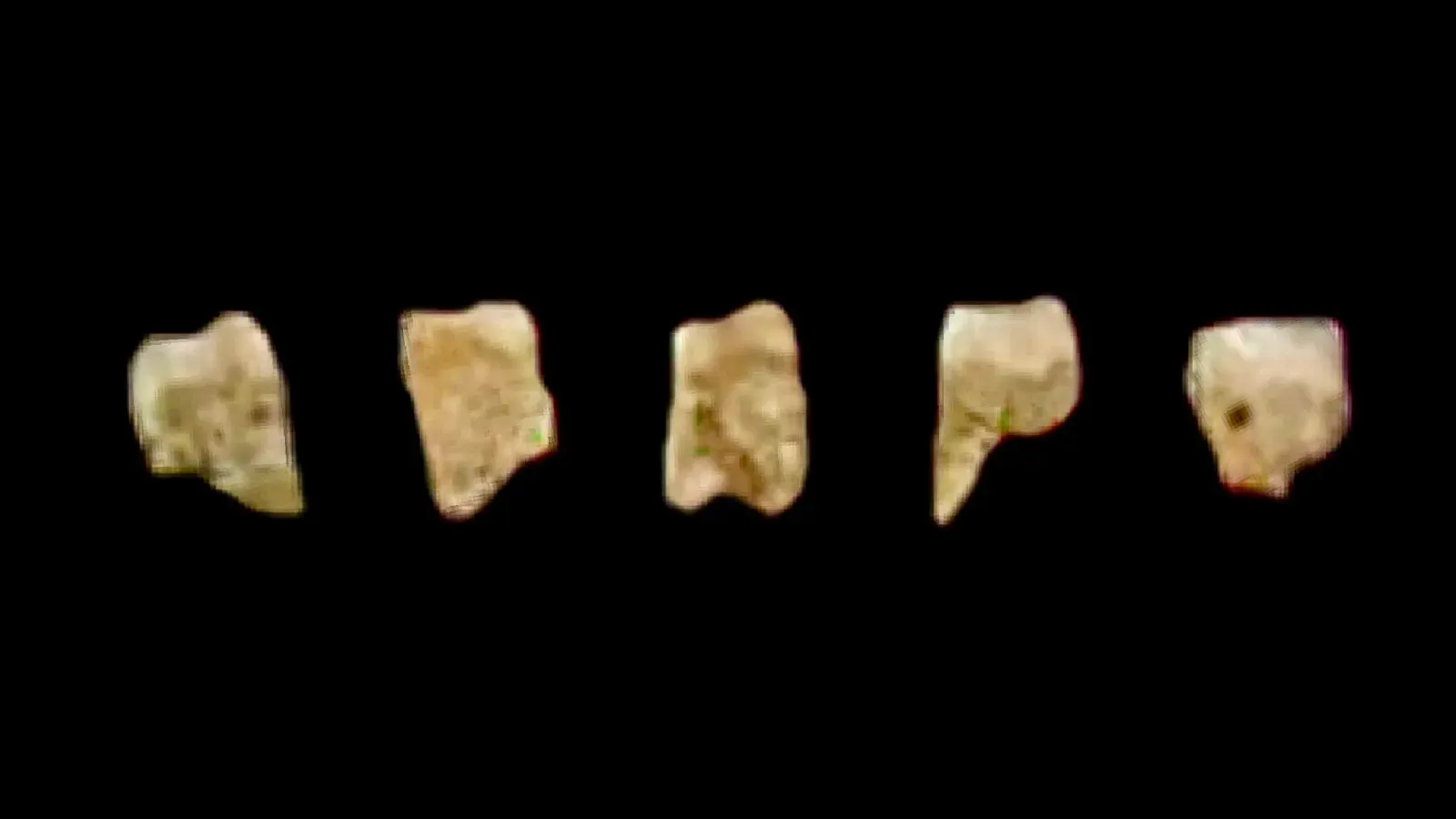
A handful of teeth and finger bones from a Philippine cave created a species scientists still can’t properly place on the family tree. Just 13 fossils of this ancient human species have been found so far, coming from at least two adults and one juvenile, all recovered from Callao Cave on the island of Luzon. That’s an extraordinarily thin fossil record on which to build an entire new branch of humanity, yet researchers did exactly that in 2019 after spotting a mosaic of primitive and modern traits no known species matched.
The uncertainty hasn’t faded with time. This species gets left out of many phylogenetic studies and diagrams entirely because its classification and affinities remain largely unknown. A recognized human species that most textbooks can’t even place on a family tree diagram is about as unresolved as classification gets. Some researchers suspect it descended from an isolated, shipwrecked population of Homo erectus; others aren’t convinced the sample size even justifies a new species designation. That thin-evidence problem gets worse at #5, where a single headline got walked back not once but twice.
#5 – The Red Deer Cave People (Longlin Cave, China)
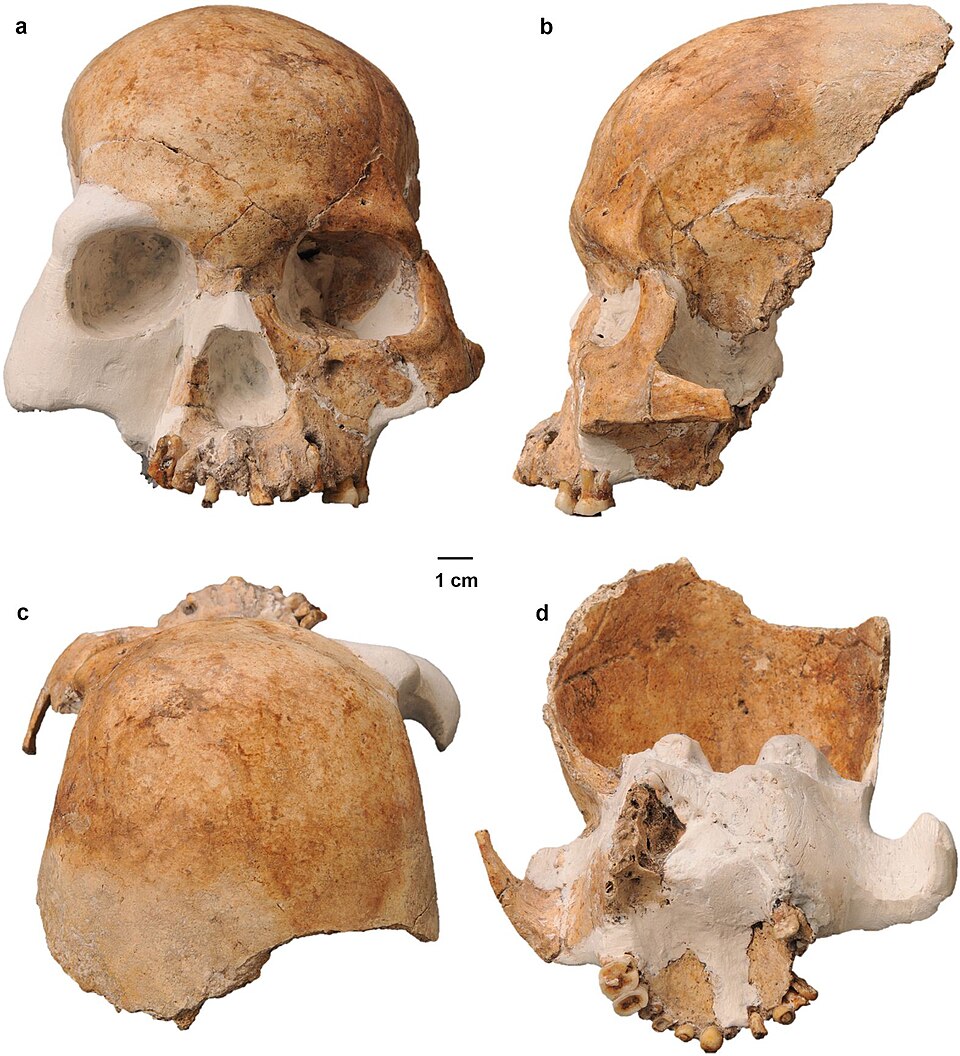
A skull from southern China spent years labeled a possible new human species, and one piece of it still hasn’t been fully solved. The bones, first found in the late 1980s and studied intensively after 2008, showed such a strange mix of ancient and modern features that researchers initially floated a late-surviving archaic lineage, eventually suggesting the Red Deer Cave people represented a hybrid population between early modern humans and one or several unidentifiable native archaic species. Headlines ran wild with “new human species” stories for years.
DNA sequencing on the Maludong skull eventually resolved that particular mystery, confirming it belonged to a modern human population linked to the ancestors of Native Americans. But the companion Longlin cranium tells a different story: researchers now treat it as part of a separate group, distinct from the Maludong bones, and one they think is indeed very likely to be a hybrid. One skull got solved. The other is still officially labeled a probable hybrid nobody can fully verify. That’s nothing compared to what happened when a whole skeleton showed up barely three feet tall – that’s #4.
#4 – Homo floresiensis, “The Hobbit” (Flores, Indonesia)
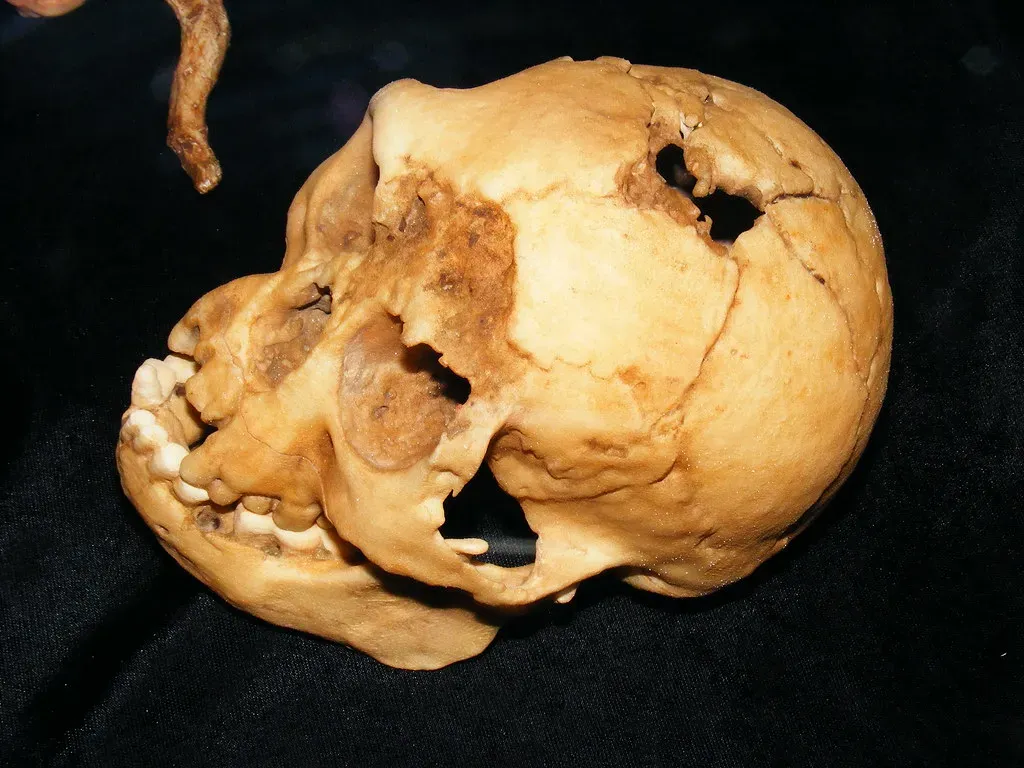
A three-and-a-half-foot-tall skeleton from an Indonesian island sparked one of the most heated classification fights in modern anthropology. Discovered in Liang Bua cave in 2003, this tiny hominin immediately triggered arguments that continue two decades later. Was it a dwarfed descendant of Homo erectus that shrank due to island isolation, or something far older and more primitive that made an entirely separate journey out of Africa? Researchers remain split on whether floresiensis was the dwarfed descendant of Javanese Homo erectus, or whether it represents an otherwise undetected migration of small, Australopithecus or Homo habilis-grade archaic humans outside of Africa.
At a Glance
- Standing height: roughly 3.5 feet tall as an adult
- Discovery site: Liang Bua cave, Flores, Indonesia
- Year found: 2003
- Nickname: “The Hobbit”
- Still disputed: dwarfed Homo erectus, ancient separate lineage, or pathological modern human
It got messier. A vocal minority of researchers argued the skeleton wasn’t a new species at all – just a modern human with a pathological condition, suggesting Down syndrome or dwarfism could explain its diminutive size. A find celebrated worldwide as a new branch of humanity was, for a time, seriously argued to be nothing more than a sick person. That controversy has never been fully laid to rest, and the fight over a “sick person” versus a new species has nothing on what happened at #3, where researchers refused to even try naming the thing.
#3 – Nesher Ramla Homo (Israel)
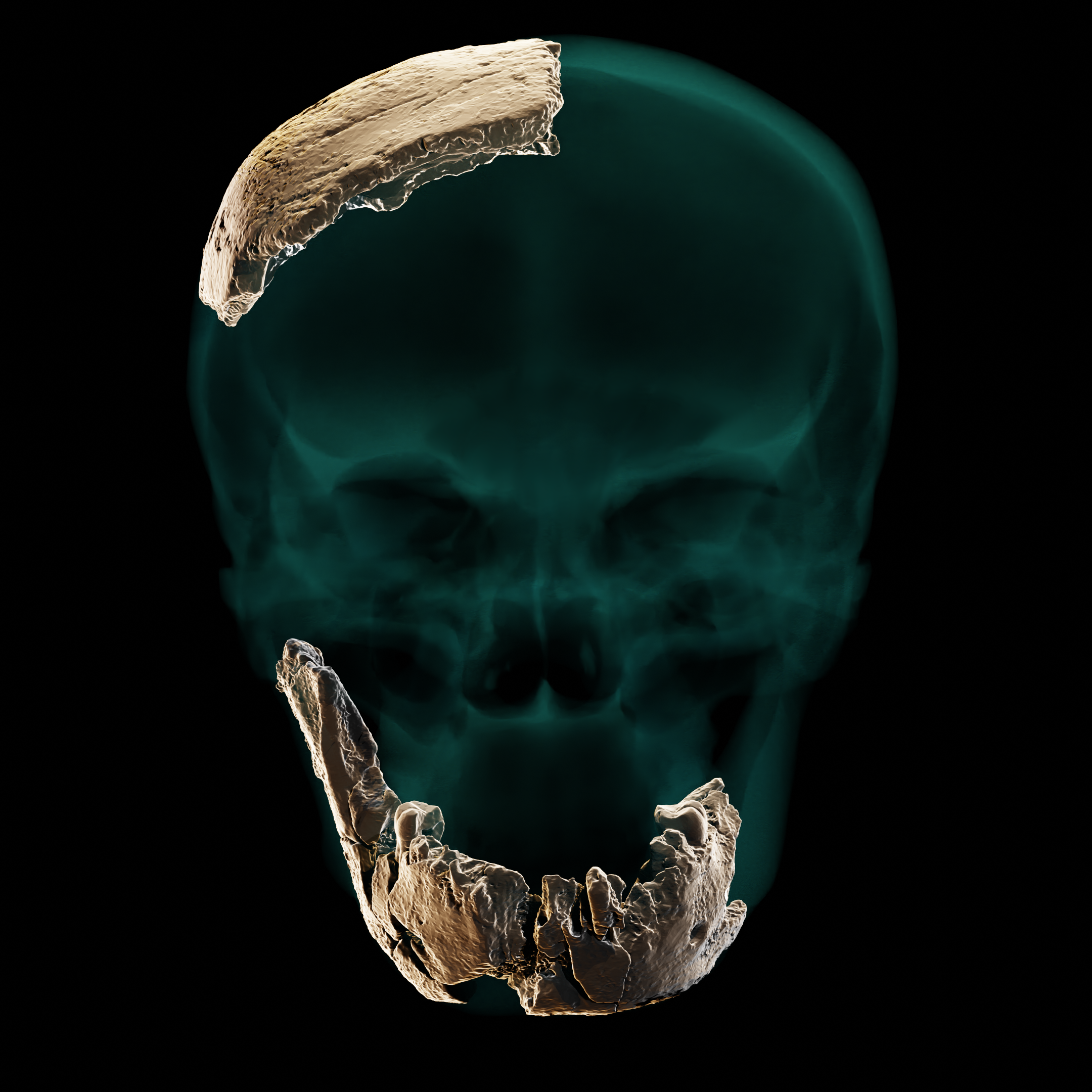
A skull found at a cement factory doesn’t match any known human species – and researchers deliberately refuse to name it one. The discovery consisted of 140,000 to 120,000-year-old fragments of a skull and a lower jaw with teeth, found at a site used by a cement plant in central Israel, uncovered about 25 feet deep among stone tools and animal bones. Rather than forcing it into an existing species box, the discovery team simply dubbed it the “Nesher Ramla Homo type,” a deliberately vague label meant to acknowledge nobody actually knows what it is.
The resemblance question has only deepened since. One expert noted that the roughly contemporaneous “Dragon Man” skull resembled an early Neanderthal, very much like the one found at Nesher Ramla – which has led researchers to openly ask whether the Nesher Ramla Homo might turn out to be Denisovan-type as well. A hominin found less than a decade ago still doesn’t have a real species name, and experts openly disagree about which extinct human family it belongs to. A refusal to name a skull is one kind of unresolved. At #2, a single bone fragment broke the very idea of a species.
#2 – Denisova 11, “Denny” (Siberia)
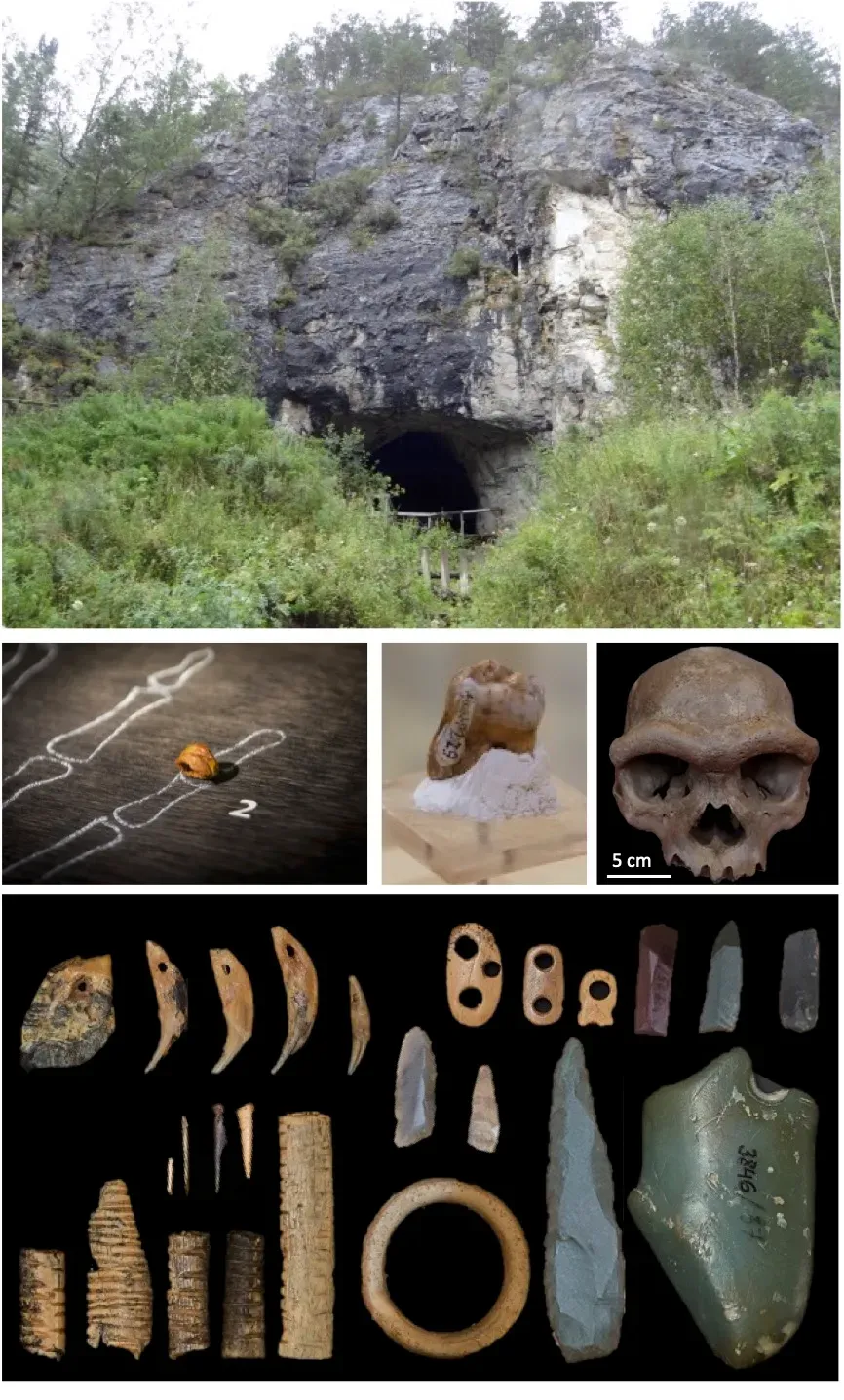
A single bone fragment turned out to belong to someone who, biologically speaking, shouldn’t have been classifiable as anything at all. Recovered from Denisova Cave in Siberia, this tiny bone fragment was genetically sequenced almost as an afterthought. The result stunned researchers worldwide: the individual’s genome revealed she was the direct offspring of a Neanderthal mother and a Denisovan father – a first-generation hybrid between two entirely distinct archaic human populations.
That discovery breaks the entire concept of tidy species boundaries. How do you assign a single species name to an individual who is, quite literally, half of one species and half of another? Denny isn’t Neanderthal. She isn’t Denisovan. She’s proof that these populations interbred far more freely than the neat branching family tree in textbooks ever suggested. Scientists still don’t have a satisfying taxonomic answer for cases like hers – and as wild as a hybrid individual is, the most argued-over remains on this entire list are saved for last.
#1 – Homo naledi (Rising Star Cave, South Africa)
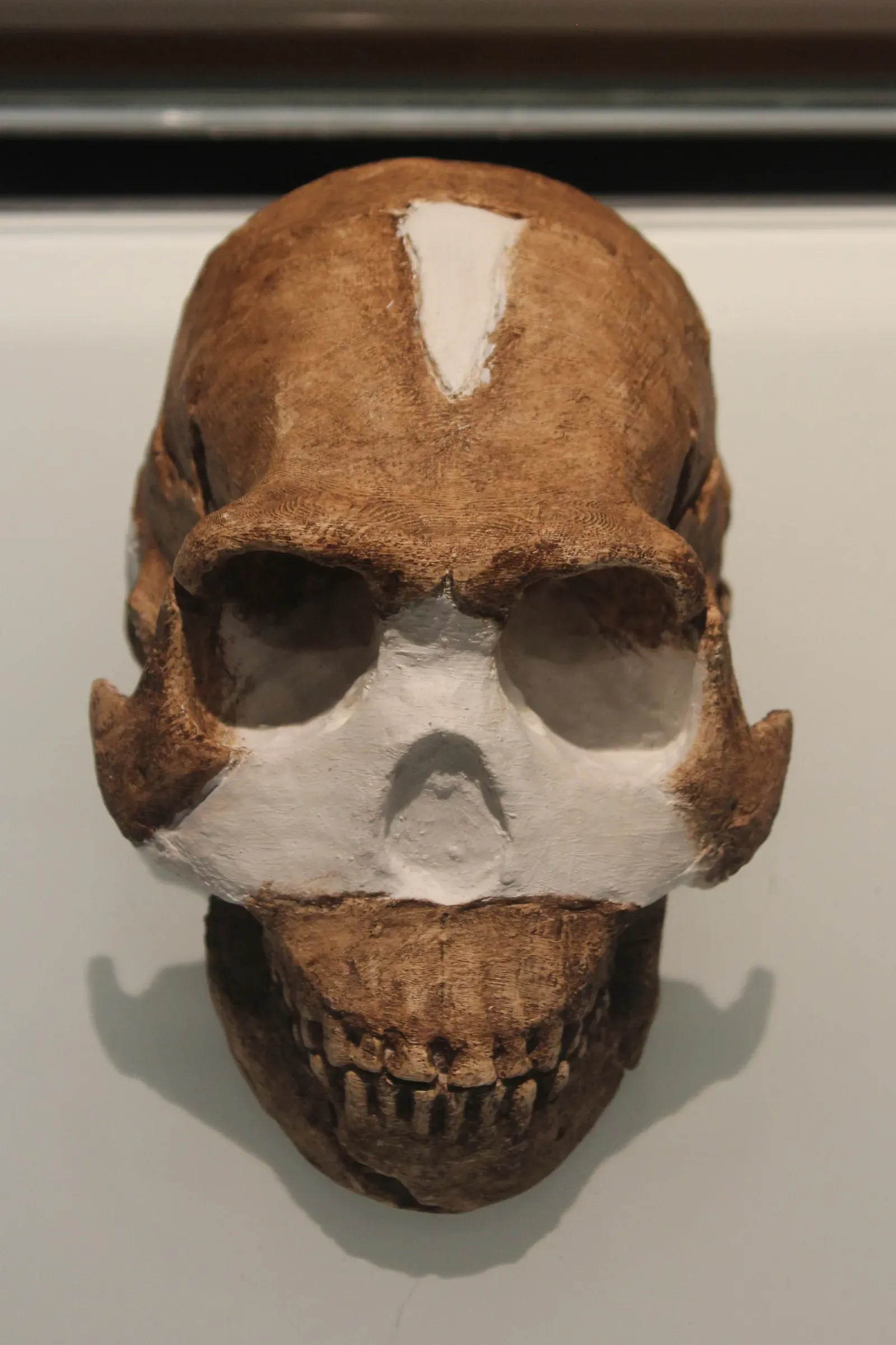
More than 1,500 fossil fragments from at least 15 individuals, and scientists still can’t agree what genus this creature even belongs in. The initial discovery comprised 1,550 specimens of bone, representing 737 different skeletal elements and at least 15 different individuals – a staggering amount of physical evidence to still leave researchers this divided. Naledi had a brain the size of an orange paired with human-like hands, wrists, and feet, a genuinely bizarre anatomical mashup.
The disagreement runs deep. Some prominent paleoanthropologists question its placement within Homo entirely, while others argue the fossils are simply variant forms of a known species like Homo erectus, not a new species at all. Making matters worse, the team’s claim that naledi deliberately buried its dead in a deep, hard-to-reach chamber remains bitterly contested. A tiny-brained hominin supposedly practicing deliberate burial rituals would upend everything we think we know about who’s capable of that behavior – and plenty of experts simply aren’t buying it. No single fossil on this list better proves that classification is far messier than any museum placard admits.
The Bottom Line
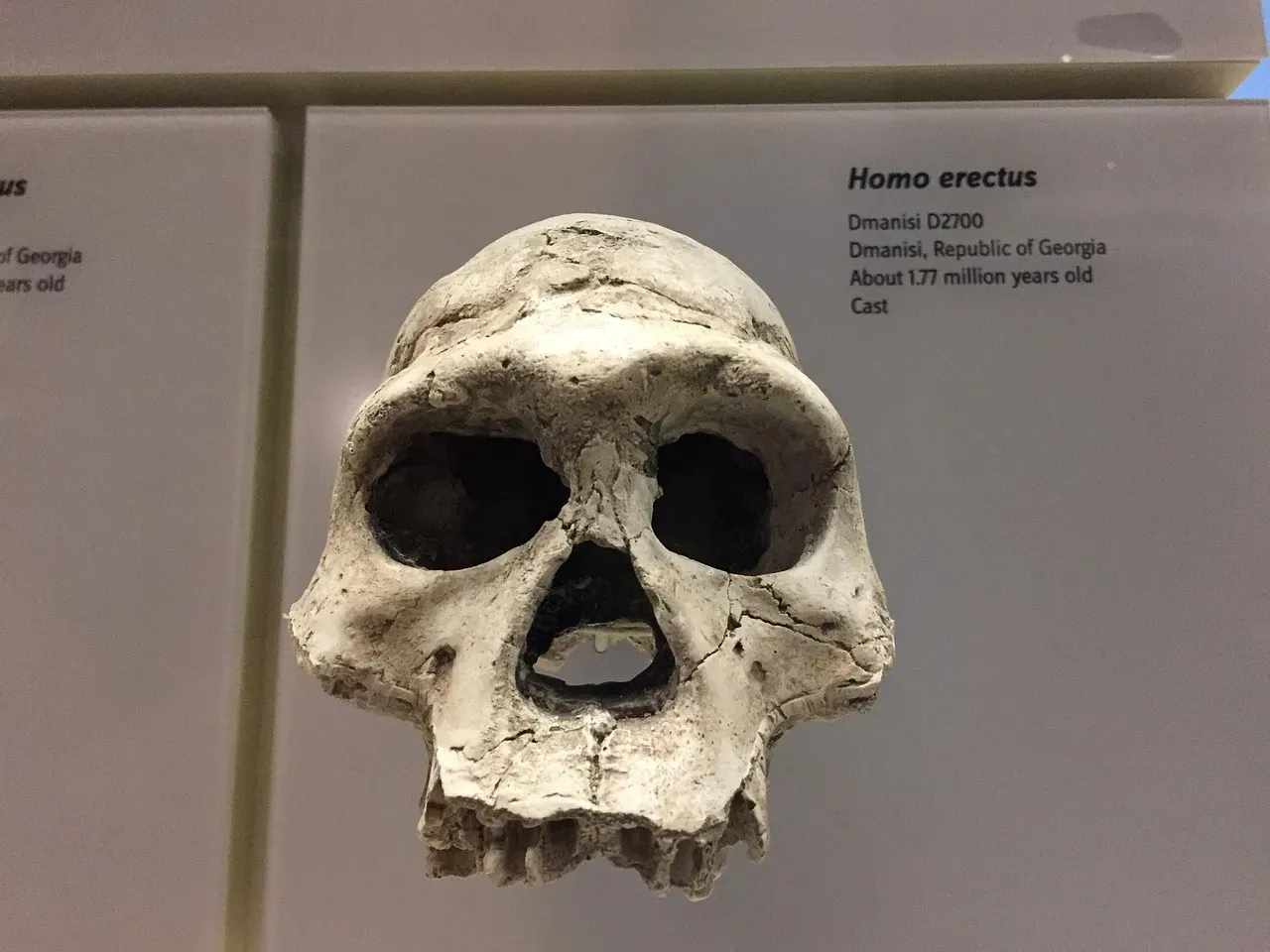
Fourteen sets of remains, and not one of them fits cleanly into a textbook diagram. That’s the uncomfortable truth the field rarely advertises: species labels get assigned fast, defended loudly, and revised constantly the moment new bones or DNA show up.
Naledi’s brain-to-hand mismatch, Denny’s literal hybrid genome, and Nesher Ramla’s refusal to even take a species name all point to the same conclusion – the human family tree looks less like clean branches and more like a tangled, overlapping mess nobody has fully mapped. We think that’s actually more exciting than a tidy answer would be. Which of these skeletons do you think deserves its own species the most? Drop your pick in the comments.