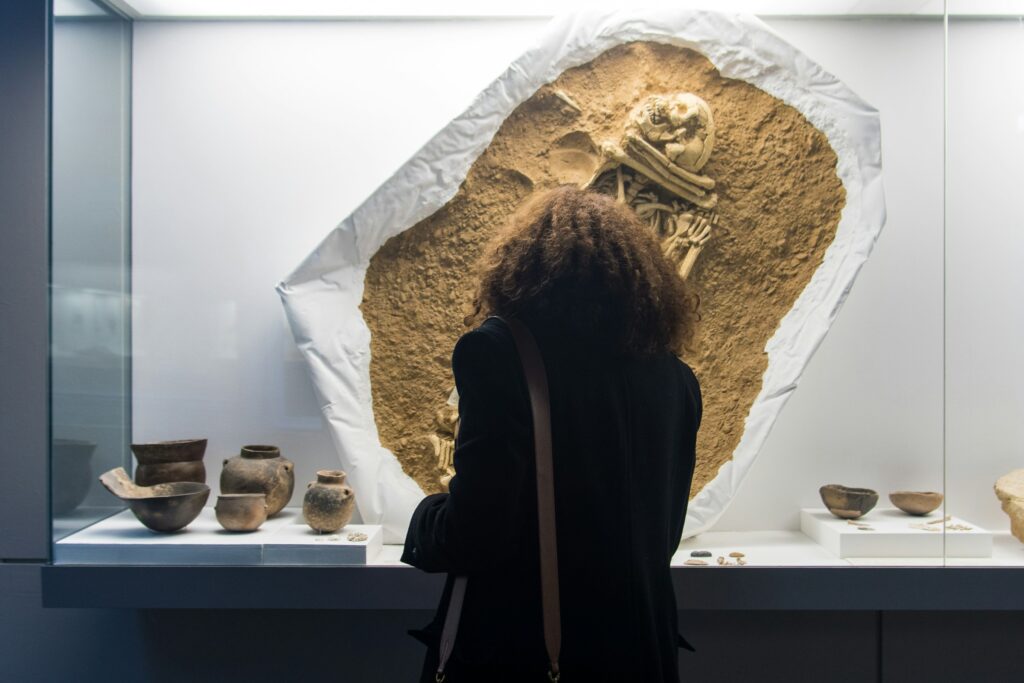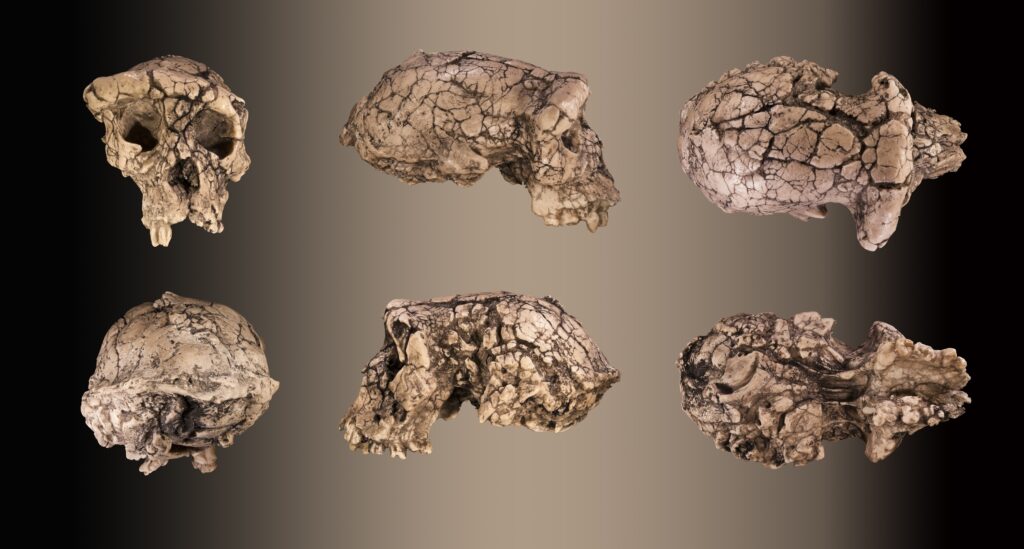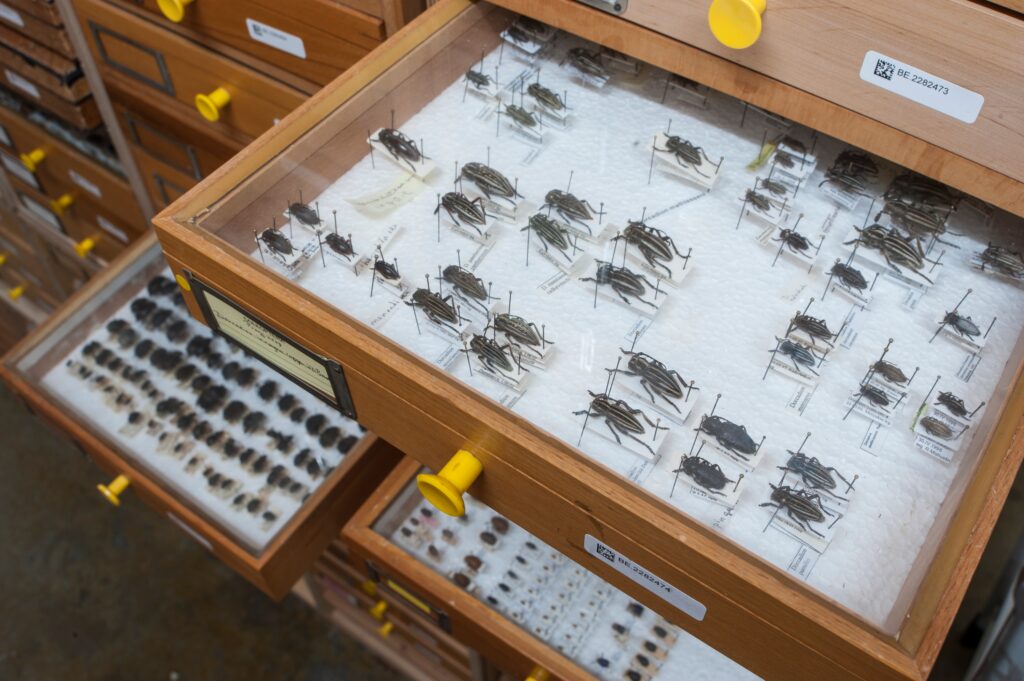
Every museum wants you staring at the dinosaur skeleton in the lobby, the sparkling gem case, the taxidermied lion frozen mid-roar under gallery lights. That’s the show. What almost nobody sees is the windowless room behind it all – floor-to-ceiling metal cabinets, drawer after drawer, that haven’t been opened in decades. Inside those drawers: millions of specimens that were collected, labeled, filed away, and then simply never looked at again. Some have been waiting since before either World War.
This isn’t neglect, and it isn’t some scandal museums are hiding from you – it’s math. There aren’t enough taxonomists, funding, or working hours in a human career to study everything that’s already been gathered, so the backlog just keeps growing in the dark. Somewhere in these drawers is a fly that’s secretly sixteen species, a dinosaur that got mislabeled as a bird for years, and a mineral nobody on Earth had a name for until 2025. Here’s what fifteen of those unopened drawers are actually hiding.
#15 – The Moss and Liverwort Sheets Nobody Has Mounted
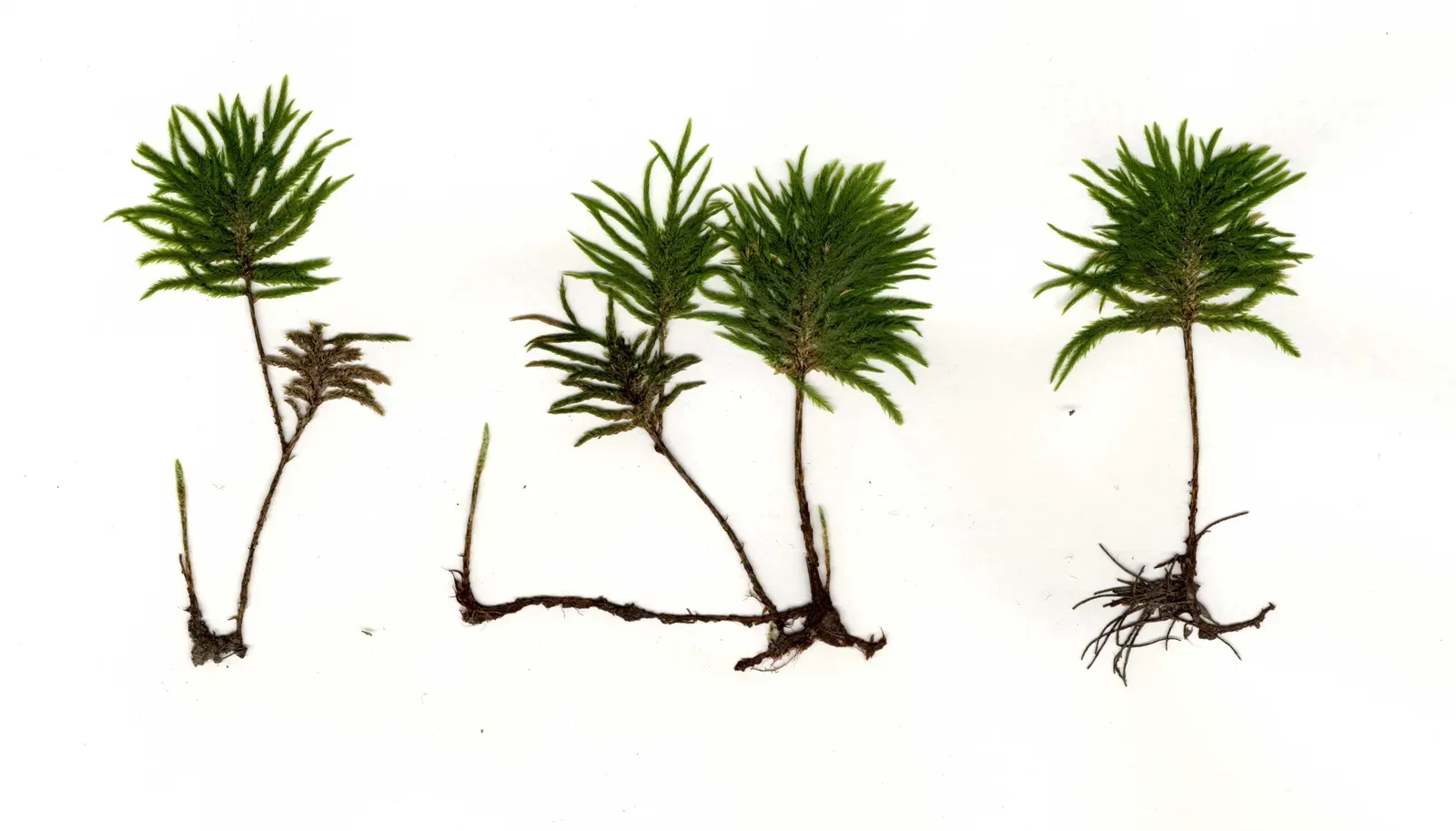
Herbaria are supposed to be the tidiest collections in science, but bryophytes – mosses and liverworts – are the exception that embarrasses everyone. Researchers who study these plants openly describe herbarium specimen backlogs as an ongoing, unresolved problem specific to bryophyte collections.
Unlike flowering plants, which get pressed, labeled, and filed relatively fast, bryophytes are often collected in bulk paper packets and left unsorted, because identifying them requires a microscope and a specialist trained in a notoriously under-taught subfield. Entire collecting trips’ worth of packets can sit for decades before anyone with the right expertise even opens them. It’s a recognized institutional bottleneck, not a hypothetical one. But unsorted moss packets are nothing compared to what’s crawling, quite literally, through the insect cabinets next door.
#14 – Malaise-Trap Insects Sorted Only to “Unknown”
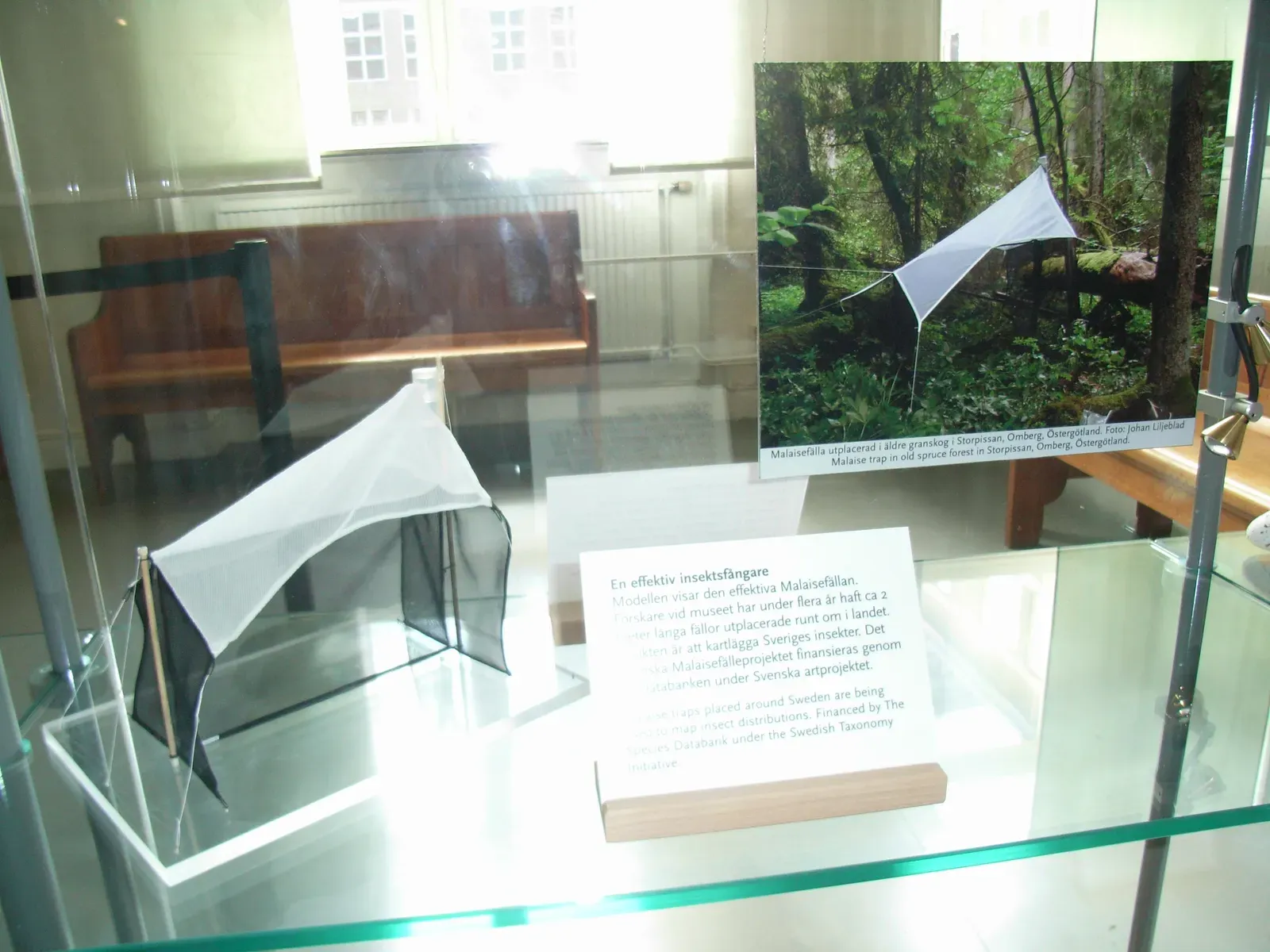
If you’ve ever wondered what happens to a bug caught in a tent-shaped insect trap in a rainforest, the answer is often: it gets a label that just says “Diptera” and then waits.
Scientists call these groups dark taxa, and the definition is specific, not just a vibe. Dark taxa are clades with an estimated worldwide diversity above 1,000 species, where the undescribed fauna outnumbers the described fauna by at least an order of magnitude. These aren’t rare oddities – dark taxa often dominate the samples pulled from Malaise traps and other mass-collection methods. The problem is almost aesthetic: most “dark” species are small, dull-colored, and belong to genera so abundant and species-rich that identifying them becomes a career nobody signs up for. Some of those “boring” flies turn out to be dozens of species mistaken for one.
Fast Facts
- Dark taxa are defined as clades with 1,000+ estimated species where undescribed outnumber described by 10-to-1 or more
- They routinely dominate the raw catch from Malaise traps and other mass-collection tools
- Most are small-bodied and dull-colored, which makes them easy for researchers to overlook
- Flies and parasitoid wasps are among the hardest-hit groups worldwide
#13 – The Deep-Sea Jars That Predate Modern Diving
Long before remote submersibles existed, ships dredged the ocean floor and dumped whatever came up into jars of preservative – and a shocking number of those jars are still sealed.
Deep-sea expeditions were historically rare and expensive, so each haul could contain species nobody has seen since. The broader collections community openly acknowledges that the sheer volume of specimens in natural history collections creates management problems, and shrinking budgets combined with declining taxonomic training make mislabeled or lost specimens almost inevitable. Deep-sea material is especially exposed because so few specialists exist for obscure invertebrate groups. A jar collected on a 19th-century dredging expedition can sit through multiple curators’ entire careers without ever being reopened for study. That same kind of institutional memory loss is exactly what happened to a set of freshwater fish that turned up in a completely different kind of backlog.
#12 – The Deep-River Catfish Rediscovered in a Cabinet
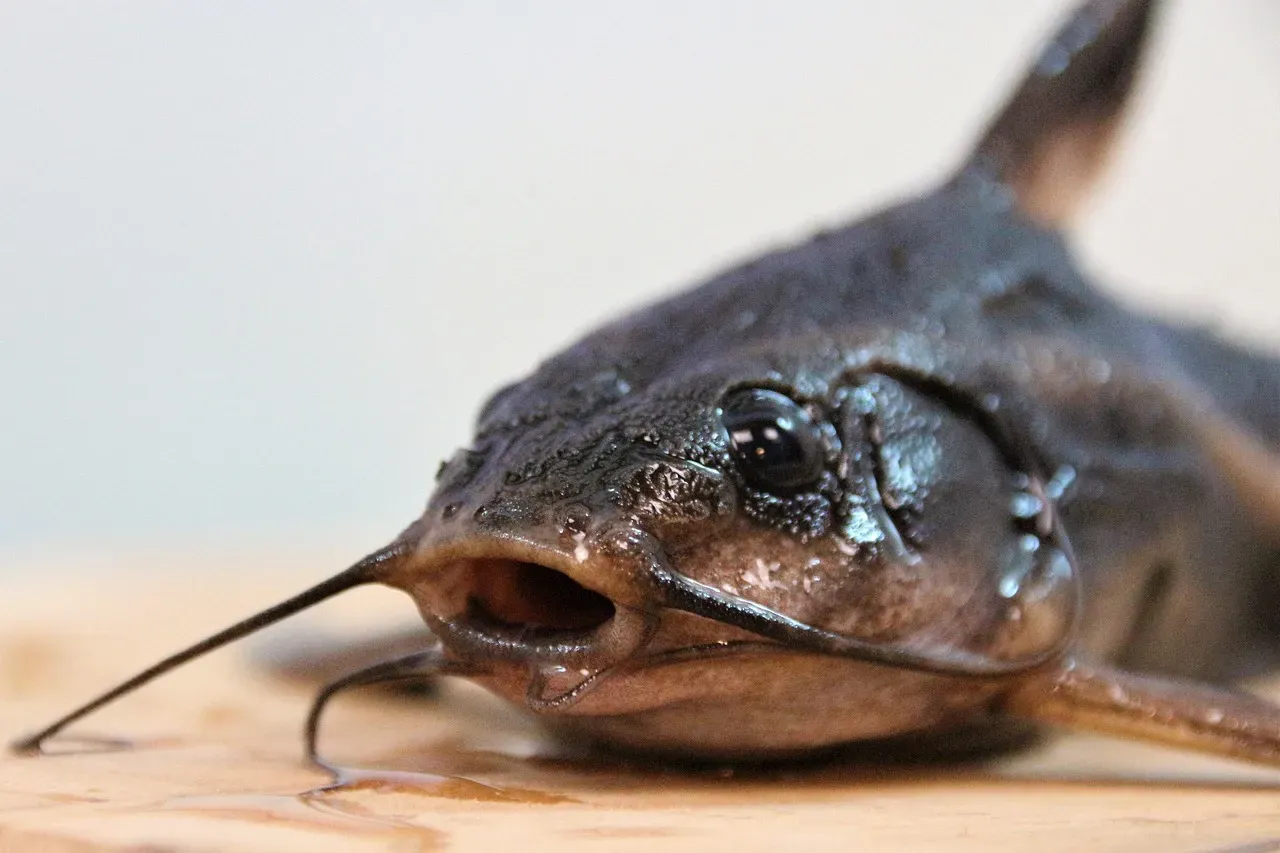
Sometimes the “new species” wasn’t found in a river at all – it was found in a drawer, decades after someone else already caught it.
In 2025, researchers at the American Museum of Natural History formally described more than 70 species new to science in a single year, with finds ranging from ancient reptiles and deep-river catfish to biting flies collected in the Philippines nearly a century ago. The catfish is a perfect case study in how “discovery” and “collection” are two completely different events – many were never found in the wild, they were already sitting in storage, waiting to be noticed. A species can occupy a museum shelf for generations while the textbooks still list it as unknown to science. That same 2025 haul proves the backlog problem doesn’t stop at fish – it stretches into reptiles and amphibians too.
#11 – The Herpetology Cabinet Nobody Has Fully Counted
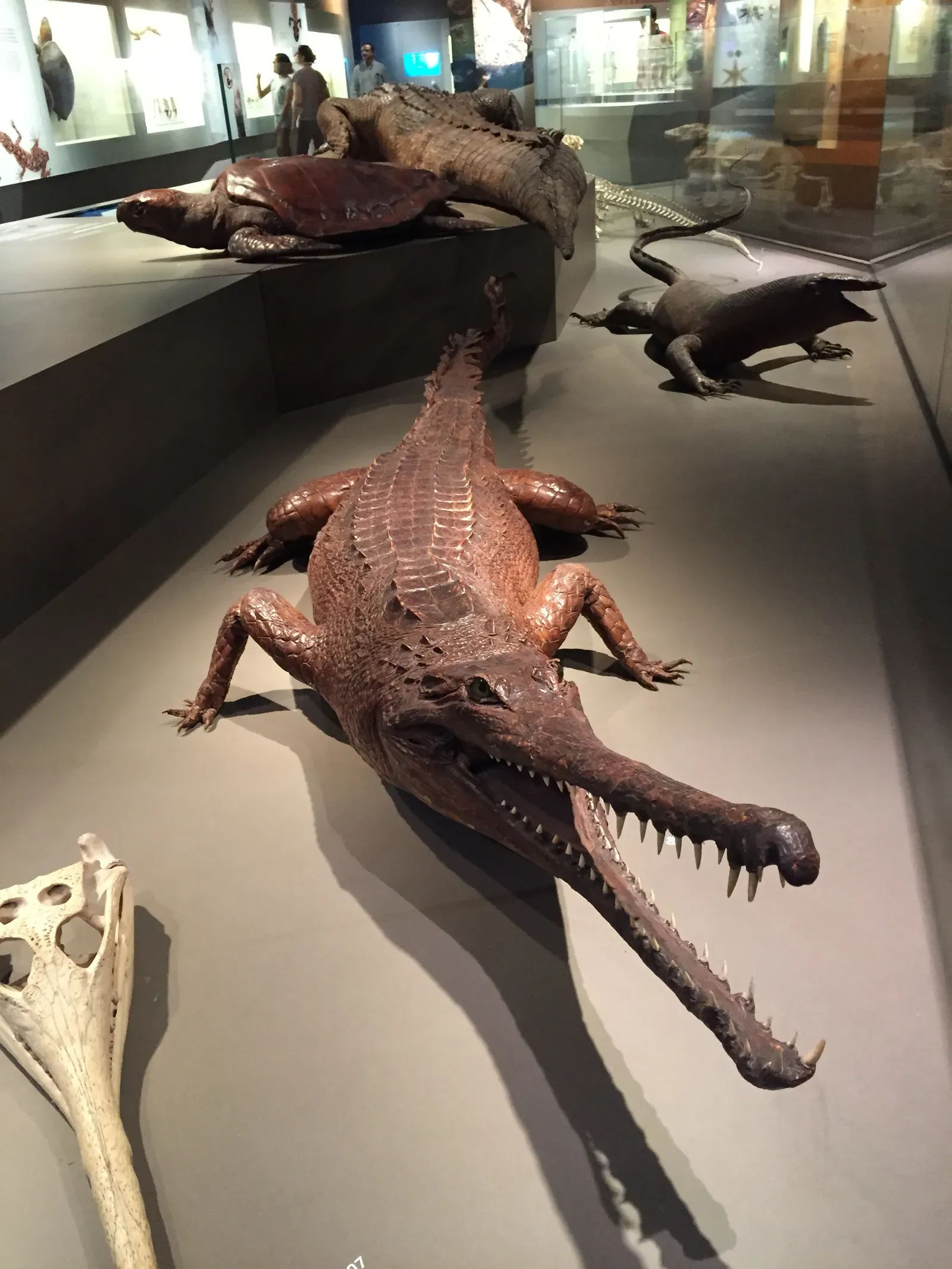
An entire national collection of reptiles and amphibians can exist for over 50 years without anyone producing a complete inventory of what’s actually inside it.
That’s precisely the situation documented at Korea’s Ewha Womans University Natural History Museum, one of the oldest herpetology collections in the country. A full inventory of the collection had never been conducted, so it received almost no attention from outside researchers – and this isn’t a fringe case. Natural history collections in many countries are simply unknown to scientists outside the institution that houses them. Some specimens in that collection date back to the early 1950s, gathered during wartime conditions, and weren’t formally catalogued until decades later. If a whole national collection can sit uninventoried for half a century, imagine what’s happening with insect groups that need entire government-funded programs just to get started.
#10 – The Wasps Germany Needed a National Program to Tackle
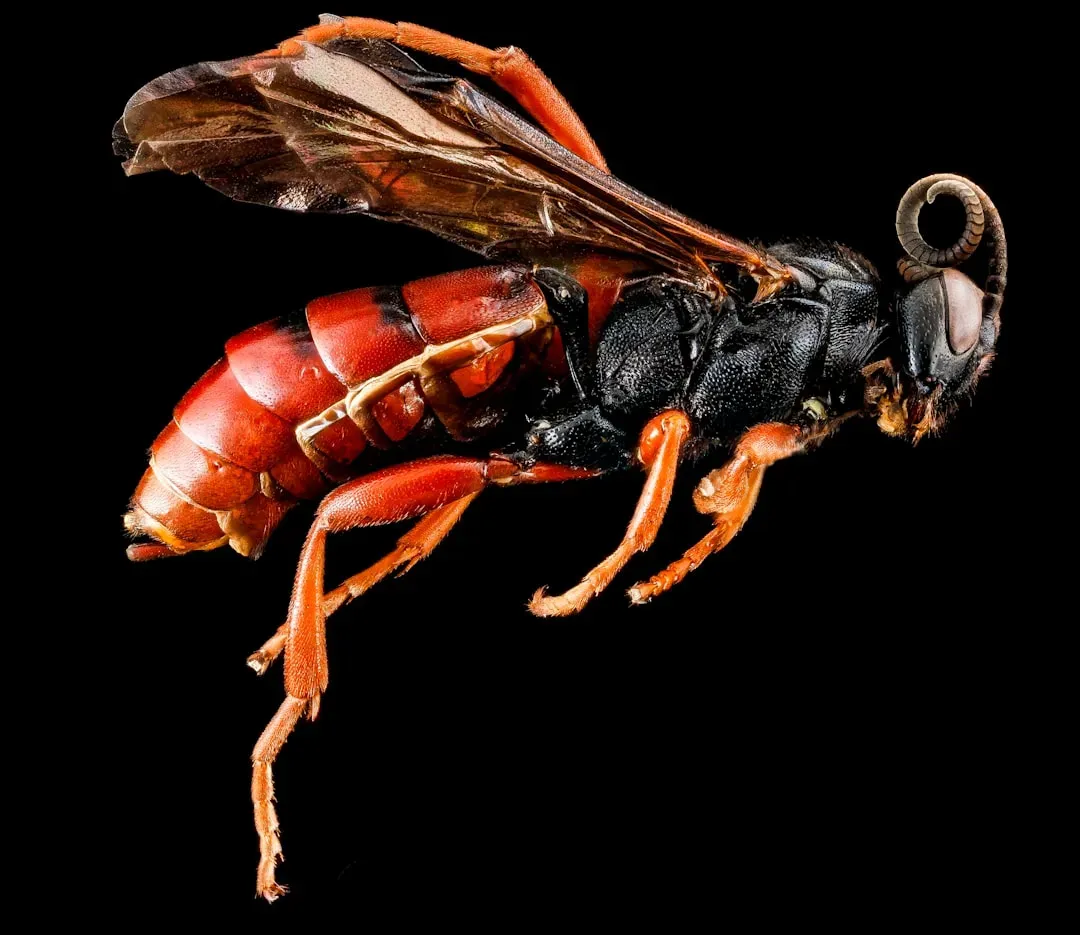
Parasitoid wasps are so poorly known that an entire country had to launch a dedicated research initiative just to start sorting them.
Germany’s GBOL III project exists specifically because huge swaths of the national insect fauna remain scientific blank spots. It targets what researchers call the “Dark Taxa” of the German fauna – Diptera and parasitoid Hymenoptera – which together make up roughly a quarter of all insect life in the country. Even trained entomologists sometimes struggle to name or even recognize some of these groups. A quarter of Germany’s insects being functionally invisible to science is an uncomfortable statistic for one of the most scientifically advanced countries on Earth. Singapore’s fungus gnat collections tell an even more dramatic version of the same story.
#9 – 115 New Species Found in One Small Patch of Singapore
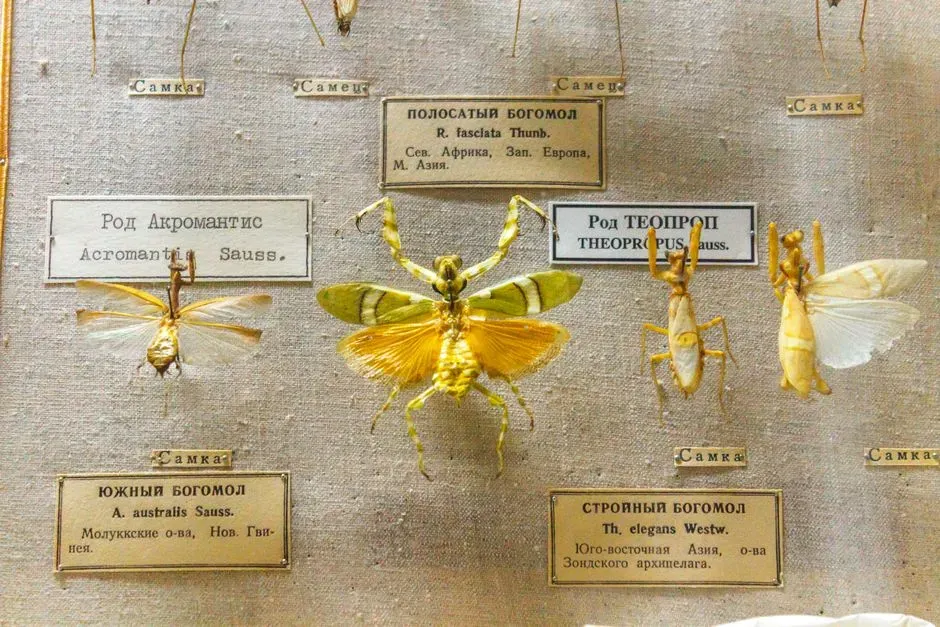
An area smaller than most metro regions produced over a hundred new species once someone finally sat down and looked properly.
A single taxonomic study of fungus gnats (Mycetophilidae) covering roughly 730 square kilometers of Singapore turned up a staggering result. Much of the planet’s species-level diversity belongs to these hyperdiverse “open-ended” or dark taxa, and this study is a textbook demonstration of what happens when someone finally commits to the grind. One relatively tiny, thoroughly urbanized nation still yielded 115 species new to science from a single insect family. If a small, developed country hides this many unstudied specimens in one insect group, the phorid flies waiting in collections worldwide are an even bigger mess.
#8 – One Fly Species That Was Secretly Sixteen
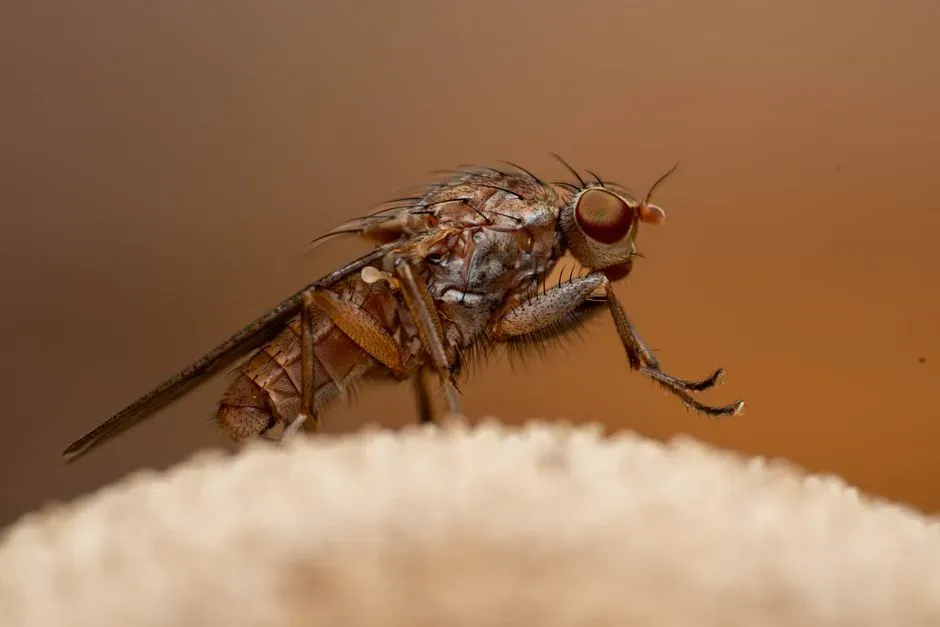
For years, one small phorid fly had a single scientific name. DNA testing proved that name was hiding an entire hidden family tree.
Researchers using DNA barcoding on the phorid fly Megaselia sulphurizona discovered the “species” wasn’t one organism at all – it was a complex of at least 16 distinct species hiding behind one label. This wasn’t a fringe fluke; it reflects the scale of the wider problem. Between an estimated 80 and 90 percent of all species on Earth – including a staggering 4.5 million insect species – remain undescribed, and many belong to dark taxa so similar-looking that morphology alone can’t tell them apart. A single pinned specimen, sitting under one label for years, can secretly represent an entire unrecognized species. But it’s not just unnamed species causing problems – some specimens are actively mislabeled, and nobody has caught it yet.
#7 – The Drawers Computer Vision Is Now Catching Mistakes In
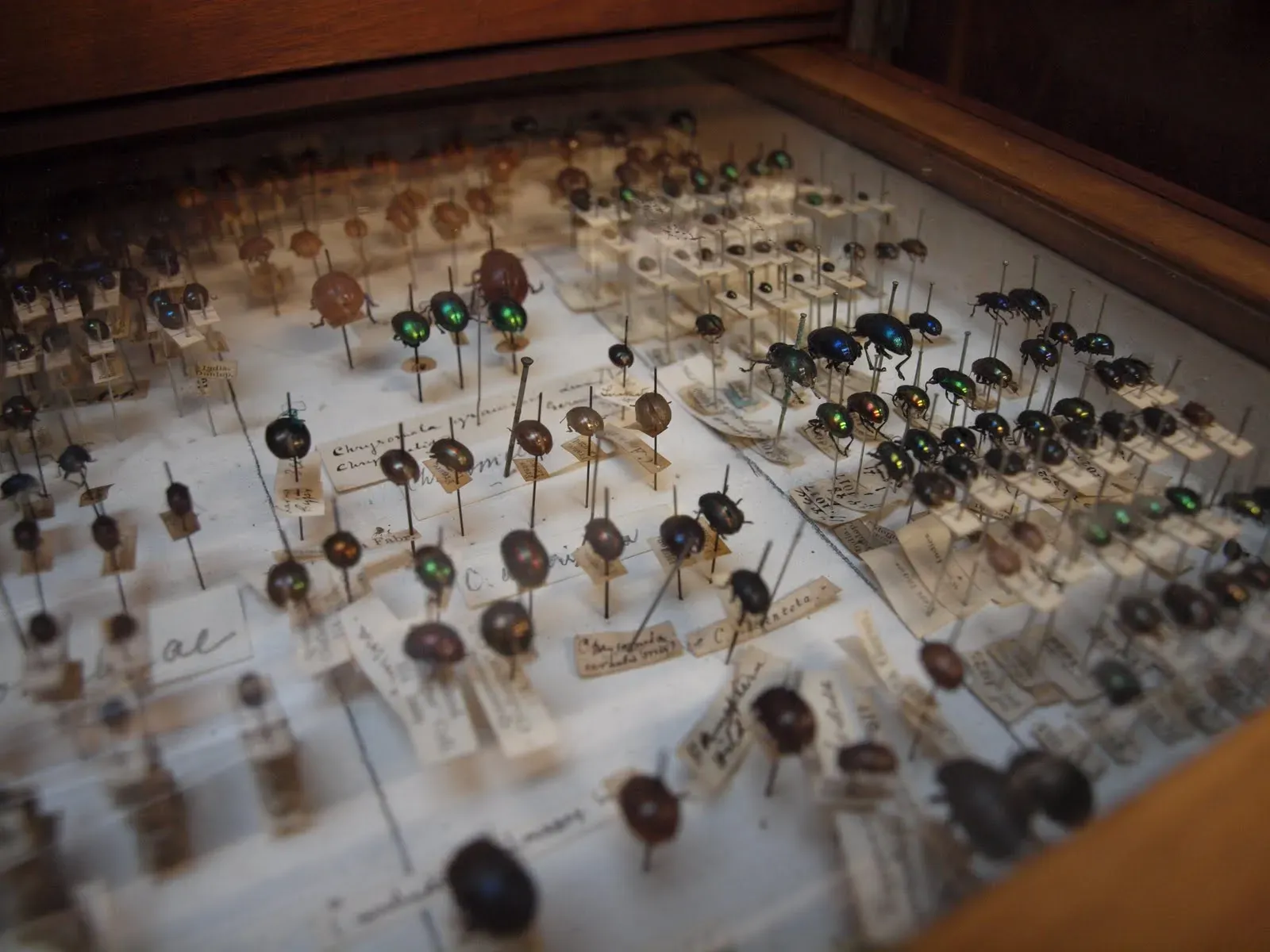
Museums are starting to admit that some of their own labels have been wrong for years, and it took artificial intelligence to prove it.
A 2025 study out of the Natural History Museum in London built a computer vision system specifically to hunt for labeling errors buried in the collection. Natural history collections are essential for biodiversity and evolution research, but their sheer size creates management challenges, and shrinking funds, declining taxonomic training, and constantly expanding collections all but guarantee mislabeled or missing specimens. A specimen labeled as one species for decades can turn out, on closer inspection, to belong to a completely different one – and nobody would have known without a machine flagging it. Some of the most dramatic mislabeling cases haven’t come from tiny insects at all, but from fossils that sat in plain sight.
Worth Knowing
- Collections keep growing faster than taxonomic funding or trained staff can keep pace with
- Mislabeled specimens are considered nearly inevitable at this scale, not rare exceptions
- Computer vision can flag inconsistencies that human curators missed for years
- One flagged drawer can trigger a full re-check of an entire species group
#6 – The Jurassic Lizard That Waited to Be Understood
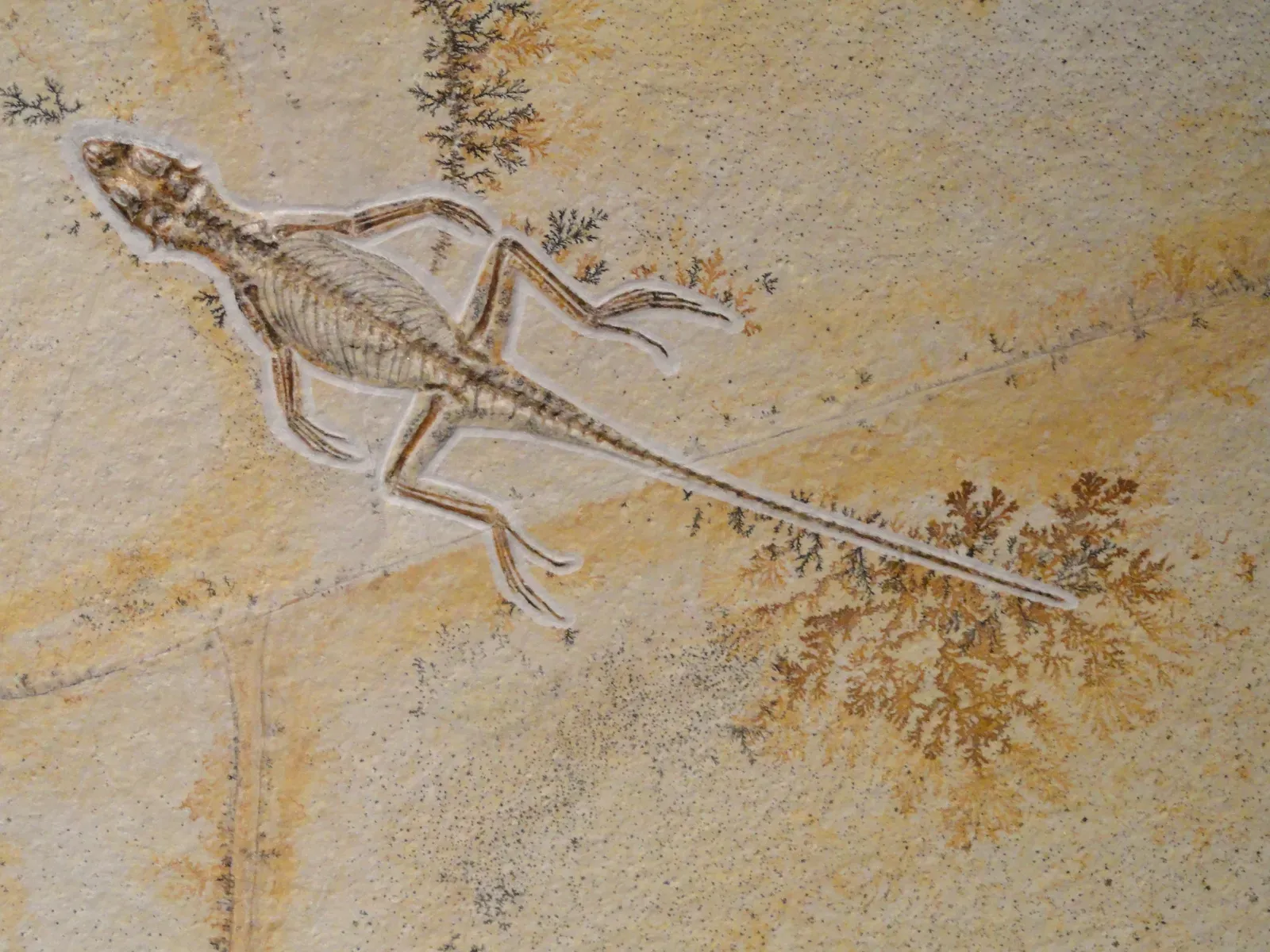
A fossil found on a remote Scottish island turned out to be one of the most important lizard specimens ever recovered, and it took specialists years to realize what they were holding.
Described from Scotland’s Isle of Skye, Breugnathair elgolensis is a Jurassic reptile with python-like hooked teeth and a gecko-like body – now considered one of the oldest relatively complete fossil lizards ever found. Once specialists finally gave it focused study, it forced a rethink of early lizard and snake evolution. A reptile fossil sitting in storage helped rewrite part of the evolutionary story of snakes – decades after it was originally pulled from the rock. That same pattern of “we had it the whole time” shows up even more dramatically in feathered dinosaur specimens.
#5 – The Feathered Dinosaur Mistaken for a Bird
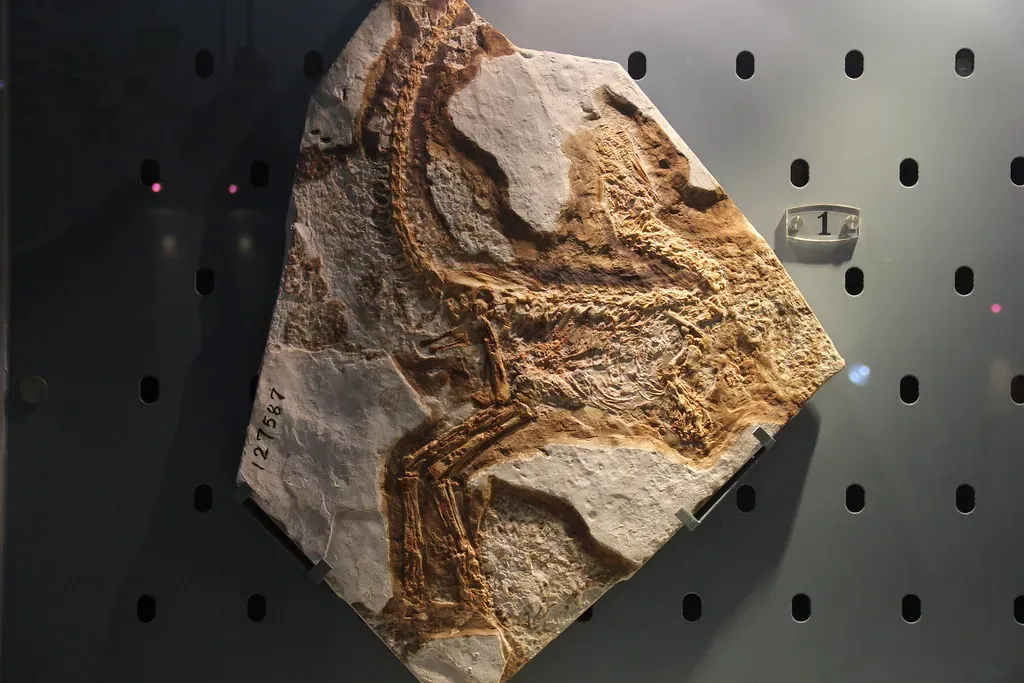
One specimen sat identified as a primitive bird for years before anyone realized it was something else entirely.
Two dinosaur specimens from 125-million-year-old Chinese deposits underwent dramatic reclassification once researchers finally took a fresh look. One, Sinosauropteryx lingyuanensis, had originally been identified as a primitive bird. Its counterpart is even stranger: Huadanosaurus sinensis is the specimen with two small mammal skeletons still preserved inside its abdomen. A dinosaur’s stomach contents sat undiscovered inside a museum specimen until someone finally looked closely enough to notice two entire mammal skeletons. Insects collected on the opposite side of the world, over a century ago, were hiding a very different kind of surprise.
#4 – The Biting Flies Collected Before World War I
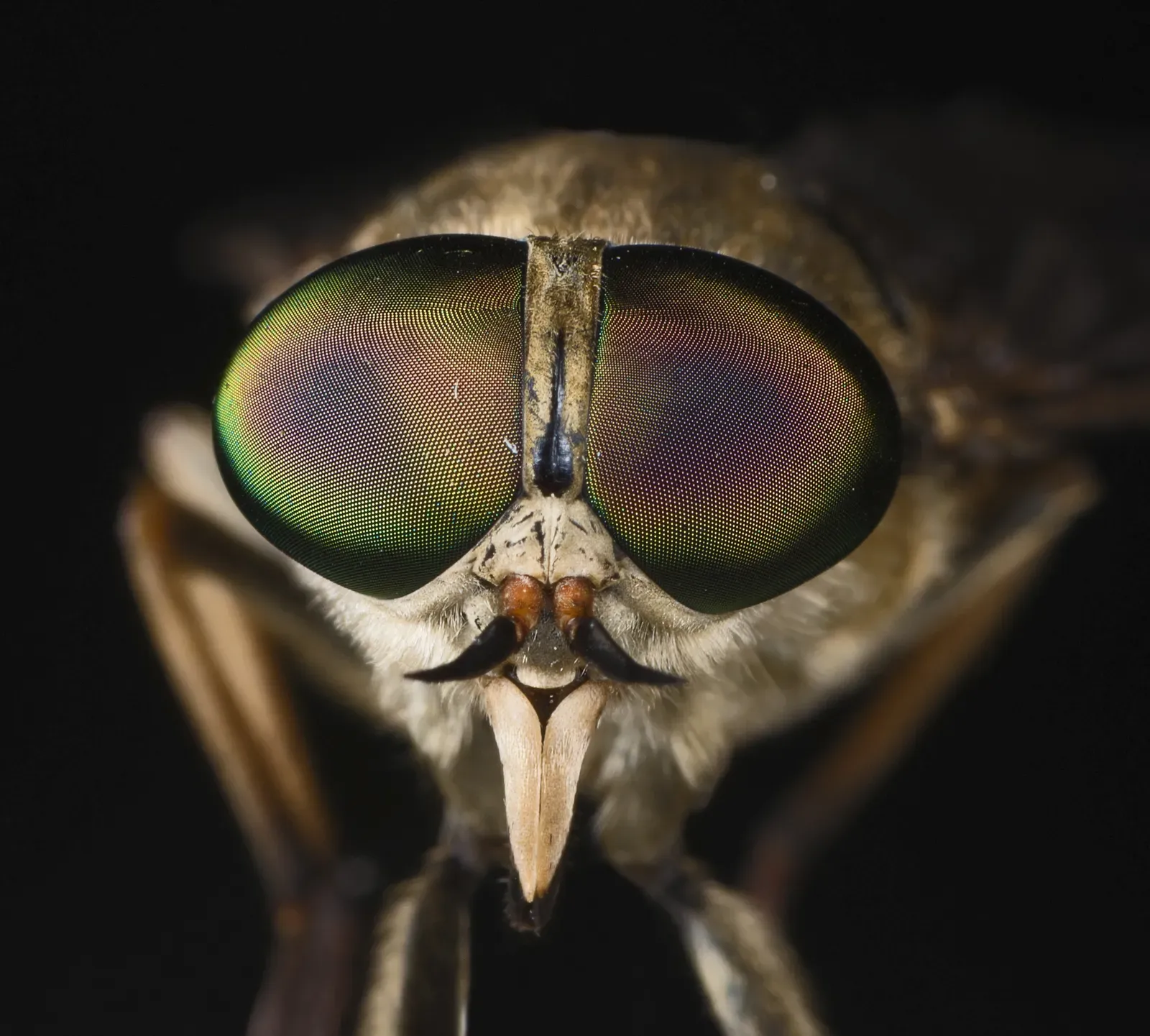
Some specimens in this backlog weren’t collected last decade – they were collected before either World War, and they sat waiting the entire time.
Among the 2025 AMNH discoveries were biting flies gathered on an expedition to the Philippines nearly a hundred years before anyone got around to describing them. This kind of gap isn’t unusual – specimens routinely sit for decades before researchers notice the tiny differences that separate one species from another. A biting fly collected during an early-20th-century expedition can wait through two world wars, the moon landing, and the internet age before finally getting a scientific name. Not every overlooked specimen in a collection is even biological – some are sitting in the geology cabinets instead.
#3 – The Mineral Nobody Recognized Inside a Volcanic Rock
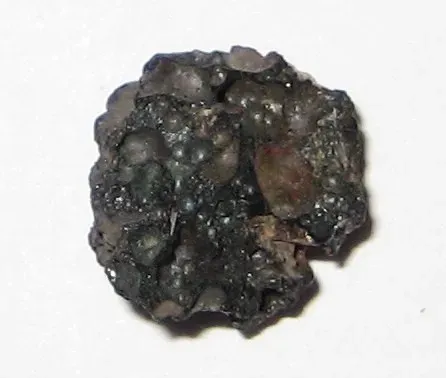
Rock and mineral collections have their own version of this problem, and 2025 proved it with a genuinely strange find.
Alongside the animal discoveries, researchers also identified an entirely new mineral hiding inside material that had already been sitting in storage. That year’s list of finds spans an almost implausible range of life – dinosaurs, mammals, fish, reptiles, insects, arachnids, marine invertebrates – and even a newly approved mineral found inside a volcanic rock in Russia. A mineral can sit inside a rock sample for years, chemically unremarkable to the naked eye, until someone runs the right analysis and realizes it doesn’t match anything on the books. Type specimens – the gold-standard reference samples for entire species – have an even bigger hidden problem: most of them have never had their DNA tested.
#2 – Type Specimens Still Waiting for a DNA Test
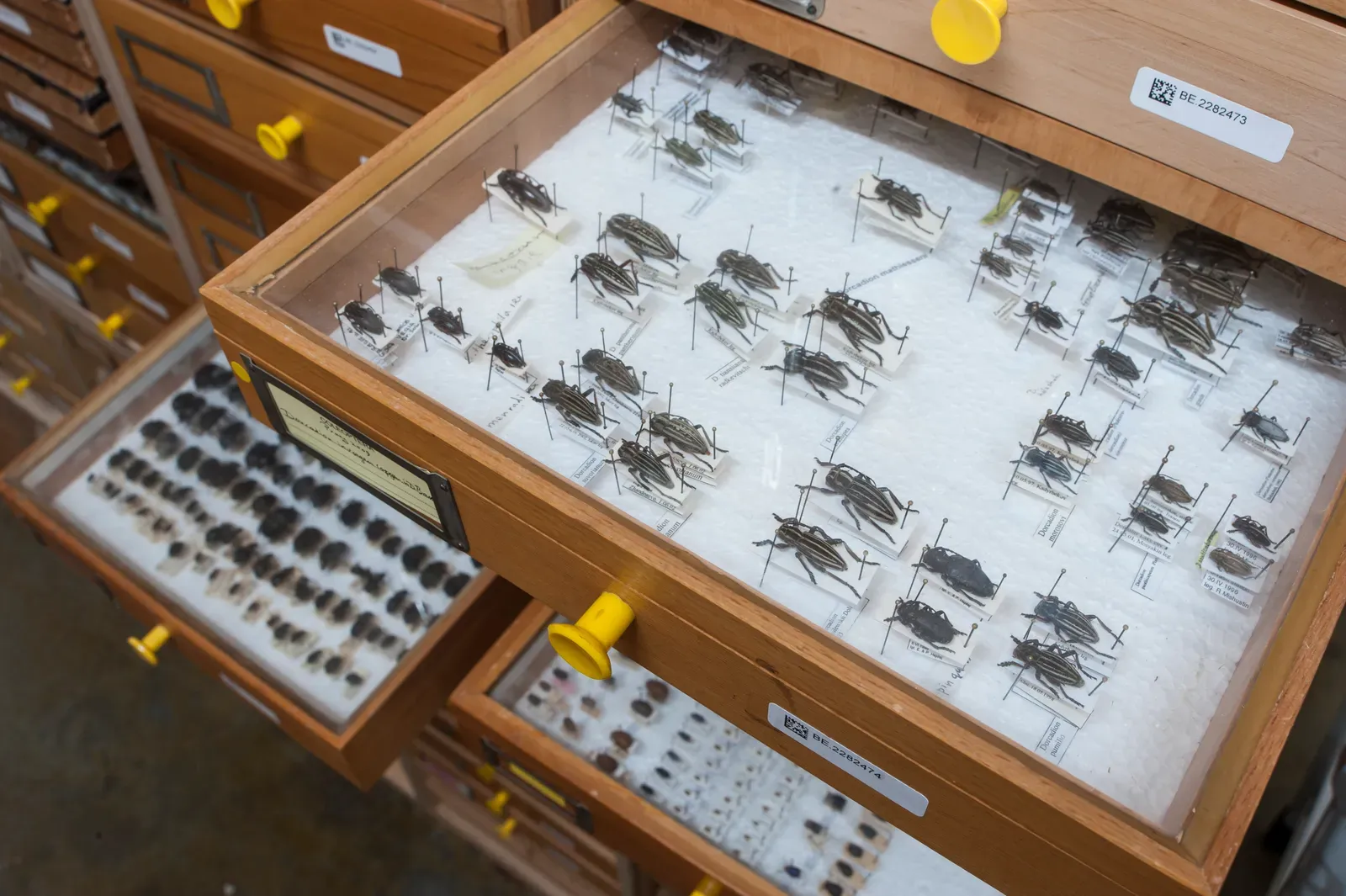
The single physical specimen that legally defines an entire species can still be sitting untouched by modern genetic science.
The Natural History Museum Vienna holds one of Europe’s largest type specimen collections, and even there, genetic backlogs remain significant. Museum collections are crucial for resolving taxonomic questions, and type specimens – traditionally used for morphology-based taxonomy – are only “increasingly” being used in molecular studies thanks to progress in historical DNA methods. That word “increasingly” is doing a lot of work; it means most haven’t been tested yet, even at one of the largest non-university research centers in Europe. The specimen that scientifically defines what a species even is can sit for a century before anyone extracts a usable genetic sequence from it. All of this backlog, across every category, traces back to one uncomfortable number that dwarfs everything else on this list.
Why It Stands Out
- A type specimen is the physical, legal reference point that defines a species
- The Natural History Museum Vienna holds one of Europe’s largest type collections
- Molecular testing of type material is still described as only “increasingly” common
- Some type specimens have gone roughly a century without a usable DNA sequence
#1 – The 80-90% of Species Still Unknown to Science
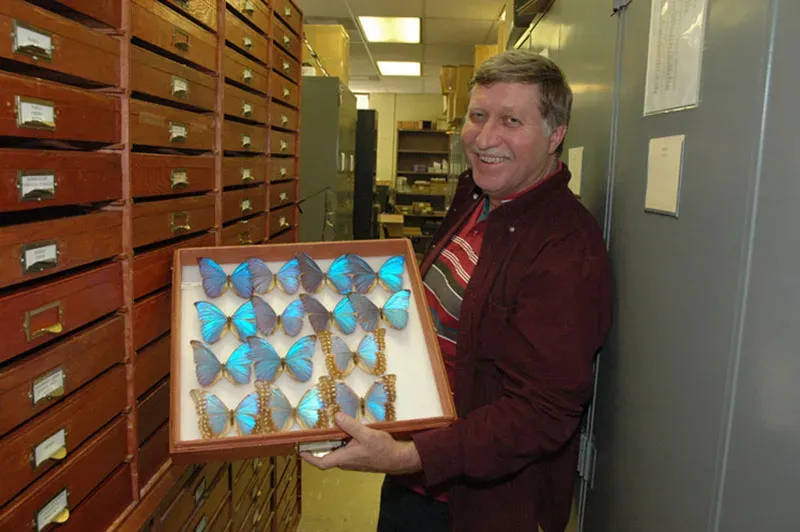
This is the number that makes every other entry on this list feel small: most of the life on Earth doesn’t have a name yet, and a large chunk of it is already sitting in a museum.
The estimate isn’t fringe speculation – it’s repeated across taxonomic literature as a working baseline for how much remains undone. Between an estimated 80 and 90 percent of all species on Earth, including a staggering 4.5 million insect species, remain undescribed. Because each species description demands so much specialized labor, completing the description of Earth’s biota using traditional methods alone could take millennia, which is exactly why so many researchers are pushing to automate the process with genetic barcoding and artificial intelligence. The overwhelming majority of species that will ever be named by science are, right now, either uncollected in the wild or already sitting quietly in a drawer. That’s not a failure of curiosity – it’s a math problem nobody has solved yet.
At a Glance
- 80-90% of all species on Earth are estimated to remain undescribed
- Roughly 4.5 million insect species alone are thought to be unnamed
- Traditional description methods alone could take millennia to close the gap
- DNA barcoding and AI tools are increasingly proposed to speed up the process
The Bottom Line
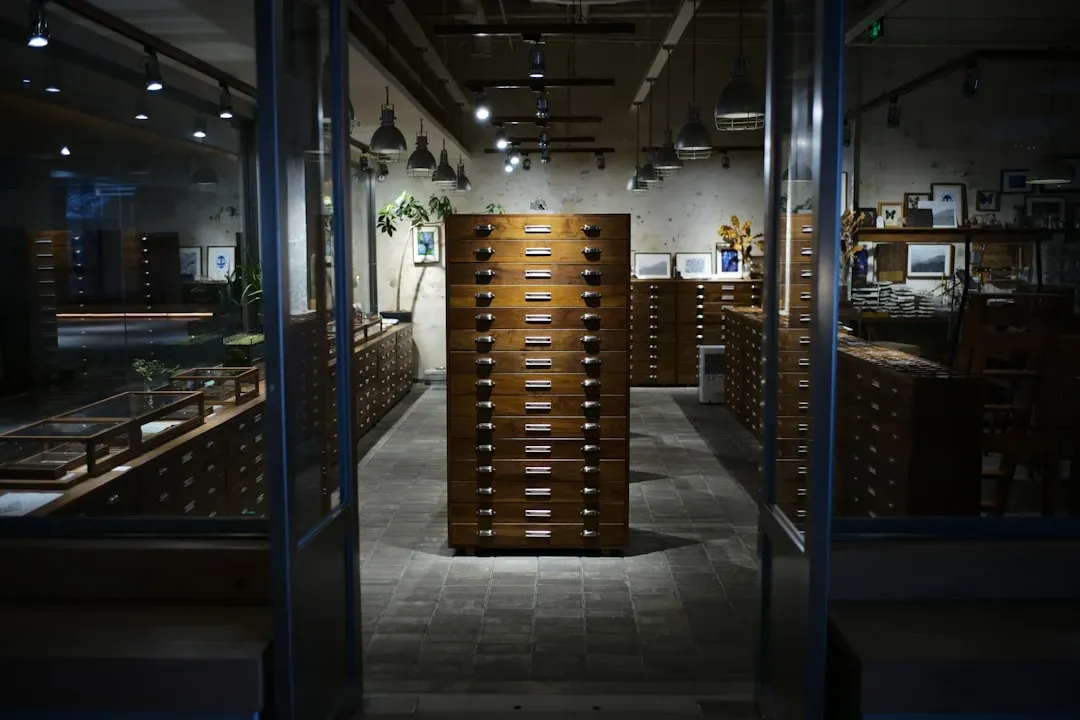
The uncomfortable truth is that “undiscovered species” is a misleading phrase. Most of them aren’t hiding in some unexplored jungle – they’re hiding in a cabinet three floors below a museum gift shop. From misidentified dinosaurs to a fly that was secretly sixteen species, the pattern repeats constantly: collection is not the same as understanding.
Funding taxonomists is unglamorous compared to funding flashy new expeditions, but based on everything above, it might matter more. Which of these backlog categories surprised you the most – the fossils, the insects, or that jaw-dropping 80-90% statistic? Drop your take in the comments.