Archaeology looks so tidy in textbooks: dig down, watch time peel back in obedient layers, older bones tucked neatly under newer ones like a filing cabinet built by nature herself. Then you crack open the actual excavation reports from some of the most famous early human sites on Earth, and that clean little story starts to wobble.
Skulls that seem too young for their depth. Tools that look too advanced for their age. DNA that argues with the dirt around it. Creationist blogs love to scream “gotcha” over these anomalies, but the real explanations are stranger, messier, and honestly more fascinating than any conspiracy. Here are 14 sites where the layers seemed to break the rules – and what actually happened underground.
#1 – Laetoli (Tanzania): Fossil Footprints That Defied the Dirt
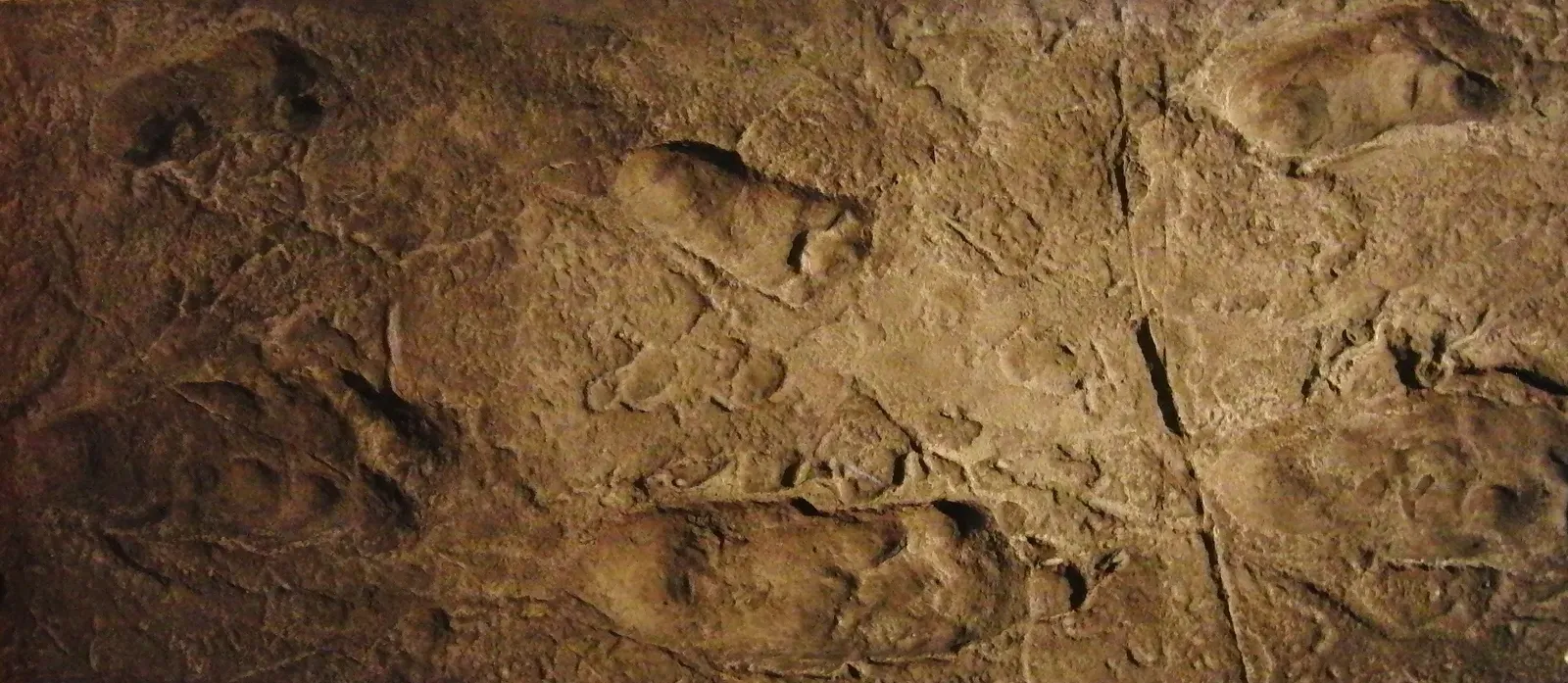
Everyone knows Laetoli for the iconic 3.66-million-year-old hominin footprints frozen in volcanic ash. What most people don’t know is the stratigraphic headache hiding just beneath that famous trail. Some of the animal remains found near the footprints turned up in layers that looked suspiciously “too young” for how deep they sat, sending researchers scrambling to recheck every centimeter of the site.
The culprit was reworked sediment. Ash eroded from higher ground, slumped downhill, and washed into shallow depressions, dragging bones and pebbles into levels where they never should have landed. To a casual observer, that looks like fossils time-traveling. To a taphonomist, it just screams “ancient rainstorm did this.” Field teams had to use microscopic ash textures and argon dating to separate the layers that were truly undisturbed from the ones nature had scrambled – and later digs kept turning up even more footprints in odd spots, proving this site still isn’t fully tamed.
#2 – Olduvai Gorge (Tanzania): Tools That Seemed Too Advanced, Too Early
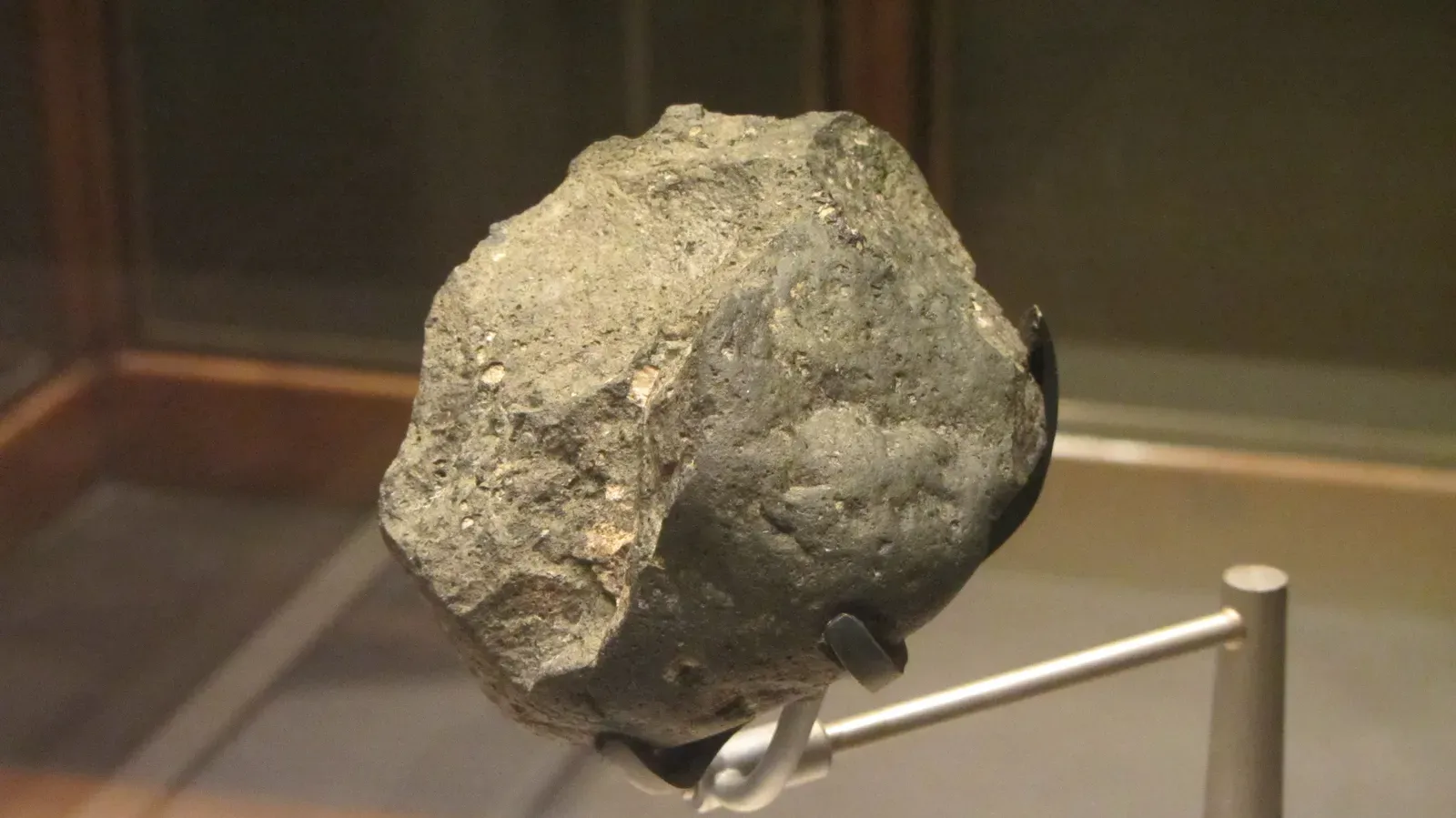
Olduvai Gorge is the textbook cradle of early human evolution, but insiders know its dirty secret: it has produced stone tools that, at first glance, looked several technological leaps too advanced for the layer they were sitting in. Refined flakes and cores kept showing up tantalizingly close to older, crude Oldowan horizons, muddying the clean ladder from simple to sophisticated.
There’s no conspiracy here – just gravity, erosion, and water doing what they do. Slopes at Olduvai periodically collapsed, and seasonal streams reworked the ground, sliding newer artifacts downhill into older-looking positions. Early excavators mapped the layers as if they were flat pancakes; later teams used 3D mapping and sedimentology to reveal hidden tilts, buried channels, and cut-and-fill events that had quietly reshuffled the deck for millennia. What looked like a fatal contradiction to critics was, to geologists, just a reminder that context beats depth every time.
#3 – Koobi Fora (Kenya): Multiple Human Species in a Stratigraphic Tangle
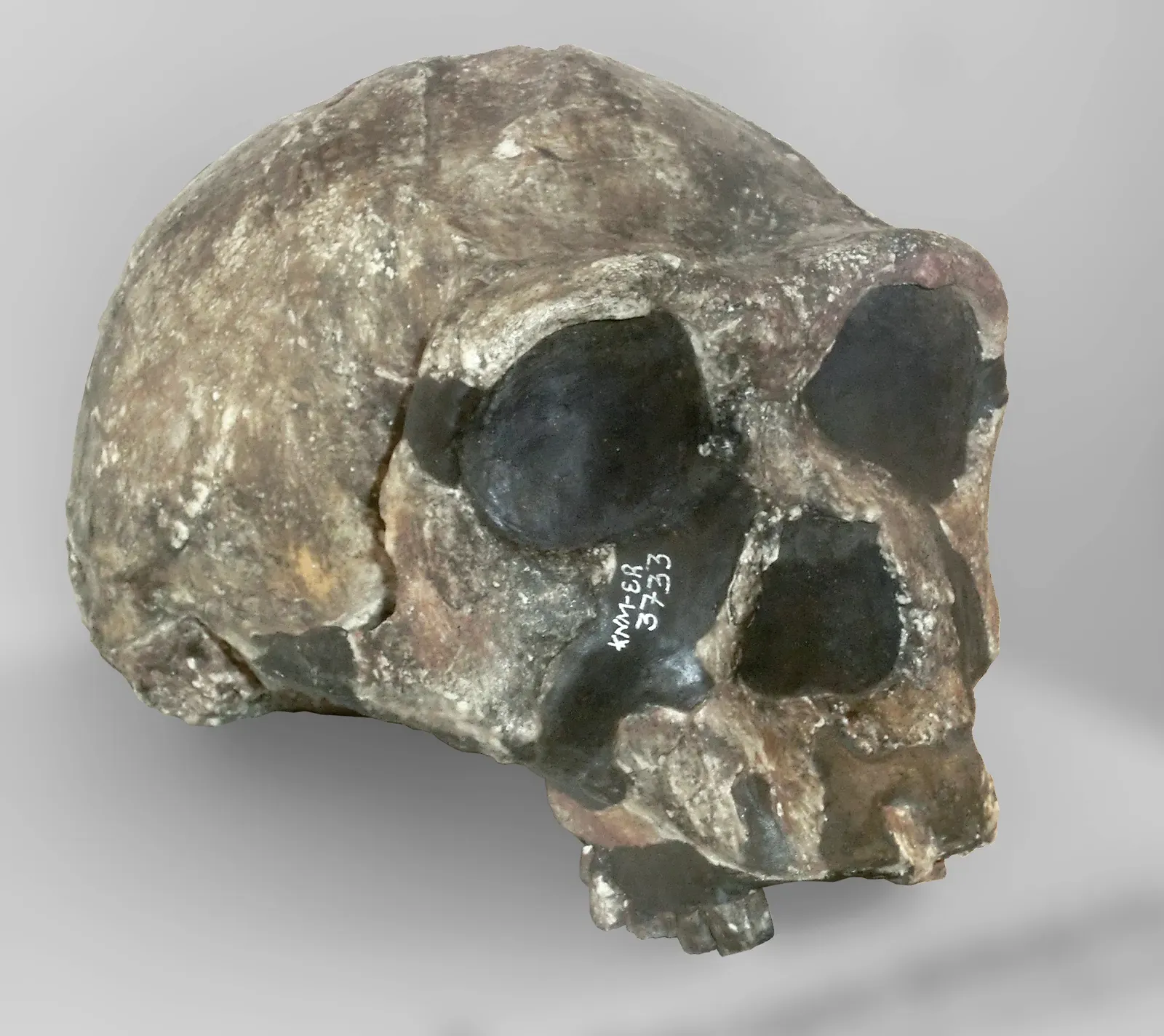
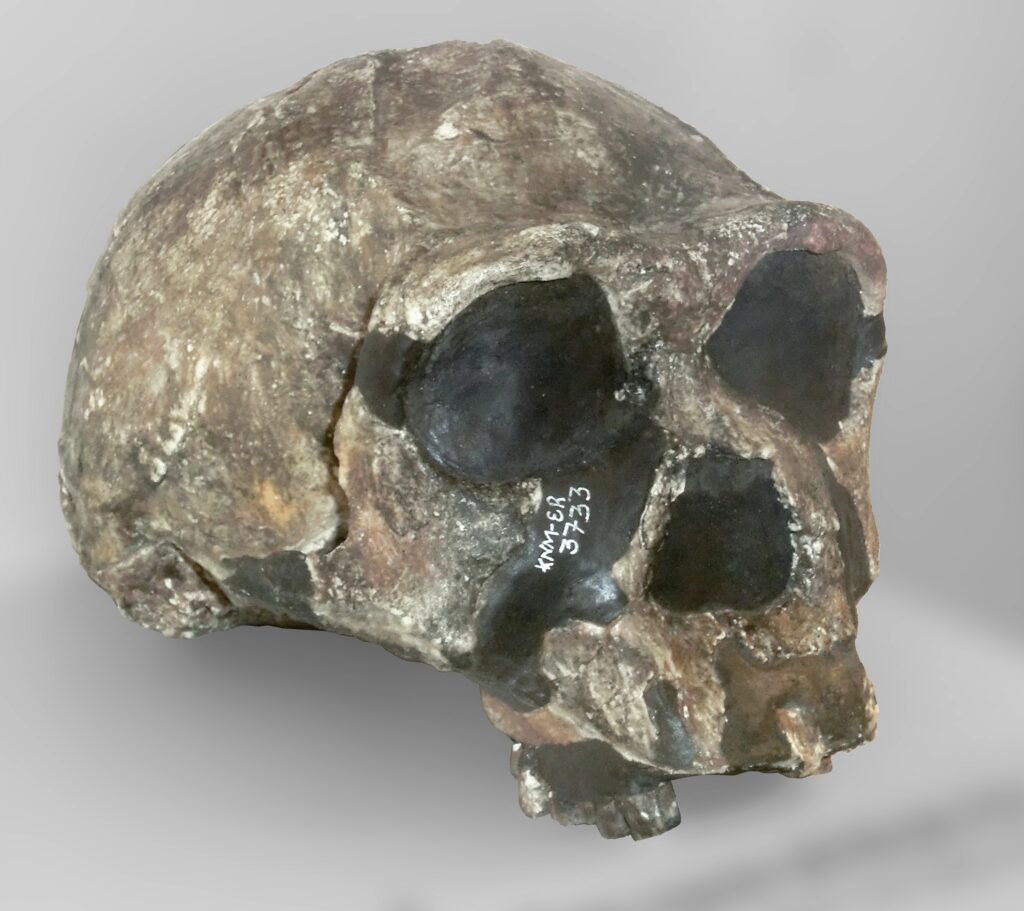
Koobi Fora is where the tidy “single ancestor marching toward us” story fell apart. Throughout the 1970s and 80s, skulls from wildly different early human species surfaced in layers that refused to stack into a neat evolutionary ladder. Homo habilis, Homo erectus, and robust australopiths all turned up in close vertical proximity, like someone had shuffled a deck of species and dropped them into the same trench.
Ancient Lake Turkana is to blame. Its shorelines shifted, eroded, and refilled constantly, carving channels through older sediments and packing them with younger material. That can leave a genuinely younger fossil sitting inside a pocket cut into much older rock – so a quick glance at depth alone is dangerously misleading. Early field maps oversimplified these relationships, making it look like the timeline itself had snapped. Modern radiometric dating and magnetostratigraphy now show several species genuinely overlapping in time, not swapping places – but the initial jumble was real enough to shatter any hope of a simple, linear story.
Fast Facts
- Homo habilis roamed roughly 2.1 to 1.5 million years ago
- Homo erectus appears in the fossil record around 1.9 million years ago
- Robust Paranthropus boisei persisted from about 2.3 to 1.2 million years ago
- All three overlapped in the same Turkana Basin landscape for long stretches
#4 – Dmanisi (Georgia): Primitive Skulls in Surprisingly Young Layers
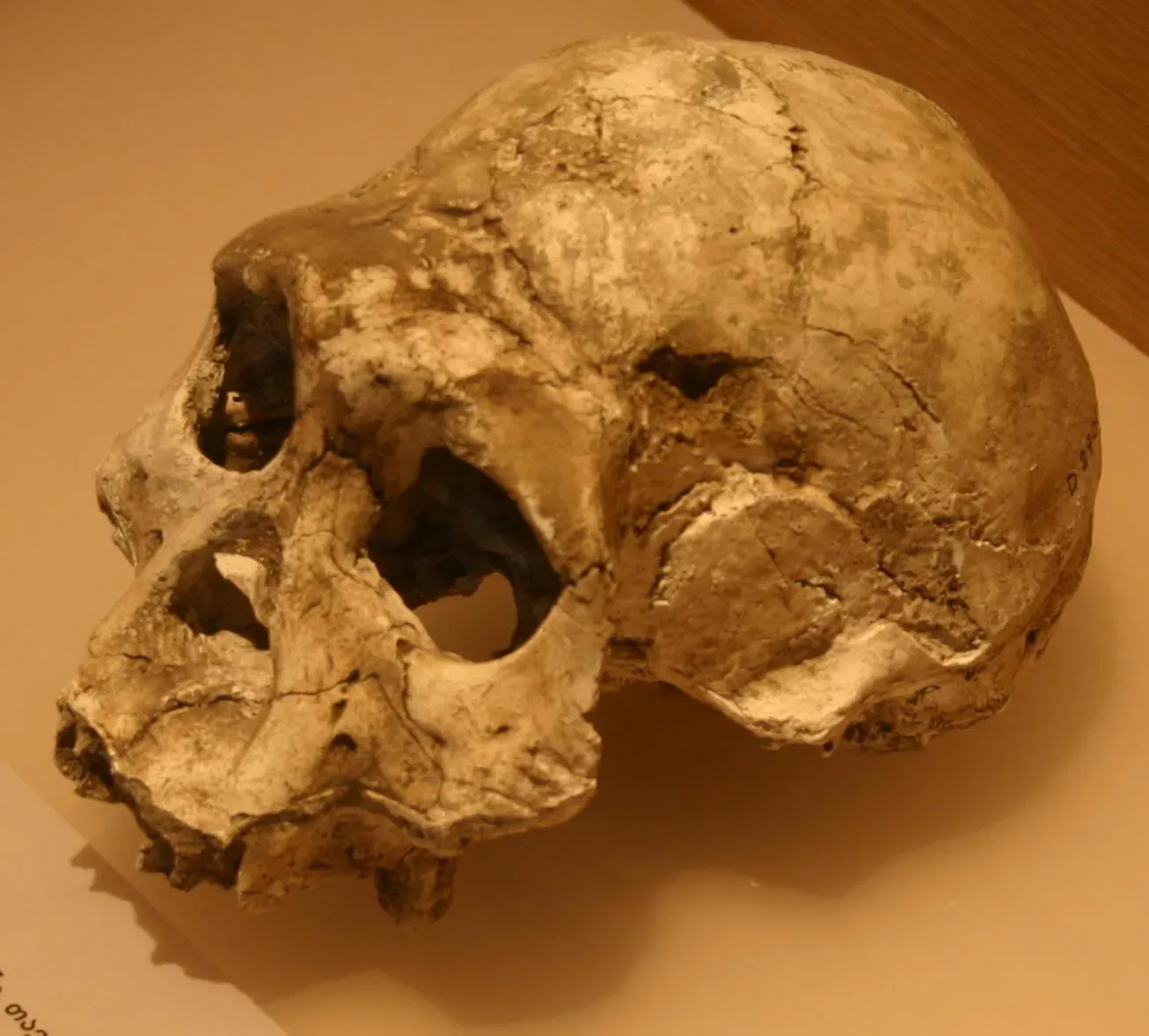
When Dmanisi burst into headlines as one of the earliest Homo sites outside Africa, the shock wasn’t just geography. The fossils – small-brained hominins with strikingly primitive traits – showed up in sediments that some researchers initially read as too young for how ancient the anatomy looked. To skeptics, that sounded like modern-ish dates on primitive skulls.
Here’s the trick: “primitive-looking” doesn’t automatically mean “extremely old.” Evolution keeps odd leftovers around longer than expected. Detailed dating using volcanic layers and paleomagnetism eventually pinned Dmanisi to roughly 1.8 million years ago, and some of the apparent stratigraphic weirdness turned out to be blocky slope deposits and burrowing animals mixing small bones through the horizons. What really rattled scientists wasn’t layers out of order at all – it was how much anatomical variation showed up in a single time slice, forcing a total rethink of species boundaries.
#5 – Atapuerca (Spain): Human Remains Recycled by Nature
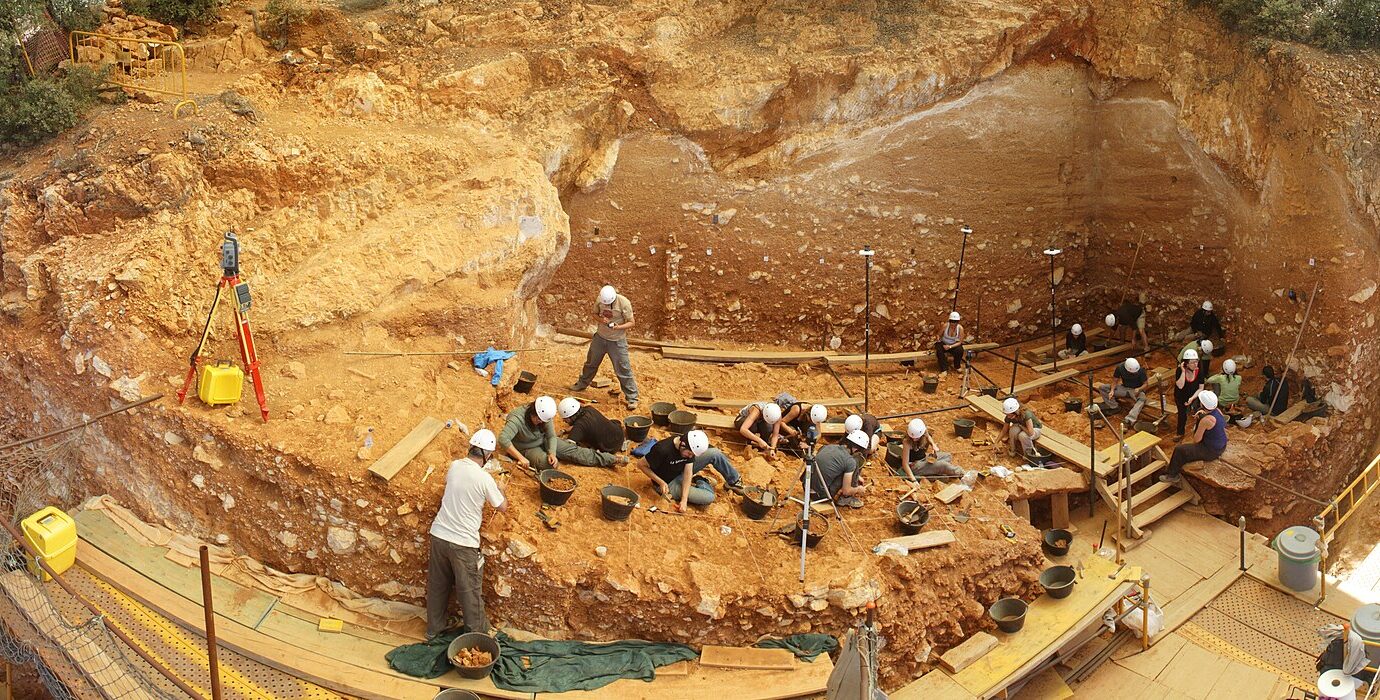
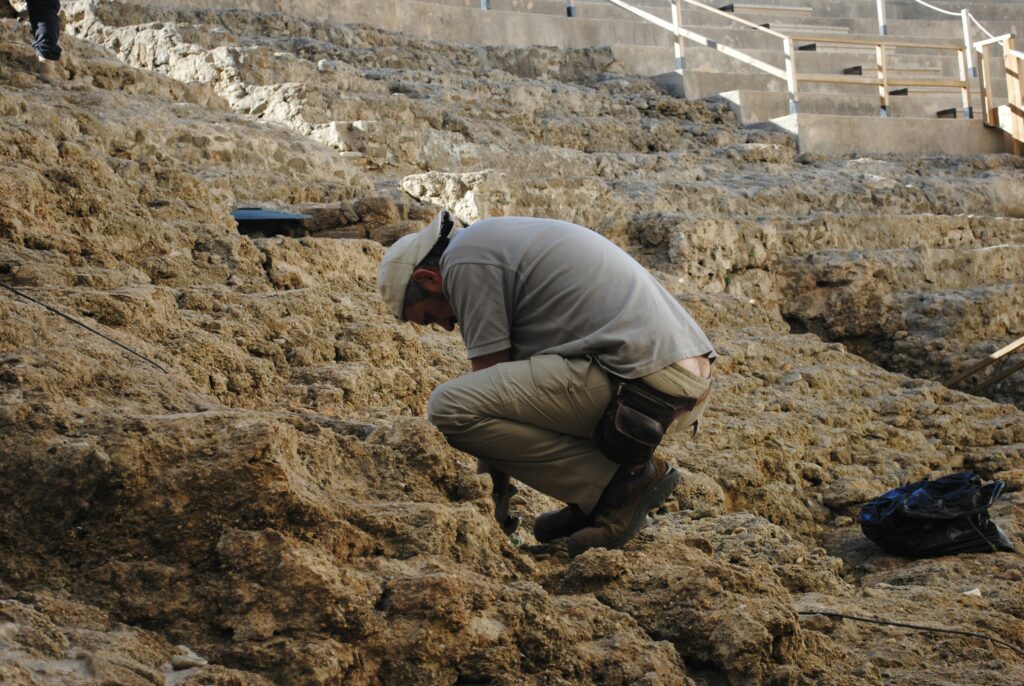
The caves of Atapuerca, especially Sima de los Huesos and Gran Dolina, are notorious among stratigraphers for good reason. Over 7,000 hominin fossils ended up jammed into deep shafts and chambers where gravity, water, and repeated collapses rearranged bones and sediments, sometimes stacking older-looking material right above younger deposits.
Caves are basically stratigraphic nightmares by design. Roof falls drop slabs of older rock onto already-filled chambers, water cuts fresh channels into ancient fill, and mineral deposits seal it all together like a lid on chaos. At Atapuerca, early Homo antecessor remains initially looked blended with more recent faunas until painstaking microstratigraphy and uranium-series dating separated the puzzle pieces. To outsiders, that reads like humans hopping backward through time. In reality, it’s just what happens when a cave doubles as both a natural trap and a million-year sediment dumpster.
#6 – Zhoukoudian (China): Peking Man in a Disturbed Sequence
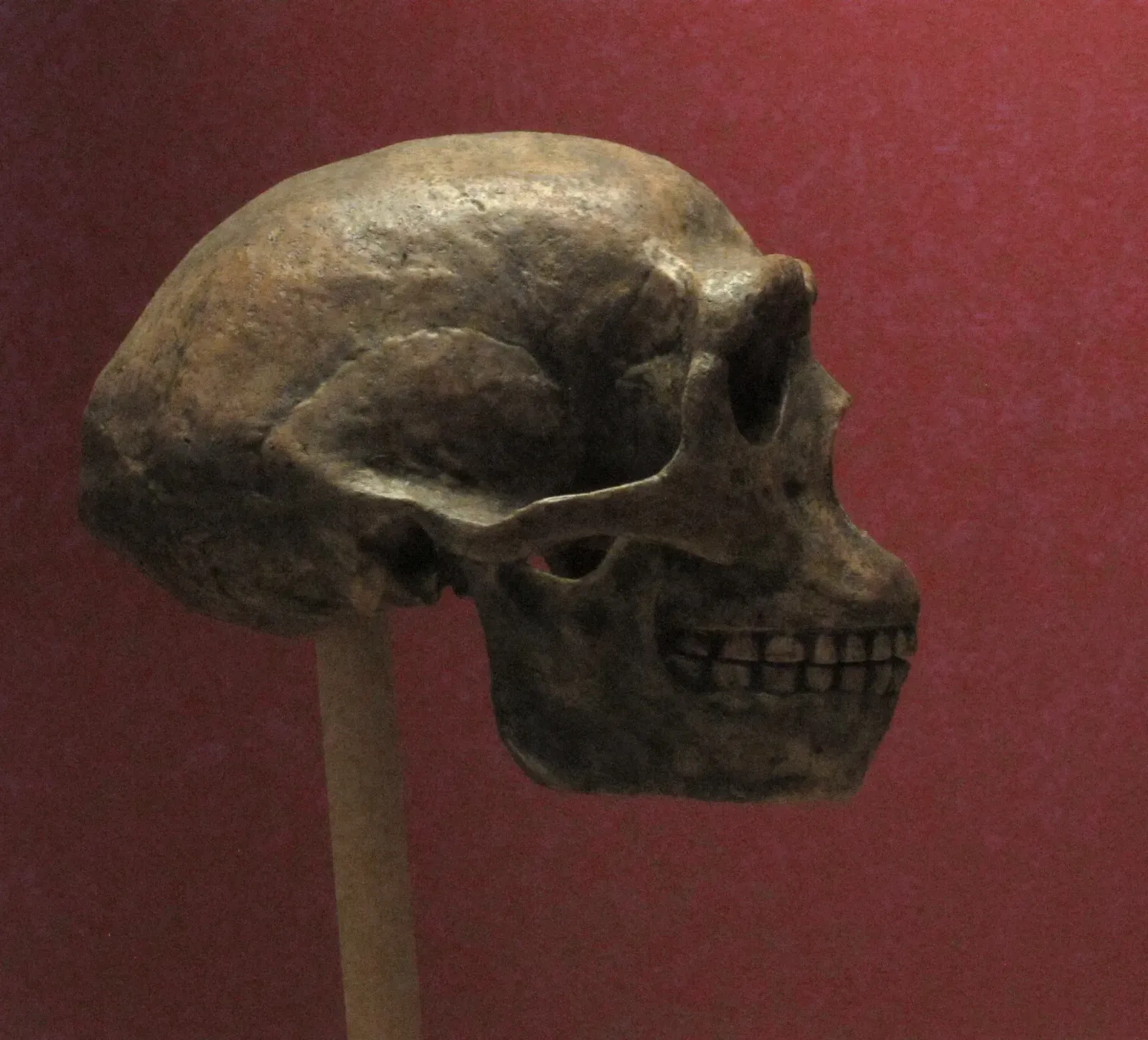
Zhoukoudian, home of the famous “Peking Man,” is a classic early Homo erectus site with cave-specific stratigraphy that’s full of twists. During mid-20th-century digs, human fossils and tools kept turning up in deposits clearly churned by animal burrows and roof collapses, creating the illusion that separate occupation phases were stacked in nonsensical order.
Later reanalysis showed ancient channels had cut through parts of the cave fill, refilled, and then been disturbed again by hibernating animals and repeated human activity. Fires, digging, and constant reuse of the space scrambled sediments so thoroughly that in some profiles, charcoal, tools, and bones all cluster in mixed zones where vertical position tells you almost nothing about relative age. Modern teams now lean on sediment micromorphology and updated dating to untangle the mess – proof that even flagship, famous sites rest on complicated, still-debated stratigraphy.
#7 – Schöningen (Germany): Spears That Looked Out of Time
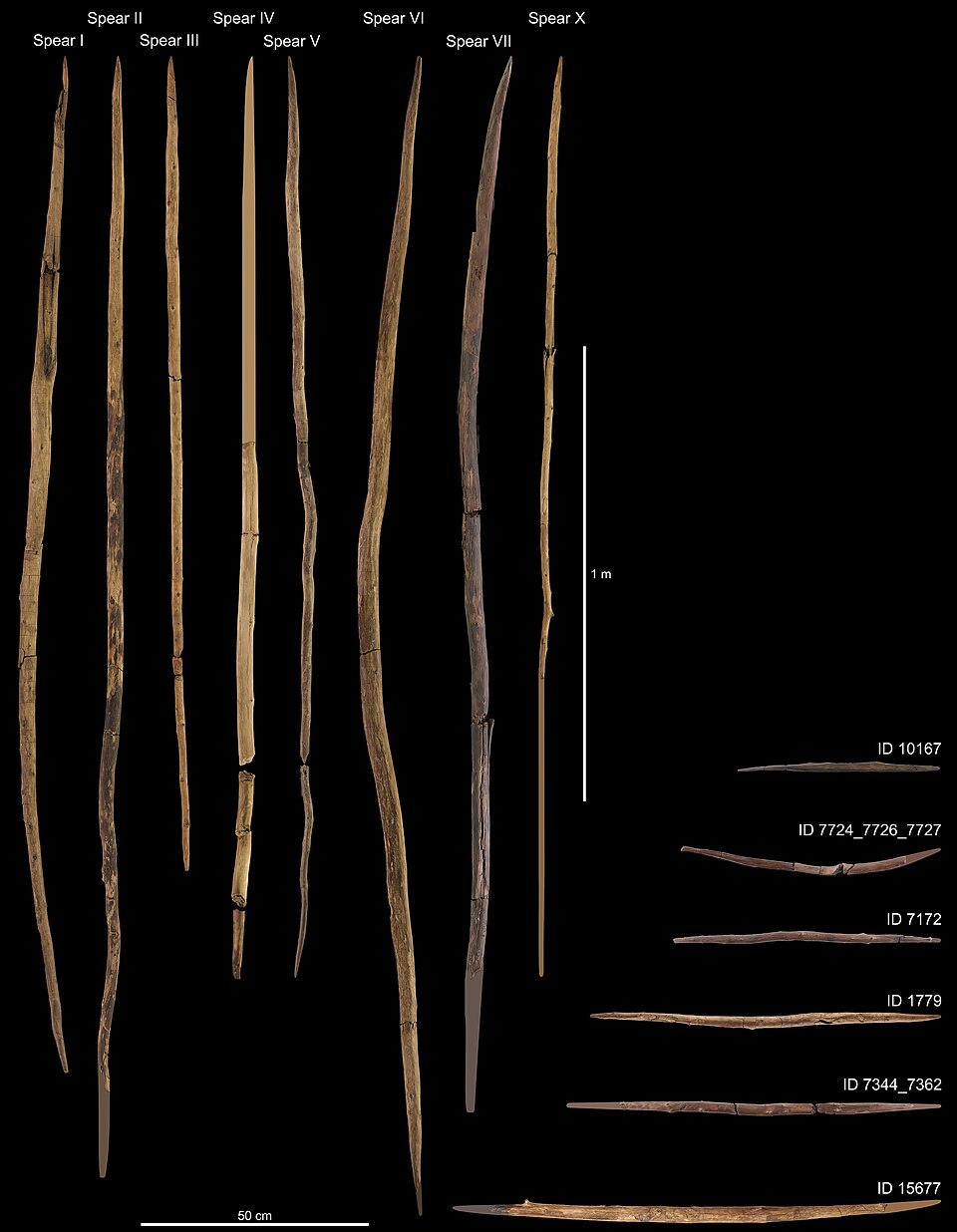
The 300,000-year-old wooden spears from Schöningen shocked researchers – not because of stratigraphic chaos, but because they seemed technologically ahead of what anyone expected for their age. Fine-tuned throwing weapons buried in Pleistocene lake sediments simply didn’t match the old cartoon image of clumsy, brutish early humans.
The waterlogged layers themselves also raised eyebrows, since peat, lake mud, and redeposited sand can create inversions where pockets of older organic material end up sitting above younger sand. Some critics floated the idea that the spears had been dragged into older layers entirely. But detailed geoarchaeology found intact living surfaces with artifacts aligned consistently along ancient shorelines, not randomly mixed at all. The real “wrong order” here wasn’t in the dirt – it was in our expectations of what mid-Pleistocene humans were even capable of building.
At a Glance
- Discovered in 1994 during coal mine excavations near Schöningen
- At least eight wooden throwing spears recovered, mostly carved from spruce
- Found alongside the butchered remains of dozens of wild horses
- Dated to roughly 300,000 years old, predating Homo sapiens
#8 – Willandra Lakes / Lake Mungo (Australia): Ancient Burials in Shifting Sands
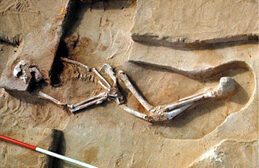
Lake Mungo and the wider Willandra Lakes region hold some of the oldest known human remains in Australia – and some of the trickiest stratigraphy on this list. Dunes, lake margins, and erosional windows can expose bones and tools in positions that seem completely at odds with their actual dates, since ancient burials get partially exhumed, reburied, and moved again by wind and water over thousands of years.
Early reports noticed inconsistent dating results and floated claims of people appearing in the “wrong” part of the sequence. The real answer is deflation – wind stripping away younger layers and leaving older horizons exposed right at the surface, making depth a genuinely terrible guide to age here. Researchers now combine optically stimulated luminescence, radiocarbon dating where possible, and careful stratigraphic mapping to rebuild the shifting dune history, revealing a complex but coherent story of long-term human presence with zero actual stratigraphic miracles.
Worth Knowing
- Mungo Lady, found in 1968, showed the world’s earliest known cremation burial
- Mungo Man, found in 1974, was buried around 42,000 years ago with red ochre
- The Willandra Lakes region became a UNESCO World Heritage area in 1981
- Wind erosion, not deep burial, is why so many finds sit right at the surface
#9 – Denisova Cave (Siberia): DNA Older Than the Sediment Above It
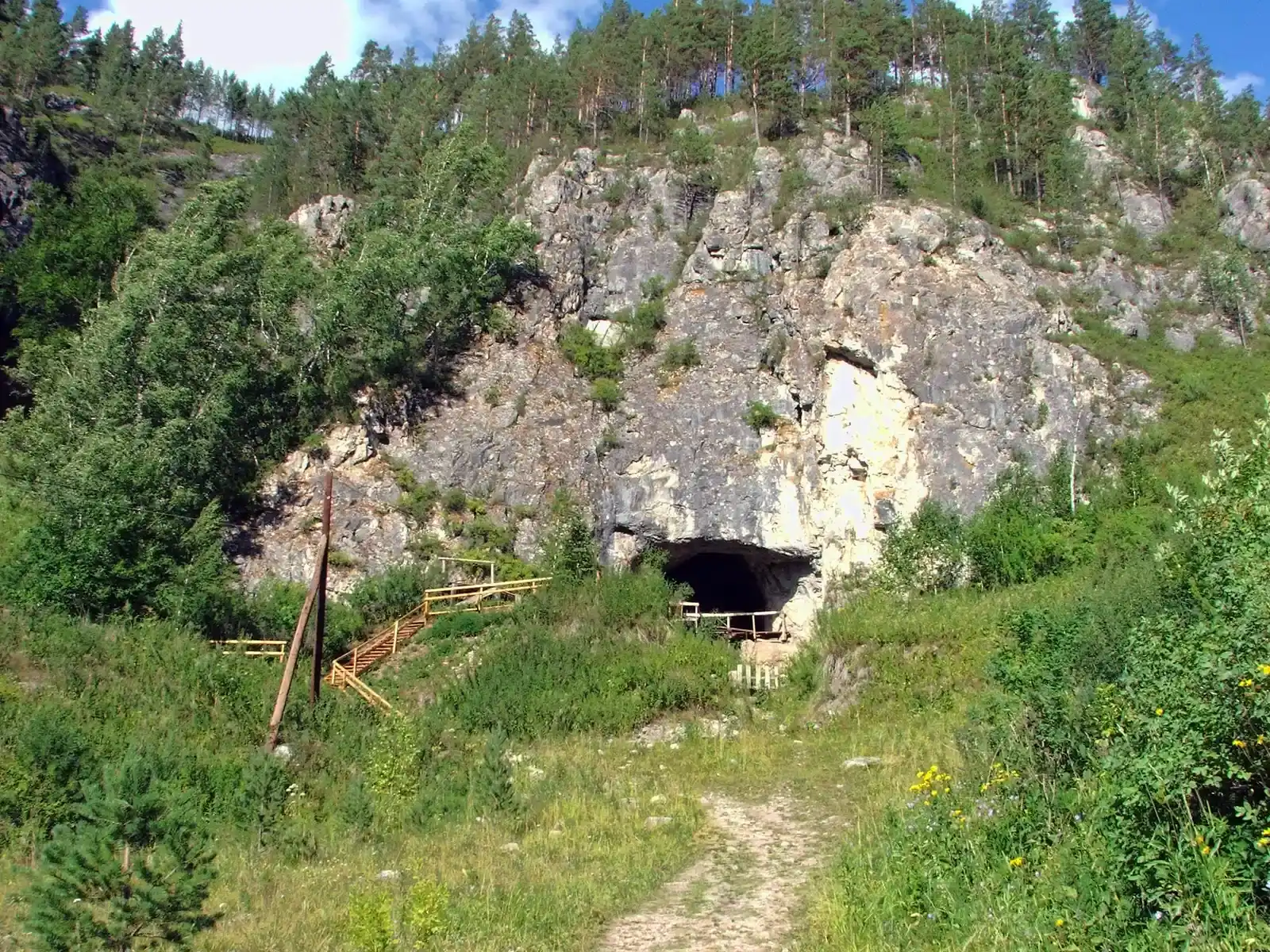
Denisova Cave is where genetics and dirt started openly arguing with each other. In some layers, ancient DNA from hominins seemed older or younger than the initial age estimates of the sediments surrounding it, sparking headlines about humans buried in the “wrong” layers entirely.
What’s actually happening is subtle but explainable. Tiny bone fragments and loose DNA can migrate through pore spaces and micro-cracks, and older material can get reworked into slightly younger layers through trampling, frost heave, or slow slope creep. Meanwhile, improved dating techniques have refined the ages of both sediments and fossils over time, occasionally shifting entire horizons by tens of thousands of years. The result is a patchwork that has to be reconciled across multiple lines of evidence rather than trusted blindly in isolation – and far from undermining the timeline, it shows exactly how multi-proxy science catches its own contradictions.
#10 – Tabun Cave (Israel): Misleading Depth in a Classic Sequence
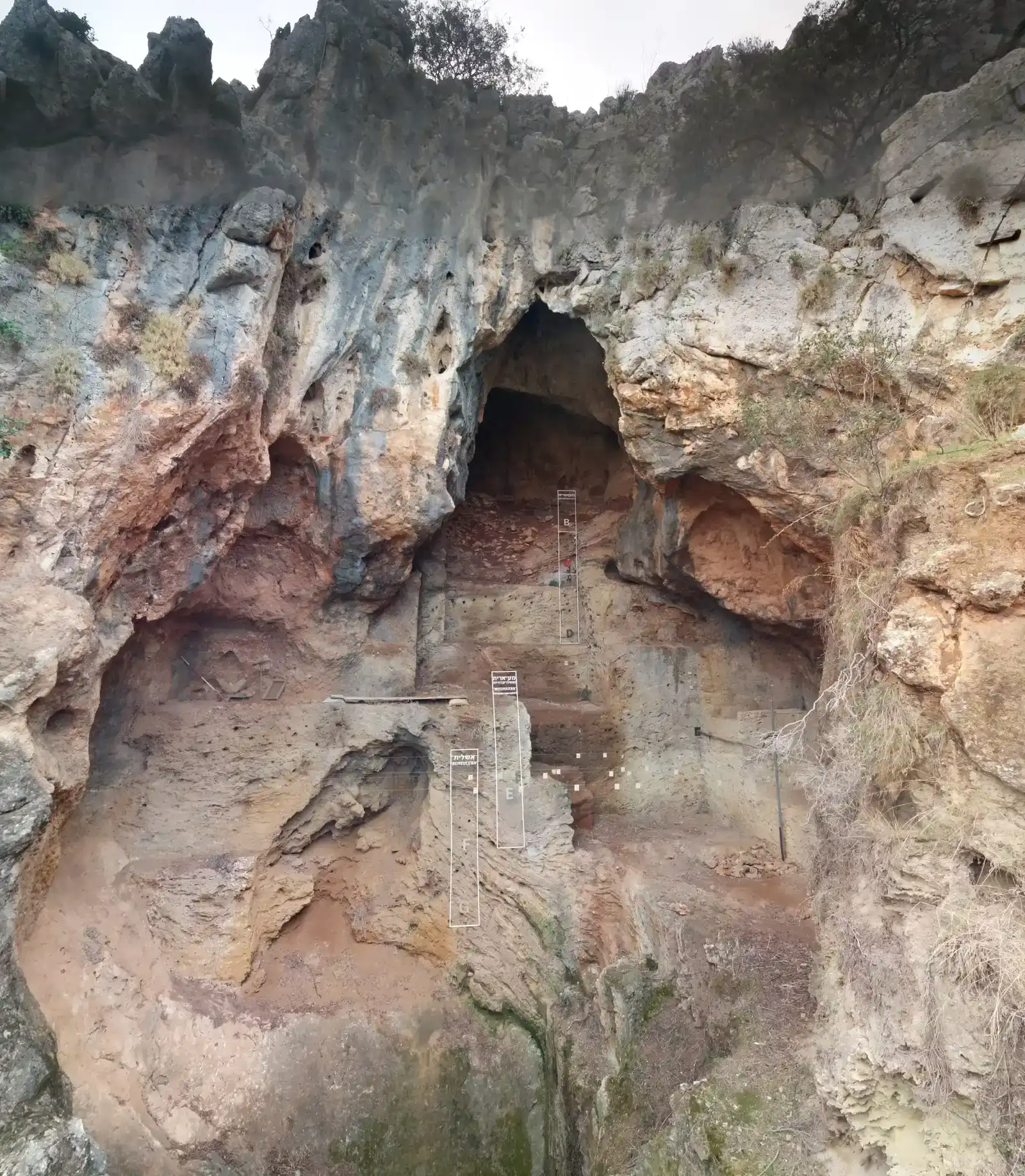
For decades, Tabun Cave’s stratigraphy was treated like a master key for the entire Levant, with Layers C, B, and A supposedly marching neatly from early to later Middle Paleolithic. Then high-precision dating delivered a genuine shock: parts of the sequence actually overlapped in time with each other instead of stacking into a clean vertical progression.
That means some tools sitting in “higher” levels aren’t necessarily younger than the ones below them – in a few cases, they might even be older or exactly contemporaneous. The cave’s long history of infilling, erosion, and re-occupation meant later humans sometimes dug straight into older deposits, while erosion truncated some layers and left others untouched. The simple rule of “deeper equals older, higher equals younger” flatly failed at fine resolution here. Most textbooks have quietly updated to treat Tabun as a nuanced, sometimes scrambled archive – though online arguments about it, predictably, have not caught up.
#11 – Piltdown (England): The Ultimate Fake “Out-of-Order” Man
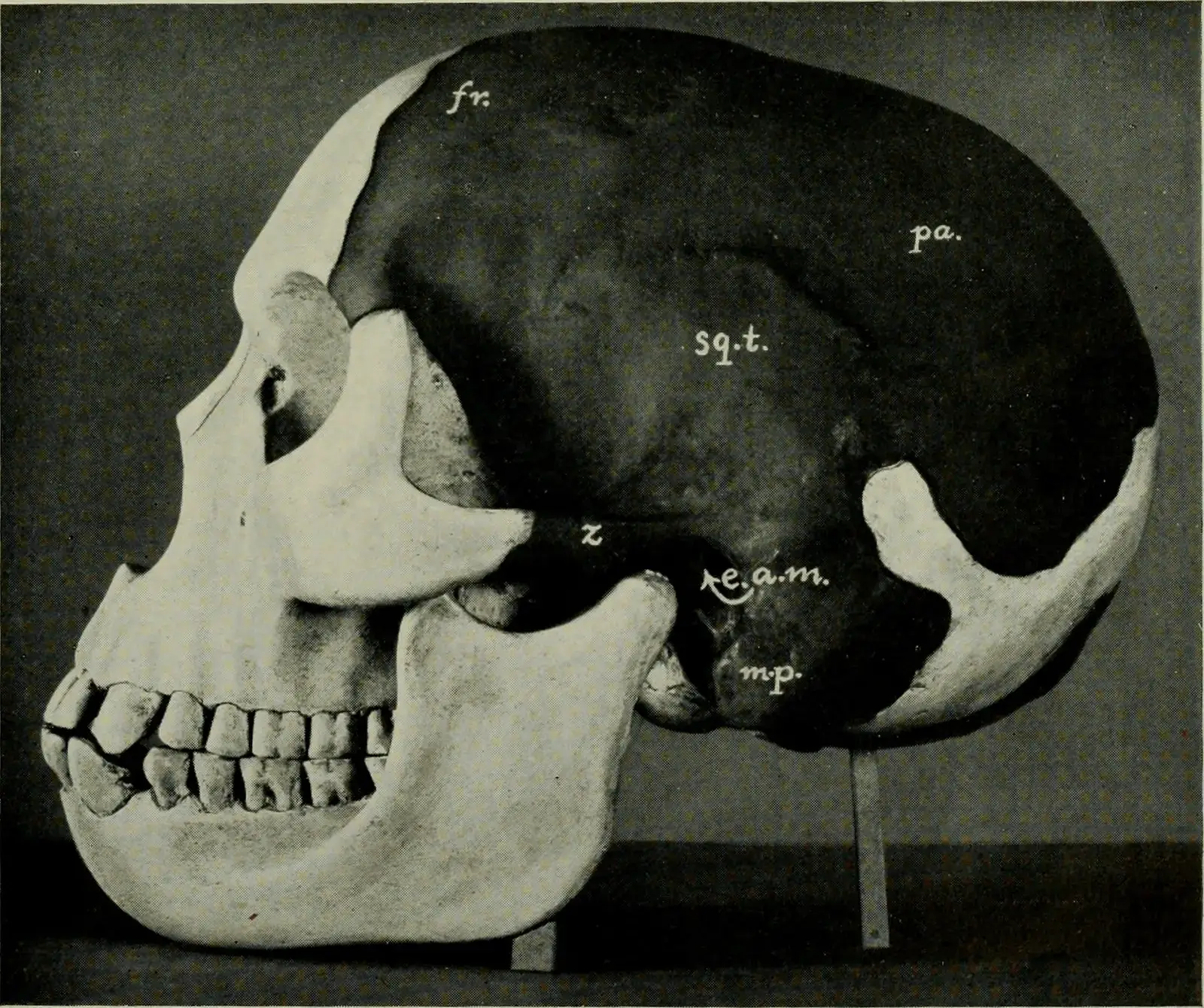
If there’s one site on this list that truly had bones in the wrong order, it’s Piltdown – and it was a deliberate fraud. For decades, “Piltdown Man” was paraded as a missing link with a large brain and an ape-like jaw, conveniently matching early-20th-century British expectations about what human evolution should look like.
Unlike every natural site on this list, Piltdown’s stratigraphy was manipulated by human hands. The bones were stained, planted, and mixed with genuine but unrelated fossils to fabricate an impossible specimen – a modern human skull combined with an orangutan jaw, dropped into sediments far older than either piece actually was. Once better dating and comparative anatomy caught up, the hoax collapsed completely. Ironically, people now weaponize Piltdown to suggest any stratigraphic oddity might be fraud, when in reality Piltdown stands out precisely because it behaves nothing like the natural sites around it – the pattern screams deliberate tampering, not messy geology.
Quick Compare
- Claimed: a genuine missing link roughly 500,000 years old
- Reality: a modern human skull deliberately paired with a filed-down orangutan jaw
- Discovered in 1912; publicly unmasked as a hoax in 1953
- Natural sites show messy geology; Piltdown showed staining and tool marks from human tampering
#12 – Calaveras Skull (USA): A Human Cranium in “Ancient” Rock
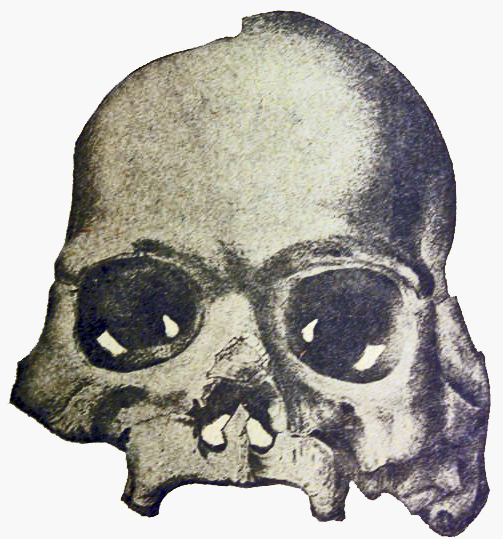
The Calaveras Skull is a classic 19th-century “out-of-place” find from California. Miners claimed to have pulled a human skull straight out of deep Pliocene gravels, implying anatomically modern humans hundreds of thousands – or even millions – of years older than any accepted timeline allows. If true, it would have been catastrophic for the entire field of paleoanthropology.
It wasn’t true. Later investigation showed the skull was actually only a few hundred to a couple thousand years old, likely planted as a prank or introduced through a mine shaft and then misrepresented as coming from deep, ancient layers. No consistent, independently verified documentation ever supported the original sensational claim. Today the Calaveras Skull is a cautionary tale about how eagerly people accept a dramatic timeline inversion when it flatters a story they already wanted to believe.
#13 – Castenedolo & Related Italian “Out-of-Place” Skulls
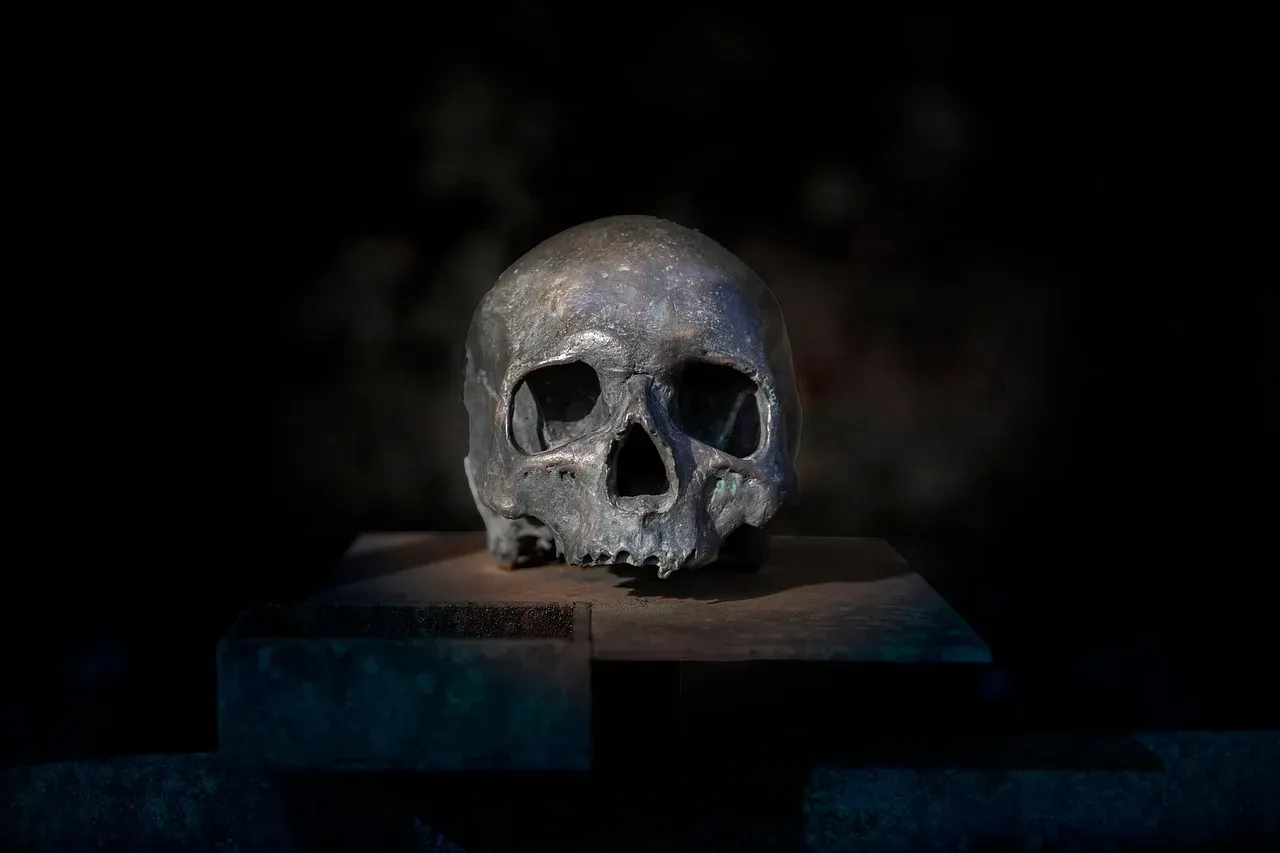
Several Italian finds – Castenedolo, Olmo, and a handful of others – regularly show up on lists of “out of place” human remains supposedly buried in Miocene or Pliocene layers. Taken at face value, they would place essentially modern humans in rock millions of years older than Homo sapiens is known to exist, which would be a direct and enormous contradiction of the stratigraphic record.
Detailed re-examination of the geology and old documentation reveals something far more mundane: intrusive burials cutting into disturbed sediment. At Castenedolo, the human bones show preservation and chemistry that simply don’t match the ancient marine deposits surrounding them, strongly implying a much more recent burial dug into older strata and later misread as being the same age as its surroundings. These finds are perfect fuel for sensational lists but fall apart completely once modern tools are actually applied.
#14 – Any Riverbank Anywhere: Why “Out-of-Order” Layers Are the Norm, Not the Exception
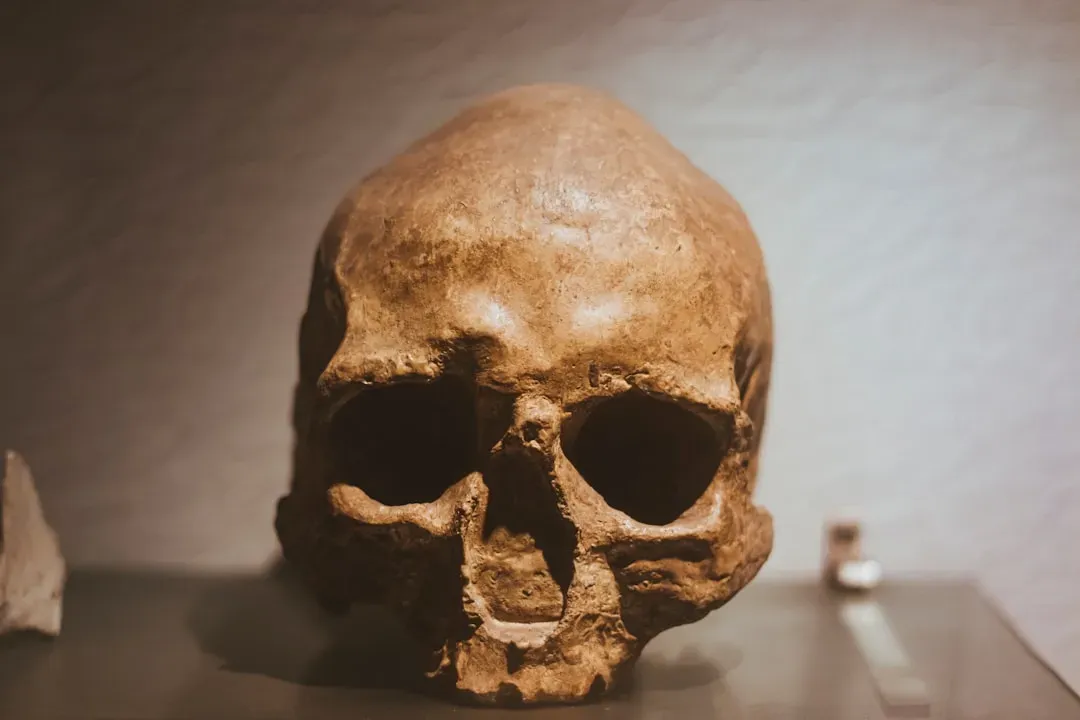
Here’s the uncomfortable secret: you don’t need a famous site to find layers in the “wrong” order. Stand at almost any ancient riverbank or cliff face and you’ll spot erosional cuts, channel fills, slumps, and soil horizons that shatter the kindergarten idea of neat, flat stacking. Geology is packed with unconformities, overturned folds, and faulted blocks that can literally flip entire sequences upside down.
Archaeological sites ride on top of all that natural chaos. Humans dig pits, build hearths, cut trenches, reuse caves, and erode their own old occupation layers without meaning to. Animals burrow, roots mix soil, floods carve and refill channels for thousands of years. If you cherry-pick a single trench wall and ignore the broader 3D picture, you can manufacture apparent stratigraphic “impossibilities” almost anywhere on the planet. The real work – correlating layers across wide areas, dating multiple horizons independently, and modeling every post-depositional process – is slow and unglamorous, which is exactly why the biggest “out-of-order” site is technically the entire Earth, and why it’s genuinely surprising a coherent timeline holds up at all.
The Bottom Line
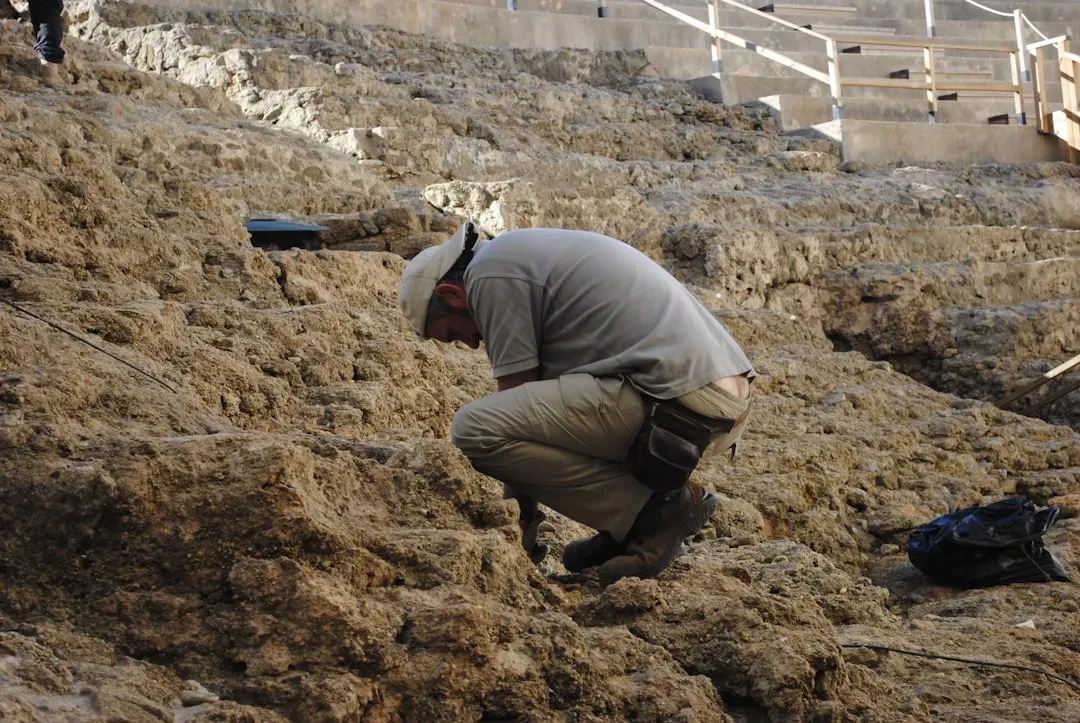
Zoom out from the blog headlines and actually read the excavation reports, and a pattern jumps out immediately: the “wrong order” at early human sites is almost never a miracle. It’s a process. Slumps at Olduvai, cave collapses at Atapuerca, dune erosion at Lake Mungo, DNA migration through Denisova’s sediment – none of these are bugs in the system. They’re the normal, messy behavior of real landscapes grinding away for hundreds of thousands of years.
Here’s my honest take: the sites that should actually worry believers in a broken timeline are the fakes – Piltdown and Calaveras – because those are the only two on this list where the “wrong order” was real, and both were exposed and destroyed by the very same scientific tools skeptics claim can’t be trusted. Every natural site, once you follow the microstratigraphy instead of the headline, tells a coherent story. Noisy, chaotic, occasionally embarrassing – but coherent. So which of these 14 still nags at you the most?