Here’s what they don’t tell you in the documentaries: extinction isn’t tidy. An asteroid hits, a volcano erupts, the climate lurches, and species disappear – that’s the story we’ve all absorbed since grade school. Case closed, next chapter.
Except when scientists actually dig into the fossil record layer by layer, the tidy story keeps falling apart. Timelines don’t line up. Species that should have died don’t. Species that should have survived vanish anyway. In quiet conference sessions and dense journal footnotes, researchers admit something the textbooks gloss over: several of Earth’s biggest die-offs still don’t have a real explanation. Here are 14 of them – and why the mystery is far from solved.
#14 – The Mysterious End-Ordovician Kill Pulse
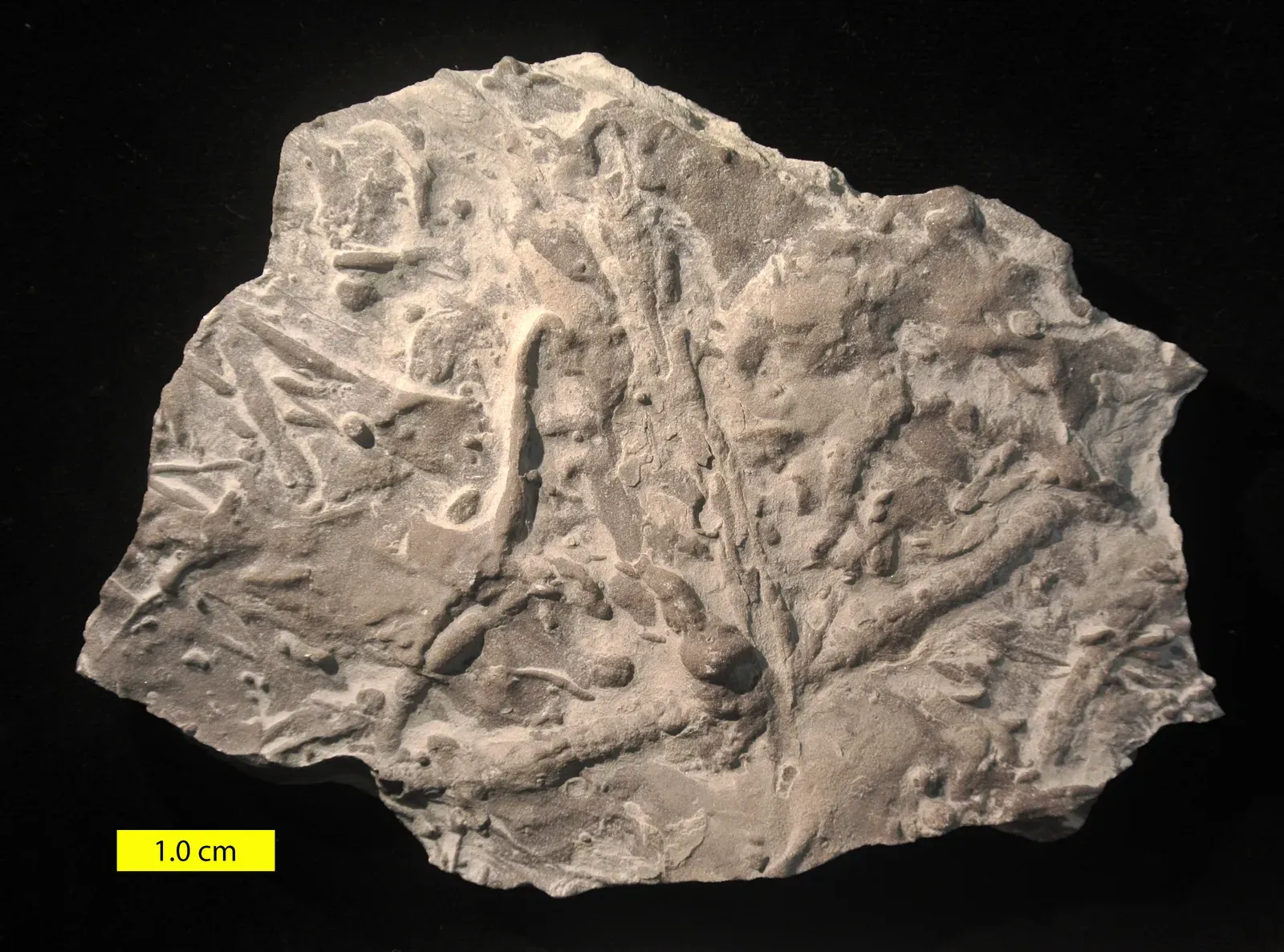
On paper, the end-Ordovician extinction 444 million years ago looks solved: rapid glaciation, falling sea levels, shallow seas disappearing. But zoom in and the timing falls apart fast. Some groups crash before the ice sheets even grow. Others tank after things supposedly stabilize.
There are actually two separate extinction pulses only a few million years apart, and the second one refuses to match any clear climate driver. The ocean chemistry is messy, not the clean catastrophe textbooks sell. Was it brutal cold snaps, oxygen loss, or sudden nutrient overload? Graptolites die one way, trilobites another – and no single driver fits both.
#13 – The Late Devonian “Drawn-Out Disaster” That Won’t Behave
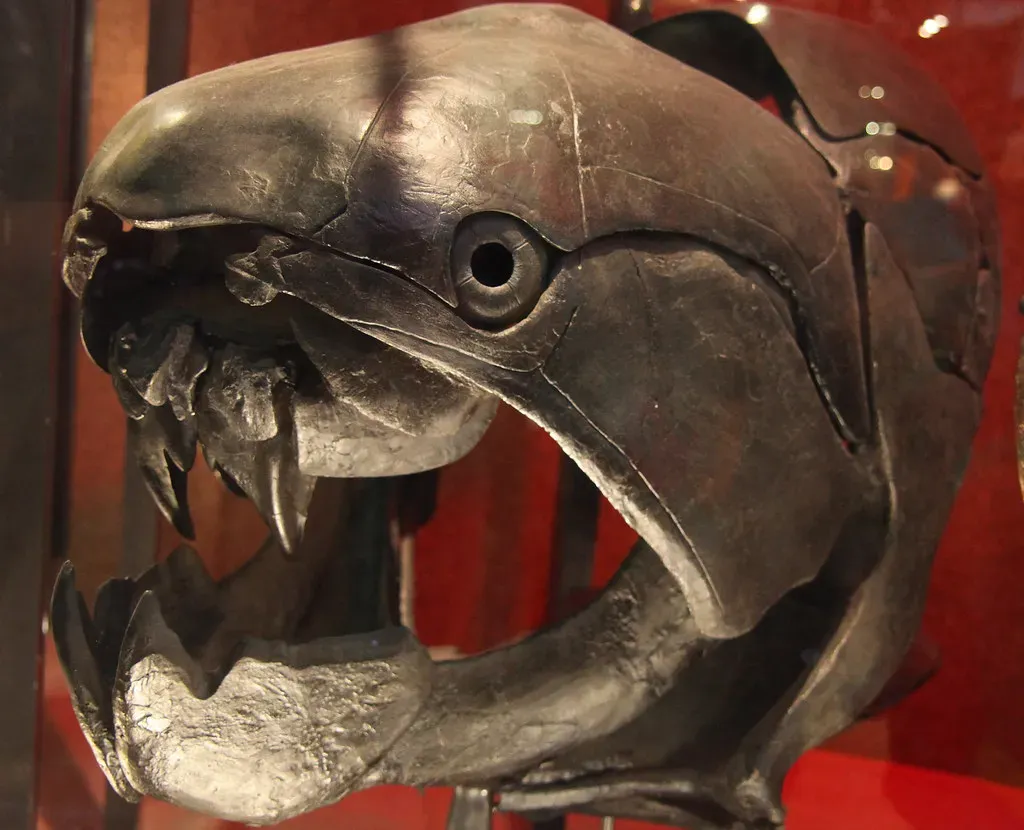
The Late Devonian extinction, roughly 372 to 359 million years ago, is so confusing that many experts now refuse to even call it one event. It reads more like a stuttering series of crises stretched across 20-plus million years. Coral reefs collapse, claw back a little, then vanish again – like a patient who keeps flatlining and reviving.
Some estimates put marine species losses as high as 75 percent, yet there’s no single “day the world ended” layer anywhere in the rock. Volcanism, ocean anoxia, invading root systems reshaping nutrients, even asteroid strikes have all been blamed – and none of them line up cleanly with every extinction peak. The real head-scratcher: some ecosystems survived repeated hits while others never came back at all.
#12 – The End-Permian “Great Dying” Gaps Nobody Talks About
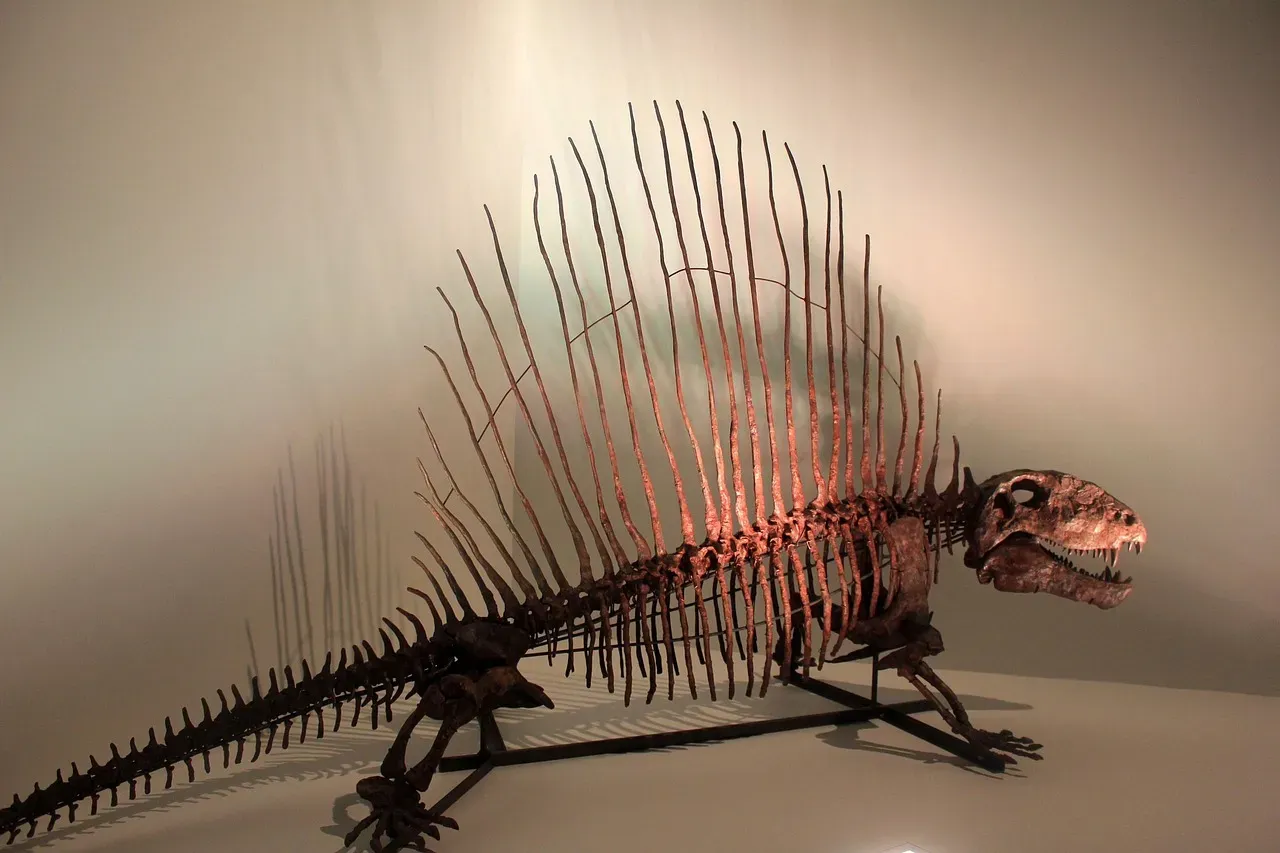
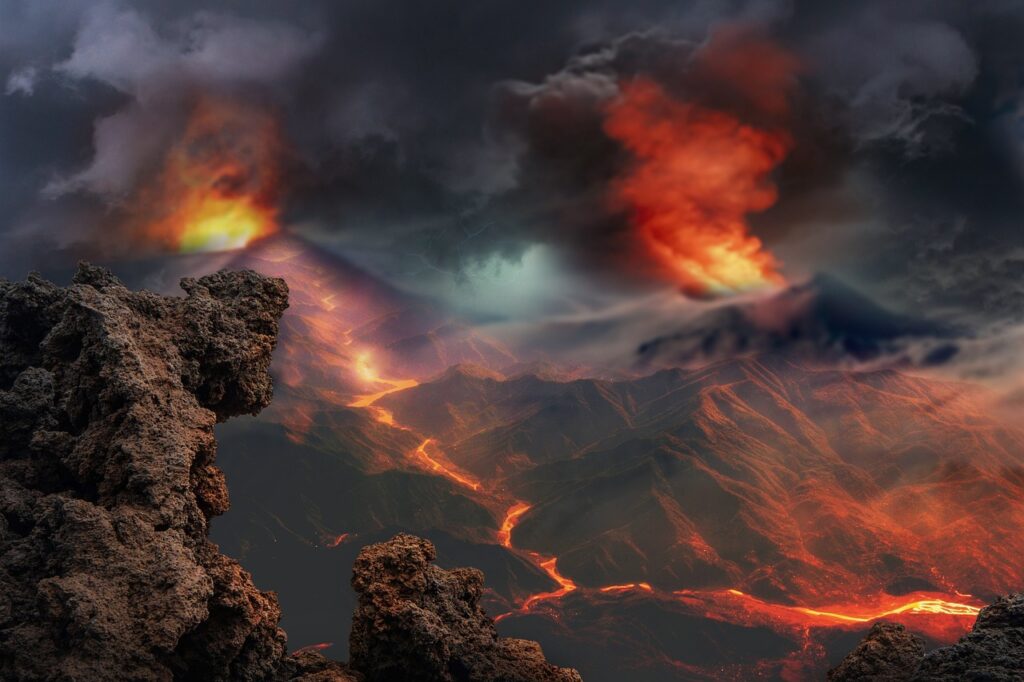
The end-Permian extinction, 252 million years ago, gets marketed as the best-understood catastrophe in Earth’s history: Siberian Traps volcanism, runaway warming, acidic and oxygen-starved oceans, up to 90 percent of species gone. It’s the textbook villain with a confession already signed. Except the confession has holes in it.
In some regions, extinctions begin tens of thousands of years before the worst volcanic pulses even hit, hinting that something else primed the collapse first. Meanwhile, computer models predict conditions so extreme that virtually nothing should survive – yet stubborn pockets of life hang on anyway. Some geologists now suspect methane bursts, ozone collapse, or feedback loops we haven’t modeled at all. When the deadliest extinction ever recorded still doesn’t match its own textbook explanation, that tells you something.
Fast Facts
- Struck around 252 million years ago at the Permian-Triassic boundary
- Wiped out an estimated 90 percent of marine species and a huge share of life on land
- Prime suspect: Siberian Traps volcanism triggering runaway greenhouse warming
- Some regional die-offs begin before the worst eruptions even hit the record
#11 – The End-Triassic Extinction Without a Clean Crime Scene
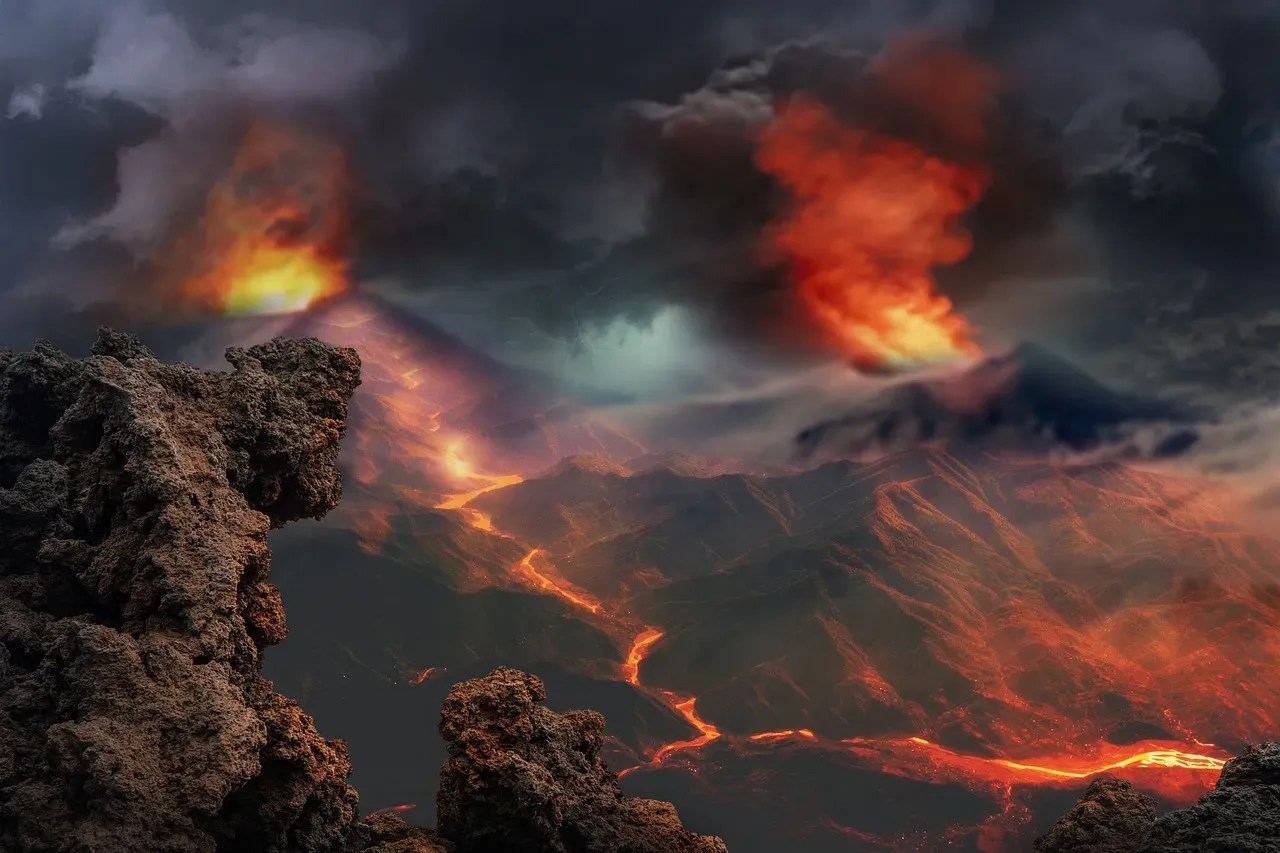
Around 201 million years ago, entire reptile lineages disappear and dinosaurs suddenly take over the planet. The standard story blames the massive Central Atlantic Magmatic Province eruptions and a CO2 spike. But the fine-grained record refuses to cooperate.
In several marine basins, species vanish before the biggest eruptions even leave a chemical fingerprint – suggesting a slower ecological unraveling rather than one dramatic wipeout. On land it’s murkier still: some dinosaur groups expand right through the supposed crisis window while other reptiles and amphibians blink out at completely different times. Was it a sudden CO2 and heat spike, or food webs quietly collapsing under chronic stress long before the lava ever erupted? Nobody’s model fits the whole planet yet.
#10 – The Mid-Cretaceous Reef Crash with No Single Culprit
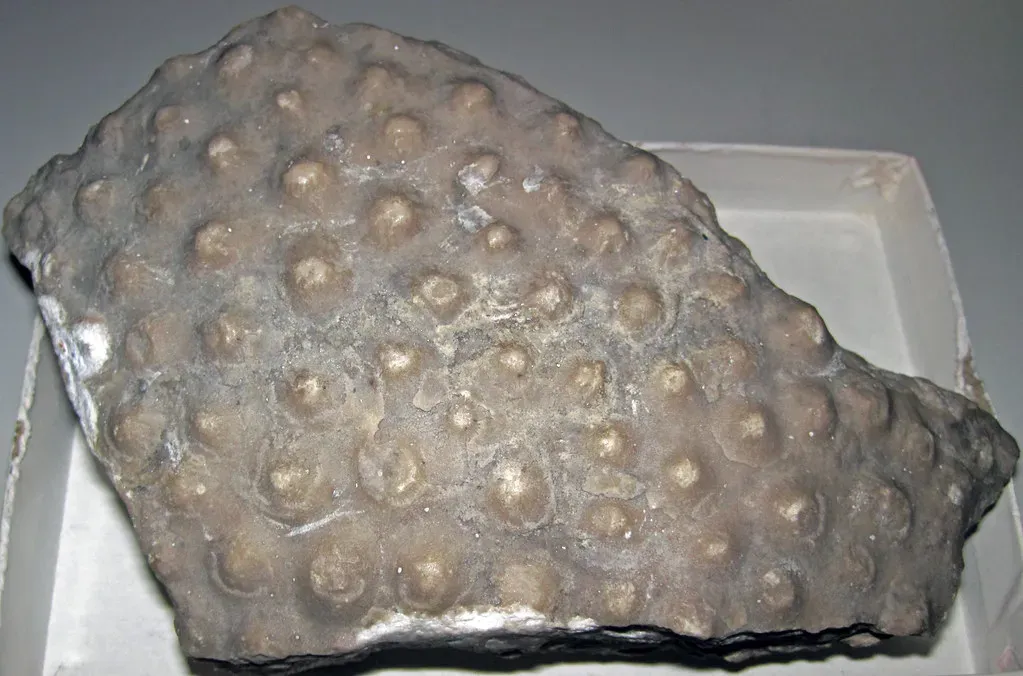
Long before the famous dinosaur-killing asteroid, something strange happened in the middle of the Cretaceous, around 100 to 90 million years ago. Coral reefs and entire plankton groups suffered heavy losses while dinosaurs and land plants carried on like nothing happened.
In some tropical seas, reef-building organisms collapsed by more than half – with no crater, no eruption, no single villain anywhere in sight. Scientists point to sluggish oceans, nutrient overload, and brief bursts of oxygen-starved water, but why did some reef systems disintegrate while nearby ones limped through? It looks less like one big killer and more like a toxic cocktail, and researchers still can’t agree which ingredient did the real damage.
#9 – The Chicxulub Aftermath: Why Some Dinosaurs Should Have Survived (But Didn’t)
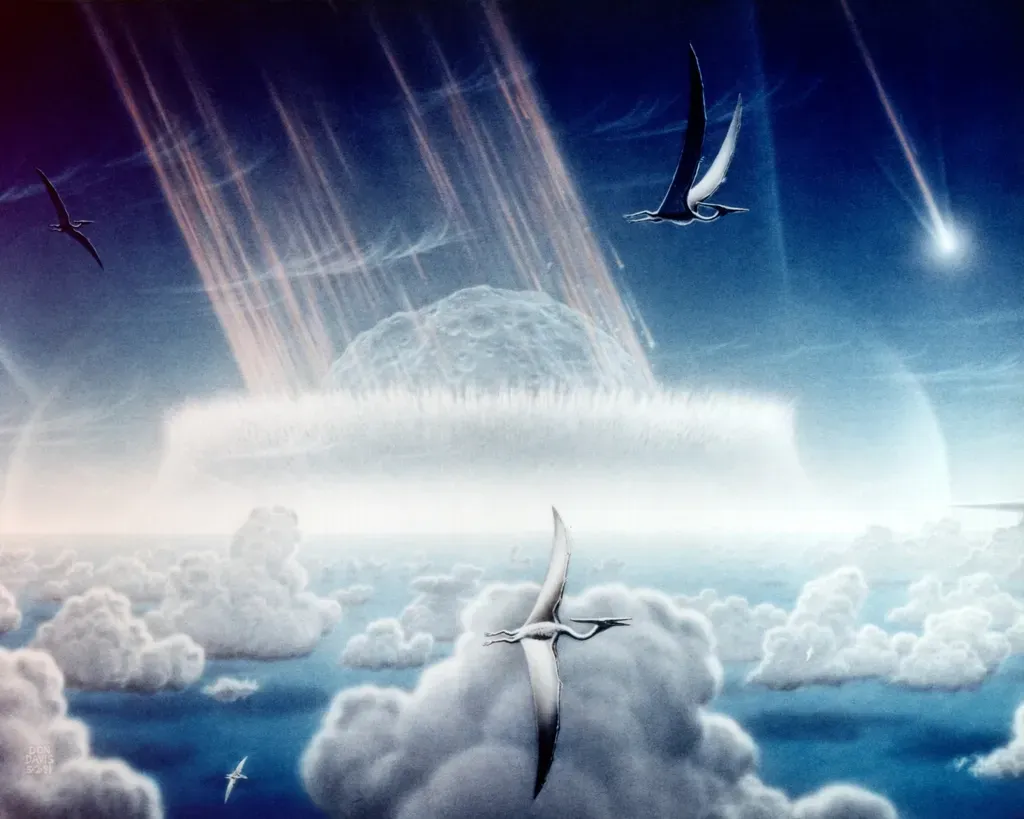
The asteroid that struck 66 million years ago is the poster child for “case closed.” Impact winter, wildfires, acid rain – the story writes itself. Yet even here, uncomfortable gaps remain. Small, flexible, omnivorous non-avian dinosaurs, ecologically similar to the birds and mammals that made it through, vanish completely anyway – while far more specialized birds pull through just fine.
That’s hard to explain with simple size or diet rules. Stranger still, some freshwater ecosystems stayed surprisingly stable – crocodilians, turtles, and amphibians glided through what was supposedly a global apocalypse. Some researchers now quietly argue that pre-existing ecosystem fragility, not the asteroid alone, decided who lived and who didn’t. The impact may have been necessary, but maybe it wasn’t sufficient on its own.
#8 – The Late Pleistocene Megafaunal Die-Off That Still Splits the Room
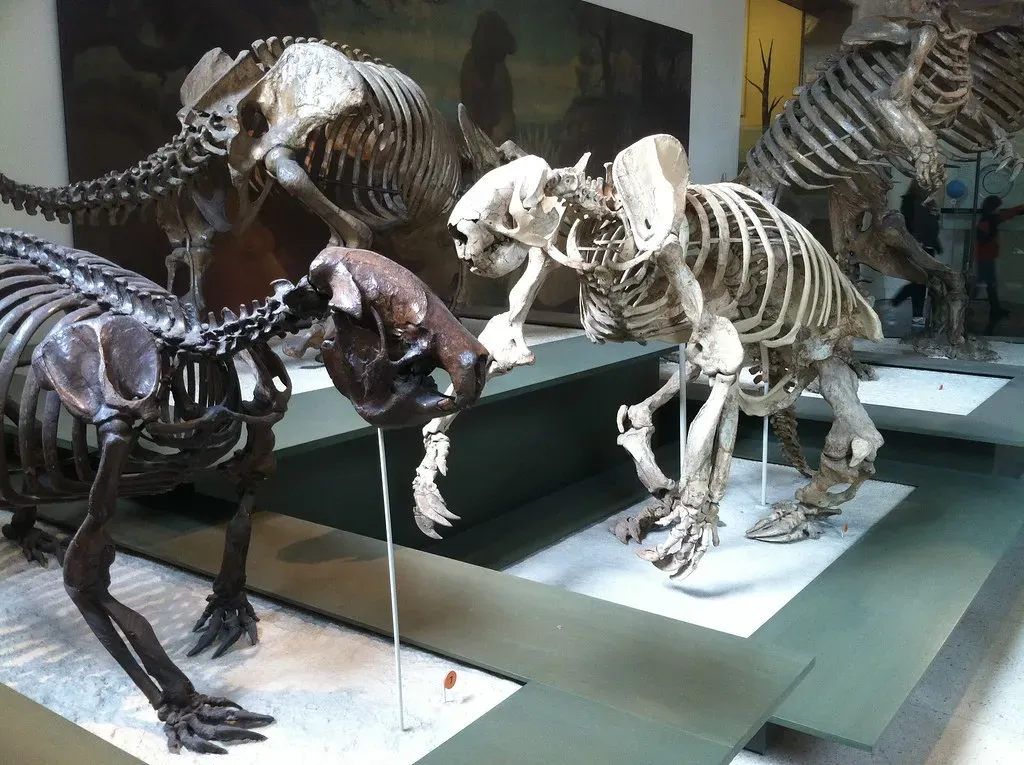
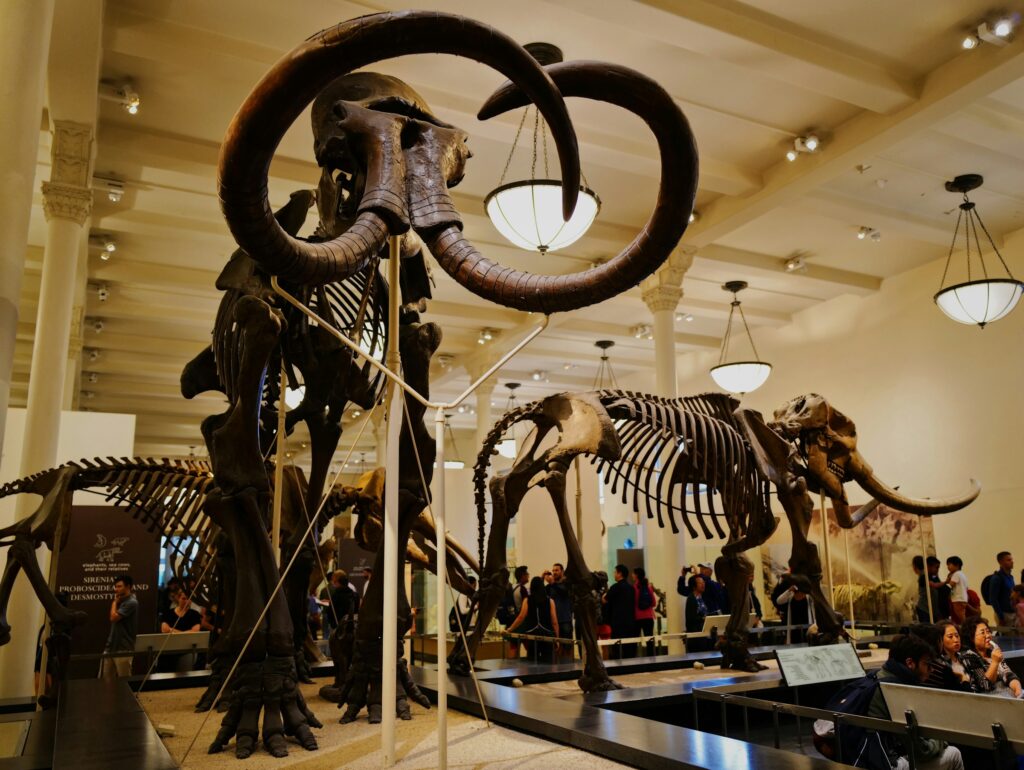
You’ve probably heard the two rival theories: humans hunted mammoths and giant sloths into oblivion, or an abrupt climate swing at the end of the Ice Age finished them off. The uncomfortable truth is that neither explanation fits every continent cleanly.
In some regions, megafauna vanish right as humans show up. In others, giant animals coexisted with people for thousands of years before suddenly collapsing all at once. Australia’s giant animals disappear long before the sharpest glacial climate swings, while parts of North America show centuries of overlap between humans and megafauna before the extinction pulse finally hits. Was it spears, warming, disease, or some lethal combination unique to each place? Many experts now admit privately that we may never fully untangle it.
Quick Compare
- Overkill hypothesis: human hunters arrive and drive slow-breeding giants to extinction within centuries
- Climate hypothesis: abrupt Ice Age warming and vegetation shifts collapse food webs on their own
- The catch: neither theory fits every continent – Australia’s losses predate the sharpest climate swings, while parts of North America show long human-megafauna overlap
#7 – The Quaternary “Non-Event” That Still Took Out Entire Lineages
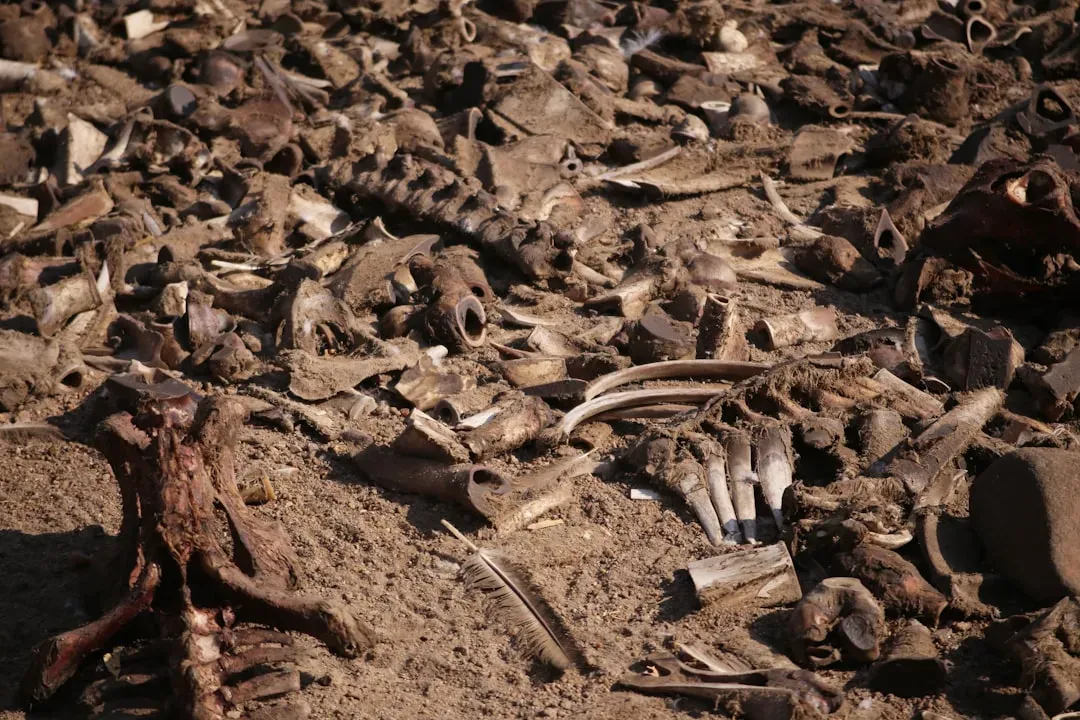
Less famous than mammoths are dozens of quieter extinctions scattered across the last two million years that don’t line up with any major climate shift or human wave. Small mammals, island birds, and specialized predators vanish seemingly at random in the fossil record, with no obvious trigger attached.
In some cases, closely related species living in nearly identical habitats show opposite fates – one survives, one disappears, for no visible reason. Researchers suspect subtle ecological tipping points: minor prey shortages too small to register in climate data, or near-identical competitors quietly outperforming their neighbors. The frustrating truth is that fossil records for these periods are too thin to pin any single extinction to a specific cause. They’re ghost events – the loss is undeniable, the reason invisible.
#6 – The End-Capitanian Crisis Few People Even Know Exists
Before the Great Dying, there was a quieter massacre around 260 million years ago known as the end-Capitanian extinction. In some marine sections, up to 60 percent of species vanish, including major reef builders – yet this event barely gets a footnote compared to the crisis that followed it.
There’s evidence of volcanism and climate stress, but the scale and exact trigger remain hotly debated. In some regions it looks nearly as severe as the end-Permian catastrophe; in others, it’s barely a blip. Was this a truly global event, or a patchwork of unrelated regional disasters that just happened to overlap in time? Either way, it proves that a mass extinction can hide in plain sight for millions of years.
At a Glance
- Struck roughly 260 million years ago, well before the end-Permian catastrophe
- Some marine sections show species losses of up to 60 percent
- Reef-building organisms were hit especially hard
- Severity swings wildly by region, fueling debate over whether it was truly global
#5 – The Carnian Pluvial Episode: When Rains Came and Reptiles Took Over
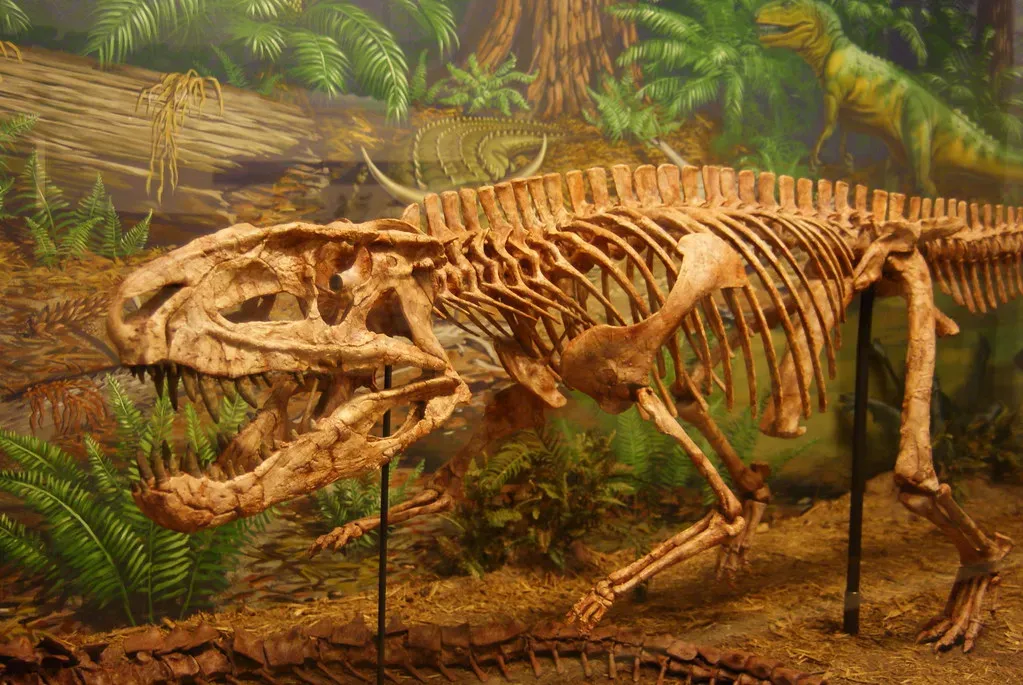
Around 234 to 232 million years ago, during the Triassic, Earth went through the Carnian Pluvial Episode – a warm, soggy stretch of intense rainfall that reshuffled entire ecosystems. Certain marine groups and older reptile lineages took a hit, while early dinosaurs suddenly began to diversify and spread.
Some datasets suggest a significant die-off of marine invertebrates and reef communities during this wet spell, yet there’s no impact crater and no classic flood basalt province to point to. Was it prolonged climate instability, nutrient runoff from extreme rain, or hidden volcanism nobody’s found yet? What irritates researchers most is that this messy, slow-motion event coincides exactly with the rise of the dinosaurs – a pivotal moment in life’s history with no confirmed cause.
#4 – The End-Ediacaran Vanishing Act Before the Cambrian Explosion
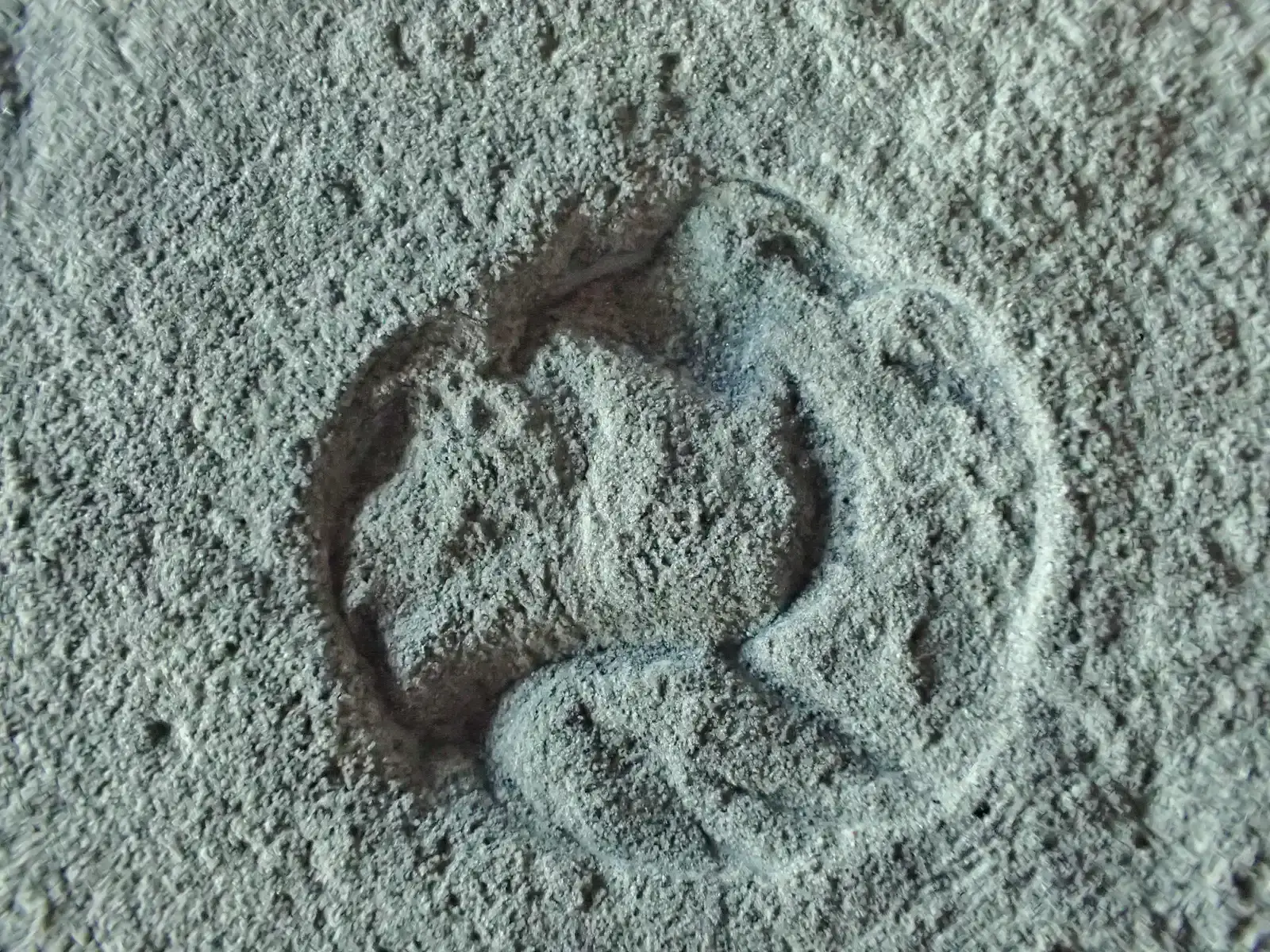
Long before dinosaurs, long before fish, strange soft-bodied organisms drifted through the Ediacaran seas more than 540 million years ago. Then, right before the famous Cambrian Explosion of animal diversity, most of these bizarre life-forms simply disappear.
The fossil record shows a turnover from quilted, frond-like creatures to more familiar, mobile animals – and a huge chunk of the older lineages never reappear again. Was it rising oxygen favoring active animals over passive mat-dwellers? New predators wiping out defenseless forms? Subtle ocean chemistry shifts making their strange body plans untenable? Oddly, in some regions Ediacaran organisms and early animals overlap for a while before the older group fades out, which undercuts any simple “predator shows up, everyone dies” story.
#3 – The Cambrian “Small Shelly” Disappearances No One Can Fully Explain
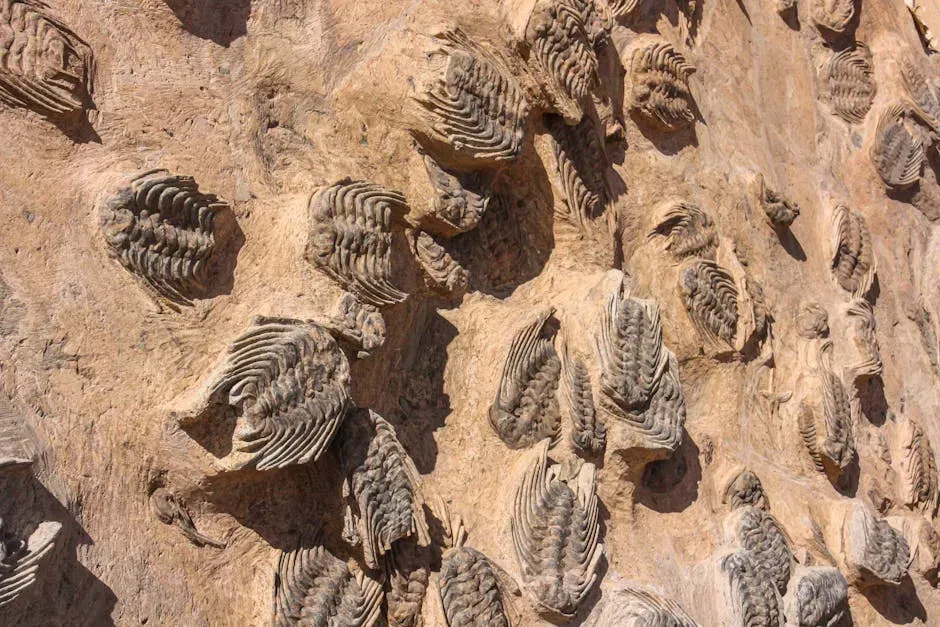
Right at the start of the Cambrian, a flurry of tiny, weird skeletal fossils – the so-called “small shelly fossils” – explode in diversity for a few million years, then many lineages abruptly vanish or get replaced. Some of these groups flicker in and out of the fossil record so fast that scientists can’t even agree whether it’s a real extinction or just a gap in preservation.
Were these early shelled creatures outcompeted by more sophisticated predators and grazers? Did ocean chemistry swing in ways that first rewarded and then punished building a shell at all? Or is the sampling simply too poor to tell a clean story? The honest answer, as several researchers will admit off the record, is that the early Cambrian is a graveyard of half-explained disappearances.
#2 – The Paleocene-Eocene Thermal Maximum: Heat Spike, Selective Losses
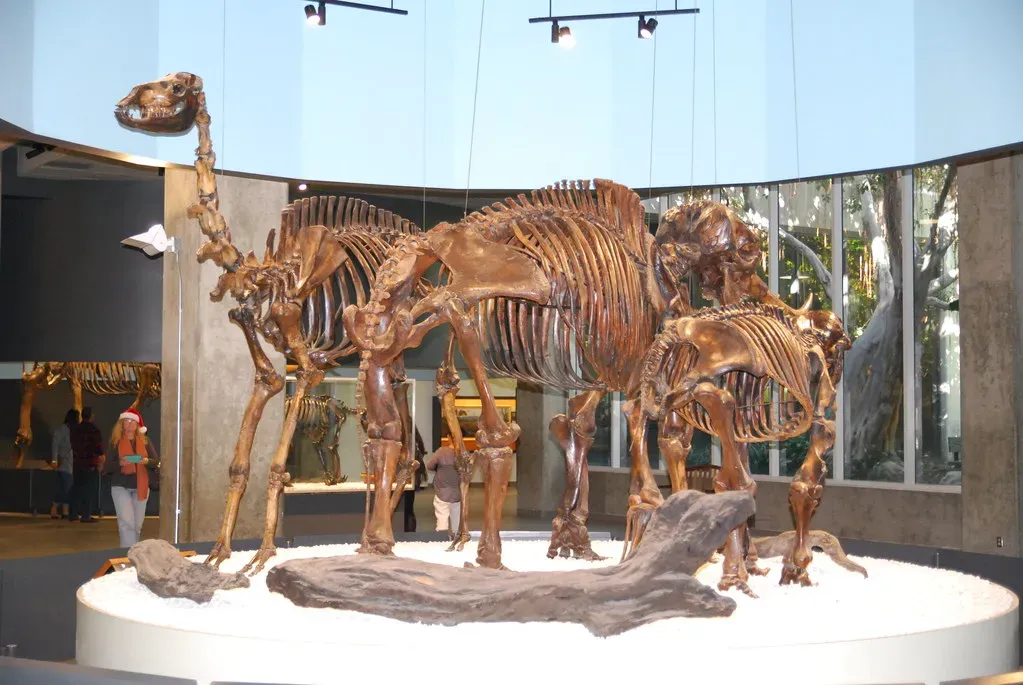
About 56 million years ago, Earth went through the Paleocene-Eocene Thermal Maximum, a rapid global warming event triggered by a massive injection of carbon into the atmosphere. Most people assume this was a full-blown mass extinction. It wasn’t – but certain groups paid a brutal price anyway.
Deep-sea benthic foraminifera, tiny shell-forming organisms living on the ocean floor, lost 30 to 50 percent of their species, even as land mammals were busy diversifying and spreading across continents. Temperatures spiked five to eight degrees Celsius and oceans turned acidic, yet the severity and selectivity of the losses still don’t match model predictions cleanly. Was it the speed of the change rather than the total heat that mattered most? Researchers can sketch plausible scenarios, but they can’t fully reconcile the fossils with the carbon story yet.
#1 – The Holocene Biodiversity Crisis: A Mass Extinction Without a Clear Threshold
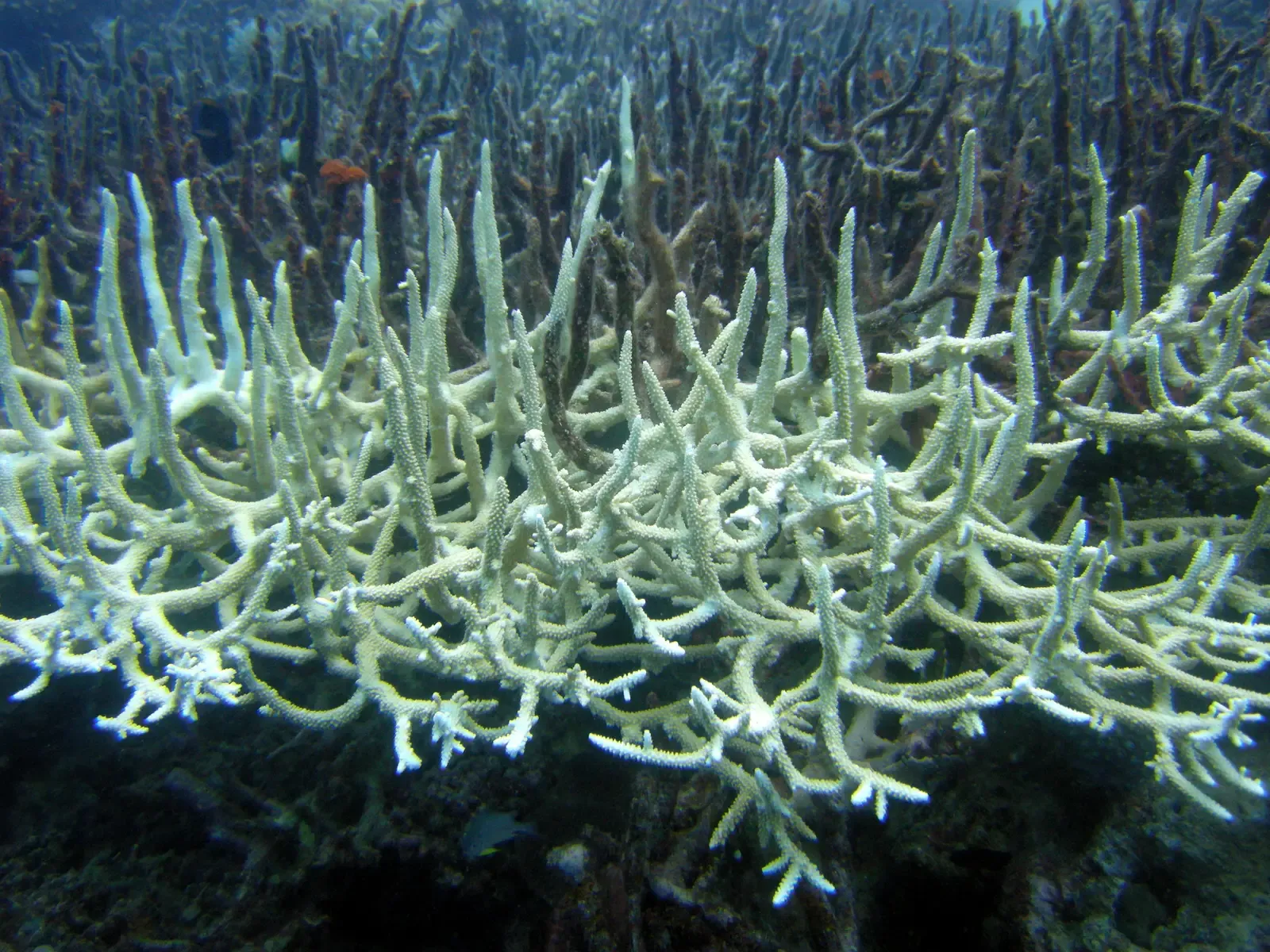
Here’s the uncomfortable one: the extinction event we’re living through right now. Scientists warn we may already be inside a sixth mass extinction. But unlike the asteroid at the K-Pg boundary or the Siberian Traps at the end of the Permian, there’s no single geological event layer and no universal kill mechanism this time – just a messy stack of human-driven pressures piling on top of each other.
Island birds, amphibians, and large mammals are in freefall, while microbes, weeds, and generalist species often thrive right alongside us. Coral reefs bleach and die in some places and hang on stubbornly in others. There’s no agreed moment where scientists can point and say “that’s when it officially started.” Quietly, many researchers admit the Holocene crisis may never look like the extinctions written in the rock record – and that ambiguity is exactly why it’s so hard to account for, and so hard to stop.
Worth Knowing
- A landmark UN-backed biodiversity assessment estimates roughly 1 million animal and plant species are currently at risk of extinction
- Current extinction rates are estimated to be tens to hundreds of times higher than the natural background rate seen over the last 10 million years
- Unlike past mass extinctions, there’s no single rock layer or universal kill mechanism marking this one
- Generalist species and weeds often thrive in the same landscapes where specialists are collapsing
The Bottom Line
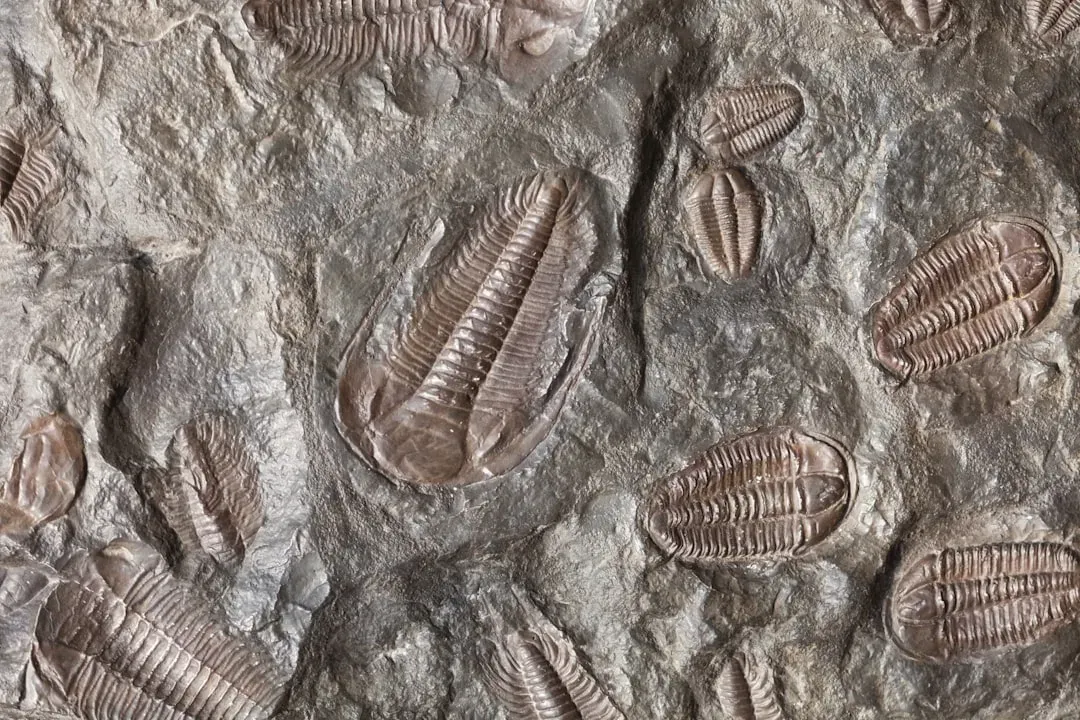
Strip away the confident headlines and extinction science is far messier than most people realize. The fossil record is a crime scene with missing cameras, shredded files, and unreliable witnesses. We have prime suspects – asteroids, volcanoes, climate shocks – but again and again, the timing, the selectivity, and the geography refuse to line up neatly.
Whole clades vanish without a clear bullet wound, while others somehow survive catastrophes that should have wiped them out completely. That’s not a failure of science; it’s a reminder of how tangled and stubborn real biospheres are.
My honest take? We keep telling overly simple extinction stories because humans hate loose ends – we want one villain, one moment, one clean headline. But nature has never worked that way. It runs on tangled feedbacks, not single causes, and the scariest part is that our current human-driven crisis doesn’t have one master switch either. That doesn’t make it easier to manage. It makes it harder. Did I miss an extinction puzzle that still bugs you? Drop it in the comments – I’d genuinely like to know.