
Most people think the story of extinct animals is settled science – fossils found, mystery solved, case closed. But that’s not remotely true. Paleontologists quietly rewrite the biographies of famous extinct creatures almost every year, and most of us never get the memo.
The “facts” you learned from a childhood documentary? Several of them have been formally retracted, walked back, or flipped completely upside down by the very scientists who once championed them. Here’s what the fossil record actually says now – and a few of these reversals might genuinely ruin a museum trip for you.
#14 – Steller’s Sea Cow: The “Instant Extinction” Story Wasn’t So Instant
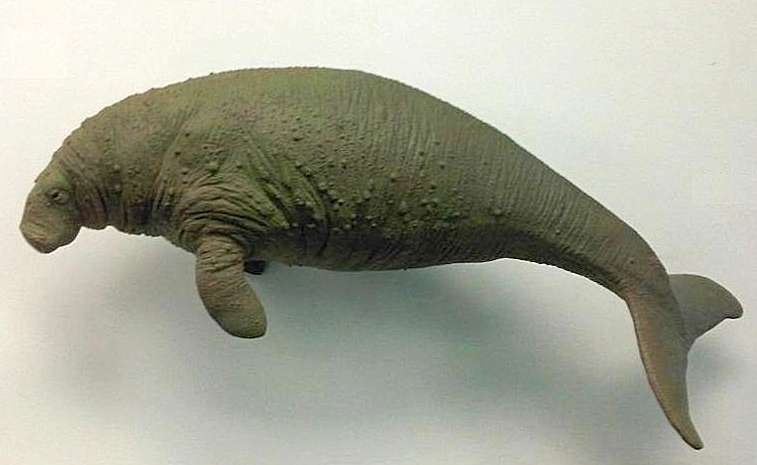
The textbook version is brutally simple: European sailors discovered this gentle giant in 1741, and hunters wiped it out in under three decades. Clean, tragic, done – a tidy villain and a tidy timeline.
But researchers now suspect the sea cow’s population was already fragile long before Europeans ever set foot on the Commander Islands. Indigenous hunting pressure and shifting kelp-forest ecosystems, tied closely to sea otter populations, may have squeezed the species into a shrinking refuge well before the famous “27-year extinction” clock even started ticking. The single-villain narrative of greedy sailors is being replaced by a slower, sadder story of ecological collapse that started generations earlier. Next up: the woolly rhino’s downfall turns out to have nothing to do with cavemen at all.
Fast Facts
- Discovered by naturalist Georg Steller in 1741 during Vitus Bering’s Arctic expedition
- Grew up to 30 feet long, making it one of the largest marine mammals of its era
- Lived only around the remote Commander Islands in the North Pacific
- Declared extinct by 1768, just 27 years after being formally documented by Europeans
#13 – The Woolly Rhino: Humans Weren’t the Main Culprit After All
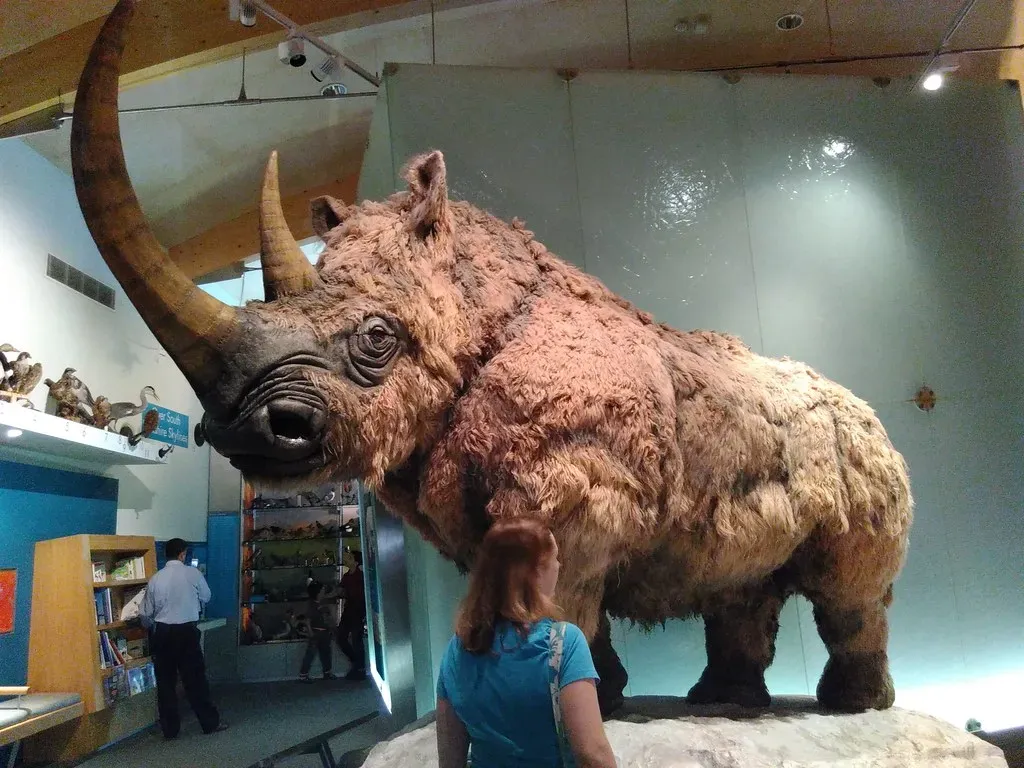
For decades, the woolly rhino was Exhibit A in the “humans killed the Ice Age megafauna” argument. Spear points near bones seemed like an open-and-shut case, the kind of thing that ends up on the cover of a textbook.
Genetic and ecological studies have since pushed back hard on that assumption. Population-history data reconstructed from ancient DNA shows woolly rhino numbers stayed remarkably stable for thousands of years, right up until a rapid shift in vegetation during a warming climate stripped away their food supply. The population crash lines up almost perfectly with a shift from nutrient-rich grasses to shrubby tundra, not with a spike in human hunting activity. Many researchers now treat climate whiplash as the primary trigger, with humans simply finishing off a population that was already doomed – which sets up an even stranger reversal next.
#12 – The Irish Elk: Its Antlers Weren’t a Suicidal Mistake
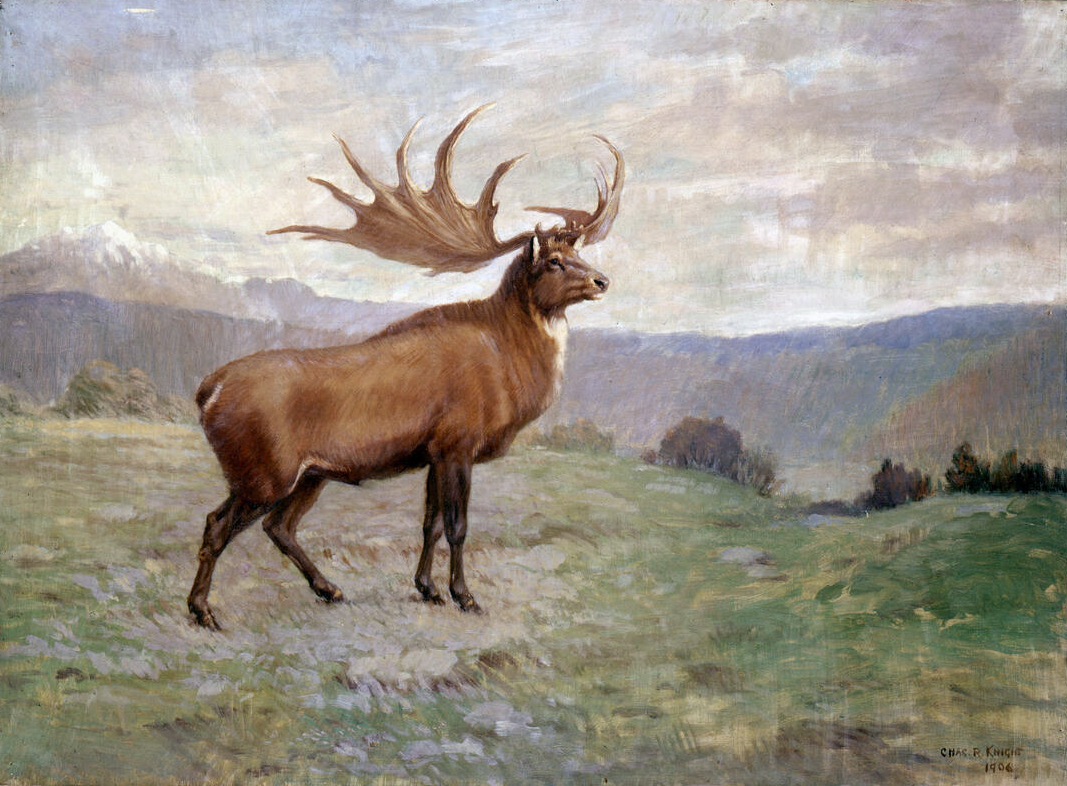
Generations of biology students were taught that the Irish elk went extinct because its own antlers got too big for its own good – a classic cautionary tale of “runaway sexual selection” spiraling out of control until nature pulled the plug.
Turns out that story was more myth than math. Later analysis of antler-to-body proportions showed the massive antlers scaled up entirely in line with the animal’s enormous body size; they weren’t some evolutionary overreach. The real problem wasn’t vanity, it was groceries: growing those antlers each year required a mineral-rich diet that vanished as post-glacial habitats shifted. When the nutrient-dense grasslands disappeared, males couldn’t regrow their antlers properly and the population collapsed under climate pressure, not its own headgear. Next: a beloved “unique species” turns out to have just been an ordinary zebra in disguise.
#11 – The Quagga: It Was Never Actually Its Own Species
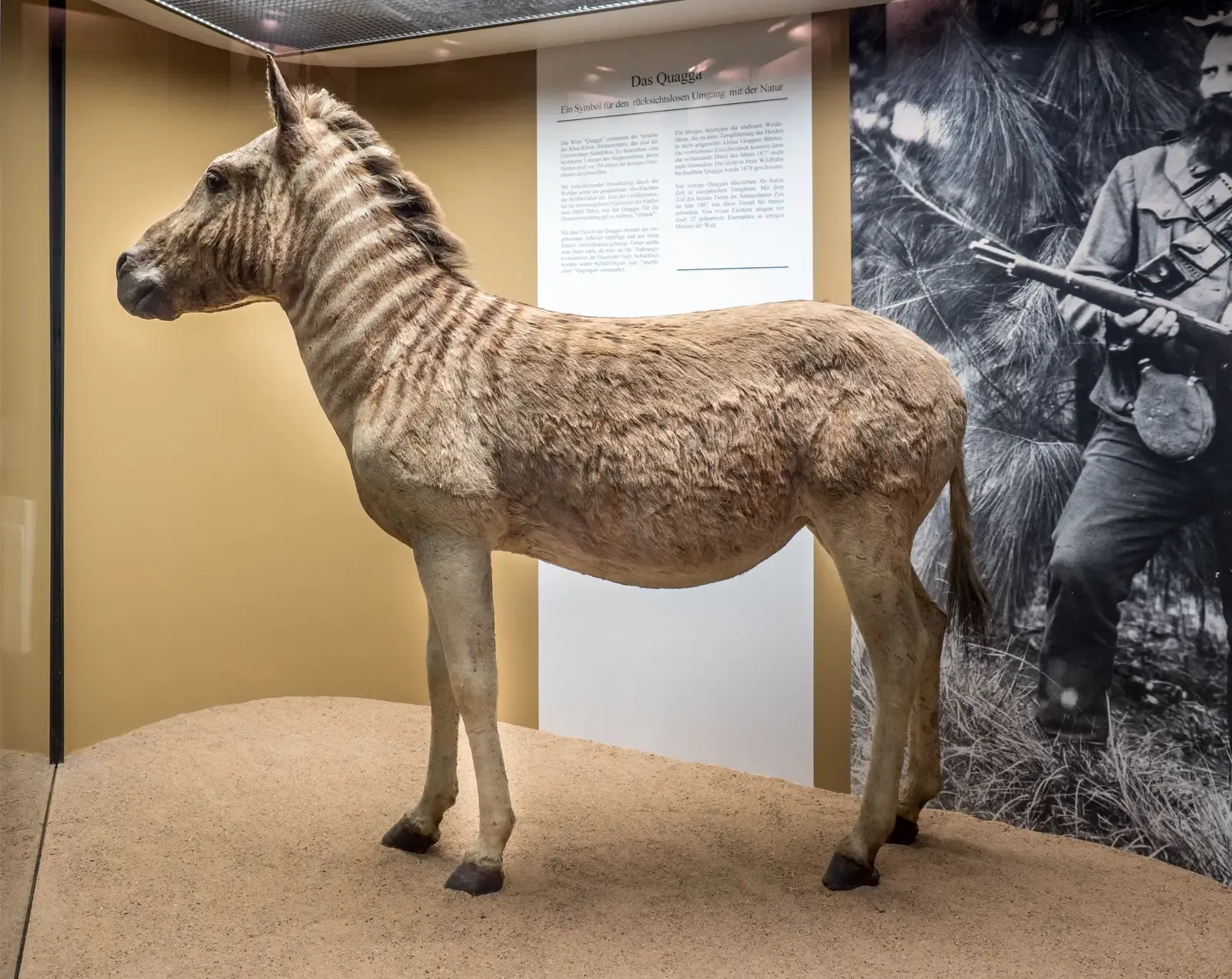
For over a century, the quagga was mourned as a wholly unique animal – a half-striped cousin of the zebra driven to extinction by relentless hunting in the 1800s. Museums treated it as an irreplaceable loss.
Then science did something remarkable: it studied DNA from a dead species for the very first time. That genetic analysis revealed the quagga was actually a subspecies of the plains zebra, meaning it was never a separate species at all – just a regional variant of an animal that’s still alive and grazing across Africa today. Evidence suggests quaggas evolved their odd, half-striped coat relatively recently, likely during the Pleistocene, after becoming isolated from other plains zebra populations. This quiet reclassification is why breeders now believe they can bring the quagga’s look back using ordinary zebras. Coming up: the fossil once crowned “the first bird” just got demoted.
#10 – Archaeopteryx: It Was Never the “First Bird”
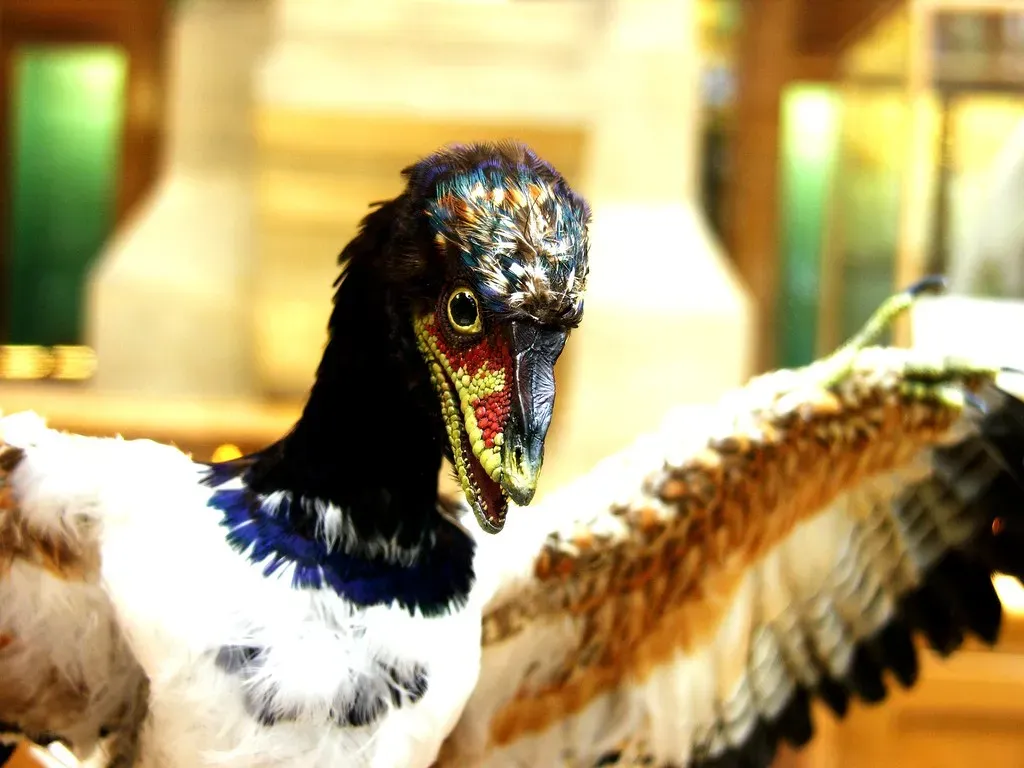
Every dinosaur book from the last century crowned Archaeopteryx the undisputed “missing link” – the single fossil that proved birds evolved from dinosaurs, full stop, end of debate.
That crown has quietly slipped. As more feathered dinosaur fossils poured out of China over the past 25 years, paleontologists realized Archaeopteryx wasn’t a lone transitional oddity, but one member of a huge, feathered family tree that included plenty of dinosaurs that never left the ground. Most researchers now think Archaeopteryx may not even be a direct ancestor of modern birds at all, but a side-branch relative that shared the same feathery ancestor. The real story of bird origins is far messier, with feathers evolving long before flight did – and that messiness gets even weirder with pterosaurs.
#9 – Pterosaurs: The “Cold-Blooded Glider” Story Is Dead
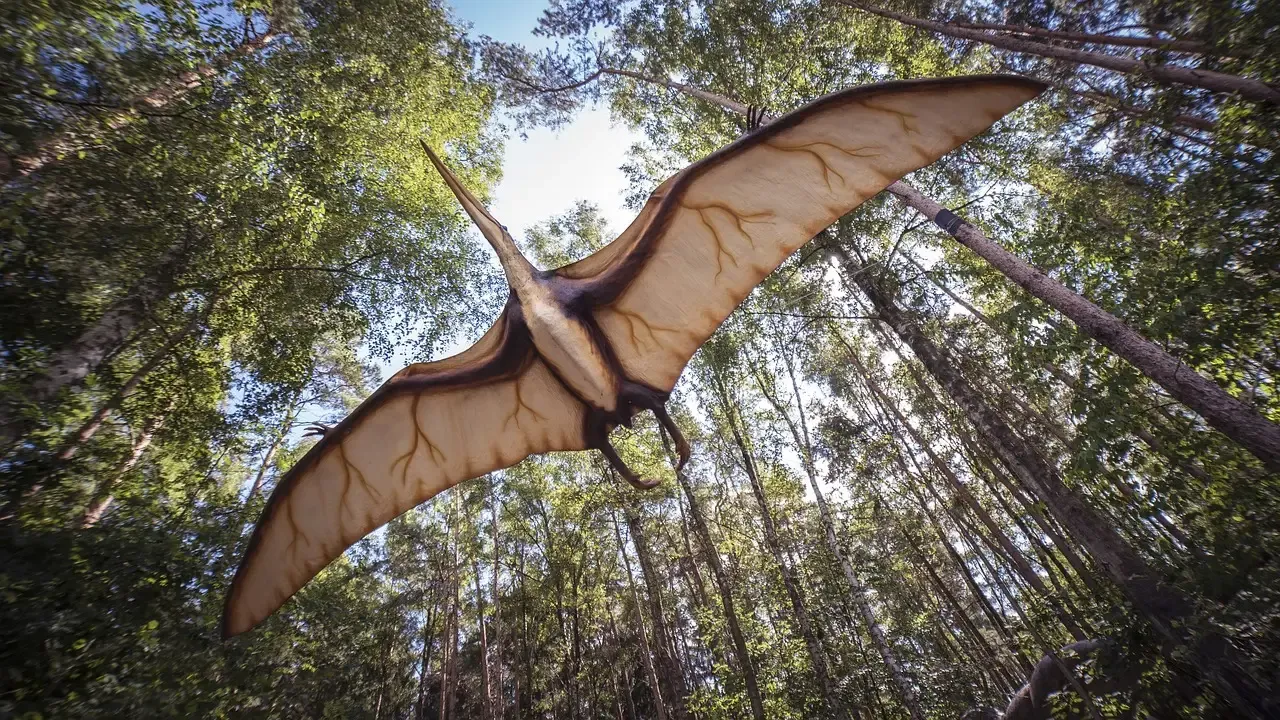
For most of the 20th century, pterosaurs were drawn as clumsy, cold-blooded reptiles that could barely flap – essentially prehistoric kites that caught lucky updrafts and hoped for the best.
Fossil discoveries with preserved fuzzy filaments changed everything. These structures, called pycnofibers, look remarkably similar to primitive fur or proto-feathers, hinting that at least some pterosaurs generated and retained their own body heat. That single detail flips the old “reptilian glider” image into something closer to a warm-blooded, actively flapping flyer. Biomechanical studies of wing membranes now suggest many species were powerful, sustained flyers rather than passive soarers waiting on the wind. Next: the “fat and stupid” bird that’s been quietly rebranded as a lean, sharp survivor.
#8 – The Dodo: It Was Never Actually Fat or Stupid
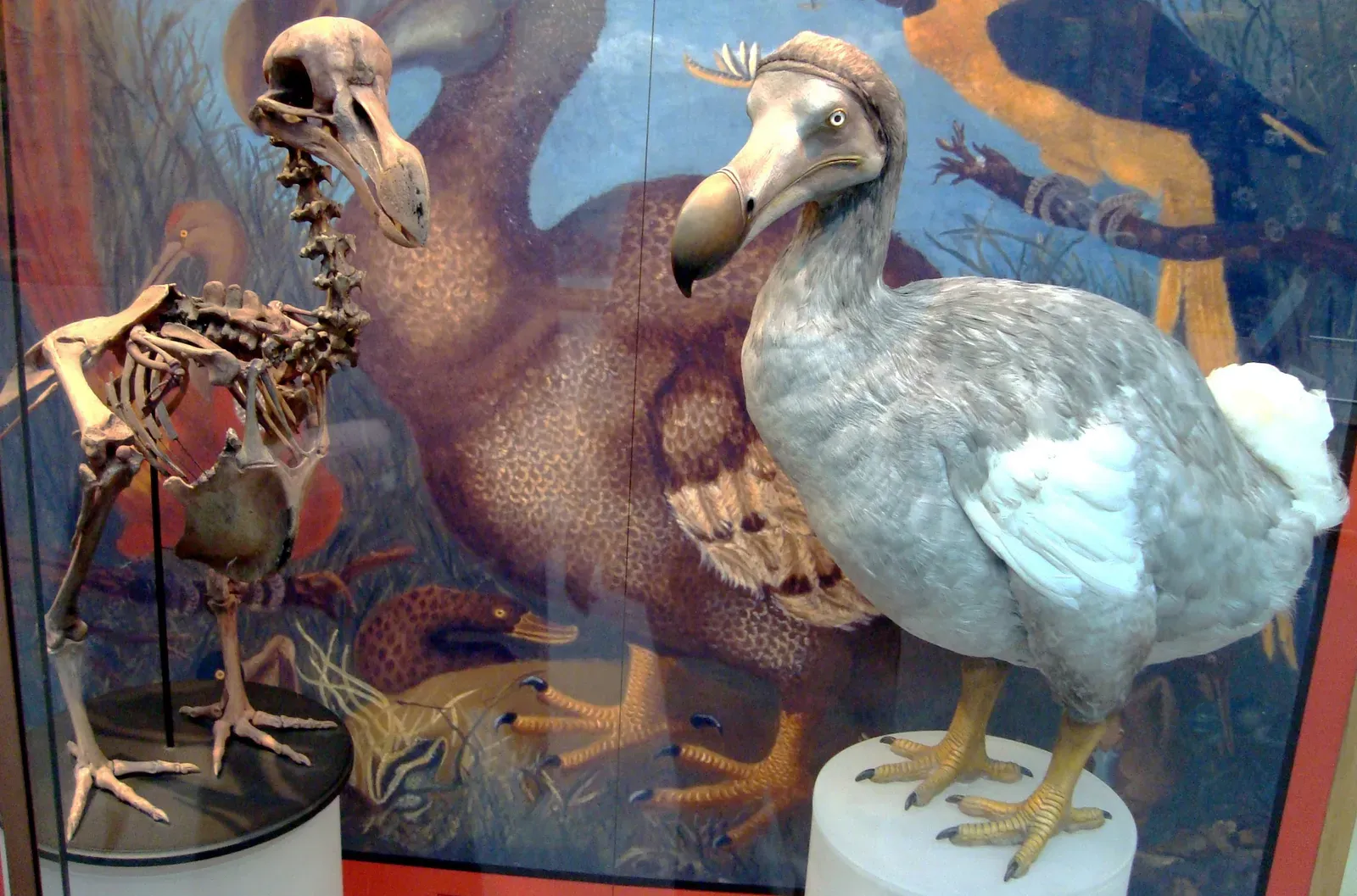
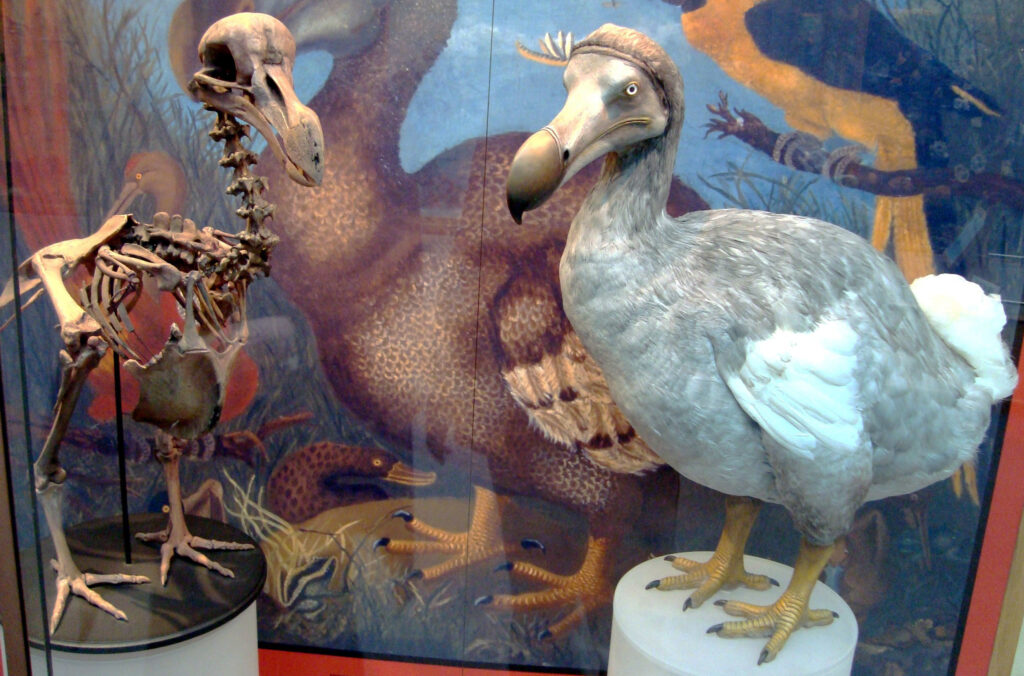
Ask anyone to picture a dodo and you’ll get the same image: a waddling, obese, comically clumsy bird practically begging to go extinct. It’s one of the most successful character assassinations in natural history.
That image is almost entirely fabricated. Skeletal analysis of preserved dodo remains shows a leaner, more athletic bird than the chubby caricature painted by European artists, many of whom were sketching overfed captive specimens kept alive on ships far from their natural habitat. The “stupid, slow” reputation doesn’t hold up either; the dodo had no natural predators on Mauritius, so it simply had no evolutionary reason to fear anything walking on two legs, including sailors. Its extinction looks less like nature punishing laziness and more like a fast, brutal collision with invasive rats and pigs it never saw coming.
#7 – Smilodon: The “Stabbing Dagger” Bite Was a Myth
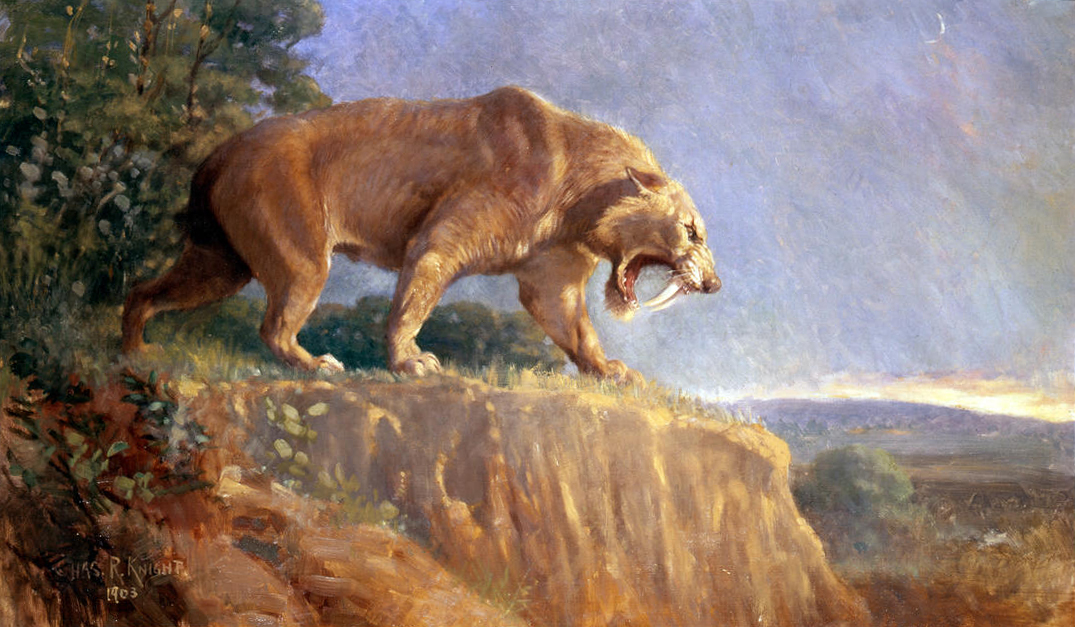
Smilodon’s giant curved canines made for one irresistible story: a saber-toothed assassin that plunged its fangs straight through a victim’s throat like a knife, movie-monster style.
Biomechanical modeling has quietly dismantled that image. Those famous teeth were actually fairly fragile under sideways stress, meaning a violent stabbing bite risked snapping them – hardly ideal for a predator that needed its weapons intact for years. Instead, researchers now believe Smilodon used its immensely powerful forelimbs to pin prey completely still before delivering a slow, precise bite to the throat or belly. Healed injuries found on multiple skeletons even suggest these cats lived in social groups that cared for wounded members, a total reversal of the lone-ambush-predator image most people still picture. Coming up: the animal Australia hunted to extinction for a crime it was physically incapable of committing.
#6 – The Thylacine: It Never Actually Killed Sheep
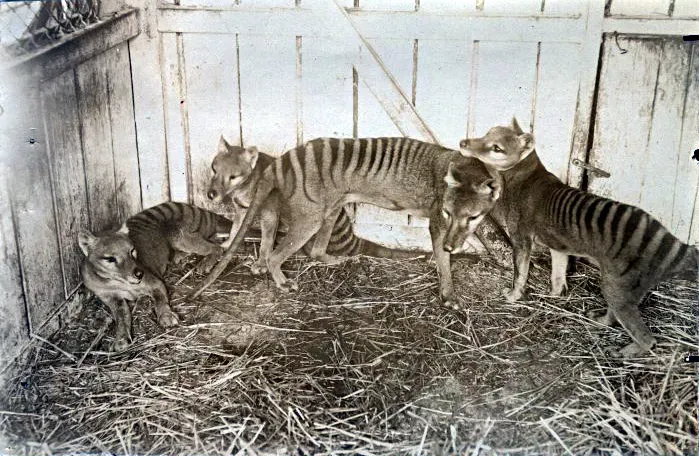
The Tasmanian tiger was hunted to extinction under one specific accusation: it was slaughtering livestock across the Australian countryside, and bounty hunters were just protecting the farms.
Biomechanical testing of the thylacine’s skull tells a completely different story. Its long jaw could open to an astonishing 120 degrees, but a study published in the Journal of Zoology found the bite itself was too weak to kill something as large as a sheep. The animal humanity wiped out over a “crime” was almost certainly innocent the entire time. Its actual diet leaned on small prey like bandicoots and possums, meaning it likely had to hunt constantly just to survive – a staggering reversal for a species destroyed over a killing it lacked the jaw strength to commit. Next: the woolly mammoth’s extinction story just got a shocking timeline correction.
#5 – The Woolly Mammoth: The Extinction Story Keeps Getting Rewritten
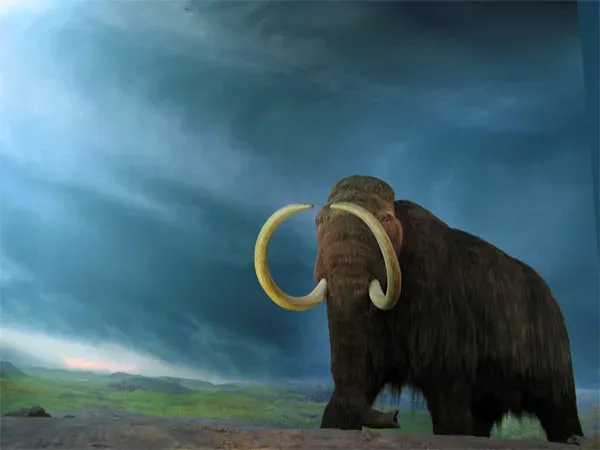
For decades, scientists argued in two camps: either humans hunted mammoths into oblivion, or climate change alone did the job. Pick a side, teach it as fact, move on.
Modern genomic research has scrambled both camps. It’s now widely accepted that rapid climate warming, shrinking grasslands, and human hunting pressure worked together rather than any single cause acting alone. But the truly shocking correction involves timing: a small population survived on Russia’s remote Wrangel Island for thousands of years after mainland mammoths vanished, only to die out roughly 4,000 years ago – around the time Egyptians were building pyramids. Genetic studies of these last survivors reveal a population riddled with harmful mutations from inbreeding, fading out from genetic collapse rather than one dramatic event. Up next: the biggest reversal in the entire story of human prehistory itself.
#4 – Neanderthals: The “Dumb Caveman” Story Has Been Fully Retired
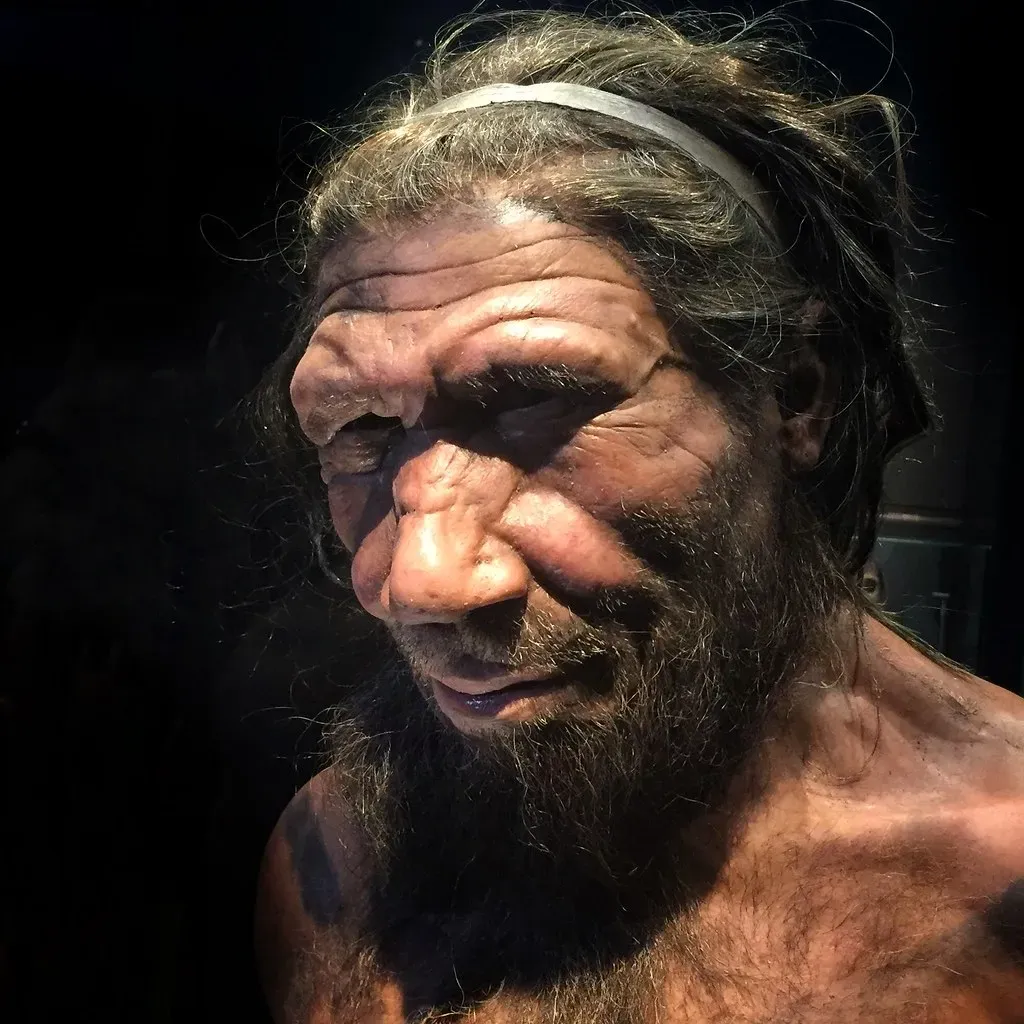
For over a century, Neanderthals were the punchline of human evolution – brutish, dim-witted cousins who lost an intelligence contest to modern humans and simply died out.
That narrative has been almost completely reversed. Genetic sequencing shows most non-African humans today carry Neanderthal DNA, proof that our two lineages interbred rather than one simply replacing the other through superior smarts. Archaeological evidence of jewelry, pigment use, deliberate burials, and complex tool-making now paints Neanderthals as cognitively sophisticated, not evolutionary failures. Many researchers argue Neanderthals didn’t strictly “go extinct” at all – they were partially absorbed into the human gene pool through repeated interbreeding. Next: the ocean’s most famous monster just lost its iconic body shape.
Worth Knowing
- Neanderthals lived from roughly 400,000 to about 40,000 years ago
- Most non-African people today carry a small percentage of Neanderthal DNA
- Evidence of jewelry, pigments, and deliberate burials points to complex culture rather than brute instinct
- Many scientists now frame the species as folded into the modern human gene pool rather than simply erased
#3 – Megalodon: It Never Looked Like a Giant Great White Shark
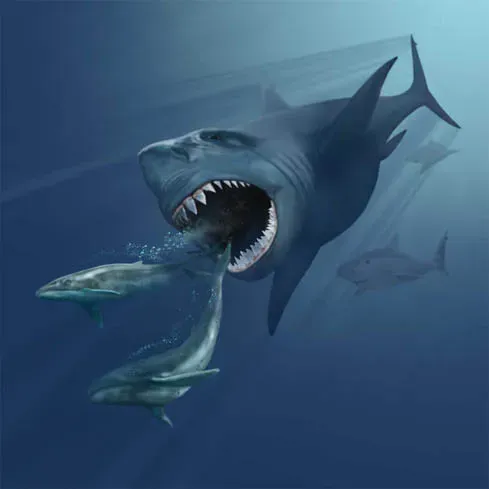
Every megalodon movie, toy, and museum model has been built on the same assumption: just scale up a great white shark and you’ve got the ocean’s ultimate predator.
That entire visual foundation has been quietly dismantled. A newer study shows the prehistoric giant, which patrolled the oceans roughly 15 to 3.6 million years ago, was actually more slender than previously assumed, resembling an oversized lemon shark rather than a stocky great white. This means the muscular “mega-great-white” plastered across every shark documentary may be fundamentally wrong. Hydrodynamic analysis based on this leaner shape suggests megalodon may have been no faster than modern great whites, and by counting growth bands in vertebrae, researchers now estimate newborns were already 12 to 13 feet long at birth. Coming up: the dinosaur an entire generation was taught to mock got officially reinstated.
At a Glance
- Roamed the oceans from about 15 million to 3.6 million years ago
- Newborns are now estimated to have already been 12 to 13 feet long at birth
- New reconstructions suggest a slimmer, lemon-shark-like build instead of a bulky great-white shape
- Despite its size, hydrodynamic modeling suggests it wasn’t necessarily faster than a modern great white
#2 – Brontosaurus: Declared Fake, Then Un-Declared Fake
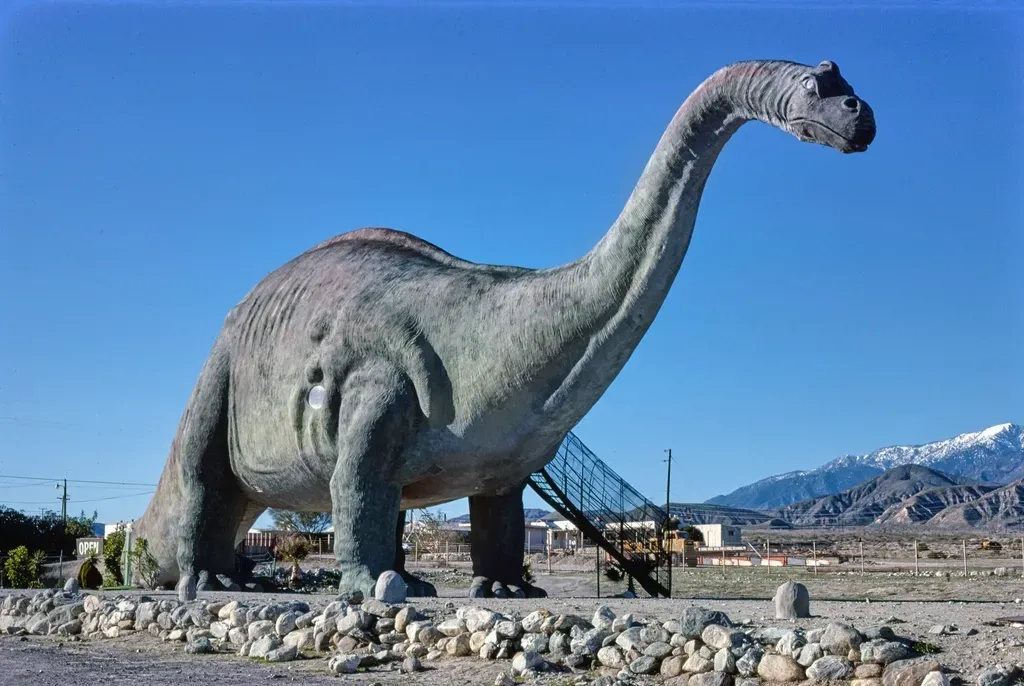
Brontosaurus might be the most publicly humiliated dinosaur in history. Scientists officially ruled in the early 1900s that it never existed – the bones actually belonged to Apatosaurus, and generations of children had been fooled by a museum mix-up.
For nearly a century, correcting people who said “Brontosaurus” became a rite of passage for know-it-all dinosaur fans. Then paleontologists quietly reopened the case. An exhaustive study by researchers from Portugal and the UK, scoring specimens across 477 morphological characters in one of the most detailed sauropod analyses ever performed, concluded that Brontosaurus was distinct enough from Apatosaurus to stand as its own genus again. The dinosaur an entire generation was taught didn’t exist officially exists again. One expert not involved in the research called it “definitely not a proven case,” but agreed there’s now “a valid justification to return the species ‘excelsus’ to the old genus Brontosaurus.” And finally: the most famous dinosaur on Earth still can’t keep its own story straight.
#1 – Tyrannosaurus Rex: Even Its Most Basic Facts Keep Changing
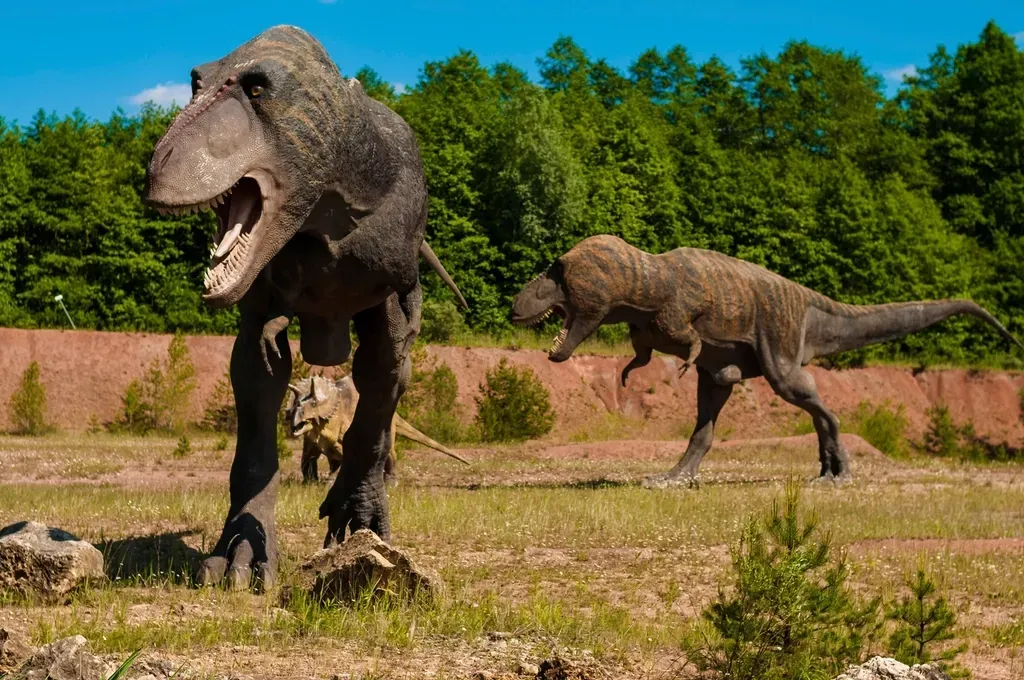
If any extinct animal deserves the title of “most rewritten,” it’s T. rex, and the reversals haven’t stopped for thirty years. First came the scavenger controversy: a wave of paleontologists in the 1990s and 2000s argued T. rex was actually a slow, opportunistic scavenger rather than an apex hunter, sparking furious academic debate that made headlines worldwide.
That theory has since lost most of its support, with current consensus favoring an active predator that also scavenged when convenient – essentially reversing the reversal. Then came the feather debate: after a fluffy feathered relative called Yutyrannus was discovered, “feathered T. rex” reconstructions became the trendy new default in documentaries and museum art. But fossilized skin impressions recovered directly from T. rex specimens later revealed patches of scaly, reptilian skin, forcing artists to walk back the all-over-fuzzy image almost as fast as they’d embraced it. Even the most famous extinct animal on Earth can’t keep its own biography straight.
Quick Compare
- 1990s-2000s theory: T. rex was mainly a slow-moving scavenger
- Current consensus: an active predator that also scavenged opportunistically
- Early reconstructions: fully feathered, inspired by the fuzzy relative Yutyrannus
- Later fossil evidence: skin impressions show scaly, reptilian patches instead
The Bottom Line
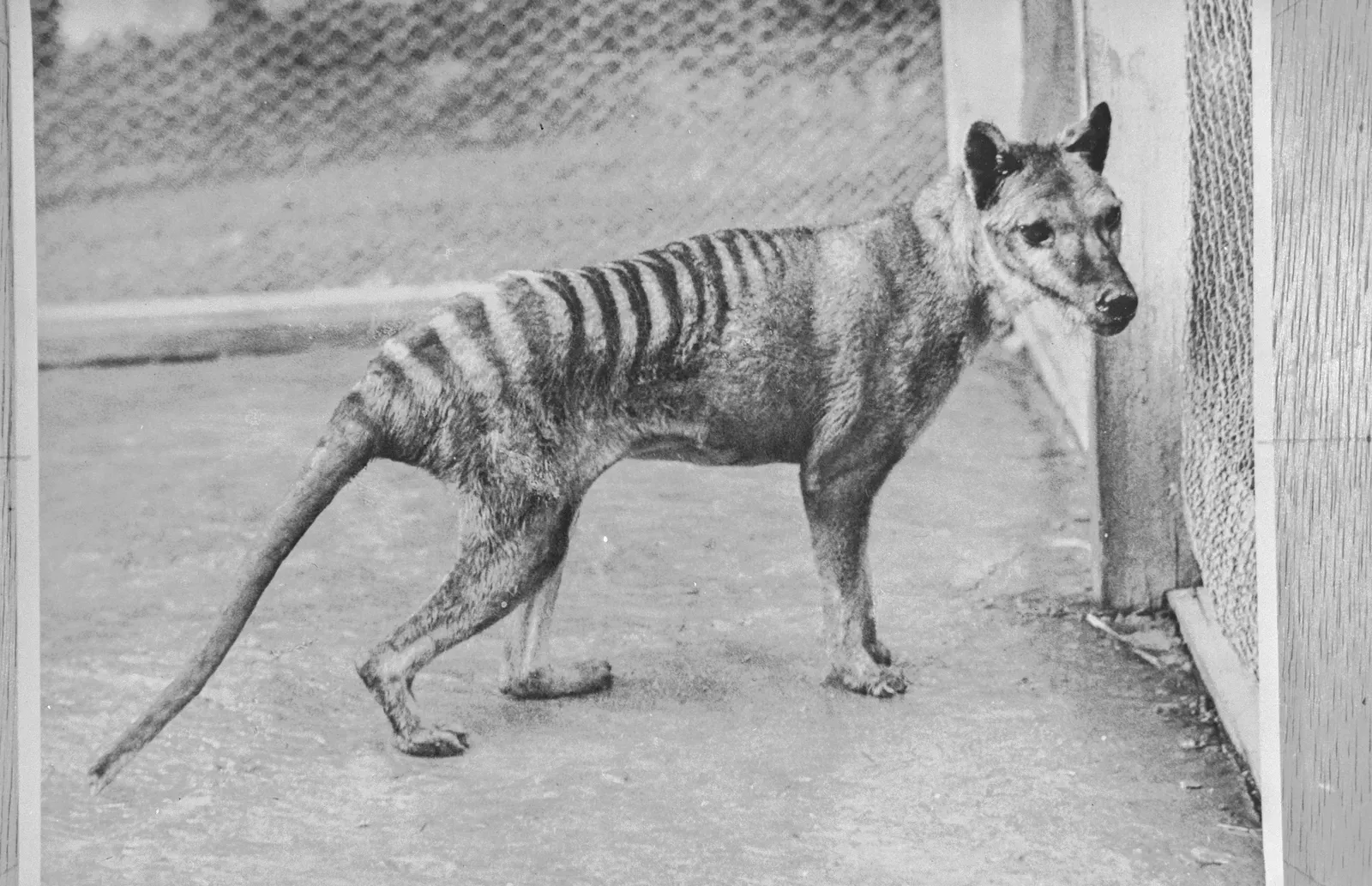
Extinction stories aren’t fossils frozen in time – they’re living arguments that shift every time new evidence surfaces. The thylacine was innocent, the quagga was never unique, the dodo wasn’t stupid, and even Tyrannosaurus rex can’t settle on whether it had feathers.
If there’s one honest lesson here, it’s that “scientifically proven” often just means “our current best guess, subject to change.” I’ll say it plainly: anyone who insists extinct-animal science is fully settled either hasn’t checked the last decade of research or is choosing to ignore it. The fossil record isn’t done talking, and honestly, that’s the most exciting part. Which of these reversals shocked you the most? Drop your pick in the comments.