Most people assume the fossil record tells a tidy story of gradual improvement – fish became better fish, sharks became better sharks, whales became better whales. That assumption is dead wrong. Paleontologists keep digging up creatures so anatomically absurd that early researchers assumed the fossils were hoaxes, misidentified rock formations, or Frankenstein assemblages stitched together from multiple animals.
Spiral saw-blade jaws. Five-eyed predators. Fish that swallowed other fish whole and died from the attempt. These aren’t science fiction – they’re documented, peer-reviewed, sitting-in-museum-drawers reality. And the deeper you go down this list, the harder it gets to believe evolution wasn’t just improvising the whole time. Here’s what the fossil record actually says about the ocean’s most impossible survivors.
#14 – Nectocaris: The Cambrian Creature That Fooled Scientists Twice
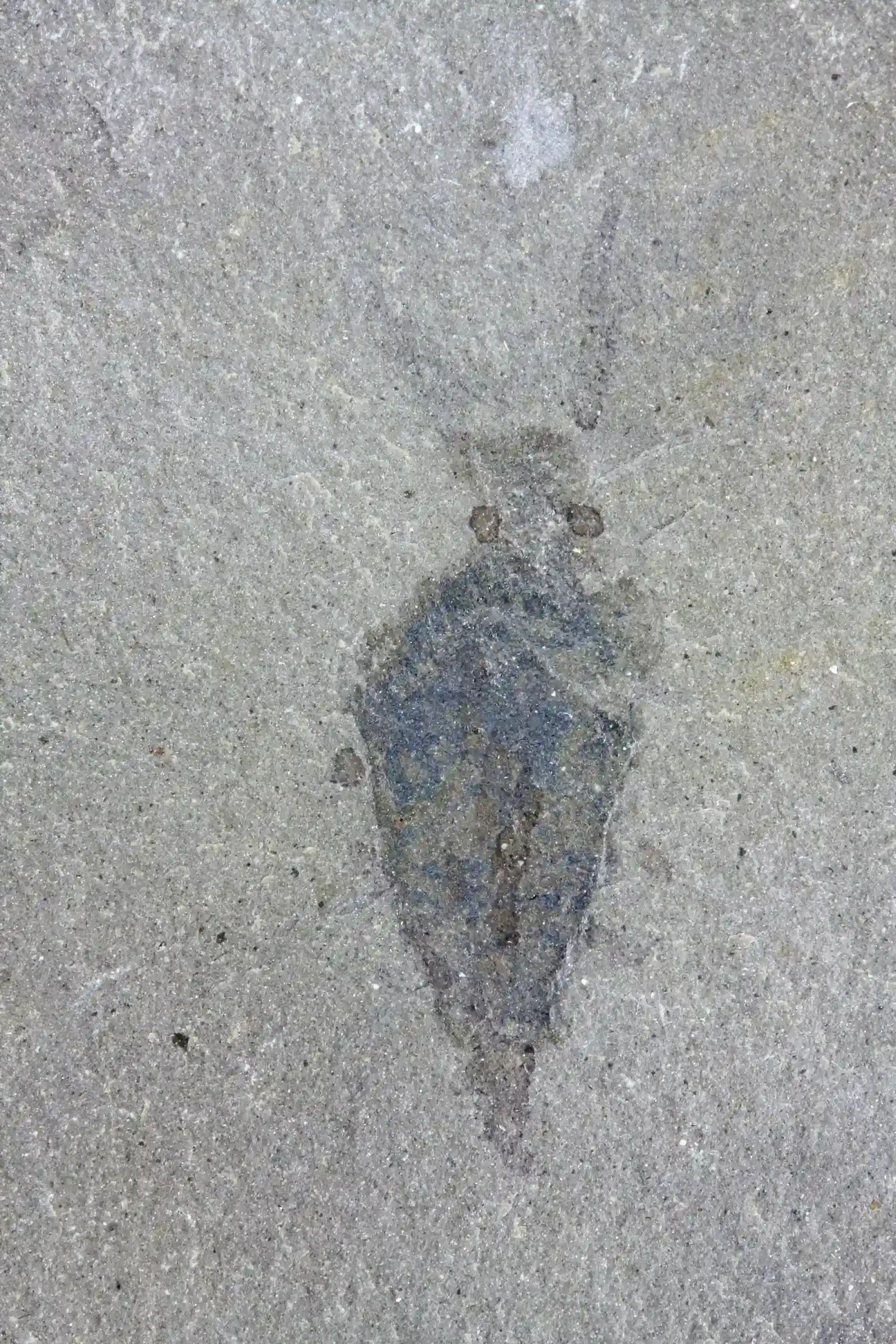
Nectocaris looked like nature couldn’t decide if it wanted to build a squid or a shrimp, so it built both.
When Nectocaris pteryx was first described from the Burgess Shale, researchers classified it as an arthropod because of its shrimp-like body and paired appendages near the head. That classification held for decades until better-preserved specimens surfaced showing something else entirely: a funnel structure eerily similar to a squid’s jet propulsion system, no mineralized shell, and a pair of long tentacles instead of the segmented limbs everyone expected.
The reinterpretation was seismic for cephalopod research. If Nectocaris really is a stem-group cephalopod, it pushes the origin of squids, octopuses, and their relatives back tens of millions of years earlier than anyone had calculated. Most people don’t realize this tiny Cambrian oddball may be the great-great-ancestor of the modern octopus – an animal already famous for breaking the rules of normal biology. Number 13 makes this squid mystery look almost ordinary by comparison.
#13 – Wiwaxia: The Armored Slug That Shouldn’t Have Survived Its Own Body Plan
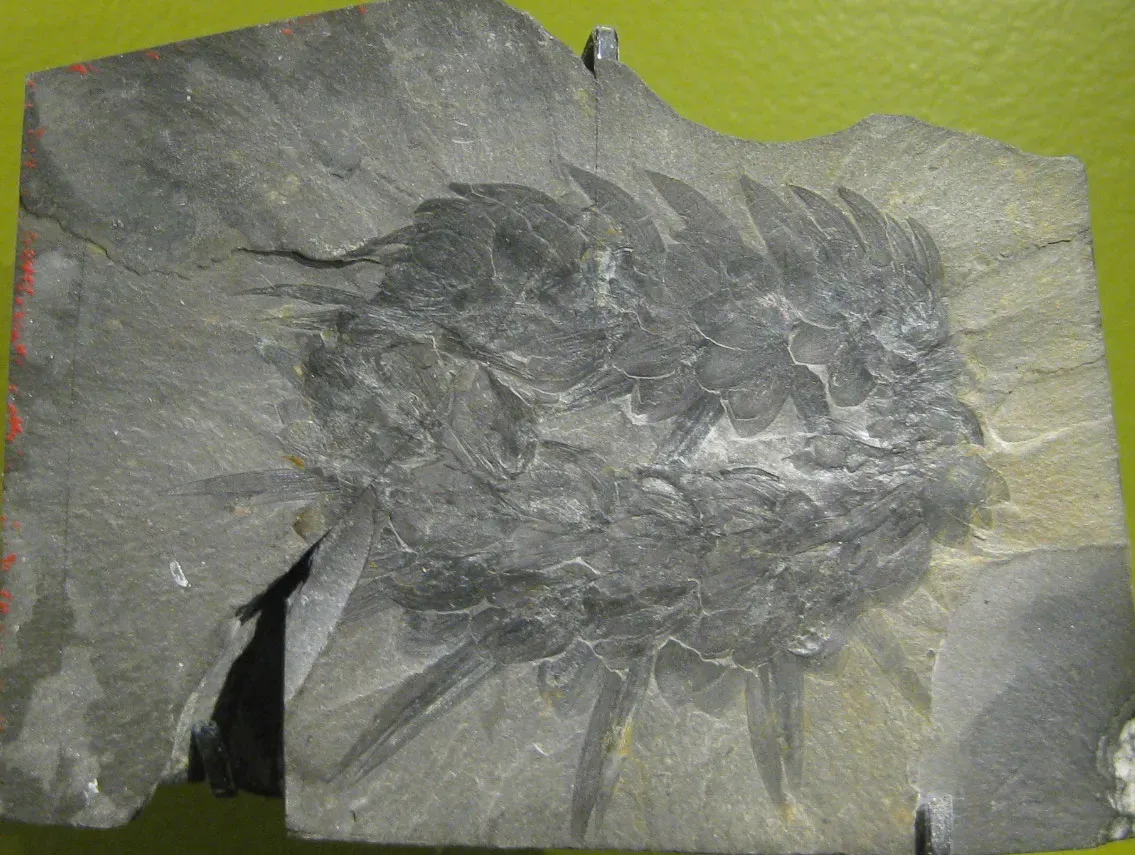
Wiwaxia was covered in overlapping mineralized armor plates and defensive spines, yet moved like a soft, squishy slug underneath.
Picture a garden slug that decided to wear a suit of scaly chainmail. That’s essentially Wiwaxia corrugata, a Cambrian seafloor dweller whose body was studded with rows of flattened, shingle-like sclerites and tall defensive spines running down its back. The armor almost certainly evolved to fend off predators like Anomalocaris, but the sheer weight and rigidity of that covering raises a real biomechanical puzzle: how did a soft-bodied creature drag that much hardware across the seafloor without collapsing under its own defenses?
Scientists still argue about what Wiwaxia actually was. Some classify it near mollusks, others link it to segmented worms called annelids, and the debate hasn’t fully settled. This “simple” armored blob turns out to be one of the most contested classification puzzles in early animal evolution – a creature whose body plan doesn’t cleanly map onto any living group. Which brings us to a sea scorpion that arrived already fully weaponized, no gradual buildup required.
#12 – Pentecopterus: The Sea Scorpion Named After a War Machine
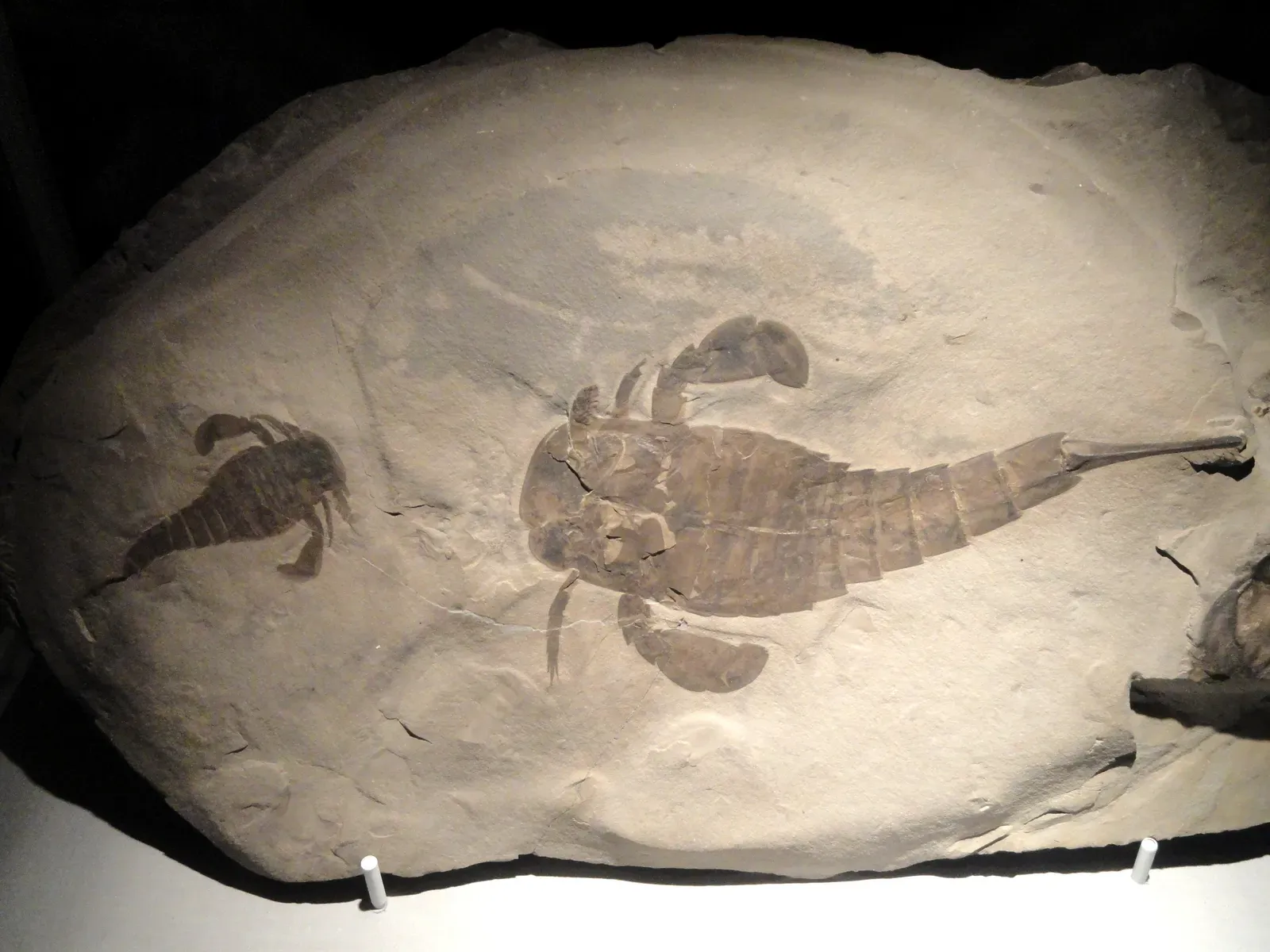
Pentecopterus decipiens is the oldest giant sea scorpion ever found, and it was already built like a war machine 467 million years ago.
Discovered in Ordovician rock in Iowa, Pentecopterus threw off the assumption that eurypterids – the so-called sea scorpions – started small and gradually scaled up to monstrous proportions over time. Instead, this creature was already large, heavily armored, and equipped with oversized, spiny limbs for grabbing prey almost from the moment the group appears in the fossil record. Researchers named it after the penteconter, an ancient Greek warship, because its elongated, paddle-shaped body reminded them of a predatory vessel built for the hunt.
The discovery rewrote eurypterid evolutionary timelines almost overnight. Experts had assumed gigantism in sea scorpions took tens of millions of years to develop – Pentecopterus proved that assumption flatly wrong. It suggests these predators arrived on the scene already dominant, out-competing everything else in their ecosystem from day one.
Fast Facts
- Discovered in Ordovician-age rock in Iowa, dated to roughly 467 million years ago
- Considered the oldest known giant eurypterid (sea scorpion) in the fossil record
- Named after the penteconter, an ancient Greek warship, for its elongated shape
- Arrived already large and heavily armored, upending theories of gradual eurypterid growth
Up next is a fossil that had to be flipped completely upside down before anyone understood what they were even looking at.
#11 – Hallucigenia: The Animal Scientists Reconstructed Upside Down
For nearly a century, paleontologists literally had Hallucigenia flipped upside down and backward.
This worm-like Cambrian creature earned its name because early researchers thought it looked like a hallucination – a tube-shaped body bristling with paired spines on top and soft, wiggly tentacle-legs underneath. Except they had it inverted. Later analysis revealed the “legs” were actually defensive spines running along the back, and what looked like tentacles were the real walking legs, meaning the original reconstruction had the entire animal upside down and pointed the wrong direction for decades.
That kind of correction rarely happens in mainstream science, and it says something important about how alien Cambrian life really was. Most people don’t realize professional paleontologists got a full animal backward and upside-down in published research, not because they were careless, but because nothing alive today gave them a comparable body plan to reference. Next up is a giant that ruled the oceans before fish had even shown up to the party.
#10 – Cameroceras: The Straight-Shelled Giant That Ruled Before Fish Existed
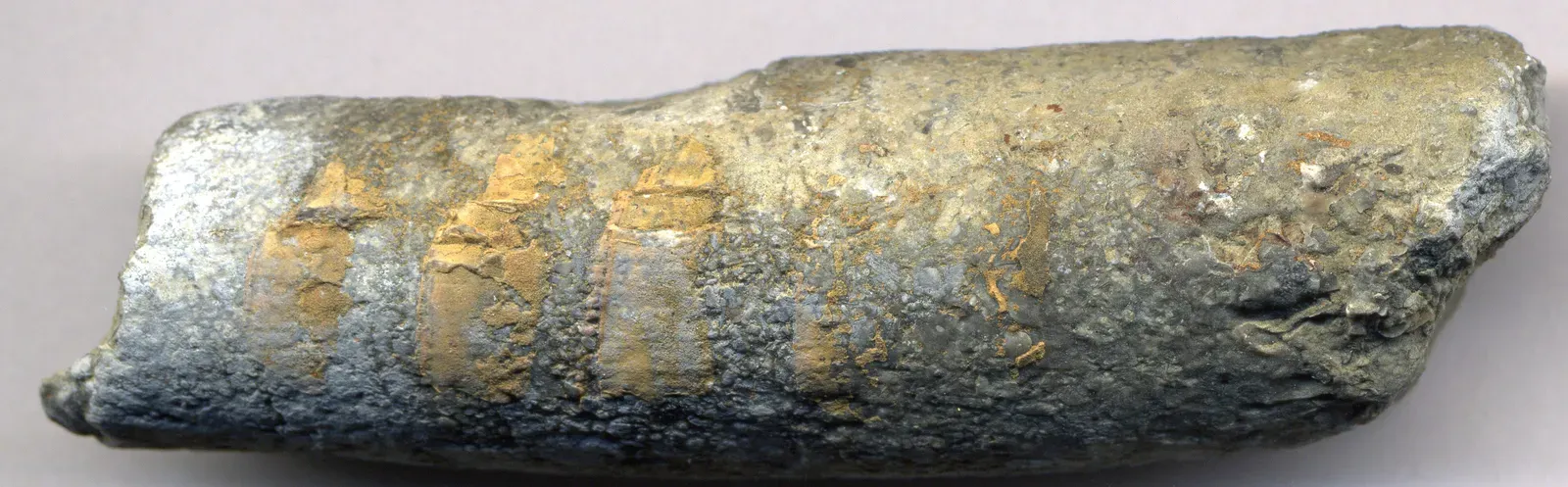
Long before sharks or bony fish existed, the largest predator in the ocean was a cephalopod shaped like a giant ice cream cone.
Cameroceras belonged to a group of nautiloids with long, straight, cone-shaped shells rather than the coiled shells modern nautiluses carry. Fossil shell segments suggest some individuals grew to sizes that dwarfed nearly everything else swimming in the Ordovician seas, making this animal one of the first true giant apex predators in Earth’s oceanic history – hundreds of millions of years before anything resembling a modern fish took that role.
What makes Cameroceras genuinely strange is the mismatch between its rigid, elongated shell and the fact that it still had to actively hunt. A straight, heavy shell isn’t exactly built for agile pursuit, yet the fossil evidence places this animal squarely at the top of its food chain. Evolution’s first “apex predator” experiment barely resembled anything we’d recognize as a hunter today.
At a Glance
- Lived during the Ordovician period, long before fish dominated the seas
- Had a long, straight, cone-shaped shell rather than a coiled one
- Fossil evidence suggests it dwarfed most other animals in its ecosystem
- Ranks among the earliest confirmed giant apex predators in ocean history
From here, things get even harder to classify – literally too weird to slot into any known category.
#9 – Tullimonstrum: The “Tully Monster” Nobody Can Officially Classify
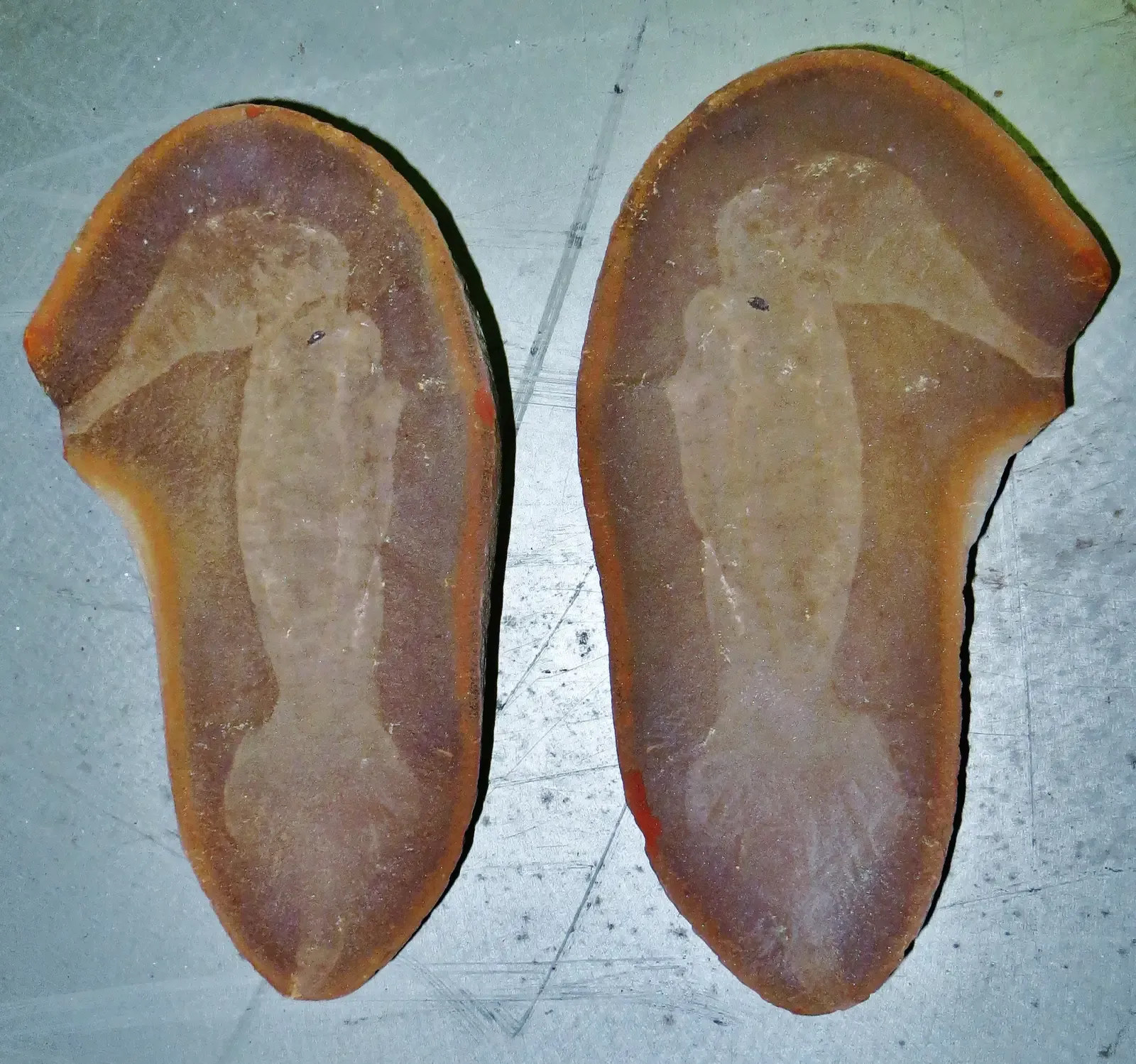
More than 60 years after its discovery, scientists still can’t agree on whether the Tully Monster had a backbone.
Found in the Mazon Creek fossil beds of Illinois and dating back roughly 300 million years, Tullimonstrum gregarium features a soft, torpedo-shaped body, eyes mounted on a rigid crossbar sticking out sideways from its body, and a long, flexible proboscis tipped with a claw full of tiny teeth. It looks like something assembled from spare parts of three unrelated animals, and that visual chaos isn’t an illusion – researchers have proposed it as a mollusk relative, a worm, and even a primitive vertebrate related to lampreys.
The debate has real stakes: Illinois named it the official state fossil while scientists were still arguing about its basic anatomy. Experts remain split on whether this creature belongs anywhere near the vertebrate family tree, which is a remarkable admission for a fossil this well-preserved and this thoroughly studied. Next up: a fish whose fatal last meal is still sitting inside it in a museum case.
#8 – Xiphactinus: The Fish That Choked to Death on Its Own Ambition
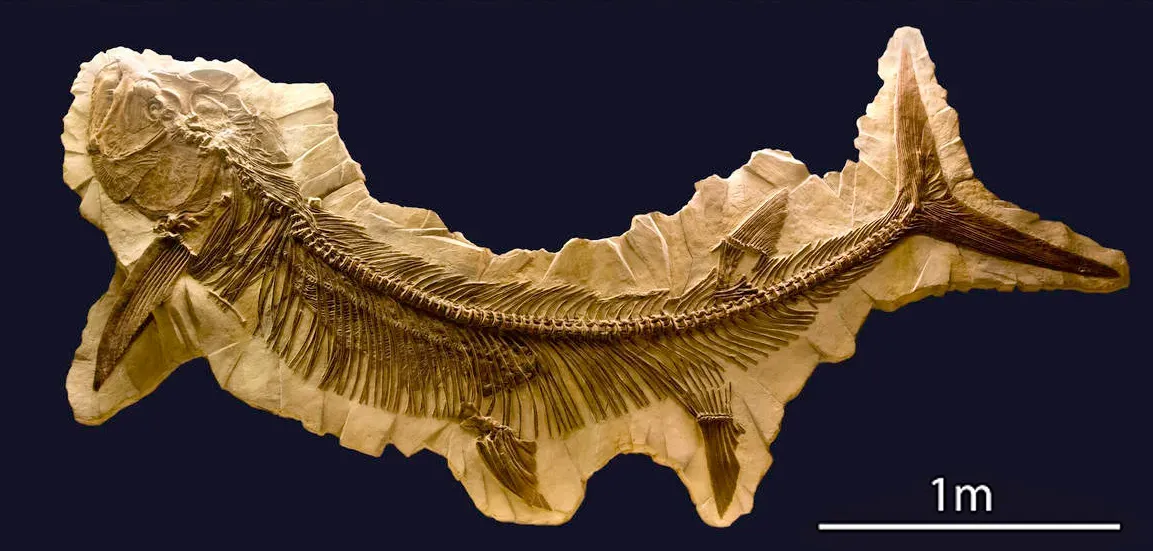
One of the most famous fossils in paleontology is a giant fish that died with another giant fish stuck whole inside its stomach.
Xiphactinus audax was a massive, fang-toothed predatory fish patrolling the Cretaceous seas that once covered the middle of North America. It hunted through sheer aggression, swallowing prey nearly as large as itself in a single motion rather than tearing it apart first. That strategy backfired spectacularly at least once: the specimen displayed at Kansas’s Sternberg Museum shows a six-foot Xiphactinus with a nearly complete second fish, swallowed whole, still sitting inside its ribcage.
Researchers believe the prey fish may have thrashed hard enough after being swallowed to rupture or seriously damage the predator’s internal organs, killing both animals in the process. One of the ocean’s most successful predators was ultimately undone by its own reckless feeding strategy, a detail that makes this fossil one of the most instructive “cause of death” specimens ever recovered.
Worth Knowing
- Patrolled the shallow seas that once covered central North America during the Cretaceous
- Hunted by swallowing prey whole rather than biting it into pieces
- The famous “fish-within-a-fish” specimen is on permanent display at the Sternberg Museum in Kansas
- The swallowed prey likely caused fatal internal damage before either fish could digest it
Compare that to the whale that everyone originally mistook for a sea serpent.
#7 – Basilosaurus: The Whale Everyone Mistook for a Sea Serpent
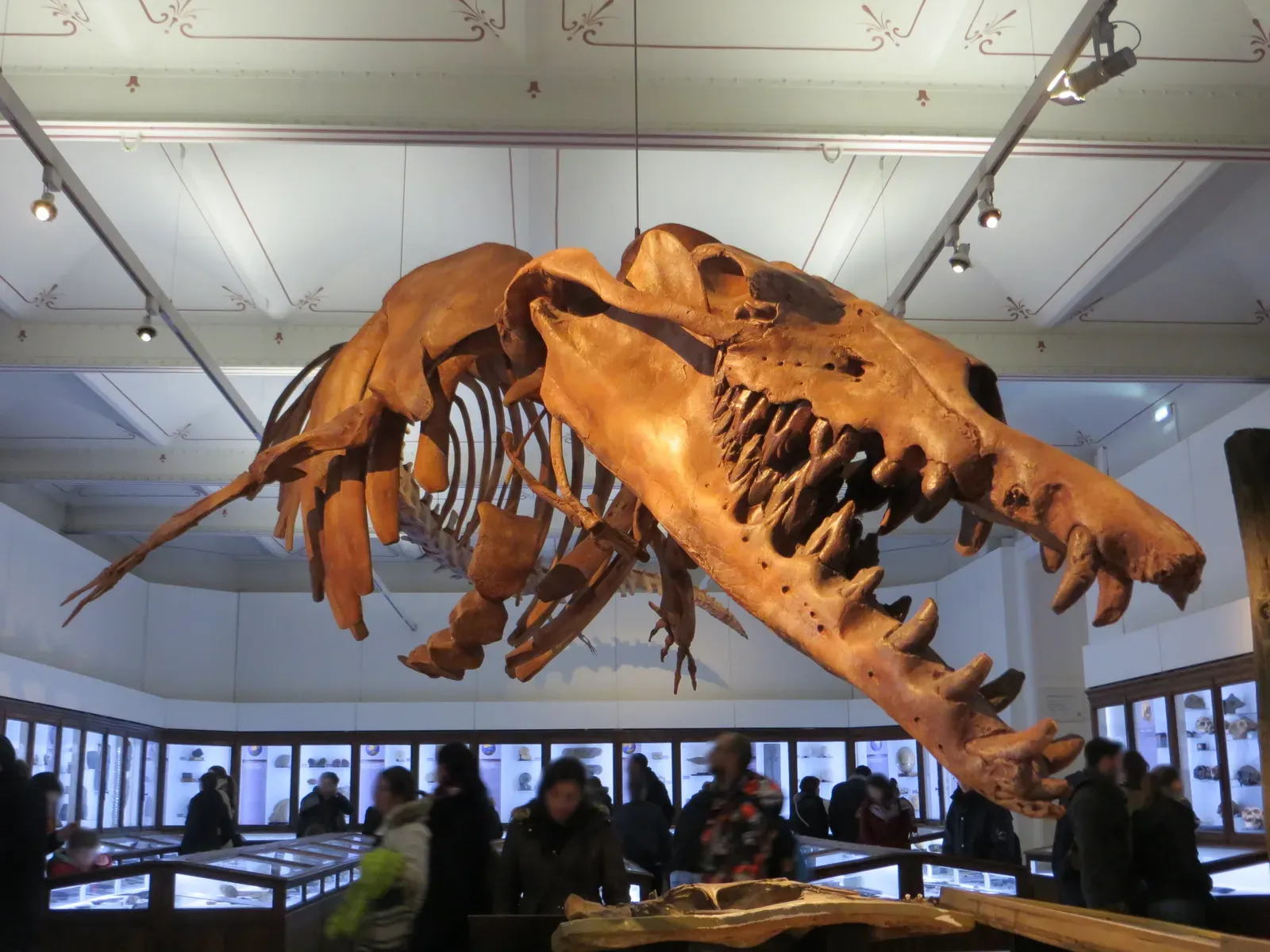
Basilosaurus means “king lizard,” a name given because its discoverer genuinely believed he’d found a giant marine reptile.
When fossils of this Eocene animal first surfaced, its long, snake-like body and elongated vertebrae convinced scientists they were looking at a massive prehistoric reptile, hence the misleading “saurus” suffix that technically shouldn’t apply to a mammal. It took further study to reveal Basilosaurus was actually an early whale – one so different from modern whales that it still carried tiny, functionless hind legs, a leftover from its four-legged land-mammal ancestors just a few million years earlier.
The existence of a whale with vestigial legs and an elongated, almost eel-like body remains one of evolutionary biology’s clearest transitional fossils. Most people don’t realize this “king lizard” is actually direct proof that whales evolved from walking, four-legged mammals, not from fish or reptiles as many assume. Even stranger is the giant fish that no one has ever found in one complete piece.
#6 – Leedsichthys: The Giant Fish Held Together by Fragments
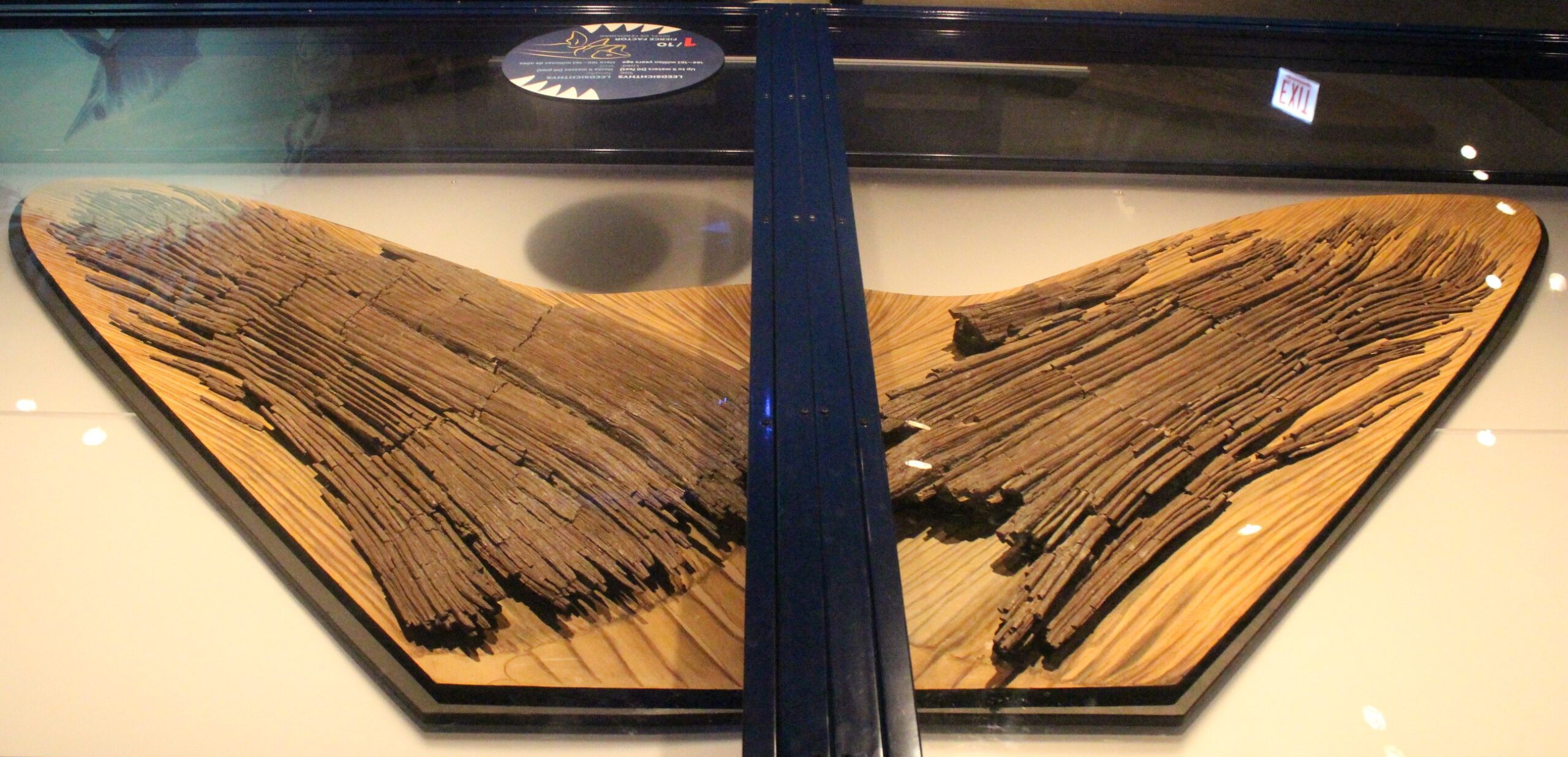
Leedsichthys may be the largest bony fish that ever lived, and scientists have never found a single complete skeleton of one.
This Jurassic filter-feeder is known almost entirely from scattered bone fragments – vertebrae, fin rays, and skull pieces recovered piecemeal over more than a century. Because complete specimens don’t exist, size estimates for Leedsichthys have swung wildly between different research teams, with some proposing lengths that would make it larger than most modern whale sharks and others arguing the fragmentary evidence has led to serious overestimation.
That level of uncertainty around one of the biggest fish in Earth’s history says a lot about the limits of paleontology. Experts still can’t agree on exactly how big this animal actually got, largely because soft, cartilage-supported skeletal structures rarely survive fossilization intact. Next up is the five-eyed predator that reportedly made a room full of scientists laugh out loud – right before it rewrote what they thought was possible.
#5 – Opabinia: The Five-Eyed Predator With a Backward Mouth
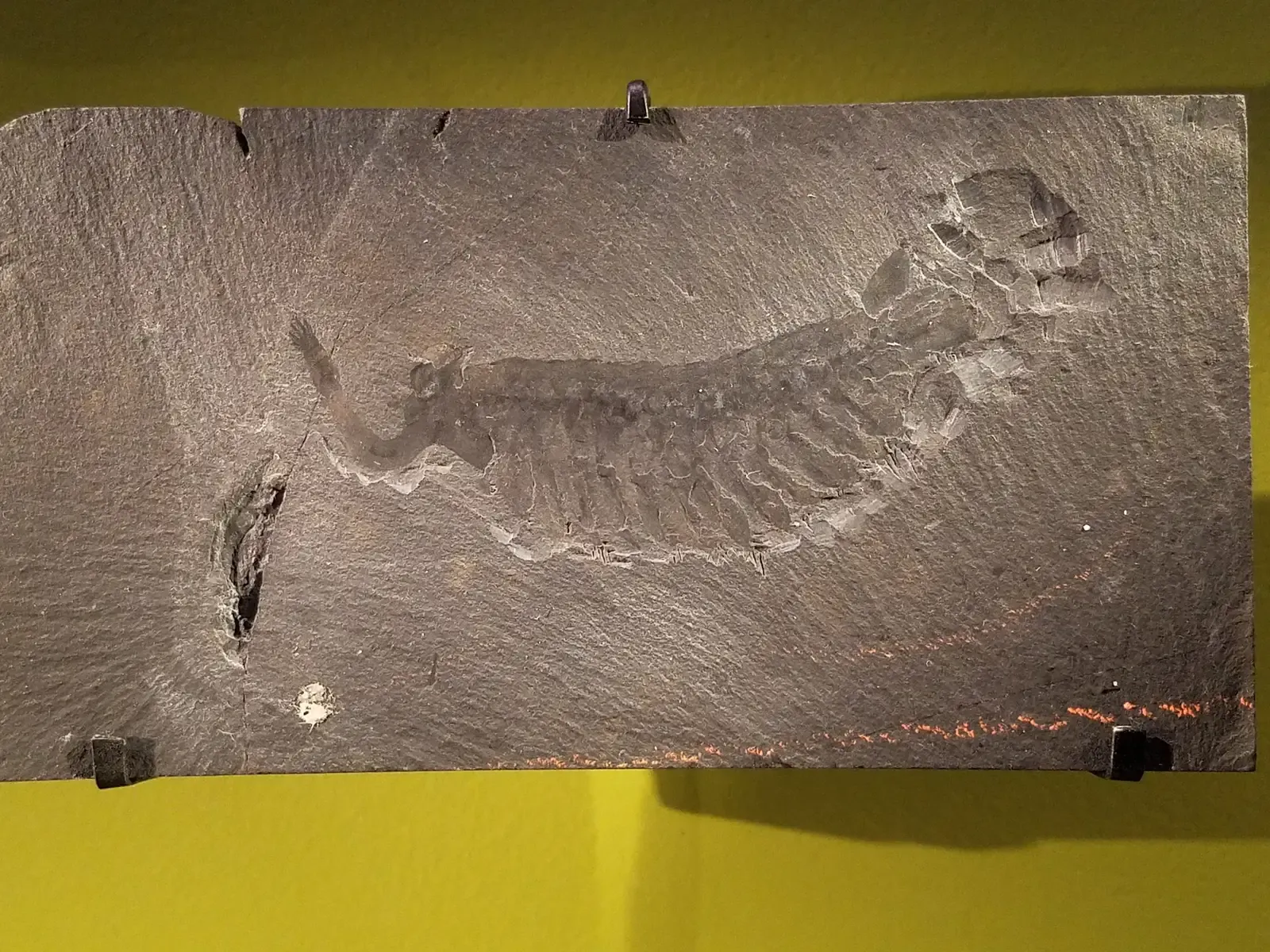
Opabinia had five eyes, a claw-tipped vacuum-hose face, and a mouth that faced the wrong direction entirely.
Recovered from the Burgess Shale, this small Cambrian animal measured only a few centimeters long, yet its anatomy is so alien that researchers initially couldn’t place it in any known group. Dorsally on its short head sat five eyes, thought to have been compound. Even stranger, its mouth sat under the head and faced backward, paired with a clawed proboscis that most likely passed food to that mouth.
When researchers first presented these findings at a scientific conference in the 1970s, the reconstruction reportedly drew laughter from the audience because it looked too strange to be real. That reaction has aged into scientific respect: with its five mushroom-shaped eyes, clawed proboscis, and unusual body, Opabinia is simply unlike any animal alive today. Some of the “jokes” in early paleontology conferences turned into legitimate evolutionary breakthroughs.
Why It Stands Out
- Had five eyes arranged across the top of its head, likely compound in structure
- Its mouth faced backward, tucked underneath rather than at the front of the head
- Used a clawed, hose-like proboscis to grab food and pass it to that mouth
- Its first public reconstruction reportedly drew laughter before being taken seriously
Next in line is the predator that ruled the seas before anything on Earth had a backbone.
#4 – Anomalocaris: The Apex Predator That Predated Bones by Millions of Years
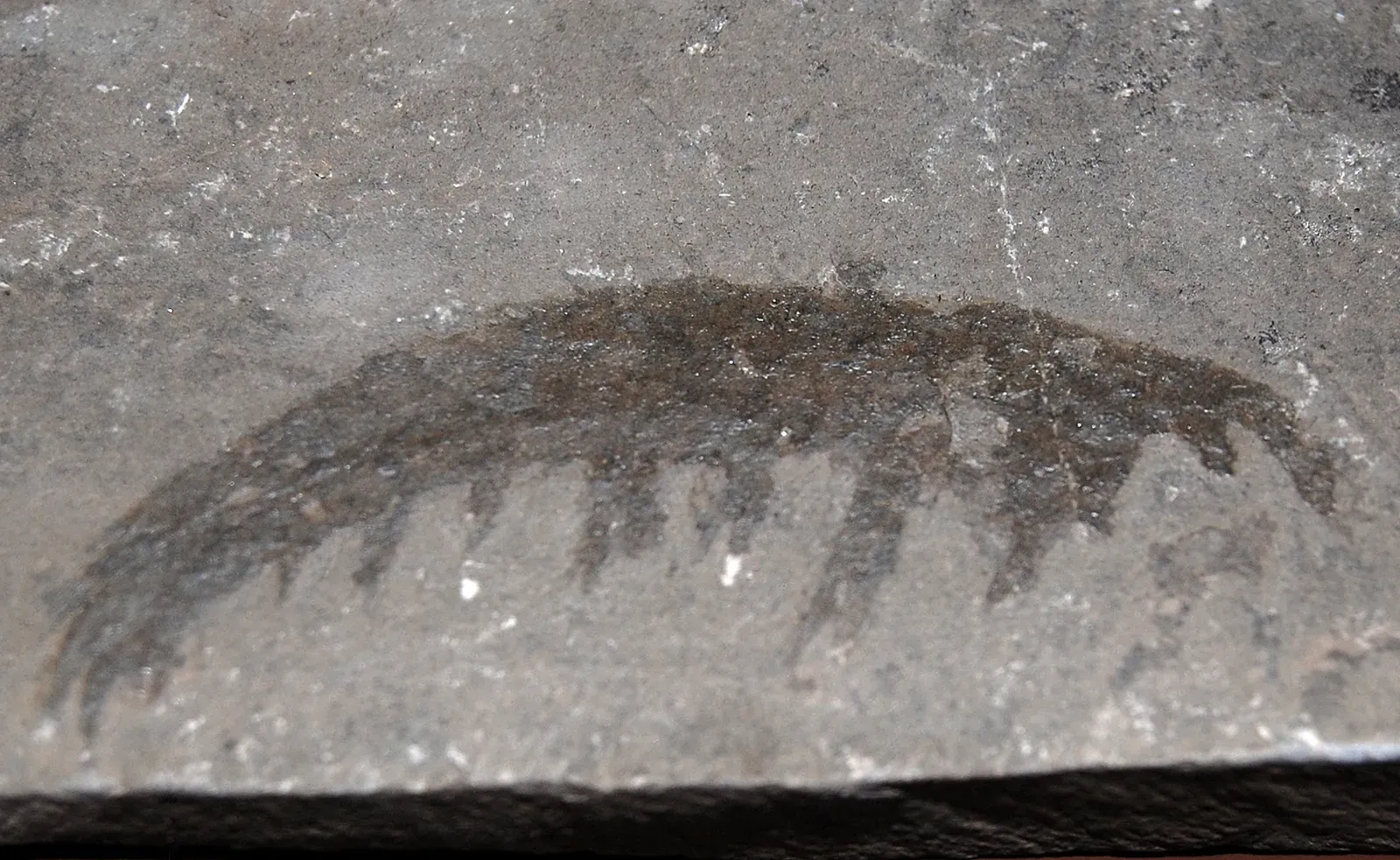
Long before any animal had a backbone, Anomalocaris was already the largest, most feared predator in the ocean.
This radiodont – a distant, extinct relative of modern arthropods – patrolled Cambrian seas using large compound eyes, swimming flaps running along its body, and a pair of spiny, grasping frontal appendages built for seizing prey. Both Anomalocaris and Opabinia possessed compound eyes, lateral swimming flaps, filamentous setal structures, and a tail fan, giving researchers a rare window into what apex predation looked like before vertebrates ever entered the competition.
What’s genuinely controversial is scale: for an ecosystem still dominated by inch-long trilobites and soft-bodied worms, an actively hunting predator of Anomalocaris’s size represented an evolutionary leap nothing in that environment was prepared for. Many researchers now argue the Cambrian Explosion wasn’t just about diversity – it was an early arms race that Anomalocaris was single-handedly winning. That’s still nothing next to an arthropod that was discovered from a single terrifying claw.
#3 – Jaekelopterus: The Arthropod That Outgrew Every Insect That Ever Lived
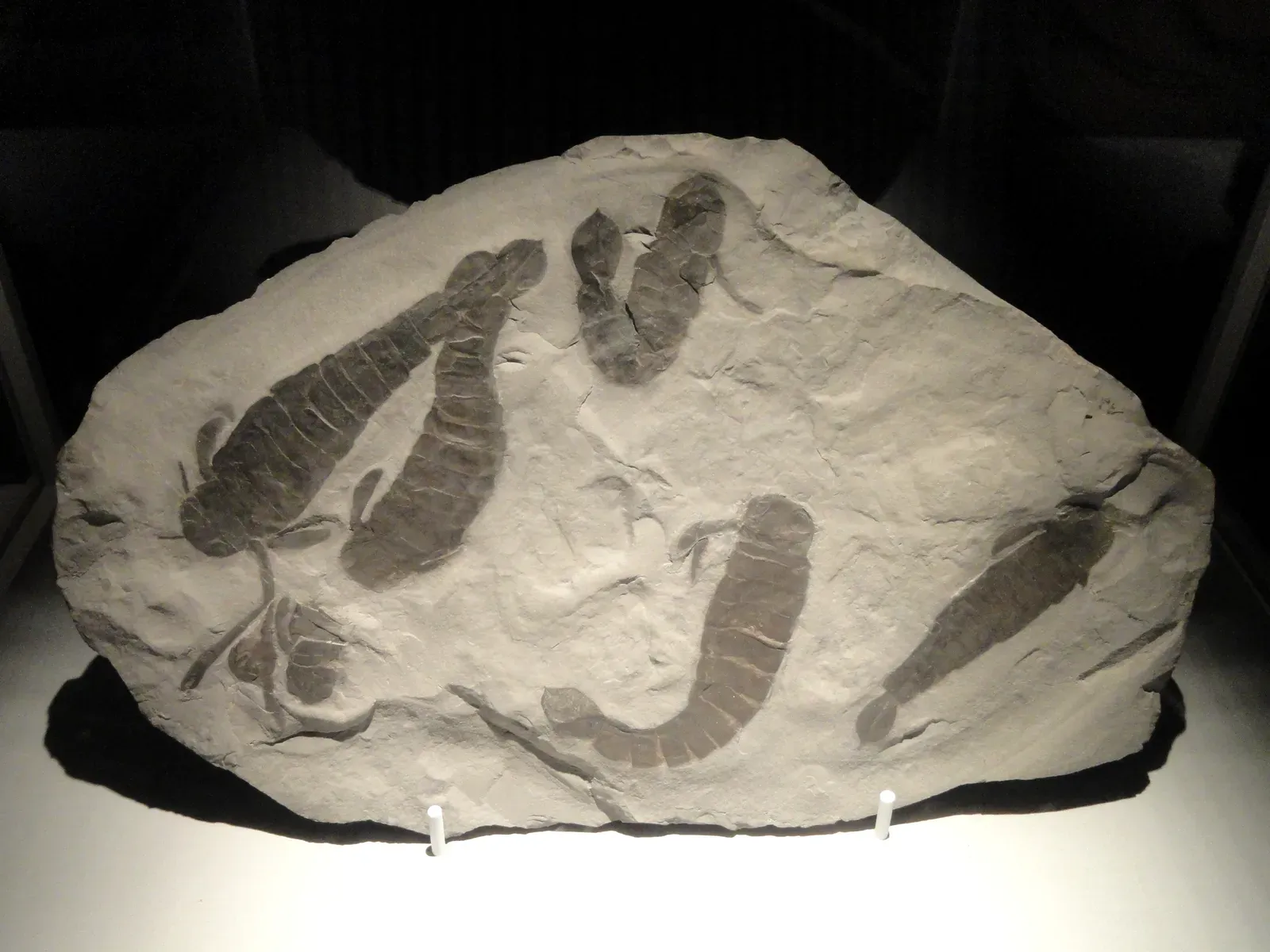
Jaekelopterus rhenaniae is the largest arthropod ever confirmed to have existed, and it was discovered from a single fossilized claw.
The scientific community was stunned in 2007 when researchers announced the discovery of a massive claw fossil belonging to Jaekelopterus rhenaniae, uncovered in the ancient deposits of the Rhineland in Germany. Based on the proportions of that claw, which measured roughly 18 inches alone, scientists estimated the complete animal reached lengths of up to 8.2 feet – longer than most adult humans are tall, and built entirely out of jointed exoskeleton rather than bone.
Despite the “sea scorpion” nickname, the animal likely lived and hunted in freshwater systems rather than in the open sea, and biomechanical research suggests Jaekelopterus rhenaniae exhibited unusually low stress across its claw structure, combined with an extremely large body size, suggesting it fed on larger and harder prey, including heavily armored fishes. Most people don’t realize an arthropod this size once hunted armored vertebrates as prey – a predator-prey dynamic that simply doesn’t exist anywhere in the modern insect or crustacean world.
Quick Compare
- Jaekelopterus rhenaniae: estimated at up to 8.2 feet long, identified from an 18-inch claw
- Japanese spider crab (largest living arthropod by leg span): legs can stretch up to roughly 12 feet, but the body itself is only a few inches across
- Modern lobsters: the biggest ever recorded reach only a few feet including their claws
- No living arthropod today hunts armored vertebrates the way Jaekelopterus reportedly did
Compared to what’s coming next, even that claw starts to look modest.
#2 – Livyatan Melvillei: The Whale Built to Hunt Other Whales
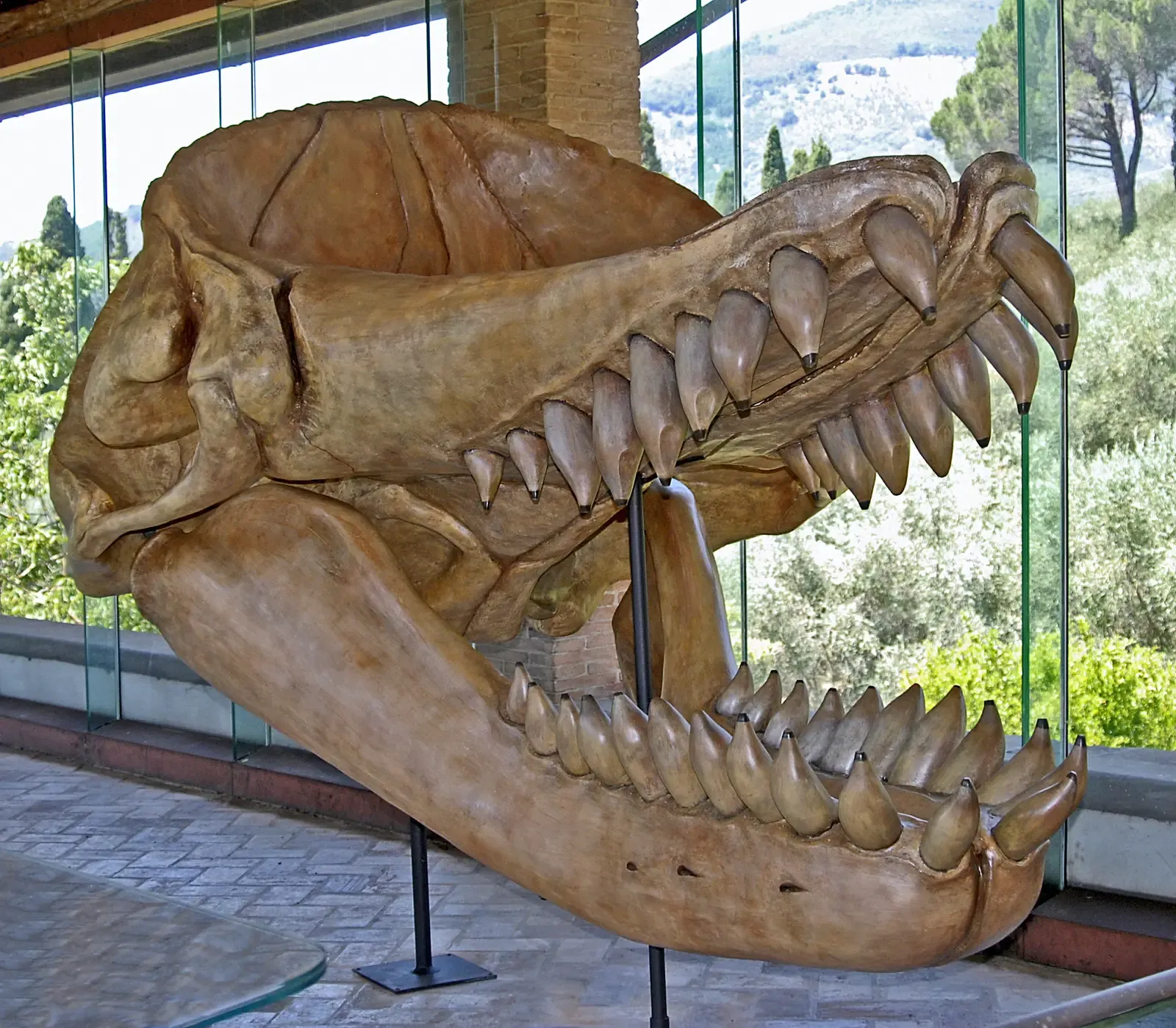
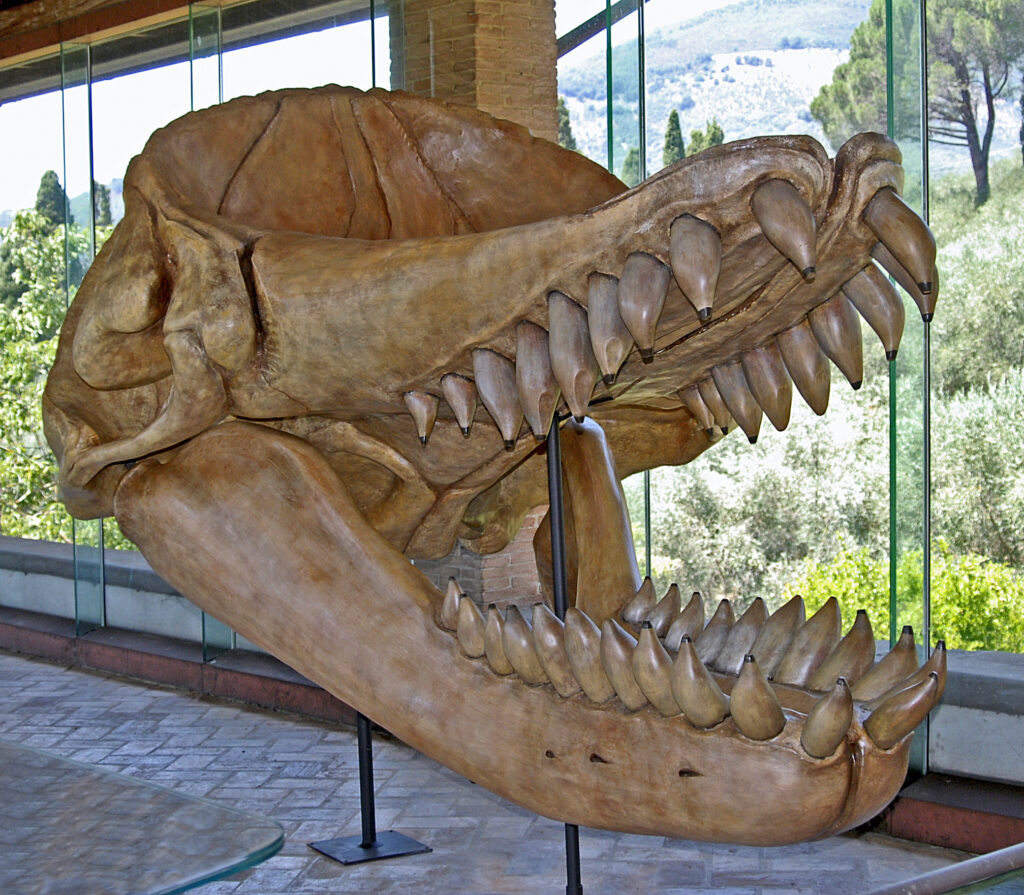
Livyatan melvillei had teeth longer and wider than a Tyrannosaurus rex, and it used them to hunt other whales.
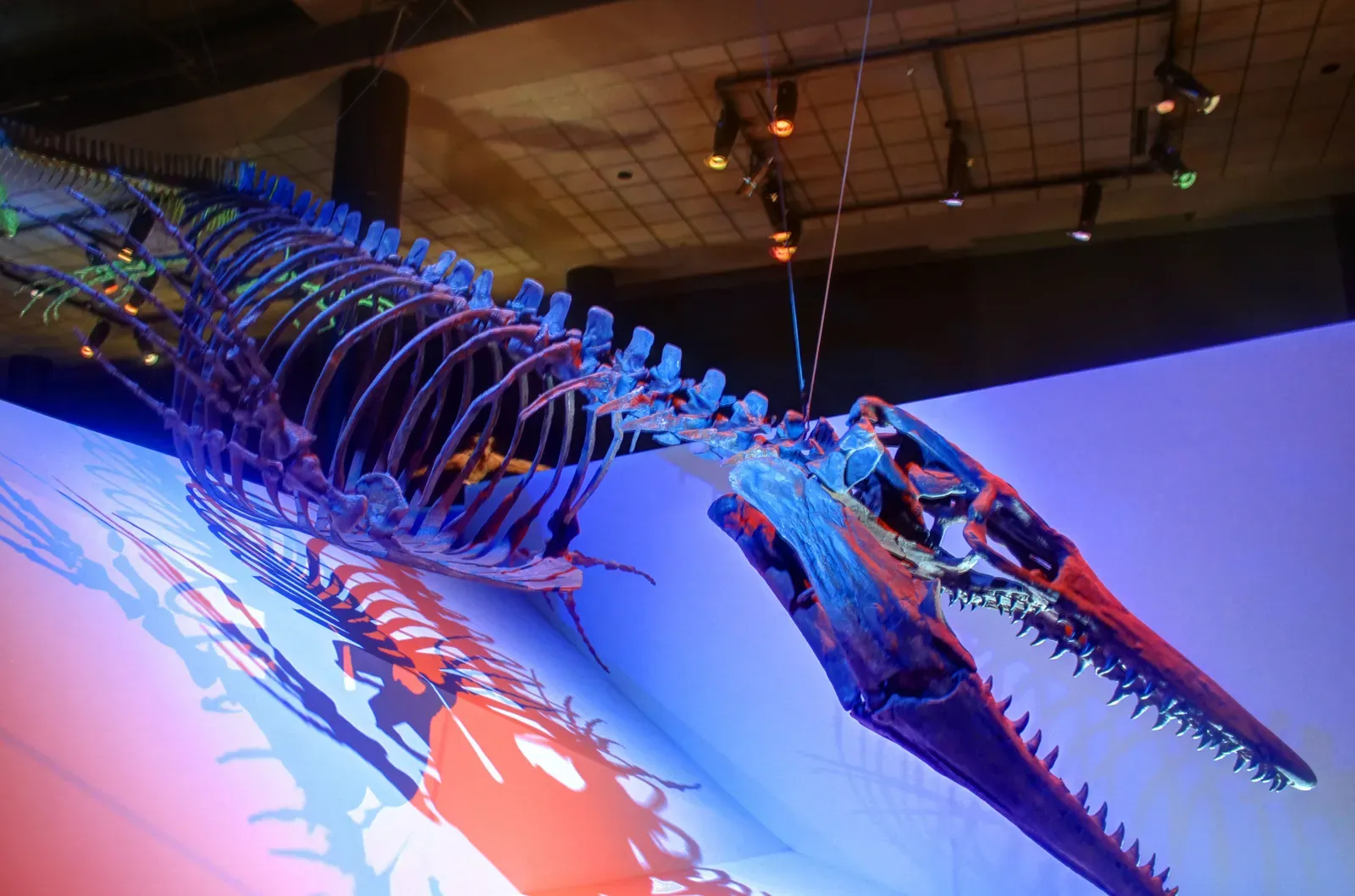
Unlike the modern sperm whale, which lost functional upper teeth in favor of suction feeding, Livyatan melvillei had functional teeth in both jaws, and researchers described the find as “the biggest tetrapod bite ever found.” Its teeth grew up to 12 centimeters in diameter and 36 centimeters in length, more than twice the length of those of Tyrannosaurus rex. That’s not a scaled-up modern predator – that’s an entirely different feeding strategy built for tearing into prey the size of small whales.
Fossil evidence suggests Livyatan preyed upon baleen whales measuring 23 to 33 feet long, along with seals, dolphins, sharks, turtles, and giant squid, and it likely hunted in pods to avoid or overpower other apex predators like Megalodon. Experts now consider Livyatan proof that the ocean once supported two simultaneous mega-predators competing for the same prey – a level of top-down predation pressure the modern ocean has never come close to replicating. Yet even Livyatan doesn’t quite prepare you for the shark whose mouth confused scientists for over a century.
#1 – Helicoprion: The Shark With a Circular Saw for a Mouth
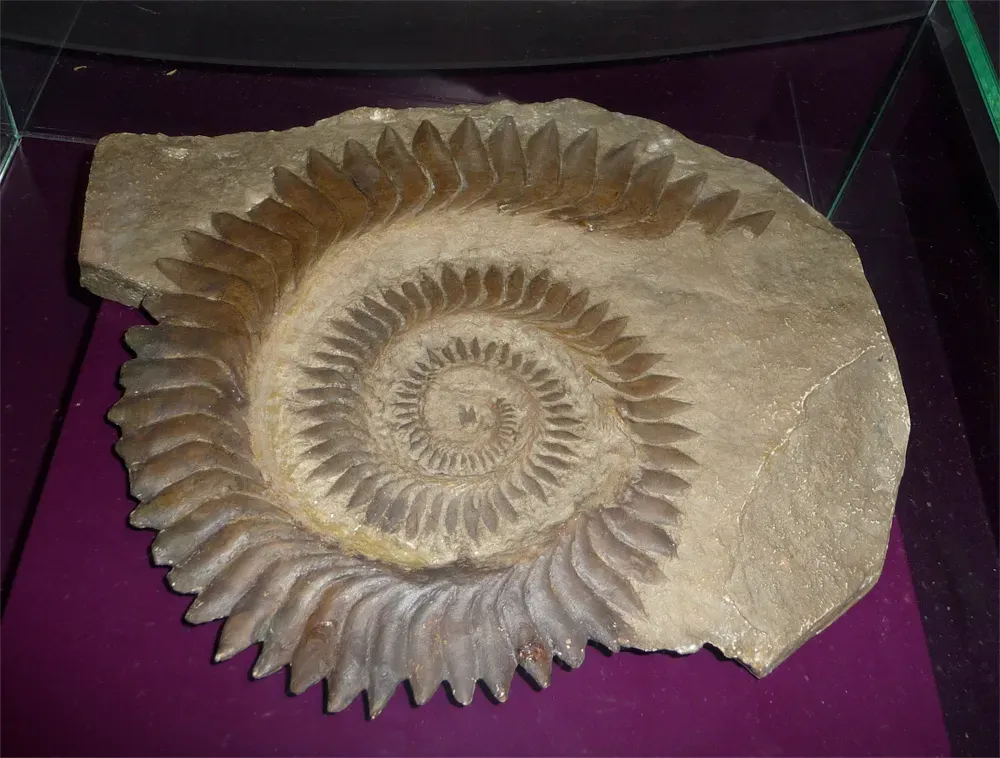
For over a century, scientists genuinely could not figure out where Helicoprion’s teeth were even attached to its body.
Helicoprion inhabited the seas approximately 290 to 225 million years ago during the Permian-Triassic period, but nearly everything found of this animal was a spiral of continually replaced teeth embedded in cartilage, which was consistently preserved while the rest of the body was not. Early researchers guessed the tooth whorl curled off the snout, dangled from the upper jaw, or even sat like a bizarre dorsal fin ornament – reconstructions that ranged from plausible to nightmarish to simply wrong.
It wasn’t until CT scans of a fossil finally allowed researchers to put the pieces together in 2013 that the mystery resolved: the whorl could only fit into the creature’s mouth if it took up the entire lower jaw, growing continuously in a spiral, curling under itself like a conveyor belt of teeth. Even its extinction fits the pattern of an animal too specialized to survive: the primary factors were the extreme specialization of its feeding mechanism and its gigantism, a system extremely tuned for preying on soft-bodied cephalopods that demanded enormous energy to maintain. The ocean’s most famous “impossible” predator was ultimately a victim of its own bizarre perfection.
The Bottom Line
The fossil record doesn’t tell a clean story of steady improvement – it tells a story of wild, repeated experimentation, most of which ended in extinction. Sharks with saw-blade jaws, arthropods bigger than humans, and whales built to hunt other whales all prove the same point: evolution doesn’t aim for “sensible,” it aims for whatever works right now.
Frankly, the idea that modern oceans represent some kind of biological peak is nonsense. If anything, today’s marine life looks tame compared to what used to swim these same waters. Which one of these fourteen creatures do you think deserves a comeback if science ever finds a way? Drop your pick in the comments.