Most people assume prehistory is a closed book – dusty bones in museum cases, fully decoded and filed away. It isn’t. Even with satellite imaging, DNA sequencing, and AI-assisted dating, researchers are still stuck on questions that reach back tens of thousands, sometimes hundreds of thousands, of years. Skeletons that shouldn’t exist. Caves carved with impossible precision. Extinctions with no agreed-upon killer.
The deeper scientists dig, the more contradictions surface, and some of the biggest names in paleontology and genetics openly disagree with each other in peer-reviewed journals. Here’s what the actual researchers – the ones publishing in Nature and Science, not documentary narrators – admit they still can’t explain, starting with a frozen catastrophe that’s split the entire field in half.
#16 – The Comet That May (or May Not) Have Frozen the Ice Age World

Roughly 12,900 years ago, the planet plunged into a sudden deep freeze – and scientists still can’t agree on why.
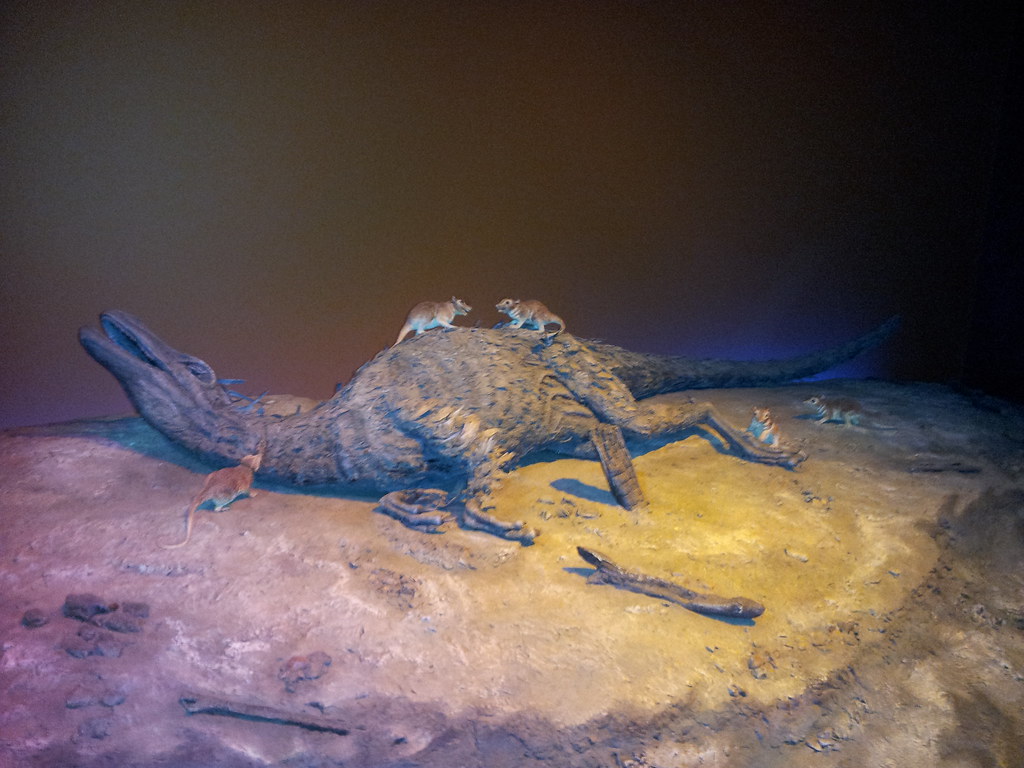
The Younger Dryas Impact Hypothesis claims a comet or swarm of fragments struck Earth, triggering a catastrophic “impact winter” that supposedly wiped out megafauna and stalled the Clovis culture. Supporters point to nanodiamonds, melted minerals, and burn layers in sediment cores as proof. In 2025, researchers analyzing sediment from the ocean floor in Baffin Bay produced what they called the first evidence sourced directly from ocean cores that a comet impact could have triggered abrupt cooling during the Younger Dryas.
But critics aren’t buying it. A comprehensive 2023 review argued that despite YDIH proponents’ claims the impact triggered biomass burning and megafaunal extinctions, no comprehensive, self-consistent statement describing the hypothesis actually exists. No crater has ever been found. Skeptics call it “a failed hypothesis” outright – but the fight over a frozen catastrophe is nothing compared to what’s happening inside a South African cave right now.
#15 – Did a Tiny-Brained Human Bury Its Dead in a Pitch-Black Cave?
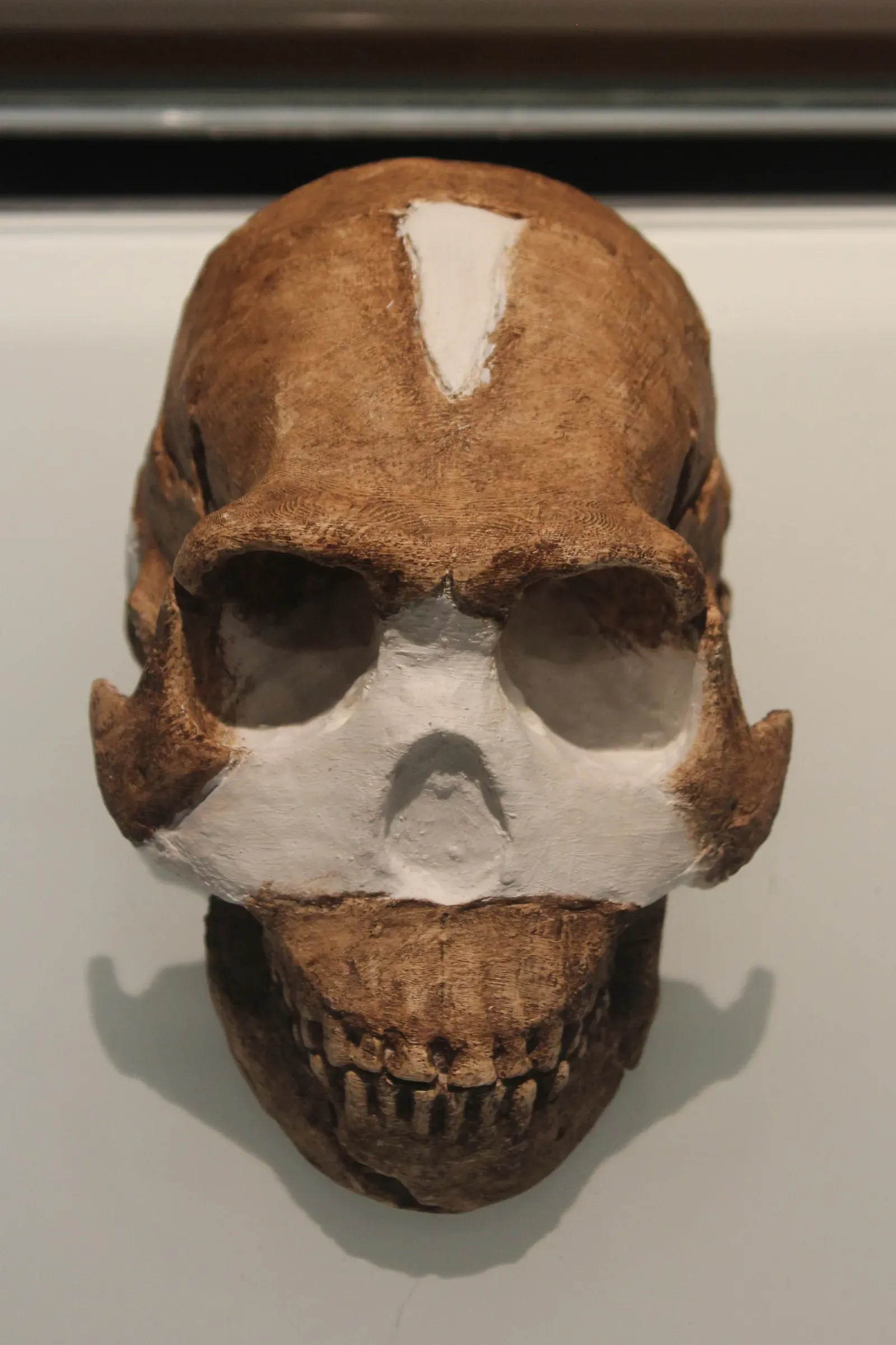
Deep inside South Africa’s Rising Star Cave system sits a controversy that’s split paleoanthropology in two.
Homo naledi, a hominin with a brain roughly a third the size of ours, may have deliberately carried bodies through a vertical chute barely wide enough for a human shoulder and buried them in pits. Researchers discovered what is possibly the oldest known evidence of deliberate burial by a non-human species of early hominin, and speculate these distant relatives may have practiced cultural mortuary activity before modern humans or Neanderthals. If true, it rewrites everything about when symbolic thought began.
The catch: a rival team of experts says the “graves” aren’t graves at all. A peer-reviewed critique concluded not one of the burials provides compelling evidence of a deliberately excavated pit, and the shallow cavities may just be natural depressions disturbed by trampling or partial cave collapse. Even the supposed rock art engravings remain undated. Nobody agrees – and that’s exactly what makes it fascinating.
#14 – Nobody Knows What Our Mystery Cousins Actually Looked Like
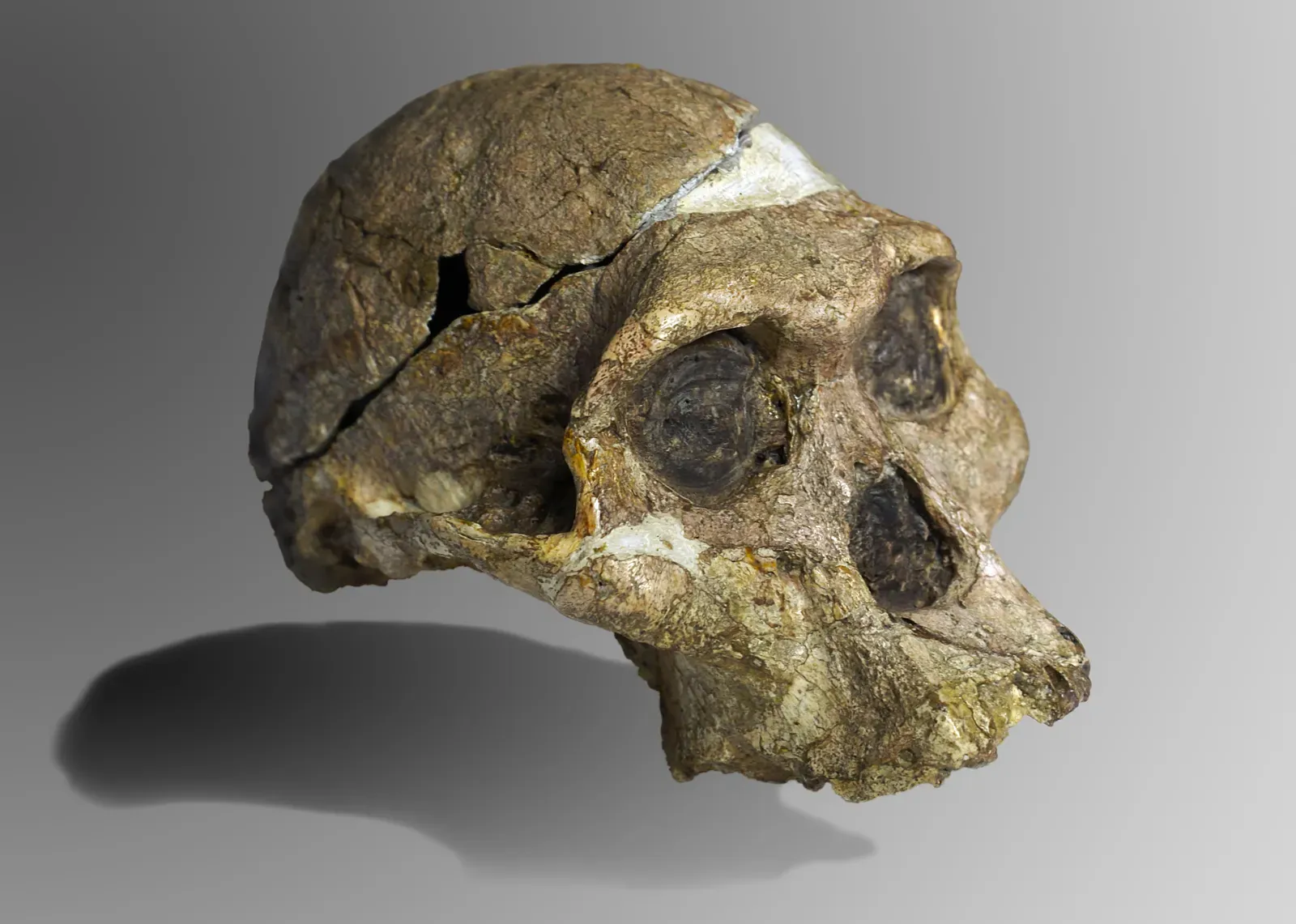
For fifteen years, an entire branch of the human family tree existed only as fragments of bone and strands of DNA.
The Denisovans were identified in 2010 from a single finger bone in a Siberian cave, yet they remain the least-known and most mysterious of our ancestors, with evidence limited to a child’s finger bone and a couple of teeth. Millions of people alive today carry Denisovan DNA, especially in Papua New Guinea, Australia, and parts of Asia – yet until recently, nobody had a face to put with the genome.
That finally started changing. Scientists tied a long-debated fossil known as “Dragon Man,” discovered in China and estimated at about 146,000 years old, to the Denisovans after extracting genetic material from dental calculus in 2025. Even so, researchers still don’t know how many distinct Denisovan populations existed or why they vanished. Figuring out what they looked like is one puzzle. Figuring out why their cousins across Europe vanished entirely is an even bigger fight.
#13 – Scientists Keep Killing Off the Leading Theory for Neanderthal Extinction
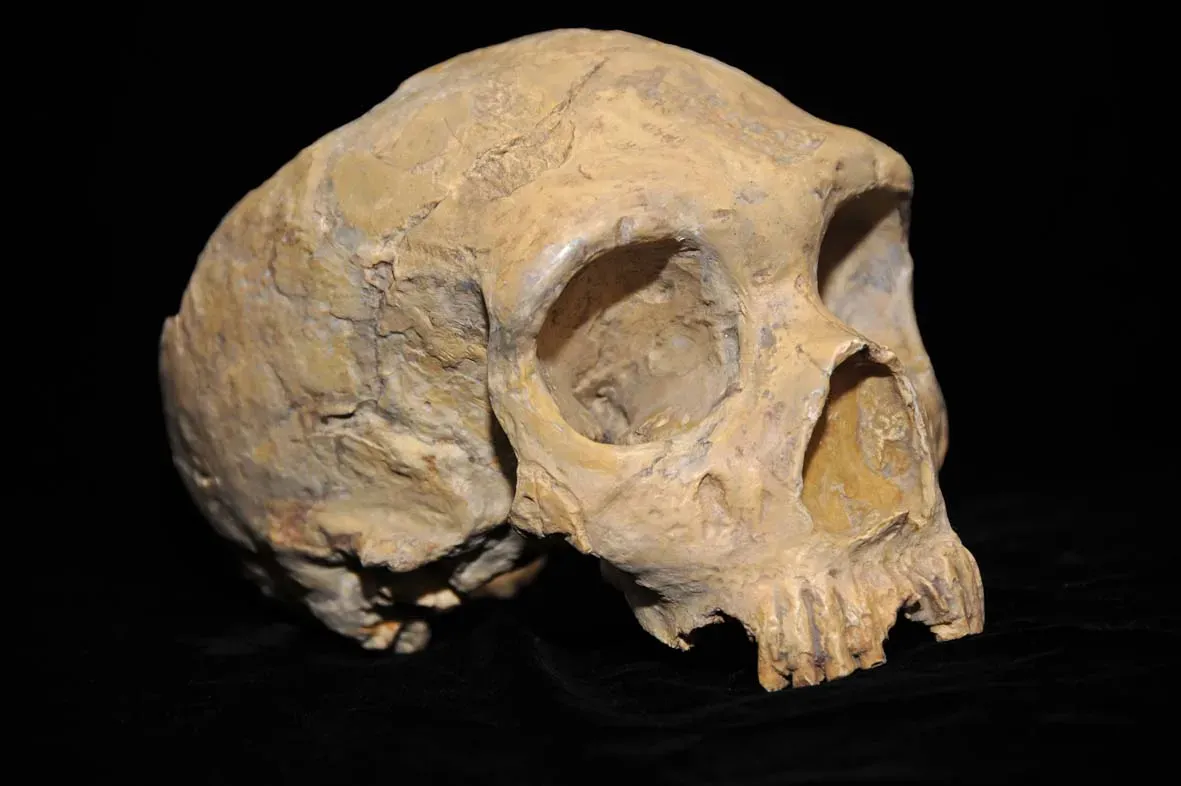
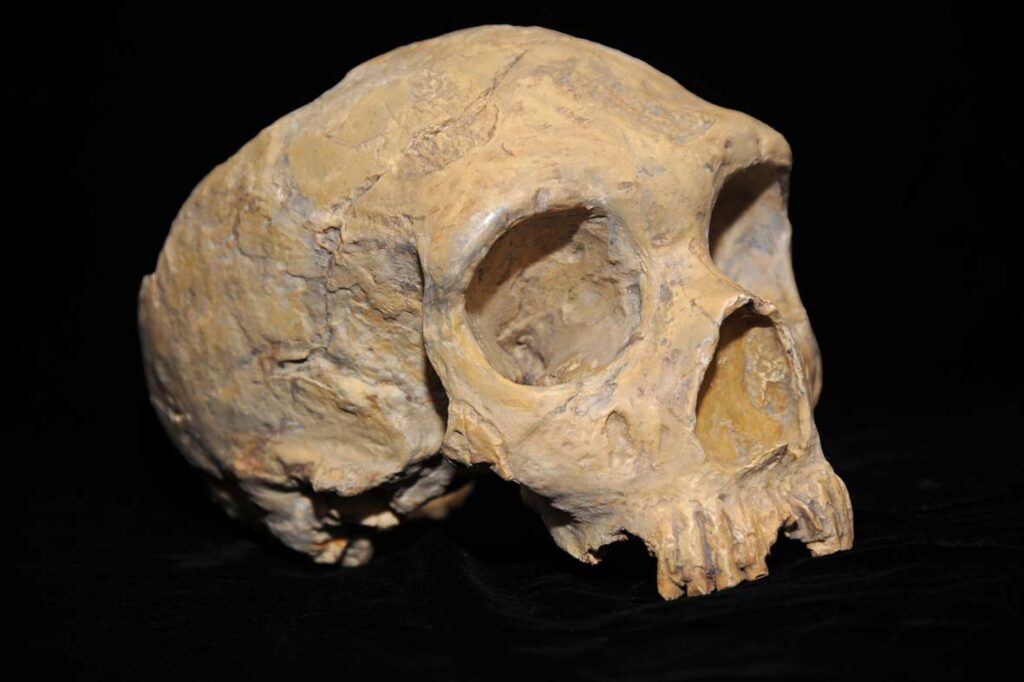
Every few years, a new study claims to have “finally solved” why Neanderthals disappeared roughly 40,000 years ago – and every few years, another study tears it apart.
Inbreeding and genetic collapse used to be the favorite explanation. Then geneticists re-examined 27 Neanderthal genomes from Belgium and France and found “the genomes show no evidence of increasing genetic load or reduced diversity over time, providing little support for the hypothesis that genetic deterioration was the main cause of Neanderthal extinction.” Climate collapse got ruled out too, with one EU-funded study concluding climate change wasn’t the primary driver either.
Quick Compare
- Inbreeding/genetic collapse: Largely ruled out – 27 genomes showed no rising genetic load over time.
- Climate change: An EU-funded study found little evidence it was the primary driver.
- Cosmic radiation (Laschamp event): A 2025 paper links a 41,000-year-old magnetic pole shift to the extinction, though even its author calls it unlikely.
- Absorption theory: Some researchers argue Neanderthals didn’t vanish – they were folded into the modern human gene pool.
The wildest theory yet: cosmic radiation. A 2025 space physics paper proposed that a magnetic pole shift called the Laschamp event, 41,000 years ago, exposed Neanderthals to dangerous solar radiation – though even its own author admits the answer to whether the magnetic reversal wiped out Neanderthals is “probably not.” Some researchers now argue Neanderthals never truly vanished – we simply absorbed them.
#12 – Nobody Can Agree What Göbekli Tepe Was Actually For
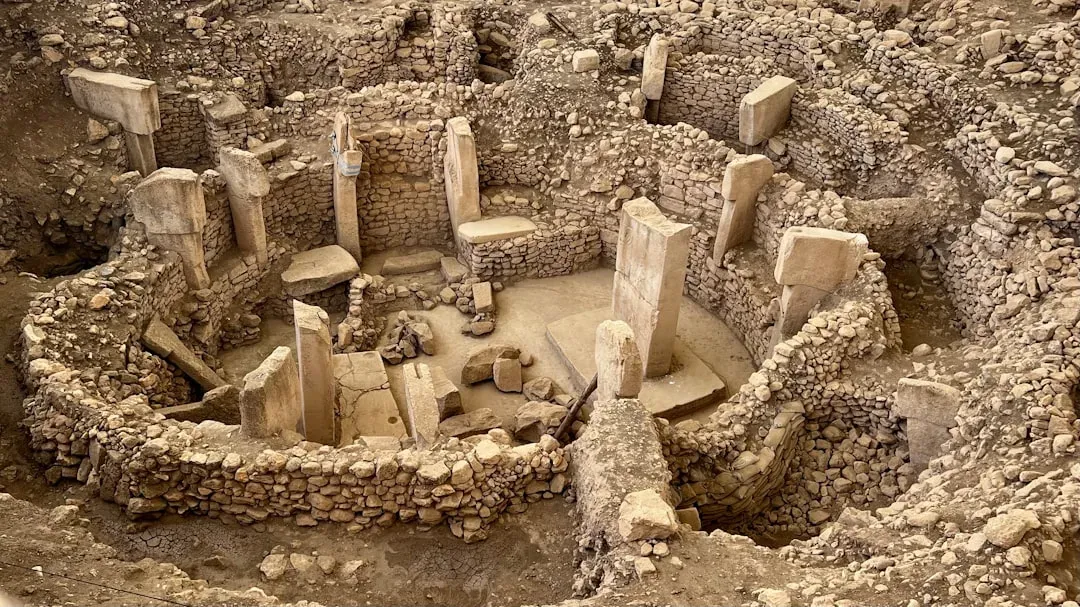
In southeastern Turkey sits a ring of massive carved stone pillars older than Stonehenge, older than the pyramids, older than writing itself – and archaeologists are still arguing about why it was built.
The dominant theory calls it the world’s oldest temple, a ritual gathering site built by hunter-gatherers thousands of years before agriculture supposedly made large-scale cooperation possible. That alone flips the old assumption that farming came first and religion came second. Some researchers now suspect the site’s need for organized labor may have helped trigger the shift to farming, not the other way around.
Other archaeologists push back hard, arguing the T-shaped pillars could represent ancestor worship, astronomical tracking, or communal feasting halls with no religious function at all. The carved animals – vultures, scorpions, snakes – have inspired everything from mainstream symbolic interpretations to fringe claims about comet memorials. Without written records from the builders, every theory remains exactly that: a theory.
#11 – The Caves So Precisely Carved, Nobody Knows Who Made Them

China’s Longyou Caves look less like ancient excavations and more like something cut by machinery – perfectly parallel chisel marks, uniform pillars, smooth curved ceilings spread across two dozen underground chambers.
No historical record mentions their construction. No tools have ever been found nearby. No ancient text references them at all, despite the caverns clearly requiring an enormous, coordinated workforce and staggering engineering precision for their era. Estimates for their origin span a wide window, and even the intended purpose – quarry, temple, shelter, tomb – remains guesswork.
The strangest detail: the chisel-mark spacing is almost perfectly consistent across every single cave, suggesting either an extraordinarily disciplined labor system or techniques that still aren’t fully understood. Local legend offers no clear answers either. Every excavation raises more questions than it resolves, and without dateable organic material at the original construction layer, researchers are stuck estimating rather than proving anything.
#10 – Humans May Have Reached the Americas Thousands of Years Earlier Than Textbooks Say
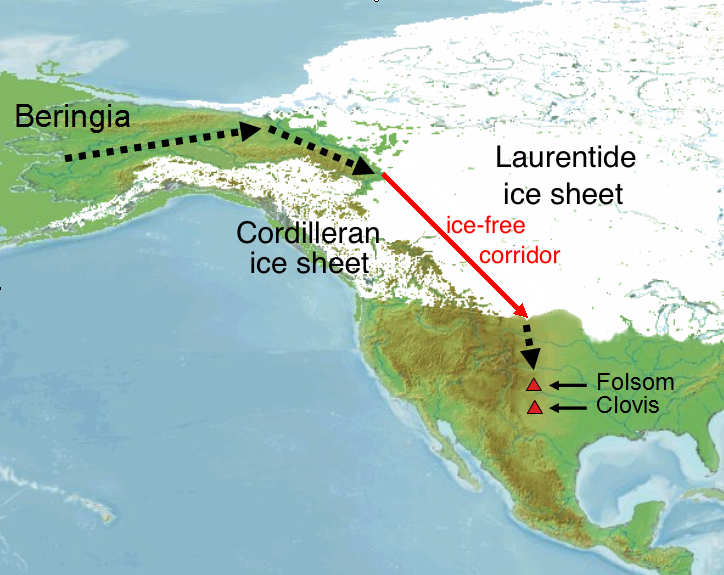
For decades, the “Clovis First” model taught that humans crossed into the Americas around 13,000 years ago via a land bridge from Siberia. That model is now falling apart.
Footprints, stone tools, and butchered bones at sites across North and South America have produced dates stretching back 20,000 years or more – long before the ice-free corridor textbooks describe would have even existed. If accurate, it means people were living in the Americas during the depths of the last glacial maximum, using routes nobody has fully mapped.
The pushback is fierce. Critics question dating methods, site disturbance, and whether certain “tools” are genuinely human-made or just naturally fractured rock. Every new pre-Clovis claim triggers a fresh round of peer-reviewed skepticism. Nobody disputes that humans eventually filled the continents – the argument is entirely about when the first footprints landed, and by which route.
#9 – What Actually Killed Off the Ice Age Giants?
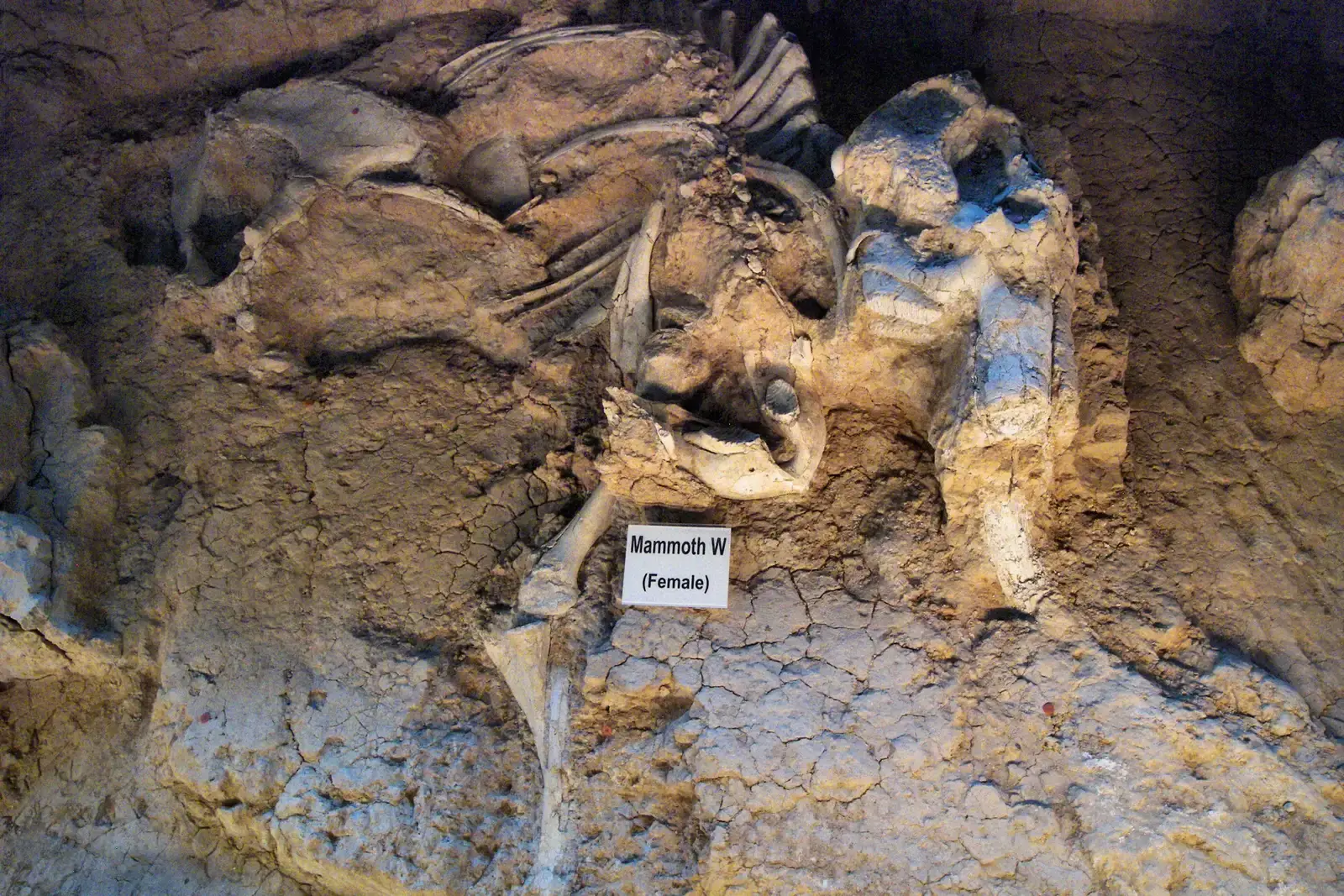
Mammoths, giant sloths, saber-toothed cats, and dozens of other massive Ice Age species vanished within a few thousand years of each other – and researchers still can’t settle on a single cause.
The “overkill hypothesis” blames newly arrived human hunters, pointing to kill sites with stone points embedded in mammoth bones. The climate camp blames the rapid warming (and the Younger Dryas cooling snap) that reshaped habitats faster than giant, slow-breeding animals could adapt. A third camp blames a combination – humans finishing off populations already stressed by shrinking grasslands.
Fast Facts
- Dozens of Ice Age giant species disappeared within a few thousand years of each other.
- Stone points found embedded in mammoth bones support the “overkill” theory.
- Australia’s megafauna died out before large-scale human arrival in some regions.
- North American extinctions cluster near both human arrival and abrupt climate shifts.
The uncomfortable truth: different continents seem to have different answers. Australia’s megafauna died out well before humans arrived in large numbers in some regions, weakening the pure overkill argument there, while North American extinctions cluster suspiciously close to both human arrival and climate shifts. No universal culprit has ever been agreed upon, and each new fossil dig reignites the same argument from scratch.
#8 – Nobody Knows Why Ice Age Humans Carved Thousands of Naked Female Figurines
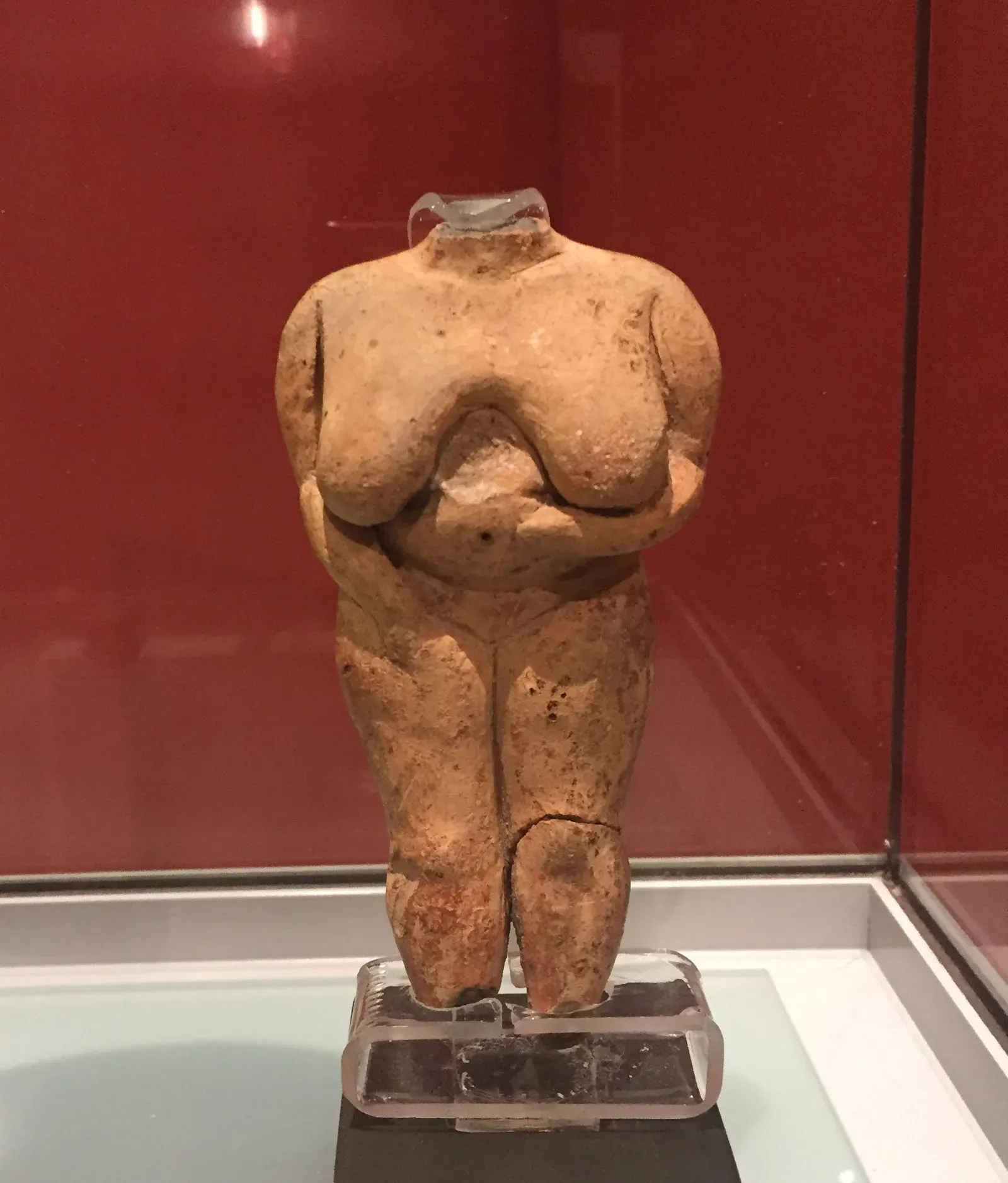
Across Europe, from France to Siberia, archaeologists have unearthed small carved statuettes of women with exaggerated hips, bellies, and breasts, dating back over 20,000 years – and their purpose remains a complete mystery.
Fertility symbols was the original go-to theory, assuming the figures represented goddesses or childbirth rituals. But the sheer geographic spread and stylistic consistency across thousands of miles has convinced many researchers that explanation is too simple. Some now argue the figurines were self-portraits – carved by women looking down at their own bodies, which would explain the foreshortened proportions.
Other theories are far stranger: status symbols, teaching tools for childbirth, or even prehistoric “beauty standards” tied to survival in brutal climates. No inscriptions, no accompanying artwork, and no burial context clearly explain their function. With the original carvers leaving zero written explanation, every interpretation remains a projection of modern assumptions onto Ice Age minds.
#7 – Why Did Ice Age Painters Climb Into the Darkest, Most Dangerous Parts of Caves?
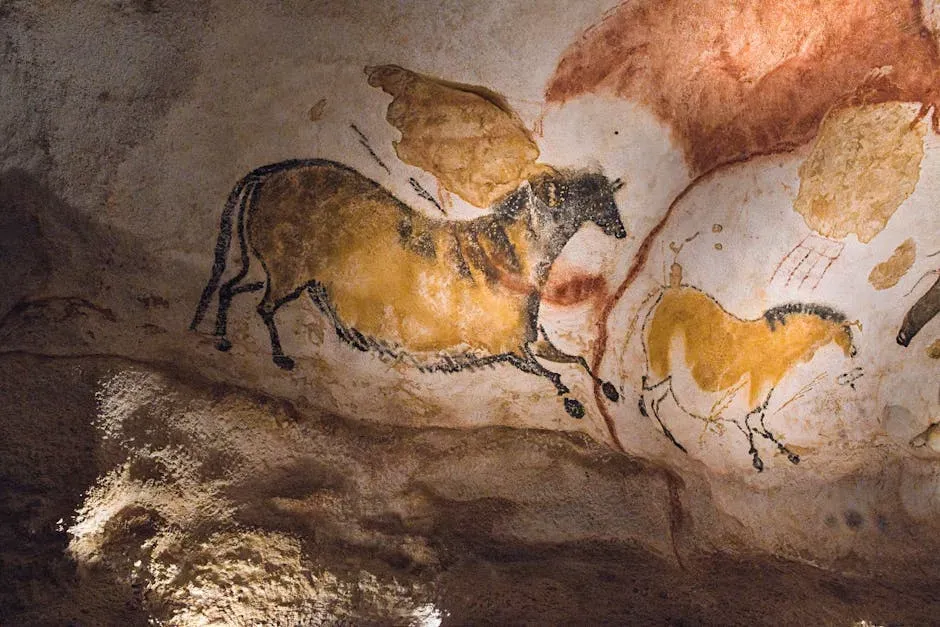
The painted animals inside Chauvet and Lascaux caves in France are breathtaking – but the location of the art is the real mystery. Painters didn’t decorate cave entrances where light and living space existed. They crawled deep into pitch-black, hard-to-reach chambers to paint.
Some researchers argue this points to shamanic ritual, with the caves serving as portals to a spirit world accessed only by specially trained individuals. Others suggest the deep chambers created natural acoustics ideal for ceremonies, meaning the art might be tied to sound and chanting as much as imagery. Neither theory can be tested, since no one alive remembers the ritual.
A third camp argues it’s simpler: the deep chambers preserved the art from weather and animals, meaning survival bias – not sacred intent – explains what we see today. Every explanation is plausible. None can be confirmed, since the artists left behind no accompanying explanation of intent.
#6 – The Three-Foot-Tall “Hobbit” That Shouldn’t Have Existed
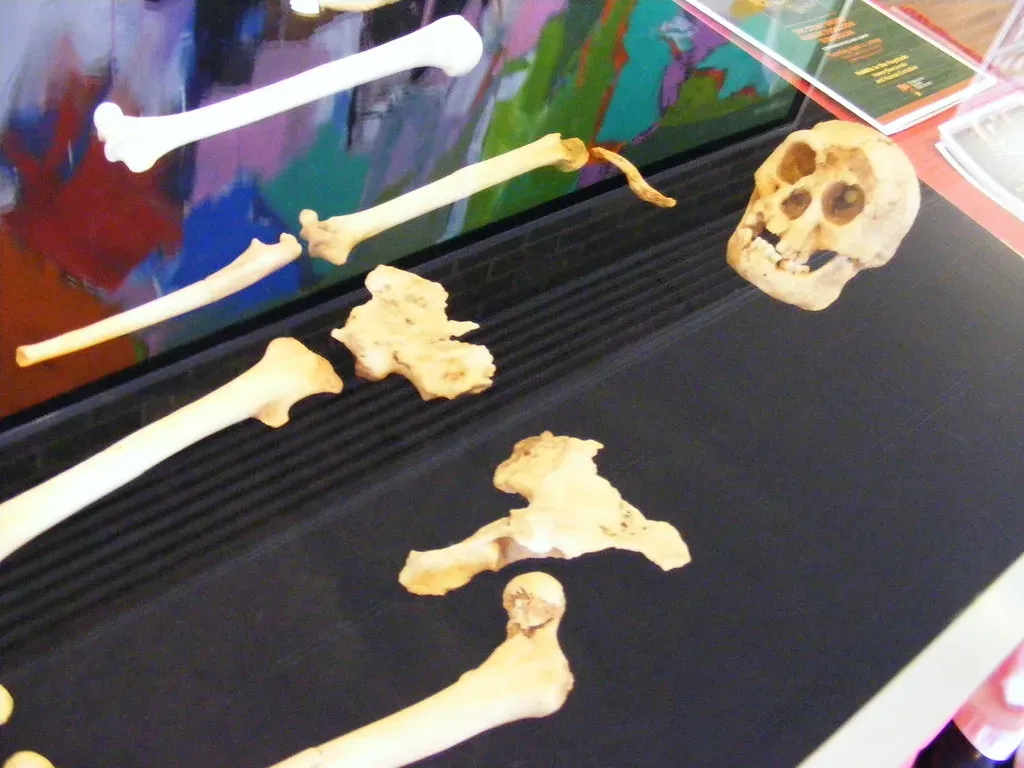
On the Indonesian island of Flores, researchers unearthed the remains of Homo floresiensis – a tiny human relative standing barely over three feet tall, with a brain roughly the size of a chimpanzee’s, yet apparently capable of making stone tools and hunting.
The dominant theory is island dwarfism, where isolated populations shrink over generations due to limited food and no large predators. But the timeline is the real headache: some estimates place these “Hobbits” surviving until remarkably recently in evolutionary terms, meaning they may have briefly overlapped with modern humans arriving in the region.
Worth Knowing
- Adult Homo floresiensis stood barely over three feet tall.
- Their brain was roughly the size of a chimpanzee’s, yet they made stone tools.
- Some estimates suggest they survived until surprisingly recently, possibly overlapping modern humans.
- Local Flores legends describe small, forest-dwelling people passed down for generations.
Nobody knows why they went extinct, or whether local legends of small forest people passed down for generations have any connection to a real, lingering population. Volcanic eruption is one candidate. Competition with modern humans is another. With only a partial skeleton and scattered fragments to work from, every theory about the Hobbit’s disappearance remains circumstantial.
#5 – Did a Supervolcano Almost Wipe Out Every Human on Earth?
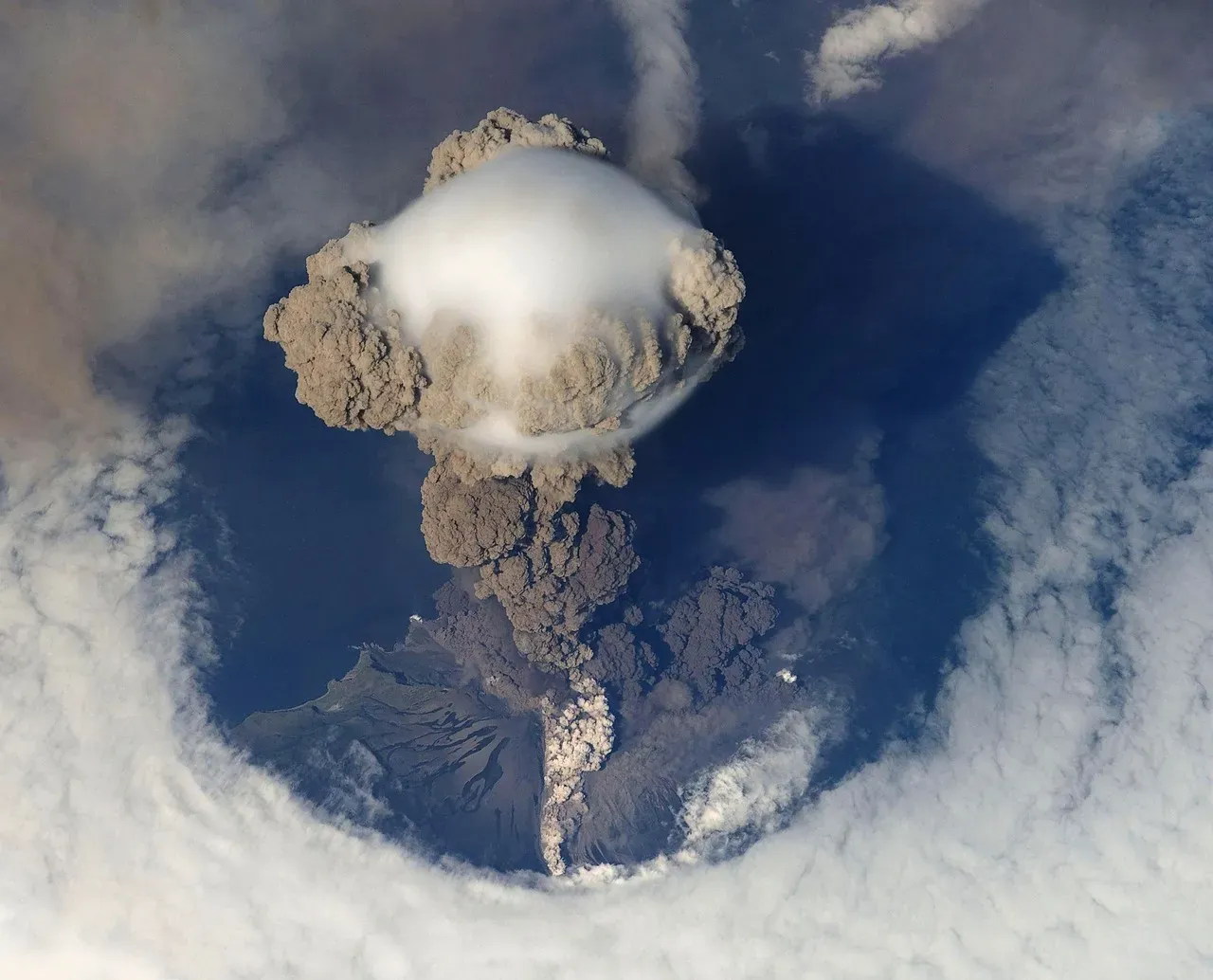
Around 74,000 years ago, the Toba supervolcano in Indonesia erupted with a force so massive it may have blanketed the planet in ash and triggered a volcanic winter lasting years.
Some geneticists argue this eruption nearly ended the human species, pointing to genetic evidence suggesting our ancestors passed through an extreme population bottleneck around that time – potentially dropping to just a few thousand breeding individuals. If accurate, every person alive today would descend from a tiny group of survivors who somehow endured a global catastrophe.
The controversy: not everyone agrees the bottleneck and the eruption are even connected. Archaeological sites in India and South Africa show human populations apparently continuing largely uninterrupted right through the ash layer, undermining the doomsday narrative. Genetic dating methods used to estimate the bottleneck’s timing also carry wide margins of error. Whether Toba nearly ended humanity, or barely inconvenienced it, remains genuinely unresolved.
#4 – The “Pit of Bones” Nobody Can Fully Explain
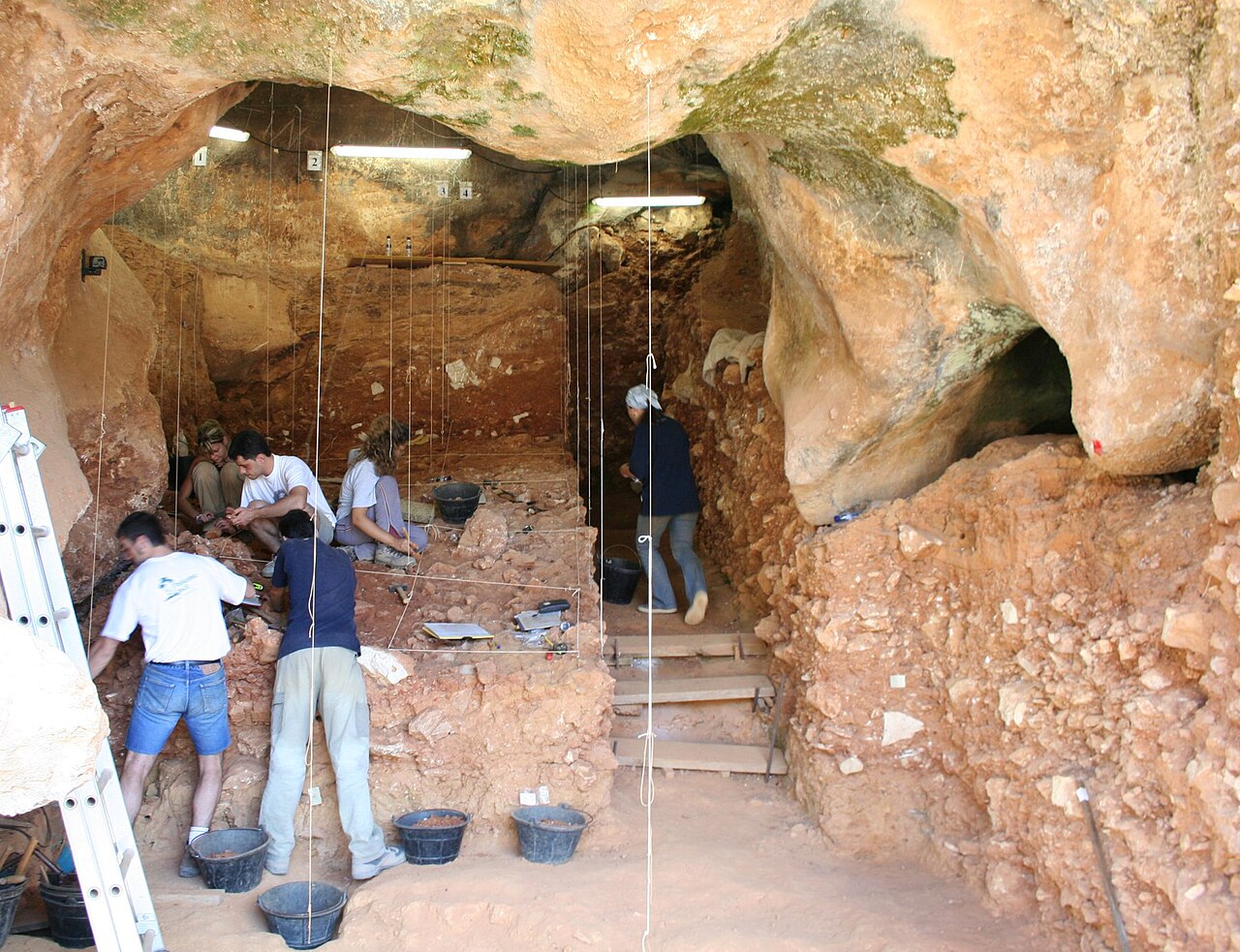
Deep inside Spain’s Atapuerca cave system sits Sima de los Huesos – the “Pit of Bones” – a vertical shaft where researchers have recovered the remains of dozens of ancient humans, dating back several hundred thousand years, all seemingly deposited at the bottom of a natural chimney accessible only by falling or being placed there.
The leading theory is that this represents the earliest known example of deliberate body disposal by an ancient human population, essentially a primitive funerary practice long before anything resembling modern burial rituals existed. That would push symbolic behavior toward the dead back astonishingly far.
But skeptics note the shaft could simply be a natural death trap, where individuals fell in accidentally over centuries, with no intentional funerary behavior involved at all. No stone tools or grave goods accompany the remains, which cuts both ways: it could mean no ritual occurred, or that the ritual simply didn’t involve offerings. Without eyewitnesses, the debate continues.
#3 – Why Did Neolithic Builders Drag Bluestones 150 Miles to Build Stonehenge?
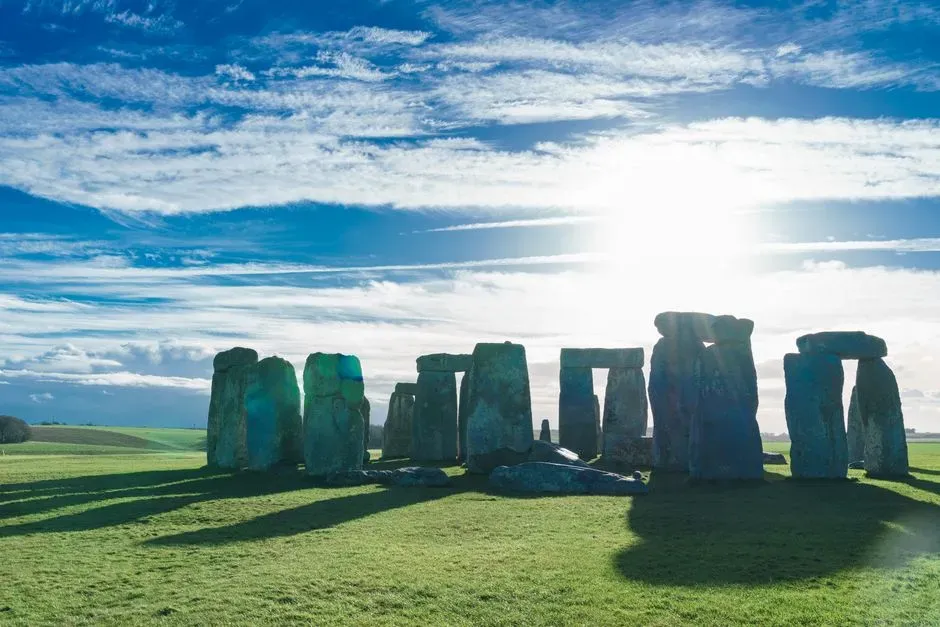
Stonehenge’s largest sarsen stones came from local quarries, which makes sense. What doesn’t make sense is that its smaller bluestones were transported from the Preseli Hills in Wales, roughly 150 miles away, using nothing but human labor, rope, and timber – centuries before the wheel was common in the region.
Researchers have proposed sledges, river rafts, and even glacial transport theories, but no single explanation has been definitively proven for how Neolithic communities without draft animals or metal tools coordinated a project of this scale. The logistics alone suggest a level of long-distance social organization historians once assumed didn’t exist that early.
Even stranger, some geologists argue the bluestones may have originally formed a separate monument in Wales before being disassembled and relocated to Stonehenge, essentially transplanting a sacred site rather than building a new one from scratch. If true, it means Stonehenge wasn’t built once – it was rebuilt, using stones with a monument history nobody can fully trace.
#2 – Nobody Knows When Humans Actually Learned to Speak
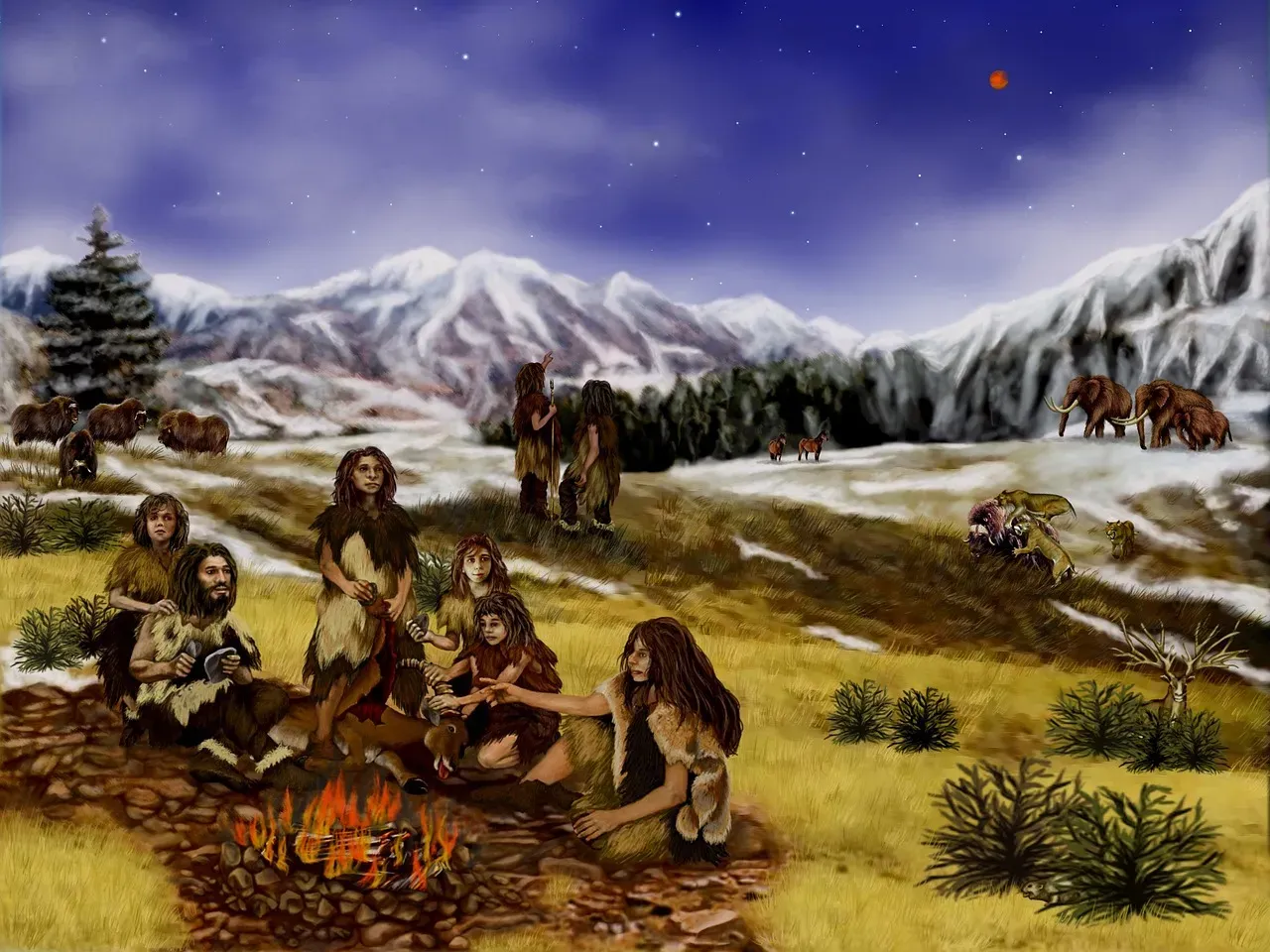
Every theory about early human culture – trade, ritual, cooperative hunting, storytelling – assumes language existed to make it possible. Yet pinpointing when spoken language actually emerged remains one of the most stubborn mysteries in prehistory, because speech leaves no fossils.
Some researchers point to anatomical clues, like the position of the hyoid bone or the shape of the ear canal, arguing certain early human species were physically capable of complex speech far earlier than once assumed. Others argue capability doesn’t prove usage, and that complex symbolic language may have emerged much later, tied closely to the explosion of art, jewelry, and long-distance trade networks seen in the archaeological record.
The most unsettling possibility: language may have evolved gradually and unevenly across different regions and populations, rather than switching on all at once. That would mean there was never a single “first word,” just a slow blur with no clear starting line – which is exactly why no consensus has ever been reached.
#1 – Why Are We the Only Human Species Left?
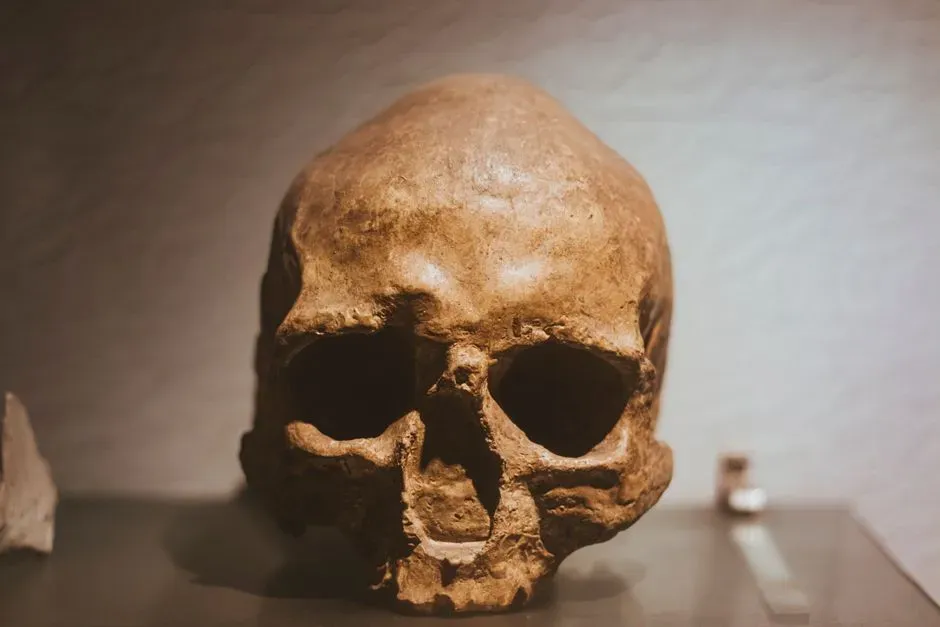
At one point, at least half a dozen distinct human species walked the Earth simultaneously – Neanderthals in Europe, Denisovans in Asia, Homo floresiensis in Indonesia, and others still being identified through fragmentary fossils and ghost DNA. Then, within a relatively narrow window, every single one of them disappeared except us.
No single catastrophe explains it. Climate shifted, but multiple species survived worse conditions before. Competition existed, but interbreeding evidence shows these weren’t simply hostile strangers wiping each other out in open warfare – genetic absorption and coexistence both happened. Some researchers now argue extinction may be the wrong word entirely, since so much Neanderthal and Denisovan DNA survives scattered inside modern humans today.
At a Glance
- Neanderthals – Europe and western Asia; disappeared roughly 40,000 years ago, DNA absorbed into modern humans.
- Denisovans – Asia; known mainly through DNA, a finger bone, and a few teeth.
- Homo floresiensis – Indonesia; the three-foot-tall “Hobbit” with a chimp-sized brain.
- Homo naledi – South Africa; small-brained hominin with possible deliberate burial behavior.
That leaves the biggest question in all of prehistory genuinely open: was it superior technology, social networks, adaptability, sheer population numbers, or simple chance that left Homo sapiens standing alone? Every answer proposed so far explains part of the picture – and none explain all of it.
The Bottom Line
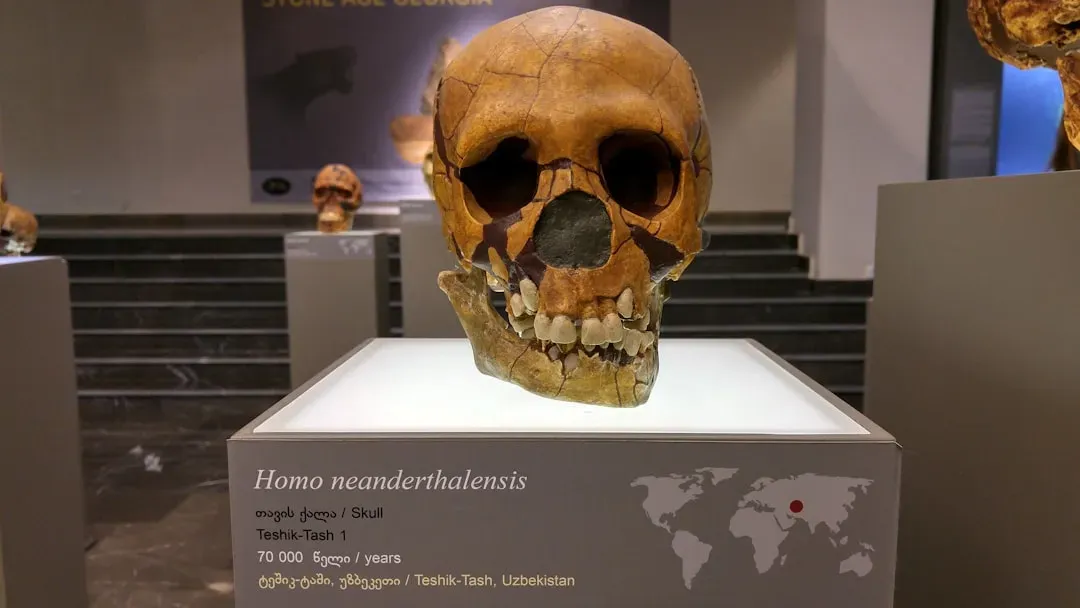
Sixteen mysteries, and not one of them has a settled answer – that’s the part textbooks rarely admit out loud. Neanderthals didn’t die from one clean cause. Denisovans still don’t have a confirmed face outside a single reconstructed skull. Nobody agrees on why humans alone survived when at least five other human species didn’t.
Every “solved” prehistoric mystery you’ve heard about was probably oversimplified for a headline. The honest version is messier, stranger, and far more interesting than the tidy museum-plaque version most of us grew up with.
Which one of these surprised you the most – or do you think researchers are missing something obvious? Drop your theory in the comments.