
Most people assume “settled science” means settled forever. It doesn’t. Textbooks used to insist eggs would clog your arteries, ulcers came from stress, and dinosaurs were dull green lizards. Every one of those “facts” has been quietly reversed by the very institutions that taught them as gospel.
Researchers aren’t embarrassed by this – they call it progress. But it raises an uncomfortable question: what else are we confidently wrong about right now? Here’s what the data, the Nobel committees, and the fine print of government reports actually admit, once you dig past the headlines.
#16 – Eggs Were Never the Heart-Attack Bomb We Were Told

For 40 years, doctors treated a fried egg like a loaded weapon aimed at your arteries. The U.S. government’s own dietary guidelines once capped cholesterol intake at 300 milligrams a day – basically one egg. Then, in 2015, the tone flipped hard: the Dietary Guidelines Advisory Committee dropped that cap entirely, saying the evidence showed no meaningful link between dietary cholesterol and blood cholesterol.
The bigger surprise: the real villain was never the yolk on your plate. One Yale researcher put it bluntly – there’s virtually no association between the cholesterol you eat and what ends up in your bloodstream. Saturated and trans fats do far more damage, and cardiologists still watch those closely. But the egg got scapegoated for decades on evidence that never actually held up.
Fast Facts
- Old guidelines capped dietary cholesterol at 300 mg a day – about one egg
- The 2015 Dietary Guidelines Advisory Committee dropped that cap entirely
- Saturated and trans fats remain the bigger concern for heart health
- Cholesterol you eat has little direct effect on blood cholesterol levels
#15 – Stomach Ulcers Were “Caused” by Stress and Spicy Food
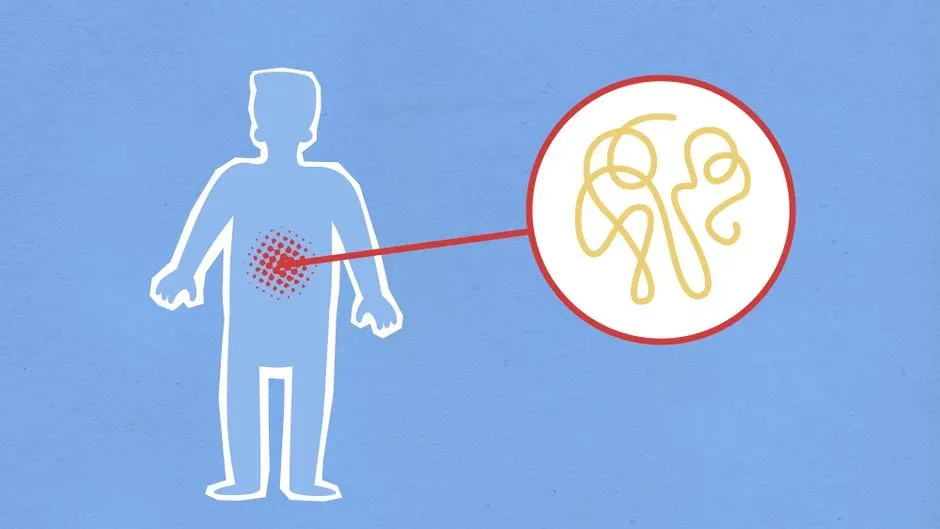
Gastroenterologists spent generations telling patients that their own anxiety was eating a hole in their stomach. Chronic gastritis and peptic ulcers were treated as a stress-and-spice problem, something you brought on yourself with a bad diet and a bad attitude. Two Australian researchers, Barry Marshall and Robin Warren, thought that story was wrong – and Marshall proved it in the most Australian way possible: he drank a beaker of bacteria.
Within a week of swallowing a culture of H. pylori, Marshall was suffering stomach pain and acute gastritis, with biopsies confirming the infection had taken hold. The medical establishment mocked the idea for years before caving completely – Marshall and Warren shared the 2005 Nobel Prize for proving that H. pylori, not stress, causes most peptic ulcers. Antacids and stress management got swapped for a course of antibiotics almost overnight.
#14 – Your Appendix Is Just Evolutionary Junk
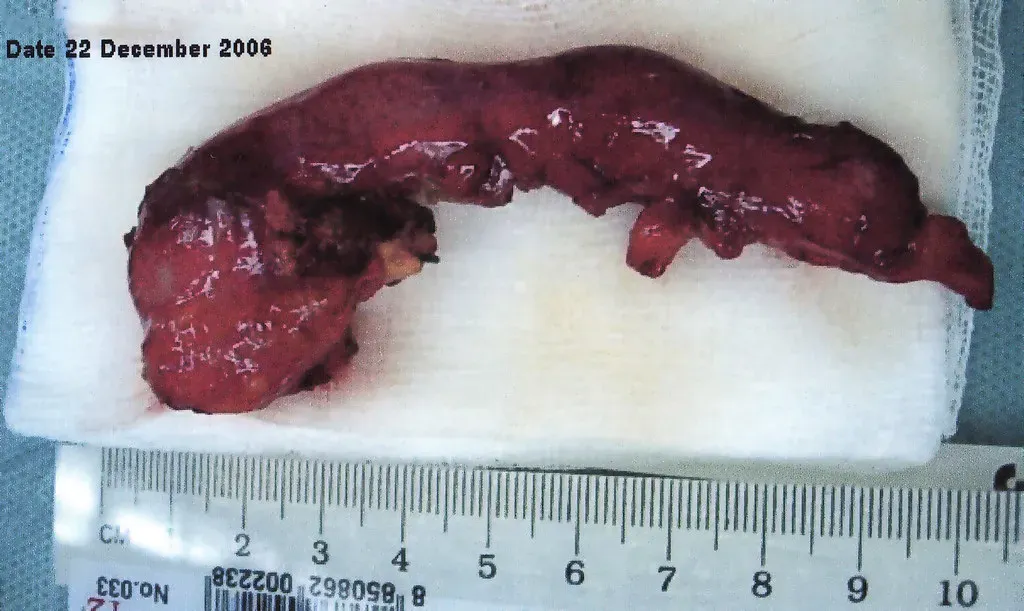
For over a century, surgeons treated the appendix like a useless leftover organ you could yank out without a second thought – if it ever did anything useful, evolution forgot to mention it. That story is falling apart fast. Emerging research suggests the human appendix isn’t vestigial at all, but an immunological organ that acts as a bacterial “safe house,” sheltering good gut bacteria so it can re-inoculate the colon after illness wipes it out.
The clues were hiding in plain sight the whole time. The appendix is packed with gut-associated lymphoid tissue, it shows up early in fetal development, it’s rarely missing, and it appears consistently across mammal species – none of which fits the old “evolutionary junk” story. Doctors still remove it without hesitation during emergencies, but the “it does nothing” line researchers used to repeat is now officially retired.
#13 – The Adult Brain Can Never Grow New Cells
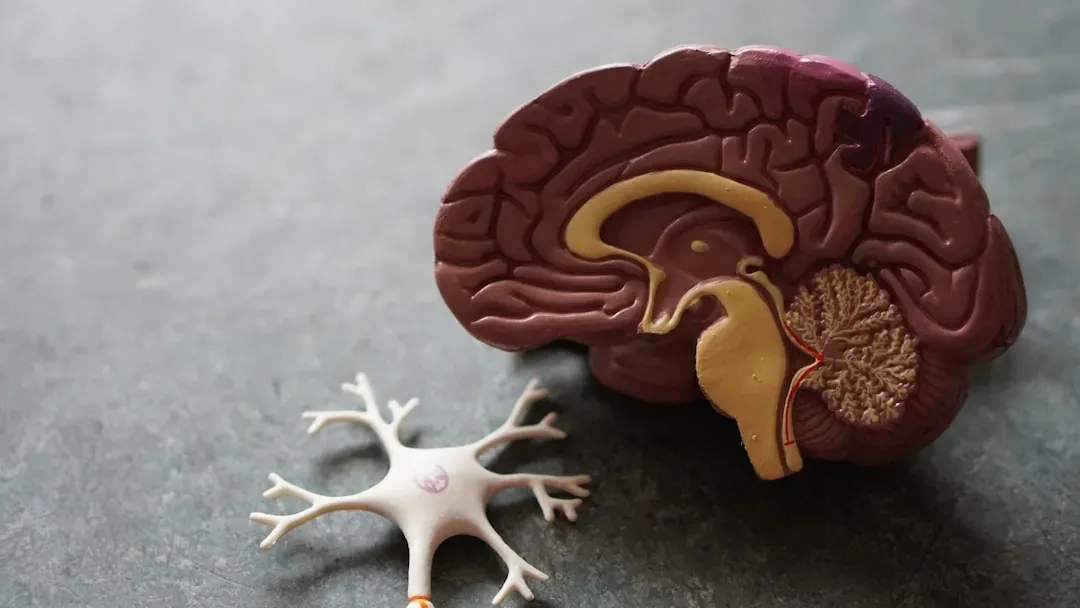
Neuroscience taught for decades that you were born with every neuron you’d ever have, and once damaged, that was it – no refills, no replacements. That dogma cracked in 1962 when researcher Joseph Altman used radioactive tracers on rat brains and found clear evidence of neurogenesis in the hippocampus, with newborn neurons actually migrating to other parts of the brain. His findings were largely ignored for the next twenty years.
Here’s the twist: even this reversal is still being fought over. One research team found that hippocampal neurogenesis in healthy humans continues throughout life, while another team reported almost the opposite – neurogenesis crashing to nearly undetectable levels by adulthood. Some scientists now suspect humans traded neuron regeneration for more stable, long-term memory. Either way, the “fixed brain” model from old textbooks is dead.
#12 – Dinosaurs Were Dull, Scaly, Green Reptiles

Every dinosaur toy from your childhood was basically a scaly green lizard having a bad day. That image was almost entirely fiction. Fossil discoveries over the last few decades flipped the script completely – the real animals were often rosy, yellow, orange, even iridescent, covered in fuzz, plumes, or feathers instead of the drab movie-monster palette Hollywood sold us.
Paleontologists using molecular imaging have since documented feather impressions across dozens of species once assumed to be bald and scaly. The plot thickens even further upstream: a 2019 study found branching, featherlike structures on pterosaur fossils dating back roughly 160 million years, suggesting feathers predated both pterosaurs and dinosaurs by tens of millions of years. That means feathers are older, weirder, and far more widespread than any classroom chart ever suggested.
Why It Stands Out
- Molecular imaging has revealed feather impressions across dozens of dinosaur species
- Fossil pigments show dinosaurs in rosy, orange, and even iridescent hues
- A 2019 study found featherlike structures on pterosaur fossils roughly 160 million years old
- Feathers now appear to predate both dinosaurs and pterosaurs by tens of millions of years
#11 – Brontosaurus Never Actually Existed

An entire generation grew up loving a dinosaur that museums insisted was a filing mistake. For decades, paleontologists taught that Brontosaurus was simply a duplicate name for Apatosaurus – an embarrassing clerical error from the 1800s that somehow stuck around in every kid’s dinosaur book anyway.
Then a detailed skeletal analysis found the two were different enough to be separate genera, not just variations of the same animal – a full reversal of taxonomy considered settled for over a century. “Until very recently, the claim that Brontosaurus was the same as Apatosaurus was completely reasonable, based on the knowledge we had,” one of the study’s authors admitted. Fittingly, people compared it to Pluto’s demotion – one reversal took a planet away, this one gave a dinosaur its name back.
#10 – The Solar System Had Exactly Nine Planets, Full Stop

Every kid who memorized “My Very Educated Mother Just Served Us Nine Pizzas” got betrayed by science in 2006. Pluto had been treated as the ninth planet since 1930, a permanent fixture on solar system posters for 76 straight years.
Once astronomers started finding other Pluto-sized objects drifting through the same icy region of space, the real problem turned out to be the definition of “planet” itself, not Pluto specifically. The International Astronomical Union rewrote the rules, and Pluto got demoted to “dwarf planet” almost overnight. The backlash proved something interesting about how science actually spreads – the decision is still genuinely controversial among astronomers, some of whom argue the new definition is inconsistent and rushed. It’s a rare case where the “correction” might get corrected again someday.
#9 – Continents Are Permanently Fixed in Place
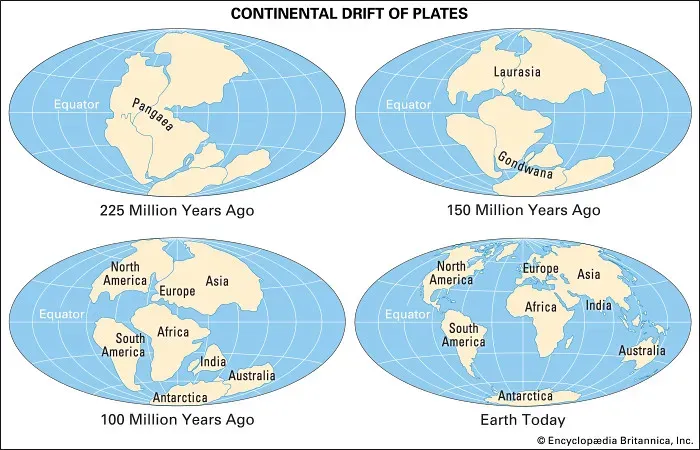
Geologists once considered continental drift a laughable idea, and its proposer got mocked for it during his own lifetime. Alfred Wegener suggested in 1912 that continents had once been joined together and slowly drifted apart, pointing to matching coastlines and matching fossils on opposite sides of oceans.
The geological establishment dismissed him outright, partly because he couldn’t explain what force could possibly move something as massive as a continent. It took decades of stubborn resistance before the reversal finally stuck – evidence of seafloor spreading and magnetic striping on the ocean floor in the 1950s and 60s proved Wegener right and gave birth to modern plate tectonics. The theory that got a scientist ridiculed in his own era is now the foundation of every earthquake and volcano model used today.
#8 – The Universe’s Expansion Is Slowing Down
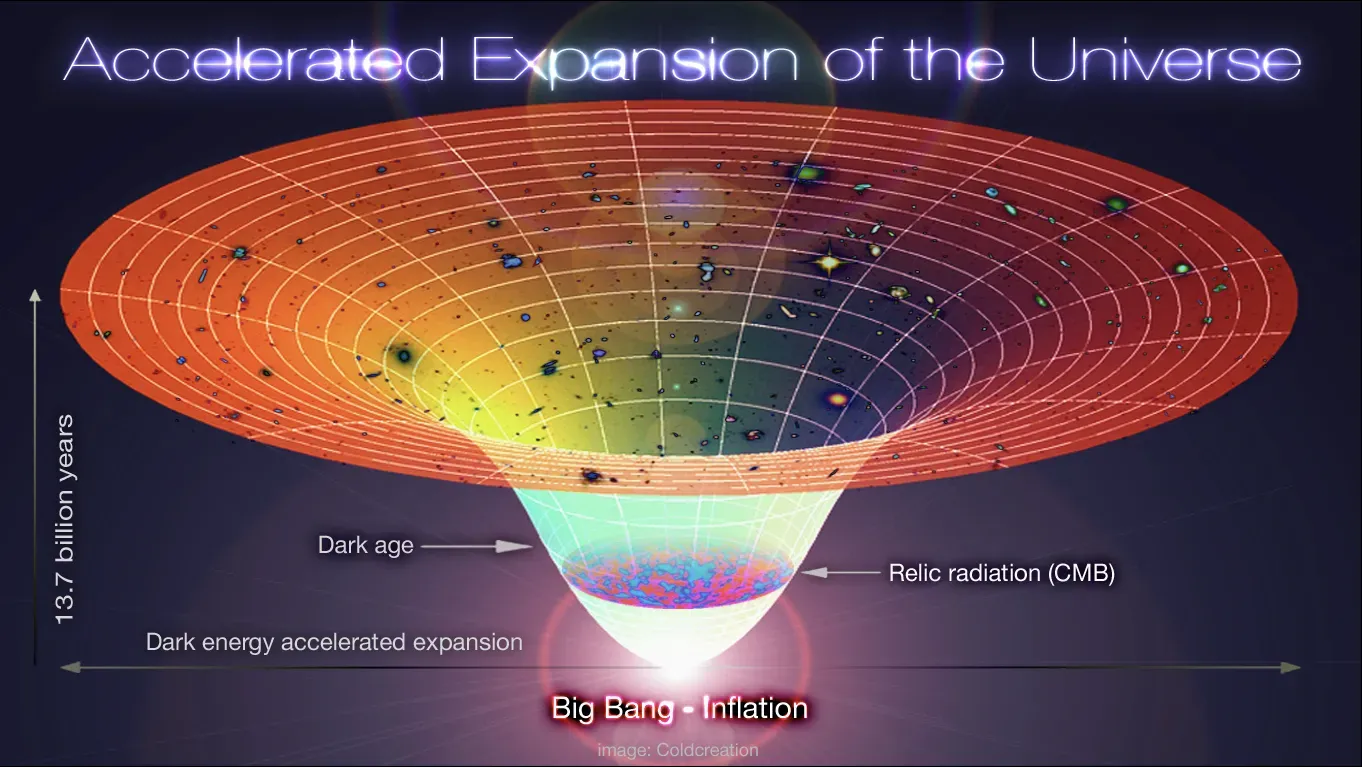
Cosmologists spent most of the 20th century assuming gravity would eventually put the brakes on the expanding universe. It made intuitive sense – gravity pulls things together, so the expansion triggered by the Big Bang should gradually slow down over billions of years.
Researchers studying distant exploding stars in the late 1990s set out to measure exactly how much the expansion was slowing down. The data did the opposite of what everyone expected: the universe isn’t decelerating at all, it’s accelerating, pushed by a mysterious force scientists now call dark energy. That discovery was strange enough to win the Nobel Prize in Physics, and decades later, scientists still can’t fully explain what dark energy actually is.
At a Glance
- Old assumption: gravity would gradually slow the universe’s expansion
- Late-1990s supernova studies found the opposite – expansion is speeding up
- The unexplained force behind it is now called dark energy
- The discovery earned the Nobel Prize in Physics
#7 – Stress Is Always Bad for Your Body

“Stress kills” got repeated so often that most people assume every kind of stress belongs in the same toxic category. Newer research on hormesis and short-term stress responses complicates that story considerably.
Brief, controlled stress – a hard workout, a tight deadline, a blast of cold water – can actually trigger adaptive benefits like sharper focus, stronger immune signaling, and better long-term resilience. The real danger was never stress itself, it was chronic, uncontrollable stress. Researchers now separate “eustress,” the helpful, motivating kind, from prolonged cortisol exposure that genuinely wears the body down over months or years. Telling someone to simply “avoid stress” misses the more useful, more controversial truth: some stress is a feature, not a bug.
#6 – Cutting Total Fat Is the Key to a Healthy Diet

The entire low-fat food industry of the 1980s and 90s was built on a scientific assumption that’s since been picked apart piece by piece. Nutrition guidelines once treated all dietary fat as roughly equally dangerous, which pushed shoppers toward “fat-free” snacks quietly loaded with added sugar instead.
That swap didn’t shrink waistlines – obesity and diabetes rates climbed anyway during the exact decades low-fat products dominated grocery shelves. The fat wasn’t the enemy; the sugar that replaced it may have been worse. Researchers have since shifted focus toward fat quality over fat quantity, separating healthy unsaturated fats from the saturated and trans fats worth actually limiting. Many nutrition scientists now argue the low-fat era set public health back rather than forward – a genuinely uncomfortable admission for an entire industry.
#5 – Sun Exposure Is Purely a Skin-Cancer Risk

Decades of “slather on sunscreen and hide from the sun” messaging painted sunlight as almost universally hostile to human health. That advice wasn’t wrong about skin cancer risk, but it left out half the picture.
Moderate, non-burning sun exposure triggers vitamin D synthesis in the skin, and researchers have increasingly linked vitamin D deficiency to weakened immunity, mood disorders, and bone problems. Total sun avoidance may simply trade one health risk for a different one. Some researchers now argue that decades of blanket “avoid the sun” messaging pushed vitamin D deficiency rates up in people who took the advice too literally. The current, more nuanced take: protect against burning, but stop treating all sunlight as the enemy.
#4 – Cracking Your Knuckles Causes Arthritis

Nearly every parent in history has warned a fidgety kid that cracking their knuckles would leave them arthritic by 40. One doctor got so tired of hearing this claim that he decided to run a decades-long experiment on himself.
He cracked the knuckles on one hand for over 60 years while deliberately leaving the other hand alone, then compared the two side by side. Neither hand showed any difference in arthritis whatsoever. The self-experiment eventually earned an Ig Nobel Prize, and larger population studies since have backed up the same conclusion – that popping sound is just gas bubbles collapsing in joint fluid, not cartilage grinding itself down. The habit might annoy people nearby, but it’s not the joint-destroying threat generations of parents claimed it was.
Worth Knowing
- One doctor cracked knuckles on just one hand for over 60 years as a self-experiment
- Neither hand showed any difference in arthritis afterward
- The experiment later earned an Ig Nobel Prize
- Larger population studies have since backed up the same conclusion
#3 – Most of Your DNA Is Useless “Junk”
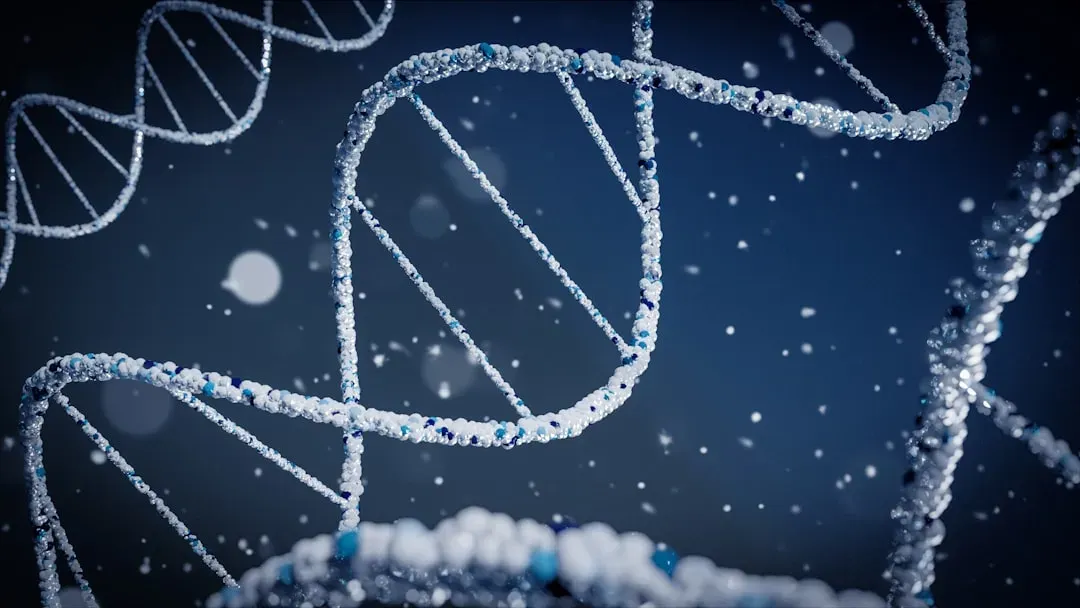
Geneticists once estimated that only a tiny fraction of the human genome actually did anything, dismissing the rest as evolutionary leftovers with no real function. That “junk DNA” label stuck for decades and made its way into textbooks worldwide.
Large-scale genome mapping projects have since found that much of this supposedly useless DNA actively regulates when and how genes turn on and off. The genome isn’t cluttered with junk – it’s running a far more complicated operating system than anyone assumed. Regions once written off entirely are now understood to influence everything from disease susceptibility to how cells specialize during development. Researchers are still mapping what the rest of it does, but the “junk” framing itself is now considered outdated and misleading.
#2 – Your Tongue Has Separate Zones for Each Taste

Generations of biology classes handed out that famous tongue map – sweet at the tip, bitter at the back, sour and salty tucked along the sides. That diagram traced back to a mistranslated, misinterpreted German study from over a century ago.
Researchers eventually tested the claim directly and found taste buds capable of detecting all five basic tastes are distributed fairly evenly across the entire tongue, not confined to isolated zones. The zones on that classic diagram were never real in the first place. Tiny sensitivity differences do exist across the tongue’s surface, but nowhere close to the clean, color-coded map still printed in some textbooks today. It’s one of the most widely taught “facts” that was wrong from the very first draft.
Quick Compare
- Old belief: sweet at the tip, bitter at the back, sour and salty on the sides
- Actual reality: all five basic tastes are detected fairly evenly across the tongue
- Origin of the myth: a mistranslated German study over a century old
#1 – A Daily Drink Is Good for Your Heart

For years, researchers pointed to red wine and the “French Paradox” as proof that moderate drinking protected the heart. That conclusion came largely from observational studies comparing light drinkers to non-drinkers, and it stuck around in public health messaging for a surprisingly long time.
Newer, more rigorous research has chipped away at that comfort steadily, finding that many of the original “healthy moderate drinker” studies failed to account for the fact that some non-drinkers had quit because of existing health problems. Researchers now increasingly argue there’s no truly “safe” amount of alcohol when it comes to overall health risk. The protective heart effect once attributed to moderate drinking looks much weaker once those study design flaws are corrected for, while alcohol’s links to certain cancers hold steady regardless of quantity. It’s arguably the most reversed, most argued-about nutrition claim of the last twenty years – and the debate is far from over.
The Bottom Line

Science doesn’t fail when it reverses itself – it fails when it refuses to. Eggs, ulcers, dinosaurs, Pluto, and even your tongue map all prove the same point: yesterday’s confident textbook fact is often tomorrow’s punchline.
My honest take? The people who should worry aren’t the ones who got it wrong – it’s the ones who never go back and check. Certainty is the real red flag in research, not humility. Plenty of things we believe with total confidence right now will likely get flipped again within our lifetimes, and that’s not a flaw in the process – it’s the entire point of it. Which of these reversals genuinely surprised you the most? Drop it in the comments, and tell us if we missed one that deserves a spot on this list.