Most people assume paleontology is basically a finished puzzle by now – decades of digs, dinosaurs sorted into tidy family trees, textbooks locked in place. That comforting picture is almost entirely wrong. Some of the most respected names in the field have stared at a single fossil and quietly wondered if an entire chapter of prehistoric life just walked out the door.
From a ‘simple’ sea creature that stumped experts for 60 straight years to a T. rex bone that shouldn’t have had any biological material left in it at all, these 22 discoveries didn’t just add footnotes to the past. They forced actual rewrites. The deeper you go down this list, the stranger – and more humbling – it gets.
#22 – The Tully Monster’s 60-Year Identity Crisis
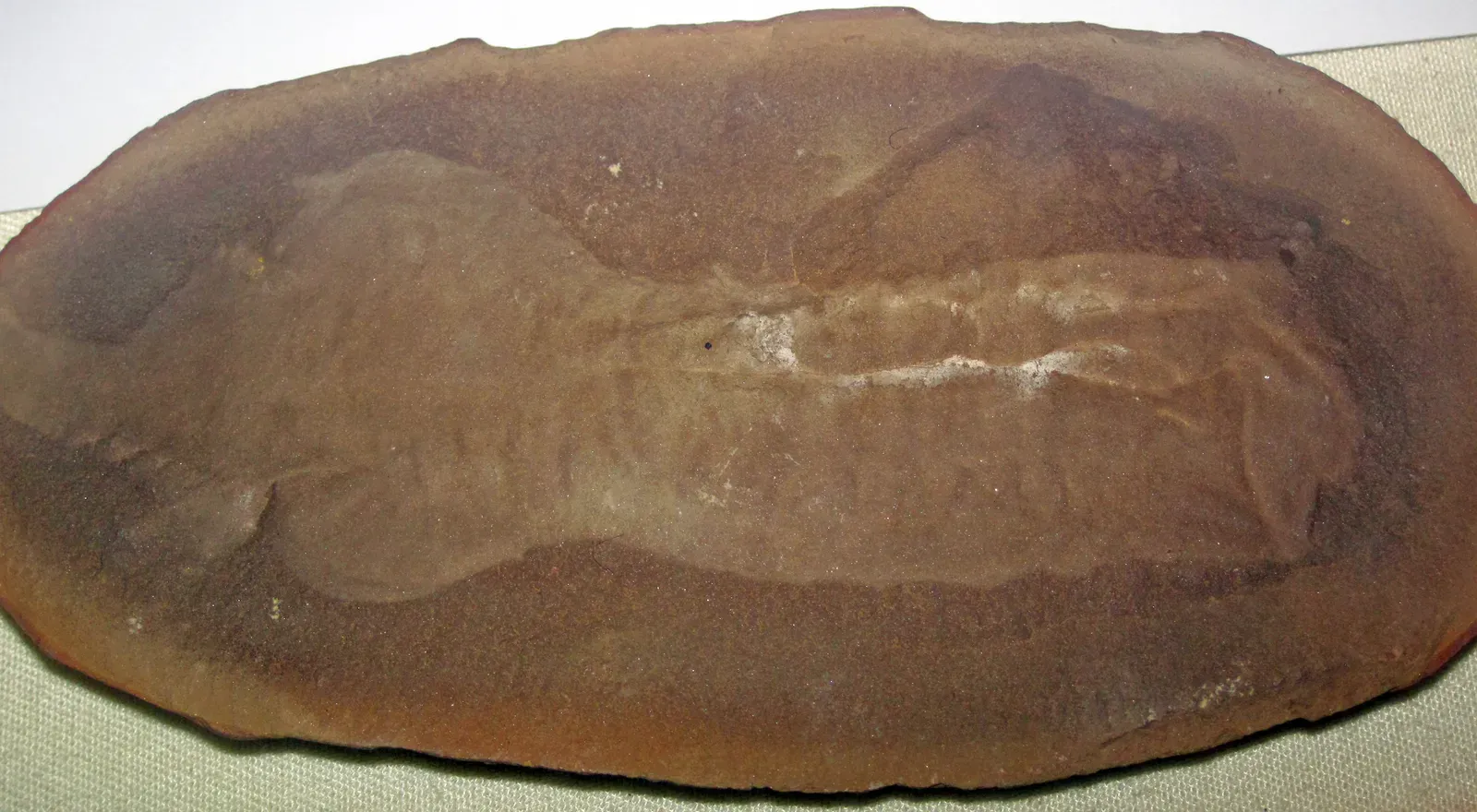
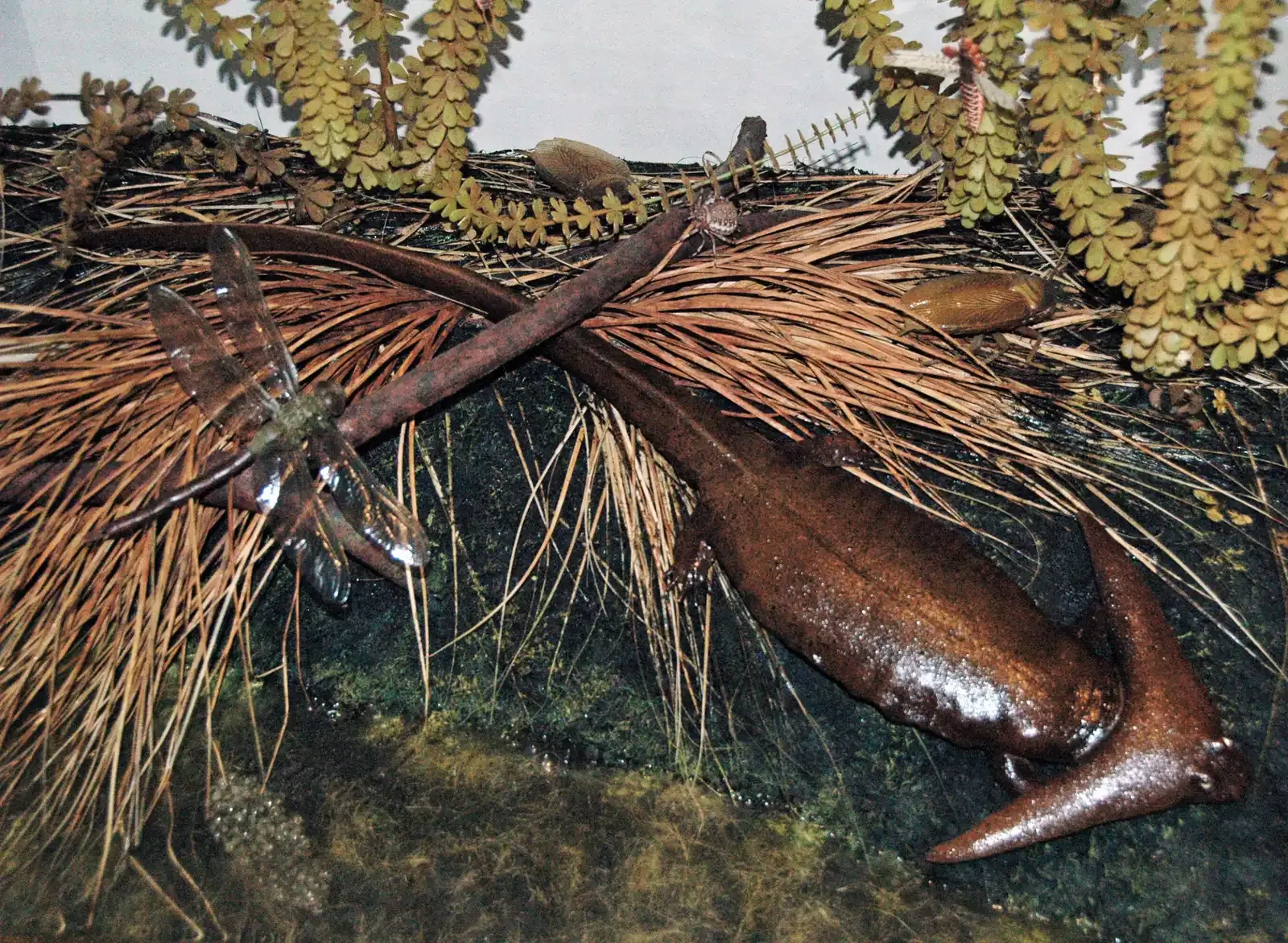
For six decades, the Tully Monster sat in museum drawers as an official scientific shrug. This foot-long Carboniferous creature had eyes on stalks, a trunk-like proboscis tipped with tiny teeth, and a body plan that matched literally nothing else in the fossil record. Researchers tried on every label – worm, mollusk, arthropod – and watched each one collapse under scrutiny.
Then in 2016, Field Museum researchers ran advanced imaging on the 300-million-year-old fossils and found something buried deep in the tissue: a notochord, the primitive backbone precursor. The Tully Monster wasn’t some unclassifiable oddball after all. It was a jawless vertebrate, distantly related to modern lampreys, wearing an anatomy so alien it fooled experts for two full generations.
Fast Facts
- Lived roughly 300 million years ago in what is now Illinois.
- Stumped paleontologists through three separate classification attempts.
- 2016 Field Museum imaging finally revealed a notochord inside the tissue.
- Turned out to be a distant relative of modern lampreys.
#21 – Therizinosaurus’s Three-Foot Claws Were Never Built for Killing
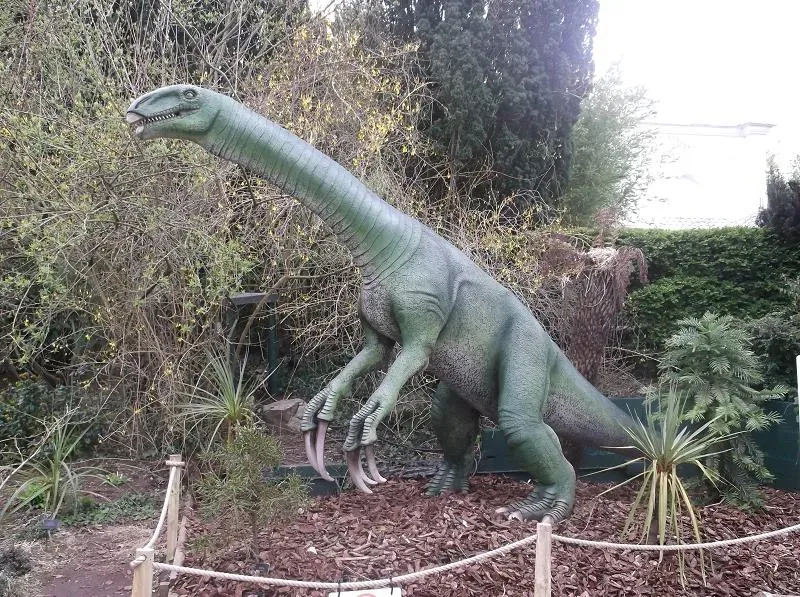
Picture a dinosaur with claws longer than a baseball bat, and the instinct is to assume nightmare predator. That’s exactly what paleontologists thought when Therizinosaurus fossils first surfaced in Mongolia – a 30-foot theropod with sickle-shaped claws practically screamed apex hunter.
Except the rest of the skeleton told a completely different story. The small head, long neck, and oddly pot-bellied torso looked more like a giant ground sloth than anything carnivorous. Feathered relatives eventually confirmed it really was a theropod, just one that had abandoned meat entirely in favor of stripping vegetation, with those massive claws doing double duty as defense weapons instead.
- Its body plan matched herbivorous giants far more than raptors.
- The find forced a full rethink of theropod diets across the Cretaceous.
#20 – Two-Foot Dragonflies Once Ruled Ancient Skies
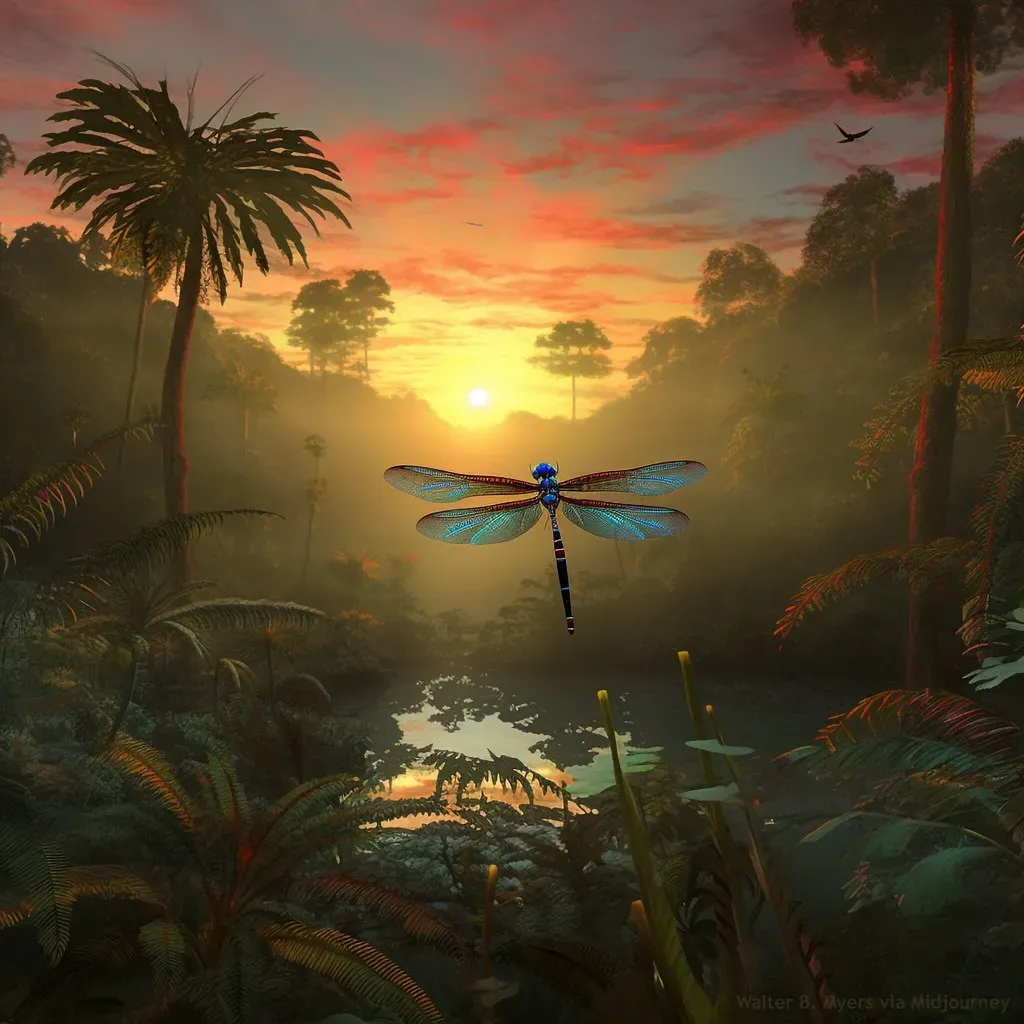
Bugs are supposed to stay small – that’s just how the natural order works, right? Not 300 million years ago. Meganeura cruised Carboniferous swamps with a wingspan north of two feet, big enough to make a modern hawk look twice.
Researchers initially doubted the measurements, assuming distorted fossil imprints had inflated the size. But once multiple specimens turned up with consistent proportions, the numbers held. The real explanation was atmospheric: oxygen levels back then ran far higher than today, and that extra oxygen let insects grow to sizes evolution has never allowed since.
- They hunted smaller prey through dense, swampy forest canopies.
- Once oxygen levels dropped, nothing this large ever flew again.
#19 – A 275-Million-Year-Old Jaw That Twisted Sideways for a Reason
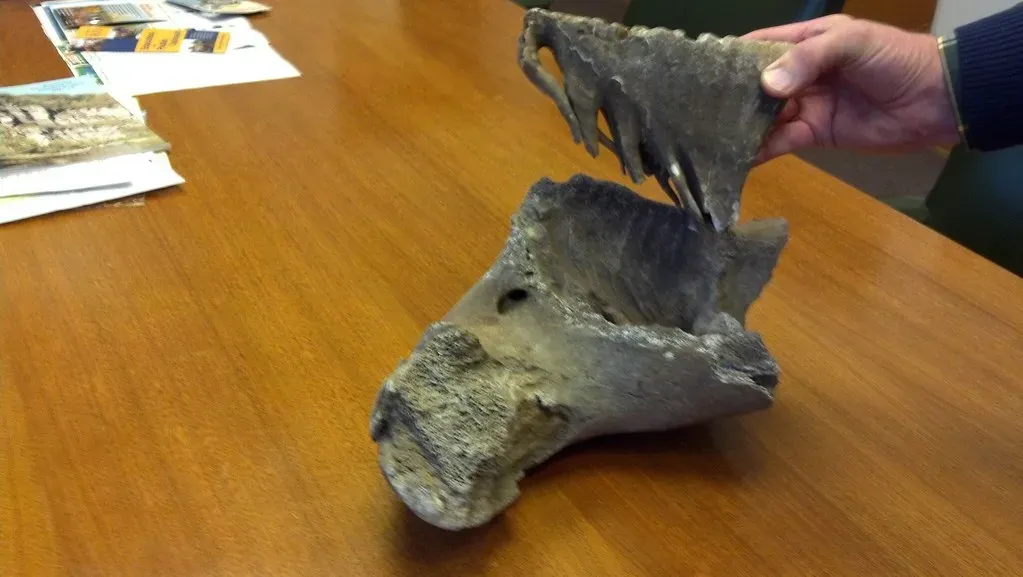
When a Brazilian fossil turned up with teeth pointing sideways instead of down, the first assumption was damage. Deformed jaws happen constantly during fossilization, and this looked like a textbook case of crushed, distorted bone.
Except the pattern repeated too cleanly to be an accident. Field Museum analysis found specialized inner tooth rows built for grinding tough plant material, meaning this 275-million-year-old creature had evolved a genuinely new way to chew. It stands as one of the earliest known experiments in vertebrate herbivory, a feeding strategy that would eventually reshape entire ecosystems.
- Its sideways-set jaw mechanics have no true modern equivalent.
- The find pushes back the timeline for complex plant-eating adaptations.
#18 – Darwin’s Own ‘Strangest Animals’ Finally Got an Answer
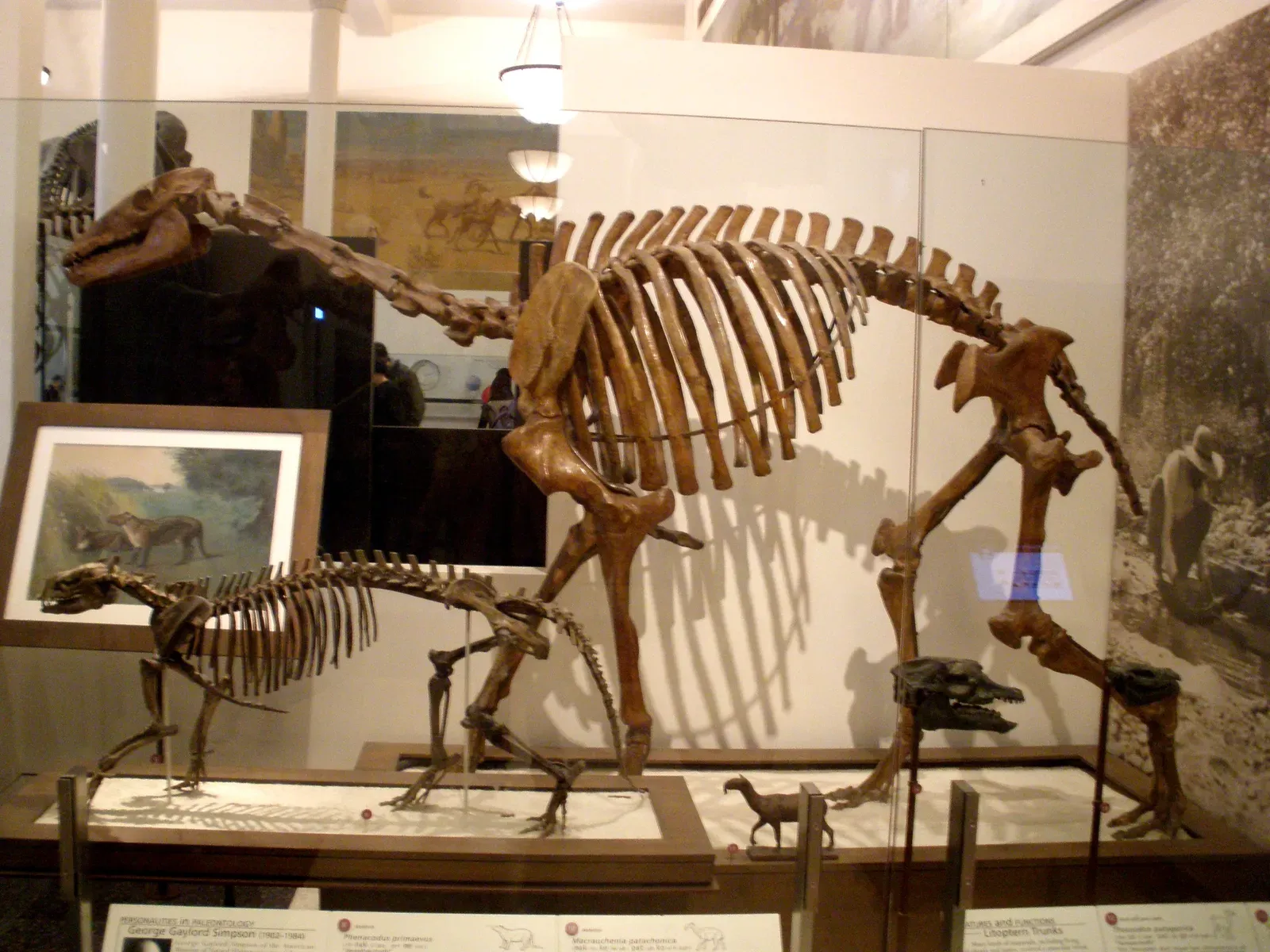
Charles Darwin himself couldn’t crack this one. During his South American expeditions, he collected the bones of Macrauchenia and Toxodon and called them among the strangest animals he’d ever encountered – camel-like snouts attached to hippo-and-rhino-sized bodies that matched nothing alive.
That mystery outlived Darwin by roughly 180 years. It took ancient DNA extraction and detailed morphological comparison to finally place both creatures inside the ungulate family tree, related – surprisingly – to horses and tapirs rather than elephants or giant rodents, where earlier generations of researchers kept mistakenly filing them.
- Macrauchenia’s long neck suggests giraffe-like browsing behavior.
- Their extinction timing still fuels debate over early human arrival in the Americas.
#17 – Hallucigenia Was Reconstructed Completely Upside Down
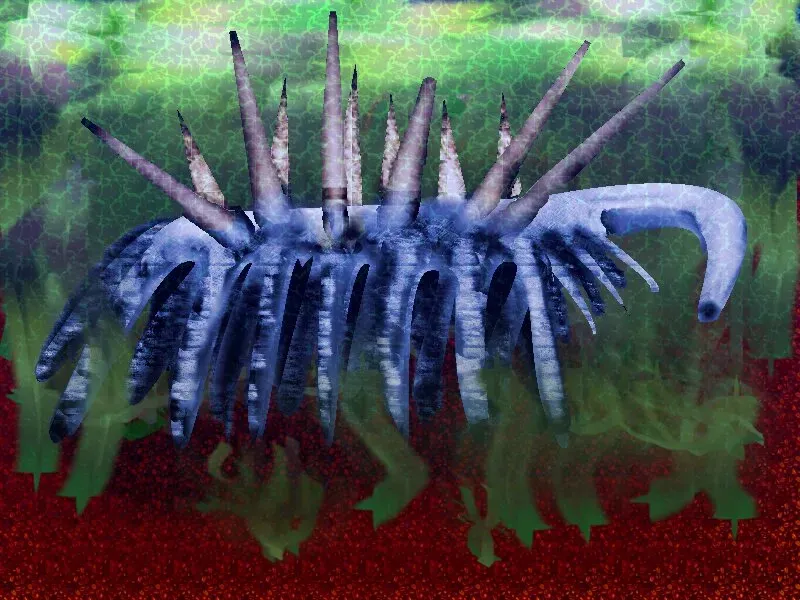
For decades, museum illustrations showed this Burgess Shale creature walking on rows of spikes with soft tentacles waving above its back. It looked like something out of a fever dream, and honestly, it was – just not in the way anyone expected.
Microscopic analysis of preserved claws in the 1990s revealed the embarrassing truth: paleontologists had the entire animal flipped. Those spines were actually defensive back armor, and the ‘tentacles’ were legs. Hallucigenia had been walking upside down in scientific illustrations for years before anyone caught the mistake.
- Its lobopodian body plan links it to modern velvet worms.
- It remains one of paleontology’s most famous corrected errors.
#16 – A 68-Million-Year-Old T. rex Bone Still Had Soft Tissue Inside
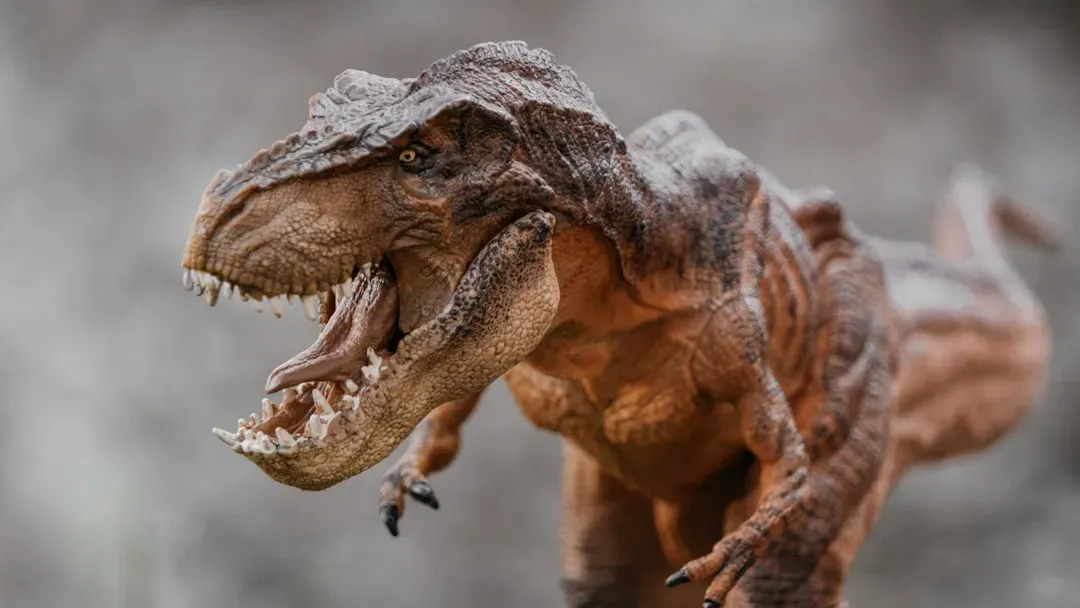
Conventional wisdom held that proteins and blood vessels simply couldn’t survive tens of millions of years of fossilization. Then in 2005, a research team cracked open a Tyrannosaurus rex femur and found something that shouldn’t have existed: flexible, stretchy tissue.
The scientific community’s first reaction was suspicion – surely this was contamination. But multiple labs have since replicated similar finds in other specimens, and the leading explanation points to iron in the dinosaur’s blood acting as a natural preservative, slowing decay in ways biochemists never thought possible.
- Early skepticism centered almost entirely on contamination fears.
- The discovery opened a real path to studying dinosaur physiology directly.
#15 – Feathered Dinosaurs Blurred the Line Between Dinosaur and Bird
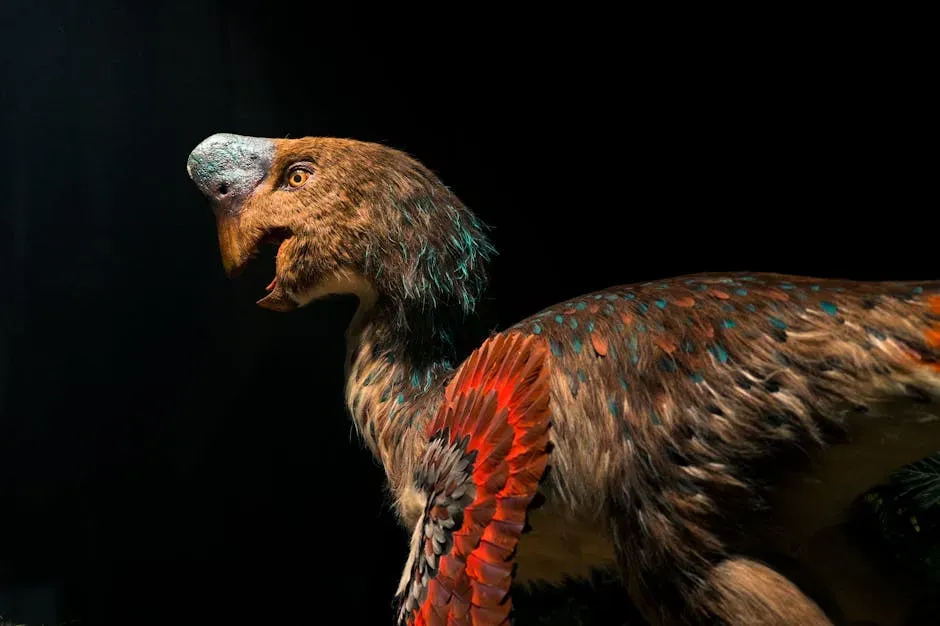
Textbooks used to draw a hard line: dinosaurs on one side, birds on the other, evolution neatly split. Then Chinese fossil beds in the 1990s started producing small theropods covered in unmistakable feathers.
Sinosauropteryx and Microraptor turned out to be just the beginning. Many non-avian dinosaurs carried colorful plumage for insulation and display long before anything resembling powered flight existed. Some fossils even preserved actual pigment, revealing iridescent patterns that erased the supposedly absolute boundary textbooks had drawn for a century.
- Preserved coloration in some fossils suggests genuine iridescent displays.
- The find dismantled the strict dinosaur-versus-bird divide almost overnight.
#14 – Spinosaurus Was Secretly a River Hunter, Not a Land Predator
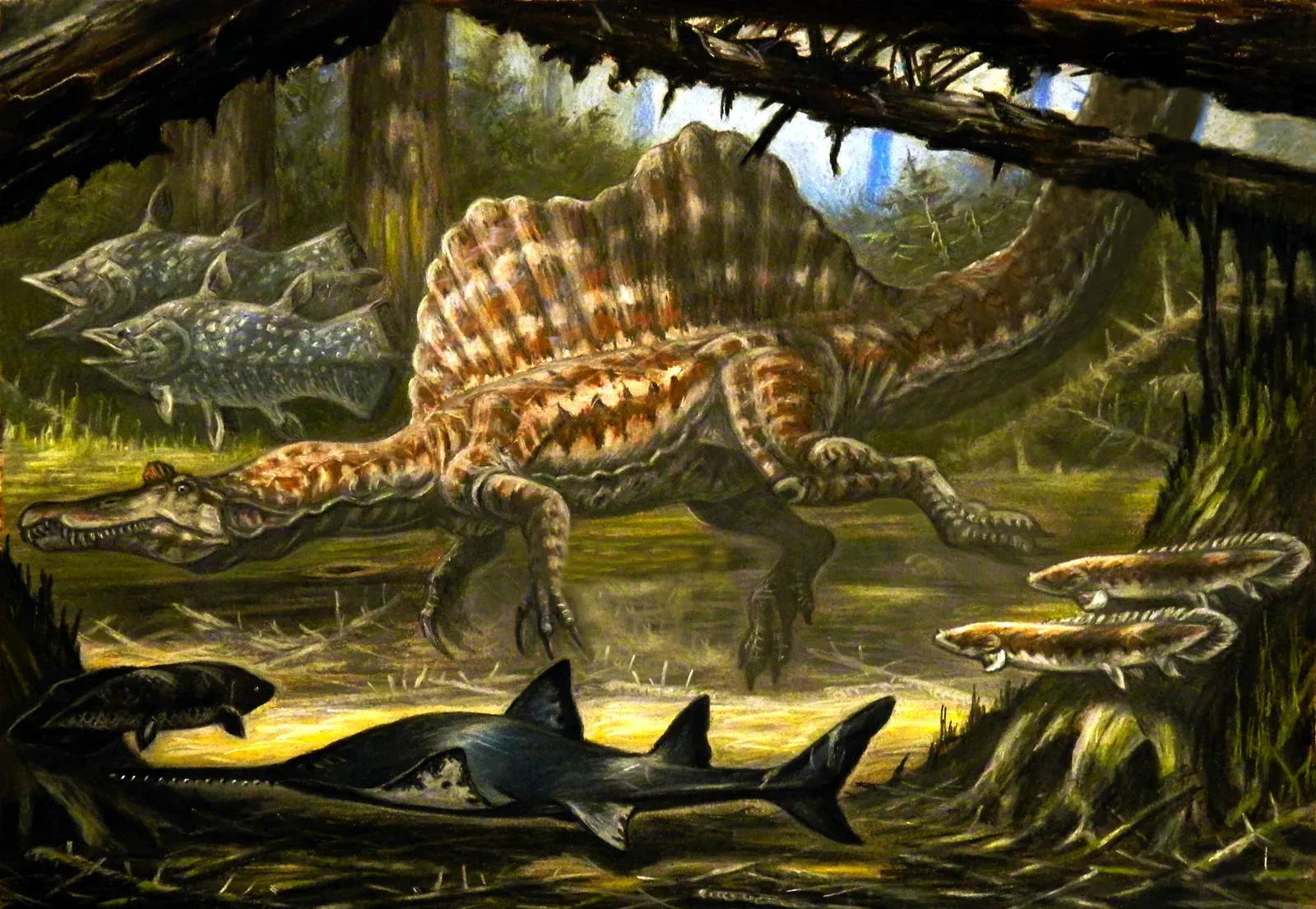
For most of the 20th century, Spinosaurus got lumped in with other massive land-based theropods – a bigger, sail-backed cousin of the usual apex predators. That picture held until dense bones and a paddle-shaped tail turned up in recent fossil finds.
Isotope analysis of its teeth sealed the case: this was a semiaquatic hunter that spent serious time chasing fish through ancient rivers. Its center of gravity suited swimming far more than sprinting on land, making it the only dinosaur known with such pronounced aquatic adaptations.
Why It Stands Out
- Only known dinosaur with strong, confirmed evidence of a semiaquatic lifestyle.
- Tooth isotope patterns resembled those of modern crocodiles more than land predators.
- Its paddle-shaped tail worked like a rudder for propulsion underwater.
- Overturned a century of assumptions built around land-based theropod anatomy.
#13 – The ‘Walking Whale’ That Still Had Working Legs
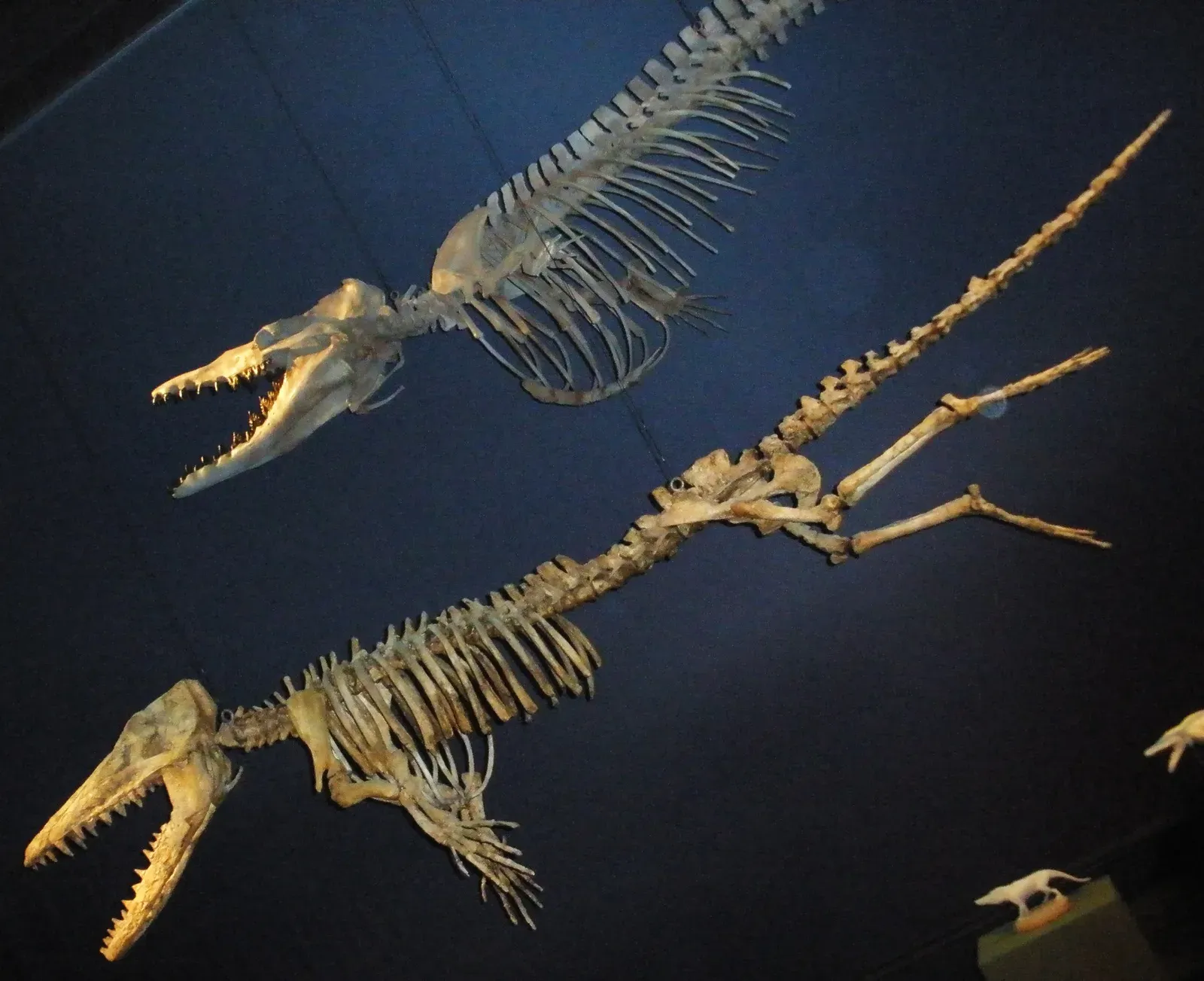
Whales evolved from land mammals – that part isn’t news. What surprised researchers was how long the legs stuck around. Ambulocetus, roughly 48 million years old, swam like an otter but could still move on land using functional limbs.
Its ankle bones gave away the real family connection, linking it directly to even-toed ungulates like hippos rather than any previously assumed ancestor. Paleontologists had expected a much more abrupt transition from land to sea; instead, Ambulocetus proved the shift happened in clear, gradual stages.
- Its powerful tail and webbed feet worked in both environments.
- It filled one of the biggest missing gaps in cetacean evolution.
#12 – The ‘Egg Thief’ Dinosaur Was Actually a Devoted Parent
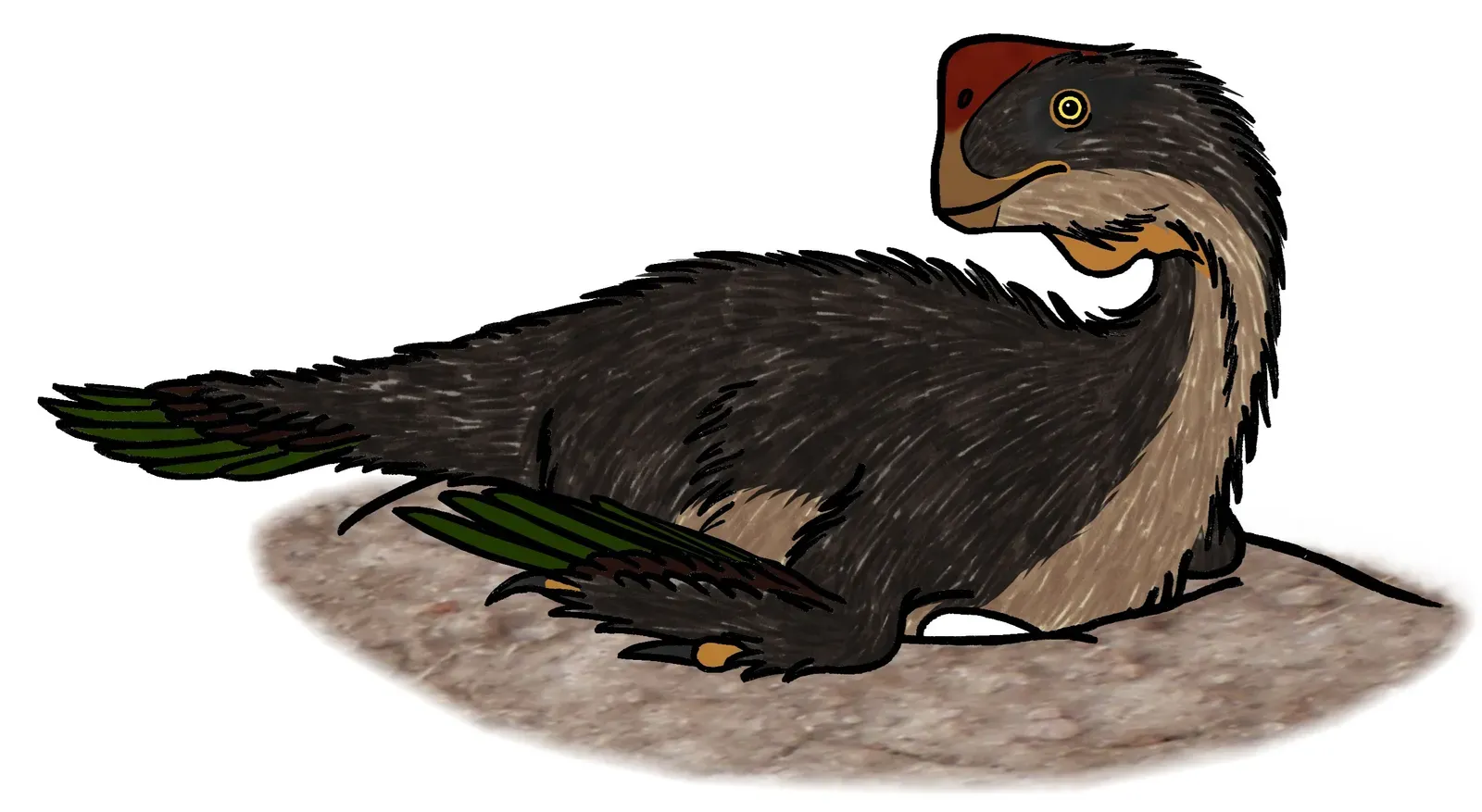
Oviraptor got its name – literally ‘egg thief’ – from an early fossil found sitting on top of a nest full of eggs. Researchers assumed they’d caught a thief red-handed, mid-heist.
Later discoveries, including embryo remains preserved inside those very eggs, flipped the story completely. The dinosaur wasn’t stealing anyone’s eggs. It was brooding its own clutch, much like a modern bird, protecting its young in a way nobody expected from a theropod at the time.
- Its head crest likely played a role in nesting displays.
- Multiple nesting sites now support genuine social breeding behavior.
#11 – Opabinia’s Five Eyes Broke the Rules of Body Plans
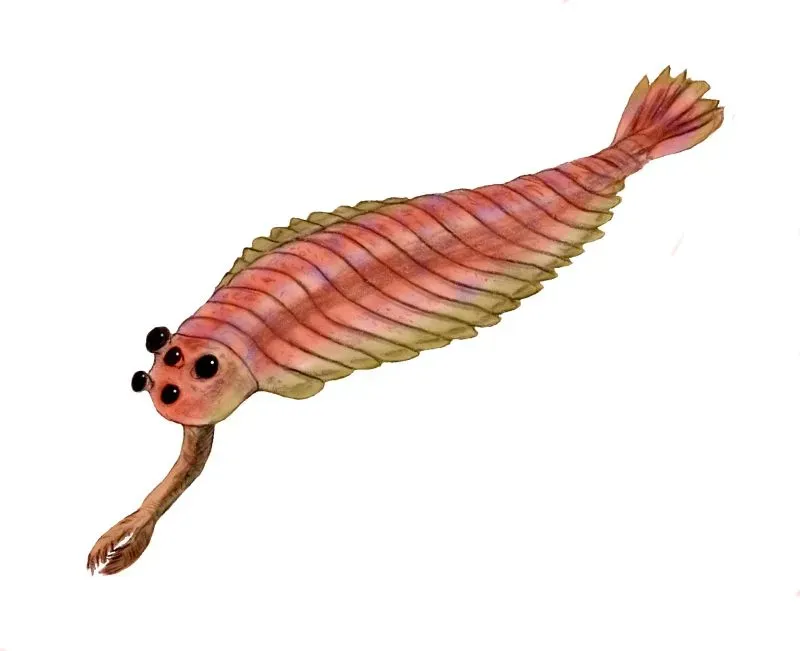
Five eyes and a single grasping proboscis ending in a claw – Opabinia looked like it escaped from science fiction rather than the Cambrian seafloor. Its body plan matched no known phylum, living or extinct, when it was first described.
Eventually classified as an early arthropod relative, Opabinia turned out to represent something bigger than one weird creature. Its level of anatomical strangeness forced scientists to accept that early animal life carried far more experimental body plans than anyone had assumed, reshaping the entire narrative around the Cambrian explosion.
- Its trunk-like appendage functioned as both sensor and weapon.
- The find revealed greater early-animal diversity than researchers expected.
#10 – Tiktaalik Was the Missing Link Scientists Actually Predicted in Advance
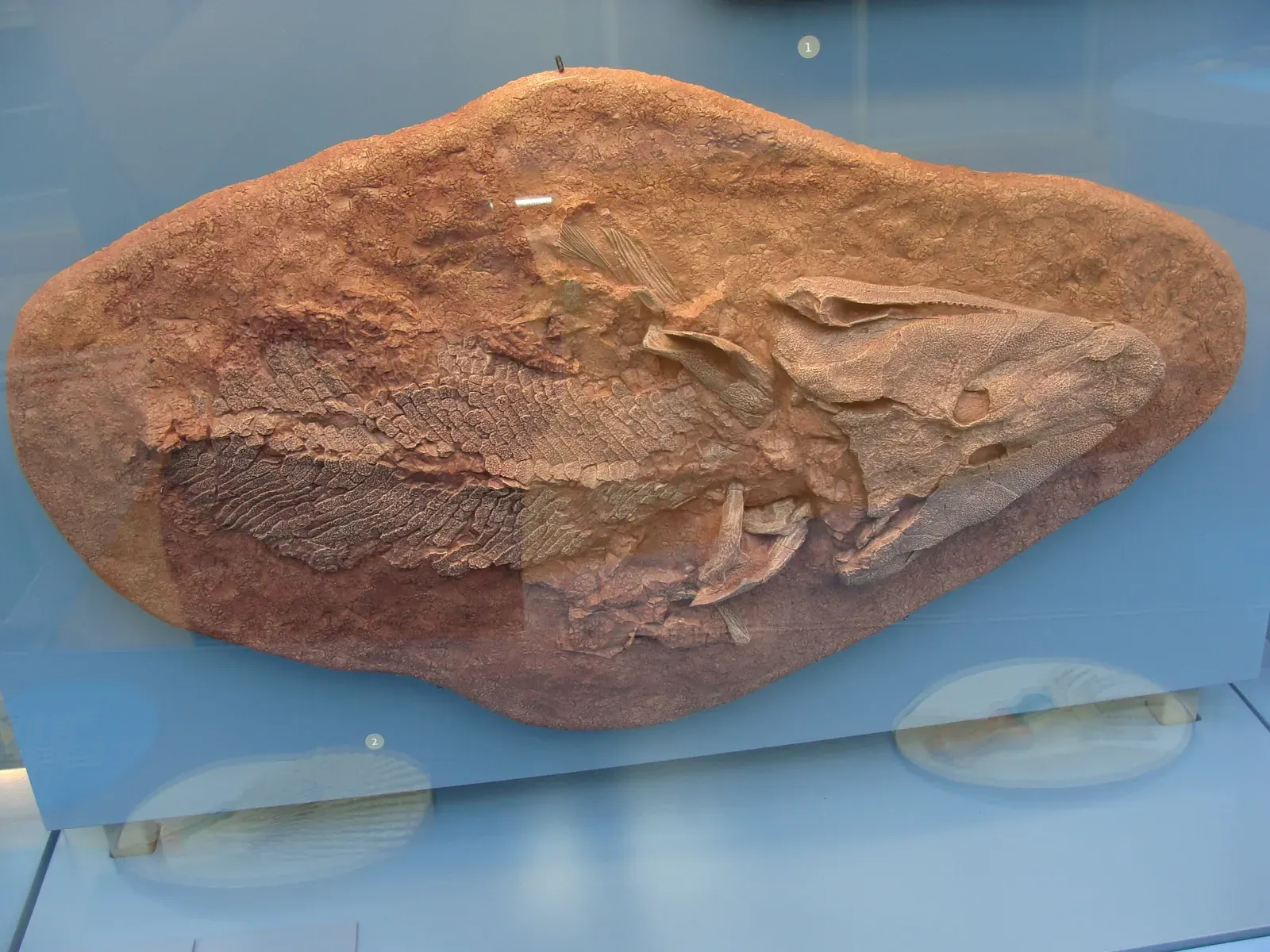
Most transitional fossils get discovered by accident. Tiktaalik is the rare exception – researchers went looking for the fish-to-tetrapod transition in rocks of a specific age and location, and the fossil showed up almost exactly where theory said it should.
Its 375-million-year-old body combined fish scales and gills with limb-like fins, a flexible neck, and weight-bearing wrists ready for shallow water. Found in the Canadian Arctic, it became one of the most celebrated confirmations in evolutionary science precisely because nobody stumbled onto it. They predicted it first.
- Its ribs could briefly support body weight out of water.
- It’s now the textbook example of a successful evolutionary prediction.
#9 – Deinonychus Hunted in Coordinated Packs, Not Alone
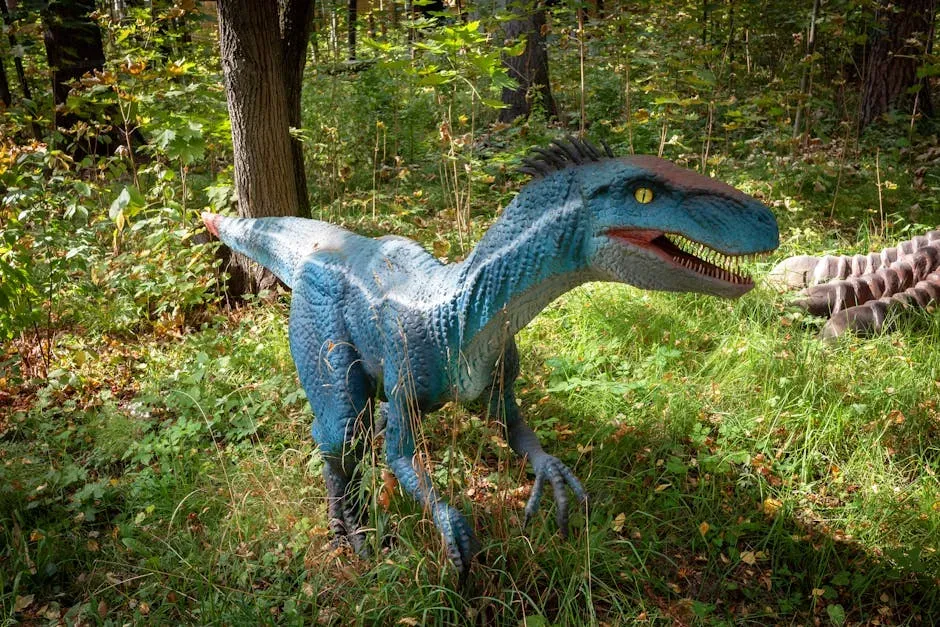
Early reconstructions painted dromaeosaurs as lone ambush predators, solitary killers striking from the shadows. Multiple individuals turning up together at kill sites suggested a very different reality.
Bone beds in Montana revealed repeated patterns of social behavior, pointing toward coordinated group hunting aimed at prey far larger than any single Deinonychus could tackle alone. That sickle claw worked best as part of a team effort, much closer to the strategy wolves use today than the lone-wolf image early reconstructions popularized.
- Its trademark sickle claw performed best in coordinated takedowns.
- Modern pack hunters like wolves support the same group strategy.
#8 – Is Nanotyrannus a Real Dwarf Tyrannosaur, or Just a Confused Teenager?
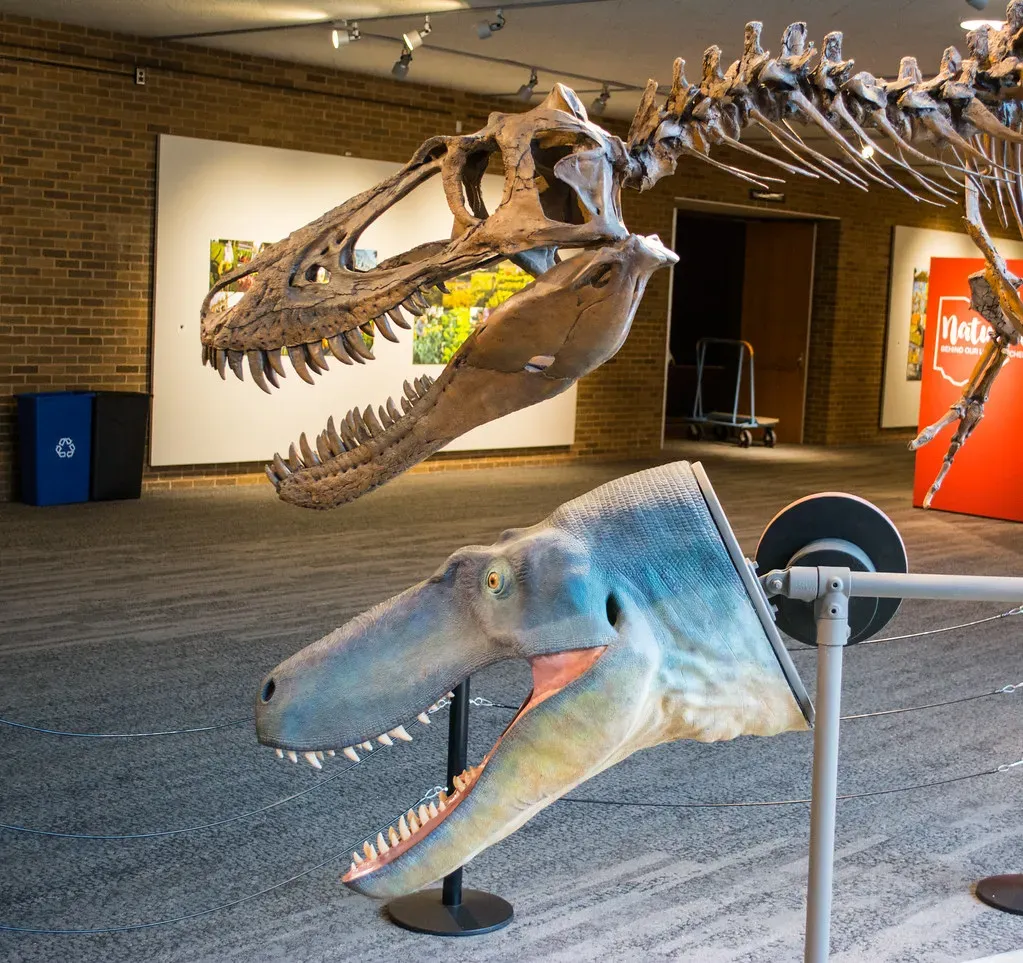
Some fossils looked like a smaller, separate species of tyrannosaur living alongside T. rex. Other researchers argued they were simply awkward teenage T. rex, still finishing their growth spurt.
Growth ring analysis has since supported distinct species status in at least some specimens, but the debate refuses to die. Skull proportions differ consistently between the two camps, and the outcome directly changes how crowded – or how quiet – the top of the Late Cretaceous food chain actually was.
- Skull proportions differ consistently between the competing groups.
- The outcome reshapes estimates of predator diversity at the end of the dinosaur age.
#7 – Pterosaurs Launched Like Rockets, Not Runway Planes
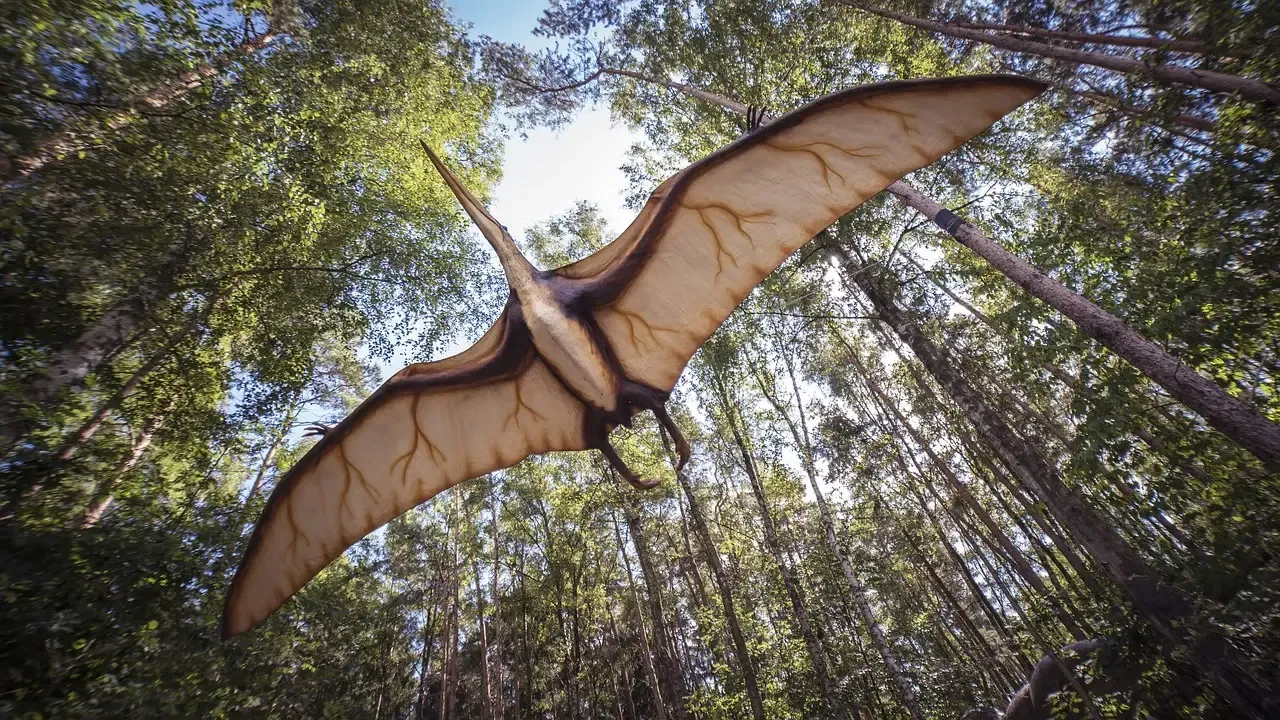
The assumption made sense on paper: giant flying reptiles needed cliffs or running starts to get airborne, just like modern birds. Biomechanical modeling has since thrown that idea out entirely.
Fossil trackways confirm that many pterosaur species launched straight up from a standing position, using powerful forelimbs to generate a quadrupedal leap before their wings ever engaged. Their membrane wings and reinforced shoulder structure made vertical takeoff possible in a way feathered flight never could, resolving a question that had puzzled researchers for years.
Quick Compare
- Birds: typically need a running start or a high perch to generate lift.
- Most modern flyers: rely on leg power alone for that initial push.
- Pterosaurs: launched straight up using all four limbs in one leap.
- Result: pterosaurs could take off from flat ground with zero runway.
#6 – Mesozoic Mammals Were Gliding and Swimming Under the Dinosaurs’ Feet

The old story kept mammals small, nocturnal, and boring until the dinosaurs finally cleared out. Chinese fossil beds from the Cretaceous quietly demolished that narrative.
These mammals weren’t hiding in fear. Some grew to badger size, others glided between trees, swam through ancient waterways, or burrowed underground. Volaticotherium’s wing-like membrane even proved that powered gliding evolved independently in mammals millions of years before anyone assumed it was possible.
- Some fossils preserve fur and soft tissue in remarkable detail.
- The find pushed back timelines for mammalian ecological experimentation significantly.
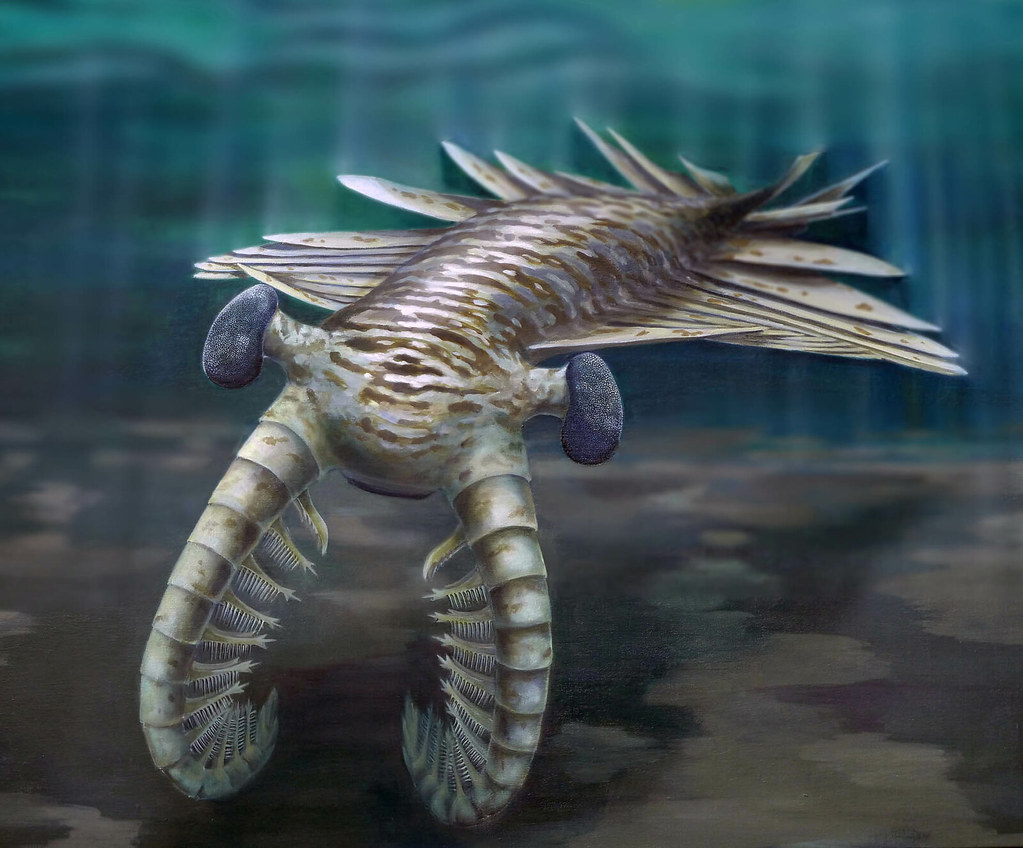
#5 – Anomalocaris Ruled the Cambrian Seas Without a Single Jaw
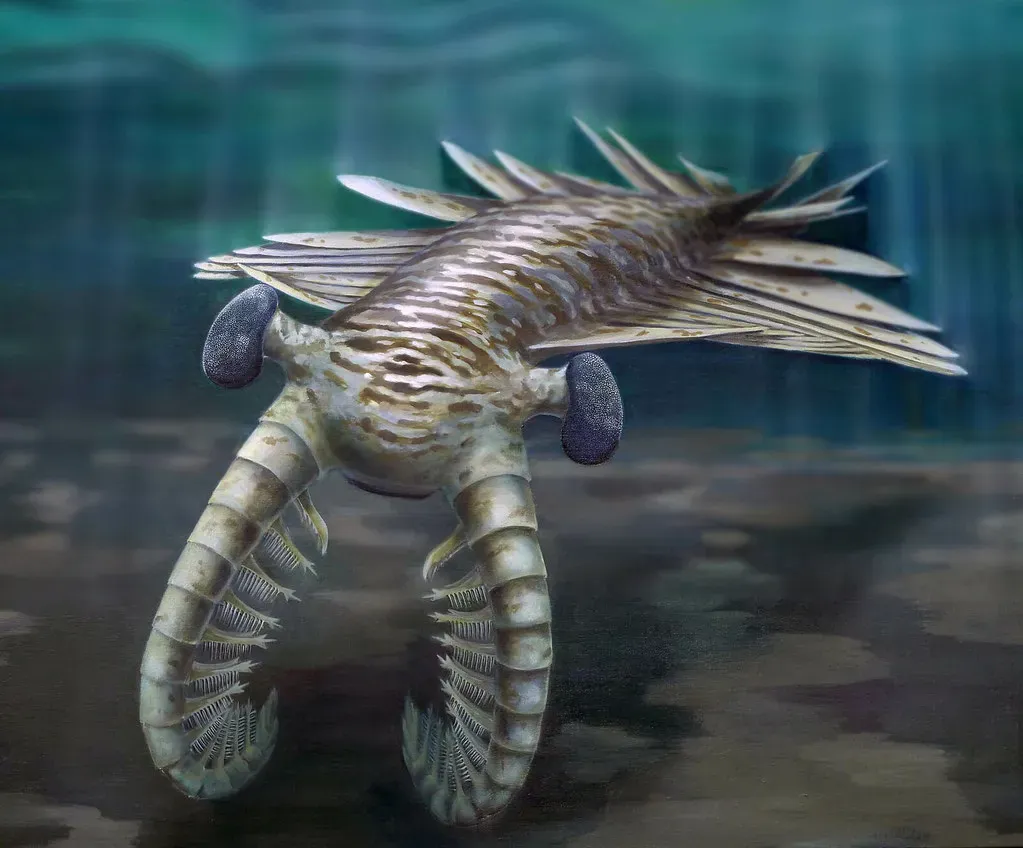
Anomalocaris earned its ‘anomalous shrimp’ nickname the hard way – early researchers literally pieced it together from mismatched body parts found separately, assuming they belonged to different animals entirely.
Once properly reconstructed, it revealed itself as a genuine apex predator of its time, using grasping appendages and compound eyes to actively hunt despite lacking true jaws. Its circular, plated mouth could crush trilobite shells, establishing complex predator-prey food webs far earlier in animal history than anyone expected.
- Its circular mouth was built specifically to crush armored prey.
- The find proved complex food webs existed almost from the start of animal life.
#4 – Basilosaurus Kept Useless Tiny Legs Long After Becoming a Whale

This 40-foot ancient whale looked every bit like a fully aquatic giant eel – except for two small, oddly detailed hind legs, complete with toes, dangling uselessly near its tail.
Fossil skeletons recovered from Egypt confirmed the limbs appeared consistently across multiple individuals, ruling out a fluke. The leading theory suggests they served a role in mating rather than movement, or possibly acted as small rudders, documenting the final, almost stubborn stage of whale limb reduction before hind legs disappeared from the lineage entirely.
- Its elongated body resembled a giant eel more than any living whale.
- Experts expected hind limbs to vanish much earlier than this.
#3 – Adalatherium’s Skeleton Looked Like It Was Built From Spare Parts
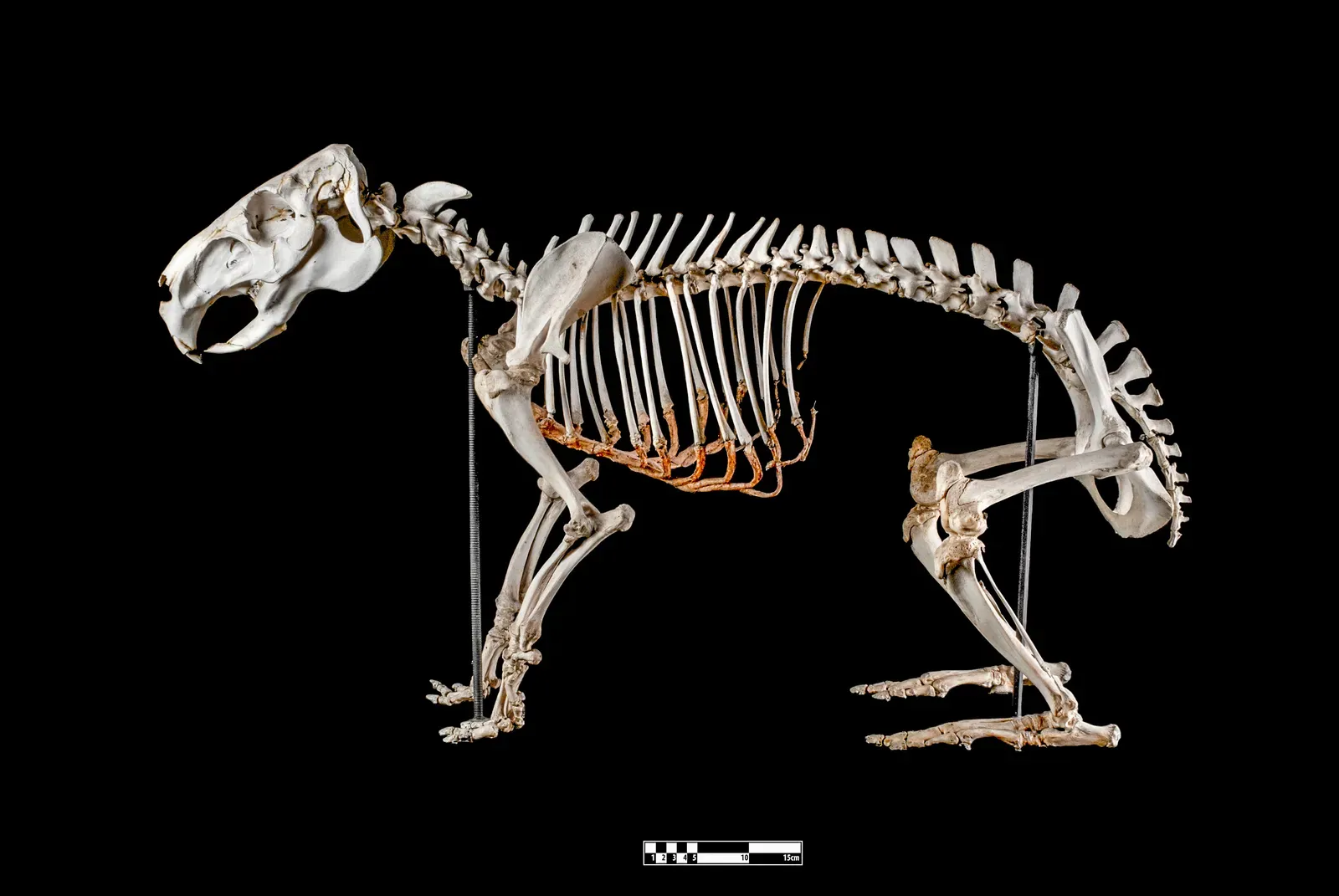
Dug up in Madagascar and dated to 66 million years ago, this opossum-sized mammal came with an oddly robust skeleton and a tooth arrangement that matched nothing else known. Researchers struggled just to figure out where it belonged on the family tree.
It eventually landed within a Gondwanan lineage shaped by millions of years of isolated island evolution, complete with adaptations for digging and a surprisingly powerful bite. Its mix of primitive and advanced traits still keeps researchers busy mapping its exact relationships today.
- Its pelvis suggests unusually strong hind-limb propulsion.
- The find highlights how isolated island evolution produces genuinely strange results.
#2 – The Largest Insect Ever Found Had a 28-Inch Wingspan
Multiple wing impressions from the Permian period confirmed something researchers were initially reluctant to believe: dragonfly relatives that dwarfed anything alive today. Skepticism ran high until consistent fossils kept turning up across different sites.
Meganeuropsis reached a confirmed 28-inch wingspan, still the largest known insect in history, and its tracheal breathing system only worked at that scale because of unusually high atmospheric oxygen. Once oxygen levels dropped, nothing has ever matched it since – a ceiling insects simply can’t break through under modern conditions.
- Its compound eyes likely gave it a serious edge in aerial hunting.
- Atmospheric chemistry alone explains why nothing this large flies today.
#1 – Scientists Still Can’t Fully Answer What Color Dinosaurs Actually Were
After all the skeletons, all the isotope analysis, and all the CT scans, this remains the single biggest blind spot in the field. Melanosome analysis has revealed genuine pigment traces in a handful of fossils, confirming stripes and even iridescent shimmer in specific species.
But those confirmed cases are the exception, not the rule. Most of the vivid color reconstructions filling documentaries and museum murals rest on limited samples, educated modeling, and comparisons to modern animals rather than direct fossil evidence. Researchers openly admit that behavioral and environmental clues currently outpace what the fossils themselves can prove, keeping full-body color reconstructions provisional no matter how confident the artwork looks.
Worth Knowing
- Confirmed pigment evidence exists in only a small handful of species so far.
- Microraptor’s black iridescent sheen remains one of the clearest verified cases.
- Most documentary colors are educated estimates, not direct fossil proof.
- Full, verified color palettes for giants like T. rex are still unknown.
- Microraptor’s black-and-white plumage remains one of the few fully confirmed cases.
- Ongoing studies keep promising more answers, but the gaps are still very real.
The Real Lesson Buried in All 22 Discoveries
Twenty-two discoveries, and not one of them politely confirmed what scientists already believed. That’s the part that should stick with you. Every single find on this list either flipped a model upside down, added a limb nobody expected, or proved that a fossil sitting in a drawer for sixty years was hiding an entire missing branch of the tree of life.
Here’s the honest takeaway: the fossil record isn’t broken, and neither are the scientists reading it. Prehistoric life was messier, weirder, and far more experimental than any clean textbook diagram could ever capture. Feathered predators, walking whales, upside-down mystery creatures, dinosaurs that swam instead of stomped – none of that fits a straight evolutionary line, because evolution was never drawing a straight line in the first place.
Nothing in biology makes sense except in the light of evolution.
Theodosius Dobzhansky
That’s exactly why these 22 finds matter. Each one didn’t just correct a mistake; it forced a smarter, stranger, more honest picture of deep time to take its place. Given how many ‘settled’ facts on this list got overturned by a single new fossil, don’t be surprised when the next discovery sends paleontologists right back to the drawing board.