When you think about prehistoric monsters, your mind probably conjures up images of massive dinosaurs stomping through ancient jungles. That’s understandable. Dinosaurs have dominated popular culture for decades, from museum exhibits to blockbuster films.
Yet here’s something that might surprise you. The age of dinosaurs ended roughly sixty-five million years ago, but Earth’s reign of terrifying creatures was far from over. Long after the last T. rex disappeared, our planet became home to mammals and other beasts that were every bit as formidable, and in some ways, even more frightening than their reptilian predecessors. These animals lived much more recently, some coexisting with early humans until just a few thousand years ago. They possessed intelligence, specialized hunting techniques, and adaptations that made them perfectly suited to dominate their environments in ways dinosaurs never could.
Smilodon: The Notorious Saber-Toothed Cat
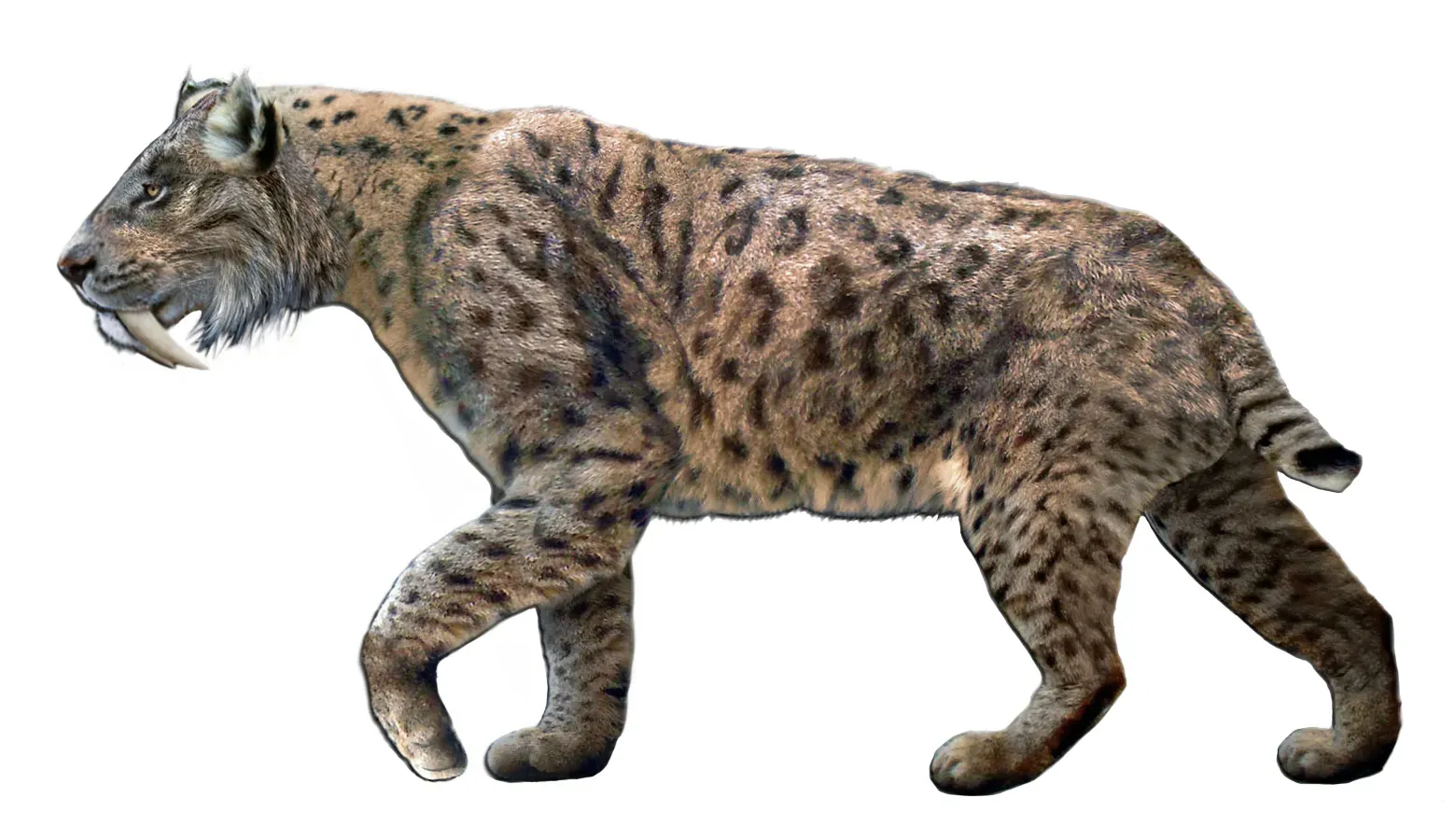
Picture a predator stalking the Americas during the Pleistocene to early Holocene epoch, living as recently as eight thousand two hundred years ago. Smilodon is a genus of extinct felids and one of the best-known saber-toothed predators and prehistoric mammals. Let’s be real, what made these cats absolutely terrifying wasn’t just their size. Their massive upper canine teeth measured up to eight inches in length.
The jaw could be opened to about a ninety-degree angle to free the upper canines for action. Unlike modern large felines like panthers, which kill by throttling prey after crushing down the airways, sabretooths dispatched prey by pulling it to the ground and stabbing through the neck to cut it open. Smilodon was likely an ambush predator that concealed itself in dense vegetation, as its limb proportions were similar to modern forest-dwelling cats. The element of surprise combined with those deadly fangs created a killing machine that could take down prey many times its own size, including mammoths and giant ground sloths.
Gorgonopsids: The Pre-Dinosaur Nightmares
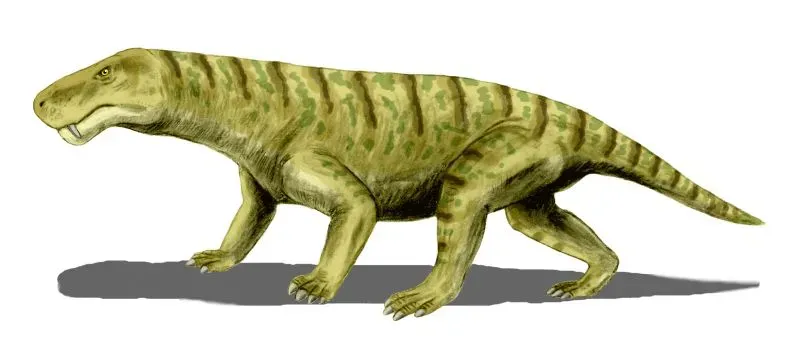
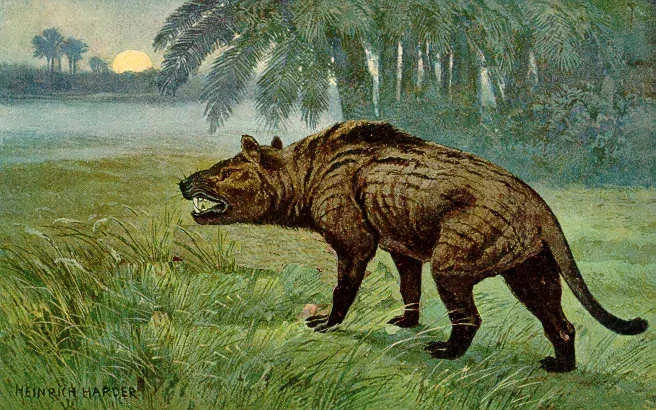
In the Permian period, roughly two hundred ninety-eight to two hundred fifty-two million years ago, we have evidence of animals such as Gorgonopsids – large, carnivorous, four-legged monsters with long, sabre-like fangs, strong rear legs, and a vaulted palate that allowed them to breathe when they grabbed their prey. These weren’t dinosaurs at all. They actually predated dinosaurs by millions of years, yet they pioneered hunting strategies that would make any modern predator jealous.
The biggest was roughly the size of a large bear. These creatures, with their saber-like teeth, were among the top predators of their time, and their powerful limbs and sharp claws made them efficient hunters that could take down prey with precision and strength unparalleled in their era. Think about that for a moment. These animals ruled the Earth before the first dinosaur ever drew breath, establishing dominance through sheer ferocity and evolutionary innovation.
Megalodon: The Ocean’s Ultimate Apex Predator
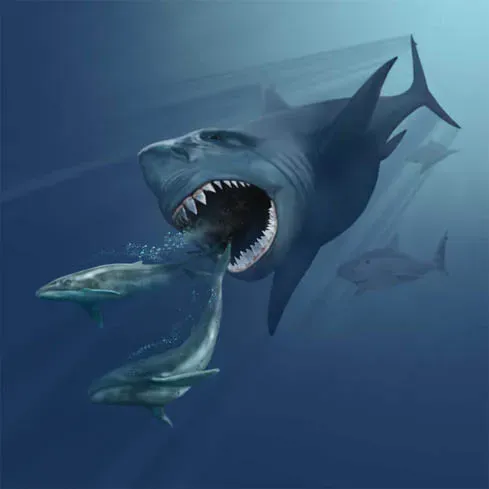
The prehistoric oceans harbored their own brand of terror. Roaming the ancient oceans between twenty-three and three point six million years ago, Carcharocles megalodon represents the largest shark species to ever exist, with estimated lengths reaching up to sixty feet and weighing as much as fifty tons. Honestly, trying to comprehend an animal of this scale is difficult. Modern great white sharks, themselves fearsome hunters, were dwarfed by this prehistoric giant.
Its most terrifying feature was its jaw, which could open over seven feet wide and was lined with serrated teeth measuring up to seven inches long – each one designed to slice through the toughest whale bone and blubber, with a bite force calculated at an astounding forty thousand pounds per square inch, easily the most powerful bite of any animal in Earth’s history. No creature in the ocean was safe from Megalodon. This wasn’t just a big shark swimming around looking for fish. It actively hunted whales, the largest animals in the sea, making it the undisputed ruler of prehistoric marine environments for millions of years.
Woolly Mammoths: Mighty Giants of the Ice Age
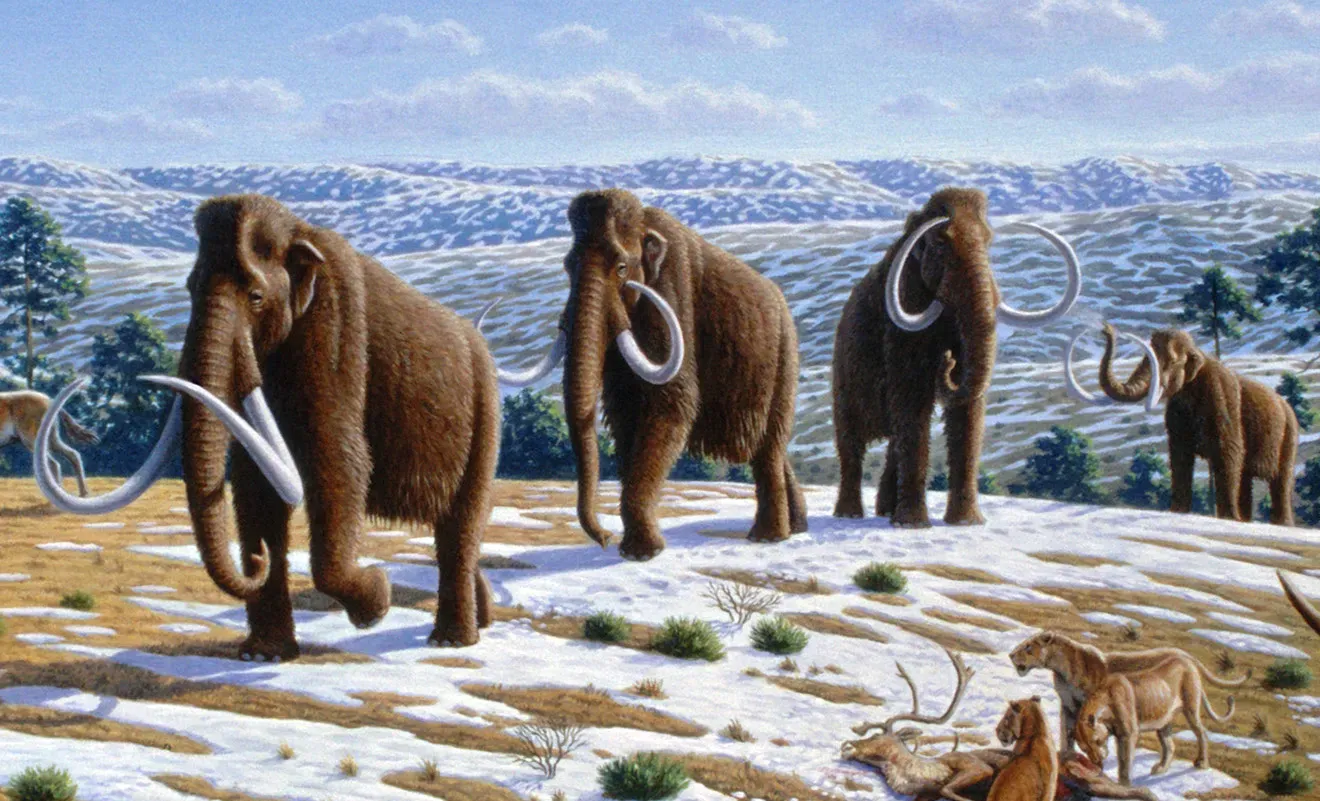
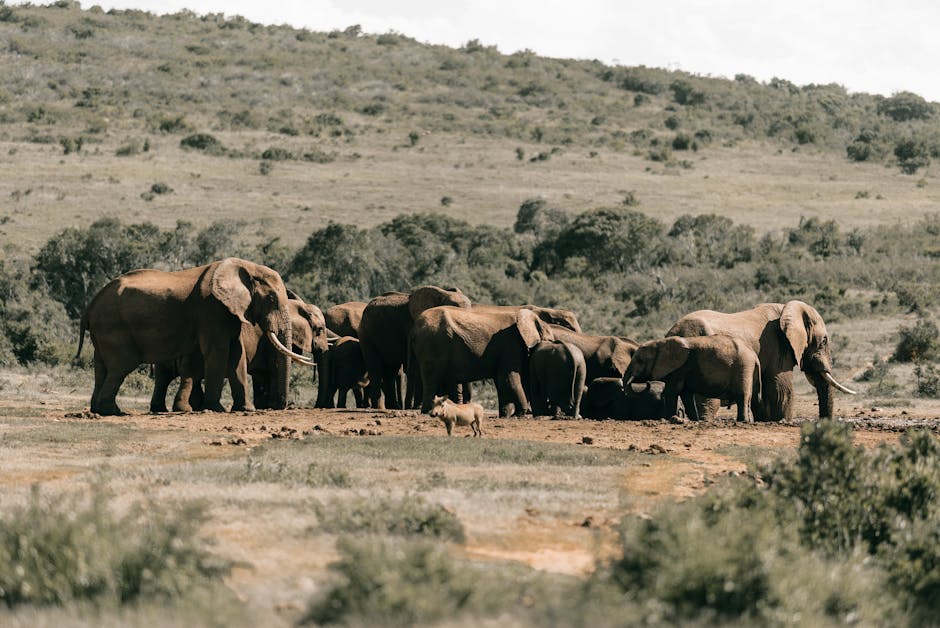
The woolly mammoth (Mammuthus primigenius) is one of the most famous extinct Ice Age megafauna, standing twelve feet tall at the shoulders and weighing six to eight tons, with colossal, fifteen-foot curved tusks used to dig under the snow for food and defend itself against predators. While not traditionally viewed as fierce predators, these massive herbivores were incredibly dangerous when threatened. Their sheer size and strength made them formidable opponents for any predator, including early human hunters.
Mammoths spread everywhere in Ice Age North America, ranging from Canada down to Honduras, and nearly all mammoths and mastodons were wiped out in the great megafauna extinction ten thousand years ago, but archeologists have dug up remains showing that lone bands of mammoths still roamed arctic islands as recently as forty-five hundred years ago, with mammoths living down to the time when the Egyptians were building the pyramids. These gentle giants could become aggressive when protecting their herds, especially calves, and their massive tusks served as both tools and weapons. A charging mammoth presented a wall of muscle, fur, and ivory that few creatures would dare challenge.
Conclusion
The prehistoric world extended far beyond the age of dinosaurs, hosting creatures equally impressive and terrifying. From the saber-toothed Smilodon stalking prey in American grasslands to the enormous Megalodon patrolling ancient seas, from the proto-mammalian Gorgonopsids of the Permian to the towering woolly mammoths of the Ice Age, Earth has been home to an incredible diversity of powerful animals throughout its history.
The Late Pleistocene saw the extinction of many mammals weighing more than forty kilograms, including around eighty percent of mammals over one tonne, with about sixty-five percent of all megafaunal species worldwide becoming extinct. These extinctions happened relatively recently in geological terms, removing the last of these magnificent beasts from our world. What strikes me most is how recently some of these animals shared the planet with our ancestors, coexisting in a world that must have been both wondrous and terrifying in equal measure.
Did you imagine these creatures could rival dinosaurs in their fearsome nature? What do you think about the fact that humans actually lived alongside many of them?