When you look in the mirror, it’s easy to think of yourself as the end point of a long story. But if you could roll time back a few hundred thousand years, you’d find a world where you weren’t special at all – because you wouldn’t exist yet. Instead, several other human species walked the Earth, made tools, raised children, and faced down predators long before Homo sapiens ever showed up.
What makes this story so gripping is that it is not a straight ladder with you calmly waiting at the top. It is more like a tangled forest of paths, with different human species splitting, overlapping, and sometimes even meeting again. As you move through these five ancient relatives, you start to see how fragile your own branch really is – and how easily a slightly different climate, a random mutation, or a volcanic eruption could have left some other human standing where you are now.
Homo habilis: the handy experiment at the dawn of our genus
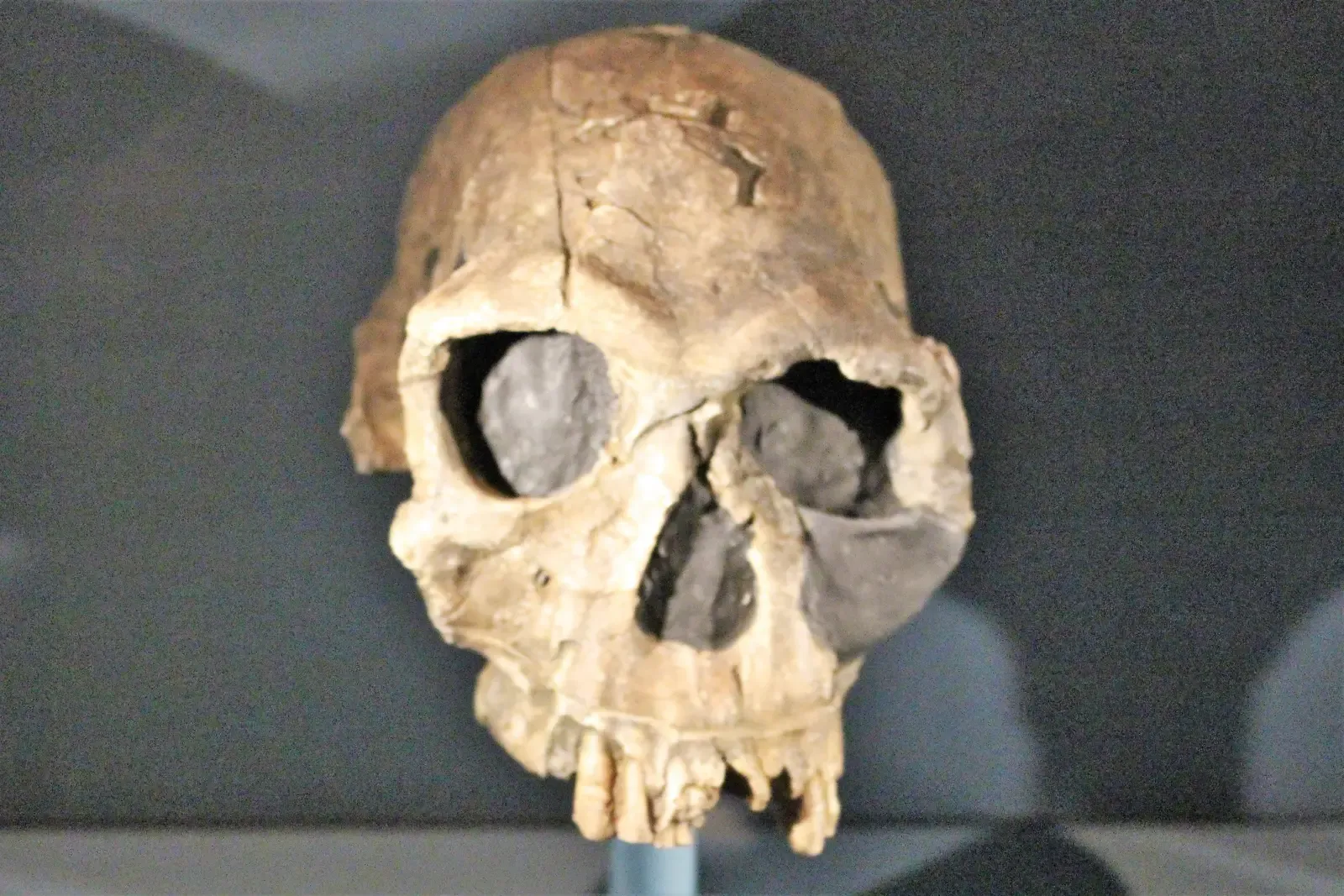
If you could step into East Africa roughly two million years ago, you’d meet a small, somewhat awkward-looking creature that researchers call Homo habilis. You’d probably recognize something familiar in its face and hands, even though its body still carried many ape-like traits. Its arms were relatively long, its body was short, and its brain was only a bit larger than that of earlier australopithecines, yet it already belonged to the same genus as you do: Homo. What set it apart most clearly was not the way it looked but what it did with stones.
Archaeologists often connect Homo habilis with some of the earliest known stone tools, simple flakes and choppers that let it crack open bones for marrow or slice meat from carcasses. When you imagine the first time someone realized a sharp edge of stone could change their odds of survival, you are probably picturing a scene very much like the life of this species. At the same time, you should know that scientists are still arguing over where Homo habilis really sits in the family tree. Some see it as a direct ancestor to later humans; others suspect it may be more like a side branch that evolved alongside the true line that led to you.
Homo erectus: the tireless traveler who left Africa first
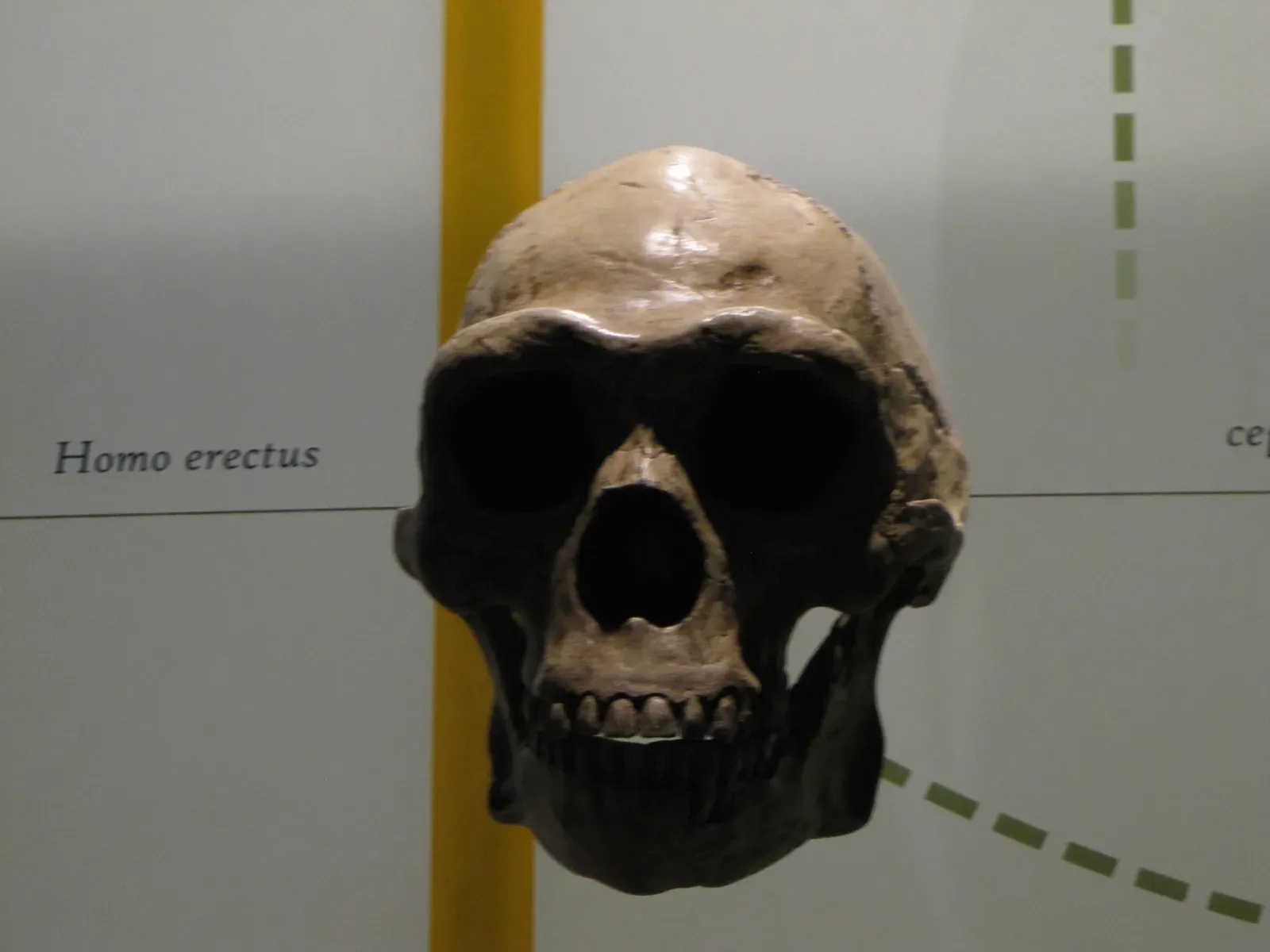
Move the time slider forward a little, and you run into one of the real game-changers: Homo erectus. This species appeared in Africa roughly about two million years ago and endured for more than a million and a half years, far longer than your own species has managed so far. When you picture a human ancestor standing fully upright, with long legs built for distance and a noticeably larger brain, you’re almost certainly picturing something like Homo erectus. Its skeleton shows a body much closer to your own, capable of long walks and probably long-distance running across open landscapes.
You also owe some of your restlessness to this species. Homo erectus is widely regarded as the first human to venture far beyond Africa, spreading into parts of Asia and, in time, Europe. Along the way, it refined stone tools into more sophisticated hand-axes and likely mastered the use of fire, which would have been nothing short of revolutionary for warmth, cooking, and protection. Even today, new fossils and sites keep forcing you to adjust the timeline of its journey, showing these early travelers turning up in places and times that researchers did not expect. When you think about migration, exploration, and the urge to see what lies over the next hill, you are touching instincts that may go all the way back to Homo erectus.
Homo heidelbergensis: the common ancestor lurking in your shadow
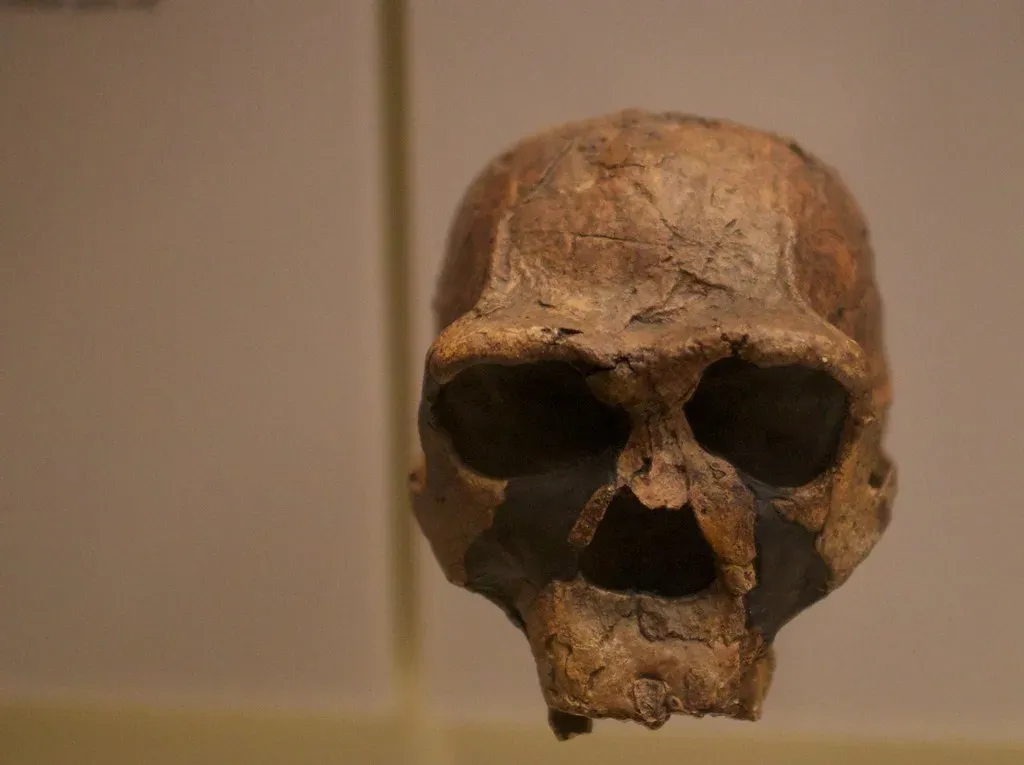
Fast-forward again to between about seven hundred thousand and two hundred thousand years ago, and you encounter a species that feels eerily like a crossroads: Homo heidelbergensis. If you met one in person, you might be struck by the mixture of traits. The body would look powerful and sturdy, with a brain size overlapping the lower range of modern humans, but the face and skull would still seem heavy and archaic to your eyes. In many reconstructions, this species looks like a blend of Homo erectus and something more modern, and that is exactly why it has attracted so much attention.
Many researchers see Homo heidelbergensis as a strong candidate for the last common ancestor of you, the Neanderthals, and the Denisovans. In Africa, populations often linked to this species may have given rise to Homo sapiens, while in Europe and parts of western Asia, related groups likely evolved toward Neanderthals and Denisovans. That means when you think about a branching point where your lineage and the Neanderthals’ lineage parted ways, you are probably imagining a population very similar to Homo heidelbergensis. The fossils from sites like Sima de los Huesos in Spain, which show clear Neanderthal-related features in individuals more than four hundred thousand years old, keep reminding you that your family story is not clean-cut, but this species still sits near the heart of it.
Homo neanderthalensis: the rugged cousins you still carry inside you
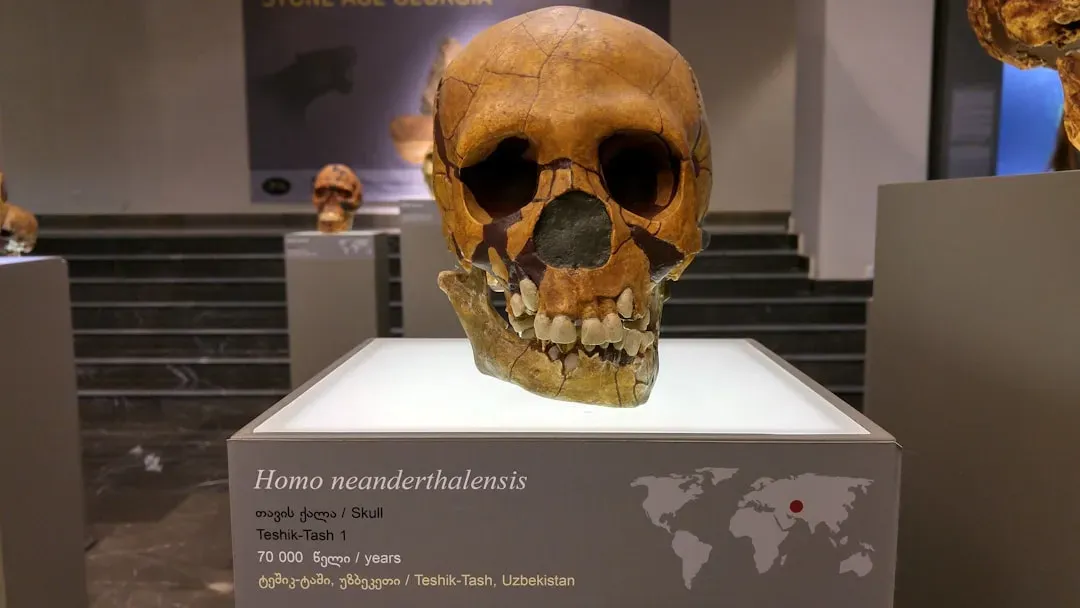
You have likely heard of Neanderthals so often that they almost feel like characters from a legend rather than real people. Yet from roughly four hundred thousand to about forty thousand years ago, they were one of the dominant human species across Europe and parts of western Asia. If you stood face to face with a Neanderthal, you would see someone shorter and more thickly built than most modern humans, with a big nose, a long, low skull, and a brain at least as large as your own. Their bodies were tuned for cold climates and hard physical lives, but their minds were far from simple.
Evidence suggests that Neanderthals hunted large animals, used sophisticated stone tools, controlled fire, and likely engaged in symbolic behaviors such as wearing ornaments or marking objects. For a long time, popular stories painted them as clumsy and inferior, but genetic and archaeological work has steadily dismantled that caricature. You now know that your ancestors met them, lived alongside them for thousands of years, and had children together. If you have ancestry from regions outside of Africa, you almost certainly carry a small percentage of Neanderthal DNA, influencing everything from your immune system to subtle aspects of your physiology. In a very real sense, Neanderthals did not vanish completely; parts of them are walking around in you today.
Denisovans: the ghostly humans traced in your DNA
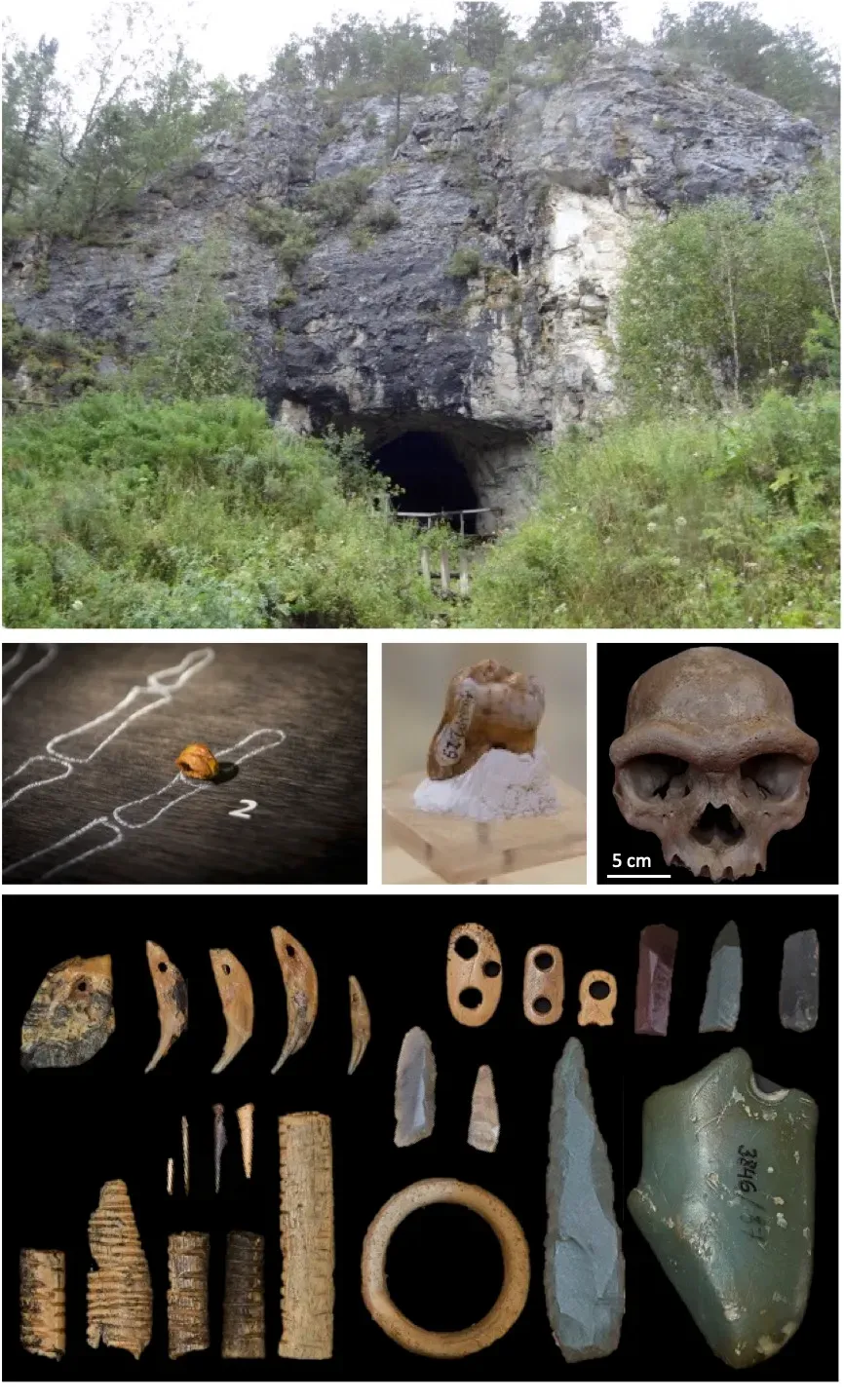
Unlike the Neanderthals, Denisovans remain almost ghost-like in the fossil record, yet they are surprisingly present in your genome if you have ancestry from parts of Asia or Oceania. This mysterious group was first recognized from a few fragmentary remains – a finger bone, some teeth, and later bits of skull – found in a Siberian cave. If you tried to imagine a Denisovan face from fossils alone, you’d quickly hit a wall, because there simply are not enough bones. Instead, it was ancient DNA extracted from those fragments that revealed a distinct human lineage, as closely related to Neanderthals as they are to you, but clearly different from both.
Genetic studies show that Denisovans split from a shared ancestor with Neanderthals hundreds of thousands of years ago and later interbred with early Homo sapiens in several parts of Asia. In some modern populations, especially in Melanesia and nearby regions, a noticeable fraction of the genome can be traced back to Denisovans. Some of these inherited genes may even help with things like high-altitude adaptation or certain immune responses. So even though you cannot walk through a museum hall lined with Denisovan skeletons, you can still feel their presence every time researchers map human DNA and stumble across a sequence that does not quite fit Neanderthal or modern human patterns.
Conclusion: living with the ghosts of other humans
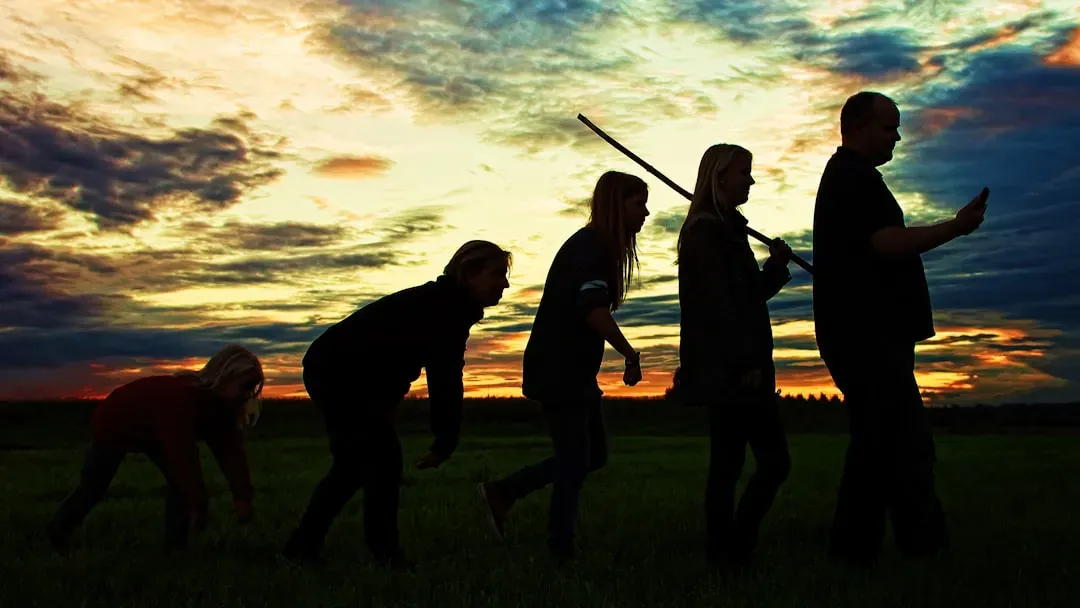
When you put these five species side by side – Homo habilis, Homo erectus, Homo heidelbergensis, Neanderthals, and Denisovans – you start to see that your existence is not the inevitable end of a smooth story but one outcome among many. Each of these humans solved the problems of survival in their own way, with their own bodies, tools, and cultures. Some were small and experimental, some spread across continents, and some left almost no bones behind at all, only faint traces in your DNA. Yet together, they form the deep background of what it means to be human today.
The next time you wonder what makes you special as a species, it might help to remember that you are standing on a crowded family tree, surrounded by relatives who almost made it to the present. You are not alone in the story of humankind; you are simply the branch that, for now, survived. Your genes still carry whispers of meetings, matings, and migrations with these lost cousins, and your body and brain still reflect decisions reached millions of years ago by ancestors you will never meet. Knowing that, how does it change the way you see yourself when you look in the mirror?