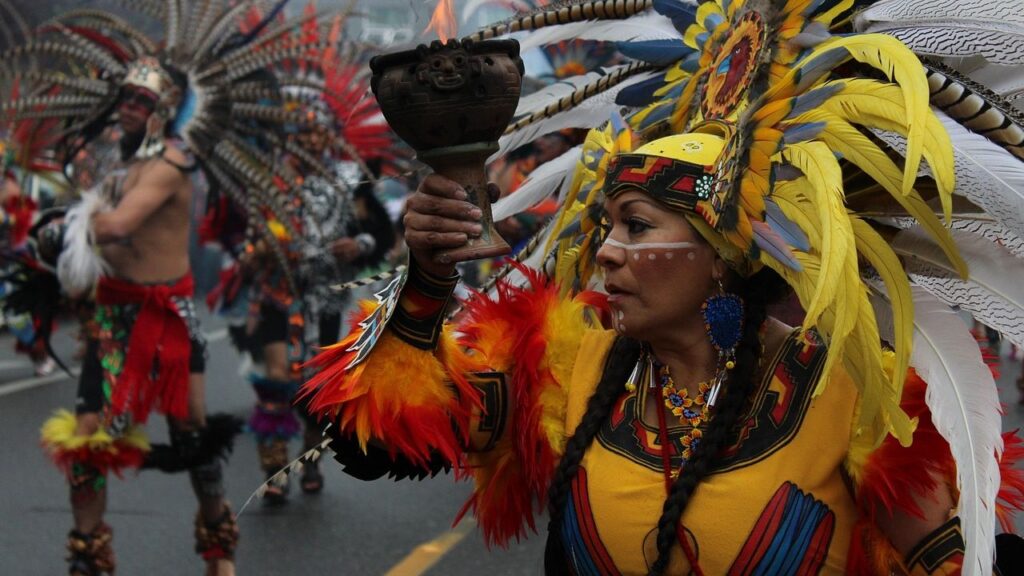
Long before cities, governments, or written laws ever existed, small groups of humans were already figuring out how to live together, survive together, and make meaning together. It is honestly staggering when you stop to think about it. The traditions they built did not just help them endure the wild unpredictability of prehistoric life. They became the very skeleton of what we now call civilization.
These early tribal societies were the building blocks of human civilization, representing the initial attempts at organized social living. What is even more fascinating is how many of those ancient practices quietly echo through our modern institutions, belief systems, and social habits without most people ever noticing. From the way you trust your community to the way you mourn your dead, ancient tribal DNA runs deeper than you might expect. Let’s dive in.
1. Shamanism: The World’s First Profession and Spiritual Framework
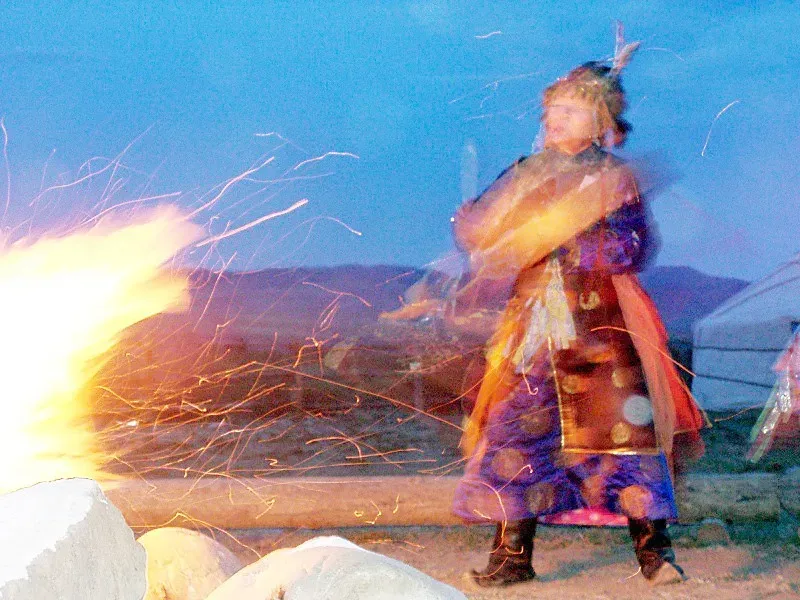
Here’s the thing about shamanism. It was not just a spiritual curiosity or a tribal quirk. Shamanism existed among nearly all documented hunter-gatherers, likely characterized the religious lives of many ancestral humans, and is often proposed by anthropologists to be the “first profession,” representing the first institutionalized division of labor beyond age and sex. That is a remarkable claim when you sit with it. Think of it like the earliest version of a specialist role in a society, long before doctors, priests, or judges existed as separate categories.
Shamanism is historically associated with indigenous and tribal societies, and involves the belief that shamans, with a connection to the otherworld, have the power to heal the sick, communicate with spirits, and escort souls of the dead to the afterlife. The political influence of shamanistic practices is evident in several ancient societies where shamans also served as advisors to tribal leaders or council members. In some regions, shamans acted as arbitrators, using their spiritual insights to make fair judgments that were respected and adhered to by the community. This ensured that their decisions were backed by a perceived higher spiritual authority, which added weight to their recommendations and rulings. In a world without formal courts or constitutions, this was governance in its most primal form.
2. Oral Tradition and Storytelling: The Original Internet
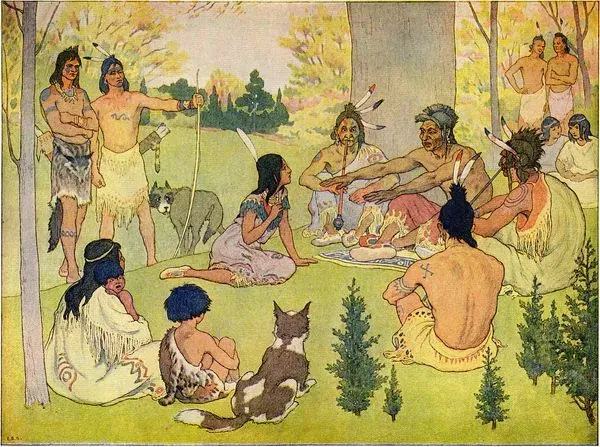
You might laugh at comparing campfire stories to the internet, but the parallel is more honest than it sounds. Storytelling is one of the earliest means of societal communication. Among American Indians, storytelling is a means of communication as well as entertainment. Using storytelling to transmit educational messages is a traditional pedagogical method practiced by many American Indian tribes. Before a single word was ever scratched into stone or bark, entire histories, moral codes, and survival strategies lived exclusively in the spoken word.
The American Indian culture is maintained through the telling of stories, particularly because it is a culture based on oral as opposed to written tradition. The spoken word is what gives life and meaning to Indian history and customs. Songs, chants, curing rites, prayers, lullabies, jokes, personal narratives, and stories are the means by which Indians transmit the heritage of their most significant lessons from one generation to the next. I think this is worth pausing on. Every piece of tribal knowledge, every hard-won lesson about which plant heals and which kills, every social rule about fairness and respect, traveled through voice alone. The resilience of that system across tens of thousands of years is quietly breathtaking.
3. Initiation Rites: Turning Individuals Into Community Members
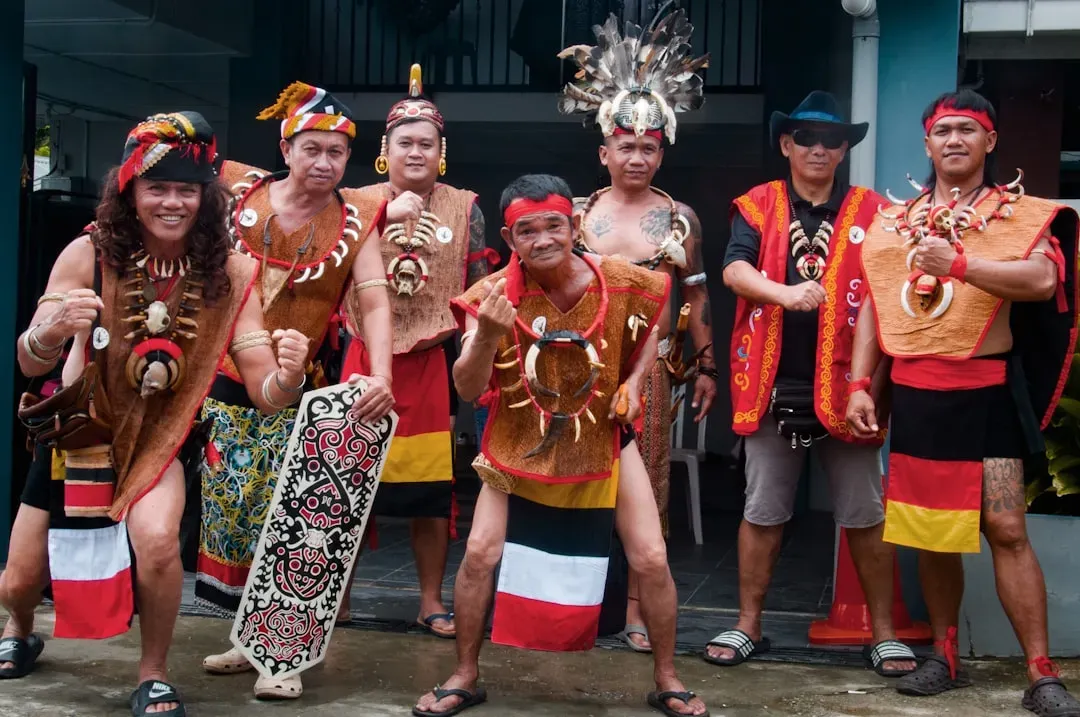
Initiation ceremonies are one of the most universal features of ancient tribal life across every continent. Rituals have a profound impact on both individual and collective identity. Initiation rituals can mark an individual’s transition from one stage of life to another, while cultural festivals can reinforce a sense of community and shared identity. These were not just symbolic ceremonies. They were high-stakes psychological events that fundamentally changed how a person saw themselves and how the group saw them.
Initiation rituals were found in many areas; religious artifacts included masks and, in the Pacific Northwest, totem poles. Tribes also embraced ceremonies and rituals that provided power to conquer life’s difficulties, as well as events and milestones such as puberty, marriage, and death. The deeper function of these rites went beyond personal transformation. Shared rituals bind communities together. When people participate in the same ceremony, they experience a collective emotional state that reinforces their sense of belonging. In a tribe of only a few dozen people, that collective emotional bond was often the difference between survival and collapse.
4. Ancestor Veneration: Governance Through the Past
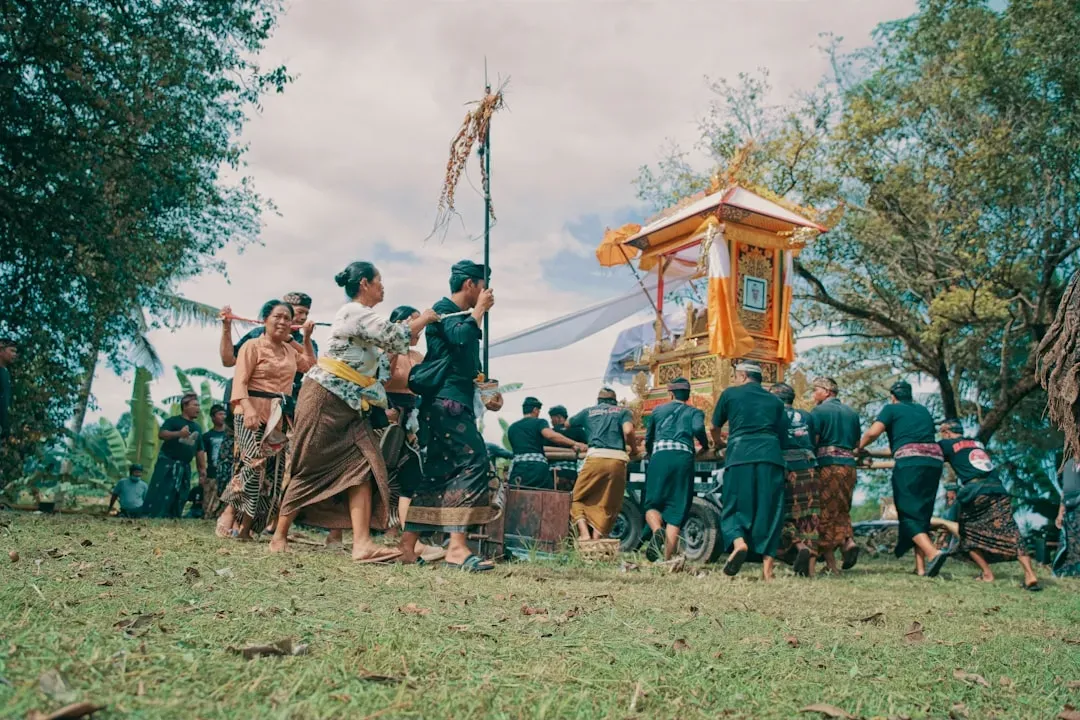
Indigenous African beliefs frequently include the worship of various spirits, multiple gods, family and tribal ancestors, and are based on an understanding that the spiritual infuses every aspect of daily life. The concept of a supreme being is not always a part of indigenous tribal life and practice, and the gods, ancestors and spirits are not necessarily thought to be omnipresent, omniscient, or even always good. The role of ancestors is important within these traditions, indicating a link between the dead and their living descendants. This was not superstition for its own sake. It was a sophisticated mechanism for social continuity.
Honestly, think about what ancestor veneration actually does for a society. It gives the community a shared origin story. It establishes behavioral norms by asking, essentially, “what would those who came before us expect of us?” Diviners, priests, or community members communicate with the dead in various ways, and this might include prayers, sacrifices, rituals, festivals, and ceremonies. In most parts of West Africa, public festivals and masquerades are central to spiritual wellbeing. Tribal organization significantly shaped early societies by establishing foundational social structures and relationships that persisted into later political systems. The reverence for ancestry was quite literally the scaffolding upon which early governance and law were built.
5. Communal Hunting and the Division of Labor: The Blueprint for Cooperation
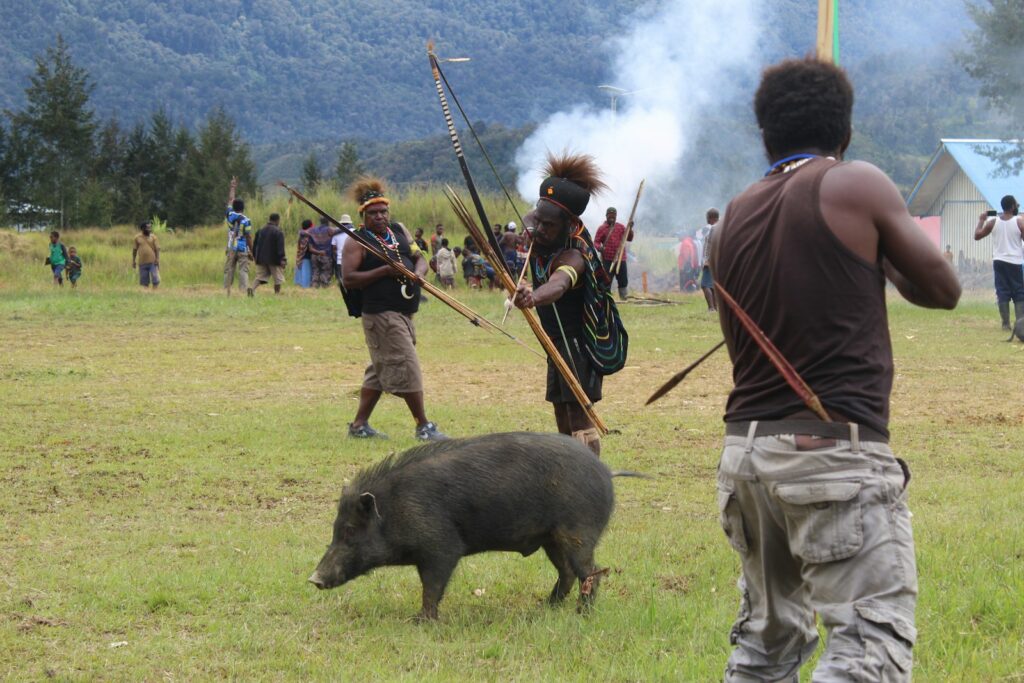
Hunting and gathering was presumably the subsistence strategy employed by human societies beginning some 1.8 million years ago, by Homo erectus, and from its appearance some 200,000 years ago by Homo sapiens. But here is what most people overlook: the act of hunting together was not just about getting food. It was the original engine of social organization. Ancestors developed sophisticated tools and techniques for hunting, gathering, and shelter construction. They learned to cooperate and share resources, mitigating the risks of individual failure. They also developed complex social structures and belief systems that provided meaning and purpose in a harsh world.
The advent of farming allowed for surplus food production, which supported larger populations. As societies developed, specialization in crafts emerged, enhancing trade and economic complexity. The evolution of these economic systems was crucial in determining the social structures of early communities, influencing roles, responsibilities, and social stratification. It all traces back to that earliest tribal habit of splitting tasks and trusting each other. Trade and inter-tribal relations fostered cultural exchange, leading to the spread of language and religious practices among tribes. The transition from nomadic lifestyles to settled agriculture during this period strengthened tribal organization as communities became more interconnected. Cooperation was the original superpower of the human species.
Conclusion: The Tribal Thread Running Through Modern Life
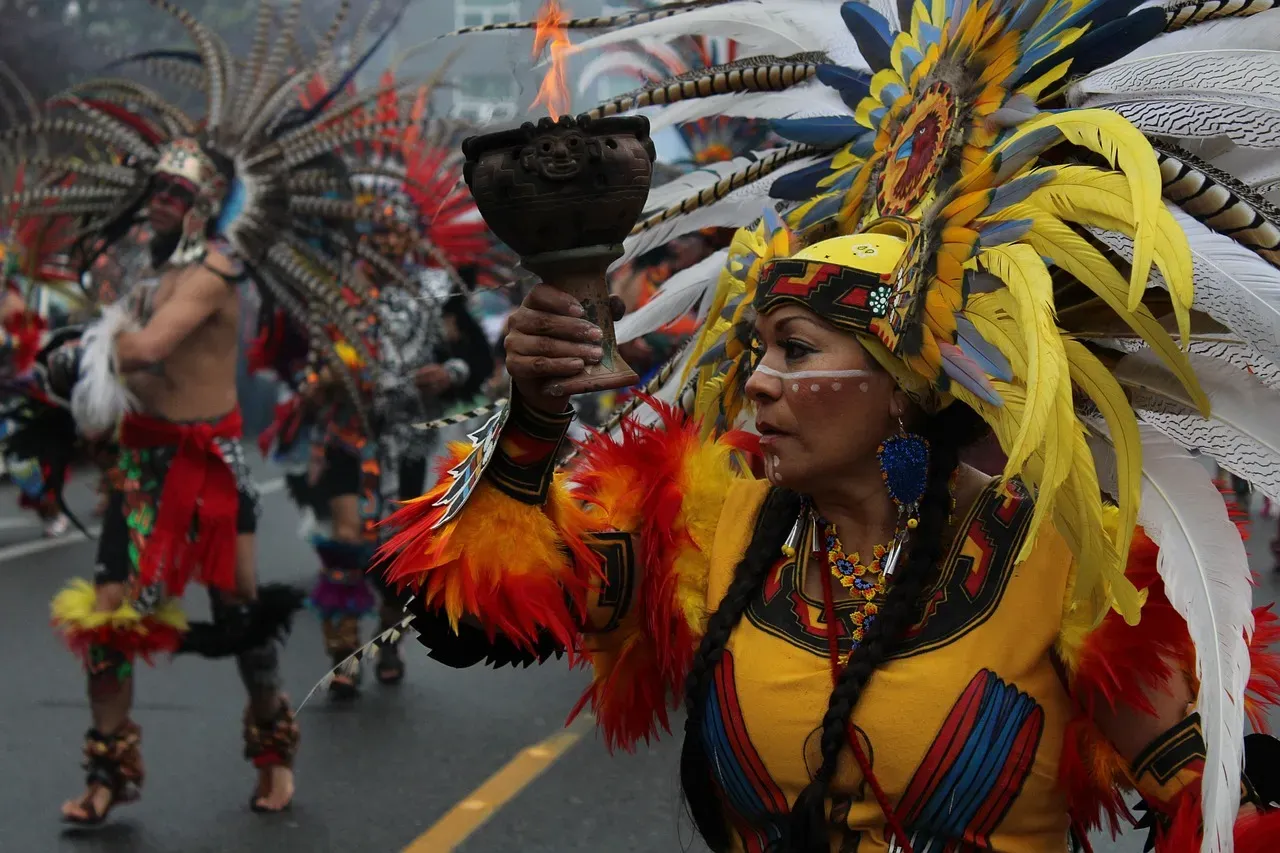
It is easy to look at ancient tribal practices and feel a comfortable distance from them, as if they belong to a world so different from our own that they barely apply. But that distance is an illusion. While our societies have changed dramatically over the millennia, the influence of these early communities can still be felt in many aspects of our lives. From our social instincts to our cultural values, the first tribes laid the foundation for human civilization.
The next time you attend a ceremony, gather with family to honor someone who has passed, feel that pull of belonging in a crowd, or sit around a table sharing stories, you are doing something profoundly ancient. Rituals have been an integral part of human societies throughout history, playing a significant role in shaping cultural identity and societal norms. From ancient ceremonies to modern-day practices, rituals have evolved over time, influenced by historical events, cultural exchange, and social change. The forms have changed. The human needs they serve have not.
We are, at our core, still tribal creatures wearing modern clothes. Which of these five ancient practices do you think has had the most lasting influence on the way we live today? Let us know in the comments.