You probably grew up with a very specific picture of dinosaurs in your head: gigantic, cold-blooded reptiles lumbering through steamy jungles until a mysterious catastrophe wiped them out. That old-school image is so deeply baked into movies, toys, and museum dioramas that it can feel almost untouchable. But once you start looking at what paleontologists have actually dug up over the past few decades, that childhood version of dinosaurs crumbles fast.
When you follow the fossil evidence, you see something far more surprising: fuzzy, fast, social, sometimes caring, sometimes terrifyingly efficient animals living in complex ecosystems and crashing out in one of the most violent days in Earth’s history. The five discoveries below did more than tweak a few details. They forced you to rewrite the dinosaur story from the ground up – how they looked, how they lived, and how they died.
1. Feathered Dinosaurs Rewrite How You Picture a “Dinosaur”
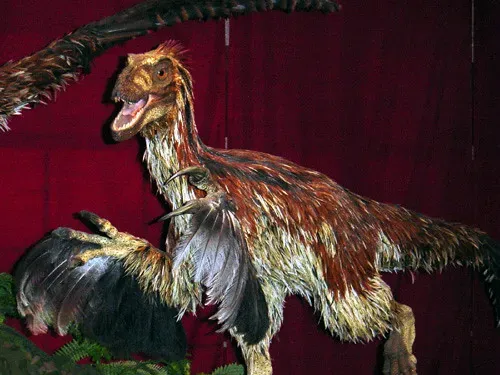
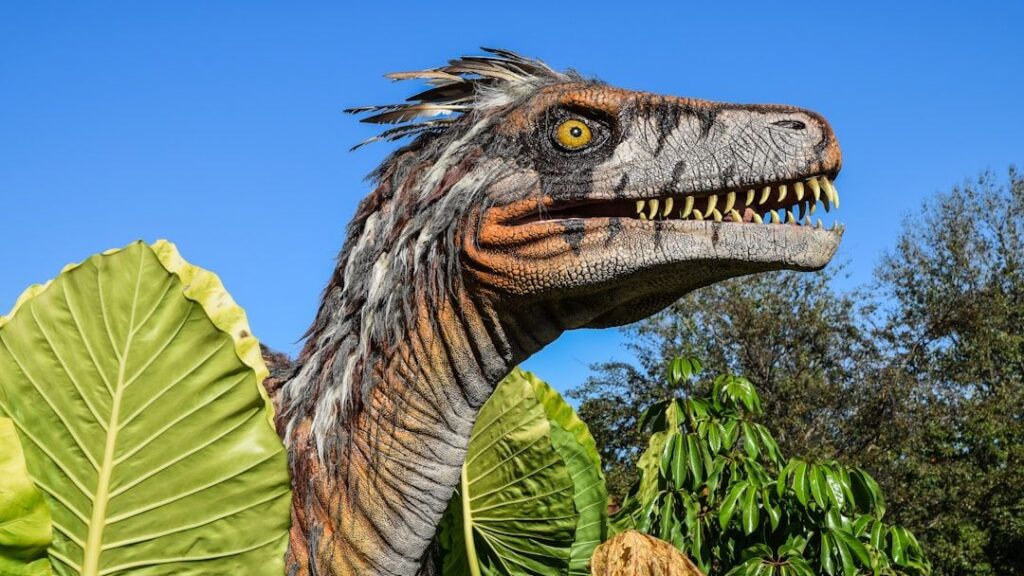
Imagine being told that the classic scaly velociraptor in your favorite movie is basically fan fiction. That is what feathered dinosaur fossils do to your brain the first time you really look at them. When you see specimens like Sinosauropteryx from northeastern China, you are not staring at bare reptilian skin; you are looking at a halo of filament-like structures that behave like primitive feathers, probably used for insulation and display rather than flight. You are no longer dealing with a crocodile-style reptile – you are suddenly face to face with a very strange, ground‑dwelling, fluffy predator.
Once you let that sink in, the dominoes start to fall. More and more fossils from the same region show a spectrum of feather types on different dinosaur groups, including relatives of tyrannosaurs and raptors. You are forced to accept that feathers did not appear only at the very last step before birds; they spread widely among theropod dinosaurs and probably evolved first for warmth or showiness before ever helping with flight. Instead of a world of green and gray scales, you are now looking at a Cretaceous landscape that could have been dotted with striped, banded, and possibly brightly colored feathered animals – much closer to a wild bird sanctuary than a reptile house.
2. The Dinosaur–Bird Connection Turns “Extinct” Into “All Around You”
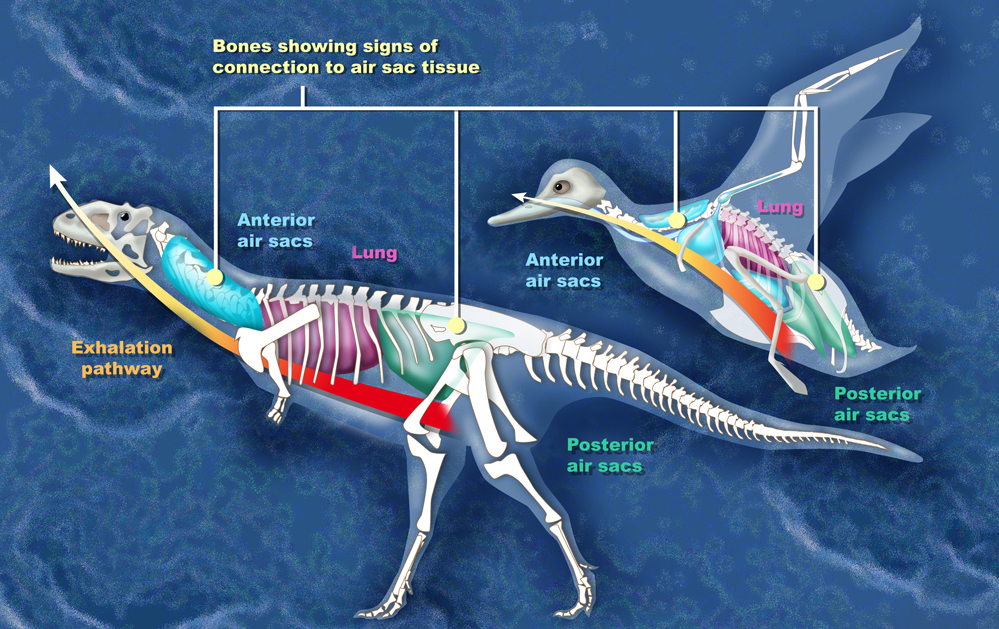
If you have ever thought of birds as gentle, fragile creatures and dinosaurs as heavy, roaring monsters, the dinosaur–bird connection feels almost insulting at first. But when you compare a fossil like Archaeopteryx to small theropod dinosaurs, you keep tripping over the same features: long, bony tails, teeth, claws on the wings, and feathers that look ready to catch air. Instead of a sudden magical jump from dinosaur to bird, you are looking at a sliding scale of forms where the line between “dinosaur” and “bird” becomes less like a wall and more like a blur.
This changes how you use the word “extinction” in your own mind. Non‑avian dinosaurs died out at the end of the Cretaceous, but once you accept that birds are deeply nested within the dinosaur family tree, you have to admit that a branch of dinosaurs survived and is still flying over your head. When a hawk glides over a highway or a pigeon glares at you from a city ledge, you are looking at a living dinosaur, not just a distant cousin. Instead of thinking of dinosaurs as a failed experiment, you start to see them as one of evolution’s biggest long‑term success stories, with a lineage that stretches from Jurassic forests to modern bird feeders in your backyard.
3. Bone Clues Show Dinosaurs Were Not Just Slow, Cold-Blooded Brutes
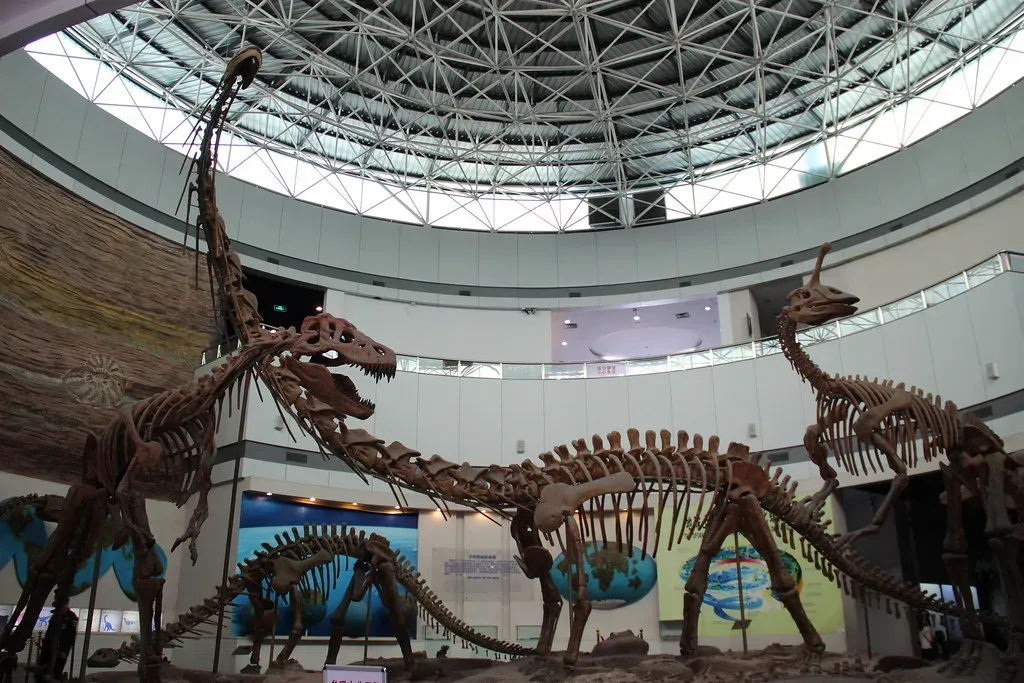
You have probably heard the old claim that dinosaurs were “just big lizards,” cold-blooded creatures that dragged themselves around in slow motion. When you look at dinosaur bones under a microscope, that story falls apart. Many dinosaur skeletons show a dense network of tiny canals and growth rings that look far more like what you see in modern mammals and birds than in sluggish reptiles. That kind of bone structure tells you these animals were growing quickly, repairing tissue actively, and keeping their bodies running at a high metabolic gear.
That does not automatically mean every dinosaur had exactly the same warm-blooded system you see in a songbird or a mouse, but it forces you to abandon the lazy-image stereotype. You start imagining fast‑moving predators that could sustain long chases, herd animals that grew from hatchling to adult at impressive speeds, and active daily lives that depended on at least moderately elevated body temperatures. Instead of picturing dinosaurs as overgrown iguanas sunbathing all day, you see them more like large, high‑performance athletes whose bones record a life of constant growth, movement, and energy use.
4. Fossil Nests Reveal Dinosaurs as Attentive Parents, Not Just Egg Layers
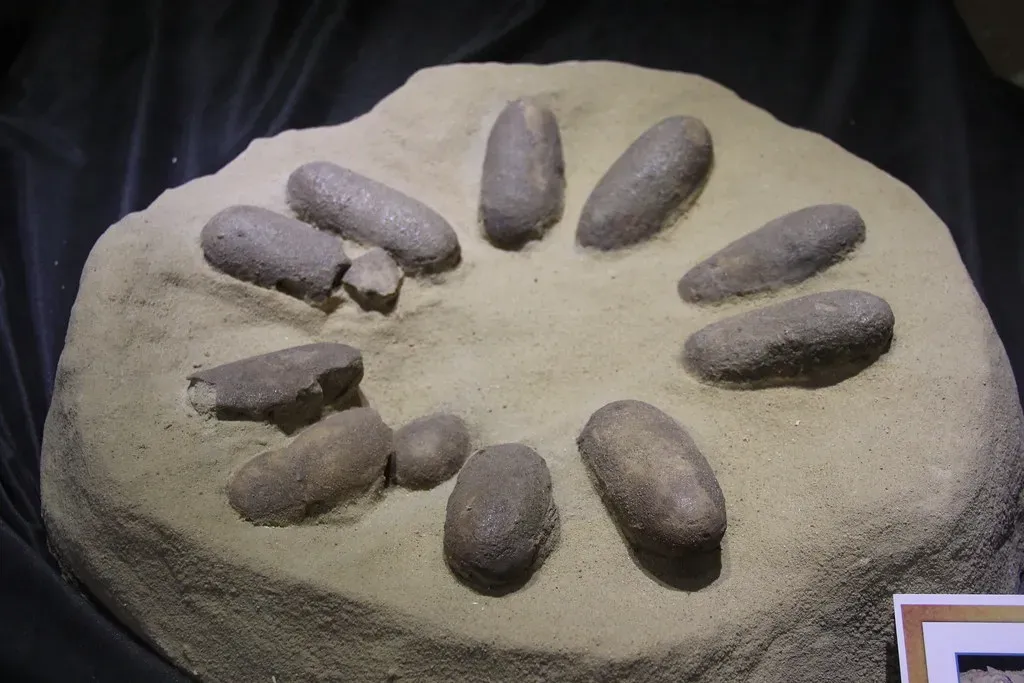
When you stand in front of a fossil nest, you are not just looking at eggs and bones; you are peeking into a family moment that happened millions of years ago. Discoveries like the famous nesting sites of dinosaurs such as Maiasaura show you organized clusters of nests with eggs, hatchlings, and juveniles found together. The pattern tells you that these animals did not simply lay eggs and walk away. Instead, they likely returned to the same nesting grounds year after year, much like seabirds gathering in crowded colonies today.
Some nests preserve tiny bones that are not well developed for walking, suggesting that the babies stayed in the nest and depended on parents for protection or possibly even food. When you imagine that scene, your picture of dinosaurs softens: you see adults carefully arranging eggs, guarding helpless young, and maybe even bringing food to the nest. Suddenly, dinosaurs are not just symbols of power and teeth; they become animals with social bonds, habits, and responsibilities. You are nudged to compare them with modern birds or mammals that invest heavily in their offspring and live in complex social worlds, not mindless creatures that only fight and feed.
5. The Chicxulub Impact Turns Their Extinction Into a Single Catastrophic Day
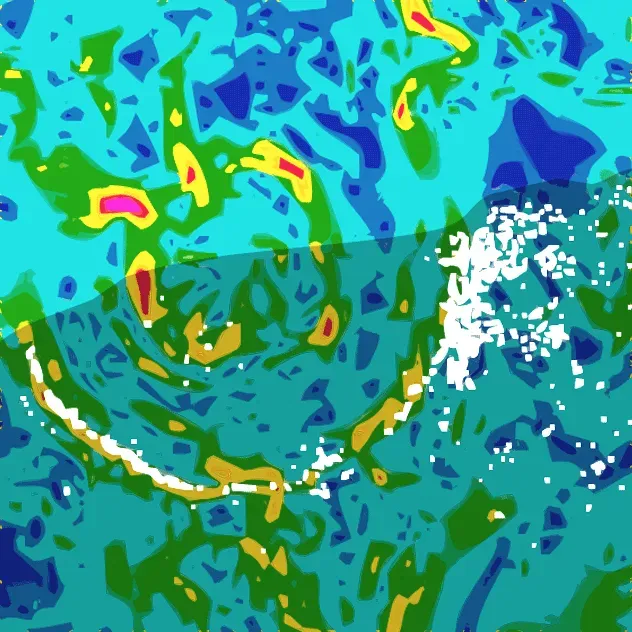
For a long time, you might have been told that dinosaurs simply faded away as the climate slowly changed and they could not keep up. The discovery and detailed study of the Chicxulub crater under the Yucatán Peninsula rips that gentle fade-out away and replaces it with something much more brutal and precise. When you combine the crater’s age, its enormous size – on the order of nearly two hundred kilometers across – and a worldwide layer of debris rich in elements from space, you get a story of an asteroid slamming into Earth roughly sixty‑six million years ago and flipping the planet’s systems almost overnight.
Modeling that impact forces you to imagine a chain reaction that you would never guess from a casual museum label: firestorms igniting forests, shock waves and tsunamis blasting coastlines, and then a long, cold “impact winter” as dust and soot darkened the sky and choked off photosynthesis. Instead of dinosaurs slowly losing a competition they could have won, you see them as the victims of outrageous cosmic bad luck – thriving ecosystems shattered by an event no animal could possibly adapt to in real time. When you connect that crater to the rock layer marking the end of the Cretaceous, you are no longer thinking in vague terms about “the dinosaurs died out”; you are picturing a specific place on Earth where their age effectively ended in a single day.
When you put these discoveries together, your old cartoon version of dinosaurs does not stand a chance. You now know that many of them wore feathers, that birds are literally living dinosaurs, that their bodies ran hot and fast, that some of them cared for their young in sophisticated ways, and that their reign ended not with a whimper but with a world‑shattering impact. You end up with a story that is wilder, richer, and more unfair than anything you probably grew up hearing.
The next time you see a sparrow, a fossil photo, or a dramatic asteroid scene in a movie, you can look at it with very different eyes: you are seeing pieces of a real history that scientists pulled out of rocks, one painstaking discovery at a time. Knowing all this, does the word “dinosaur” still mean what you thought it did when you were a kid?