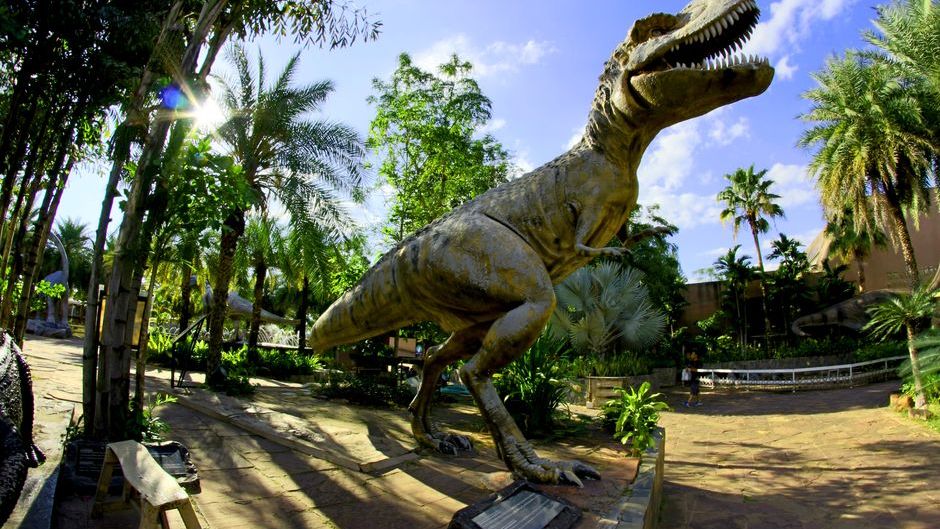
Ask someone who grew up in the 1960s or 1970s what dinosaurs were like, and you’ll probably hear about slow, swamp-dwelling brutes dragging their tails and roaring at the sky like oversized lizards. For a long time, that was the official story in school textbooks, museum displays, and Saturday morning cartoons. It felt solid, authoritative, and almost carved in stone. Then the science changed, the fossils piled up, and suddenly that old dinosaur world started to crumble like a weathered bone in the desert sun.
Over the last few decades, paleontologists have quietly pulled off one of the most surprising rewrites in science: they’ve turned dinosaurs from lumbering clichés into dynamic, complex, and sometimes downright strange animals. I still remember walking into a museum as an adult and thinking, wait, when did the raptors grow feathers and start looking like murderous turkeys? If you grew up in the boomer era, a lot of what you were confidently told about dinosaurs has not just been tweaked – it has been overturned. Here are five of the biggest beliefs that did not survive the fossil record.
1. Dinosaurs Were All Slow, Clumsy, Tail-Dragging Brutes
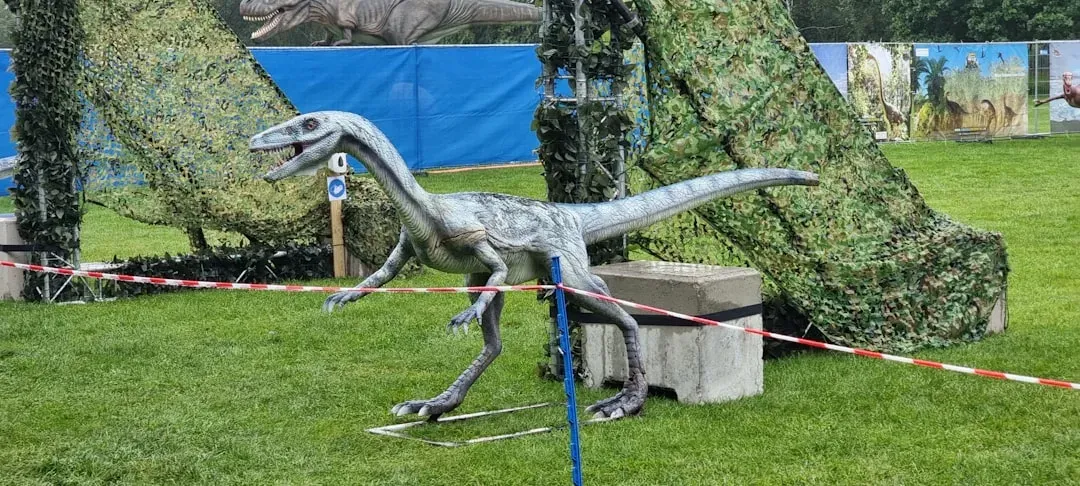
For many boomers, dinosaurs were basically cold-blooded tanks: huge, sluggish, and barely able to move their own weight. Old illustrations often show them slumped in swamps, tails furrowing the mud like a third leg, as if they were one bad day away from sinking and never getting up. This image came from early twentieth-century interpretations that underestimated how their skeletons actually worked and assumed that bigger automatically meant slower. To a kid looking at those pictures, dinosaurs seemed powerful, sure – but also weirdly pathetic, like oversized failures of evolution destined to disappear.
Modern research paints a very different picture. Trackways and biomechanical studies show that many dinosaurs held their tails high as dynamic counterbalances, not dead weight dragging behind them. Leg proportions, muscle attachment sites, and even bone microstructure all point to animals that could be surprisingly agile and active. Some predators were built for speed and maneuverability, and even many plant-eaters were not the clumsy blobs earlier art suggested. The boomer-era swamp monsters have been replaced by a cast of athletes, sprinters, and long-distance walkers that actually make sense for creatures that dominated the planet for tens of millions of years.
2. Dinosaurs Were Just Giant Lizards, Nothing Like Birds
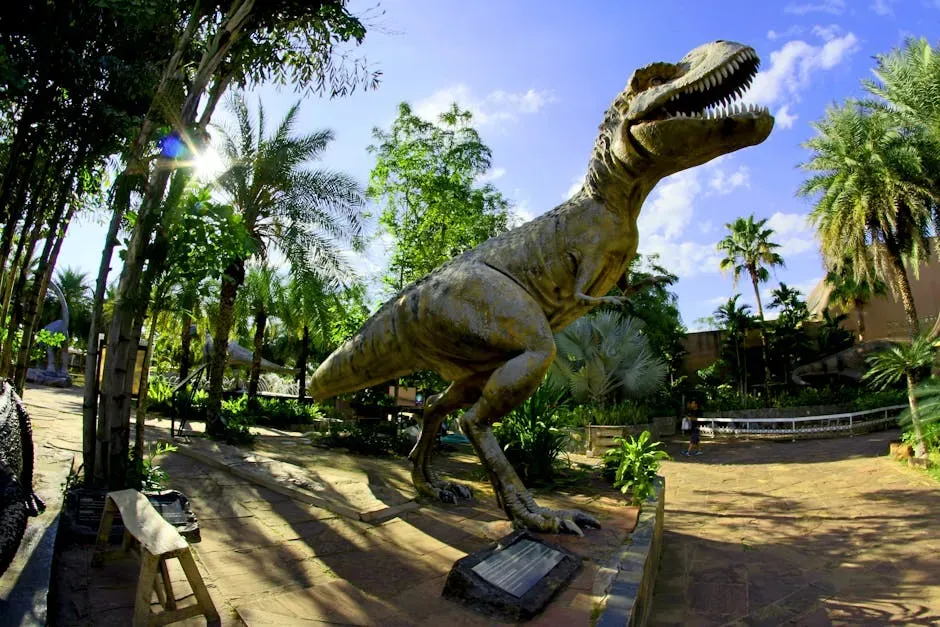
Another popular boomer belief was that dinosaurs were basically supersized reptiles, closer to crocodiles and lizards than anything flying overhead. The very word dinosaur was usually followed by phrases like giant lizard or prehistoric reptile, drawing a hard line between them and modern birds that flock in backyards today. In that older view, the age of dinosaurs ended, the age of birds began, and the two were cleanly separated with a dramatic extinction event in between.
Now we know that line is anything but clean. Detailed fossil comparisons show that birds are not just descended from dinosaurs – they are dinosaurs, specifically from a branch of small, feathered theropods. Features like wishbones, specialized wrists, and even patterns of growth in the bones link modern birds directly to those ancient predators. When you watch a pigeon strut or a hawk launch into flight, you are seeing the living echoes of that dinosaur lineage in motion. To put it bluntly, the boomer-era statement that dinosaurs are gone and birds are something else has been flipped: birds are what remains of the dinosaurs that never left.
3. All Dinosaurs Were Scaly and Reptilian, Never Feathered
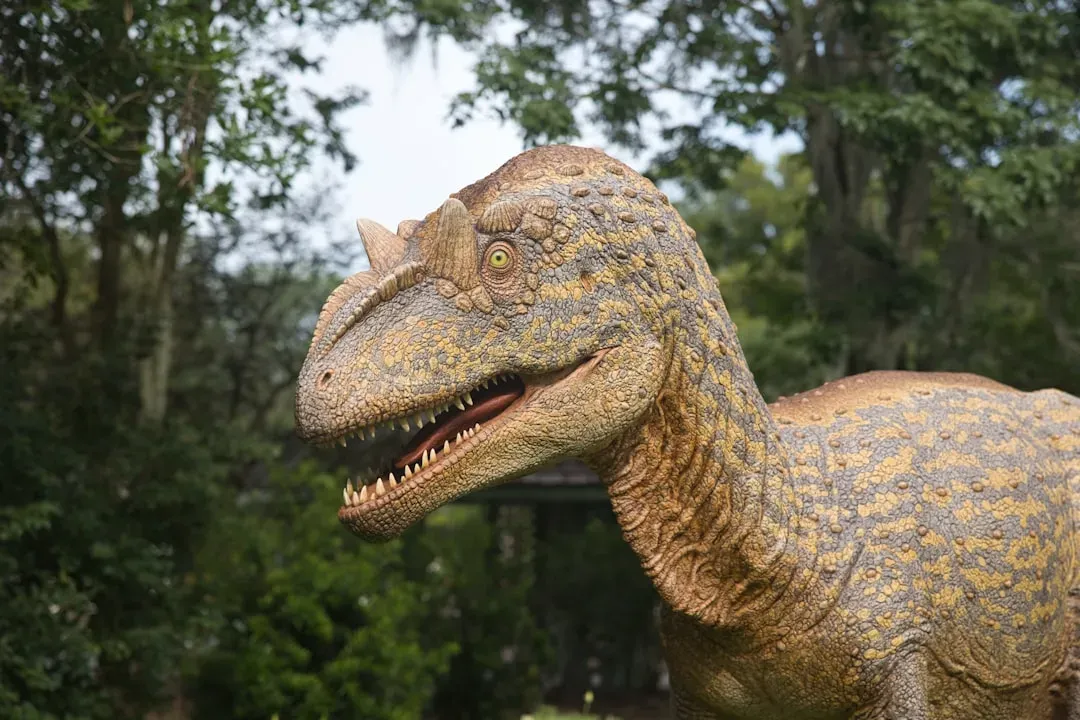
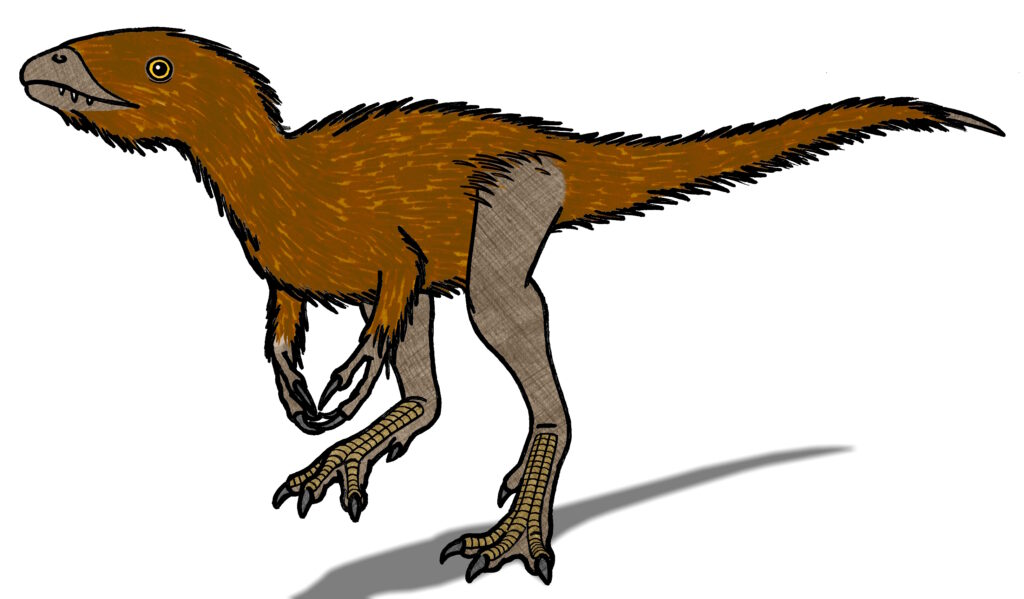
If you grew up surrounded by plastic dinosaur toys, nearly all of them had the same look: leathery, scaly skin, maybe with a few bumps or plates, but nothing resembling feathers. The idea of a feathered dinosaur would have sounded like a joke or a crude mashup – half eagle, half lizard, completely wrong. In older movies and paintings, dinosaurs were always painted in dull greens and browns, like crocodiles scaled up and dropped into prehistory, never with the soft textures or vibrant patterns we associate with birds.
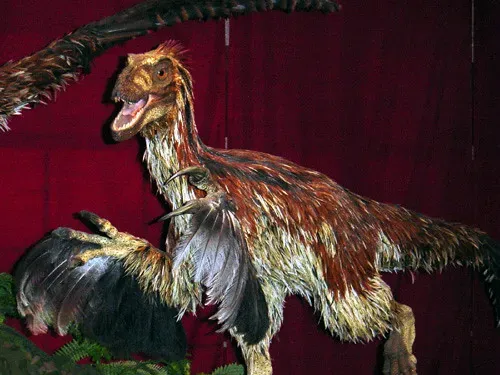
Then a wave of spectacular fossils from places like China changed that story in a way that is hard to overstate. Scientists began finding dinosaur skeletons surrounded by impressions of feathers, quills, and filament-like coverings, especially in smaller theropods related to birds. Some had simple fuzzy coats for insulation, others displayed more complex feathers suited for gliding or flight, and a few plant-eaters even show evidence of filamentous structures. Today it is accepted that many dinosaurs were at least partially feathered, and some may have been as visually striking as tropical birds. The scaly-only image boomers grew up with has been replaced by something much stranger and more beautiful: a world where dinosaur plumage was as normal as scales.
4. Dinosaurs Were Doomed Misfits That Could Not Compete
There used to be a popular narrative that dinosaurs were evolutionary dead-ends, big and impressive but fundamentally flawed. In that story, they were already declining, too specialized or too stupid to adapt, and their extinction was almost portrayed as inevitable. This fit a comforting human-centered idea that mammals, and eventually people, were somehow the superior design waiting in the wings while dinosaurs bumbled their way off the stage. Many boomer-era textbooks quietly reinforced this, painting dinosaurs as losers in a long game of survival.
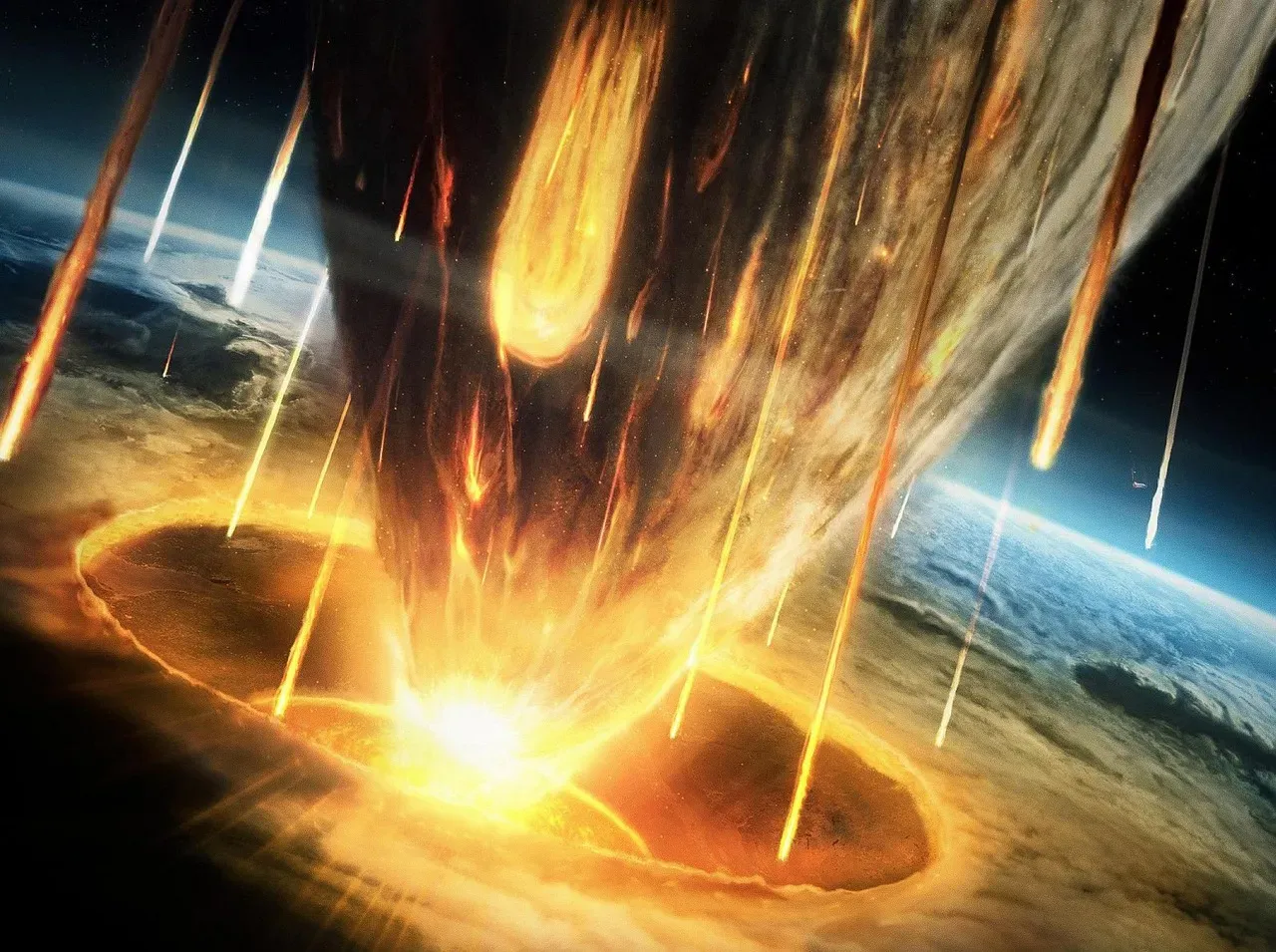
The evidence we have now tells a harsher truth for our ego: dinosaurs were wildly successful for an astonishing length of time. They diversified into countless forms on land, in the air, and in many ecological niches, and they held those dominant positions far longer than humans have even existed. The best-supported explanation for their mass extinction points to an enormous asteroid impact and its brutal environmental consequences, not some slow-burning incompetence. In other words, they were taken out by a cosmic disaster, not by being bad at life. Far from being misfits, they were some of the most resilient and adaptable animals the planet has ever seen, and that should make us question who the real temporary experiment might be.
5. Dinosaurs Lived in a Constantly Hot, Tropical Swamp World
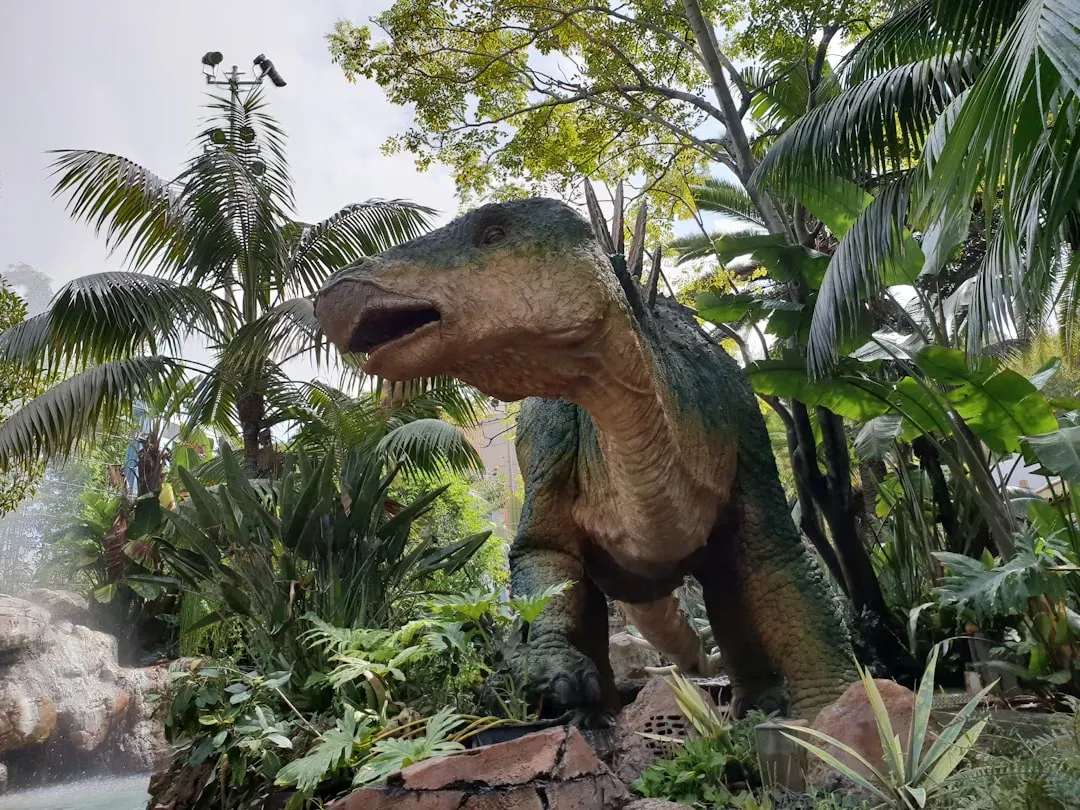
Old dinosaur murals loved the swamp: steaming jungles, volcanoes in the background, great beasts wading through murky water under a permanently hazy sky. Many boomers grew up thinking the Mesozoic was basically a single global rainforest, hot and wet everywhere, with dinosaurs unable to handle anything cooler. This fed into that image of them as primitive reptiles glued to warm climates, supposedly incapable of thriving in more varied or challenging environments. The idea of a dinosaur in a snowy landscape would have seemed almost comical, like Santa riding a T. rex.
Modern climate reconstructions, fossils, and even chemical signatures from dinosaur bones tell a more nuanced story. Yes, there were warm periods and lush tropical regions, but dinosaurs also lived at high latitudes, endured seasonal changes, and in some cases likely coped with cooler conditions and long periods of darkness. Evidence of dinosaurs in polar regions suggests they were far more flexible than the tropical-only stereotype allows. When you add in the possibility of insulation from feathers and active metabolisms, it becomes clear that many dinosaurs were well-equipped for a range of environments. The swamp-world fantasy that so many boomers absorbed has given way to a planet that was varied, dynamic, and surprisingly familiar in its complexity.
Conclusion: Dinosaurs Changed – And So Should We
Looking back at boomer-era dinosaur beliefs is a bit like flipping through an old family album: some of it is charming, some of it is embarrassingly outdated, and all of it reminds us how much our understanding can shift. The slow, scaly, doomed giants from mid-twentieth-century imagination have been replaced by active, sometimes feathered, surprisingly adaptable animals that blur the line between past and present. To me, that shift is not just about dinosaurs; it is about how willing we are to let go of stories we grew up with when the evidence demands something better. Science did not politely adjust the old picture – it broke it and built a stranger, richer one in its place.
There is something humbling in realizing that kids today, watching agile, feathered dinosaurs on screen, are closer to the truth than entire generations before them. It shows that what feels certain now might look laughable in a few decades, and that curiosity beats nostalgia when it comes to understanding reality. If dinosaurs can go from lumbering lizards to birdlike marvels in our collective mind, what else are we still getting wrong about the world around us? And when the next big rewrite arrives, will we cling to the comforting old stories, or let ourselves be surprised all over again?