
There is something strangely comforting about realizing that even the happiest people you know still get slammed by sadness. They lose sleep, get bad news, feel rejected, and have those random afternoons where everything feels kind of pointless. The difference is not that they avoid sadness; it is what they do in the next ten minutes that quietly changes the rest of their day. That little window of time can be the line between a small emotional storm and a full‑day meltdown.
Most of us were never really taught how to handle sadness in a healthy way. We were told to toughen up, stay positive, or distract ourselves until it passes. Happy people do it differently. They treat sadness almost like weather: real, sometimes intense, but temporary and manageable with the right gear. Here are five things they tend to do when sadness hits, so it does not take over everything.
1. They Name What They Feel Instead of Numbing Out
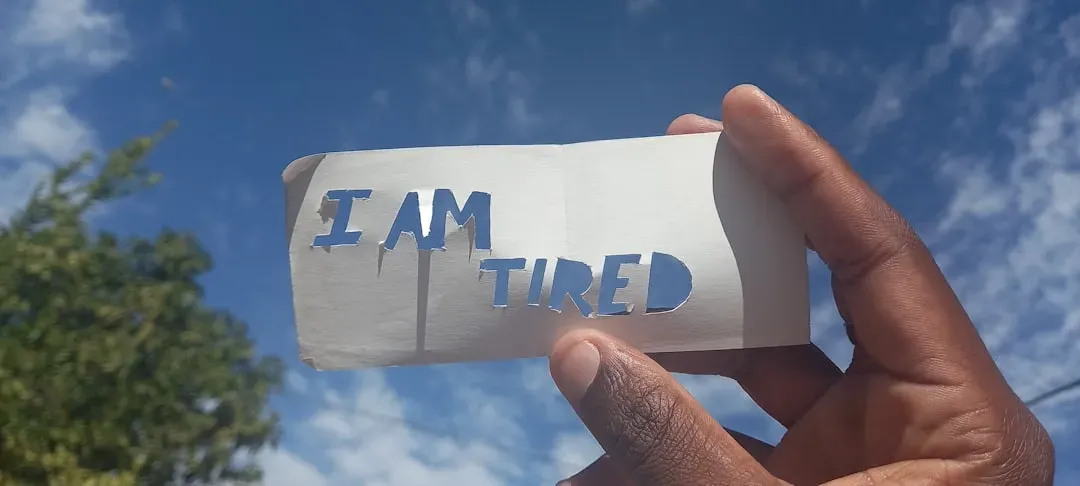
One of the most surprising habits of emotionally healthy people is how quickly they put words to what is going on inside. Instead of just saying they feel bad, they get specific: disappointed, lonely, embarrassed, powerless, or grief‑stricken. Psychologists sometimes call this emotional labeling, and brain‑imaging studies show that simply naming an emotion can reduce the intensity of the emotional response in the brain. It is like turning on a small light in a dark room; things stop feeling quite so overwhelming.
Happy people do not see this as some stiff, clinical process. It can be as simple as texting a friend, writing one honest sentence in their notes app, or whispering to themselves in the car that they feel hurt and not just annoyed. When I started doing this myself, I noticed that the wave of sadness stopped expanding so fast, because it finally had edges and a name. Instead of numbing out with endless scrolling or snacks they were not even hungry for, they slow down long enough to ask, what is this really, and why now?
2. They Move Their Bodies Before Their Thoughts Spiral

Happy people are not immune to overthinking, but they are very suspicious of their own thoughts when they are sitting still in a bad mood. They know that sadness plus a couch plus an unlocked phone can easily turn into a full spiral of comparison, self‑criticism, and fake catastrophes. So they borrow a trick from biology: they move. It does not have to be a full workout; even a ten‑minute brisk walk, a dance to one song, or a slow stretch on the floor can change the nervous system’s state and ease emotional intensity.
There is a solid scientific backbone to this. Physical movement increases blood flow, supports the release of mood‑related chemicals in the brain, and can nudge the body out of a stress response. It is basically like hitting a reset button for your internal weather. I once took a “rage walk” after getting an email that crushed a project I loved; by the time I got home, the situation had not changed, but my ability to think clearly had. Happy people do not wait until they feel motivated to move; they move first, knowing their mind will catch up later.
3. They Reach for One Supportive Human, Not a Whole Audience

When sadness hits, there is a loud temptation to post something vague online, hint at drama, or wait for a flood of likes and comments to soothe the sting. Happy people usually do the opposite. They keep it smaller and more intentional, reaching out to one trusted person instead of a whole audience. That could be a partner, a close friend, a sibling, or even a therapist, but the key is that the person is safe, honest, and not there just to fix things instantly. The goal is to feel seen, not to perform the sadness.
Social connection is one of the most reliable emotional regulators humans have, and research keeps finding that quality of connection seems to matter more than quantity. A single validating conversation can calm the nervous system in a way that fifty shallow reactions cannot. I remember once calling a friend just to say, I do not need advice, I just need to say that today really hurts. That tiny act turned the sadness from something heavy and isolating into something shared and bearable. Happy people protect that kind of support very deliberately, especially on the days they feel the urge to withdraw.
4. They Set a Small, Doable Win to Regain a Sense of Control

Sadness often comes with a sneaky side effect: a feeling of helplessness. You cannot change the breakup, the loss, the bad news, or the harsh comment from your boss, and the more you stare at the thing you cannot control, the more stuck you feel. Happy people counter this by quickly choosing one tiny area of their day they can actually influence. It might be cleaning the kitchen counter, replying to one email, making the bed, or cooking something simple but nourishing. The task is not about productivity; it is about reclaiming a sense of agency.
Psychologically, this is powerful because humans cope better when they feel they have even a small amount of control in a hard situation. Completing one simple action sends a quiet message to the brain that says, I am not completely powerless here. When I am sad, my default is to abandon the day; my better days are the ones where I force myself to stack just one small win. Happy people are not pretending everything is fine; they are building themselves a tiny island of stability in the middle of emotional chaos.
5. They Give the Sadness a Time and Place, Instead of Letting It Leak Everywhere

One of the smartest things happy people do is surprisingly counterintuitive: they actually make room for their sadness on purpose. Instead of trying to banish it or act cheerful all day, they might decide that tonight, after dinner, they will journal for fifteen minutes, sit with their feelings, or have a private cry in the shower. By choosing a time and place to feel it fully, they keep the sadness from unconsciously hijacking every conversation, decision, and interaction throughout the day. It creates a gentle boundary between their emotional world and the rest of their responsibilities.
There is a concept in therapy sometimes called affect regulation, which is just a technical way of saying that our feelings need healthy containers. Happy people create those containers. They might use music, writing, prayer, meditation, or a quiet walk alone to let the sadness move through. I have had days where I told myself, you are allowed to completely fall apart at 9 p.m., but right now you just need to get through this meeting. Oddly enough, that simple deal with myself made the workday feel lighter, because the sadness was acknowledged, not denied.
Conclusion: Sadness Is Inevitable, Emotional Skill Is a Choice

There is a myth that happy people have easier lives, gentler circumstances, or naturally sunnier brains. In reality, many of the happiest people you know have simply built quiet emotional habits that keep bad moments from swallowing whole days. They name their feelings instead of numbing them, move their bodies before their thoughts spiral, lean on one solid human, create small wins, and give sadness a place to exist without taking over everything. These are not magic tricks; they are skills, and skills can be learned at any age.
Personally, the most liberating shift for me was realizing that my mood does not have to be the boss of the next twelve hours. The hit of sadness can still land, but what I do next is where my power lives. You do not need a perfect routine, a wellness retreat, or a brand‑new personality; you just need to experiment with one or two of these habits the next time your day starts to tilt sideways. If you started treating your sadness as weather to navigate instead of a verdict on your life, how different might your next bad day feel?