
If you have ever rage-cleaned your kitchen after a rough day or felt oddly calmer once every item on your desk was lined up just right, you are not alone. Many people use outer order as a way to quiet inner chaos, sometimes without even realizing they are doing it. On the surface, it just looks like being neat, productive, or “on top of things,” but underneath, there can be a very different emotional story playing out.
I still remember color-coding my bookshelf at midnight the week a relationship ended, telling myself I was just “finally getting organized.” Looking back, it was painfully obvious that I was trying to manage feelings I did not know what to do with. That is the hidden logic of obsessive organizing: when emotions feel overwhelming, the mind grabs what it can control. Understanding this pattern is not about shaming neatness; it is about noticing when organizing stops being helpful and starts becoming a substitute for actually feeling what hurts.
Why Controlling Your Space Feels Like Controlling Your Feelings
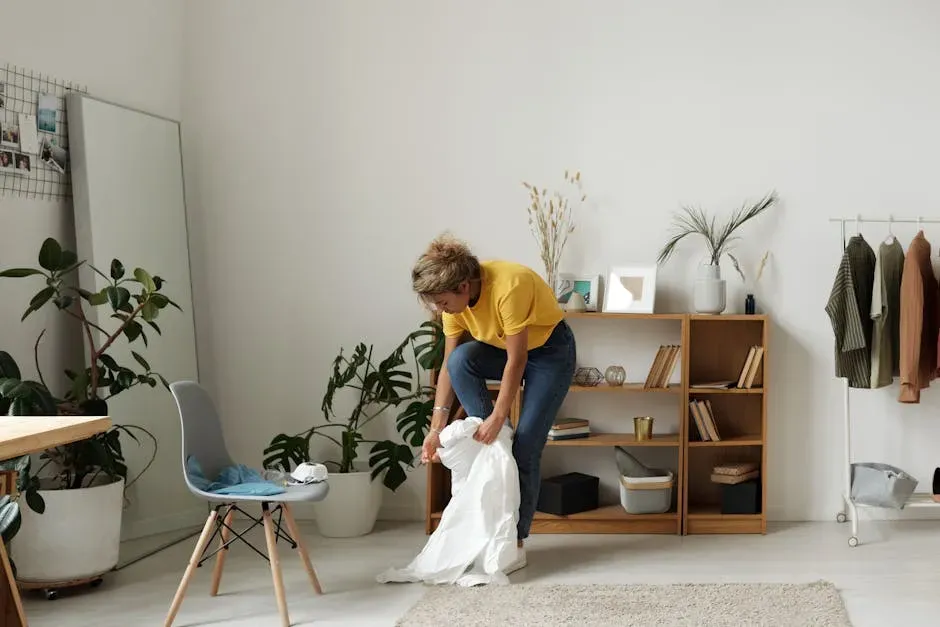
When life feels unpredictable, the brain goes hunting for something it can manage, and our physical environment is an easy target. Rearranging shelves, clearing counters, or meticulously labeling boxes gives a quick sense of mastery that messy emotions rarely offer. Tidy room, tidy mind – it is a tempting promise, especially when your inner world feels like a storm.
Psychologically, this is called a displacement or coping strategy: instead of working directly with anxiety, sadness, or anger, the energy gets redirected into something concrete and controllable. It is not fake or pointless; you really do feel a little safer when things look orderly. The risk is when that sense of safety becomes dependent on everything being “just so,” and any small disruption sends your emotions spiraling again.
From Preference To Obsession: Where Healthy Organizing Crosses The Line
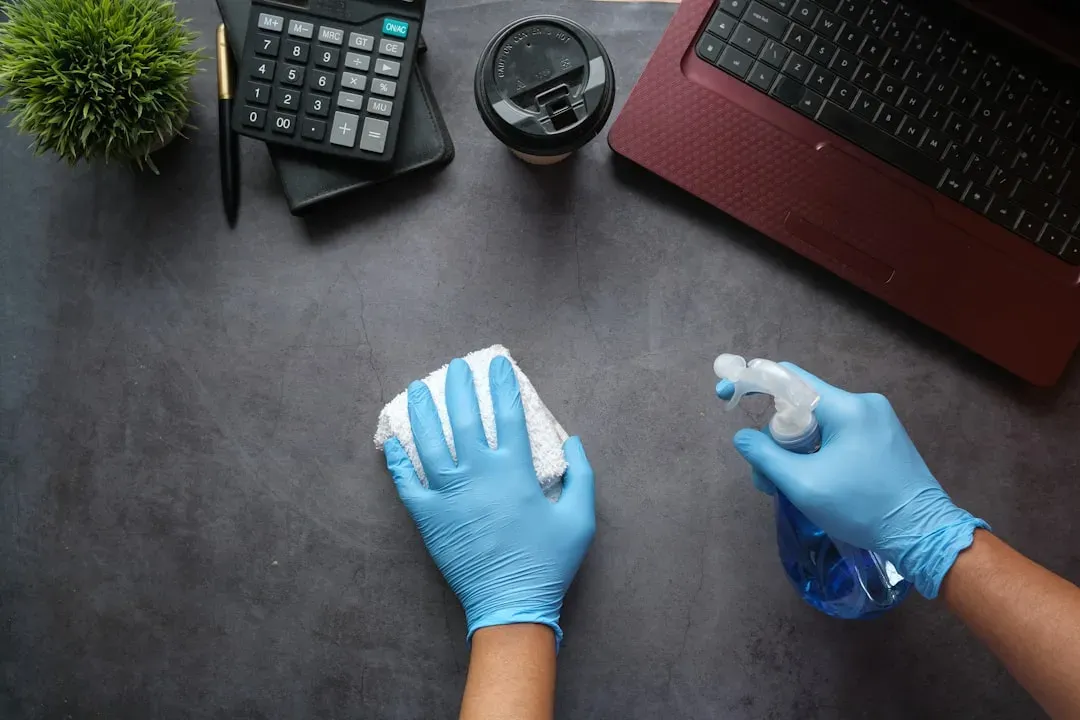
Plenty of people simply like a clean, aesthetically pleasing space, and that in itself is not a red flag. The line gets blurry when organizing becomes urgent, rigid, and emotionally loaded – when you cannot relax until things are perfectly aligned or you feel genuine distress if someone moves an object out of place. The behavior starts to feel less like a preference and more like a compulsion.
Psychologists often look at impact rather than surface behavior. Are you losing sleep because you have to re-check drawers or refold clothes? Do you get irritable or panicked when others “mess up” your system? Are you cleaning when you are exhausted or sick because it feels unbearable not to? Those are the moments that suggest the organizing is not just about aesthetics anymore; it is about holding your emotional world together with labels, bins, and bleach.
Order As Emotional Armor: What Might Be Hiding Under The Surface
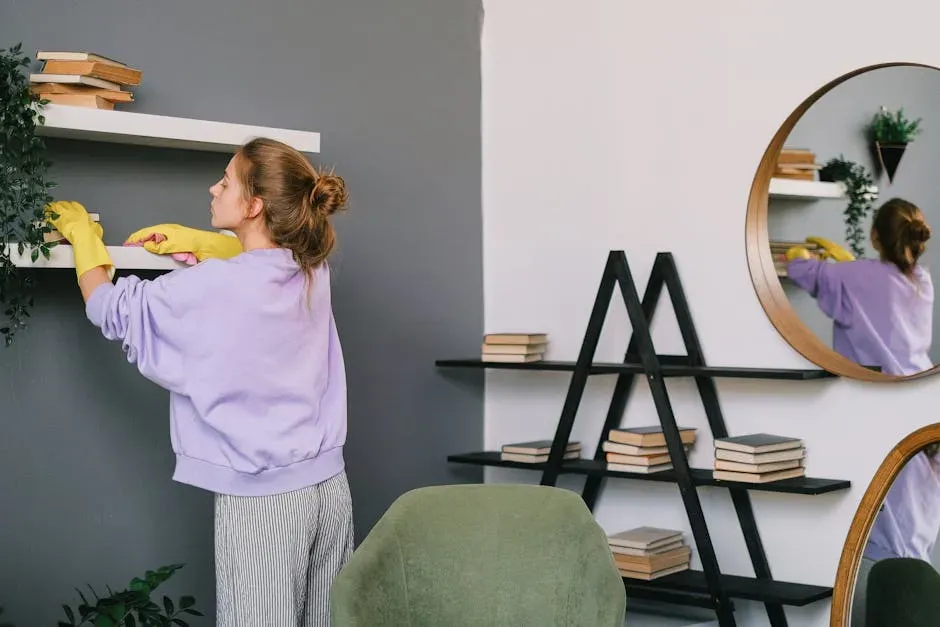
Obsessive organizing can be a kind of emotional armor that keeps deeper feelings at bay. If you grew up in a chaotic or unpredictable home, strict control over your environment now might be your nervous system’s way of saying, “This time, things will not fall apart.” Each wiped counter and perfectly folded towel is like a small promise that you will not be blindsided again.
Underneath, there may be grief, fear, shame, or a constant hum of anxiety that feels too big to face head-on. Organizing gives you a way to stay busy and “functional” while avoiding emotional vulnerability. It can even become part of your identity: the responsible one, the organized one, the person who never lets things slip. The problem is that while this armor protects you, it can also keep you from truly processing and healing what happened in the first place.
Anxiety, OCD, And The Need For Control: When Organizing Becomes A Symptom

For some people, obsessive organizing is not just a personality quirk; it can be tied to anxiety disorders or obsessive-compulsive disorder. In those cases, the urge to clean, check, or arrange can feel relentless and irrational, and resisting it brings intense discomfort. It is less about wanting things to look nice and more about calming a sense of dread or preventing imagined catastrophes.
Importantly, not everyone who likes things neat has OCD, and not everyone with anxiety organizes obsessively. But when the organizing is driven by fear – fear that something awful will happen, fear of judgment, fear of losing control – it is a clue that deeper mental health dynamics are involved. In those situations, gentle self-help tips are rarely enough; evidence-based therapy and sometimes medication can be life-changing supports, helping people rely less on their environment and more on inner coping tools.
The “I’ll Clean Instead Of Cry” Strategy: Avoidance In Disguise

There is a very specific moment many people recognize: you feel a wave of sadness or anger coming on, and without even thinking, you start scrubbing the bathroom or reorganizing the pantry. It feels productive, even virtuous, compared to breaking down or admitting you are not okay. Cleaning becomes a socially acceptable way to say, “I am struggling,” without ever actually saying it.
In psychological terms, this is emotional avoidance. Rather than allowing the feeling to rise, peak, and pass, you keep your hands and mind busy so you never have to fully touch it. Over time, this can train you to distrust your own emotions and lean harder and harder on external order as your only coping mechanism. The house looks impressive, but your emotional life stays stuck in the same unresolved loops.
Gender, Culture, And Why Some People Get Praised For Their Coping Mechanisms
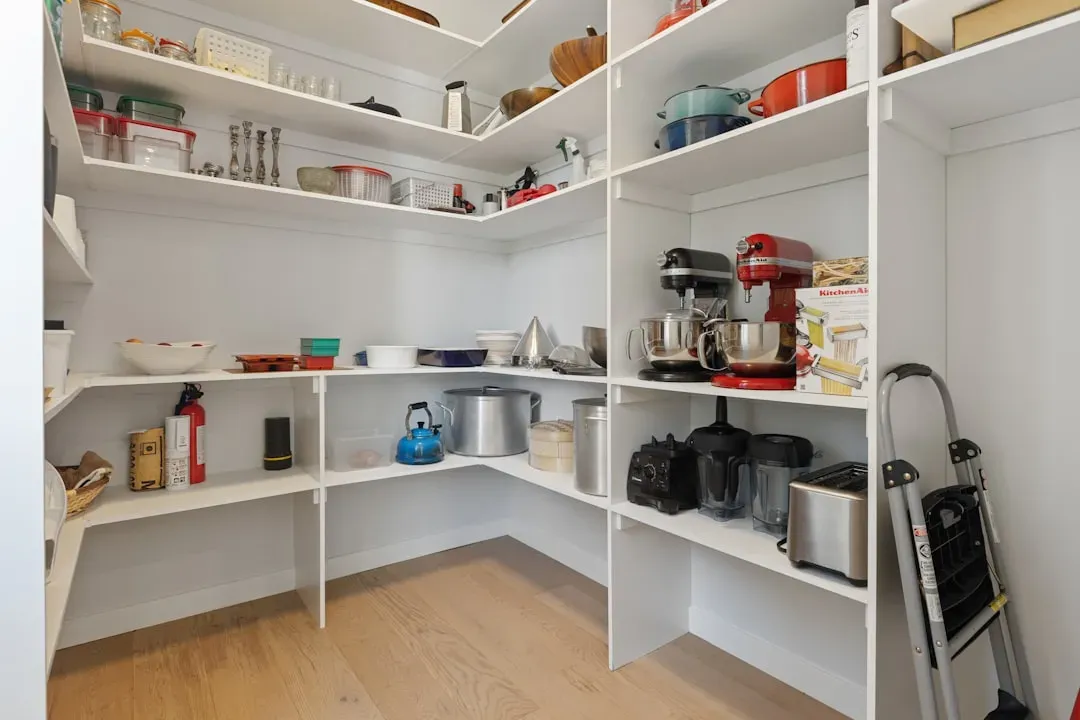
There is also a cultural angle that quietly reinforces obsessive organizing. In many homes, especially for women and marginalized people, being incredibly organized is not just tolerated, it is praised. You are seen as mature, high-functioning, even admirable for keeping everything flawless, regardless of whether that drive is fueled by internal panic. People will say you are “so put together” without ever asking how you actually feel.
Certain workplaces, social media trends, and lifestyle aesthetics build on this, glorifying color-coded pantries and spotless homes as the gold standard. It is easy to internalize the idea that emotional messiness is shameful, but a perfectly curated space is a badge of honor. The result is that a genuine distress signal – an overreliance on control – can be misread as success, leaving the underlying emotional struggle completely invisible.
Building Inner Control So Outer Control Is Optional, Not Essential

The goal is not to stop caring about your space; it is to make sure your sense of safety does not depend on whether every surface is flawless. That starts with building internal regulation skills: things like learning to name what you feel, practicing self-soothing, and tolerating small amounts of emotional discomfort without immediately escaping into action. It can be as simple as pausing mid-cleaning and asking, “What am I actually feeling right now?” and allowing a truthful answer.
Therapies that focus on emotional awareness, nervous system regulation, and healthy coping – such as cognitive behavioral approaches, mindfulness-based work, or trauma-informed therapy – can help loosen the grip of compulsive organizing. Over time, you can keep your favorite routines and systems, but they become choices rather than desperate fixes. Your environment still matters, but it no longer carries the entire burden of calming your mind.
Learning To Live With A Little Mess: Tiny Experiments In Letting Go

One surprisingly powerful step is to run tiny experiments with imperfection. Leave a stack of papers slightly askew on your desk for an evening, or let a drawer stay mildly disorganized for a day, and notice what happens in your body. If your chest tightens or your thoughts start racing, that is not proof you are broken; it is just information about how linked your sense of safety is to visual order.
From there, you can practice riding out that discomfort in small, manageable doses. Maybe you take a few slow breaths, text a trusted friend about how weirdly edgy you feel, or journal for five minutes instead of immediately fixing the mess. The aim is not to become someone who “does not care” about their space; it is to prove to yourself that you can be okay even when things are not perfectly under control. That realization is often far more freeing than any decluttering project could ever be.
Conclusion: When A Clean Room Is Really A Quiet Cry For Help

Obsessive organizing is often framed as a harmless quirk or even a superpower, but it can also be a quiet cry for help from parts of you that feel overwhelmed and under-supported. If you notice that your cleaning sprees show up right when your emotions spike, that is not something to mock or minimize; it is a map pointing to where you are hurting. In my view, a perfectly organized space means very little if it is built on top of unfelt grief, unspoken fear, or constant self-pressure.
You are allowed to love your label maker and your storage bins and still admit that sometimes they are doing emotional heavy lifting they were never designed for. The bravest move is not creating the most flawless environment; it is turning some of that meticulous attention inward and asking what really needs care. A little external order can absolutely be comforting, but real control comes from knowing you can face your inner mess and still be okay. When you look around your space right now, does it reflect how you feel inside, or is it hiding what you are not yet ready to see?