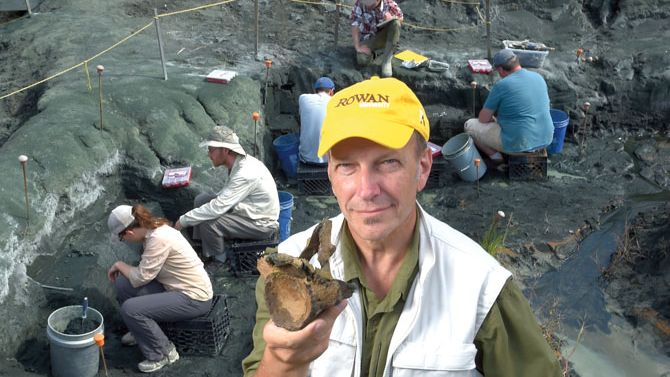
For most of the 20th century, the story of how humans first arrived in North America seemed straightforward. A group of hunters crossed a frozen land bridge from Asia, spread south rapidly, and that was that. Textbooks called them the Clovis people. Archaeologists defended it fiercely. Case closed.
Except it wasn’t. Not even close.
One by one, discoveries emerged from caves, desert lakebeds, and remote rock shelters that quietly – then loudly – demolished what everyone thought they knew. Some of these finds were so unexpected that the scientists who made them struggled to believe their own data. You’d expect history’s biggest archaeological shake-ups to come with fanfare, but often they come from a farmer digging in a field or a researcher stumbling on something strange in a cave. Let’s dive in.
The White Sands Footprints: Humans During the Ice Age Itself
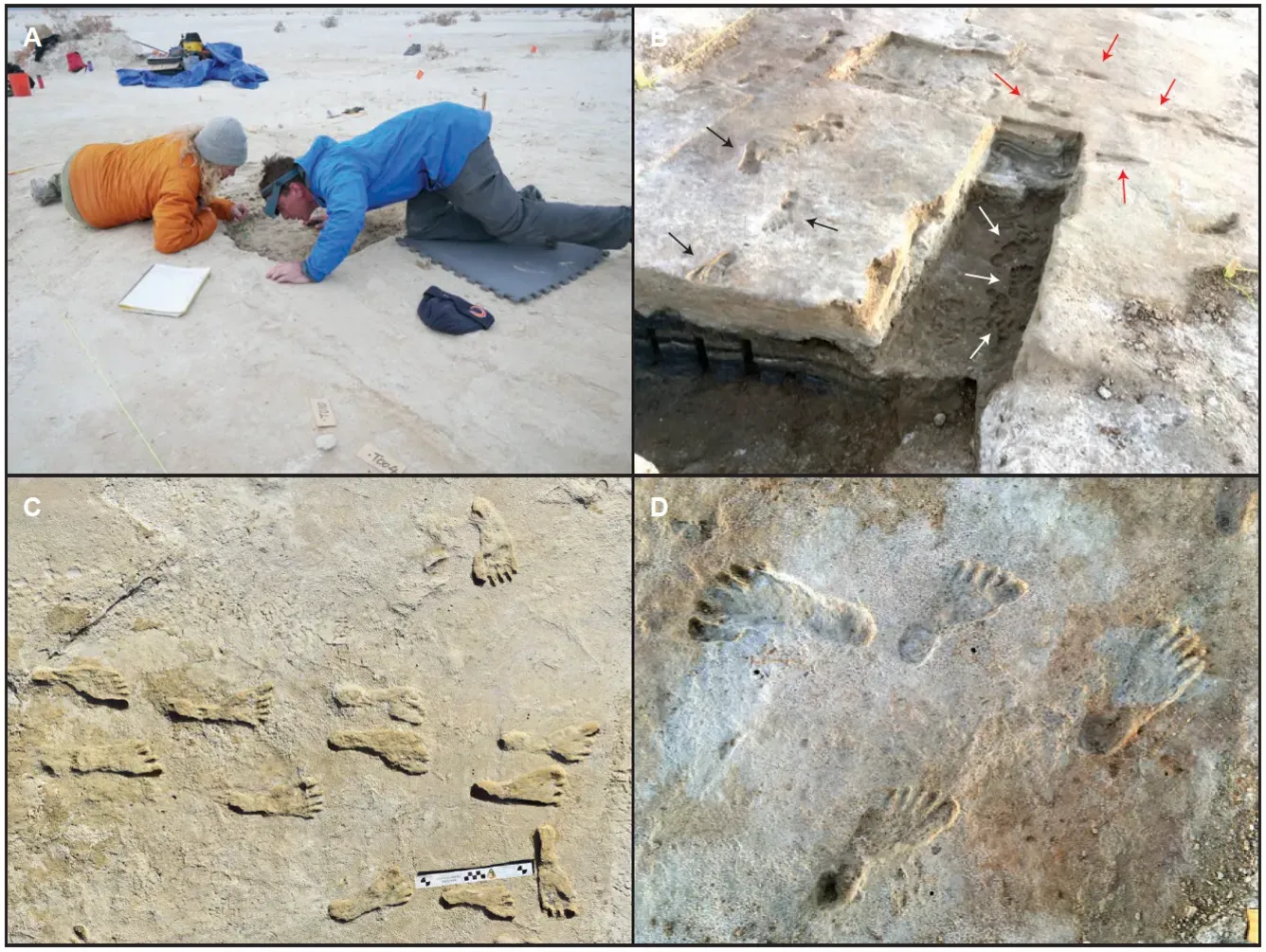
Imagine walking across a muddy lakeshore in New Mexico while mammoths roam nearby. That’s not a sci-fi premise – it’s the reality that a set of fossilized footprints forced scientists to accept. A 2021 discovery of human footprints in relict lake sediments near White Sands National Park in New Mexico demonstrated a verifiable human presence in the region dating back to the Last Glacial Maximum, between 18,000 and 26,000 years ago. That single find alone was jaw-dropping. Honestly, I think this might be one of the most significant archaeological moments of the modern era.
The prints were estimated to be about 10,000 years older than remains found near Clovis, New Mexico, which had long been understood by archaeologists to represent the earliest known culture in North America. Critics pushed back hard, arguing the dating methods were unreliable. So researchers went back to the drawing board. Later studies, reported in October 2023, confirmed the age of the human footprints to be “up to 23,000 years old,” and a 2025 study based on radiocarbon dating performed by two independent labs provided an estimate for the White Sands footprints site of over 23,600 to 17,000 calibrated years Before Present. The Ice Age was still in full force at that time. The routes most people assumed humans had used to get here were literally frozen over – which means these early people almost certainly arrived by sea.
Meadowcroft Rockshelter: A Farmer’s Field and a Firestorm of Controversy
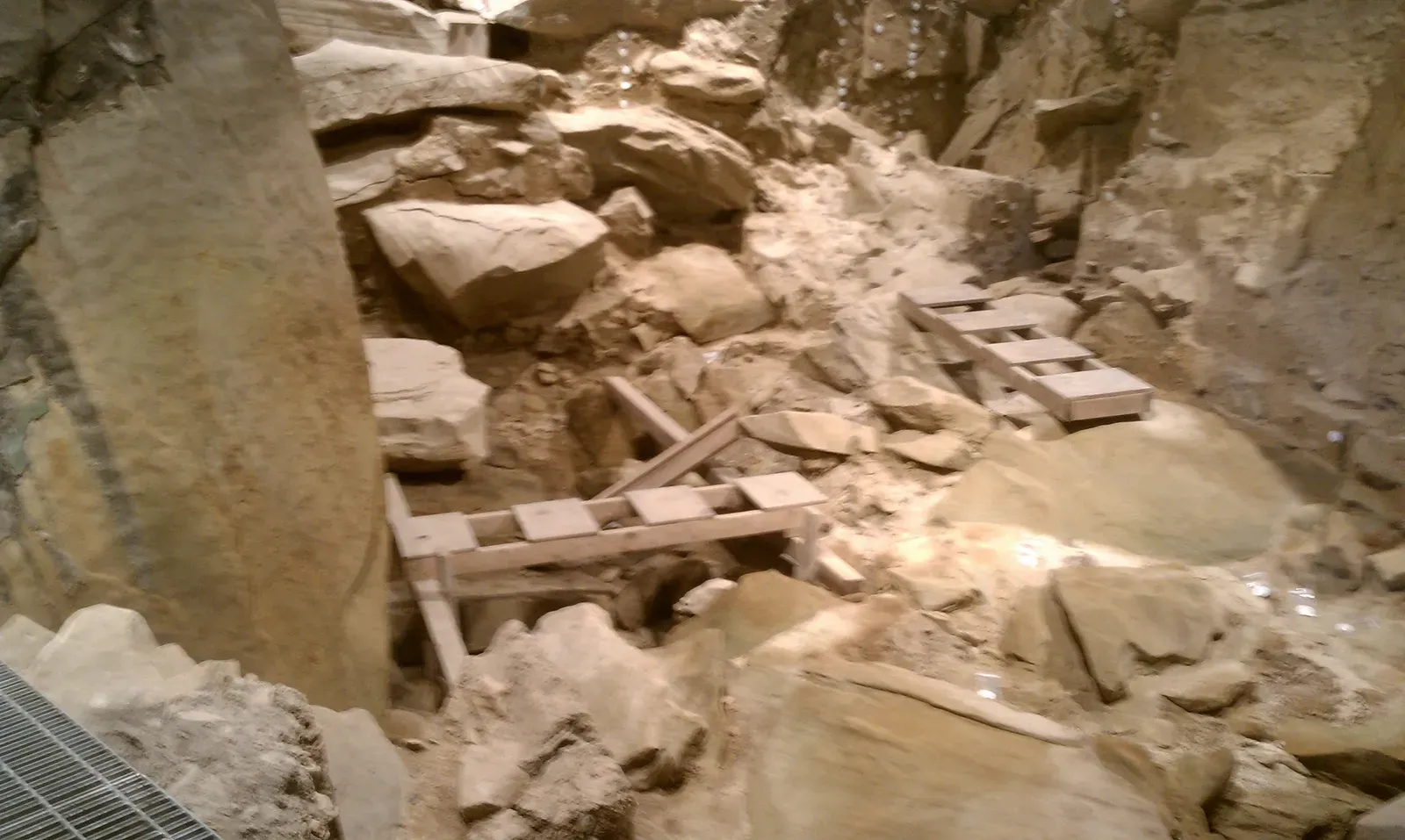
Here’s a story that almost never happened. On November 12, 1955, Albert Miller discovered there might be more to his property than he had ever imagined, when he found a groundhog hole that contained flint flakes and burnt bone. He kept it secret for years, afraid of looters. When professional archaeologists finally got involved and started digging, what they found upended decades of consensus. The Meadowcroft Rockshelter is an archaeological site located near Avella in Jefferson Township, Pennsylvania. The site is a rock shelter in a bluff overlooking Cross Creek and contains evidence that the area may have been continually inhabited for at least 16,000 years and up to 19,000 years.
When Professor John Adovasio published results dating the Meadowcroft Rockshelter site to 16,000 years, he found himself at the center of a storm of scientific debate. The prevailing opinion among archaeologists was that no site in the Americas was older than the 13,000 to 13,500-year-old Clovis culture. The backlash was so intense that Adovasio reportedly coined the phrase “Clovis Mafia” to describe those relentlessly attacking his work. Still, the evidence held. Remains of flint from Ohio, jasper from eastern Pennsylvania, and marine shells from the Atlantic coast suggest that the people inhabiting the area were mobile and involved in long-distance trade. These weren’t isolated wanderers – they were connected, resourceful, and far older than anyone wanted to admit.
Oregon’s Paisley Caves: The Oldest Human DNA in the Americas Came from Ancient Poop
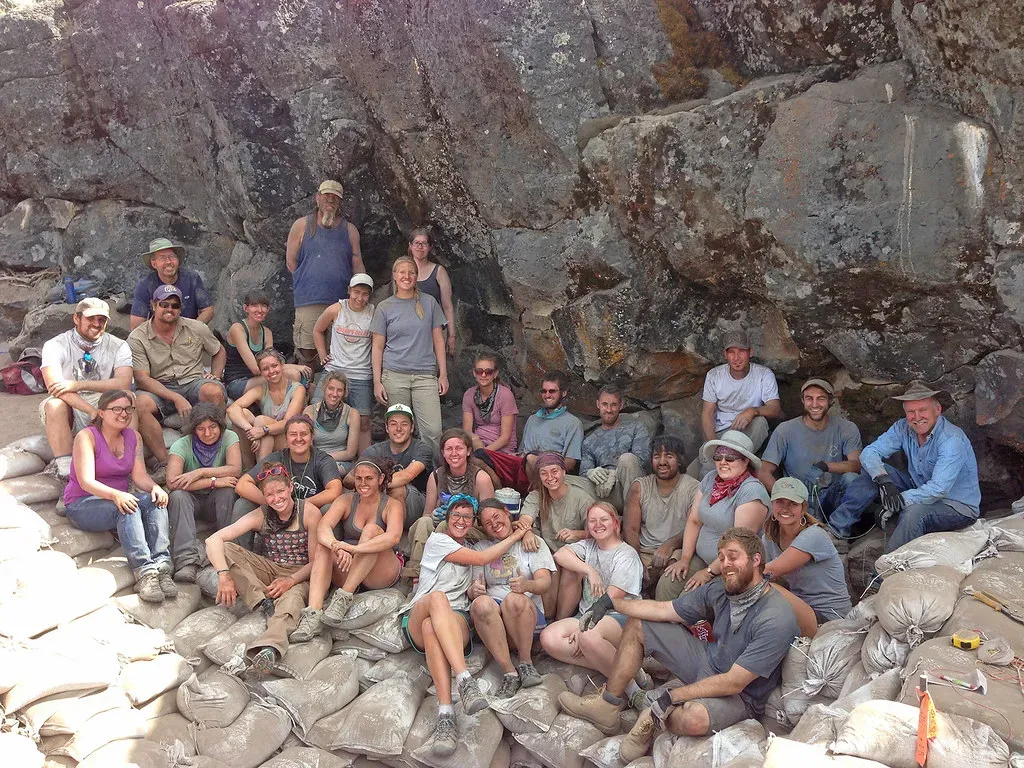
Let’s be real – nobody expected the oldest human DNA ever found in the Americas to be recovered from fossilized feces. Yet that’s exactly what happened in Oregon. DNA from dried human excrement recovered from Oregon’s Paisley Caves is the oldest found in the New World, dating to 14,300 years ago, some 1,200 years before Clovis culture, and provides apparent genetic ties to Siberia or Asia. The caves themselves are remarkably preserved, tucked into a volcanic region on the arid east side of the Cascade Mountains. Evidence from these finds demonstrated that the occupants’ diets consisted in part of grasses, sage grouse, and extinct giant bison. You’re suddenly looking at real people with real meals, not just abstract dates on a timeline.
The findings weren’t accepted quietly. The first publication of these discoveries met with doubts and attempted refutations by many in the archaeological community. Researchers raised questions about the certainty that the coprolites were human, the problematic nature of excavating possibly jumbled cave deposits, and the potential for non-human coprolites to later be contaminated by human DNA. Scientists went back again and again to retest. Together, the results confirm that the Paisley coprolites are the oldest directly dated human remains in the Western Hemisphere. What’s also striking is what wasn’t there: there is no evidence of diagnostic Clovis technology at the site, meaning these two distinct technologies were parallel developments, not the product of a unilinear technological evolution.
Chiquihuite Cave: Pushing Human Presence Back to Nearly 30,000 Years Ago
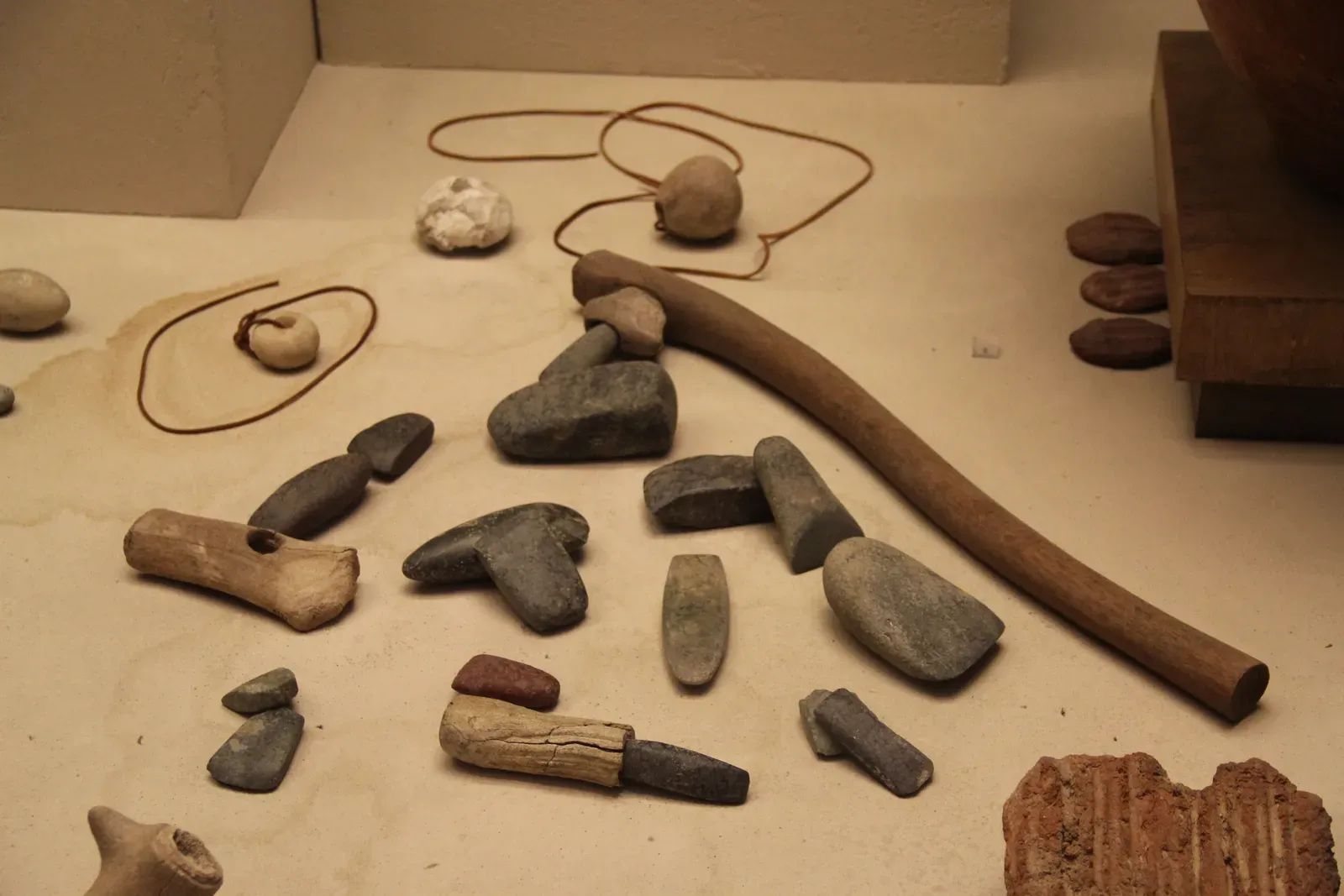
Deep in the mountains of central Mexico, a discovery emerged that even its own discoverers had difficulty fully defending. Archaeologist Ciprian Ardelean, one of the foremost experts on the first peoples of the Americas, made groundbreaking discoveries deep in the heart of Mexico. In the summer of 2020, his discovery of ancient lithic tools at Chiquihuite Cave in the state of Zacatecas was published in Nature and made headlines around the world. Ardelean’s findings suggest human presence in North America almost 30,000 years ago. Think about that number for a moment. Twenty-nine thousand years ago, most of North America lay under grinding sheets of glacial ice. Chiquihuite Cave may be evidence of early human presence in the Western Hemisphere up to 33,000 years ago. Stones discovered there, thought to be lithic artifacts, have been dated to 26,000 years ago based on more than 50 samples of animal bone and charcoal found in association with these stones.
The controversy here is genuine and worth acknowledging. There is scholarly debate over whether the stones are truly artifacts – human-made tools that are evidence of human presence – or if they were formed naturally. No evidence of human DNA or hearths has been unearthed. It’s hard to say for sure which side will ultimately prevail, but what’s telling is the scale of the response. As these and other new discoveries were unearthed, from the Canadian Arctic all the way down to the mountains of Central Mexico, the date of human arrival in the Americas could be pushed back to 30,000 years before the present era, and possibly even earlier. What critics once wrote off as preposterous must now be not only considered, but accepted.
The Cerutti Mastodon Site: Evidence So Old It Defies Explanation
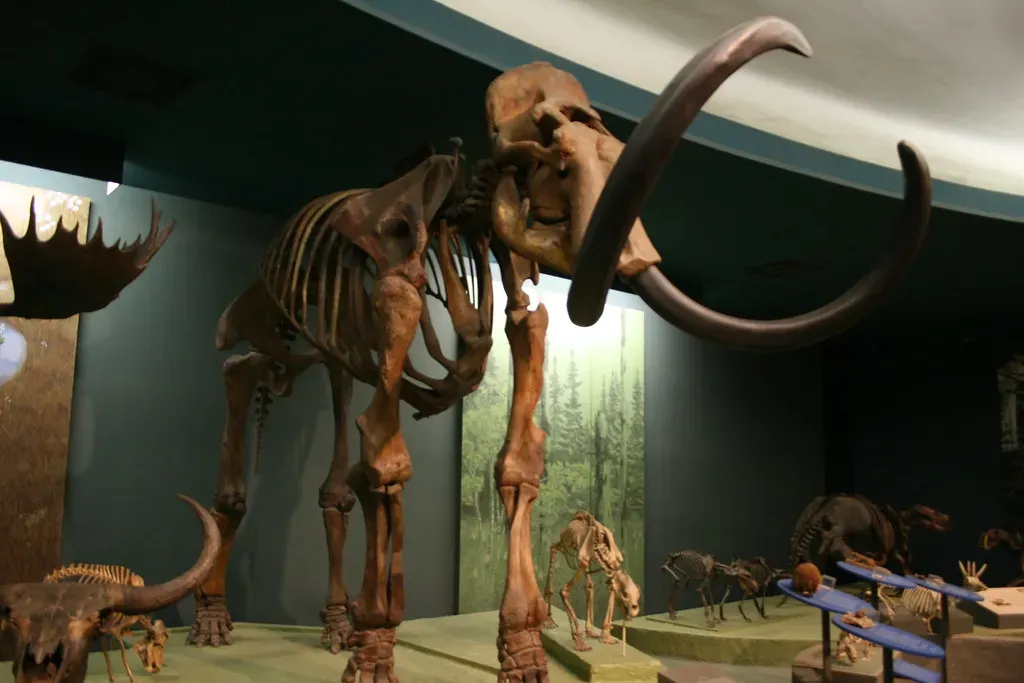
Of all the discoveries on this list, this one carries the most weight – and the most controversy. Researchers digging at the Cerutti Mastodon site, an archaeological site from the early late Pleistocene epoch near San Diego, California, found animal remains and stone tools that show the first humans were living in North America much earlier than previously thought. How much earlier? Brace yourself. The site preserves 131,000-year-old hammerstones, stone anvils, and fragmentary remains – bones, tusks and molars – of a mastodon that show evidence of modification by early humans. One hundred and thirty-one thousand years ago. That’s not a typo.
The debate around this site remains fierce, and for good reason. Some claims, such as a possible 130,000-year-old site in California, have been highly controversial. Yet researchers point to the physical evidence being difficult to dismiss. The breakage pattern observed at the site has also been found at mammoth fossil sites in Kansas and Nebraska, where alternative explanations such as geological forces or gnawing by carnivores have been ruled out. If the site proves genuine, it would require a complete reimagining of human migration history – not just in North America, but globally. As research progressed, the narrative shifted from a single migration event to multiple small, diverse groups entering the continent at various points in time. The Cerutti site, if validated, would be the most extreme example of that shift yet.
Conclusion: The Story of Early Americans Is Still Being Written

What’s clear from all five of these discoveries is that the history of early humans in North America is far older, far more complex, and far more fascinating than a simple classroom narrative could ever capture. The Clovis-first model served its purpose, but it was always too clean, too neat for a story this ancient and this vast.
In the past two decades, archaeological finds have not only pushed the arrival time back by thousands of years but added details to the complex picture of exactly how people arrived and spread – probably multiple times via multiple routes. You have footprints frozen in desert mud, ancient feces in Oregon caves, a rockshelter in Pennsylvania that almost no one believed, cave tools in Mexico that date to the Ice Age itself, and mastodon bones near San Diego that challenge everything. When and how early humans first migrated to the Americas has long been debated and remains poorly understood. Current estimates for the first inhabitants range from 13,000 years ago to more than 20,000 years ago.
Every new dig season brings the potential for another find that rewrites the timeline entirely. The truth is still buried out there, waiting. And honestly, that’s the most exciting thing about all of this. What do you think – which of these discoveries surprised you the most?