If you grew up obsessed with dinosaurs, there’s a good chance your mental image of them still comes from a handful of beloved books: swamp‑lurking Brontosaurus, tail dragging in the mud, T. rex standing bolt upright like a scaly Godzilla, maybe even a desert full of leathery eggs. Those illustrations felt authoritative when we were kids, almost like photographs from a lost world. Fast‑forward a few decades, though, and paleontology has basically kicked over the table. Whole lineages have been reclassified, feathers are everywhere, and some of those once‑cutting‑edge “facts” are now the scientific equivalent of thinking Pluto is still a full‑fledged planet.
That doesn’t mean those books are worthless; far from it. Many of them helped ignite the dinosaur renaissance, inspired generations of scientists, and changed how the public thought about extinct animals. But if you handed them to a working paleontologist today, you’d probably get a wince, a fond smile, and a long list of corrections. Let’s dig into five wildly popular dinosaur books that shaped the culture, then aged badly enough that a modern researcher might quietly slide them onto the “history of science” shelf rather than the “up‑to‑date reference” section.
The Dinosaur Heresies: Brilliant, Revolutionary… and Full of Old Data
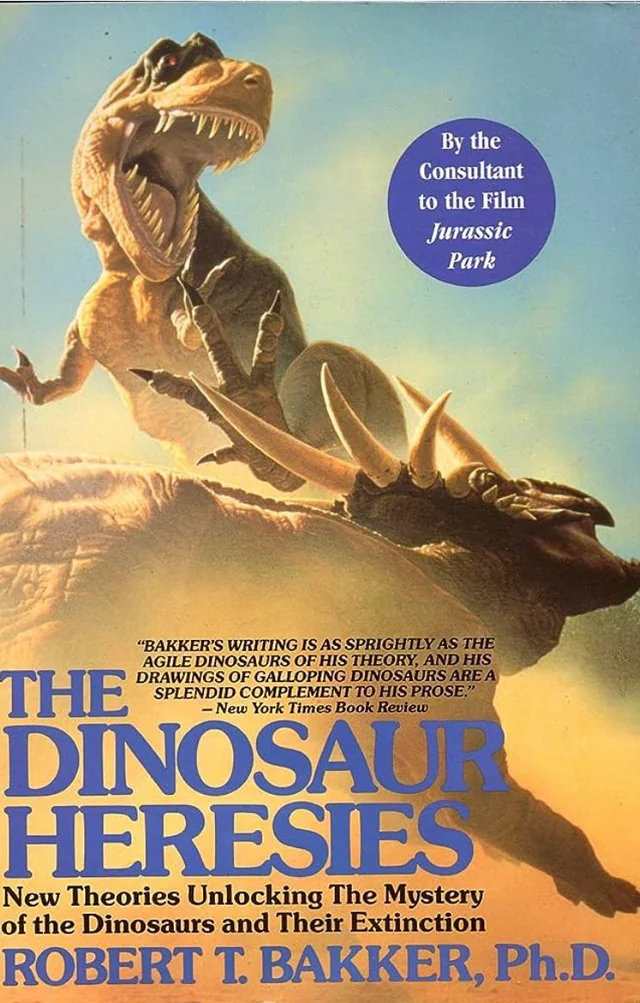
The Dinosaur Heresies by Robert Bakker is one of those books that shows up in every dino‑nerd origin story. Published in the mid‑1980s, it argued that dinosaurs were active, warm‑blooded, bird‑like animals at a time when schoolbooks still portrayed them as swamp‑bound, lumbering reptiles. A lot of what Bakker championed – fast, dynamic dinos, closer links between birds and theropods, herd behavior – helped reshape mainstream thinking and remains broadly accepted today. As a piece of scientific storytelling, it is still electric and genuinely fun to read.
The problem is that the details are locked in the fossil record of 1980s science. Names, groupings and evolutionary relationships have shifted, dozens of major new finds (especially feathered dinosaurs from China) are missing, and his discussions of mass extinction and dinosaur metabolism are rooted in models many researchers have since revised or abandoned. Modern paleontologists often recommend the book now as a historical milestone or a cultural artifact, not as a reliable guide to current knowledge. It is like reading an old computer manual that predicted the internet but still thinks a floppy disk is cutting‑edge.
All About Dinosaurs: Classic Adventure Vibes, Deeply Vintage Science
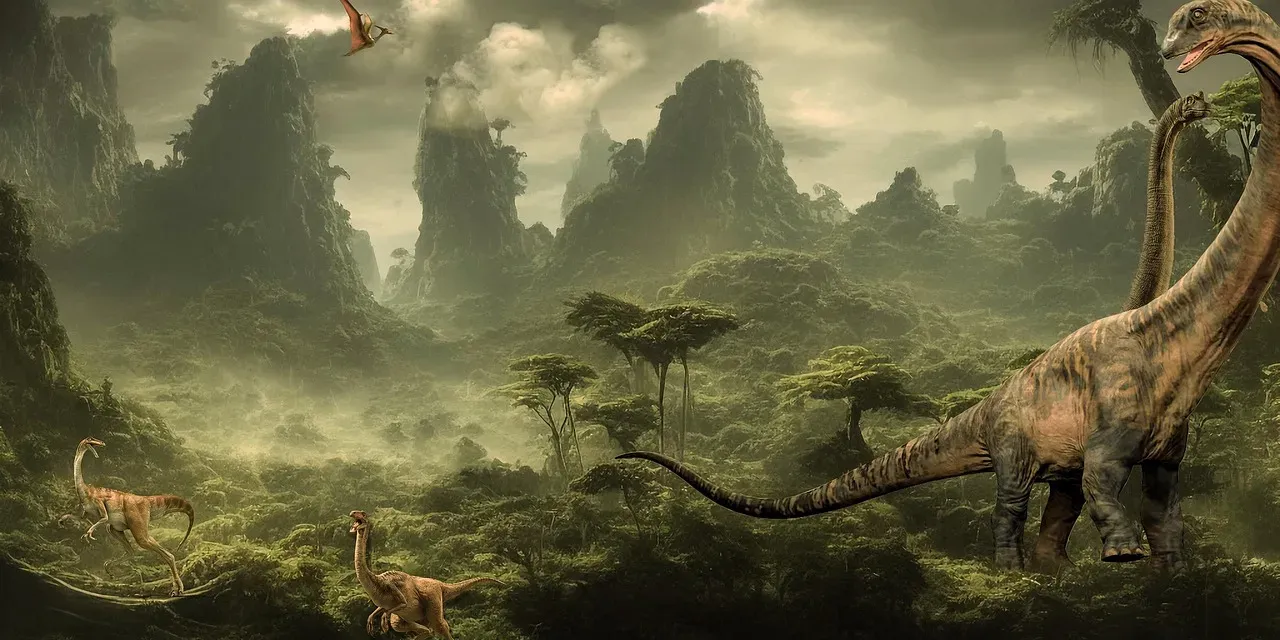
For readers of a certain age, Roy Chapman Andrews’ All About Dinosaurs was the gateway drug to prehistoric life. Written in the early 1950s by a legendary explorer and museum director, it blended field‑camp adventure with simple explanations of what dinosaurs were believed to be at the time. Kids devoured its tales of desert expeditions and egg‑filled nests, and the book stayed in print and on school shelves for decades. In terms of inspiring curiosity, it punched far above its weight.
Scientifically, though, it is now very much a period piece. It predates the dinosaur–bird revolution, the warm‑blooded debate, and the explosion of modern dating techniques and biomechanics. Many of the animals are called by outdated names, drawn with drooping tails and frog‑like postures, and set in ecosystems that no longer match what sedimentology and climate modeling suggest. If you read it today, you get a charming snapshot of mid‑twentieth‑century thinking, but if you tried to use it as a reference on dinosaur biology, you would be several scientific revolutions behind.
The Hot‑Blooded Dinosaurs: A Bold Thesis That Time Has Complicated
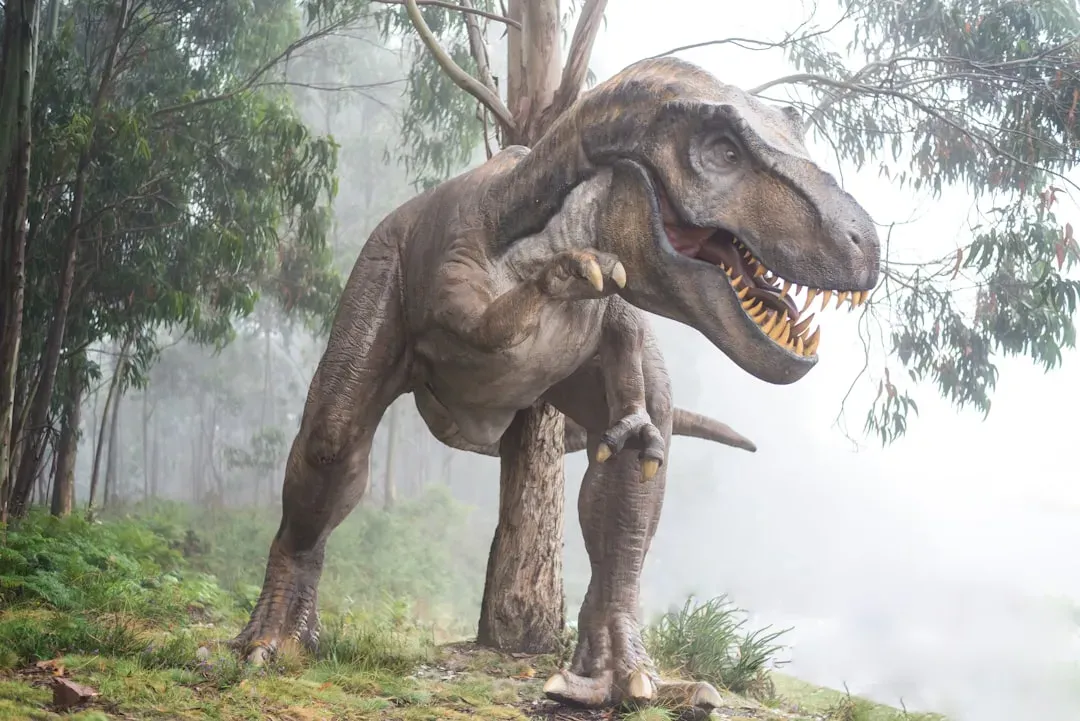
Adrian Desmond’s The Hot‑Blooded Dinosaurs, first published in the late 1970s, rode the wave of the emerging dinosaur renaissance. It aggressively pushed the idea that dinosaurs were active, possibly warm‑blooded animals, setting itself up as a manifesto against the old view of sluggish, cold‑blooded beasts. For many general readers, it was their first exposure to the notion that a Triceratops might have been closer in physiology to a mammal or bird than to a crocodile sunning on a sandbar. At the time, that felt thrillingly rebellious.
Today, the book is caught in an awkward place. Its big picture message – dinosaurs were not slow, stupid reptiles – has been absorbed into the mainstream, but the specific arguments about metabolism, growth rates and evolutionary pathways lean heavily on data and assumptions that have since been refined or overturned. New bone histology work, feathered fossils and more nuanced models of thermoregulation have complicated the simple hot‑blooded versus cold‑blooded binary. In hindsight, the book’s title sounds a bit too confident, like a slogan from an early phase of a debate that has turned out to be much more subtle.
Predatory Dinosaurs of the World: Influential, Iconic… and Wrong in Key Places
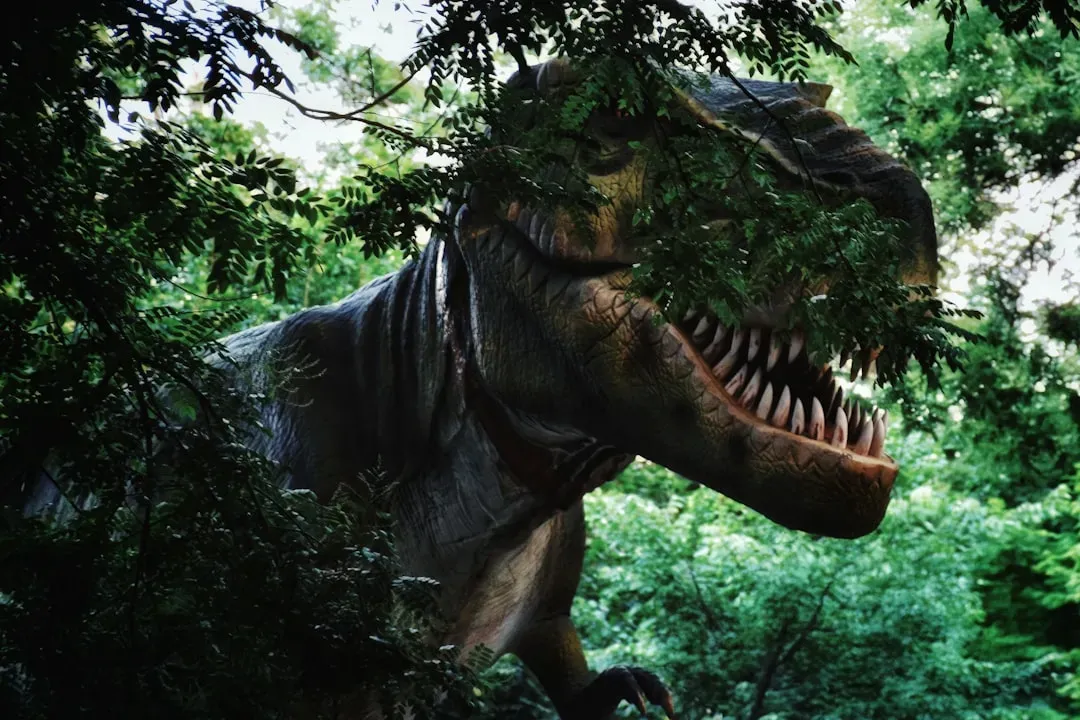
Ask around in dinosaur circles and you’ll hear a surprising confession: a lot of what you see in blockbuster movies about agile, pack‑hunting raptors traces back less to technical papers and more to Gregory Paul’s Predatory Dinosaurs of the World from the late 1980s. It was a lavish, obsessively detailed survey of meat‑eating dinosaurs, packed with precise skeletal drawings and speculative behavior. For fans, it felt like cracking open a paleontologist’s sketchbook. For artists, it became a blueprint for how to pose and flesh out theropods in a more dynamic way.
But because the book tried to cover almost every predatory species and offer firm opinions on classification, it has aged unevenly. Some of its proposed family trees never gained wide acceptance, and later discoveries have reshuffled entire branches of the theropod group. Famous animals are misassigned, speculative behaviors are presented more strongly than the evidence now supports, and the absence of newly discovered feathered taxa makes many reconstructions look bare and inaccurate. It is still hugely important for the history of paleoart and for its role in shifting public imagination, yet as a scientific resource, a lot of its content now reads like a confident first draft that later research had to heavily edit.
Early DK‑Style Dinosaur Encyclopedias: Gorgeous Spreads, Fossilized Assumptions
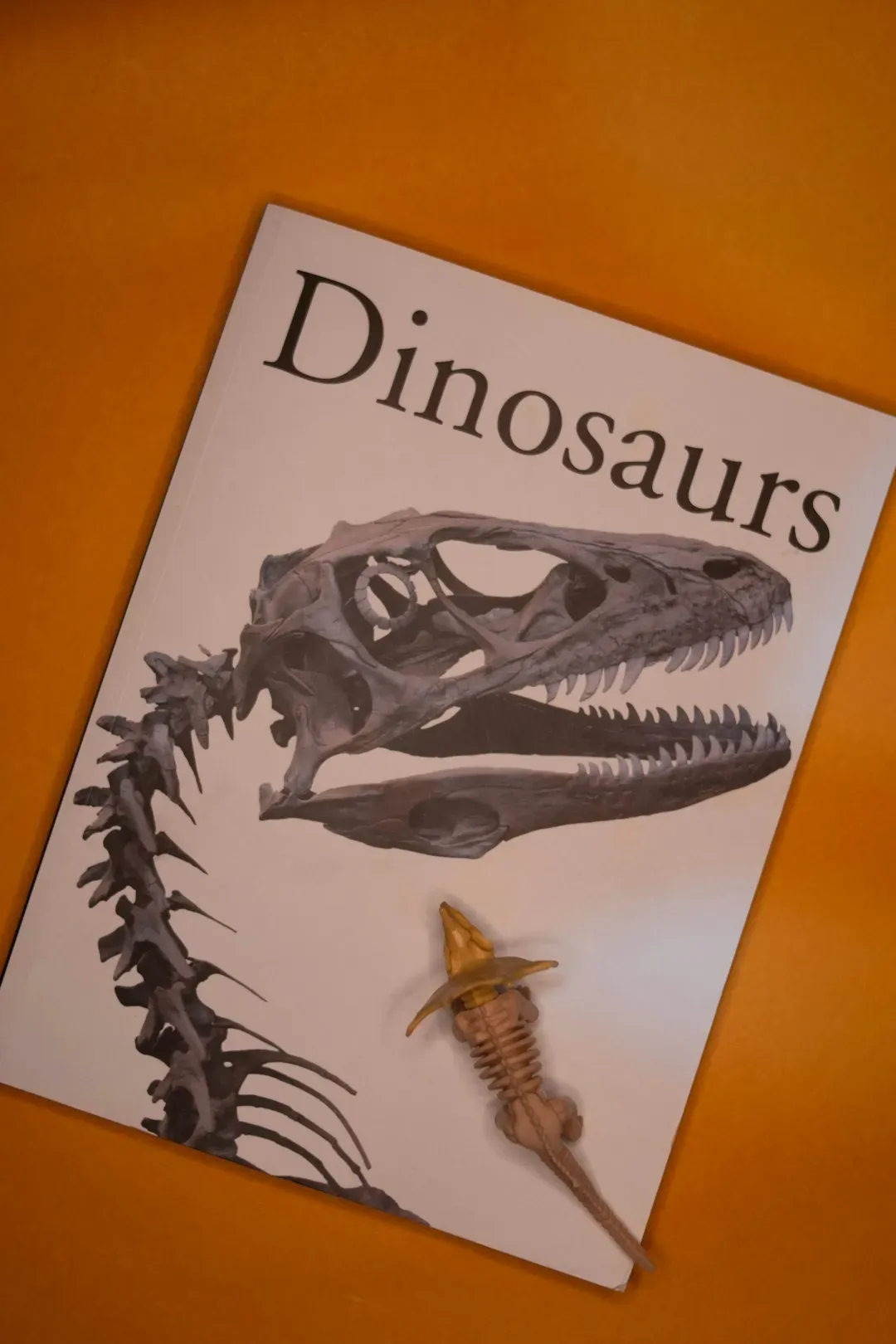
In the 1990s and early 2000s, glossy, photo‑realistic dinosaur encyclopedias from big publishers became the go‑to gift for every dino‑obsessed kid. They lined bookstore tables with dramatic full‑spread scenes of roaring tyrannosaurs, swimming plesiosaurs and towering sauropods set against digitally painted skies. Many of these books drew on the best knowledge available at the time and were vetted by consultants, so they felt authoritative in a way that older, sketch‑based books did not. If you wanted dinosaurs that looked like they could step off the page, this was where you went.
Two or three decades later, those same spreads tell you more about the state of the field back then than about the animals themselves. Many of the depicted species are now known to have had feathers or elaborate integument that the artwork either downplays or ignores, and the body proportions of animals like Spinosaurus have shifted dramatically as new fossils came to light. Ecosystems are often simplified, time periods mashed together and behaviors over‑dramatized for cinematic effect. They are still fantastic as nostalgia pieces or as an introduction to how science and art interact, but handing them to a young reader now without a caveat risks baking in misconceptions that modern researchers have already moved past.
Conclusion: Love the Books, But Update the Dinosaurs in Your Head

I still have a battered dinosaur book from my childhood on my shelf, and every time I flip it open I get that same little jolt of wonder – even as I cringe at the tail‑dragging sauropods and naked raptors. That mix of affection and secondhand embarrassment is exactly how many paleontologists talk about these older, wildly popular titles. They mattered enormously; they nudged science forward, inspired careers and made kids care deeply about animals that died out tens of millions of years ago. But science does not stand still just because a book sold well or shaped our imaginations.
If anything, the fact that these classics are now outdated is the best evidence that paleontology is healthy and moving. New fossils, better tools and fresh ideas keep forcing experts to redraw the tree of life and repaint the prehistoric world. The trick for us as readers is to treat these beloved books the way we treat vintage maps: beautiful, important, but not how you navigate today. So maybe the real question is not which dinosaur books aged badly, but which of our current favorites will make future readers shake their heads and laugh – what do you think will look hilariously wrong in another thirty years?