
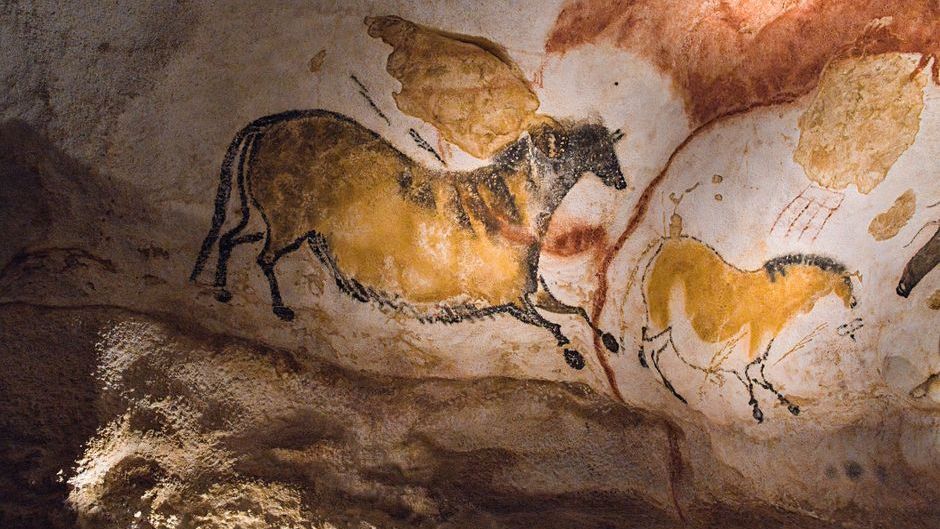
There is something quietly mind-blowing about staring at a wall of ancient rock and realizing you might be looking at the earliest wildlife field notes in human history. Long before satellite tags, camera traps, or glossy nature documentaries, people with stone tools and flickering firelight were sketching the animals around them with surprising precision. Today, those images are forcing scientists to admit that our distant ancestors may have seen – and carefully documented – creatures that modern science only identified tens of thousands of years later.
Of course, not every strange figure on a cave wall is a cryptid, and archaeologists are understandably cautious. But with better dating techniques, digital enhancement, and cross-checks against fossil records, a new pattern is emerging. Some cave paintings line up uncannily well with species that went extinct long ago or that were only formally described in recent decades. The result is a kind of slow-burn scientific thriller: stone-age people quietly keeping records, and modern science only now catching up.
The Surprising Accuracy Of Ice Age Animal Portraits
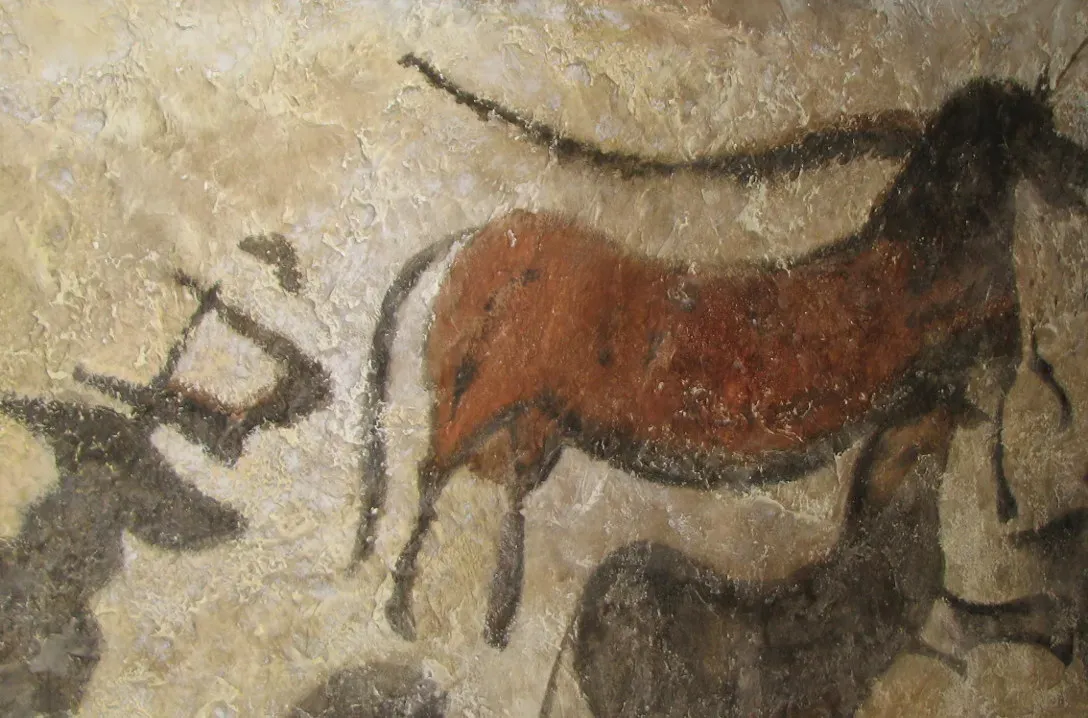
One of the most shocking realizations for researchers in the last few decades is just how anatomically accurate many Ice Age animal paintings really are. When you look closely at famous European caves, you do not just see generic “horses” or “bison” – you see carefully observed details like the thickness of a winter coat, the curve of a horn, or the belly line of a pregnant mare. These are not doodles; they are recognizably specific animals, captured with the kind of care you would expect from a wildlife illustrator, not a Paleolithic hunter wielding mineral pigments.
That level of detail matters, because it is the difference between art that is symbolic and art that is observational. When researchers compared some of these paintings to remains in the fossil and bone record, they realized the artists had faithfully recorded things like coat patterns and horn shapes that match extinct or now-rare species. The animals in these images are sometimes more precise than the reconstructions in early 20th‑century textbooks, which means the cave walls, in a sense, preserve better field data than many modern drawings that came centuries later.
When Cave Horses Revealed A Real Extinct Coat Pattern
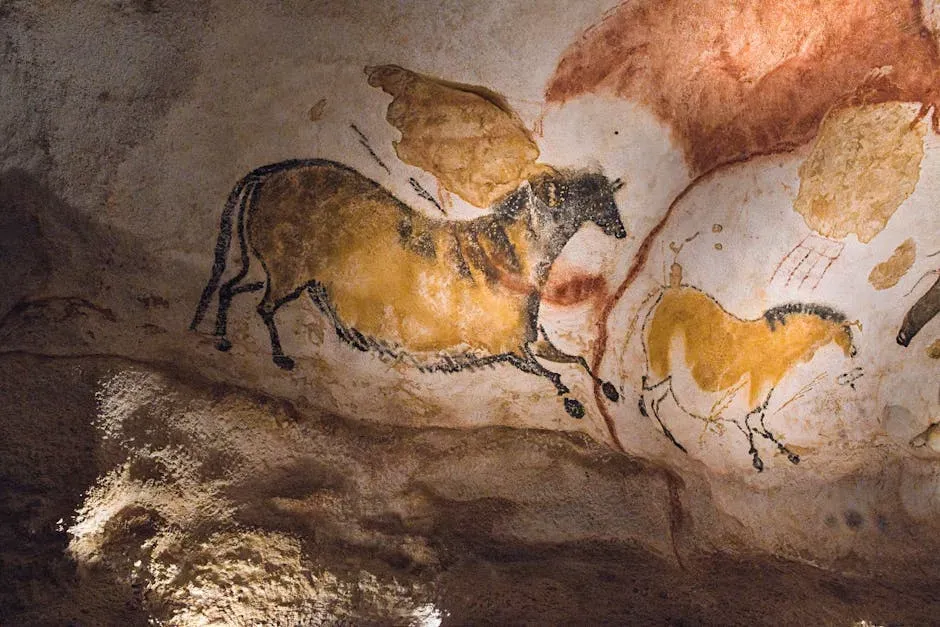
One of the most famous examples of ancient art predicting modern science comes from the horses painted in European caves. For a long time, archaeologists assumed the spotted coats and unusual markings seen on some of these horses were stylistic choices or religious symbols. Then, as genetic studies of ancient horse bones improved, researchers discovered that some Ice Age horses really did carry genes for dappled or leopard-like coat patterns that no one expected. Suddenly, those odd cave spots were not fantasy; they were data.
This discovery changed how scientists read the rest of the imagery. If people over ten thousand years ago were carefully depicting real coat colors that match genetic evidence, it suggests that many other “weird” details might also correspond to real biological traits. The caves effectively became a secondary dataset to compare against DNA, fossils, and bones. For me, this was the moment cave art stopped feeling like distant mystery and started looking a lot more like an early form of wildlife documentation, the kind of thing a modern birder might jot in a notebook – just painted on stone instead of paper.
Strange Horns, Odd Limbs: Extinct Megafauna Hiding In Plain Sight
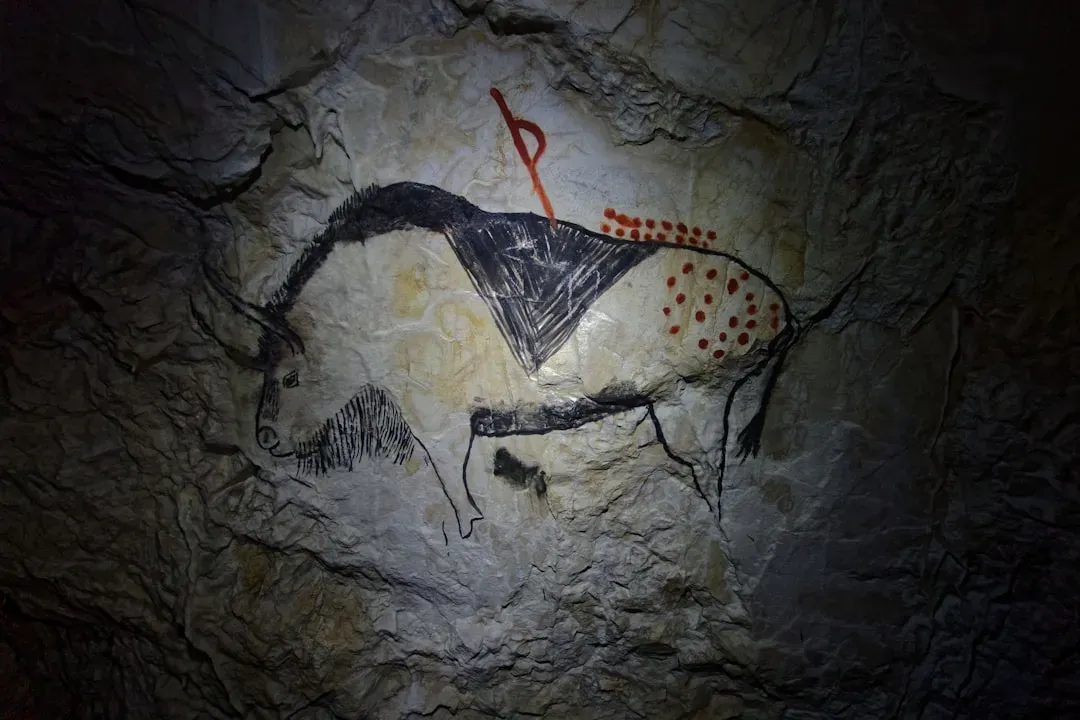
Beyond horses, some cave paintings show animals with combinations of features that puzzled early archaeologists. You get creatures with unusually long horns, oddly shaped heads, or massive shoulders that do not quite match any living species. At first, these were sometimes brushed off as mythical beings or exaggerated “spirit animals.” But as paleontologists pieced together more skeletons of Ice Age megafauna – giant bovids, unusual antelope-like forms, and extinct relatives of known species – those once “impossible” shapes started to make more sense.
Take large, stocky bovine-like figures with huge, forward-curving horns and powerful necks. Some of these panels align more naturally with extinct animals such as the aurochs or other wild cattle forms, not with modern domestic cows. In some regions, paintings may even echo local megafauna that has not been fully identified in the fossil record yet, or that is only known from a handful of bones. It is as if the artists were casually sketching species that would vanish before anyone could pin a Latin name on them, leaving their last recognizable echoes on rock walls deep underground.
When The Walls Match The Bones: Art Meets Paleontology
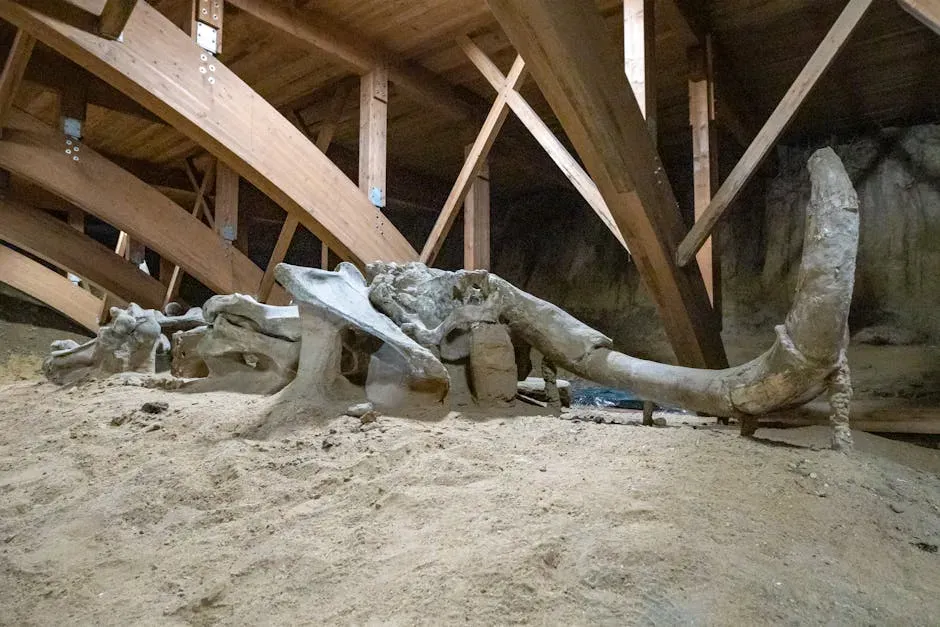
One of the strongest arguments that our ancestors were documenting real animals comes from places where the art and the fossils literally share the same landscape. In several cave regions, the species painted on the walls line up closely with the bones found in nearby sediments: mammoths, woolly rhinos, ancient bison, wild horses, and more. The animals that appear less frequently in the paintings tend to be the ones that are rarer in the fossil record as well, which is exactly what you would expect if people were drawing what they actually saw.
That overlap goes even deeper. In some cases, scientists have looked at the geographical spread of particular animals in the fossil record and then compared it to where those animals are depicted in cave art. The matches can be striking. Animal types that disappear from the fossil record at certain dates often vanish from the art around the same time. This synchronicity suggests the paintings are not whimsical; they are time-bound snapshots, carefully anchored in real ecological communities. In other words, the artists were not just decorating; they were, in their own way, logging biodiversity as it shifted around them.
Beyond Europe: Rock Art As A Global Animal Archive
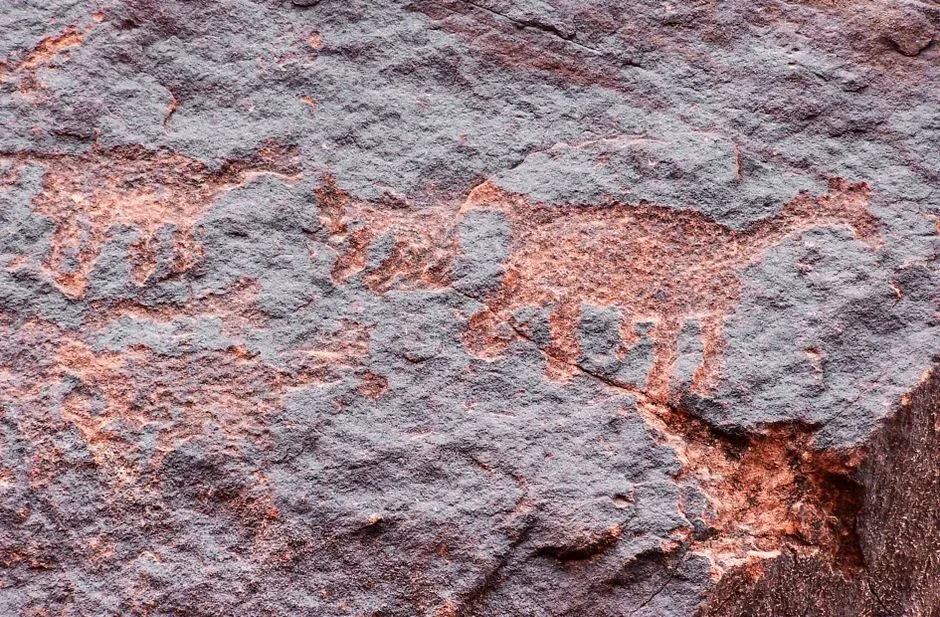
It is tempting to focus only on famous European caves, but that would miss the bigger story. Across Africa, Asia, Australia, and the Americas, rock art also shows animals in deep detail: long-necked giraffe forms, massive antelope, giant marsupials, and marine creatures in coastal regions. In several places, the paintings appear to show now-extinct species or local forms that no longer exist. When archaeologists work alongside Indigenous communities who hold oral histories and cultural knowledge tied to these images, the picture becomes even richer and more grounded in lived experience.
Some Australian rock art, for example, has been argued to depict megafauna that disappeared long ago, while certain North and South American sites seem to show large proboscideans and other Pleistocene animals. Not every claim holds up under close scrutiny, and sometimes shapes that look like giant creatures could be stylized existing animals or symbolic forms. Still, the global pattern is hard to ignore: wherever humans painted, they tended to show the animals of their world with a level of care that looks a lot like documentation, even when the species themselves have since stepped off the stage.
Science Plays Catch-Up: From Cryptic Beasts To Confirmed Species
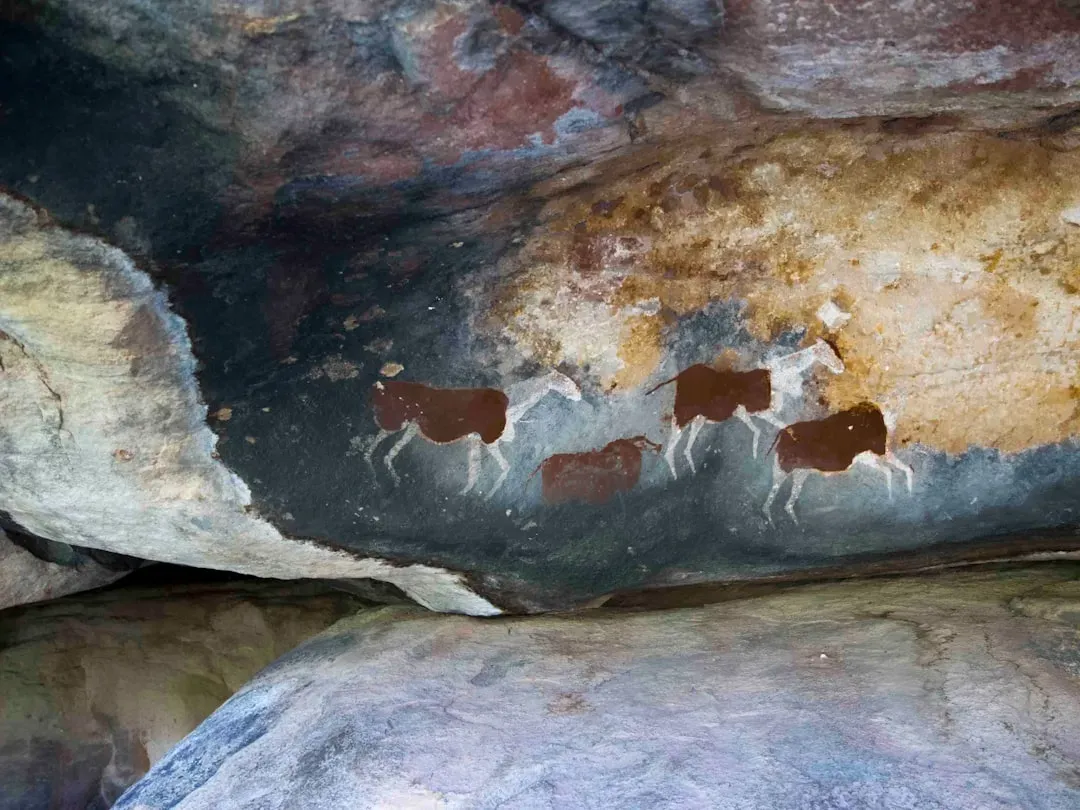
There is a certain humility in watching modern science slowly confirm what ancient artists already knew. In a few cases, odd animal figures in rock art were once dismissed as purely imaginary, only for later fossil discoveries or genetic work to reveal that similar real species had indeed lived in that region. Sometimes the time gap between the paintings and the scientific description stretches across centuries or even millennia, with the cave walls quietly holding the only visual record in the meantime.
Think of it this way: for much of the twentieth century, scientists were reconstructing extinct animals almost blindly, based only on partial bones and guesswork about soft tissue, color, and behavior. Meanwhile, there were already images – however stylized – drawn by people who had hunted, watched, and lived alongside those animals. As methods improve, more researchers are starting to treat those ancient images not as quaint decorations, but as potential data points. It is a reversal of roles: the modern researcher becomes the one trying to interpret the “field sketches” left by a much older generation of observers.
The Temptation Of Mystery Animals – And Why Skepticism Matters
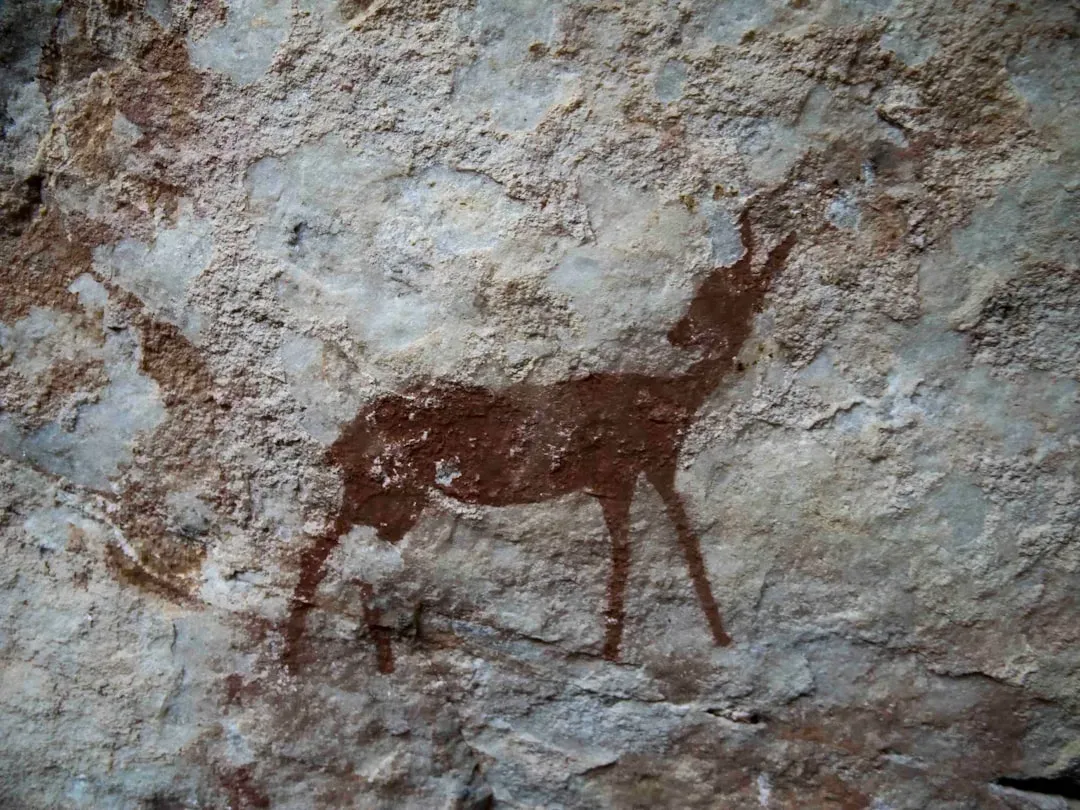
Of course, as soon as you mention cave paintings and unknown animals in the same sentence, people start dreaming up lost monsters and hidden creatures. It is incredibly tempting to point at every strange horn or elongated body and claim it proves some secret species science has missed. The reality is messier and more grounded: many odd-looking figures are probably artistic conventions, spiritual symbols, or distorted by rock surfaces and erosion. Serious researchers have to walk a tightrope between open-minded curiosity and hard-nosed skepticism.
I think that balance is actually what makes this story more fascinating, not less. When scientists do cautiously suggest that a painted animal may represent an extinct or newly recognized species, it is usually after layers of comparison: checking anatomical details, matching time periods, and cross-referencing with local fossils. That slow, careful work is worlds away from sensational headlines, but it is also where the real magic happens. Instead of inventing creatures out of wishful thinking, we are letting the rock art nudge us toward questions we might otherwise never have asked about past ecosystems and the animals that once roamed them.
What Ancient Animal Art Tells Us About Human Minds
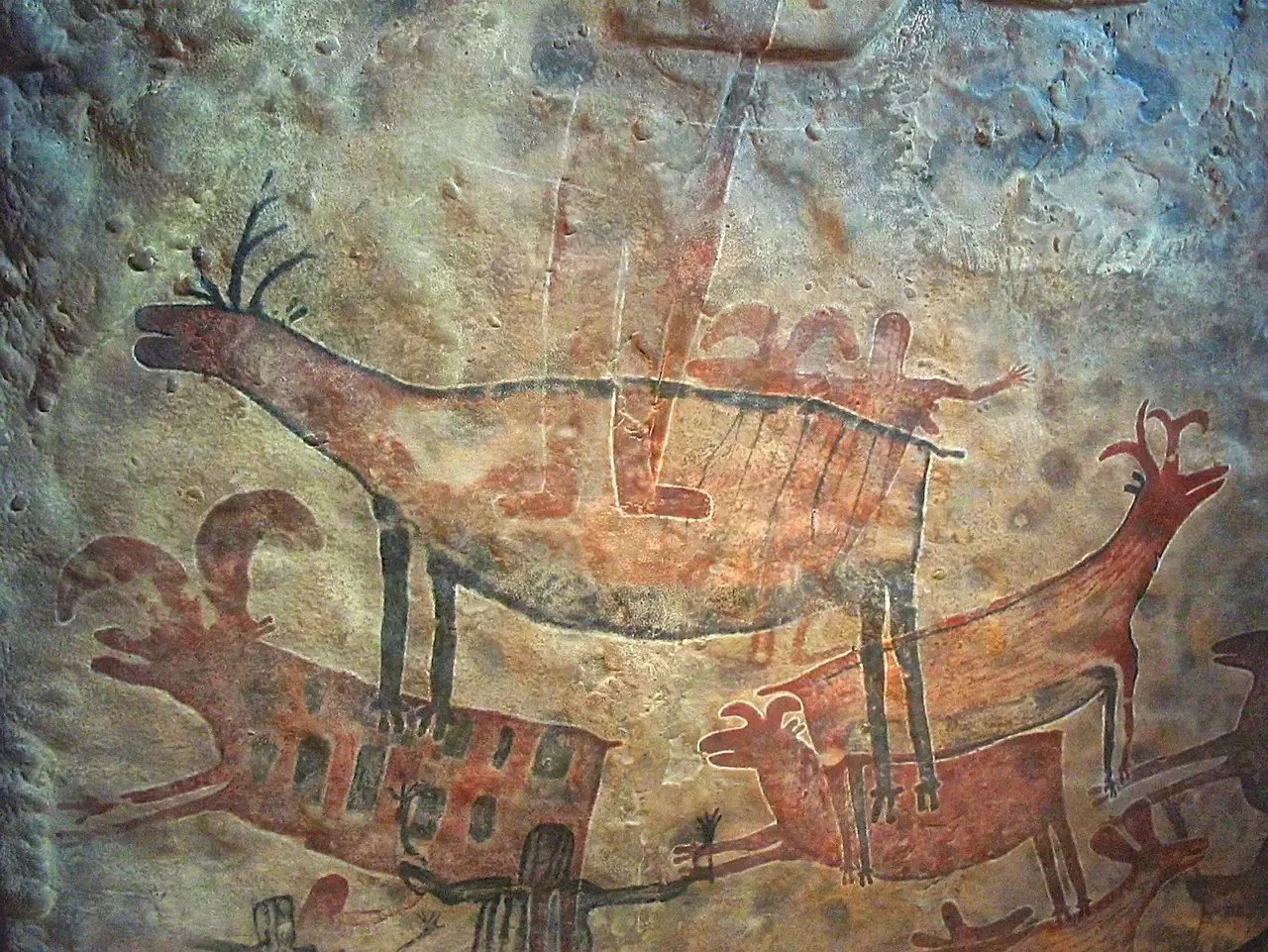
Beyond the animals themselves, these paintings say something profound about the people who made them. To notice that a particular antelope has slightly different horns, or that a certain type of horse has a spotted coat, and then to care enough to record that difference on a cave wall, suggests a deep attention to the natural world. It hints at individuals who were not just hunters, but careful observers, maybe even early naturalists in spirit. They were tracking not only herds and seasons, but patterns in color, form, and behavior.
When I look at those walls, I cannot help but see a familiar impulse: the same urge that drives someone today to photograph a rare bird or log a sighting in a citizen science app. The medium is different, but the mindset feels similar. Our ancestors were surrounded by animals that modern science would only name much later, and instead of just walking past them, they watched, learned, and painted. In a way, their art is a quiet reminder that curiosity about the living world is not a modern invention; it is one of the oldest human habits we have.
Conclusion: Ancient Field Notes And Modern Blind Spots
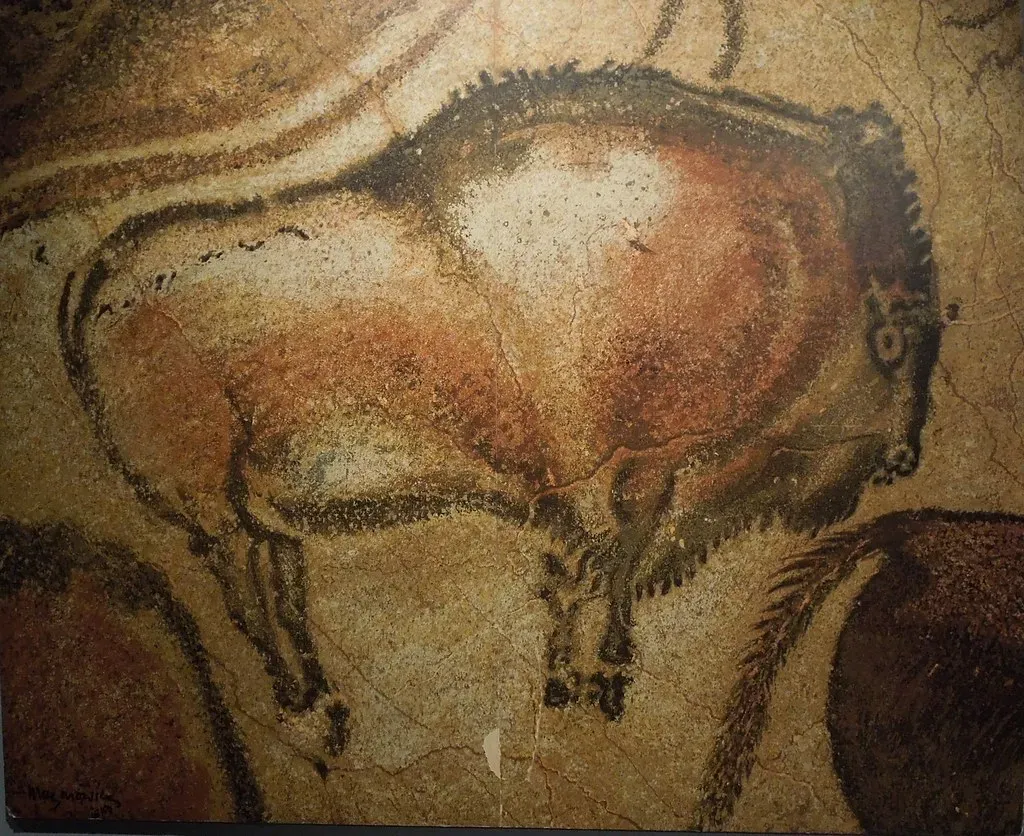
When you strip away the romance and the hype, what remains is still astonishing: humans with stone tools managed to record animals so faithfully that modern scientists are only now realizing how much information is sitting on those walls. Some of the creatures captured in ochre and charcoal were unknown to science until fossils or genetics caught up, while others are extinct forms we are still struggling to fully understand. To me, that feels like a gentle reprimand from the past. We like to think of ourselves as the first truly scientific generation, but in some ways we are playing catch-up to people who had none of our instruments and all of our curiosity.
At the same time, these paintings expose our modern blind spots. If we can overlook detailed evidence carved and painted into stone for thousands of years, what else are we missing in the rush of our own era – in local knowledge, in oral traditions, in underfunded archives and overlooked landscapes? The caves suggest a simple but unsettling possibility: that the world has always been richer and better observed than our official records admit. Maybe the real question is not whether our ancestors documented animals science did not yet know, but whether we are paying close enough attention to the living world in front of us now. Did you expect that the oldest wildlife notebooks might be hidden in the dark, at the end of a torchlit tunnel?