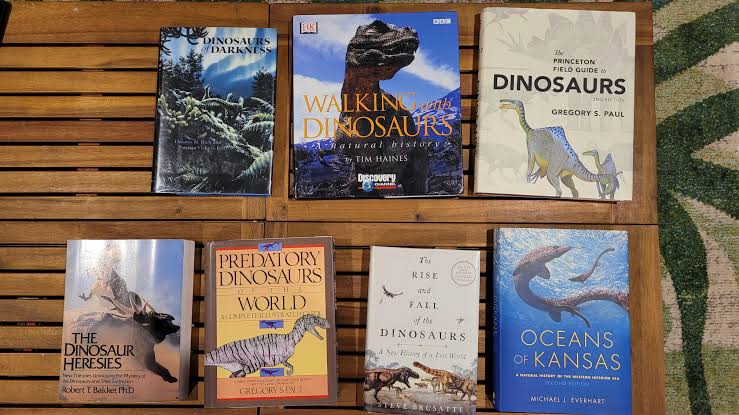
At some point, almost every dinosaur fan was shaped by a book that later turned out to be… well, scientifically awkward. The images that once blew our minds – swamp‑dragging brontosaurs, tail‑dragging tyrannosaurs and leathery, featherless raptors – now make many paleontologists wince a little. The science moved on, but the books stayed frozen in time, like fossils of our own misconceptions.
This is not about mocking old classics. It is about something much more interesting: watching science change in public. These five wildly popular dinosaur books were genuinely important in their day, but modern research has turned key parts of them into cautionary tales. If you ever loved any of these, you might feel a strange mix of nostalgia and secondhand embarrassment – and you might also come away with a new respect for how fast our picture of the ancient world can shift.
The Dinosaur Heresies by Robert T. Bakker (1986)
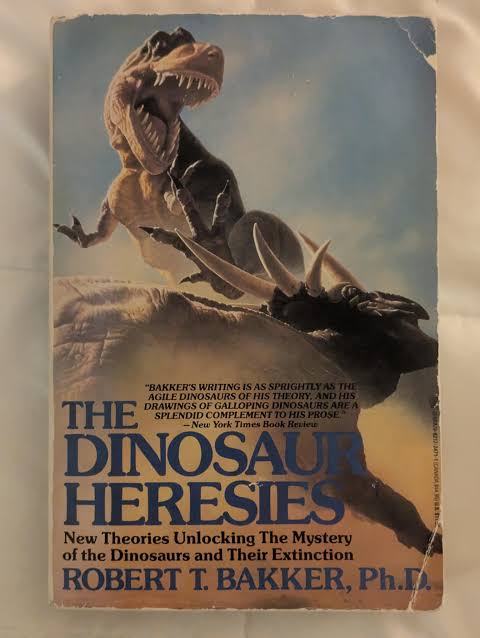
This one is ironic, because The Dinosaur Heresies helped trigger the very revolution that made it feel outdated. Bakker argued fiercely that dinosaurs were warm‑blooded, active and bird‑like long before that idea became mainstream, and for a lot of readers, this was the first time dinosaurs felt truly alive. The book’s swaggering tone, bold sketches and sweeping claims made it a cult classic, almost a manifesto for dinosaur nerds in the late twentieth century.
The problem is that Bakker pushed some ideas much harder than the evidence now supports, and left others frozen at an early stage of the dinosaur renaissance. He treated all dinosaurs as uniformly warm‑blooded, while current research suggests more nuance, with different groups likely having different metabolic strategies and growth patterns. He also relied on outdated family trees and anatomical interpretations that modern cladistic analyses have heavily revised, and his vision of certain predators, locomotion styles and even ecosystem structures now looks oversimplified or flat‑out wrong. The book is historically important, but as a guide to modern dinosaur science, it is now like an old rock concert poster: iconic, influential and definitely not up to date.
The Dinosaur Encyclopedia‑Style Coffee‑Table Books of the 1990s
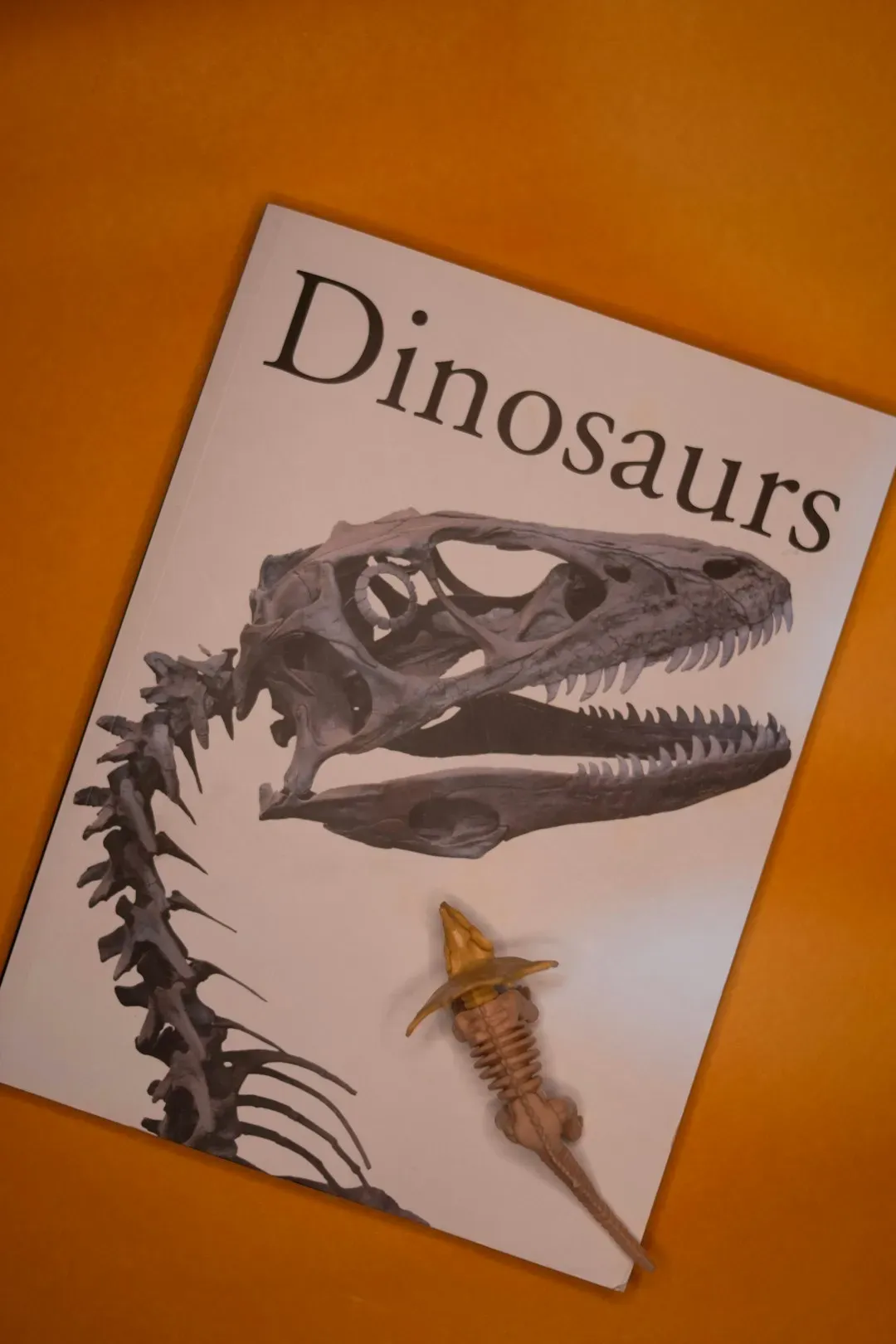
If you grew up in the 1990s, you probably had at least one gigantic, photo‑rich dinosaur encyclopedia on your shelf, often from big educational publishers. These books looked authoritative: glossy pages, dramatic paintings of roaring theropods, and confident captions about how each species lived, hunted and died. For a lot of kids, these volumes were the gateway into paleontology, and they felt almost like sacred texts.
Today, many of those same books are scientific time capsules in the worst way. The classic tail‑dragging T. rex posture, sluggish and tripod‑like, has been thrown out; we now depict it with a horizontal body, balancing its torso with a stiff, elevated tail. Many encyclopedias also missed the feather revolution: small theropods were almost always shown naked and scaly, even though strong evidence for feathers on multiple lineages has since piled up. The old family trees in their back pages often lumped unrelated animals together or split close relatives apart in ways modern phylogenetic methods have completely upended. Pull one off the shelf now and it feels a bit like looking at a map where half the continents are misshapen and the oceans are in the wrong place.
Michael Crichton’s Jurassic Park (Novel, 1990) and Its Tie‑In “Fact” Books
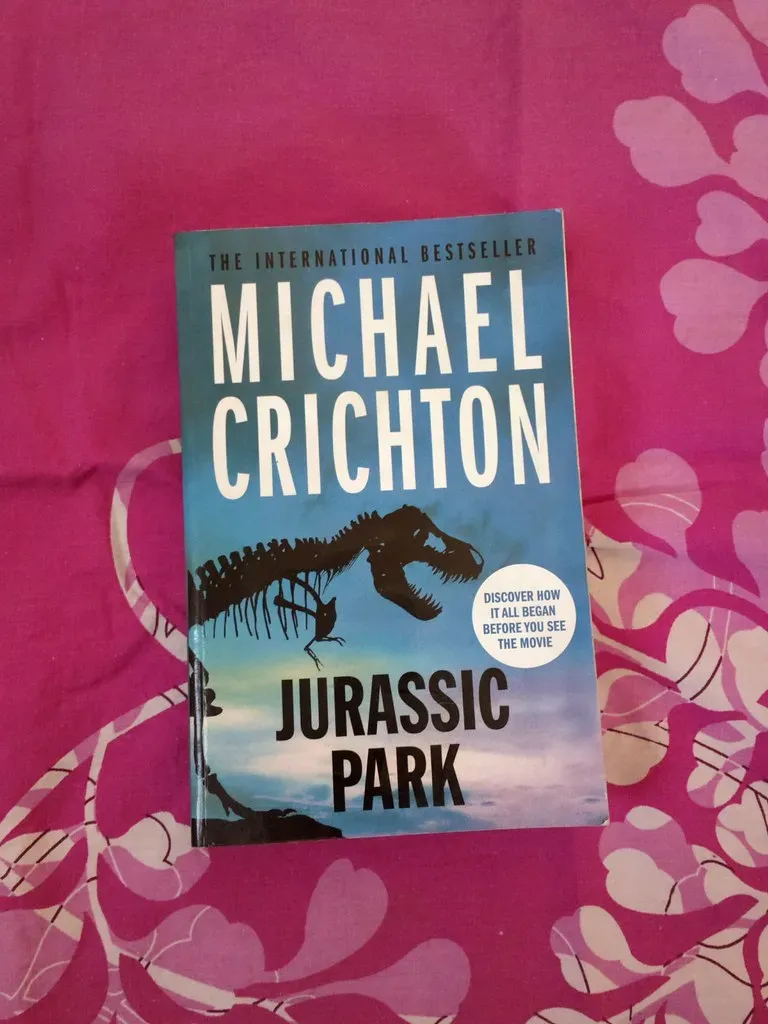
The novel Jurassic Park was never a textbook, but its huge popularity – boosted by the blockbuster film – turned its dinosaurs into the public default. Publishers rushed out companion guides, “field manuals” and science‑of‑Jurassic‑Park style books that treated the creatures on screen as near‑accurate reconstructions. For a generation, people learned the names Velociraptor and Dilophosaurus not from scientific texts, but from these spin‑offs and tie‑ins.
Modern paleontology has politely dismantled many of those portrayals. The so‑called Velociraptors in the story are closer in size and anatomy to another genus, Deinonychus, and we now know these animals were almost certainly covered in feathers, not the slick, lizard‑like skin seen in illustrations and movie stills of the time. The venom‑spitting Dilophosaurus with a frill is pure invention; real Dilophosaurus was larger, probably feathered, and lacks any evidence of such a display structure or venomous bite. Even the behavior of the big predators, depicted as lone, hyper‑intelligent monsters, clashes with newer insights suggesting more complex, but not necessarily movie‑style, social dynamics. Those tie‑in books still read like thrilling speculative fiction, but as science, they are more fantasy than field guide.
Extremely Old Children’s Classics Featuring “Brontosaurus” and Swamp‑Dwelling Sauropods
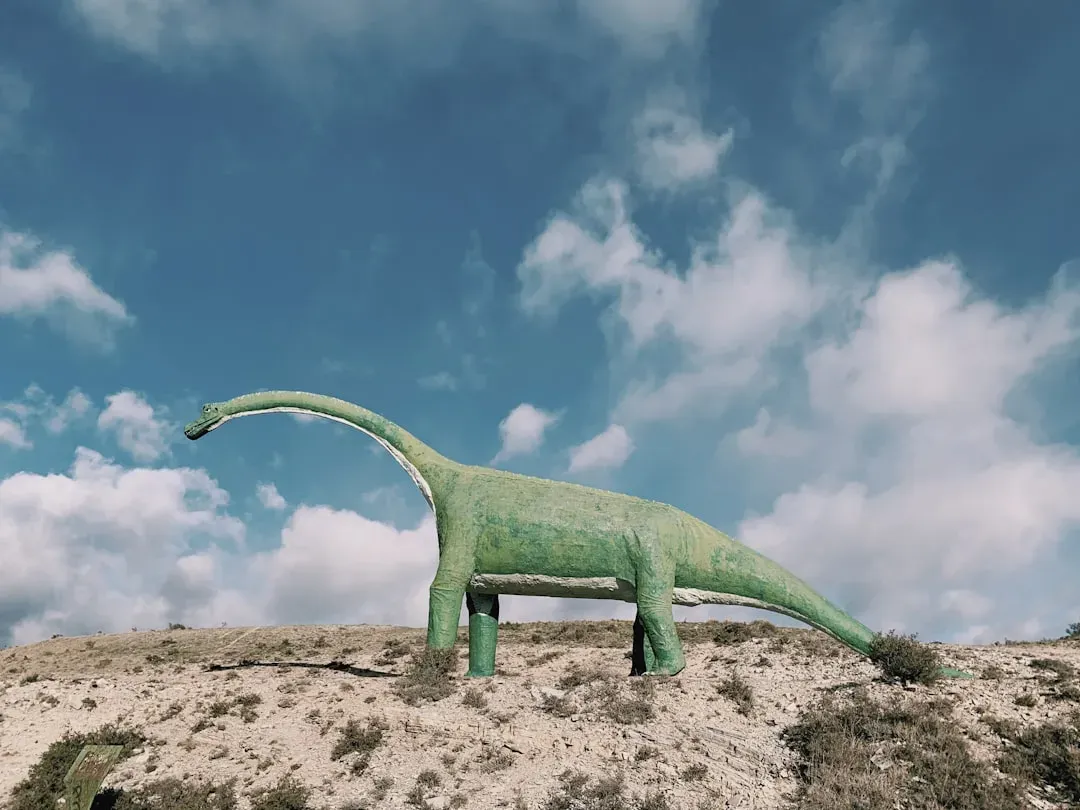
There is a whole generation of children’s dinosaur books from the mid‑twentieth century where every sauropod is called Brontosaurus, every brontosaur lives half‑submerged in a murky swamp, and every scene feels heavy, slow and vaguely depressing. These books were widely reprinted for decades because parents and teachers remembered them fondly, even as the science behind them was quietly eroding. For many people, that image of a wallowing, marsh‑bound giant is still the first thing they picture when they hear the word dinosaur.
These depictions are now textbook examples of how wrong a confident consensus can be. Research on sauropod limb and bone structure, trackways and sediment environments has firmly shifted the picture toward active, fully terrestrial animals walking on firm ground, not semi‑aquatic hulks barely keeping their own weight from crushing them. The old swamp scenes made anatomical sense to early scientists who thought these animals were just too heavy to support themselves, but improved biomechanics and better fossil context shattered that assumption. Even the name Brontosaurus itself went through a long saga of being declared invalid, then tentatively resurrected for a specific genus again, while those mid‑century books used it as a vague label for almost any long‑necked giant. Read now, they feel charming but deeply misleading, like a travel guide insisting that people still cross the Atlantic by zeppelin.
Early‑2000s “Ultimate Guide to Dinosaurs” Books That Missed the Feather Revolution

One of the sneakiest categories of outdated dinosaur books are the ones that feel modern because they are printed in high resolution, with slick layouts and edgy art styles, but were published just before a burst of new discoveries reshaped the field. A lot of early‑2000s “ultimate guide” volumes fall into this trap. They promised cutting‑edge science and showed dynamic, running theropods – but almost always still naked, scaly and missing the now‑familiar fuzz, quills and plumage.
By the early twenty‑first century, evidence for feathered dinosaurs had already begun accumulating, especially from spectacular fossil beds in China, yet many mass‑market books either downplayed it or treated feathers as a quirky exception. Since then, the sheer number and diversity of feathered theropod fossils has forced a huge visual reset, particularly for dromaeosaurs and their close relatives. Those “ultimate” guides, which once looked so sharp on the bookstore shelf, now sit awkwardly between two eras: ahead of the old swamp‑monster imagery, but behind the modern, bird‑heavy view. To a researcher in 2026, they feel like a flip phone in the age of smartphones – not ancient, but painfully dated all the same.
Conclusion: Loving Old Dinosaur Books Without Trusting Them
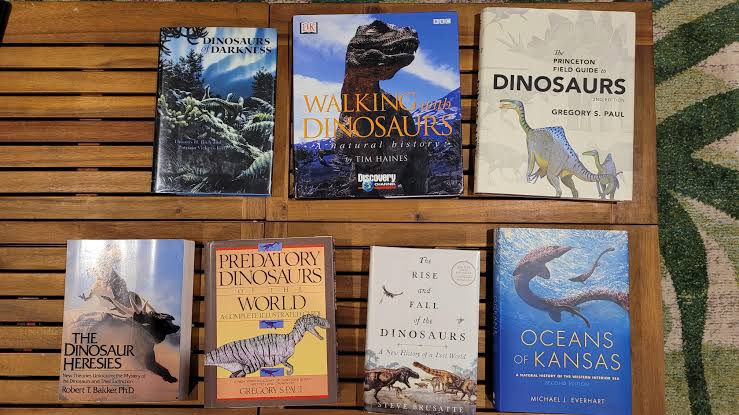
There is something weirdly comforting about realizing that the dinosaur books we grew up with are wrong in big, obvious ways. It means paleontology is doing exactly what real science should do: changing its mind when better evidence shows up. Those wildly popular titles are embarrassing as sources of fact now, but they were also stepping stones that got millions of people interested enough to care about fossils in the first place, and that still matters. I still keep a couple of my most incorrect childhood dinosaur books on the shelf, partly for nostalgia and partly as a reminder of how far the field has come.
The tricky part is that some of these books are still in circulation, especially in classrooms, libraries and secondhand shops, quietly feeding old myths to new readers. In my view, we should treat them like historical documents: fun to revisit, but always framed with a clear warning label in our heads. Dinosaurs themselves will not change, but our picture of them absolutely will, and that constant update is one of the most exciting things about following this science. The next time you see a familiar old dinosaur book, will you flip through it like a comfort object from the past – or like an example of just how quickly our understanding of the ancient world can evolve?