There’s something delightfully wrong about Dino from The Flintstones. He barks like a dog, wags his tail like a golden retriever, and yet he’s supposed to be a dinosaur in a world where humans and dinos somehow share suburban life, bowling nights, and construction jobs run on stone-age tech. Everything about him breaks the rules of science, but somehow, that only makes him more lovable.
That mix of obvious impossibility and pure charm is exactly why Dino has lasted in pop culture for generations. He doesn’t just ignore scientific accuracy; he practically sprints past it while licking Fred Flintstone’s face. And in doing so, he became something bigger than a side character: he turned into a bridge between science, nostalgia, and the way we love our cartoon pets, even when they make zero sense.
The joyful absurdity of a pet dinosaur-dog hybrid
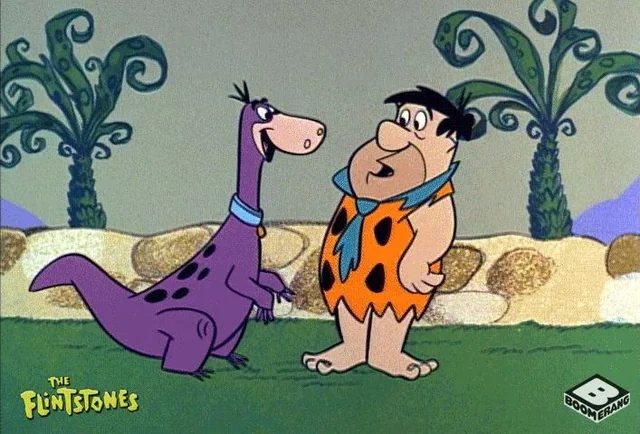
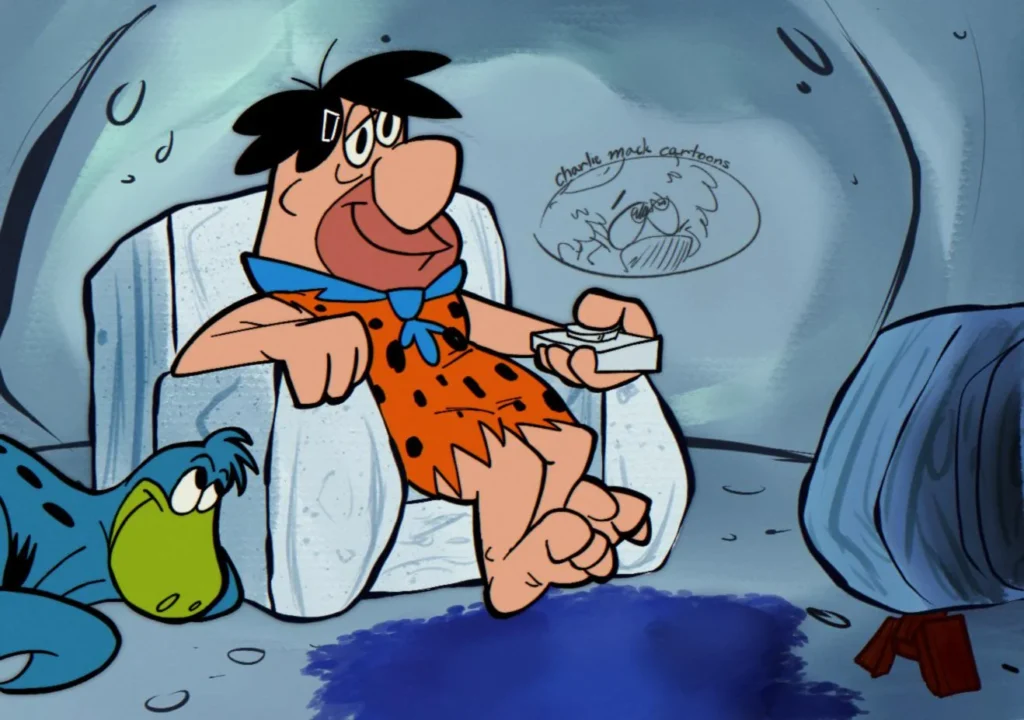
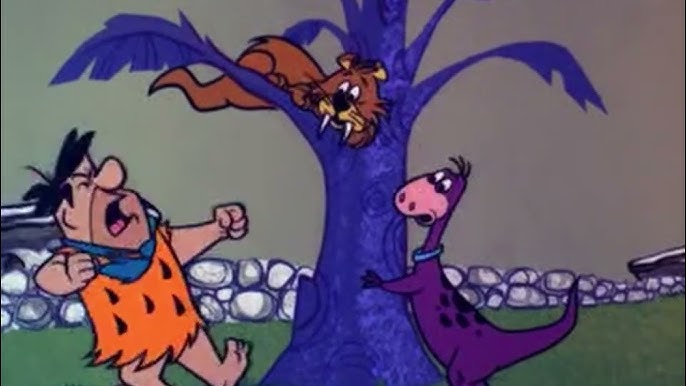
Think about Dino’s personality for a second: he’s basically a purple dog in dinosaur cosplay. He runs to the door to greet Fred, jumps on him, licks his face, whimpers, pouts, and gets jealous, just like a family dog would. There is nothing remotely reptilian about his behavior, and that’s the entire point. The show takes this impossible mashup and plays it straight, inviting viewers to just accept that in Bedrock, dinosaurs act like Labradors.
That joyful absurdity is a big reason he sticks in people’s memories. Dino doesn’t ask you to believe he’s scientifically accurate; he asks you to believe he’s emotionally accurate. We recognize the archetype instantly: he’s the overexcited pet that loves too hard and thinks too little. Even as kids, we sort of clock that this is ridiculous, but we go with it because the emotional logic is so strong. It’s wrong in all the right ways.
Science says “no,” but our hearts say “absolutely yes”
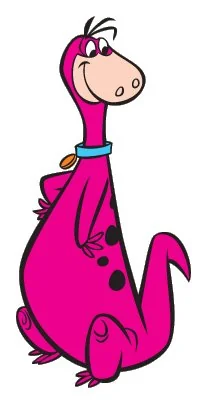
From a scientific perspective, The Flintstones’ whole premise is a beautiful mess. Humans and dinosaurs never coexisted, and a dinosaur that behaves like a domesticated mammal is about as realistic as a refrigerator made of clouds. If you put Dino under a paleontologist’s microscope, every box would be ticked in the “incorrect” column, from his anatomy to his timeline to his behavior.
But storytelling does something fascinating here: it invites us to trade factual accuracy for emotional resonance. Instead of worrying about prehistoric timelines, we’re watching a family pet who is fiercely loyal, intensely expressive, and constantly causing chaos in a way that feels familiar. Our brains know the science is broken; our hearts are too busy laughing at Dino bowling Fred over at the front door to care. That tension between “this makes no sense” and “this feels exactly right” is where his magic lives.
Why Dino works better than more “realistic” cartoon dinosaurs
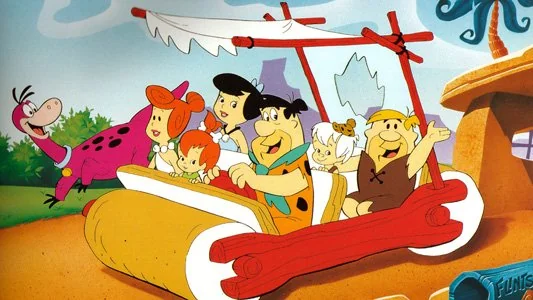
Over the decades, there have been plenty of attempts at more realistic dinosaurs in animation, where artists try to honor fossils, anatomy, and paleontological discoveries. Those characters can be stunning and educational, but they often feel less personal and less huggable. Dino, by contrast, is almost aggressively unscientific, and that lack of realism gives the writers permission to lean fully into personality and comedy.
By stripping away realism, Dino becomes instantly approachable. He doesn’t roar menacingly; he yips, whines, and giggles his way through scenes. Viewers are not asked to be in awe of prehistory; they’re invited to recognize their own family pet in prehistoric drag. In that sense, Dino is more emotionally true than many accurate dinosaurs are scientifically true. He reflects how people feel about animals, not how animals actually are, and that makes him unforgettable.
The psychology of giving a dinosaur the soul of a puppy
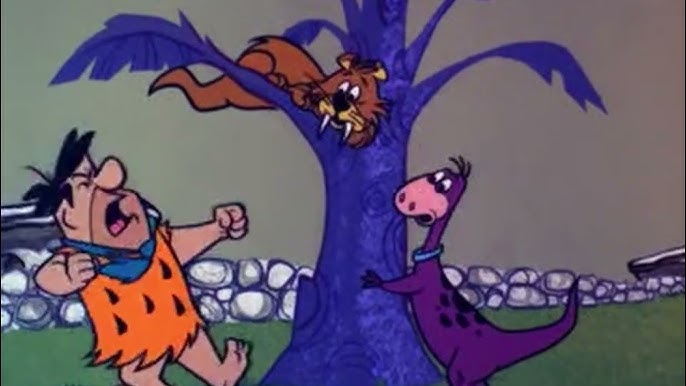
There’s a clever psychological move behind Dino’s design: give something big, strange, and potentially scary the heart of a puppy, and suddenly it becomes safe and adorable. Humans are wired to respond to certain cues – big eyes, floppy movements, goofy eagerness – that signal harmlessness and affection. Dino is basically a walking checklist of those signals, wrapped in a dinosaur’s body and purple skin.
This is why he sneaks under our defenses so easily. Instead of confronting the alienness of prehistoric life, kids watching The Flintstones are reassured by Dino’s familiar dog-like behavior. He takes something that could be intimidating and translates it into a language of tail wags and happy leaps. In my own case, I remember as a kid not even questioning why a dinosaur was a house pet; I just thought, in an unspoken way, that this was what pure joy would look like if it had scales and a collar.
Dino as a time-bending symbol of nostalgia
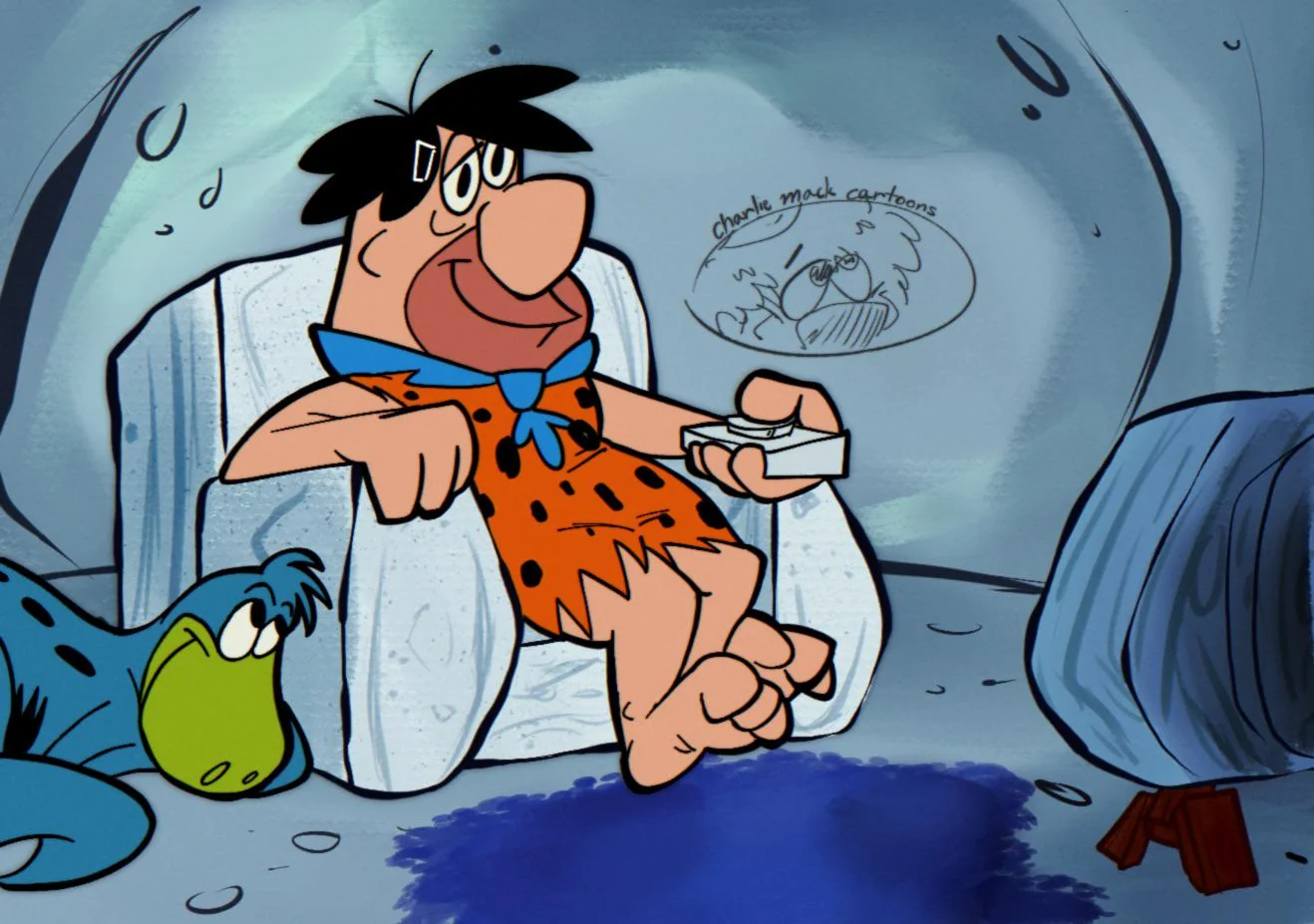
Dino doesn’t just break natural history; he collapses time in a weirdly comforting way. The Flintstones was already a satire of mid‑twentieth‑century suburbia dressed up in stone wheels and brontosaurus cranes. Dino adds another layer: he’s a modern family dog archetype projected backwards into a fictional prehistory. It’s like the show is saying, no matter the era, people will find a way to have a goofy, loyal pet knocking them over at the door.
That time-bending quality is part of why he feels so nostalgic, even to younger viewers discovering reruns or clips online. Dino embodies the idea that some emotional experiences – like the bond with a beloved pet – are timeless, even if the setting is wildly inaccurate. He’s not just a character; he’s a reassurance that certain feelings survive any era, any technology, any timeline, even when the science flat-out refuses to cooperate.
How Dino quietly shaped our idea of “cartoon logic”
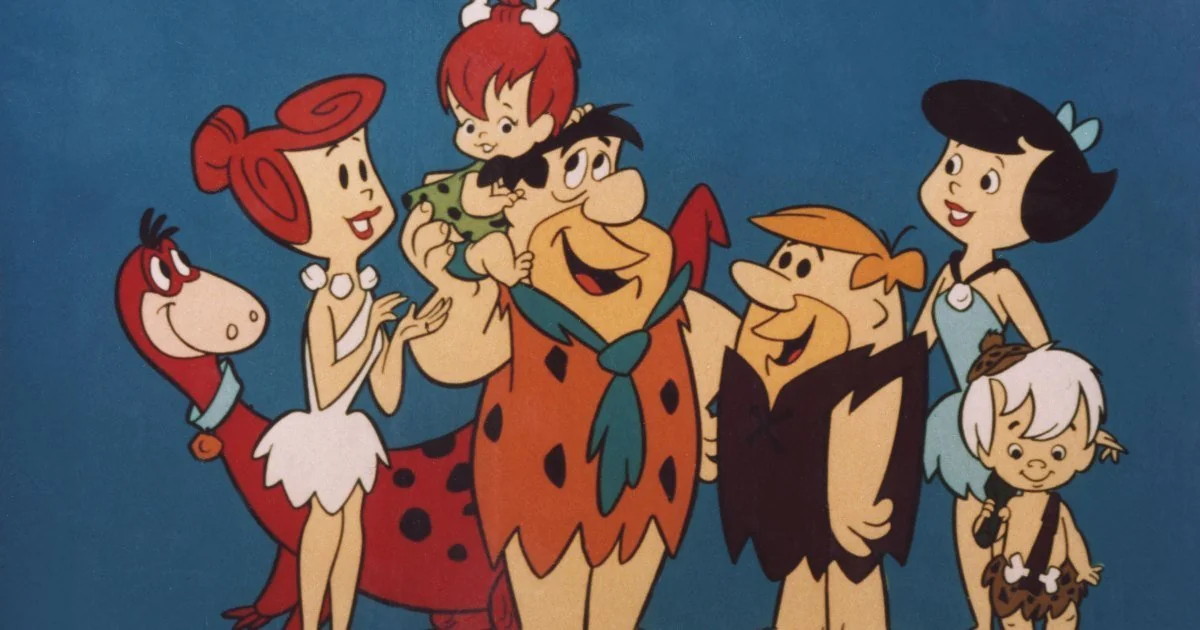
Dino helped cement a particular kind of cartoon logic in mainstream culture: if it feels right for the story and the character, reality can take the day off. In Bedrock, dinosaurs are appliances, cars have feet instead of engines, and a T‑rex can basically be a golden retriever with scales. Dino is one of the clearest signals to the audience that the rules have changed; from the moment he tackles Fred in the opening sequence, we know we’re in a world where emotional truth outranks physical law.
That approach rippled outward into other cartoons, where animals act like people, prehistoric creatures behave like house pets, and science is more of a loose suggestion than a strict rulebook. Dino stands at the center of that tradition as a kind of cheerful mascot for impossible storytelling. He proves that when it comes to cartoons, authenticity of feeling can matter more than accuracy of facts – and most viewers, deep down, are completely fine with that trade.
Conclusion: The impossibility we’re glad no one fixed
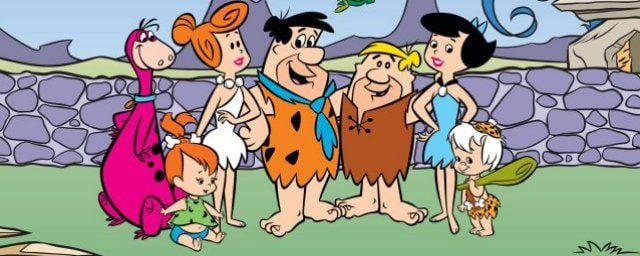
If someone tried to “correct” Dino today – to make him anatomically faithful, behaviorally accurate, and placed in the proper geological era – it would almost certainly destroy what makes him special. His scientific impossibility is not a flaw to be patched; it’s the core of his charm. Dino is lovable precisely because he refuses to fit inside the lines drawn by textbooks and timelines, choosing instead to live in the messy, emotional space of family, chaos, and unconditional affection.
In a media landscape that constantly talks about realism and accuracy, Dino is a reminder that sometimes the most lasting characters are the least realistic ones. He does not teach us how dinosaurs actually lived; he teaches us how we actually love. And maybe that’s why, among all the prehistoric creatures in cartoon history, this impossible purple dino-dog still feels like the one we’d most want waiting for us at the front door – don’t you?