Dinosaur science has changed so fast in the last few decades that a lot of what people still picture in their heads is basically a mash‑up of old textbooks, toy designs, and movie monsters. The result: some stubborn myths that keep hanging on, no matter how many new fossils we dig up. If your mental image of dinosaurs is all swamp‑dragging tails, slow‑motion giants, and gray scaly lizards, you’re in for a bit of a shock.
Let’s walk through six of the most persistent dinosaur myths and clean them up with what scientists actually know today. Along the way we’ll bump into feathery predators, color we cannot yet fully see, and a planet that was a lot stranger than the Hollywood version. You might end up feeling like someone just told you everything you learned in second grade was only the trailer, not the full movie.
Myth 1: All Dinosaurs Were Huge Monster-Sized Beasts
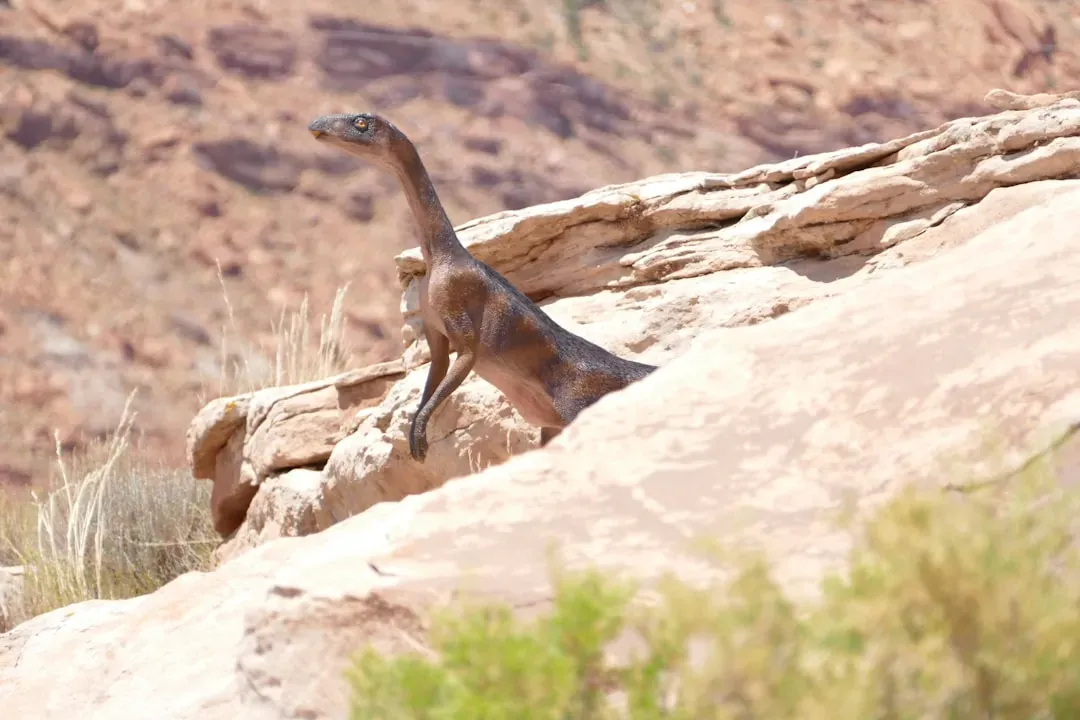
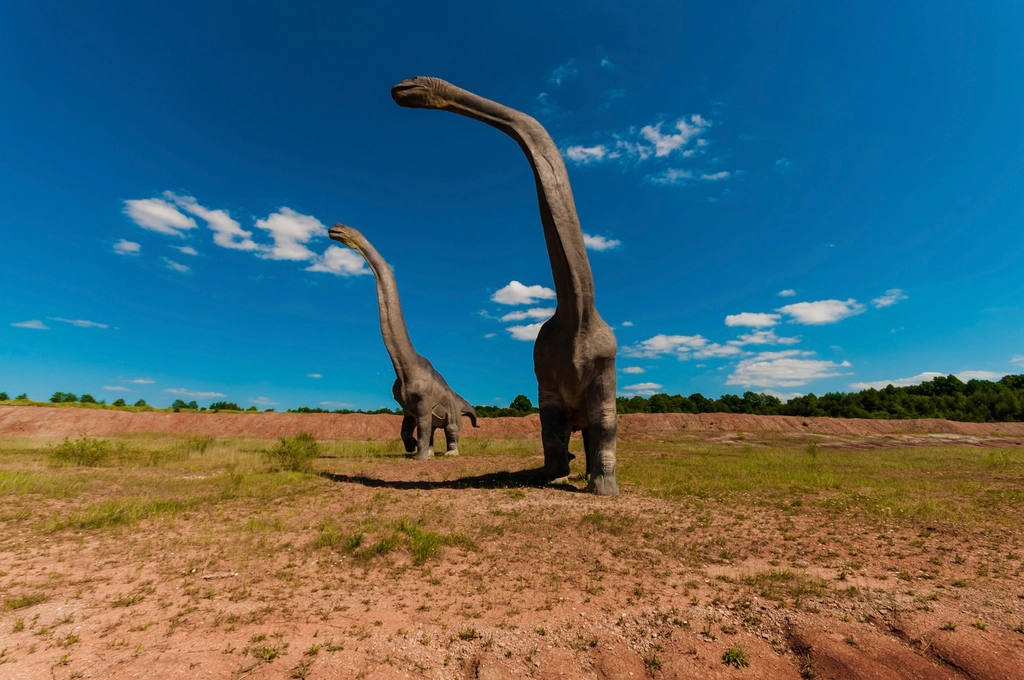
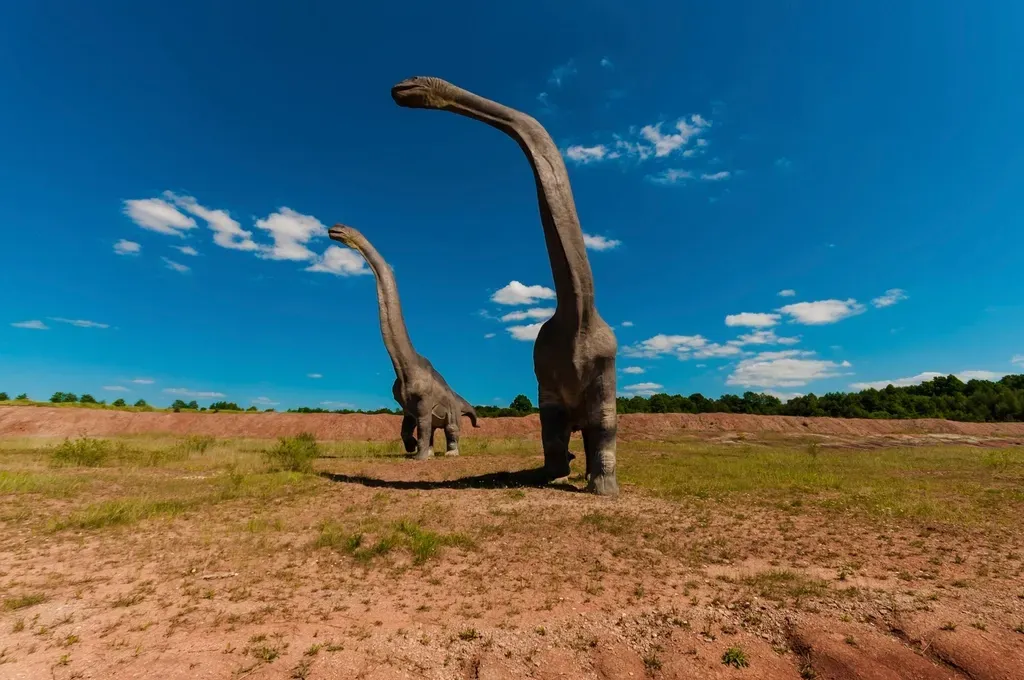
The classic dinosaur image is a city‑block‑sized animal stomping through the landscape like a walking building. Yes, some dinosaurs really were that enormous: long‑necked sauropods like Argentinosaurus or Patagotitan probably weighed more than several elephants stacked together. But focusing only on the giants is like assuming every mammal is the size of a whale and forgetting about mice, bats, or your neighbor’s cat.
In reality, dinosaur sizes ranged from chicken‑small to skyscraper‑impressive. Many species were dog‑ or deer‑sized, and some were even smaller than a house cat. There were tiny, fleet‑footed predators, early bird‑like dinosaurs that would literally fit in your arms, and plant‑eaters that were about the size of a large turkey. When you remember that birds are technically living dinosaurs, the range of dinosaur body sizes extends all the way down to sparrows and hummingbirds. So no, not everything in the Mesozoic was a towering monster; a lot of it would have simply darted past your ankles.
Myth 2: Dinosaurs Were Slow, Sluggish, and Cold-Blooded
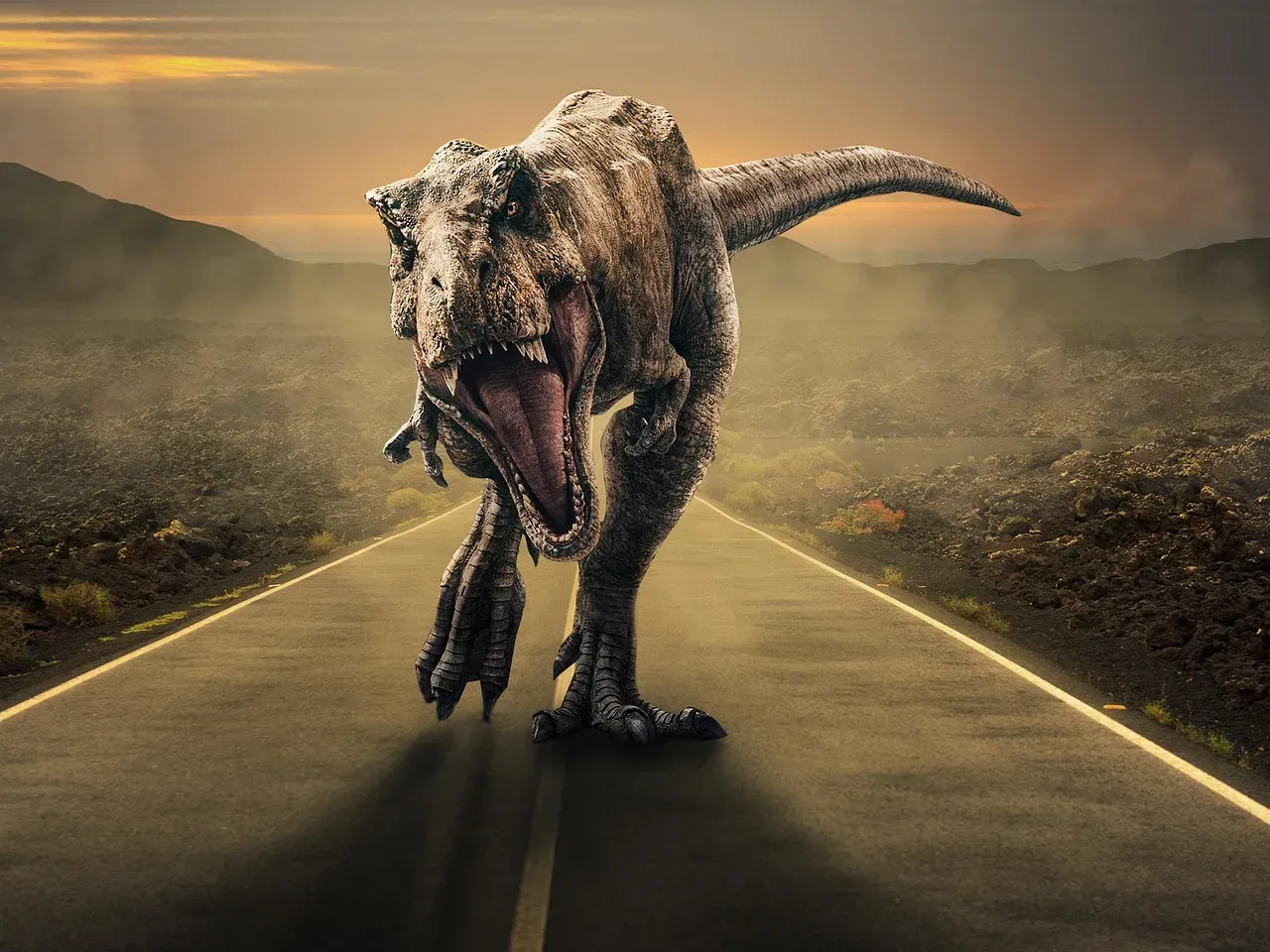
For much of the twentieth century, dinosaurs were drawn as overgrown lizards: cold‑blooded, lumbering, and barely capable of quick movement. That vision has been dismantled piece by piece. Evidence from bone structure, growth rates, trackways, and even oxygen isotopes in fossils suggests that many dinosaurs were active, fast‑moving animals with high metabolisms, closer in lifestyle to modern birds and mammals than to lazy reptiles basking on rocks.
It is too simple to say every dinosaur was warm‑blooded in the exact way modern mammals are, but the old “giant, wheezing reptile” stereotype does not hold up. Some sprinting theropods had long, powerful legs built for speed, and trackways show running behavior, turning, and pack movement. Growth rings in bones indicate that many dinosaurs grew quickly, which is hard to reconcile with a very low, slow reptilian metabolism. A better mental picture is a spectrum of metabolic strategies, with some big, bulky giants more on the slow‑burn side and many smaller and medium‑sized species running hot and fast like athletic birds.
Myth 3: Dinosaurs Were All Scaly, Gray, and Reptile-Looking
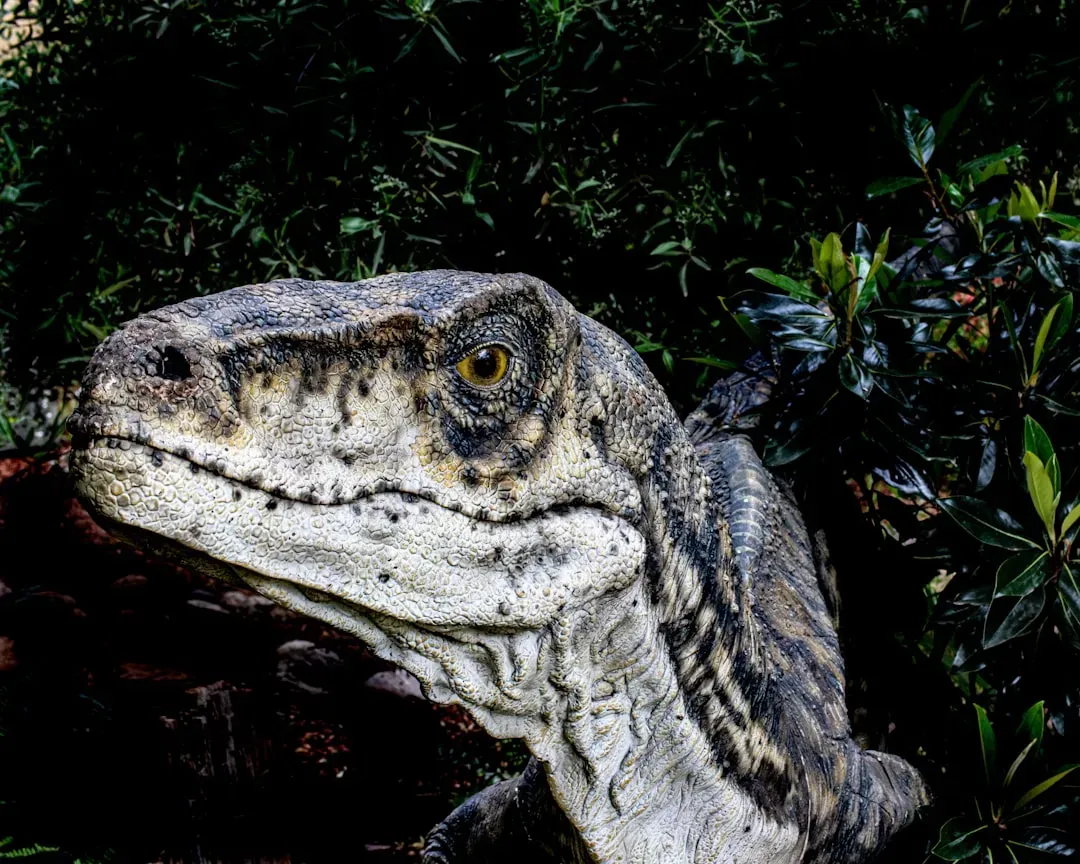
If your default dinosaur is a muddy‑colored, scaly lizard, you’re missing one of the coolest scientific revolutions of the last few decades. Fossil discoveries in places like China have revealed detailed impressions of feathers and feather‑like structures on many theropod dinosaurs, the group that includes famous predators such as Velociraptor. Some of these feathers were simple fuzz, others were more complex, and at least a few species had full, bird‑style plumage complete with wings used for display or gliding.
On top of that, microscopic structures called melanosomes preserved in some fossil feathers let scientists infer basic colors and patterns. While the details are still fuzzy, there is evidence of dark backs, lighter bellies, banded tails, and even reddish or iridescent areas in some species. Not every dinosaur had feathers; many, especially large sauropods and some big plant‑eaters, were probably mostly scaly. But the idea that dinosaurs were uniformly drab, gray reptiles is outdated. The real Mesozoic world likely looked more like a blend of giant reptiles and oversized, showy birds than a lineup of identical gray monsters.
Myth 4: Dinosaurs Went Extinct Overnight and Completely Disappeared
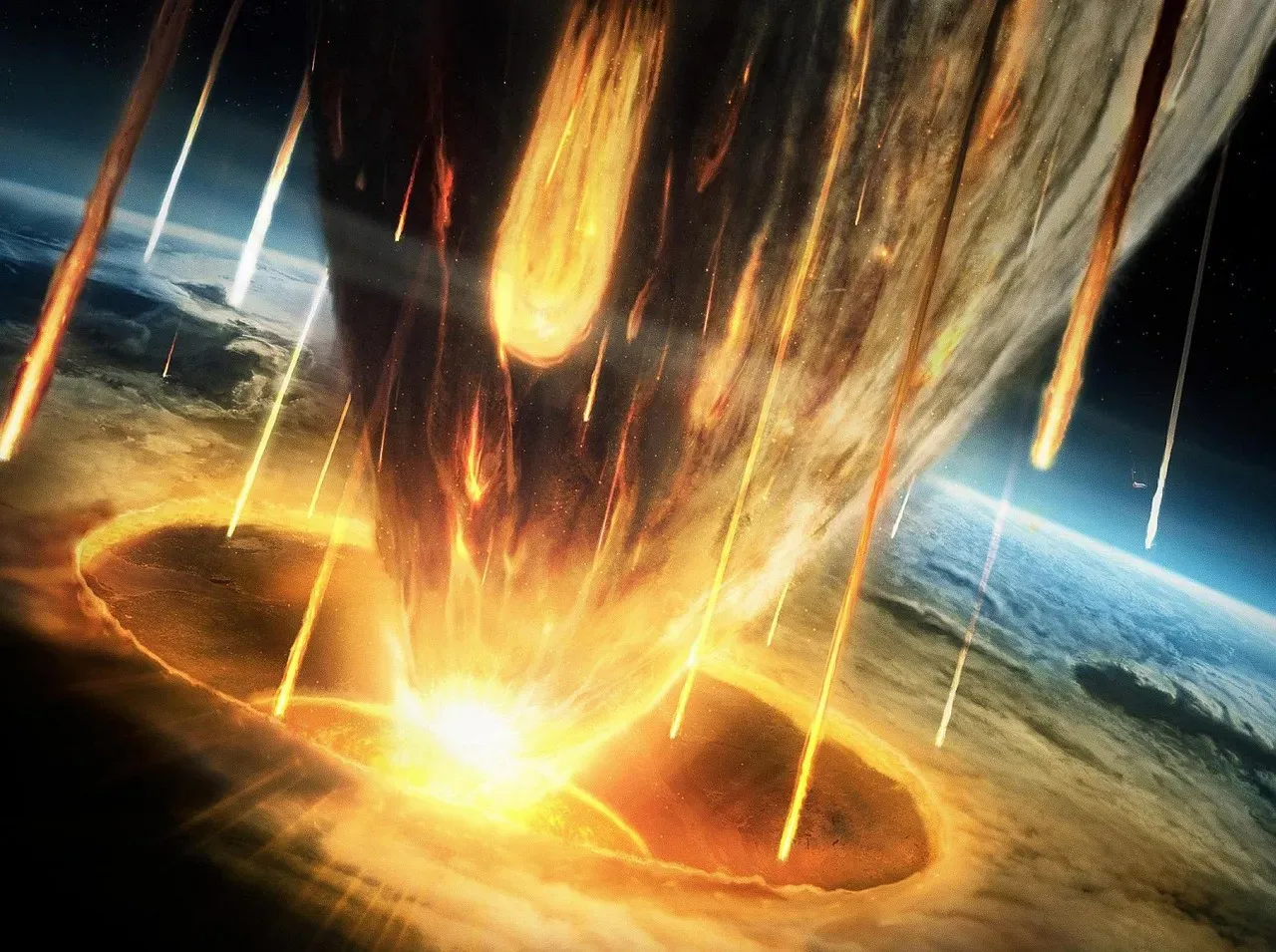
The story often goes like this: a huge asteroid hit, dust filled the sky, and all dinosaurs suddenly vanished. The asteroid impact at the end of the Cretaceous was real and devastating, and it did wipe out all non‑avian dinosaurs. But extinction is a process, not a light switch. Environmental chaos, massive wildfires, long‑term climate disruption, and collapsing food chains all played a role over a span of time, not a single instant, even if the geological record compresses it brutally.
The bigger twist, though, is that not every dinosaur line ended. One branch of small, feathered theropods survived and evolved into what we now call birds. From that perspective, dinosaurs did not quite “disappear”; they changed. When you watch a hawk riding a thermal, a pigeon chasing crumbs, or a rooster puffing itself up, you are looking at the last surviving dinosaurs, shaped by sixty‑plus million years of evolution. Saying dinosaurs are completely gone is like saying ancient humans disappeared because you are only thinking about one particular branch of the family tree.
Myth 5: Humans and Dinosaurs Lived Side by Side
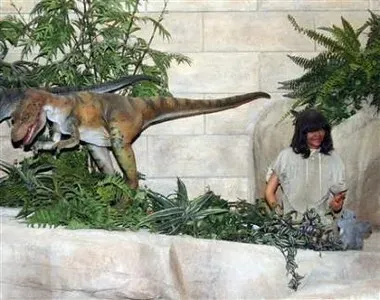
This one shows up everywhere: movies, kids’ books, and that mental image of a caveman staring up at a roaring Tyrannosaurus. It feels dramatic and intuitive, but it’s wildly off in terms of timing. Non‑avian dinosaurs died out around sixty‑six million years ago. The earliest clearly modern humans appeared only a few hundred thousand years ago, and human civilizations with writing and cities are just several thousand years old. On a timeline, we are closer to the invention of smartphones than to the last Triceratops.
If you shrank Earth’s history into a single day, dinosaurs would vanish sometime before 11 p.m., and humans would not show up until minutes before midnight. There were huge, impressive animals around when early humans evolved – mammoths, giant ground sloths, saber‑toothed cats – but those were mammals, not dinosaurs. Confusing the two eras is a bit like putting medieval knights on the deck of a space station: fun for storytelling, but completely unsupported by the fossil record. The age of dinosaurs and the age of humans are separated by such a long gap that they might as well be different novels in the same cosmic series.
Myth 6: We Know Exactly What Dinosaurs Looked and Sounded Like
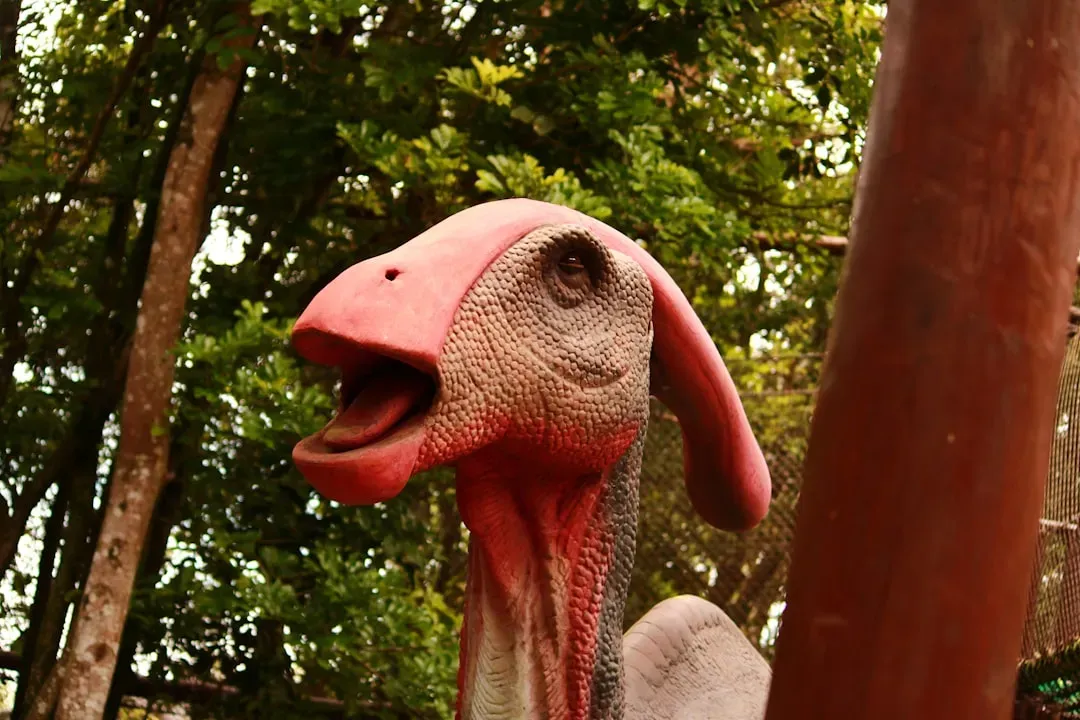
Modern reconstructions of dinosaurs are stunningly detailed, from lifelike skin textures to speculative roars that shake theater speakers. It is tempting to assume we now have a near‑perfect picture. The truth is more humble and, in my opinion, even more fascinating: a lot of what you see in artwork and movies is an educated best guess layered on top of harder evidence. Bones tell us about overall shape and muscle attachment, and certain fossils preserve skin impressions or feathers, but color, soft tissue details, and sounds are much harder to lock down.
We can make reasonable inferences: dinosaurs closely related to birds probably vocalized with calls, hoots, booms, or songs rather than Hollywood‑style lion roars. Some large species may have produced deep resonant sounds using air sacs or resonating chambers, somewhat like modern crocodiles or certain birds. But the exact timbre of a Tyrannosaurus call or the precise color pattern of a young hadrosaur remains out of reach. I find that uncertainty oddly comforting. It means there is still mystery baked into every fossil, and every new discovery has the chance to redraw how we imagine these animals, instead of treating science as a finished museum label.
Conclusion: Dinosaurs Are Stranger – and Closer – Than We Think
When you strip away the stubborn myths, dinosaurs stop being static movie monsters and become what they always were: real, complicated animals living in dynamic ecosystems over an immense stretch of time. They were not all huge, not all slow, not all scaly, and not all gone. Some sprinted, some soared, some nested and cared for their young, and one branch still flaps past your window today. To me, that makes the world feel a little weirder and a lot more alive, as if the age of dinosaurs never fully closed, it just shifted feathers and changed names.
There is a personal twist here too: the more I read about dinosaurs, the less interested I am in perfect certainty and the more I enjoy the messy, evolving picture. Science keeps rewriting their story as new fossils turn up, and that means some of today’s “facts” will be tomorrow’s myths. Maybe the real lesson isn’t just that specific dinosaur ideas are wrong, but that our mental images of the past should always stay flexible. Next time you see a pigeon strutting down the sidewalk like it owns the place, will you still say dinosaurs are extinct?