
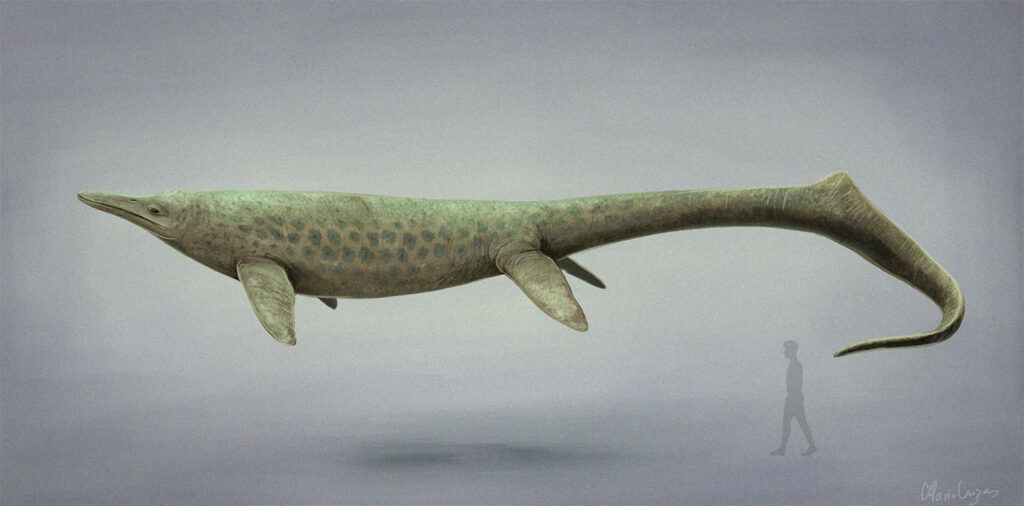
Imagine diving into a warm, tropical sea about 246 million years ago, expecting to find small, recovering marine life after the worst mass extinction in Earth’s history… and instead bumping into a reptile the size of a modern whale. That is the kind of mental whiplash Cymbospondylus gives scientists: it is a giant that simply should not have been there that early, and yet the rocks say it was.
This animal has quietly rewritten how we think marine ecosystems rebuilt themselves after disaster, and it has stirred up big arguments about how quickly evolution can turn small survivors into ocean rulers. The story of Cymbospondylus is not just about a strange fossil; it is about speed, timing, and how life sometimes hits the fast-forward button when the world falls apart.
The Mass Extinction That Was Not Supposed to Produce Giants So Soon
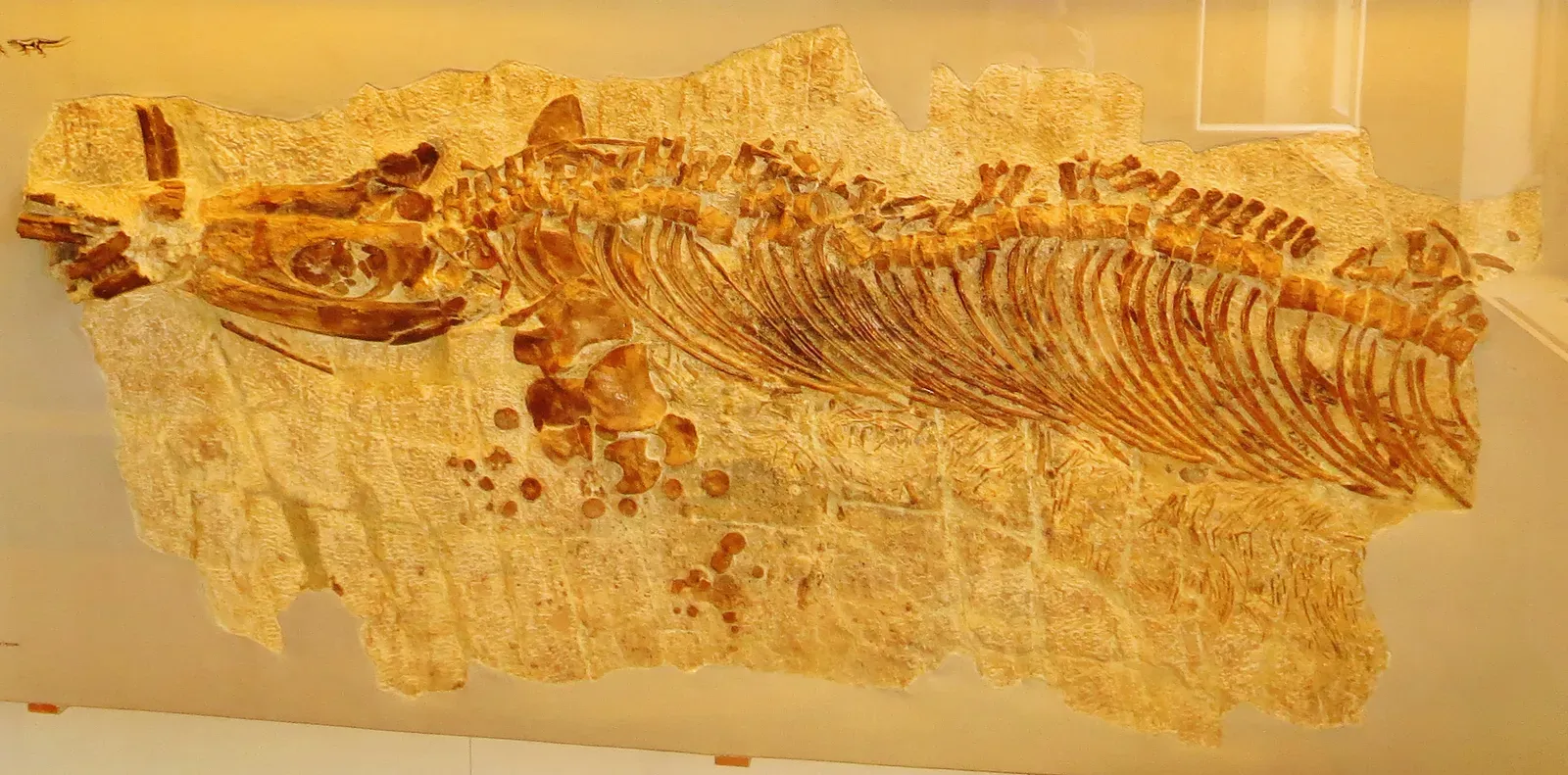
Roughly a quarter of a billion years ago, at the end of the Permian Period, Earth went through a catastrophe so severe that the vast majority of marine species vanished. Seas that had once been crowded with complex food webs were left as ecological ghost towns, with only scattered survivors in a damaged, overheated world. For a long time, paleontologists assumed that such shattered oceans would take a very long time to recover, especially before they could support any large predators.
The early Triassic, right after this extinction, was therefore expected to be a kind of slow-motion rebuild: small animals, simple communities, nothing fancy for millions of years. Cymbospondylus crashes into that neat picture like a surprise guest at a quiet dinner party. Finding a reptile as long as a bus, already ruling the seas just a few million years after the collapse, forces scientists to ask whether our ideas about recovery and resilience have been far too cautious.
Meet Cymbospondylus: An Early Giant of the Ichthyosaur World
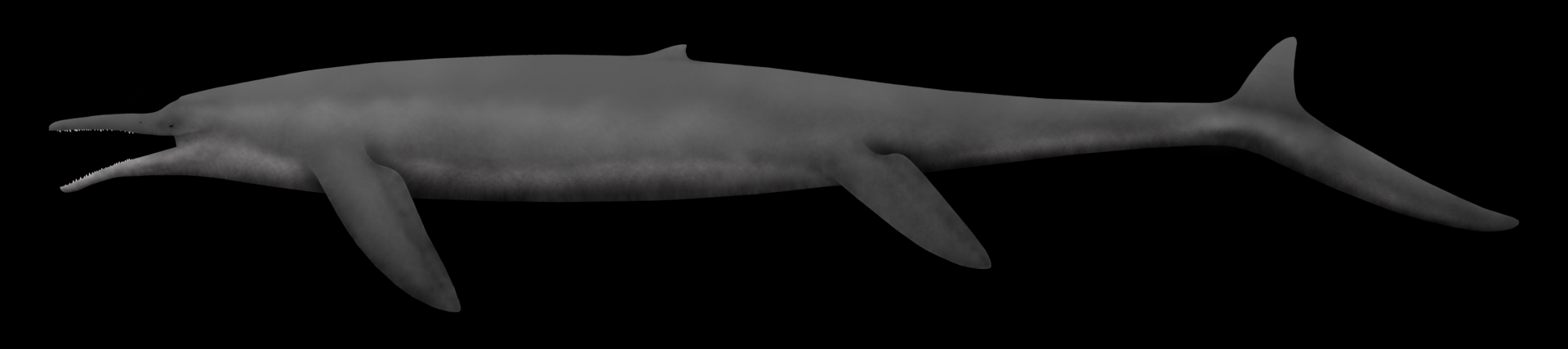
Cymbospondylus belongs to the ichthyosaurs, a group of marine reptiles that ended up looking almost eerily like dolphins and tuna, despite being more closely related to land reptiles. What makes Cymbospondylus stand out is its sheer scale for its time: some species stretched to lengths rivaling medium-sized whales, at a point in history when oceans were supposedly still struggling to stabilize. Its long, streamlined body, paddle-like limbs, and powerful tail paint the picture of an animal built for the open sea.
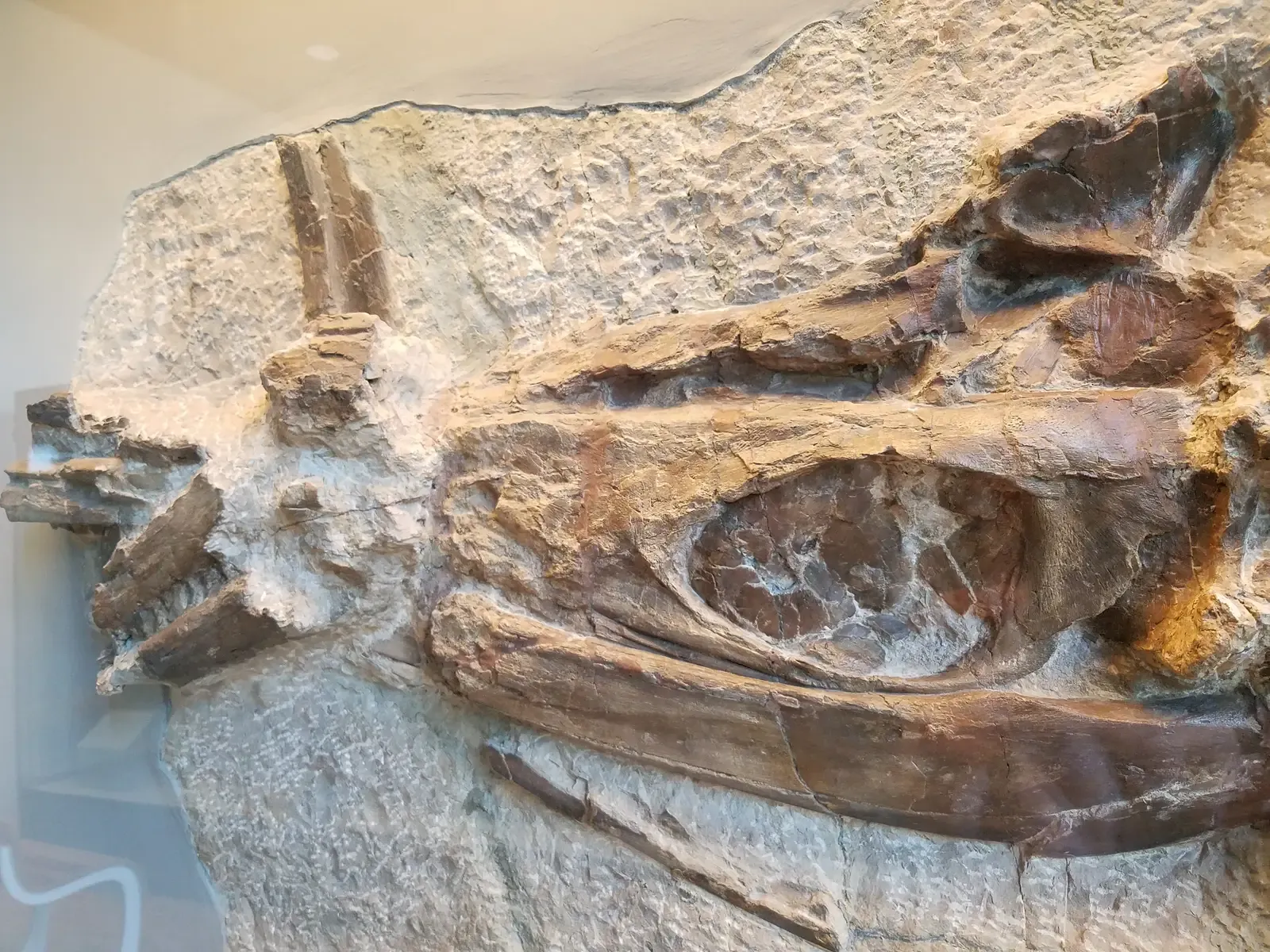
Unlike later ichthyosaurs with extremely fish-like bodies and tiny heads, Cymbospondylus had a more elongated torso and a proportionally large skull armed with sharp teeth. It looked a bit like a mashup of a crocodile and a sleek tuna wrapped into one long, muscular package. The name sounds technical and remote, but when you imagine it gliding through blue-green Triassic waters, it feels less like an abstract “specimen” and more like a real, breathing animal that owned its world.
Shockingly Early: Why the Timing Blows Paleontologists’ Minds
The real twist in the Cymbospondylus story is not just its size but when it appears in the fossil record. The earliest known individuals show up in the Middle Triassic, only a few million years after the end-Permian mass extinction. On geological timescales, that is almost overnight, especially for lineages that go from relatively modest ancestors to top-level ocean predators. Many scientists once imagined this kind of ecological role would not return until much later, after a long, cautious build back.
Instead, Cymbospondylus suggests that within a surprisingly short window, marine ecosystems could already support massive carnivores at the top of the food chain. It is as if a half-empty, recovering city suddenly sprouts skyscrapers instead of just low houses. That compressed timing challenges older ideas that recovery after a mass extinction had to be slow and gradual; here, evolution seems to have sprinted, not walked, into its next act.
A Predator Shaped by a Hungry, Rebuilding Ocean
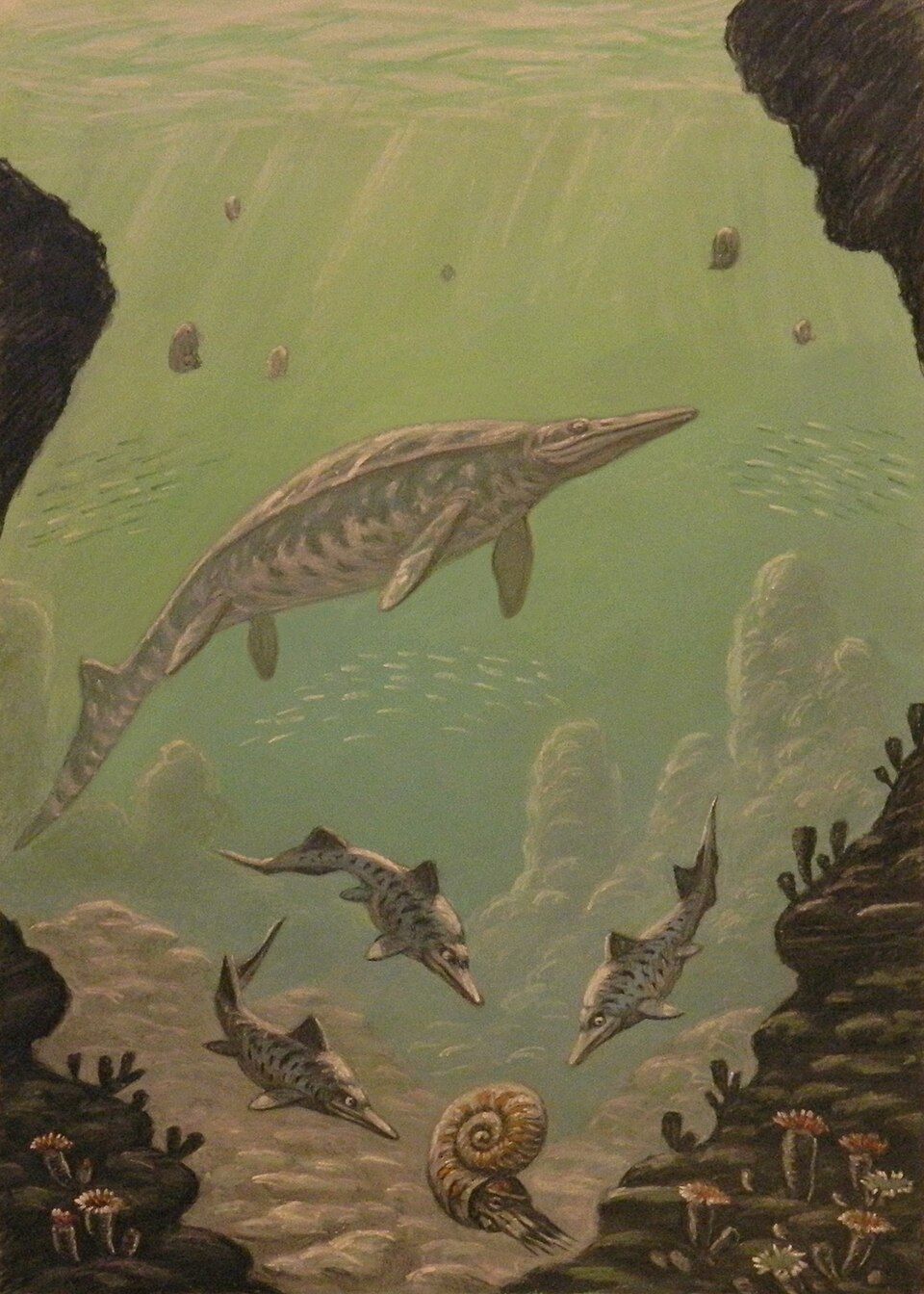
So what does a giant like Cymbospondylus actually eat in a recovering ocean? Judging from its teeth and jaws, it was likely a predator of sizable prey – probably fish, cephalopods like squid relatives, and maybe even smaller marine reptiles. Its long snout and interlocking teeth hint at an animal that could grab slippery, fast-moving animals, not just scavenged remains. This was not a slow, clumsy leftover from an older era, but a specialized hunter tuned to the new Triassic seas.
In a way, the oceans it swam in were like frontier towns: many niches open, fewer competitors, lots of room for aggressive expansion. In that kind of environment, being large and powerful might actually evolve faster than we would expect, because the ecological “real estate” at the top is wide open. Cymbospondylus feels like a bold evolutionary gamble that paid off – life pushing hard into an empty space before others could catch up.
What Cymbospondylus Tells Us About Evolution Running on Fast-Forward
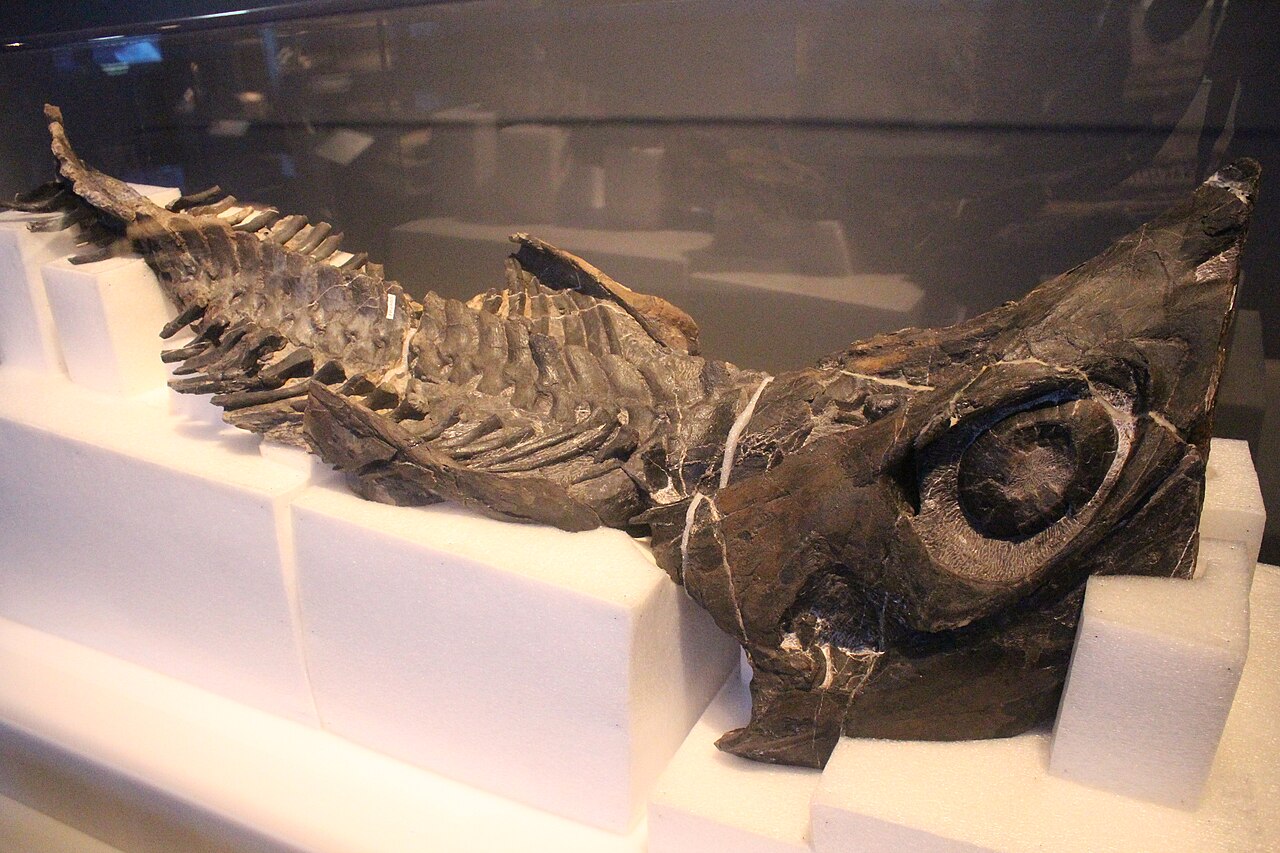
To me, one of the most fascinating things about Cymbospondylus is how it exposes our bias toward slow, steady explanations. We like neat timelines: first small survivors, then medium animals, and only later the giants. But this reptile shows that when the rules are reset after catastrophe, evolution can race ahead in ways that look almost reckless. In a post-extinction world, the pace of change is not just about biological limits; it is also about opportunity, gaps, and who gets there first.
That has a slightly unsettling modern echo. We are also living through a time of rapid environmental change, driven by climate shifts, habitat loss, and human activity. The story of Cymbospondylus is a reminder that ecosystems do not always creep forward; sometimes they flip quickly into new configurations with new winners. The question is not whether life will adapt – history says it will – but whether we will like the version of the world that follows.
A Giant’s Legacy and an Opinionated Look at What It Means
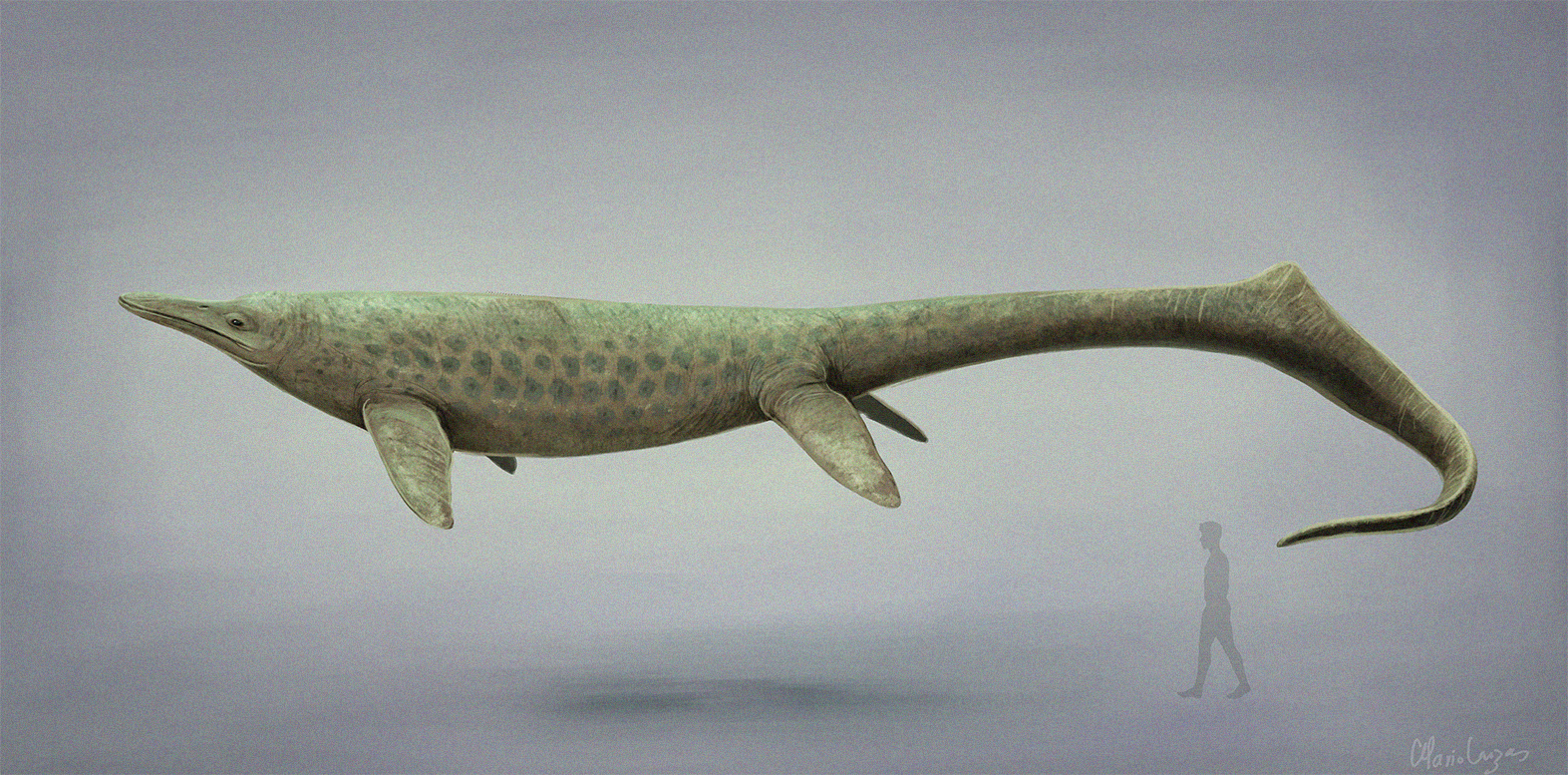
I think Cymbospondylus deserves to be far more famous than it is, not just as a cool fossil but as a challenge to our comfort with slow stories. Its existence says that within a blink of geological time after the planet’s worst known die-off, the oceans were already capable of supporting powerful giants again. That is astonishing and a little bit humbling; life is far more aggressive, experimental, and fast-moving than our old textbooks made it sound.
If there is a takeaway, it is that we should stop assuming nature always needs a long, gentle ramp to recover or transform. Given the right (or wrong) conditions, it can pivot sharply and fill the seas with new rulers in what feels like an instant. Cymbospondylus is proof that the future after catastrophe can be bigger, stranger, and quicker than we expect – so when we think about the changes we are driving today, we should probably ask ourselves: are we truly ready for whatever giant shows up next?