Picture walking through a prehistoric forest at twilight when the sun has just set behind ancient ferns and towering trees. The darkness thickens, yet something magical begins to happen. Strange lights start flickering in the shadows, blue-green glows pulse through the undergrowth, and ghostly illumination dances across armored spikes and feathered wings. This isn’t science fiction – it’s a very real possibility from Earth’s distant past.
Scientists are now exploring compelling evidence suggesting some dinosaur species may have possessed bioluminescent properties – essentially allowing them to glow . What once seemed like pure fantasy has become a serious area of scientific research, as paleontologists uncover tantalizing clues hidden within fossils that are millions of years old. The creatures that once ruled our planet may have been far more spectacular than we ever imagined.
Borealopelta – The Glowing Armored Tank
Imagine a massive armored dinosaur weighing nearly three thousand pounds suddenly lighting up like a Christmas tree ness. A finding that provides some credence to this hypothesis is the Borealopelta fossil, a species of heavily armored dino that lived 110 million years ago in what is now modern-day Canada. The researchers discovered that the animal, which was 5.5 meters (18 feet) long, had remarkable preservation that revealed its reddish-brown coloration and countershading patterns.
Borealopelta represents one of the most spectacular fossil discoveries ever made. The remains of Borealopelta are the most beautiful fossil I have ever laid eyes on. This incredible preservation allowed scientists to examine details that would normally be lost to time. could the in-situ, fully intact armour of ankylosaurs like that of the amazing holotype of Borealopelta, shown here, give insight into the potential of photoluminescence in these animals? In those cases where part of the integument is preserved, we can, by shining blacklights at the respective specimens.
Parasaurolophus Lux – Nature’s Living Nightlight
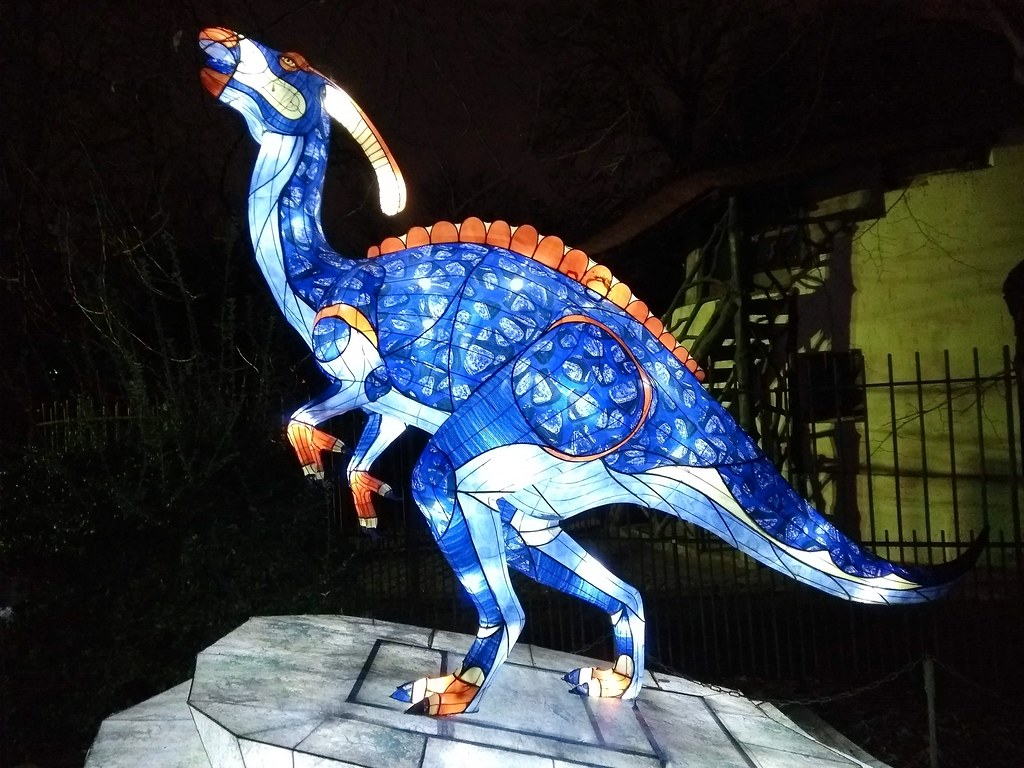
While most of the evidence for glowing dinosaurs remains theoretical, one species has captured imaginations worldwide through its portrayal in popular media. Parasaurolophus lux is a bioluminescent Parasaurolophus featured in Jurassic World: Camp Cretaceous and Jurassic World: Chaos Theory. These Parasaurolophus have bioluminescent genes from marine lifeforms incorporated into their DNA, allowing them to produce their own light and glow .
Though fictional, the concept isn’t as far-fetched as it might seem. Interestingly, some hadrosaurs (duck-billed dinosaurs) have unusual nasal and skull formations that could potentially have housed bioluminescent bacteria, possibly creating glowing crests that functioned as visual displays. These hollow crests that gave Parasaurolophus its distinctive trumpeting call might have served a double purpose – both as sound chambers and as natural light fixtures for prehistoric courtship displays.
Microraptor – The Iridescent Four-Winged Wonder
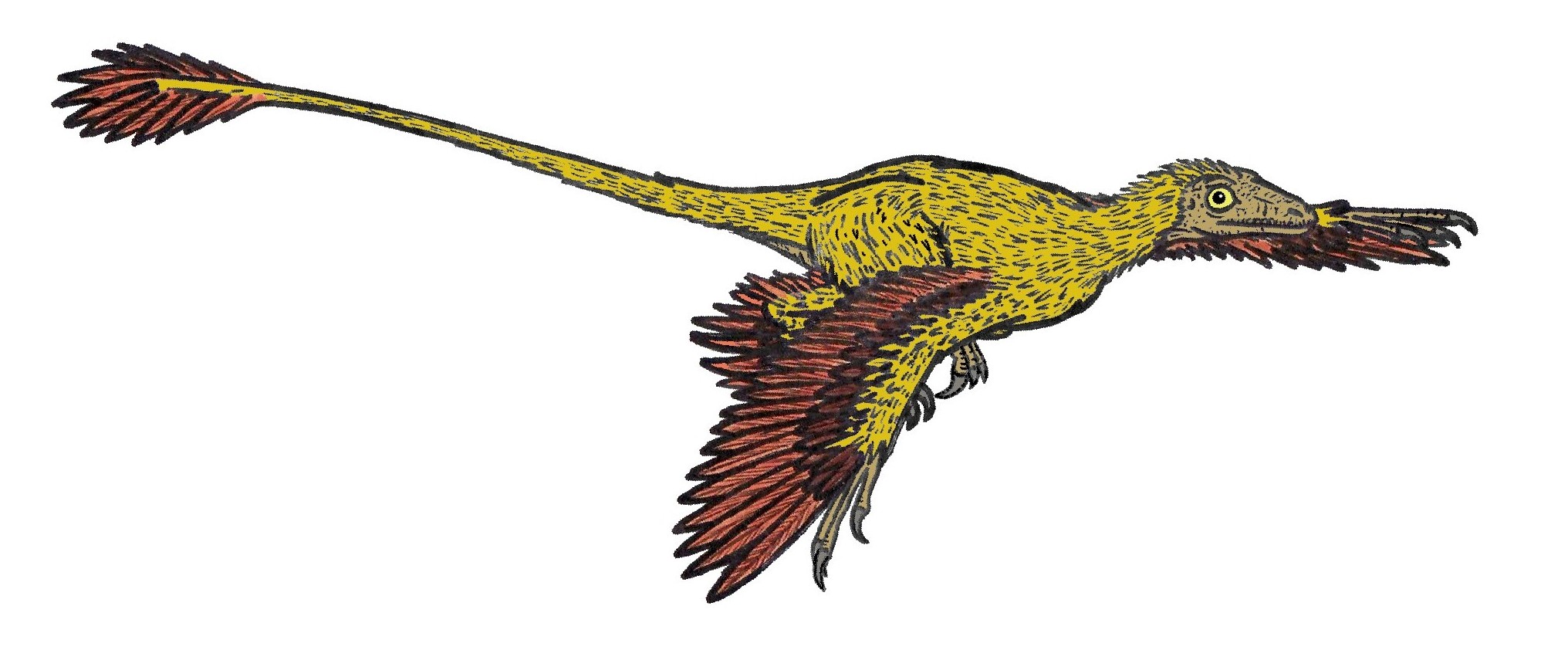
Microraptor, a small four-winged dinosaur, possesses feather structures that have been scientifically confirmed to be iridescent blue-black, similar to modern crows, potentially creating glowing patterns across its wings during nocturnal gliding. This crow-sized dinosaur was already remarkable for its four wings and gliding abilities, but the possibility of glowing feathers adds an entirely new dimension to its story.
Microraptor feathers were iridescent blue-black. In appearance, Vinther said via email, Microraptor would have looked similar to “grackles or a magpie, or indeed a crow.” Scientists have already confirmed that this small dinosaur possessed shimmering black feathers with an iridescent sheen. Examination of the specimen under ultraviolet light reveals that these feathers actually reach the body of the animal and were not disassociated from the bones. Instead they may have been chemically altered by the body tissues of the animal meaning that they did not carbonise close into the animal or more likely were covered by other decaying tissue, though evidence of their presence remains.
Theropod Species – The Mysterious Glowing Hunters
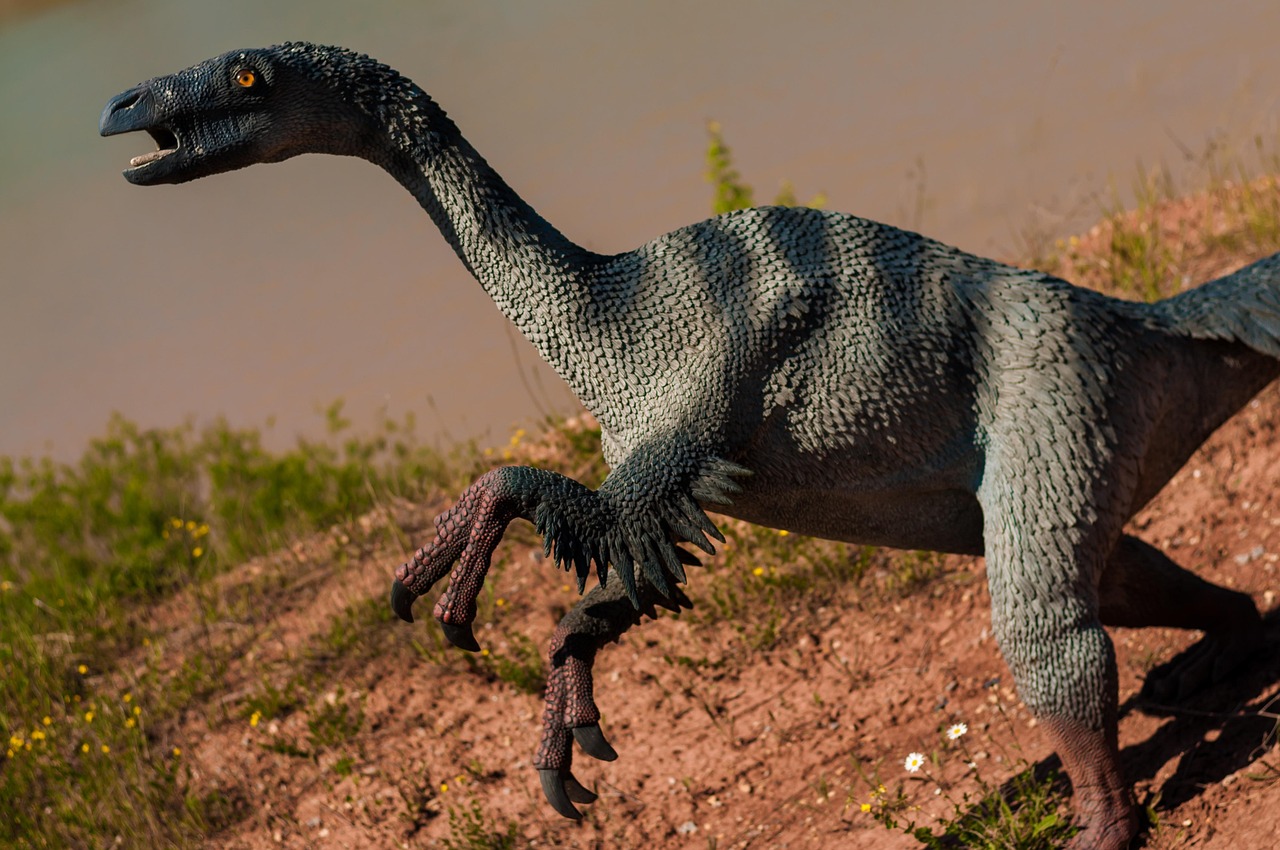
Some researchers have speculated about specialized tissue structures in theropod fossils, though no definitive evidence of bioluminescent organs has been scientifically confirmed. Particularly noteworthy are unusual cell formations discovered in the skin impressions of certain small carnivorous dinosaurs from the Late Cretaceous period, which exhibit patterns consistent with light-emitting organs.
These discoveries suggest that some of the most fearsome predators of the Mesozoic Era may have used bioluminescence as a hunting tool. Picture a pack of small theropods stalking through the darkness, their bodies pulsing with ethereal light as they communicate silently with each other. Additionally, some researchers have theorized that certain cavities in dinosaur skin fossils could potentially have housed symbiotic bacteria, though this remains highly speculative, similar to arrangements observed in modern deep-sea fish. This would have created a living constellation of predators moving through the prehistoric night.
Heterodontosaurus – The UV-Fluorescent Oddball
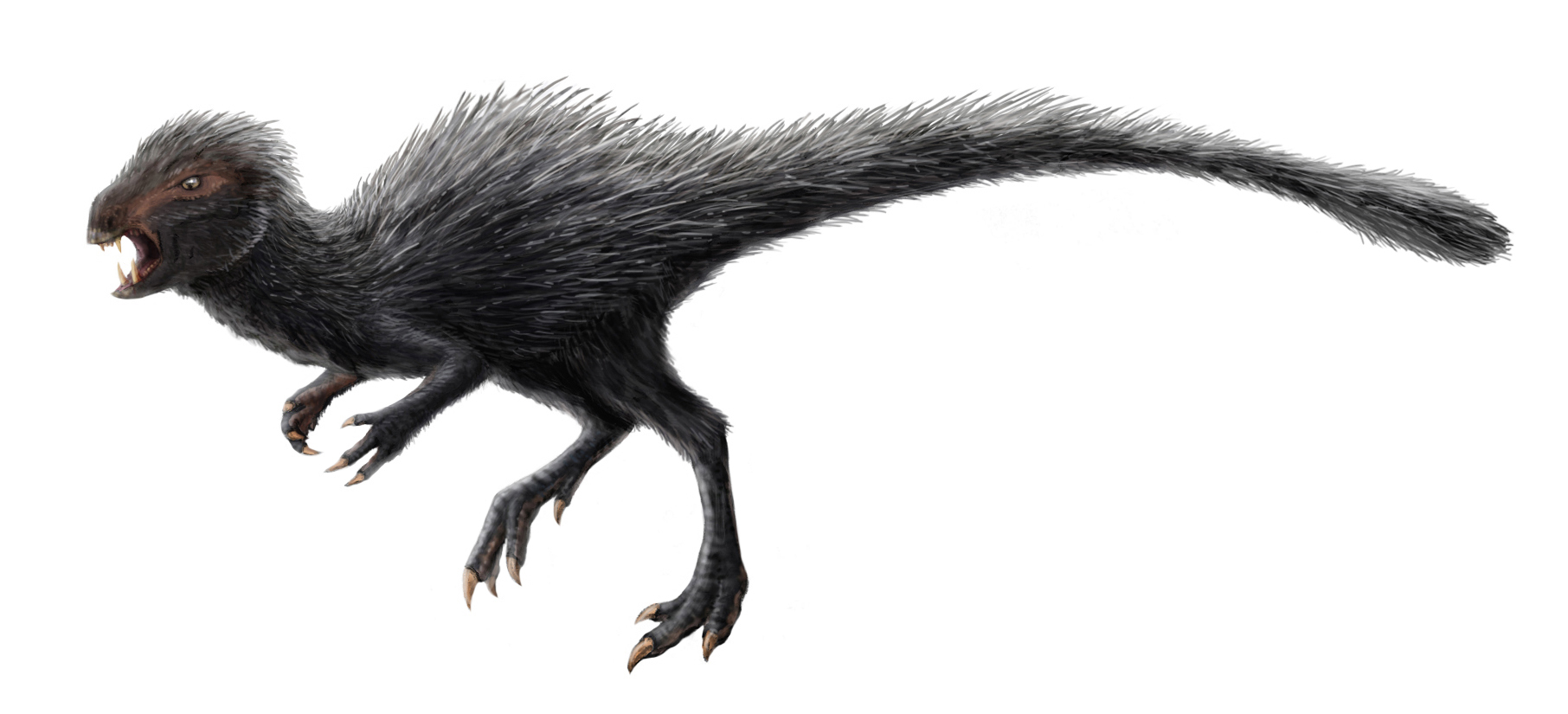
While not technically bioluminescence, UV fluorescence represents another fascinating way that dinosaurs might have glowed in certain lighting conditions. A new study adds another possible layer to the story with a species of ancient dinosaur that had ultraviolet fluorescing feathers and horns, potentially used in mating displays.
Heterodontosaurus was already an unusual dinosaur with its mix of different tooth types, but the possibility of fluorescent display structures makes it even more remarkable. These small ornithopods might have gathered in clearings where filtered sunlight created perfect conditions for their fluorescent features to shine. Fossil evidence of sexual dimorphism in certain dinosaur species correlates with structures that could have supported different bioluminescent patterns between males and females, potentially indicating complex light-based mating rituals. Some paleobiologists have proposed that the evolution of increasingly elaborate bioluminescent displays might explain certain seemingly impractical anatomical features in dinosaurs that appear to have limited survival value but make perfect sense as illuminated mating signals.
Ceratopsian Species – The Glowing-Horned Giants
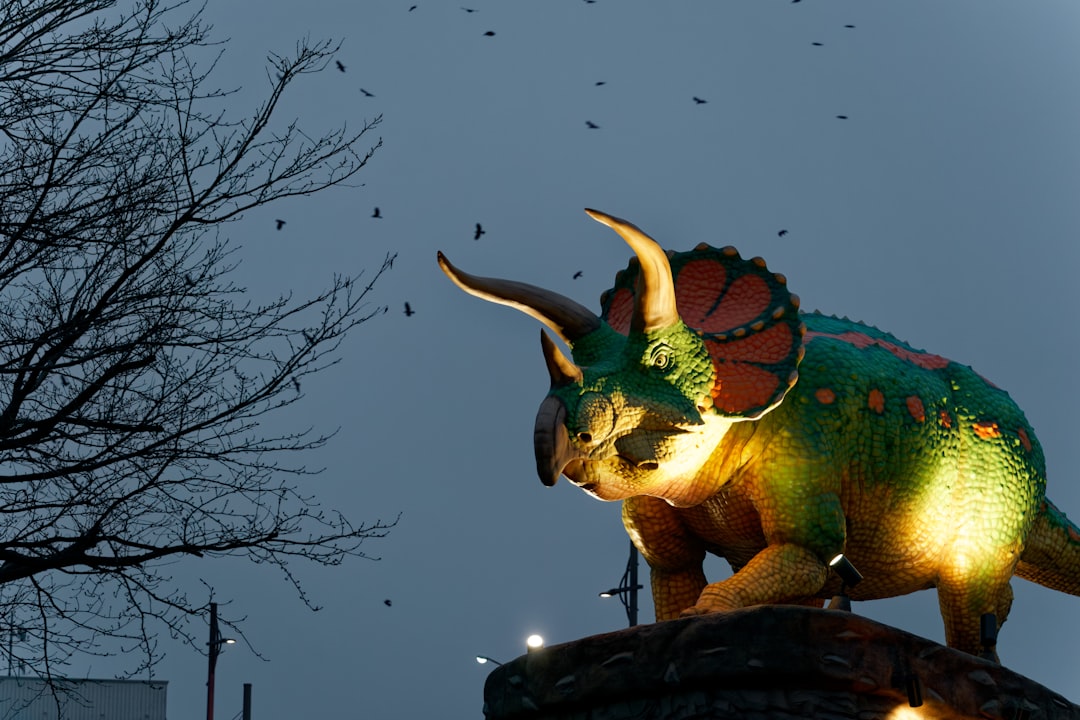
The massive horned dinosaurs like Triceratops and their relatives might seem unlikely candidates for bioluminescence, but scientists have considered this possibility. Could those dinosaurs superficially similar to chameleons (namely ceratopsians: like some chameleons, they have bony frills and prominent horns) also possess bone-based photoluminescence and, if so, could they exploit it in chameleon-like fashion? Well, probably not, mostly because the much larger size of these dinosaurs means that their skin was too thick for this to work
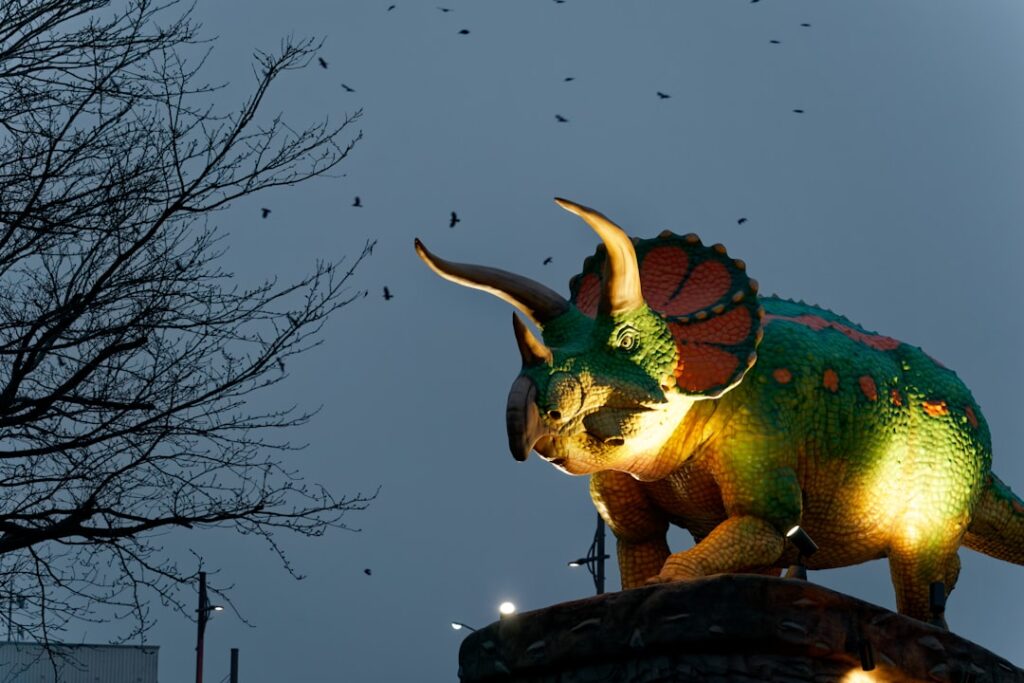
Though bone-based bioluminescence was likely impossible for large ceratopsians, other forms of light production weren’t out of the question. Comparative studies with modern bioluminescent organisms suggest dinosaurs might have developed species-specific light patterns that functioned as identification signals, helping individuals recognize potential mates from the same species even in complete darkness. For dinosaurs with elaborate physical structures like crests, frills, or feathers, bioluminescent highlighting of these features would have dramatically enhanced their effectiveness as sexual display mechanisms. Imagine the spectacular sight of a Triceratops herd at nightfall, their massive frills outlined in soft blue or green light as they gathered at watering holes.
Conclusion
The idea of glowing dinosaurs might sound like something from a fantasy movie, but science continues to reveal that the prehistoric world was far more extraordinary than we once believed. The organic compounds responsible for bioluminescence, such as luciferins and luciferases, degrade rapidly after death and rarely fossilize, leaving no direct chemical evidence in the fossil record. This makes proving ancient bioluminescence incredibly challenging, yet the tantalizing clues we’ve discovered suggest it’s entirely within the realm of possibility.
From armored Borealopelta with fluorescent spines to four-winged Microraptor with shimmering feathers, these ancient creatures may have illuminated their world in ways we’re only beginning to understand. Lighting up prehistory – with bioluminescence so widespread today, it’s possible some dinosaurs mastered the art of glowing too!
What do you think about these glowing giants from the past? Could our planet’s prehistoric nights have been filled with living light shows beyond our wildest imagination?