
You probably make hundreds of decisions every day without even realizing it. Some are small, like what to eat for breakfast. Others demand more from your brain – should you accept that job offer, trust that investment advice, or challenge that assumption everyone seems to accept? Critical thinking isn’t an innate talent; it’s a muscle that gets stronger with deliberate practice.
Developing critical thinking skills improves your ability to analyze information and come to the best decision possible. In a world flooded with information, misinformation, and endless opinions, the ability to think clearly and logically has become more valuable than ever. The good news? You don’t need a degree in philosophy to strengthen these skills. Let’s be real – most people assume they’re already good at thinking critically. Yet cognitive biases trip us up constantly, influencing everything from how we interpret news headlines to how we respond in tense workplace situations. What if you could train your brain to cut through noise, spot faulty logic, and arrive at better conclusions? Here’s the thing: simple, focused exercises can make a real difference.
Challenge Yourself with the Five Whys Technique

Start with a basic question and ask “Why?” five times. This deceptively simple exercise forces you to dig beneath surface-level explanations and get to the root cause of any issue. Think of it as mental archaeology.
Imagine a project at work is delayed. Your first response might be “because we missed a deadline.” Ask why again. Maybe unclear tasks caused confusion. Keep asking why until you hit bedrock – the actual reason behind the problem, not just the symptom. By the fifth “why,” you’ll uncover the core issue, empowering you to tackle problems with clarity and make informed decisions that focus on causes. This method doesn’t just nurture systematic thinking; it helps you avoid repeating past mistakes and sharpens your diagnostic abilities in ways that feel almost surgical.
Engage in Structured Debates and Opposite Viewpoints

Competitive debating has long been a favorite pastime for students who enjoy working their minds and looking at problems from multiple angles, forcing you to complete research and expand your thinking. Here’s where it gets interesting: instead of defending what you already believe, try arguing the opposite side.
It can be easy to argue our own side in a controversy, but it can build critical thinking skills to see the other side through developing a dialogue between characters with opposing views. This exercise pushes you beyond your comfort zone and challenges confirmation bias head-on. You might pick a current social issue, then spend time researching and presenting the perspective you disagree with. Debating sharpens structured reasoning skills by requiring research, argument organization, and clear communication while engaging in informal discussions on current events enhances analytical thinking. Honestly, this can feel awkward at first, but that discomfort signals growth – your brain resisting its established patterns.
Solve Logic Puzzles and Brain Teasers Daily
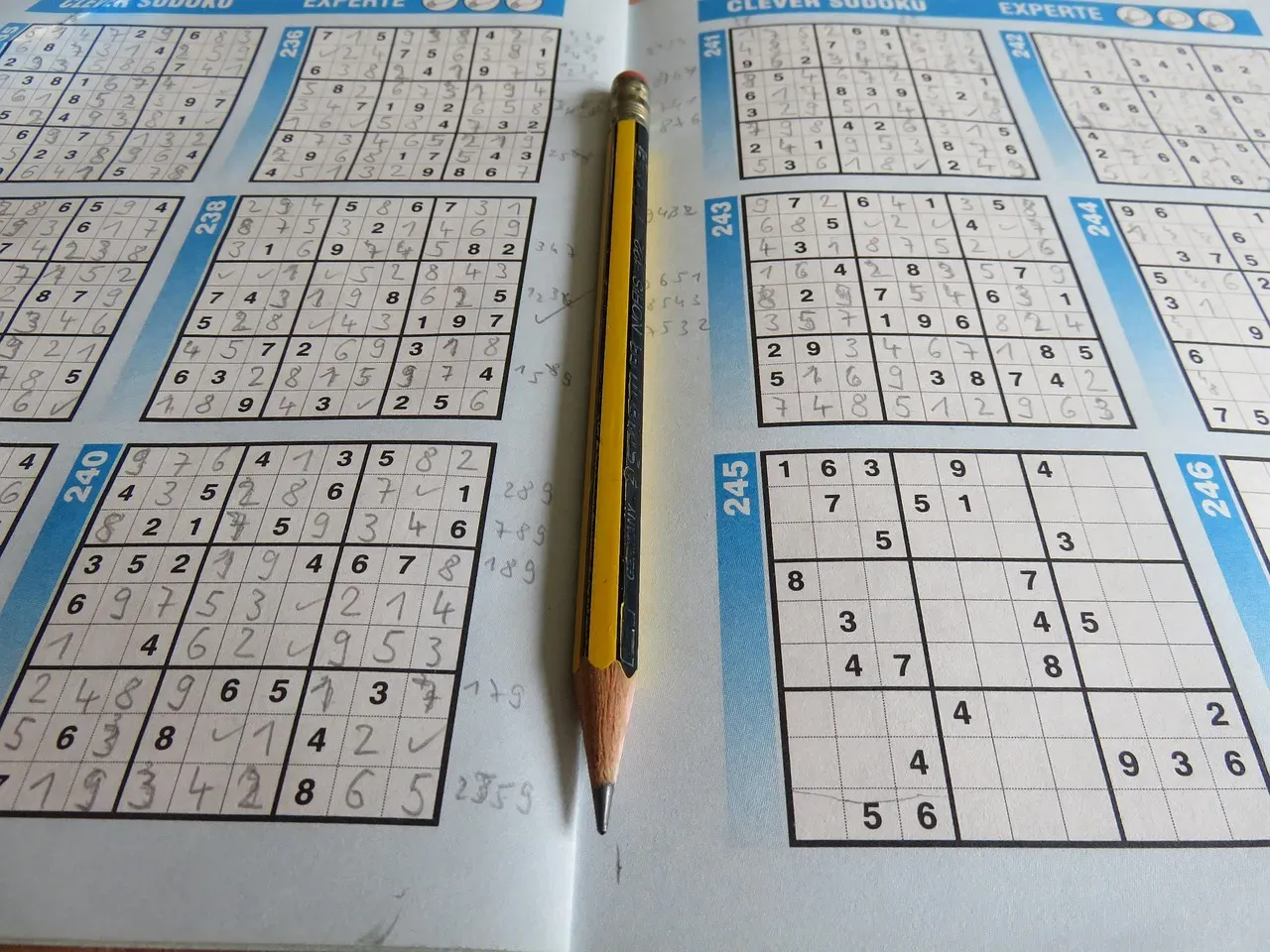
Logic puzzles aren’t just entertaining time-killers. By engaging in brain teasers, participants develop problem-solving skills, enhance their ability to think under pressure, and improve lateral thinking. From Sudoku to riddles to crossword puzzles, these exercises activate different cognitive pathways simultaneously.
Completing puzzles can significantly boost cognitive abilities and memory, helping build cognitive reserve which protects against cognitive decline. What makes puzzles so effective is their demand for both logic and attention. You can’t muscle your way through them with brute force; you need strategy, pattern recognition, and sometimes creative leaps. Logical thinking enables you to analyze situations thoroughly and identify likely solutions based on data, while logic puzzles encourage you to adopt a more flexible and objective mindset.
Practice Reflective Journaling After Decisions

Reflective thinking is the process of analyzing one’s own thought processes, actions, and outcomes to gain deeper understanding and improve future performance. This isn’t about writing poetry or documenting your feelings. It’s cognitive autopsy – examining how and why you made certain choices.
At the end of each day, write down your thoughts and decisions, then analyze them critically – what worked, what didn’t, and why. Maybe you rushed into a decision without gathering enough facts. Perhaps you let emotions override logic in a conversation. By writing it out, you externalize your thinking and spot patterns you’d otherwise miss. I think this exercise works because it slows you down and forces deliberate analysis instead of reactive thinking. Analyzing and synthesizing information to form a coherent understanding of a problem is essential for continuous learning and improvement.
Create Visual Mind Maps for Complex Problems

A Mind Map is a visual tool used to organize information and explore relationships between ideas, starting with a central concept and branching out with related ideas. When you’re wrestling with a complicated issue, translating it into a visual format activates different parts of your brain.
This activity helps visualize complex problems, organize thoughts, and stimulate new ideas, making it effective for enhancing organizational thinking and clarity, encouraging participants to break down large concepts into manageable parts. Instead of linear thinking, you’re mapping connections, seeing how different factors influence each other. For example, if you’re trying to understand why sales dropped last quarter, put that question in the center. Branch out with possible causes: market conditions, product quality, marketing strategy, competitor actions. Then break those down further. Creating a mind map can unleash creativity while boosting logical thinking, helping you brainstorm, make connections, and think critically in a fun, engaging way.
Analyze and Evaluate Source Credibility

The world – and especially the internet – is full of answers to our questions, but how do we identify reputable sources of evidence? This activity helps evaluate the strength of evidence from multiple sources. In the age of viral misinformation, this might be the most practical critical thinking skill you can develop.
When confronted with a new idea or situation, ask “Why do I believe this?” or “What evidence supports this claim?” while distinguishing between reliable and unreliable sources by applying critical thinking to analyze credibility. Try this: next time you read an article making a bold claim, pause. Who wrote it? What’s their expertise? Are they citing actual research or just opinions? Are there other credible sources saying the same thing, or contradicting it? It can sometimes be easy to confuse our opinions or the opinions of others as facts, so this activity guides you through deciding what statements are facts and which are opinions. The goal isn’t cynicism – it’s informed skepticism.
Conclusion

Developing critical thinking skills improves problem solving, boosts data-driven decision making ability, and gives you a methodology to tackle complex problems, with good critical thinkers being comfortable with ambiguity and willing to challenge their hypotheses. The six exercises outlined here aren’t complex or time-consuming. They just require consistency and a willingness to question your own assumptions.
Critical thinking is not a talent – it is a skill you can build, and with these exercises, you can train your mind to think clearly, analyze deeply, and make stronger decisions. Whether you’re navigating workplace challenges, evaluating news, or making personal decisions, stronger critical thinking changes how you see the world. It’s hard to say for sure, but I suspect most people underestimate how much they’re operating on autopilot. These exercises wake you up. So here’s a question to leave with you: which of these six exercises will you try first today?