There’s something almost magical about dinosaur documentaries: that mix of science, nostalgia, and CGI spectacle that can make you feel like a kid again. But every so often, a film takes a wild swing at “drama” and ends up missing reality so badly that actual scientists step in, pens (or keyboard fingers) blazing, to set the record straight. When that happens, you suddenly see how fragile the line is between education and entertainment.
In the last few decades, paleontologists have become much more vocal about how their work is used in popular media. They are no longer just shrugging at errors; they’re publishing formal replies, commentaries, and even entire papers correcting what a documentary claimed. Some of these controversies are petty, some are huge, and a few are so ridiculous they would be funny if they weren’t quietly rewiring what millions of viewers think is “true” about prehistory.
1. The “Death of the Dinosaurs” Impact That Got the Timing Wrong
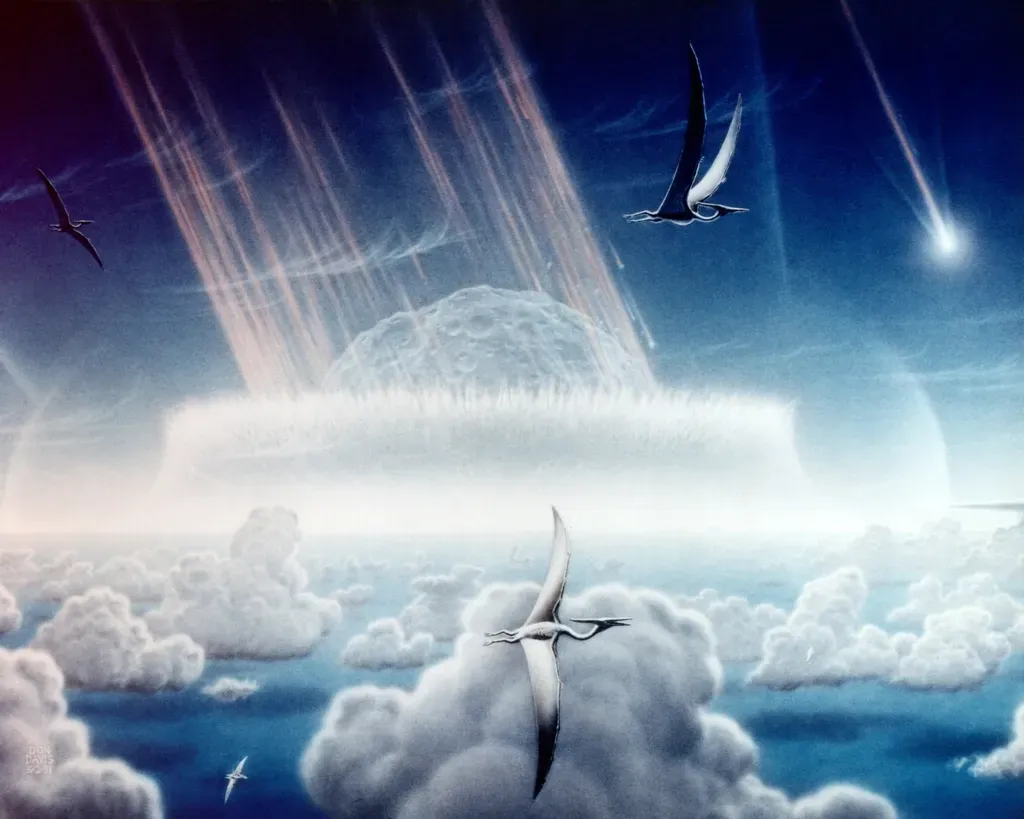
One of the most sensational topics in dinosaur media is the end-Cretaceous extinction: the asteroid, the firestorms, the dust cloud, the whole apocalyptic package. A few high-profile documentaries have dramatized this event so heavily that they’ve ended up getting basic things like the timeline, the geographic setting, or key causes badly wrong. In some cases, the story has morphed into a simplistic “asteroid hits, dinosaurs instantly vanish everywhere,” as if the entire planet shut off in a matter of hours.
Paleontologists who actually study the boundary layers, impact crater, and fossil record have not taken that lightly. Several have written responses pointing out that the extinction played out across thousands of years, involved complex feedback between climate, ecosystems, and volcanism, and that some lineages survived far longer regionally than the films implied. Their complaint isn’t about ruining the drama; it’s about the way a neat movie narrative can erase genuine scientific uncertainty and make a messy, fascinating extinction event look like flipping a light switch.
2. The Super‑Predator Tyrannosaurus That Ignored Modern Research
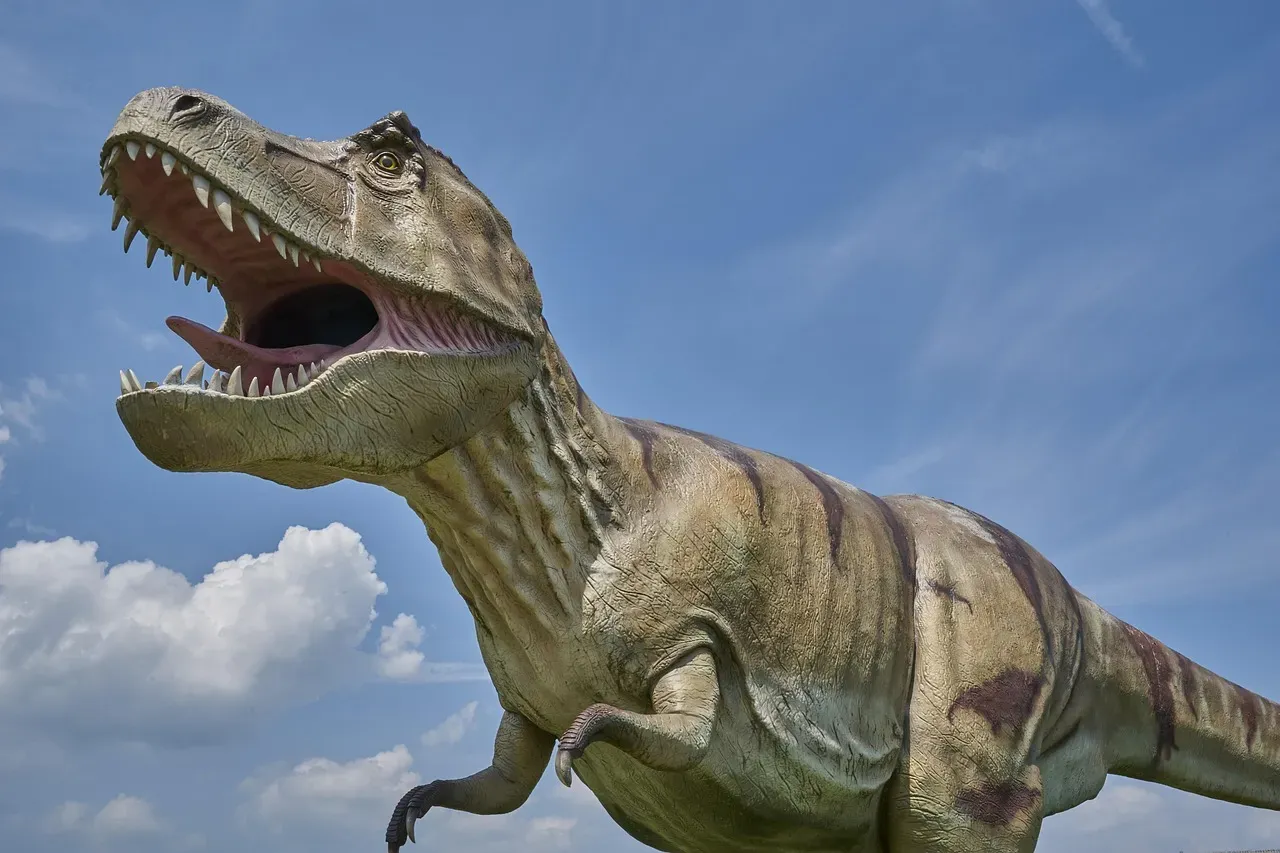
Tyrannosaurus rex is the poster child for dinosaur documentaries, and because it sells, it often gets locked into a 1980s caricature: a constantly roaring, endlessly sprinting, unstoppable killing machine. A number of more recent documentaries have leaned hard into this image, portraying T. rex as a hyper-fast, hyper-agile monster that could outrun anything and behaved like a movie villain instead of a complex animal. The problem is that a large stack of biomechanics and anatomy research paints a much more nuanced picture.
Frustrated by how stubborn that old stereotype can be, researchers have written formal critiques and commentary articles pointing out that the best evidence suggests T. rex was powerful but not a cheetah, that its behavior is best represented as a large theropod with both scavenging and hunting strategies, and that its speed, posture, and sensory capabilities are still active research questions. When a documentary confidently declares that T. rex did X, Y, and Z “for a fact,” while ignoring the actual range of published estimates, it is basically advertising certainty that does not exist. That overconfidence is what tends to trigger scientists into replying in print.
3. The Featherless Raptors That Sparked a Backlash
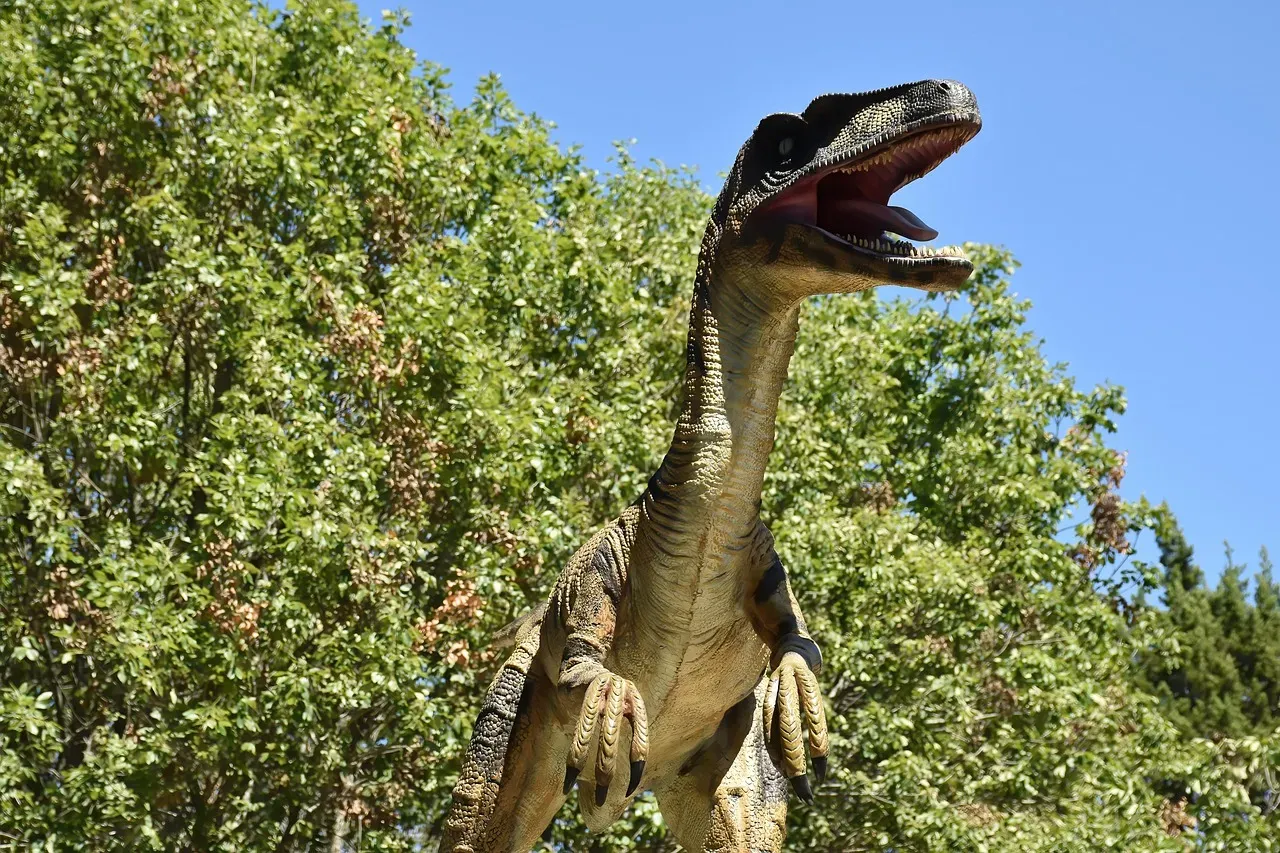
By now, it is very well established in the scientific literature that many dromaeosaurs and their close relatives had feathers. Yet some dinosaur documentaries, even surprisingly recent ones, have stubbornly clung to the old reptilian, scaly look for these animals, either out of habit or because producers fear feathered predators will feel “less scary” to the audience. When a show presents a completely naked Velociraptor or similar animal as if that is the modern view, it is not just behind the times; it is directly contradicting evidence that has been piling up for decades.
This has led to formal responses and public commentaries from paleontologists who work on feathered dinosaurs, pointing out that quills, filaments, and full body plumage are not quirky speculation but grounded in specimens with preserved soft tissues. Scientists have criticized such documentaries for misrepresenting the state of the field and for implying that feathers are still some edgy minority idea. It is a rare case where the visuals are not just a style choice; they are a test of whether the production is willing to accept that science can change old mental images, even for iconic “movie monsters.”
4. The Human Evolution Tie‑Ins That Crossed the Line
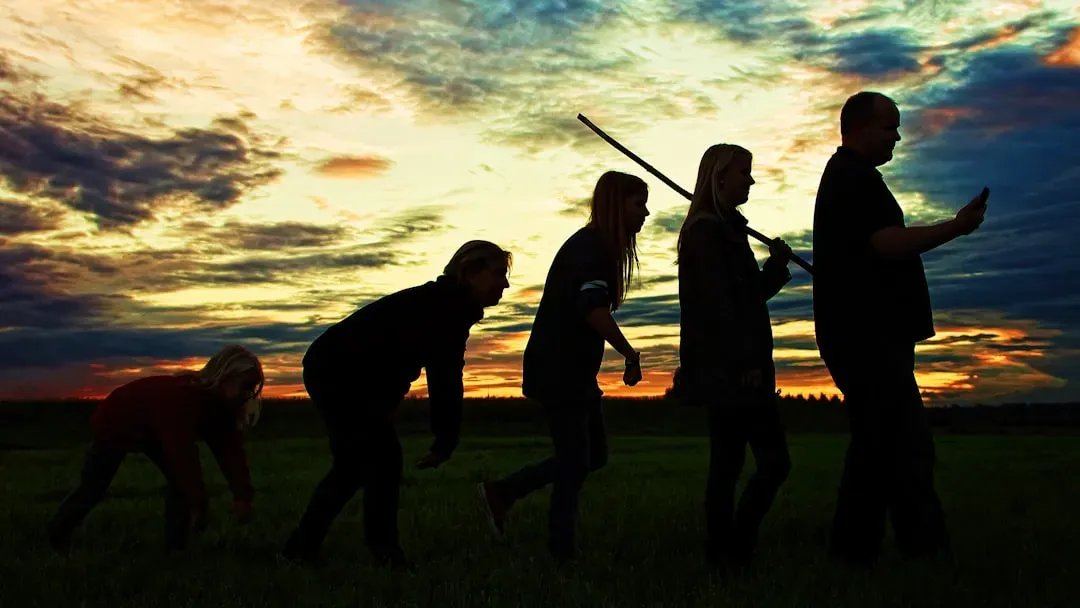
Some dinosaur documentaries cannot resist weaving humans into the story, even when we were separated from non-avian dinosaurs by tens of millions of years. A few productions have gone so far as to hint that certain dinosaur traits somehow “prepared the way” for humans, or that the extinction was a kind of cosmic stepping stone so that primates could eventually take over. When this framing becomes too literal, it shifts from poetic license into teleology: the idea that evolution is marching toward us as a preordained goal.
That kind of messaging has provoked formal written pushback from evolutionary biologists and paleontologists, who argue that such narratives misrepresent how evolution actually works. Extinctions and radiations are contingent, messy, and full of dead ends, not a straight line pointing at Homo sapiens. Scientists have cautioned that documentaries should avoid implying that dinosaurs “had to die so we could live,” because it gives viewers a distorted sense of inevitability and subtly smuggles in a human-centered worldview that is not supported by the data.
5. The “Living Dinosaur” Claims About Modern Reptiles
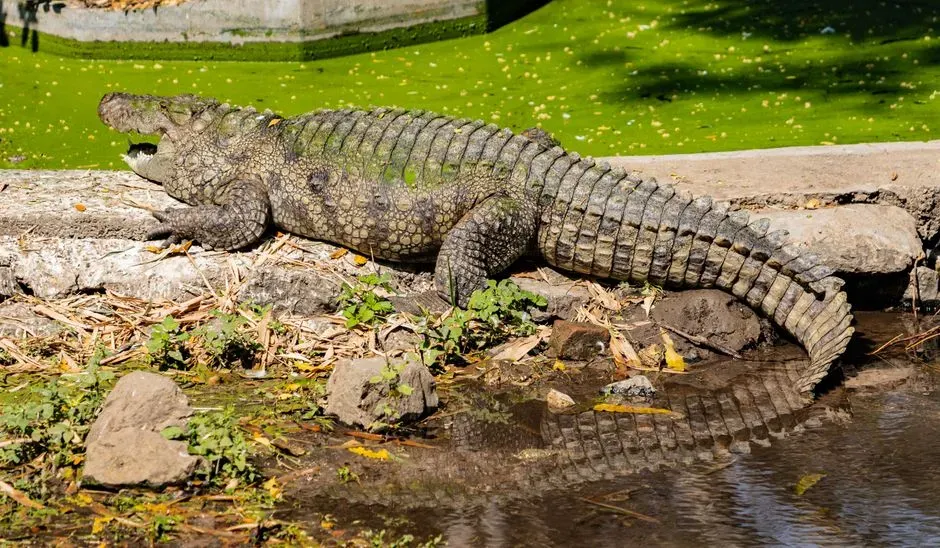
Every now and then, a documentary tries to spice things up by arguing that certain modern reptiles are basically “unchanged dinosaurs” or even using language that suggests a direct, almost unbroken line between a specific dinosaur group and a modern animal. Crocodiles and large monitor lizards are common targets for this kind of framing. It sounds cool, and it makes for dramatic narration, but it strips away over sixty million years of evolutionary history and implies a kind of frozen-in-time stasis that simply is not there.
Herpetologists and paleontologists have responded in articles and letters pointing out that calling crocodiles “living dinosaurs” is at best a misleading shorthand and at worst just wrong, except in the broader, very specific context of archosaur relationships. They have emphasized that all living lineages, including crocs and lizards, have evolved, adapted, and diversified since the age of non-avian dinosaurs, and that exaggerating their “unchanged” nature miseducates viewers about deep time. The irritation here is not pedantic; it is about defending the idea that evolution did not take a seventy-million-year nap after the asteroid hit.
Some documentaries, to their credit, have adjusted after criticism and framed modern birds as the true surviving dinosaurs while still giving modern reptiles their own complex evolutionary stories. Others double down on the “prehistoric monster in your backyard” angle, because it tests well with audiences. That tension between scientific precision and marketing copy is exactly why experts sometimes feel compelled to go beyond grumbling and actually publish a formal, on-the-record response.
6. The Overconfident Climate Narratives in Deep Time
Reconstructing the climate of the Mesozoic is extremely hard work, involving sediment cores, isotope data, plant fossils, and models with plenty of moving parts. Yet some dinosaur documentaries talk about ancient climates with the same certainty you might reserve for yesterday’s weather forecast, declaring exact global temperatures, rainfall patterns, and ecosystem responses as if there were no debate. In a few notorious cases, productions have even tied those reconstructions to sweeping lessons about modern climate change while skipping over all the nuance that makes those comparisons tricky.
Earth scientists and paleoclimatologists have published rebuttals and commentaries warning that oversimplified climate stories risk undermining both public understanding of deep time and current climate science. When a documentary portrays a particular dinosaur era as a neat, uniform “hothouse” or “ice-free paradise,” it can erase regional variation, sampling biases, and genuine unknowns that specialists wrestle with every day. Ironically, this urge to make the deep past sound crystal clear can make the whole project feel less credible to anyone familiar with how complicated those reconstructions actually are.
Conclusion: When Dinosaurs Are Realer Than the Scripts That Portray Them
I have to admit, I love a good dinosaur documentary; I’ve sat through some truly questionable CGI and still had a great time. But the cases where scientists felt strongly enough to write formal responses tell us something important about the stakes: these shows are not just entertainment, they are often the only “classroom” most people ever get for paleontology. When a documentary bulldozes uncertainty, cherry-picks outdated ideas, or clings to marketable myths, it is not just making a storytelling choice, it is rewriting the public’s mental textbook.
At the same time, I think the fact that researchers are speaking up more, and sometimes forcing corrections or follow-up pieces, is a hopeful sign. It shows a field that is willing to defend its hard-won evidence and, just as crucially, to admit what it still does not know, even when that makes for a messier script. Maybe the next generation of dinosaur documentaries will treat that messiness as a feature, not a bug, and let viewers in on the real detective work instead of pretending every question is already settled. If you had to pick, would you rather watch flawless fiction, or a slightly untidy story that actually respects how science works?