The Original Jurassic Park Featurette From 1993 Was More Scientifically Accurate Than Any of Its Sequels – What Went Wrong
Jurassic Park in 1993 did something no dinosaur movie had really done before: it tried, quite seriously, to get the science right. The original making-of featurette leaned hard into that promise, putting paleontologists, animators, and effects artists on camera to talk about biomechanics, fossil evidence, and animal behavior as if they were making a documentary, not just a monster flick. For a lot of kids in the 90s, that short behind‑the‑scenes special felt like a crash course in real paleontology disguised as hype for a summer blockbuster. Fast‑forward through three decades of sequels and the contrast is jarring. The later featurettes talk more about “awesome new hybrids,” “bigger and scarier” creatures, and “what audiences expect,” while the connection to actual dinosaur science fades into the background. Somewhere between the first film’s earnest scientific ambition and the franchise’s more recent genetically‑engineered super‑predators, something clearly drifted. To understand what went wrong, you have to go back to what the 1993 team was really trying to do – and why that spirit has been so hard to hang onto.
The 1993 Featurette Treated Dinosaurs Like Real Animals, Not Movie Monsters
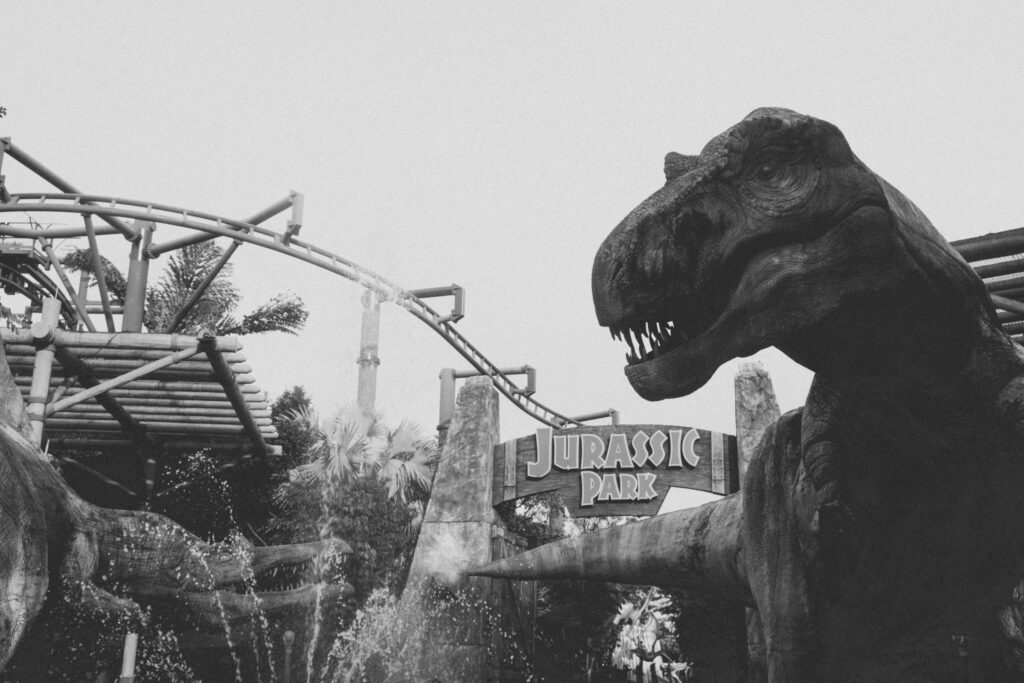
The 1993 Featurette Treated Dinosaurs Like Real Animals, Not Movie Monsters (Image Credits: Unsplash)The original Jurassic Park promotional featurette almost plays like a nature program. Effects artists talk about how a tyrannosaur’s weight should affect the way it plants its feet, and consultants explain how fossilized bones and trackways inform posture and gait. The focus is on translating the best available paleontology of the early 1990s into moving, breathing creatures, not just on making something that looks scary on a poster. You see maquettes being checked against skeletal diagrams and animators studying footage of elephants and birds to get motion right. That tone matters. When you frame dinosaurs as animals with muscles, mass, and plausible behavior, you automatically pull the film closer to scientific reality. Viewers hear about how some dinosaurs probably moved in herds, how balance is dictated by the position of the hips and tail, and why the filmmakers favored active, bird‑like predators instead of sluggish, tail‑dragging reptiles from older movies. Even when the film bends the facts, the featurette at least shows its work, making clear that the starting point is real evidence, not pure fantasy.
Spielberg’s Team Actually Listened to Paleontologists – Then Showed That Off
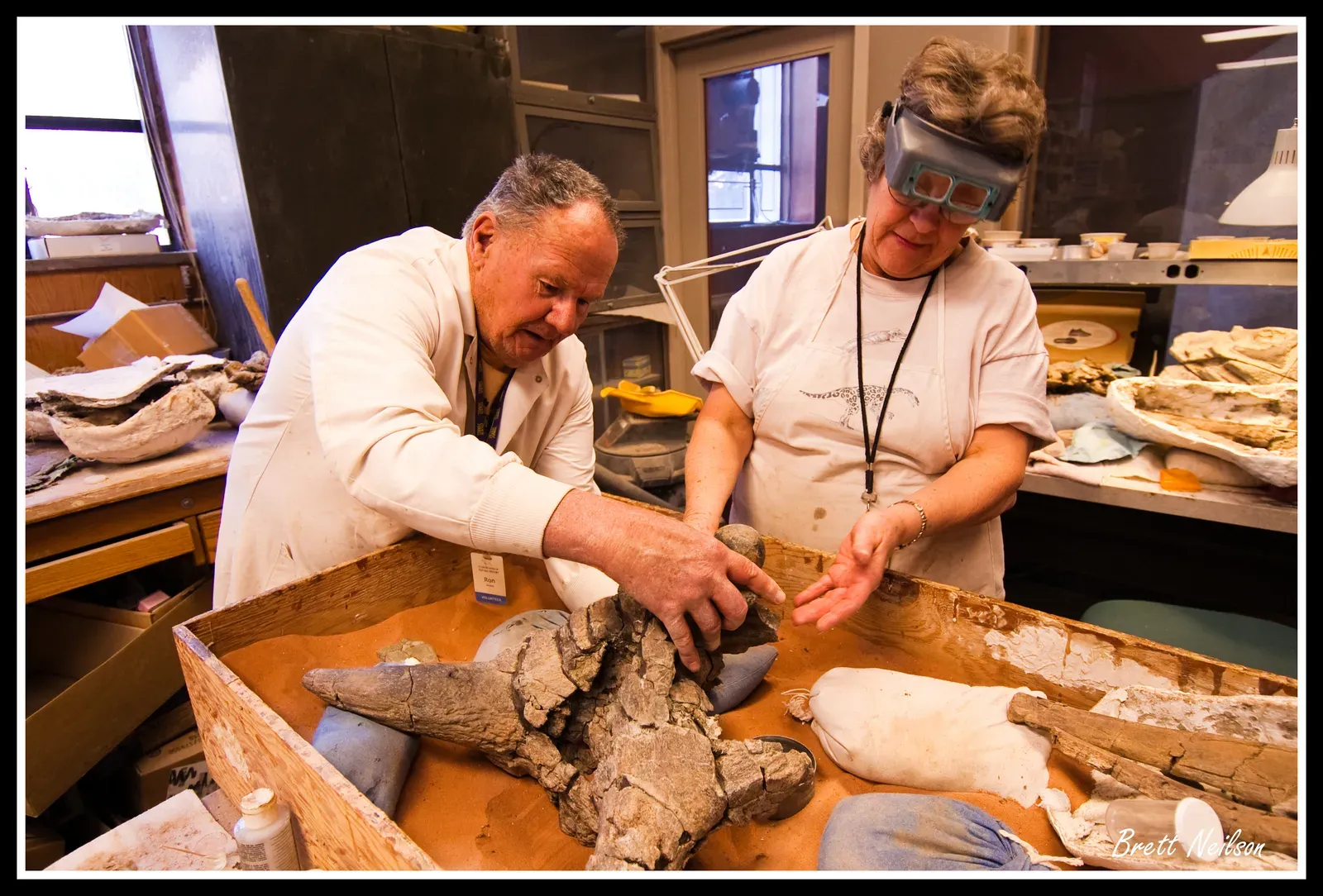
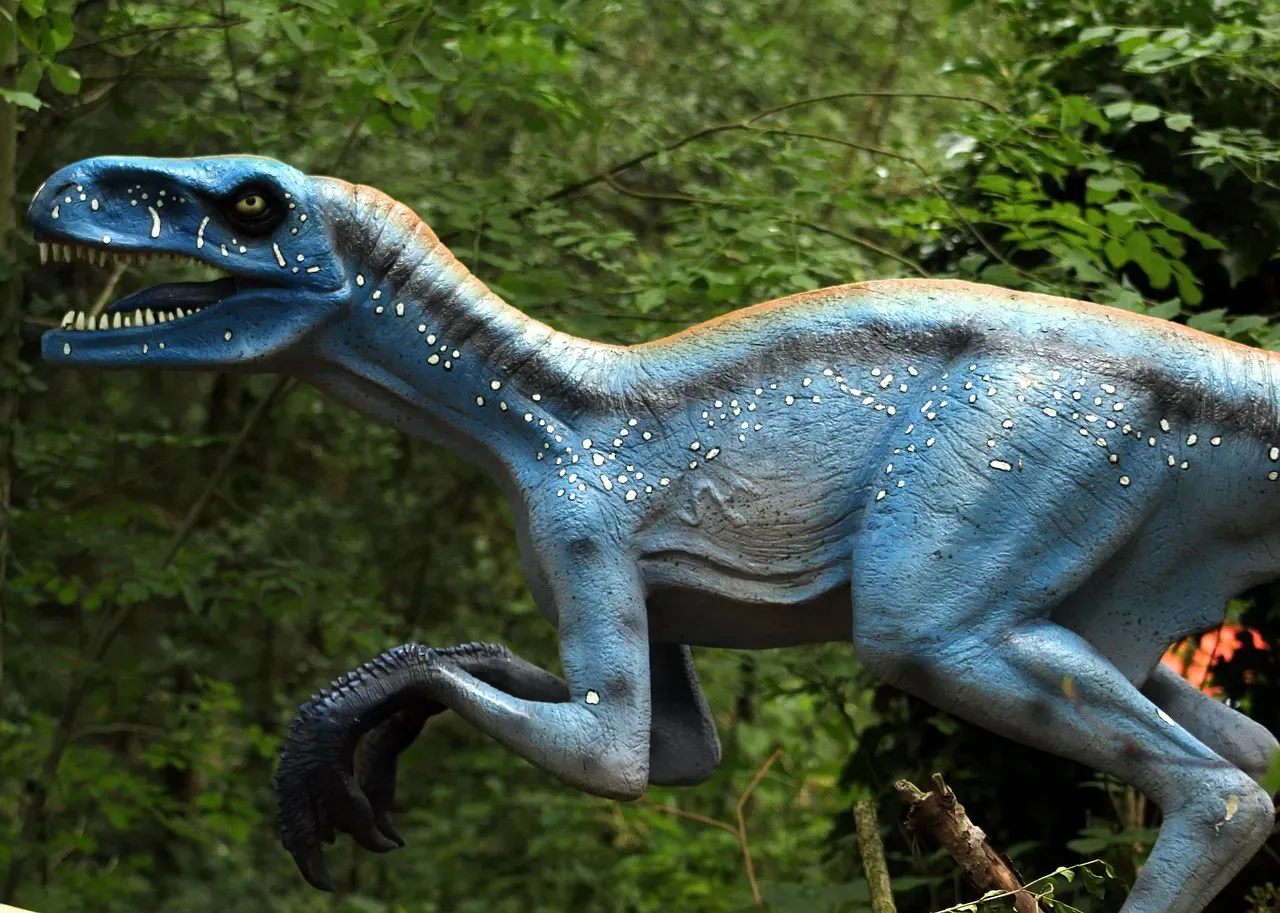
Spielberg’s Team Actually Listened to Paleontologists – Then Showed That Off (Walnut for brainsUploaded by FunkMonk, CC BY 2.0)One reason that early featurette feels unusually grounded is that the production really did bring in serious scientific firepower. Paleontologists were hired as consultants, not just to sanity‑check designs at the end, but to influence them from the start. They advised on which species made sense, how large they should be, and how far you could push speculation without snapping the connection to the fossil record. The Time‑era coverage and production histories from the period all emphasize that the team “spared no effort” to match the science of the day as closely as possible. Crucially, the featurette lets those experts and technically minded crew members speak in fairly straightforward, unvarnished terms. They discuss things like bird‑like hips, proper foot posture, and the then‑new idea of agile, warm‑blooded dinosaurs. Even when they admit compromises – like enlarging “Velociraptor” to the size of a bigger dromaeosaur – they frame them as deliberate trade‑offs, not careless mistakes. That transparency sets expectations: the film is an imaginative leap, but it is built on real arguments paleontologists were having in the early 1990s, and the featurette proudly leans into that.
Science Raced Ahead, While the Franchise Chose Visual Continuity Over Accuracy
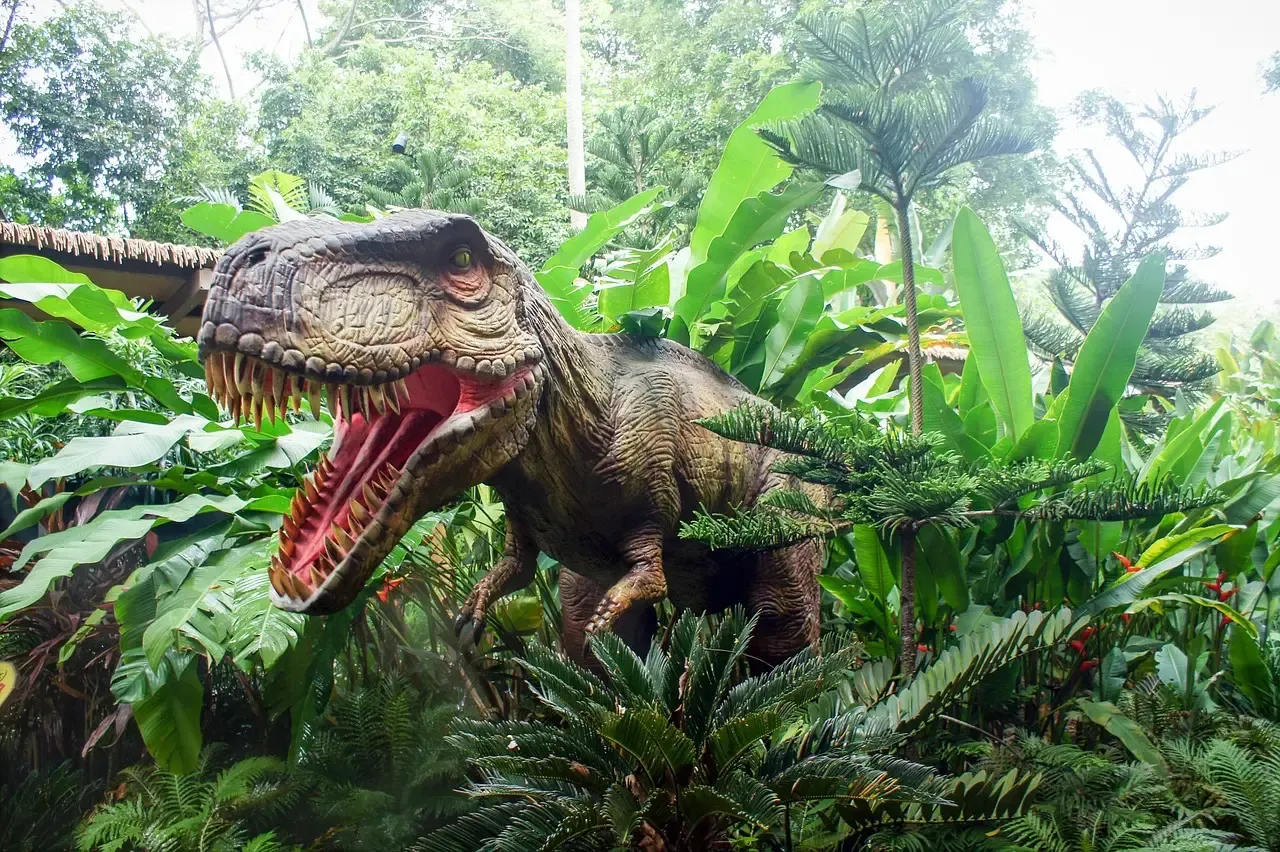
Science Raced Ahead, While the Franchise Chose Visual Continuity Over Accuracy (Image Credits: Pixabay)Here’s the uncomfortable truth: even if the original film and featurette had been flawless snapshots of early‑1990s knowledge, paleontology did not stand still. Over the next two decades, discoveries of feathered dinosaurs exploded, especially in China, and the old image of naked, scaly theropods became badly outdated. New work on growth rates, social behavior, and soft tissues reshaped how scientists thought these animals actually looked and lived. What felt cutting‑edge in 1993 looks quaintly retro to a 2026 paleontologist. The franchise had a choice: evolve its creatures in step with this science, or keep them visually consistent so audiences would recognize “the look” of Jurassic Park. The sequels, particularly in the Jurassic World era, very openly picked continuity. The filmmakers have said they avoided feathers to match what viewers already associated with the brand. That decision might make sense from a marketing perspective, but it effectively locked the dinosaurs into a 1993 design language. The more science moved on, the more the movies and their featurettes, by defending that look, drifted away from scientific accuracy.
From Explaining DNA to Selling Spectacle: How the Focus of the Bonus Material Shifted
From Explaining DNA to Selling Spectacle: How the Focus of the Bonus Material Shifted (Image Credits: Pixabay)Rewatch the original featurette and you’ll notice how much time is spent unpacking the story’s central scientific conceit – cloning dinosaurs from blood preserved in amber – and then almost immediately confronting its limits. Scientists interviewed in 1993 media around the film pointed out that we had never recovered intact dinosaur DNA and that reconstructing a complete genome from scraps was wildly implausible. The featurette leaned into that conversation: it framed the cloning process as speculative, but grounded in genuine principles of genetics and molecular biology, not magic. Later sequels still trot out the InGen science labs, but the tone of the behind‑the‑scenes content changes. The focus shifts toward “how do we build an even more terrifying hybrid?” or “how do we top the last movie with a bigger apex predator?” The fictional science becomes a loose justification for spectacle rather than something you’re invited to scrutinize. Instead of acknowledging what we realistically could and could not do with DNA, the newer materials lean into a kind of comic‑book logic: if we can dream it up, the lab guys can cook it. That leap might be fun on screen, but it leaves the featurettes feeling far less educational and much more like branded hype.
Branding, Nostalgia, and the Fear of “Losing” the Iconic Dinosaurs
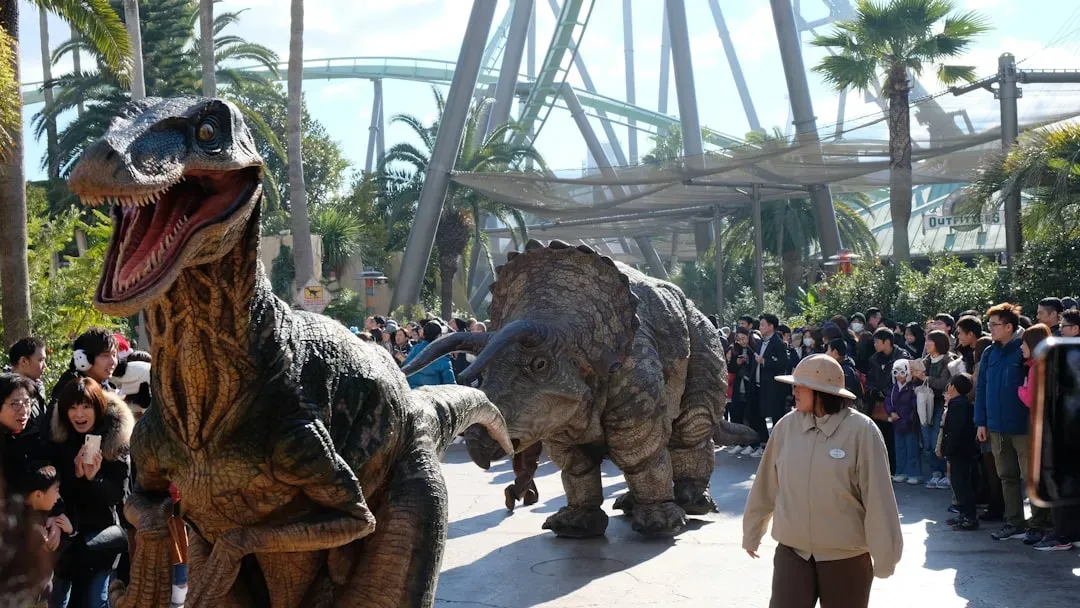
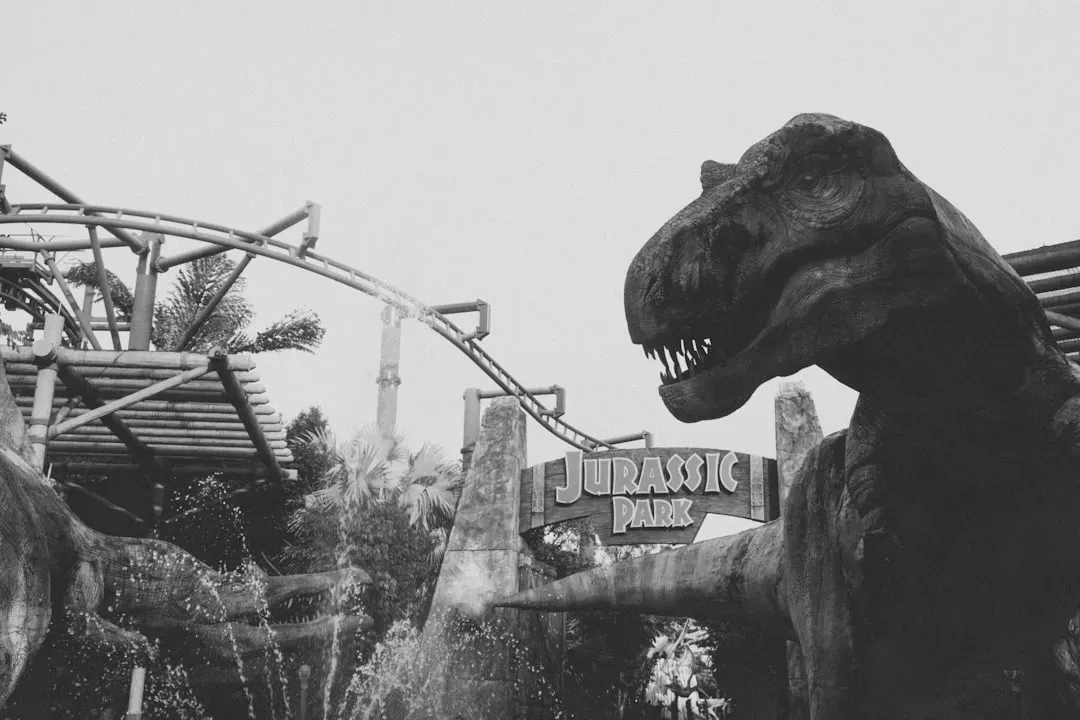
Branding, Nostalgia, and the Fear of “Losing” the Iconic Dinosaurs (By Jun Maegawa, CC BY-SA 3.0)By the time Jurassic World rolled around, the dinosaurs themselves had become a kind of corporate logo. The specific look of that tyrannosaur, those raptors, those brachiosaurs was worth a fortune in nostalgia and merchandise. From what the filmmakers and studio executives have openly said, there was a constant worry that if they embraced scientifically updated designs – shaggier, more bird‑like predators with feathers and different proportions – audiences might reject them as “not Jurassic Park.” The brand had started to dictate the animals; the fossils no longer did. When you prioritize nostalgia that heavily, it inevitably shows up in the supporting material. Instead of a featurette proudly announcing, “We’ve changed the raptors because science changed,” you get segments carefully reassuring fans that everything will still look “like you remember, just with more detail.” Accuracy takes a back seat to emotional continuity. As a fan, I get the tug of that – I still love the original T. rex design more than many more accurate reconstructions – but from a scientific perspective, it is a step backward. The first film gambled that the public could handle an updated view of dinosaurs; the sequels often seem scared to repeat that gamble.
When “More Extreme” Becomes More Wrong: Hybrids, Behavior, and Pseudo‑Science
When “More Extreme” Becomes More Wrong: Hybrids, Behavior, and Pseudo‑Science (Image Credits: Pixabay)Another big shift is in how the later movies – and their making‑of docs – talk about behavior and biology. In 1993, even the speculative behavior, like pack‑hunting raptors, was presented as an extension of real ideas scientists were exploring at the time. The featurette connects those choices back to discussions about intelligence, social behavior, and ecology. It does not always hit the bull’s‑eye, but it at least acknowledges that these animals lived in ecosystems and evolved under constraints. As the series goes on, there is a growing temptation to break those constraints for the sake of being “cool.” You see ever more exaggerated intelligence, almost telepathic pack coordination, and ultimately genetically engineered super‑predators assembled from whatever traits the designers think will sell. The behind‑the‑scenes content celebrates this escalation as creative freedom, but rarely stops to ask what that does to the audience’s sense of what dinosaurs really were. At some point, you are not stretching paleontology anymore; you are just inventing monsters with a dinosaur paint job and a veneer of faux‑genetic technobabble.
So What Went Wrong – and Can the Franchise Ever Be Truly Scientific Again?
So What Went Wrong – and Can the Franchise Ever Be Truly Scientific Again? (Image Credits: Unsplash)For me, the irony is painful: the franchise that first convinced the public that real, science‑based dinosaurs could be thrilling has slowly talked itself into the opposite idea – that audiences will only show up for creatures that ignore the science. What went wrong is not one simple betrayal, but a series of small, pragmatic choices: protect the brand look, prioritize bigger spectacle, chase nostalgia, and use science aesthetics rather than science itself. Each individual compromise is easy to rationalize; taken together, they pulled the films and their featurettes far away from the earnest scientific curiosity that defined 1993. Could it be different? Absolutely. There is no reason a future Jurassic installment could not lean back into paleontology, openly update designs, and let real scientists once again shape both the creatures and the story the way they did at the beginning. In a world where audiences binge detailed nature documentaries for fun, it is hard to believe they would revolt at seeing feathers on a raptor. The question is not whether the science can still be exciting – it clearly can – but whether the franchise has the courage to treat accuracy as an asset instead of a threat. If you had to pick, would you rather have a dinosaur movie that looks like your childhood toys, or one that blows your mind by showing you how strange and beautiful the real animals probably were?