If you think modern animals are strange, you’re only seeing the afterparty. For hundreds of millions of years before humans showed up, evolution was busy experimenting with designs so bizarre they look like they were sketched during a fever dream. You live in a fairly tame era; earlier ages were full of walking fortresses, living kites, swamp dragons, and millipedes the size of a kayak.
As you read through these seven ancient creatures, you can almost feel evolution “trying things out” – stretching bodies, remixing limbs, and pushing life into new environments. In a way, you’re looking at the rough drafts that made your own existence possible. Some of them are beautiful, some disturbing, and a few are downright nightmare fuel… but every single one shows you just how wild reality can get when you give it a few hundred million years.
1. Hallucigenia: The Upside-Down Night Terror Of The Cambrian
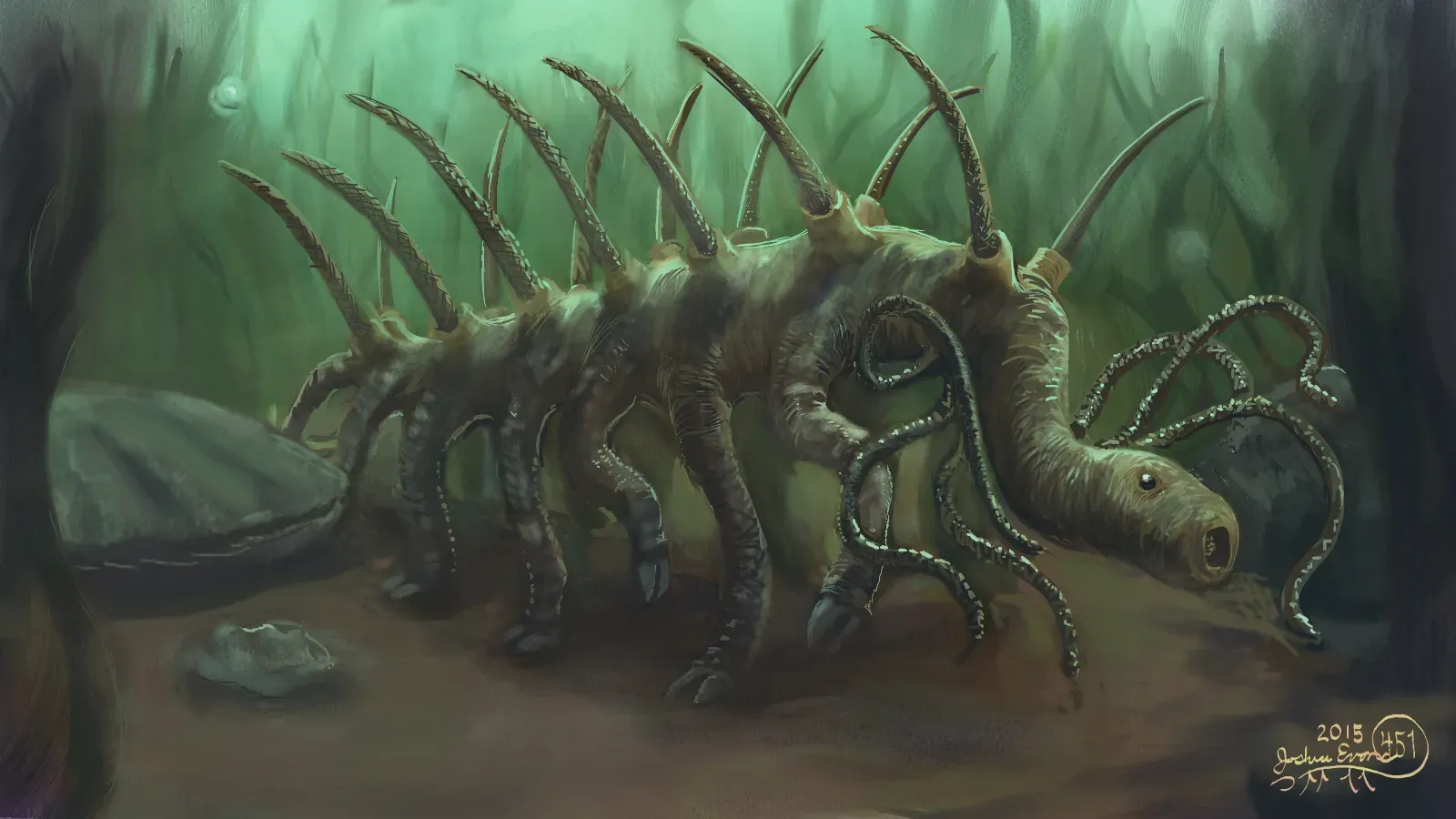
You know an animal is strange when scientists literally reconstruct it upside down and backwards for years. Hallucigenia, a tiny worm-like creature from the Cambrian period, was so bizarre that for decades no one was sure which end was the head or which side was up. Today, you’d recognize it by its spiky back, soft little legs underneath, and a face that looks unsettlingly like a cartoon scribble gone wrong. You are looking at one of evolution’s earliest experimental blueprints for complex animal bodies, long before vertebrates like you ever appeared.
When you picture Hallucigenia creeping along the seafloor, you’re seeing evolution at its most chaotic and creative. The Cambrian oceans were a biological startup accelerator: new body plans were popping up everywhere, and Hallucigenia was one of the weirder prototypes. Its stiff dorsal spines likely served as armor against predators, while the fleshy legs helped it inch along the sediment in search of food. You do not have direct descendants of Hallucigenia alive today, but relatives of its broader group helped pave the way for arthropods – the mega-successful clan that now includes insects, spiders, and crustaceans. In other words, those weird spines and stumpy legs were early steps toward the jointed, armored bodies you now swat away with fly swatters.
2. Anomalocaris: The Apex Predator That Turned The Ocean Into A Testing Ground
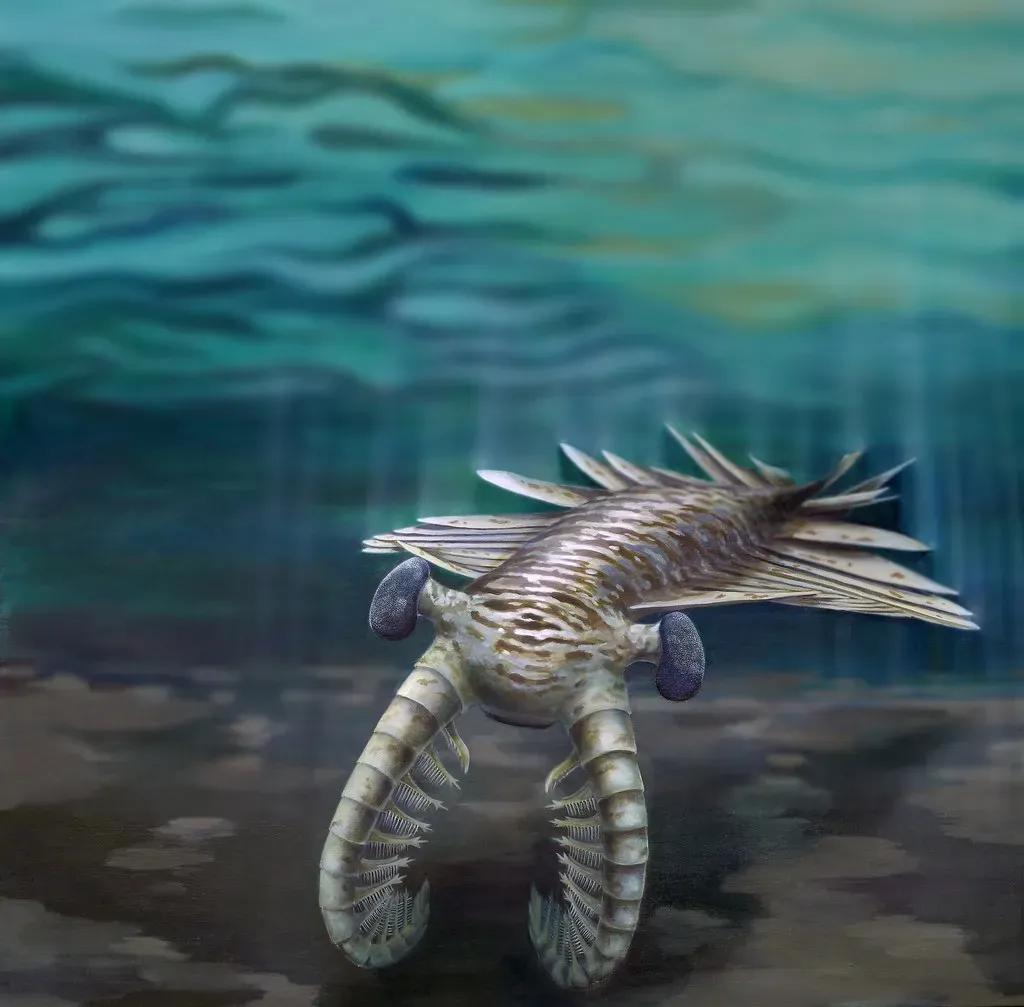
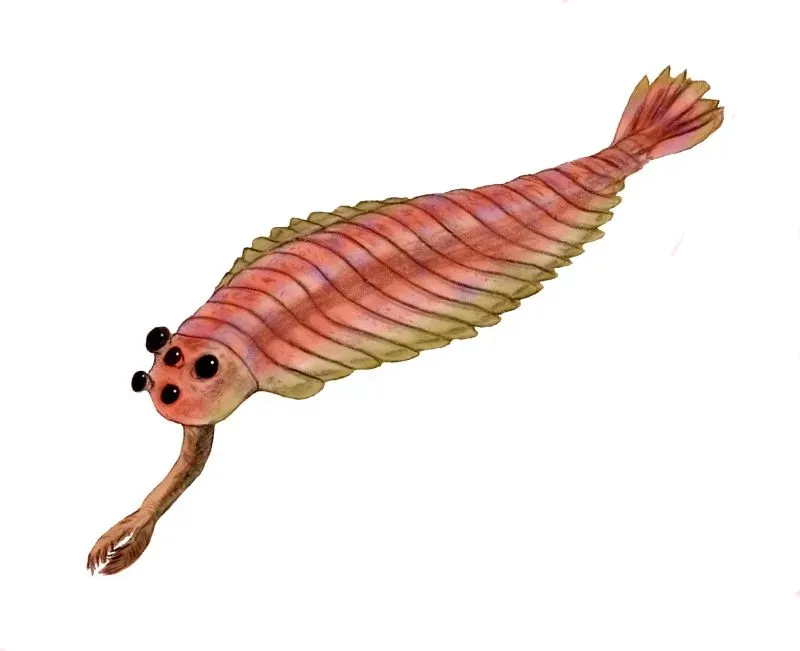
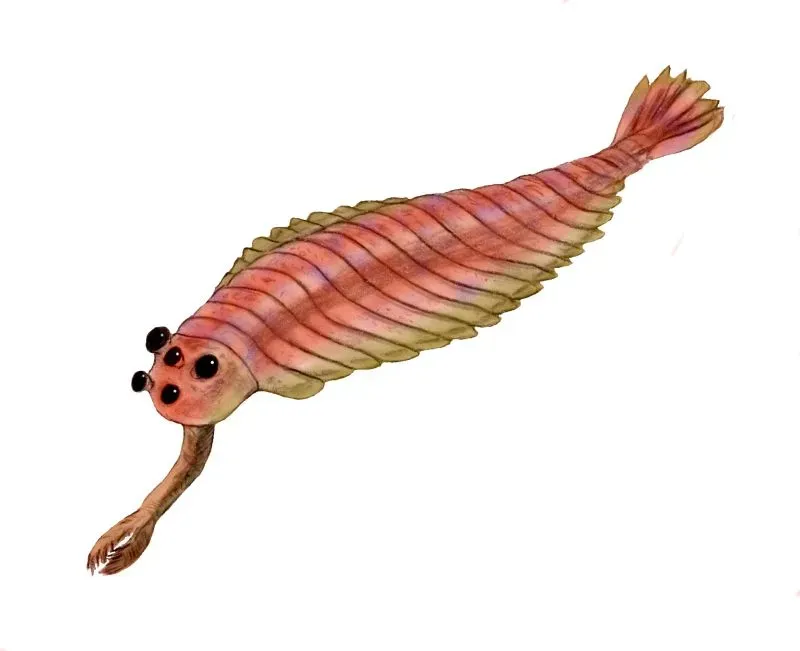
If you dropped into the oceans of over half a billion years ago, the last thing you’d want to see swimming toward you is Anomalocaris. Imagine a meter-long, torpedo-shaped animal with big compound eyes, a circular toothy mouth like a blender, and two spiny, grasping appendages sweeping prey right into that maw. For its time, this was possibly the top predator of the Cambrian seas, hunting trilobites and anything else unfortunate enough to cross its path. You’re looking at one of the first large, fast-moving hunters that forced everything else to level up or die out.
Anomalocaris shows you how evolution changes speed once predators get serious. The moment something starts chasing and eating other animals efficiently, prey species need better armor, faster swimming, smarter senses, and new survival tricks. That evolutionary arms race is part of why modern animals – including you – are equipped with sharp senses, quick reflexes, and complex brains. Anomalocaris also helps you see how many ideas evolution tried and later abandoned: its strange circular mouth and flexible frontal limbs are nothing like the jaws and arms you see in vertebrates today. Yet the basic principle – grab, crush, devour – has been endlessly re-used, from sharks to big cats to you biting into dinner.
3. Tiktaalik: The Fish That Took Your First Step Onto Land
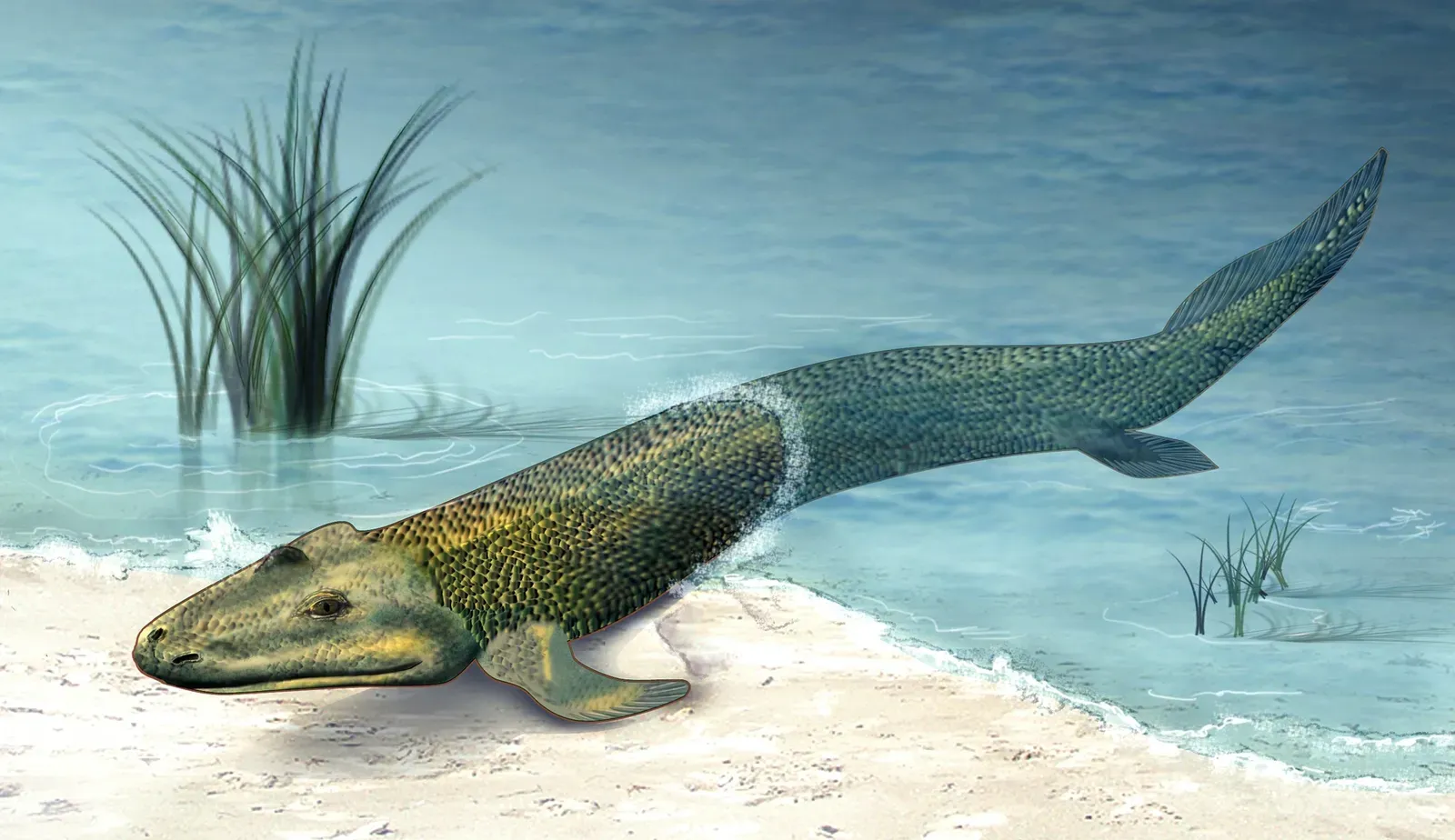
What makes Tiktaalik so important to you is not just that it existed, but where it sat on evolution’s timeline. It arrived after fully aquatic lobe-finned fish, but before true four-legged land animals (tetrapods), occupying that delicious in-between stage where evolution was testing out load-bearing limbs and stronger shoulders. Tiktaalik did not march triumphantly onto dry land in a single heroic moment; instead, it likely lurked in the shallows, propping itself up, exploring muddy bottoms, and occasionally hauling its body into very shallow water margins. Over countless generations, these experiments in partial land living set the stage for amphibians, reptiles, mammals, and eventually you walking on two legs. Every step you take is a quiet echo of Tiktaalik pushing its body through Devonian mud.
4. Dimetrodon: The Sail-Backed “Not-a-Dinosaur” That Helped Shape Mammals
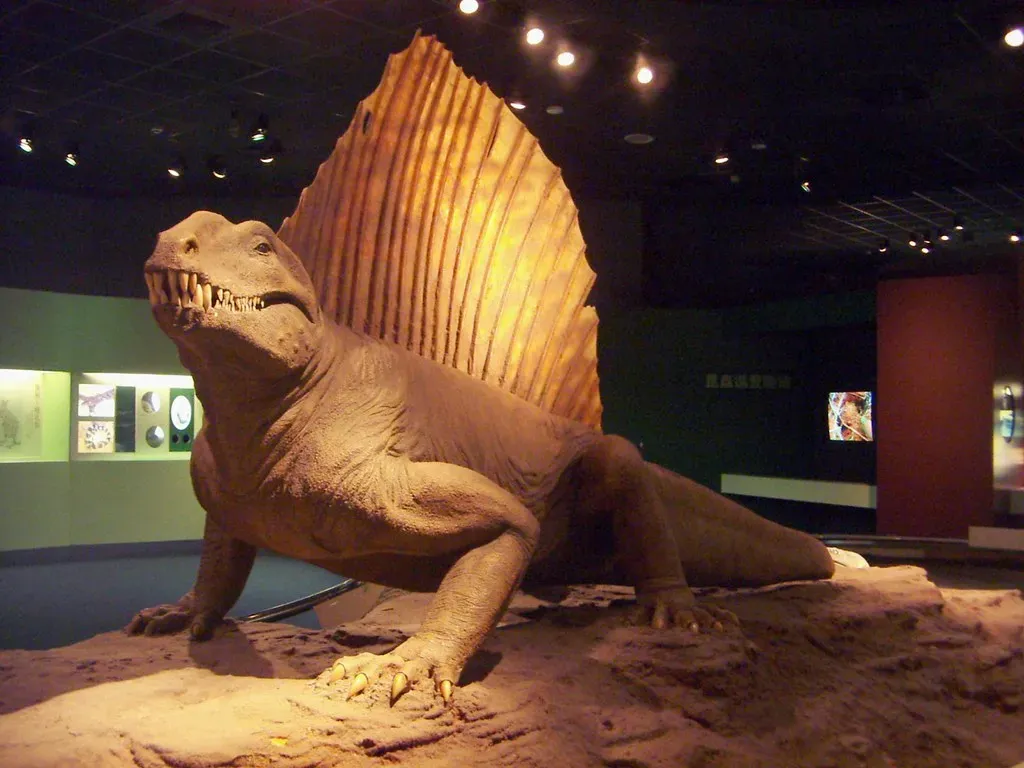
You might have grown up seeing Dimetrodon in dinosaur books, but here’s the fun twist: it vanished tens of millions of years before the first dinosaurs ever appeared. This sail-backed predator lived during the early Permian period and is more closely related to you – a mammal – than to any dinosaur. Picture a reptile-like body, a huge head with powerful teeth, and a dramatic tall sail on its back formed by elongated vertebral spines linked by skin. You are probably looking at one of the first big terrestrial predators to really dominate land ecosystems long before T. rex was even an idea.
Dimetrodon’s story matters to you because it sits on the evolutionary branch that eventually led to mammals. Its skull shows early hints of the changes that would later become hallmark mammal traits, like differentiated teeth for slicing and crushing. As for that ridiculous-looking sail, scientists still debate its exact purpose, but many suspect it helped Dimetrodon regulate body temperature or signal to mates and rivals. Either way, you’re seeing evolution play with surprising body add-ons, just as it would later do with frills, horns, antlers, and crests. The next time you see a lizard basking in the sun, you can imagine a distant, more monstrous cousin doing the same, using a giant sail as a prehistoric solar panel.
5. Arthropleura: The Car-Sized Millipede That Owned The Forest Floor
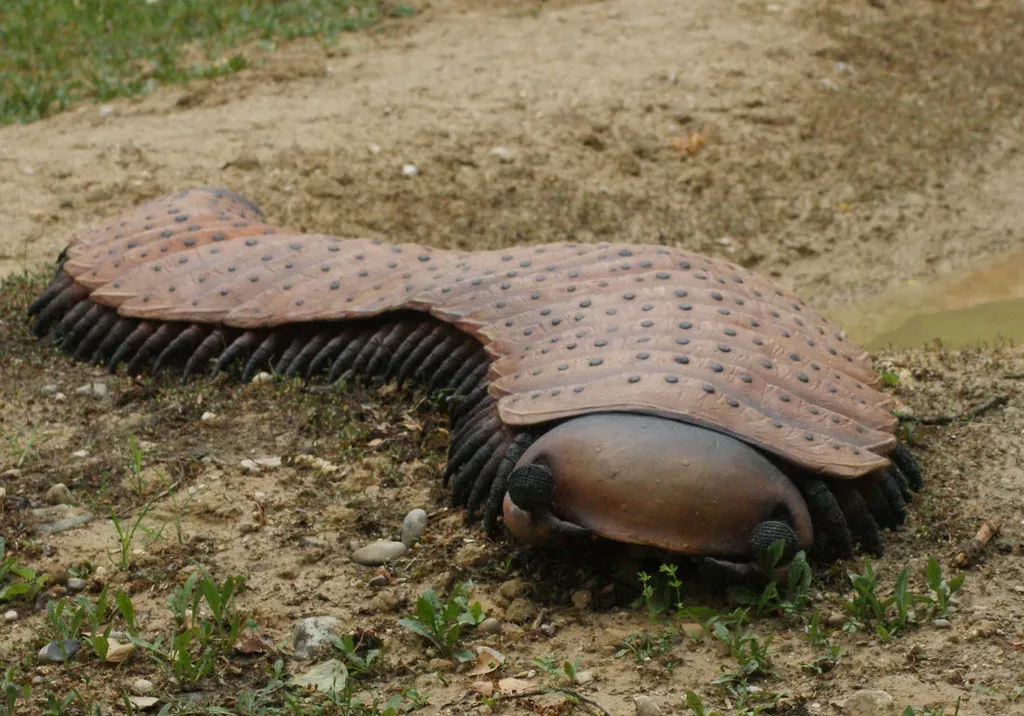
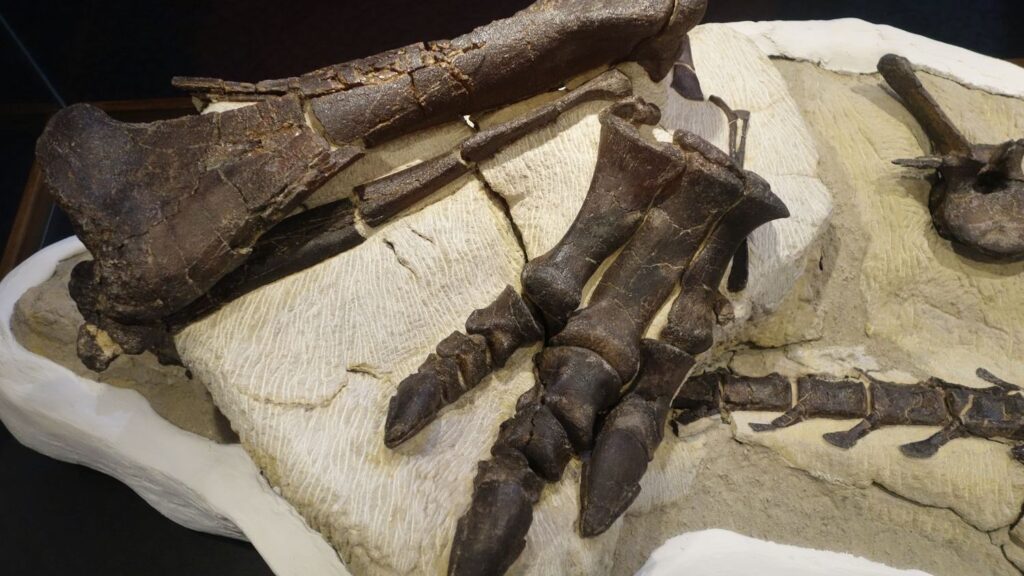
If you’re even a little bug-averse, Arthropleura will test your courage. This Carboniferous arthropod looked like a gigantic millipede, stretching possibly over two meters in length, with a width about that of a large loaf of bread. You can picture its armored segments clacking softly as it glided over the forest floor through dense, humid coal swamps. At a time when land plants were booming and the atmosphere held more oxygen than today, this invertebrate became one of the largest arthropods ever to walk the Earth, weighing as much as a big dog while being as long as a small car.
What’s wild for you to realize is that Arthropleura likely was not some relentless horror-movie predator but probably a plant eater, crawling peacefully among ferns and giant clubmoss trees. Its size may have been boosted by that oxygen-rich atmosphere and abundant vegetation, giving evolution room to scale up a creature you now picture as a small, harmless garden crawler. Arthropleura shows you how flexible the rules really are: in the right conditions, even a millipede-like animal can become a land giant. When you see a tiny pill bug or centipede today, you are looking at toned-down descendants of a lineage that once took full advantage of Earth’s generous settings and pushed invertebrate size to extremes you’ll never encounter in your backyard – thankfully.
6. Quetzalcoatlus: The Giraffe-Tall Sky Phantom
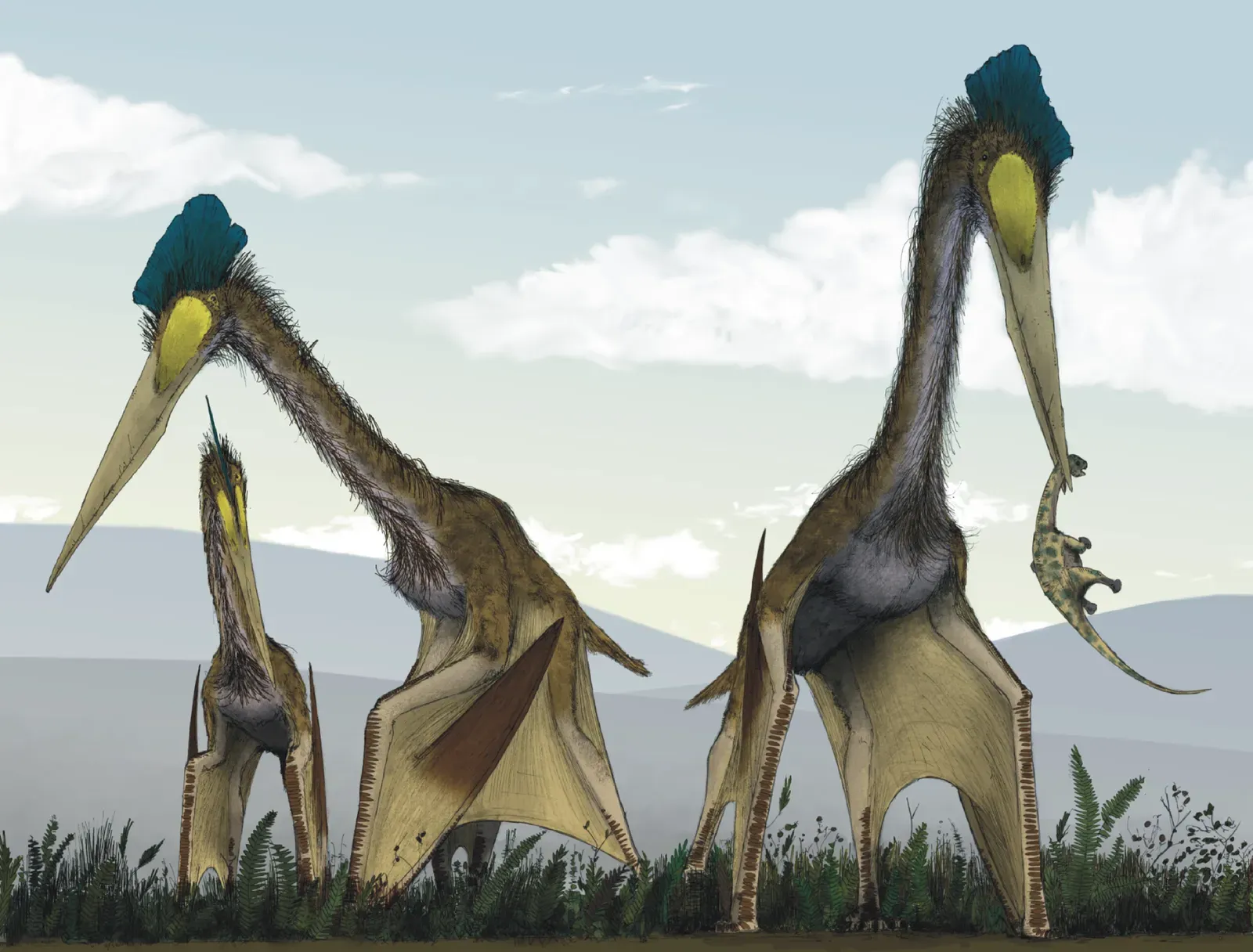
Imagine standing on a Cretaceous floodplain and watching something as tall as a giraffe stride past you on four limbs, then unfold wings as wide as a small airplane. That is the scale you’re dealing with when you meet Quetzalcoatlus, one of the largest flying animals known from the fossil record. This pterosaur, living near the end of the age of dinosaurs, likely had a wingspan in the range of ten meters or more, with a long, toothless beak and lightweight, hollow bones that let it take to the air despite its enormous size. You’re seeing evolution explore the absolute limits of powered flight in vertebrates.
Quetzalcoatlus changes how you think about flying animals. Unlike seabirds that dive for fish, this giant appears to have been more of a terrestrial stalker, walking on all fours and perhaps picking off smaller animals or scavenging carcasses as it patrolled coastal plains and inland environments. Its body plan – huge wings, elongated neck, strong limb bones, and paper-thin but resilient skeleton – shows how far evolution can push a design when every gram matters. Modern birds like albatrosses and condors feel impressive to you, but they are dwarfed by this creature. When you see a gull gliding over waves or a hawk circling a field, you are watching a scaled-down version of the same dream: vertebrates mastering the sky, a dream that reached a spectacular peak in pterosaurs like Quetzalcoatlus.
7. Basilosaurus: The Sea-Serpent Whale That Proves Evolution Can Reverse Course
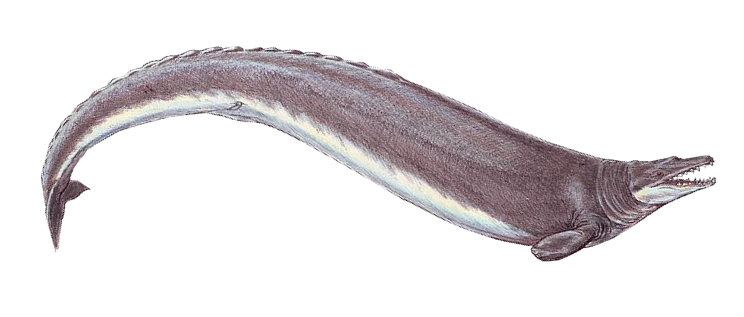
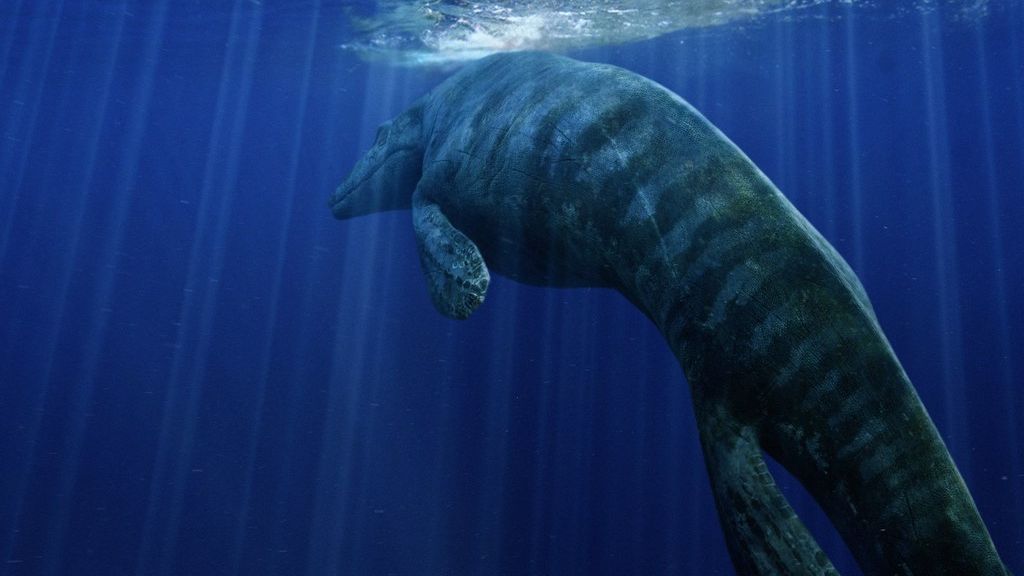
You probably think of whales as gentle ocean giants, but if you could time-travel to the late Eocene seas, Basilosaurus would make you rethink that comfort. This early whale stretched over fifteen meters, with a long, eel-like body and jaws full of sharp, slicing teeth better suited to a predator than a plankton filter. It once was mistaken for a marine reptile because its body looked so serpentine, but you now know it was a fully aquatic mammal, related to the whales and dolphins you watch in nature documentaries. You’re looking at an animal whose ancestors originally left the water for land, then turned around and went right back in.
Basilosaurus is your best reminder that evolution does not have a single direction; it simply explores what works. Over tens of millions of years, some hoofed land mammals adapted to shallow water, then deeper oceans, eventually becoming creatures like Basilosaurus that could no longer survive on land at all. It still carried tiny hind limbs buried in its flesh, ghostly leftovers of legs that once walked on solid ground. When you see a modern whale’s flippers and vestigial pelvis, you are seeing the same story continued: mammals returning to the sea and reinventing their bodies all over again. Basilosaurus stands as proof that evolution is not a straight staircase upward, but a sprawling maze of paths, some looping back toward old habitats with radically new designs.
Conclusion: What These Monsters Say About You
When you step back from these seven creatures, you start to notice a pattern that has everything to do with your own existence. Hallucigenia and Anomalocaris show you the chaotic, anything-goes experimentation of early complex life; Tiktaalik and Dimetrodon mark key checkpoints on the path from water to land and from reptile-like ancestors to mammals. Arthropleura and Quetzalcoatlus reveal just how huge and strange animals can get when conditions allow, and Basilosaurus proves that evolution is not shy about reversing course and rewriting the script. You are the beneficiary of all those wild prototypes, winners, and dead ends.
The strange part is this: to the organisms of their time, these creatures were just… normal. You are the one seeing them as outlandish because you live at a different point in the story. Right now, evolution is still running in the background on every plant, animal, and microbe around you, including yourself. A hundred million years from now, some future mind might stare at fossils of today’s creatures and marvel at how bizarre humans, elephants, or hummingbirds once looked. When you look at these ancient beings and feel a mix of awe and unease, you might ask yourself: if evolution’s wildest dreams already came true before, what unthinkable forms might come next?