
When you picture terrifying prehistoric killers, your mind probably jumps straight to giant dinosaurs with knife-like teeth. But long before any dinosaur took its first step, other apex predators already owned the planet. They stalked alien-looking seas, swampy coastlines, and strange forests in worlds almost unrecognizable to you today.
These forgotten hunters set the stage for everything that came later. As you meet them, you start to see evolution less like a straight line and more like a series of brutal experiments, where failure means extinction and success means total planetary domination – at least for a while.
Dunkleosteus: The Armored Chainsaw of the Devonian Seas
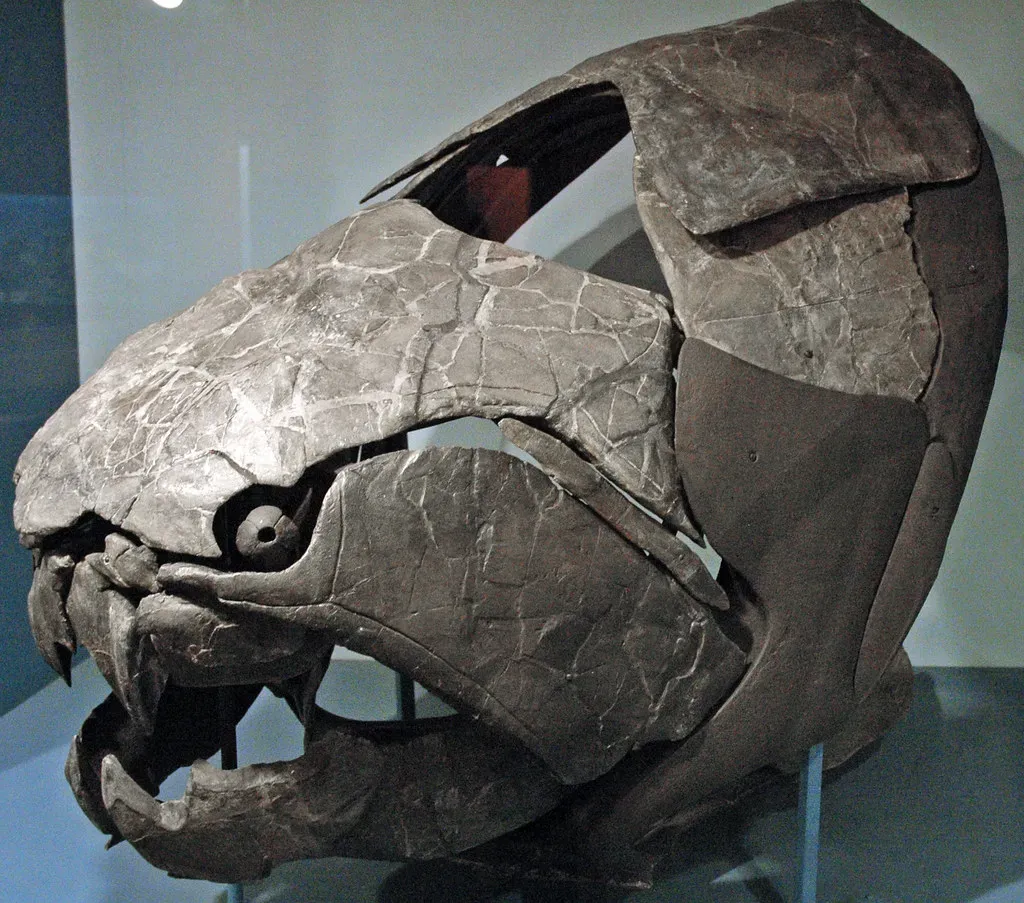
If you ever found yourself dropped into the Devonian seas roughly about three hundred sixty million years ago, Dunkleosteus is the last thing you’d want to meet. This hulking fish, up to the size of a bus, wore thick armored plates on its head instead of scales, giving it a blunt, tank-like skull that looked built to ram through anything in its way. Instead of typical teeth, it had sharp bony plates that formed a deadly beak, able to slice prey like an industrial cutter.
What makes Dunkleosteus especially chilling is how efficiently it killed. Its jaws could snap shut with enormous force, enough to crush armored prey and tear through bone, and you would have been nothing more than a soft snack in that world. You can imagine it cruising through murky waters, like a living submarine with a built-in guillotine, dominating a food chain that barely resembles modern oceans. Before sharks rose to the top, this armor-clad monster was already proving that biting hard and moving fast is a winning strategy.
Gorgonopsids: Saber‑Toothed Reptiles Before Mammals Existed
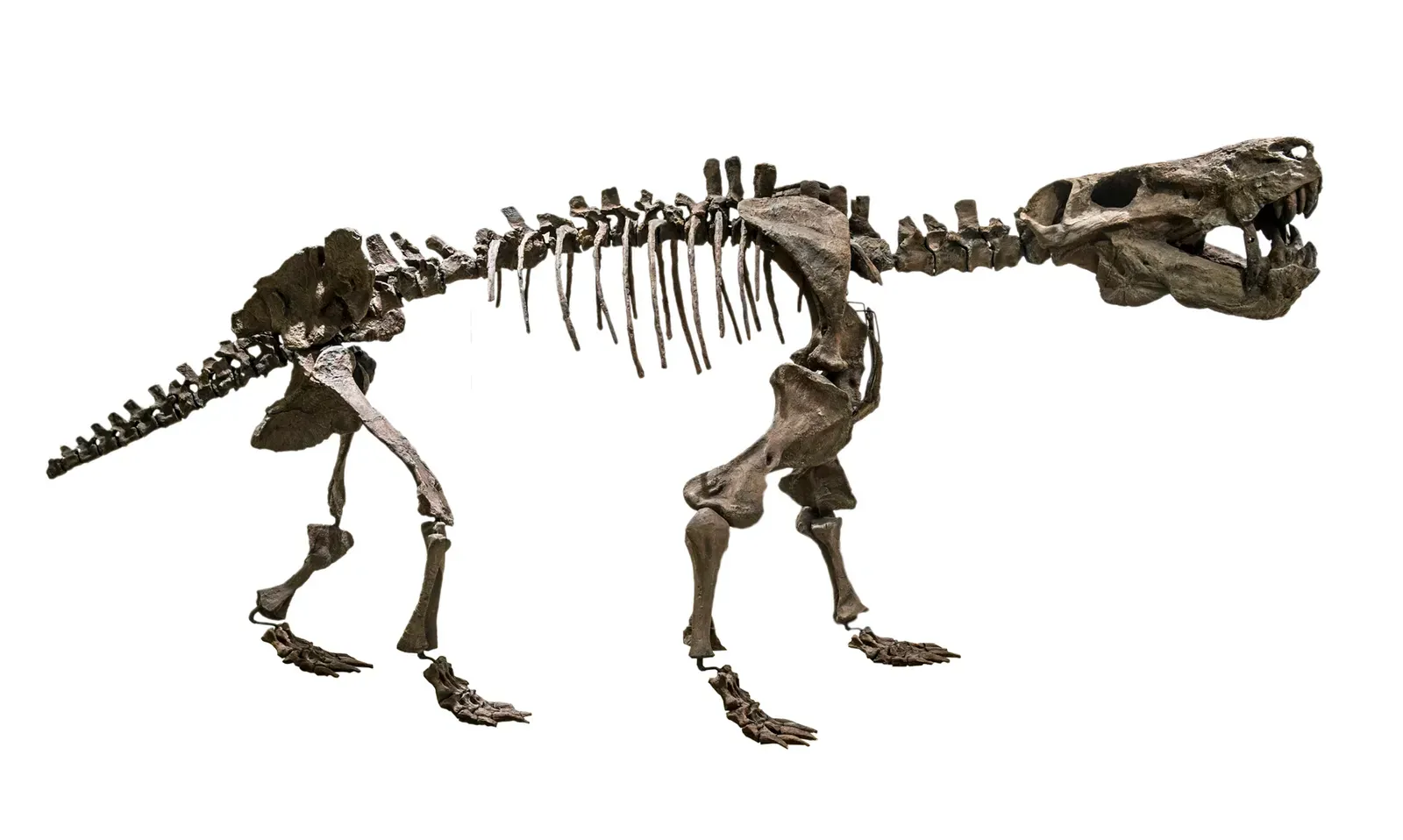
Long before saber‑toothed cats prowled the planet, gorgonopsids were already running that playbook. Living near the end of the Permian period, more than two hundred fifty million years ago, these predators walked on land, looked vaguely reptilian, and rocked huge, protruding canine teeth that would remind you of a future saber‑toothed tiger. They stood roughly the size of a large dog or even a small pony, built with long legs that let them run down prey instead of just lurking and ambushing.
What’s wild is that gorgonopsids were part of a group more closely related to you than to dinosaurs – they were early synapsids, distant cousins along the line that eventually led to mammals. When you picture one charging across a dry, harsh landscape, sinking its saber teeth into some bulky plant‑eater, you’re looking at a predator from your own side of the family tree. In a way, gorgonopsids show you that powerful, warm-blooded hunters were testing out the role of top land predator long before true dinosaurs ever showed up.
Helicoprion: The Shark With a Buzzsaw for a Jaw
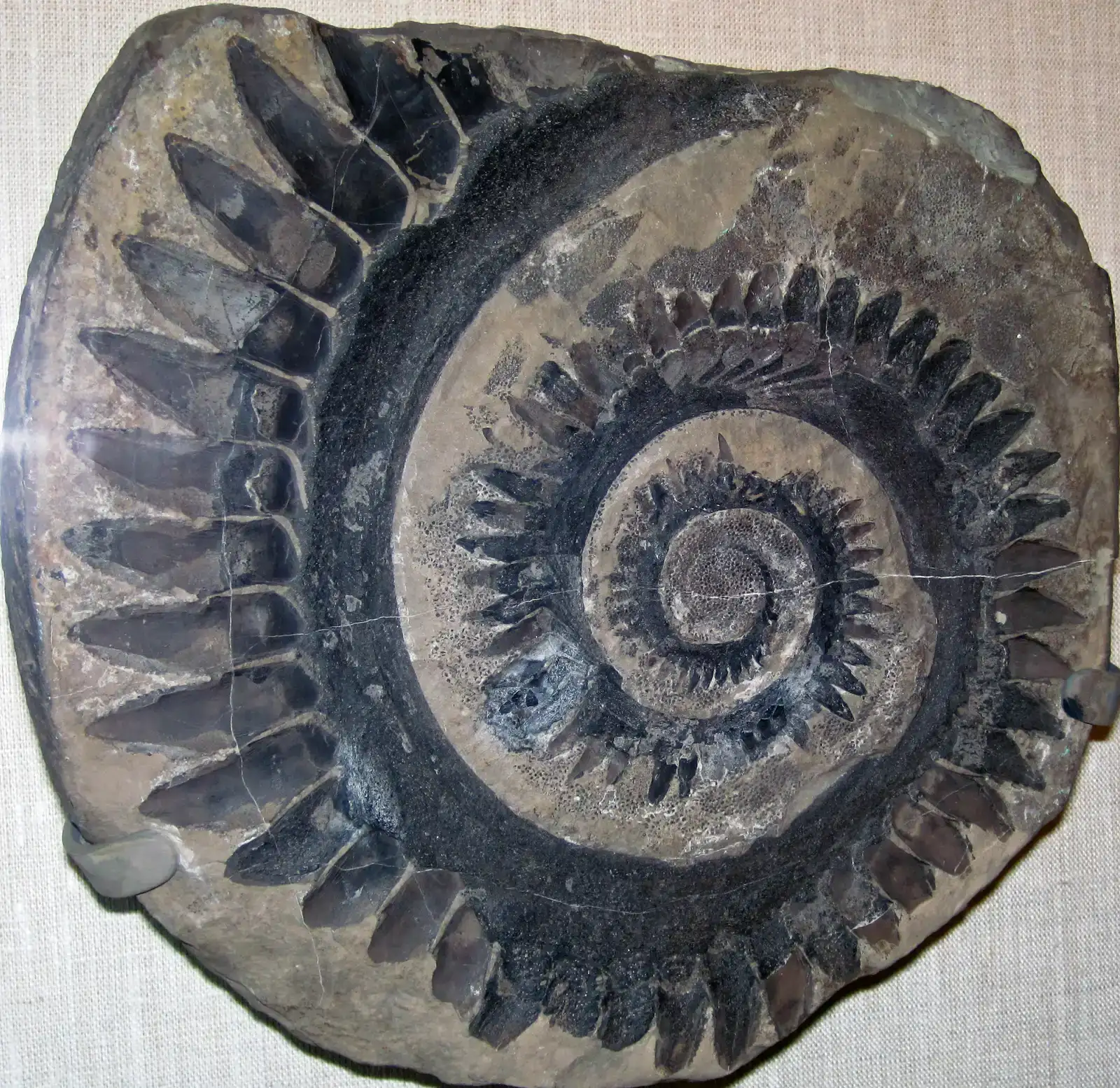
If you think modern sharks are scary, you have not met Helicoprion. This strange, ancient fish lived more than two hundred fifty million years ago and carried one of the most bizarre weapons evolution has ever produced: a spiral whorl of teeth that looked like a circular saw tucked into its lower jaw. For decades, scientists argued about where that spiral fit on the body, but the most convincing reconstructions place it inside the mouth, ready to roll prey backward and slice it apart.
Imagine you’re a soft‑bodied squid swimming peacefully, and suddenly a long, shark‑like shape rushes from below. Its jaw snaps shut and that toothy spiral acts like a conveyor belt of blades, dragging you in and shredding you as it goes. Helicoprion probably focused on softer prey, but his tool kit made it incredibly good at its niche. It reminds you that prehistoric predators did not always follow familiar rules; sometimes evolution went weird, and weird was exactly what worked.
Dimetrodon: The “Non‑Dinosaur” Everyone Gets Wrong
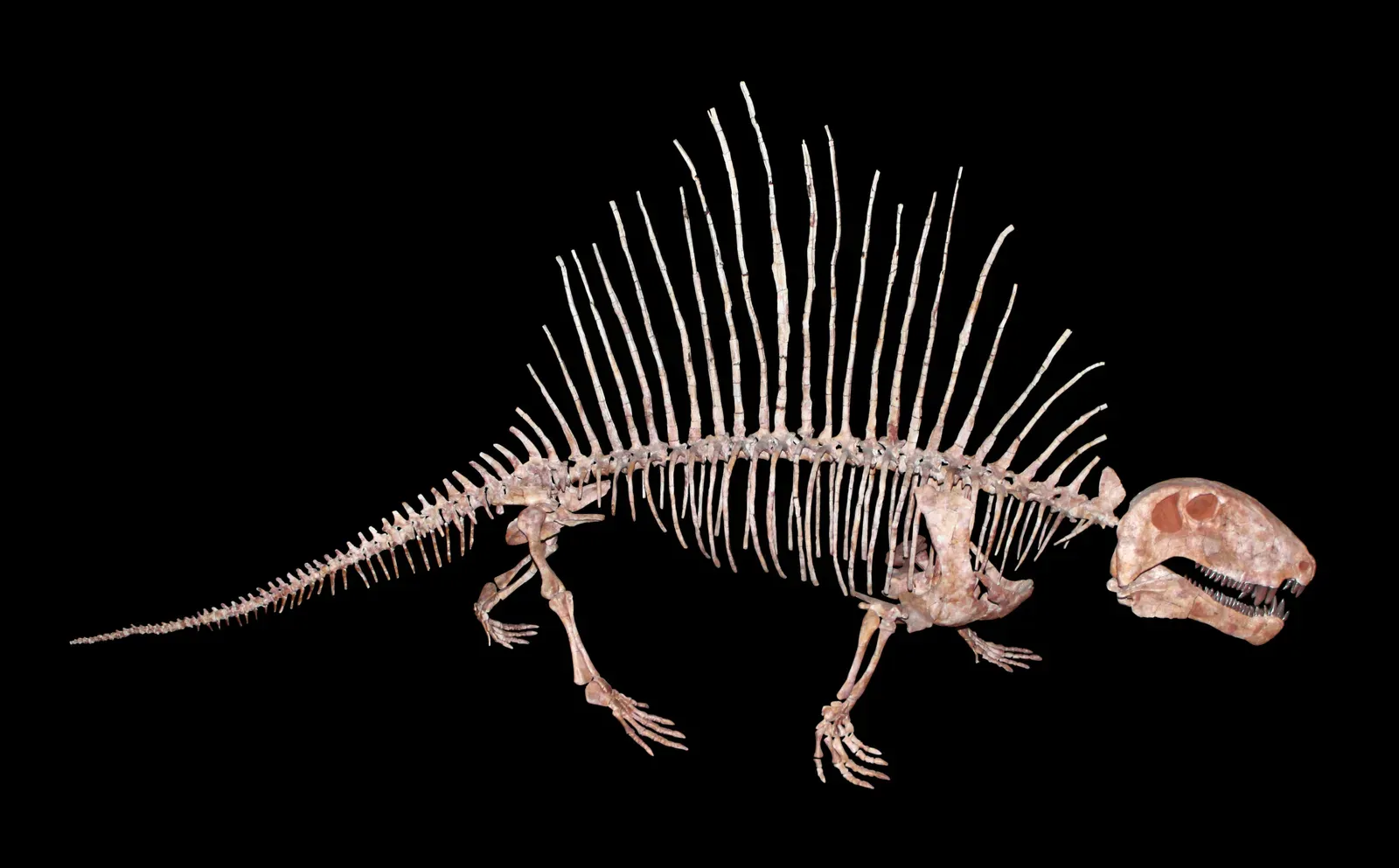
When you look past the sail, Dimetrodon is all business. It had a big skull with sharp, serrated teeth designed for cutting flesh, and its body shape suggests it was the top hunter in its ecosystem, feeding on bulky plant‑eaters and smaller reptiles. Dimetrodon, like the gorgonopsids, was a synapsid, which means it’s actually more closely related to you than to any dinosaur. So when you picture it dragging prey through a swampy Permian landscape, you’re staring at a reminder that “dinosaur‑era” style dominance on land actually began with your distant cousins.
Jaekelopterus: The Giant Sea Scorpion That Dwarfed You
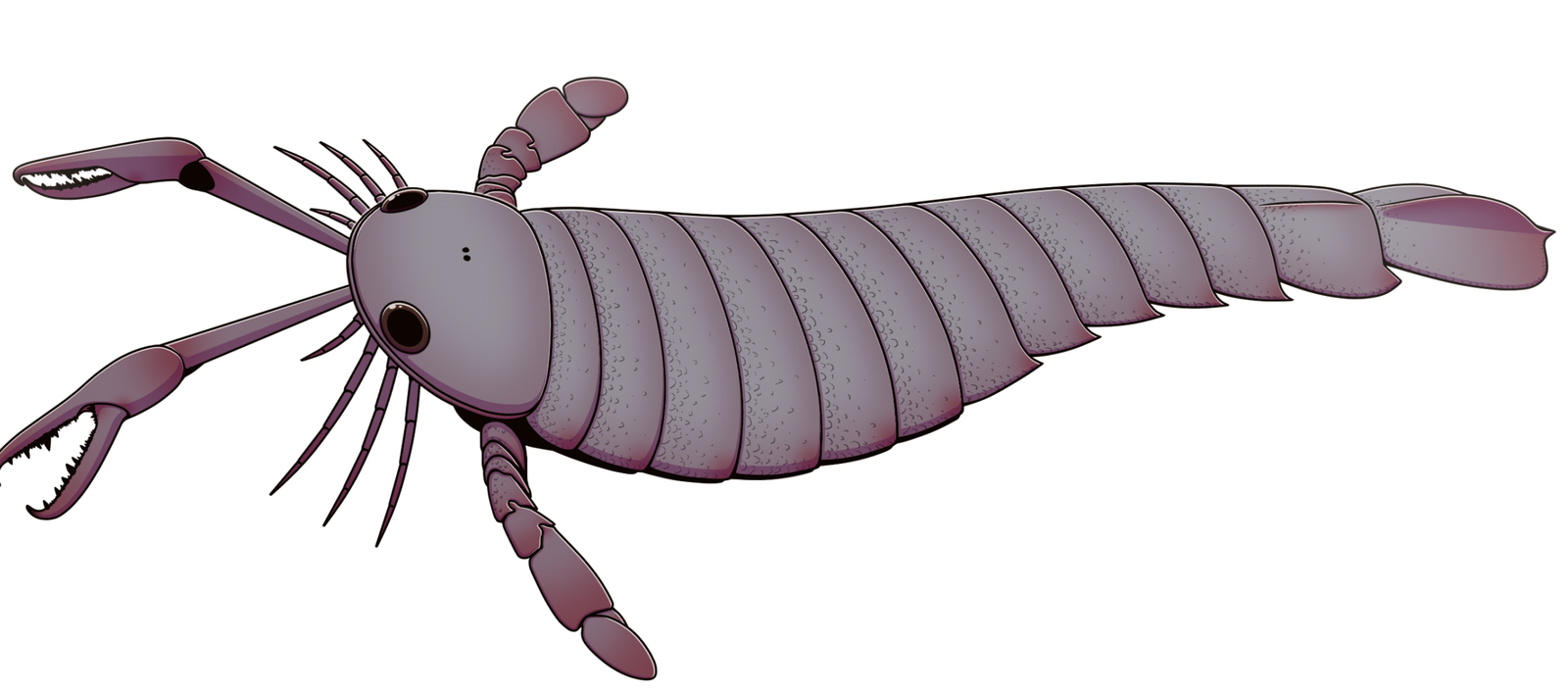
If you are uncomfortable around scorpions now, imagine one longer than you are tall, slicing through ancient rivers like a nightmare submarine. Jaekelopterus was an enormous sea scorpion that lived roughly about four hundred million years ago, during the Devonian period, and some estimates put its length at more than eight feet. It had large clawed appendages that could have snatched fish and other prey in the water, dragging them toward a spiny mouth that was more function than beauty.
Picture yourself wading into a shallow estuary in that era: the water is dark, plants are unfamiliar, and beneath the surface, this gigantic arthropod glides silently. Its armor‑plated body and powerful paddles made it a fast and agile swimmer, and you would have no chance if it decided to investigate you. Creatures like Jaekelopterus remind you that, for a long stretch of Earth’s history, arthropods – relatives of today’s crabs, spiders, and insects – were not just creepy crawlies at the edges but full‑on apex predators ruling the waterways.
Inostrancevia: A Bone‑Crushing Hunter of the Dying Permian
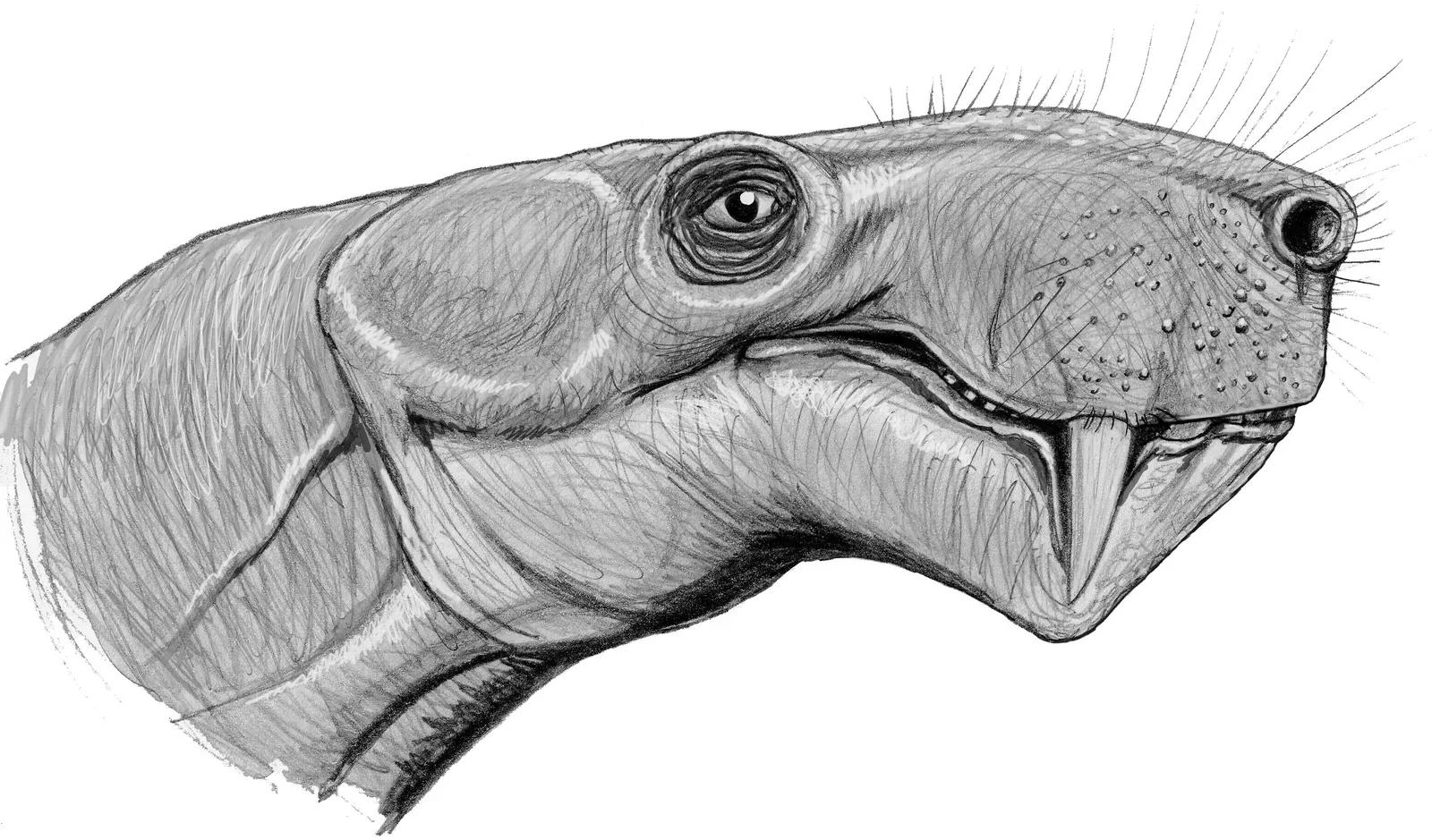
As the Permian period drew to a close in a world heading toward the largest mass extinction in Earth’s history, Inostrancevia stood near the top of the food chain. This massive gorgonopsid from what is now Russia could grow larger than a big modern lion, with a deep, powerful skull and enormous saber‑like canine teeth. If you stripped away the reptilian skin and swapped in fur, its overall shape might remind you of a monstrous big cat designed for gripping and ripping.
Inostrancevia probably hunted large plant‑eating synapsids, using strong jaws and those huge canines to inflict deep, fatal wounds. Now imagine that harsh environment: extremes of climate, ecosystems in flux, and yet this predator still refined its role as an efficient killer. When you study Inostrancevia, you see how evolution kept pushing predators to become faster, stronger, and more specialized, even as the world around them was collapsing. In a sense, it represents the last great land hunter dynasty before the Permian‑Triassic extinction cleared the stage for dinosaurs to eventually rise.
Meganeura: The Dragonfly That Turned the Sky Into a Hunting Ground
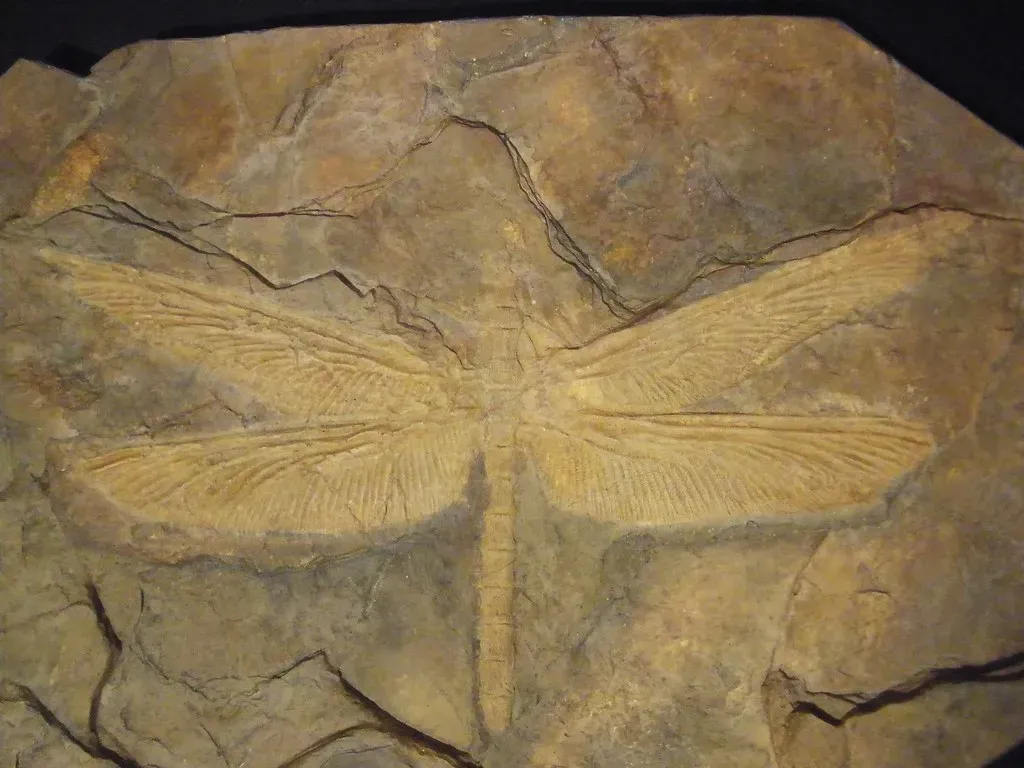
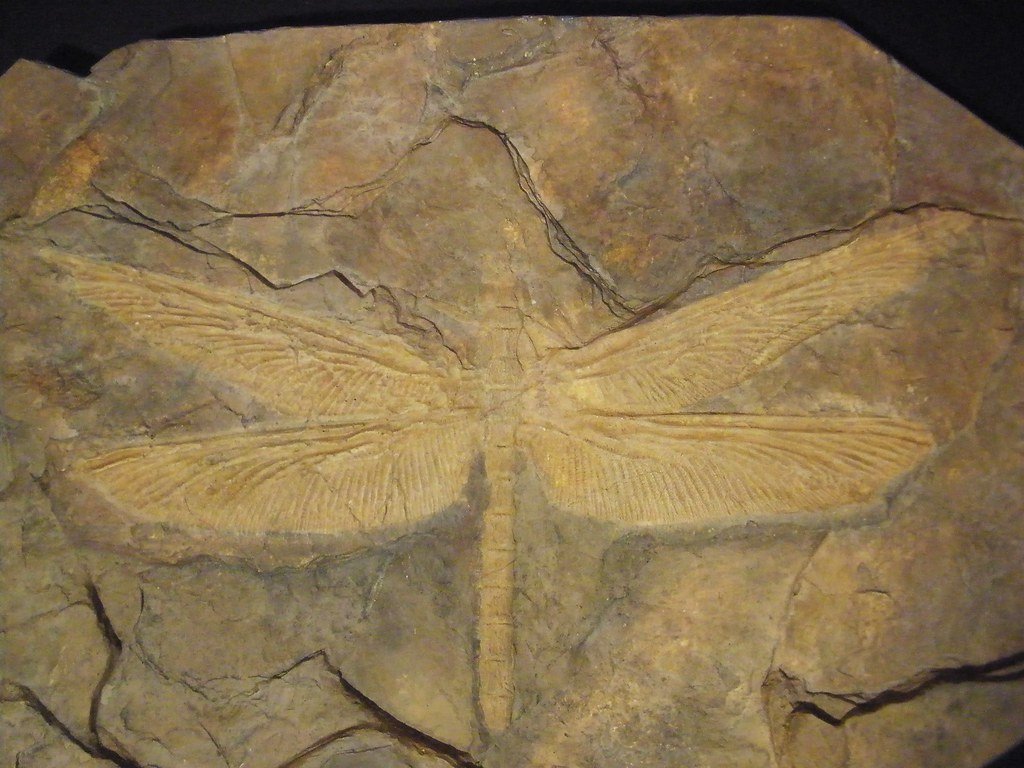
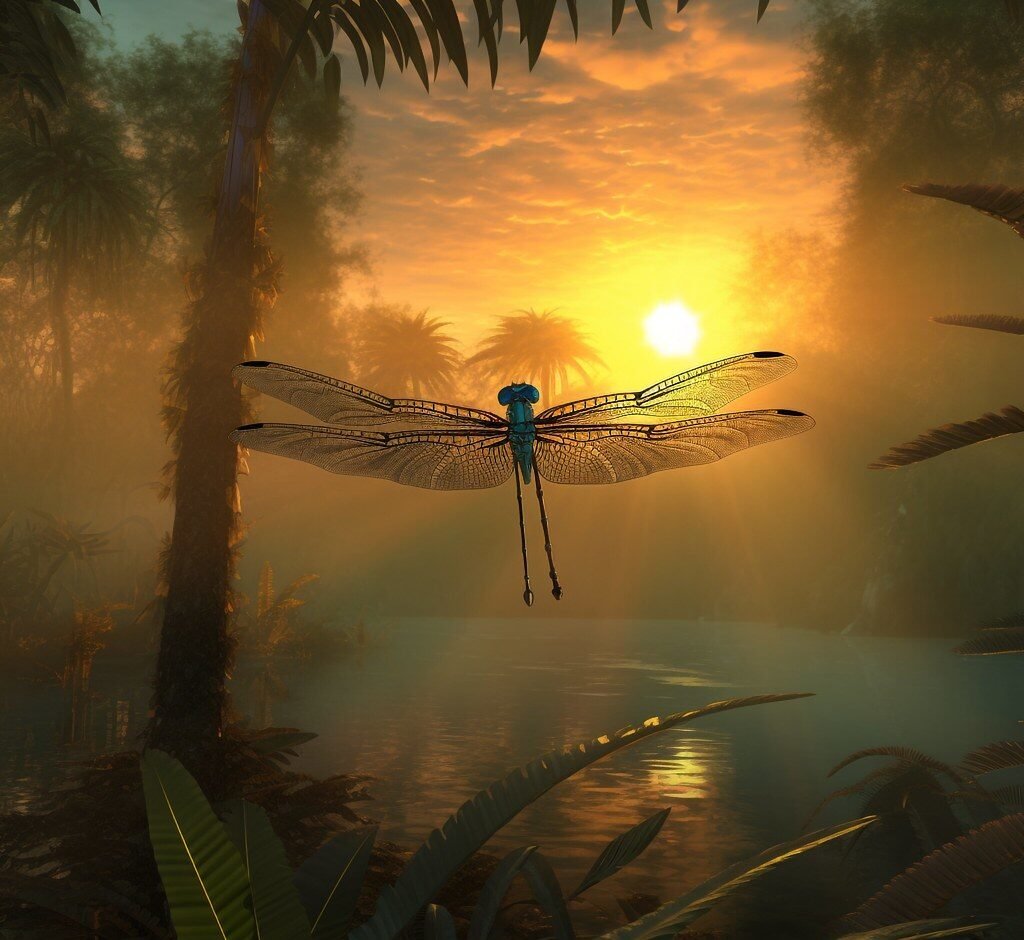
Not all early apex predators had teeth, claws, or massive jaws – some hunted you from the air with delicate wings. Meganeura, which lived in the late Carboniferous period more than three hundred million years ago, was a giant dragonfly‑like insect with a wingspan as wide as a small eagle. If you were there, you’d see these huge insects cruising above swampy forests, scanning for smaller insects the way hawks today scan for rodents.
What allowed Meganeura to grow so big was a combination of high oxygen levels in the atmosphere and the lack of competition from birds, which did not yet exist. To its prey, Meganeura would have been a terror: fast, agile, and perfectly evolved for aerial ambush. Picture sitting in a prehistoric forest, hearing the deep, rattling buzz of those enormous wings overhead – it would feel like sharing the sky with a living drone. In this world, predators didn’t just rule land and sea; they were already turning the air itself into a deadly hunting arena.
Conclusion: A Planet Ruled by Experiments in Power
When you pull back and look at all these ancient predators together, you realize how many different ways nature has tried to build a killer. Armored fish with scissor jaws, buzzsaw‑mouthed sharks, sail‑backed synapsids, giant dragonflies, and titanic sea scorpions all had their moment at the top, long before any dinosaur stomped across a floodplain. Each of them was perfectly tuned to its time, yet none of them were permanent; every dynasty of dominance had an expiration date.
You also see your own story hiding underneath theirs. Some of these lineages, especially the early synapsids, sit on the same branch of the tree of life that eventually produced mammals and, much later, you. So when you imagine these worlds – strange skies, thick air, alien seas – you are not just gawking at monsters. You are watching your planet rehearse, over and over, what it means to be powerful, to adapt, and then to vanish. Knowing that, how different do dinosaurs suddenly feel – and how small do you feel, standing at the very end of this long, brutal line?