If you grew up hearing that North America was mostly empty wilderness before Europeans arrived, the real story is going to surprise you. Long before skyscrapers and interstates, you would have found bustling cities, astronomical observatories, engineered canals, and trade networks that stretched from the Great Lakes to Mexico and the Pacific coast. These were not small, isolated bands; they were complex societies with philosophies, art, science, and politics as intricate as anything you might recognize today.
As you explore seven ancient tribes and cultural traditions here, you are not stepping into a lost world so much as into the deep roots of nations that still exist. Many of the people you meet today across the United States and Canada carry languages, stories, and ceremonies that trace back to the cultures you’re about to read about. Think of this less like visiting a museum of vanished civilizations and more like finally being introduced to the grandparents of your modern neighbors.
The Ancestral Puebloans: Sky Cities of the Four Corners
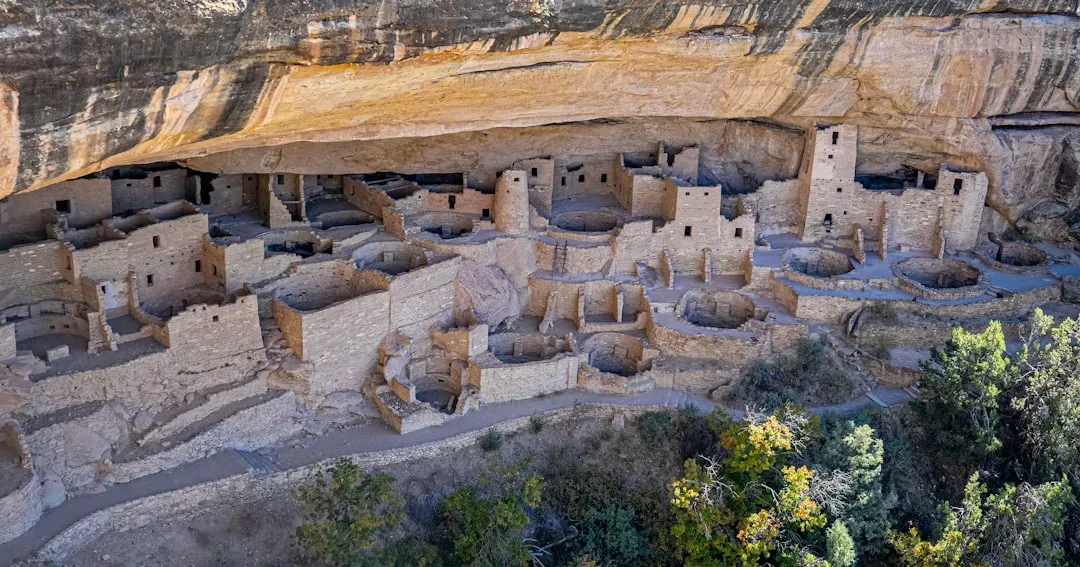
When you picture ancient North America, you might see the cliff dwellings of Mesa Verde or the great houses of Chaco Canyon clinging to stone like something out of a fantasy novel. Those places come from the world of the Ancestral Puebloans, whose communities once spread across what is now the Four Corners region: parts of Colorado, New Mexico, Arizona, and Utah. You would have walked among multi-story masonry buildings with hundreds of rooms, plazas for gatherings, and kivas – ceremonial spaces sunk into the ground – carefully aligned with the sun and stars. ([en.wikipedia.org](https://en.wikipedia.org/wiki/Ancestral_Puebloans?utm_source=openai))
If you had visited Chaco Canyon at its height, you would have crossed wide roads radiating out across the high desert, linking dozens of communities in a kind of stone-and-earth web. Archaeologists have found items like macaw feathers from the tropics, shells from the Pacific and Gulf coasts, and copper bells from farther south, so you know these people were tapped into vast trade networks. ([en.wikipedia.org](https://en.wikipedia.org/wiki/Ancestral_Puebloans?utm_source=openai)) You can still feel the intentionality in the way their buildings frame solstices and equinoxes; it tells you that time, ceremony, and place were woven together, not separated into different boxes like in modern life.
The Mississippian Mound Builders: America’s First Great Cities
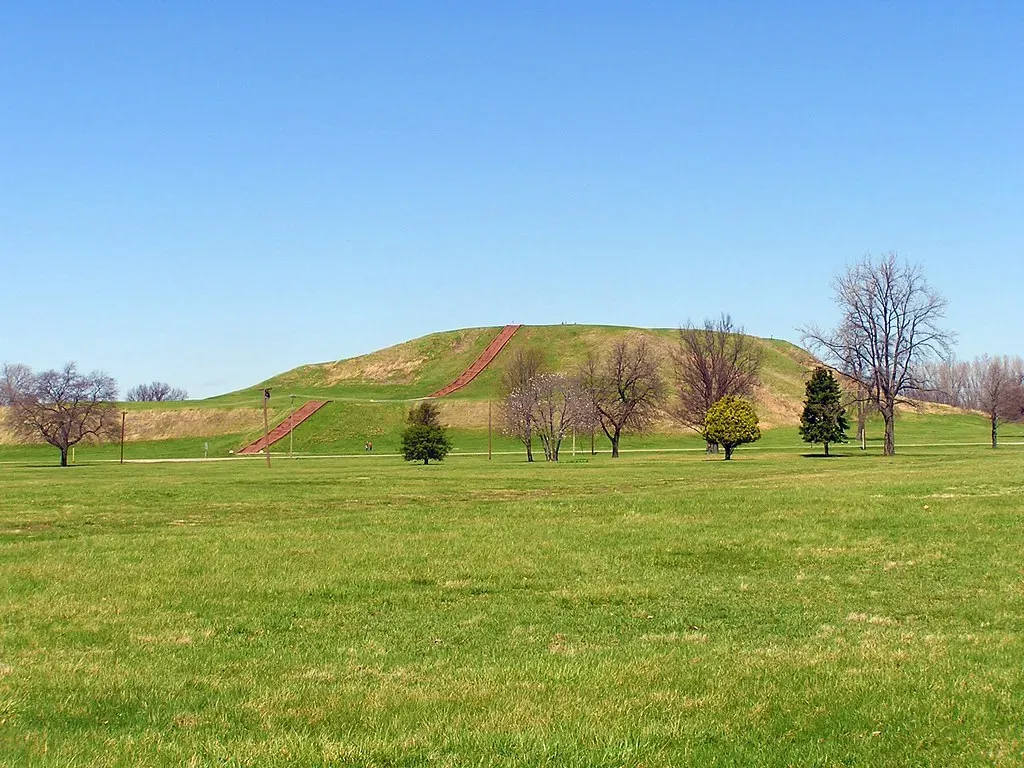
If you think cities in North America begin with places like Boston or New York, you’re missing an entire chapter. Around the Mississippi and Ohio River valleys, the Mississippian culture built large, organized towns and cities centered on flat-topped earthen pyramids and broad plazas. At its peak, the city of Cahokia – near present-day St. Louis – may have had as many as tens of thousands of residents, making it the largest urban center north of Mexico during its time. ([britannica.com](https://www.britannica.com/place/Cahokia-Mounds?utm_source=openai)) Walking into Cahokia around the year 1100, you would have seen a dense landscape of mounds, wooden palisades, and neighborhoods laid out with clear planning.
The Mississippian world stretched across much of what is now the southeastern and central United States, with cities and chiefdoms in places like present-day Illinois, Alabama, Arkansas, and beyond. ([mytext.cnm.edu](https://mytext.cnm.edu/lesson/chapter-9-moundbuilders/?utm_source=openai)) Leaders and spiritual specialists likely lived and worked atop the largest platform mounds, while ceremonies and public events filled the plazas below. Farming – especially maize agriculture – underpinned these societies, but so did elaborate religious iconography, engraved copper plates, and fine pottery. When you see those mounds today, you are really looking at the foundations of America’s first major city-states, not some mysterious ruins from an unrelated people.
The Hopewell Tradition: Architects of Earth and Sky
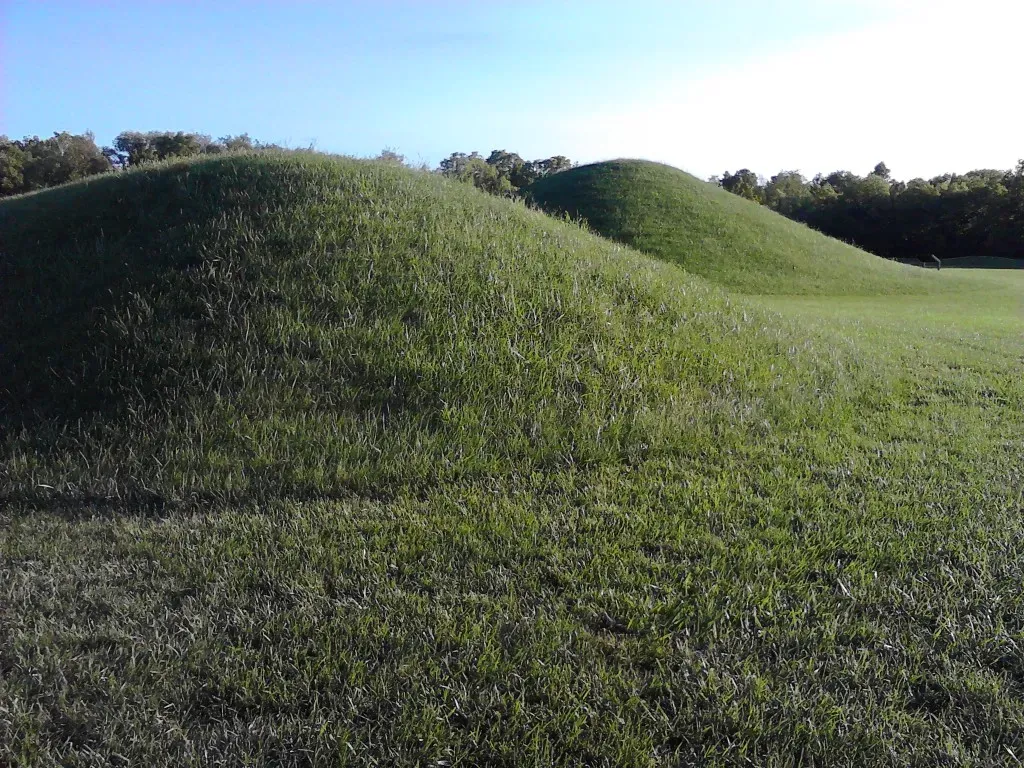
If you could fly over the Ohio and Illinois river valleys two thousand years ago, you would have seen something astonishing: geometric earthworks the size of many city blocks, some laid out in precise circles, squares, and octagons. These monumental designs belong to what archaeologists call the Hopewell tradition, a network of societies that flourished roughly from the last century BCE through several centuries CE. ([en.wikipedia.org](https://en.wikipedia.org/wiki/Hopewell_tradition?utm_source=openai)) You would have walked among mounds used for burials and ceremonies, surrounded by embankments that seem to track lunar cycles and cardinal directions with a level of precision that rivals many later observatories.
The Hopewell world was less a single tribe and more a cultural network, tied together through shared artistic styles, rituals, and long-distance exchange. If you stepped inside a Hopewell burial mound, you might find finely crafted pipes, mica cutouts, obsidian from the Rocky Mountains, copper from the Great Lakes, and shells from the coasts, all brought together in carefully arranged offerings. ([en.wikipedia.org](https://en.wikipedia.org/wiki/Hopewell_tradition?utm_source=openai)) You can think of Hopewell like a spiritual and commercial web spread along river highways, where ideas, stories, and sacred objects moved as freely as goods. When you look at modern Indigenous nations of the region, you are seeing descendants of people who once helped build and maintain that web.
The Hohokam: Engineers of the Desert
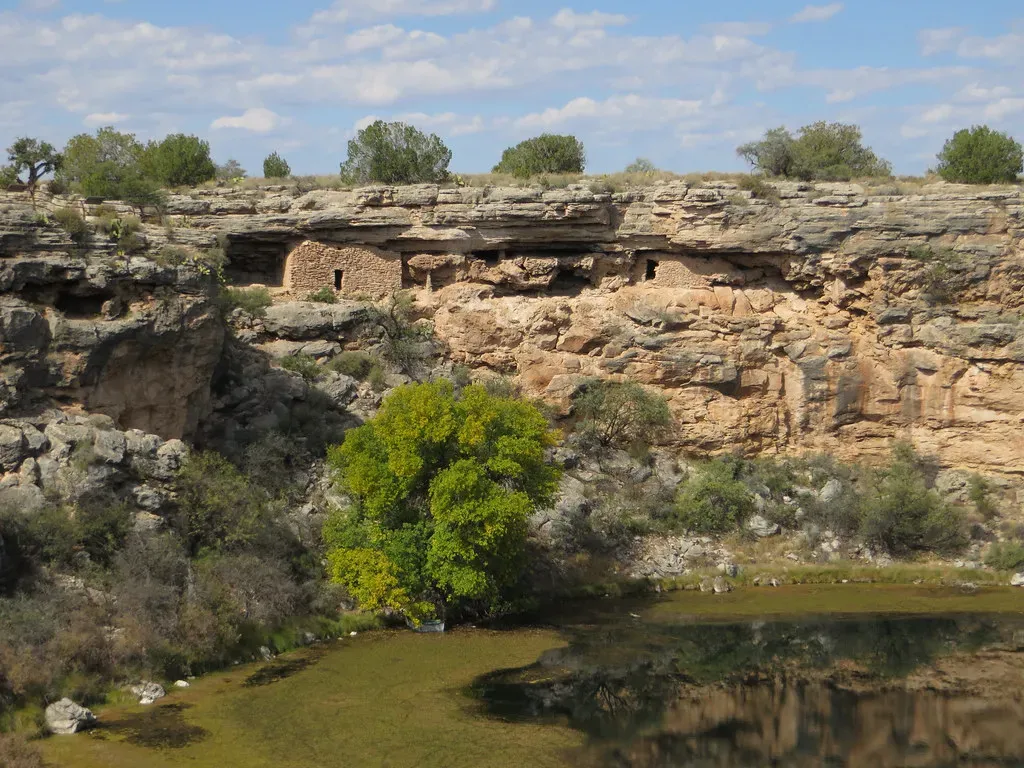
If someone dropped you into the Sonoran Desert a thousand years ago and told you to feed a large community there, you might panic. The Hohokam did the opposite of panicking: they dug in – literally – and turned the dry land into an irrigated mosaic of fields. In what is now central Arizona, around the Salt and Gila rivers, they built a canal system that modern engineers still marvel at. Some of those canals ran for many miles, feeding water to well over one hundred thousand acres of otherwise arid land and forming the largest precontact irrigation network in what is now the United States. ([asce.org](https://www.asce.org/about-civil-engineering/history-and-heritage/historic-landmarks/hohokam-canal-system?utm_source=openai))
When you walk through modern Phoenix, parts of the city’s water system still follow courses first carved out by Hohokam engineers. In Hohokam villages, you would have seen platform mounds, ballcourts, and neighborhoods arranged along these life-giving waterways. ([arizonaruins.com](https://www.arizonaruins.com/articles/hohokam/hohokam.html?utm_source=openai)) Their pottery styles, shell jewelry, and trade links connect them to a wider world stretching down into modern Mexico, showing you that the desert was not a barrier but a corridor. Imagining their communities helps you see the Southwest differently: not as empty badlands dotted with cactus, but as a carefully managed landscape tuned to rainfall, river flow, and the rhythms of the seasons.
The Adena and Early Mound Builders: Circles of Earth and Memory
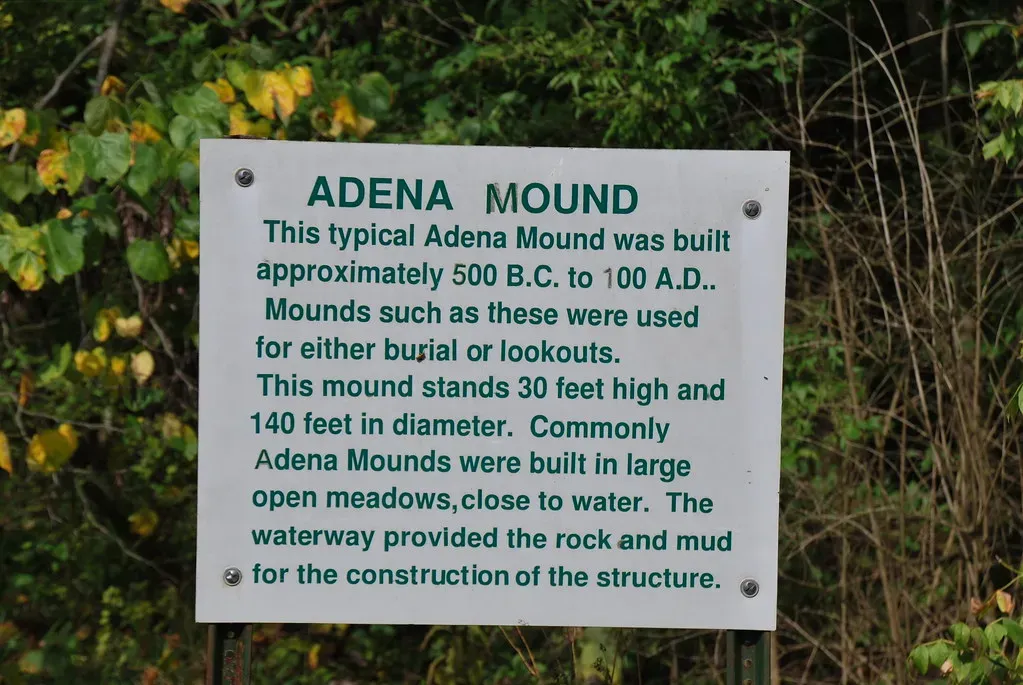
Before the Mississippian cities rose, you would already have found people in the Ohio Valley shaping the land into sacred forms. Among the earliest well-known mound-building cultures in this region are those archaeologists call Adena, active many centuries before the common era and into the early first millennium CE. They built conical mounds, some of them quite large, that often served as burial places layered over time, with new structures added as generations passed. ([mvd.usace.army.mil](https://www.mvd.usace.army.mil/Portals/52/docs/regional_flood_risk_management/our_mississippi/EdGuide/OurMissEdGuideUpperMiss.pdf?utm_source=openai)) When you stand at the base of one of these mounds, you are not just looking at a single event, but at the accumulated grief, respect, and memory of many lives.
The Adena and related early mound builders also created circular enclosures and earthworks that seem to mark out social or ceremonial spaces. Even though you lack a written record from them, the careful geometry and repeated patterns tell you these were not random piles of dirt. Later cultures, including Hopewell and Mississippian peoples, would continue and transform the mound-building tradition, but you can trace some of that architectural DNA back to these early earth circles and conical mounds. ([mytext.cnm.edu](https://mytext.cnm.edu/lesson/chapter-9-moundbuilders/?utm_source=openai)) When you see the long continuity of building in earth, you start to understand that the land itself is part of the archive of Indigenous history, as important as any text.
The Ancestors of the Haudenosaunee (Iroquois): Longhouses and League Building
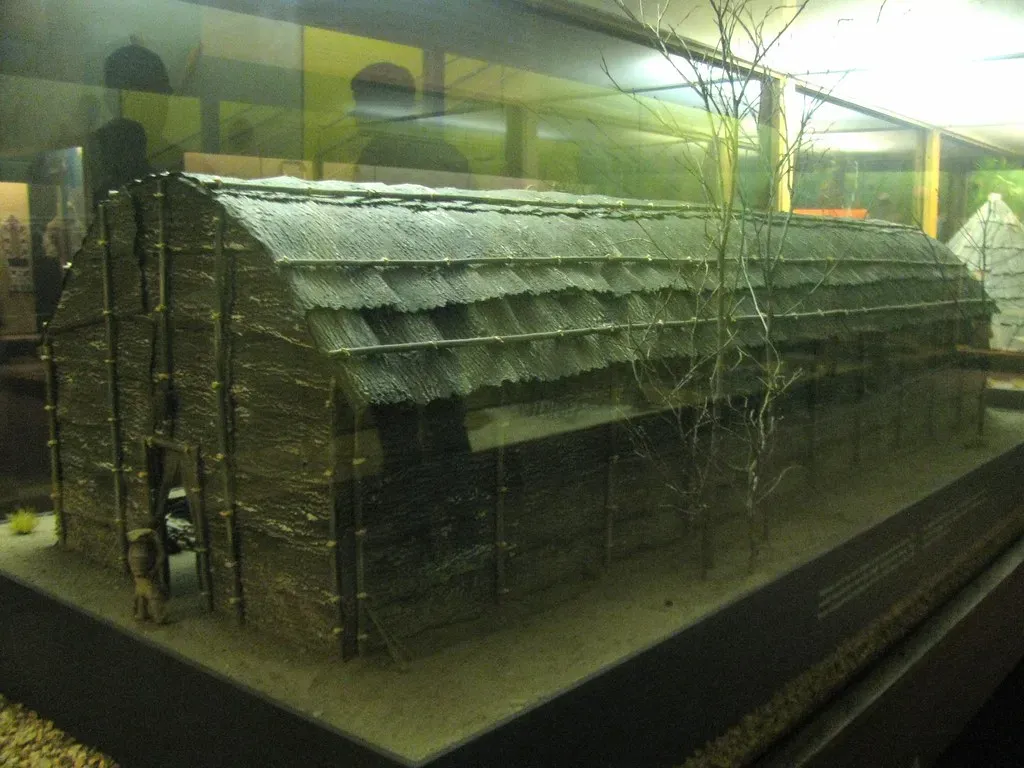
When you hear the name Haudenosaunee – or Iroquois, as they are often called in English – you might think of the powerful confederacy that shaped early colonial history in the Northeast. The roots of that political sophistication stretch back into precontact times among their ancestral communities in what is now New York, Pennsylvania, and nearby regions. If you visited one of their villages centuries ago, you would have seen longhouses made of wood and bark, each sheltering multiple related families, arranged within fortified palisades. These settlements often sat on defensible high ground, with fields of corn, beans, and squash spread out around them.
Even before the famous confederacy formed, the social structure you would have encountered – clan systems, matrilineal kinship, and a strong tradition of oratory and council decision-making – laid the groundwork for sophisticated diplomacy. Later, the Haudenosaunee League brought together several nations under a shared Great Law of Peace, influencing both neighboring Indigenous nations and, eventually, some ideas that show up in United States political thought. When you imagine their ancestors in the centuries before European contact, you can see them not as isolated forest bands, but as people already experimenting with federal-style politics, regional alliances, and shared law carried in spoken form rather than carved in stone.
The Ancestors of the Inuit: Masters of Arctic Innovation
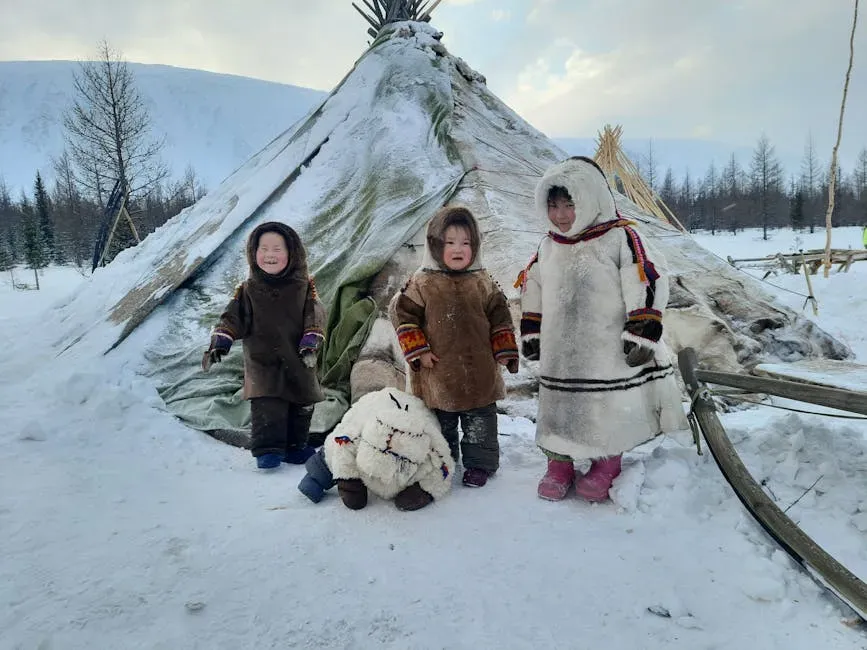
If you were to head far north, beyond the tree line into lands of ice, tundra, and long winters, you might assume that complex societies could never thrive there. The ancestors of today’s Inuit would prove you wrong. In the Arctic regions of what is now Alaska, northern Canada, and Greenland, they developed technologies and knowledge systems tuned perfectly to their environment. You would have seen skin boats tough enough for open water, sleds adapted for frozen ground, and specialized tools for hunting marine mammals and fish, all designed with a balance of strength and lightness that modern engineers would appreciate.
Seasonal movement was central: you would have watched families shift between winter houses and summer camps, tracking animal migrations and sea ice patterns the way people elsewhere track traffic or stock markets. Clothing made from carefully prepared animal skins could keep you warm in conditions that would quickly kill someone dressed in modern streetwear. The oral knowledge required to travel safely – navigating by snowdrift shapes, stars, and wind – might look informal from the outside, but it functions as a deeply tested science of survival. When you realize this, you stop seeing the Arctic as empty and start seeing it as a sophisticated, living laboratory of human adaptability.
How You Carry These Stories Forward
As you move through these seven worlds – from cliff palaces to earthen pyramids, from desert canals to Arctic sea ice – you start to feel how incomplete the usual timelines of American history really are. You are not looking at footnotes to a European story; you are looking at parallel civilizations, each with its own way of understanding power, the sacred, the environment, and community. Once you see that North America had cities like Cahokia, observatories in earth and stone, and engineering feats like Hohokam canals, it becomes hard to accept the old myth of “empty land” ever again. These cultures show you that there were many ways to build a complex society long before industrialization. ([britannica.com](https://www.britannica.com/place/Cahokia-Mounds?utm_source=openai))
If you are like me, learning about these histories can feel both inspiring and a little unsettling, because it forces you to question what you were taught and what your maps left out. But that discomfort is also an invitation: you can start seeking out Indigenous-led museums, community projects, and writings that reconnect these ancient cultures with the living nations that descend from them today. You do not have to be an archaeologist to honor this history; you just have to remember that the ground beneath your feet holds stories far older than any modern boundary line. Next time you cross a river valley, pass a lonely hill, or look up at the night sky, will you wonder who was reading that same landscape a thousand years before you – and how they might help you read it better now?