You probably grew up thinking of dinosaurs as monsters stomping around some lost world that has nothing to do with your life today. But here’s the wild twist: the ground you walk on, the coastlines you visit, even the mountain ranges you see on postcards, all carry the fingerprints of dinosaur time. When you zoom out far enough, you start to realize you are living in the aftershock of their age.
During the time dinosaurs ruled the planet, the continents were not fixed, familiar pieces of a world map. They were drifting, colliding, splitting apart, and reshaping oceans and climates in ways that set up the modern Earth you know. If you could peel back the layers of rock beneath your feet, you’d see that dinosaur fossils are woven into the story of how today’s continents came to be, like bookmarks left in a very long, very dramatic book.
When Dinosaurs First Walked, There Was Almost Only One Continent
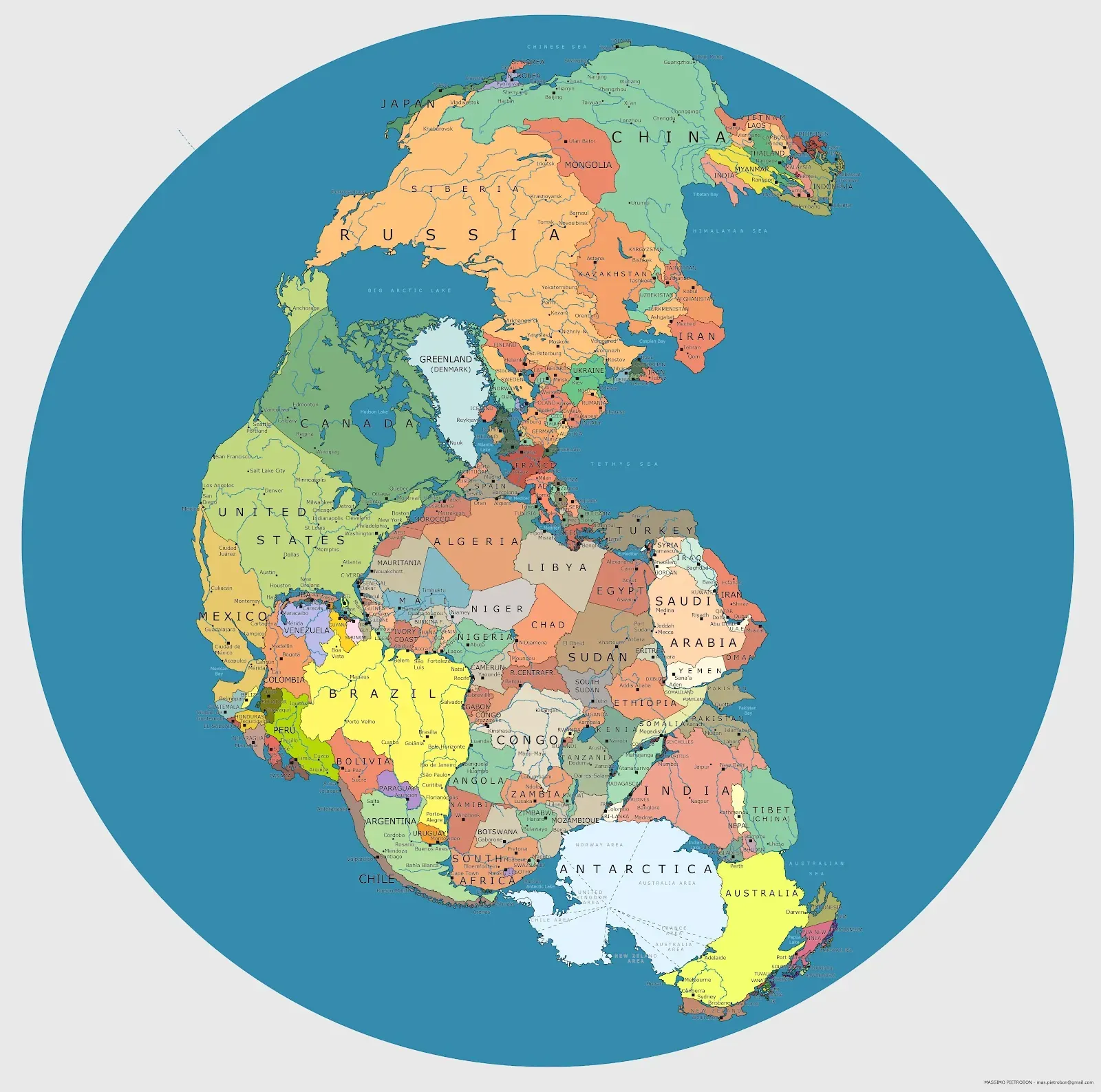
Imagine looking at a globe and seeing nearly all the land fused into one enormous supercontinent: that was your planet around the dawn of the dinosaurs. You often hear the name Pangaea for this giant landmass, stretching from pole to pole, surrounded by a vast global ocean. When early dinosaurs started appearing, they did not think of “South America” or “Africa” or “Europe” – those did not exist yet as separate places.
If you could stand there with them, you could theoretically walk from what would become New York all the way to what would become Morocco without ever touching a boat. The climate across this supercontinent was extreme, with harsh interiors far from the ocean, and dinosaur evolution responded to these sweeping, connected environments. The fact that everything was joined meant that when dinosaurs spread, they helped leave matching fossil clues on lands that are now oceans apart, giving you a way to reconstruct where the continents once touched.
The Breaking of Pangaea: How Dinosaurs Lived Through a Planet-Sized Divorce
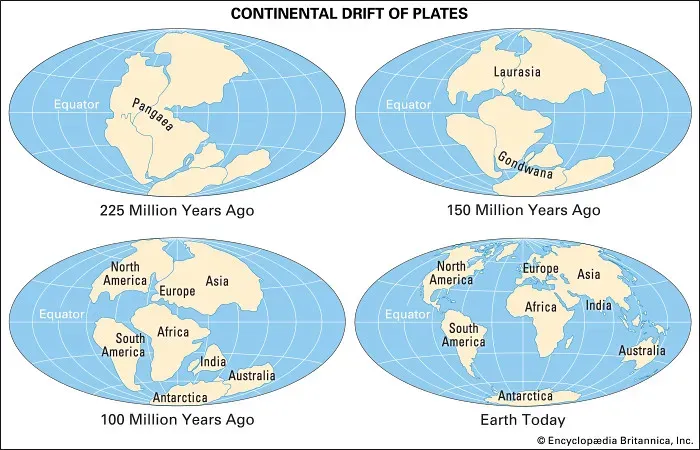
Over millions of years, Pangaea began to tear itself apart, and dinosaurs were right there while it happened. You can picture it as a slow-motion continental breakup, with deep cracks opening in the crust, volcanoes erupting along rift zones, and new ocean basins starting to form. You live in the aftermath of that breakup, but the dinosaurs actually experienced it in real time, generation after generation adjusting to shifting landscapes and fresh coastlines.
As Pangaea split into northern and southern chunks, and then into the familiar continents you recognize today, populations of dinosaurs became isolated from each other. That isolation mattered, because when groups get separated by new oceans or mountain chains, they start evolving differently. When you see similar but not identical dinosaur groups in different modern continents, you are really looking at the biological side of that gigantic geological divorce. Their bones let you trace how landmasses drifted apart like rafts on a very slow-moving sea of rock.
Fossils as Breadcrumbs: How You Reconstruct Lost Continental Connections
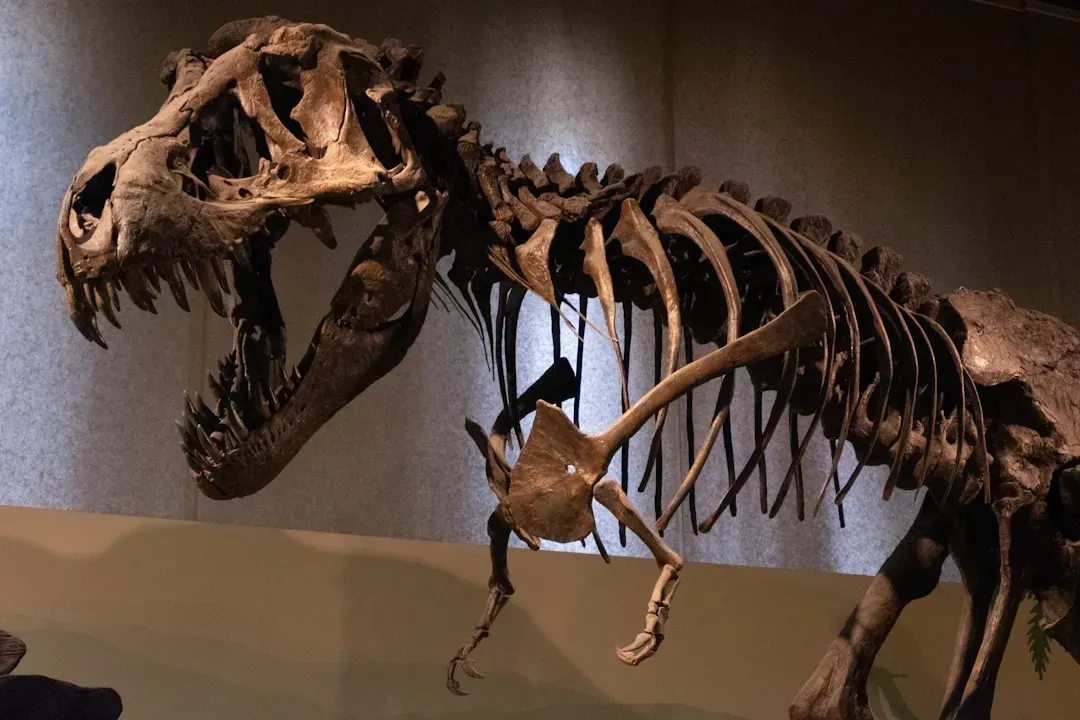
If you want to know where continents once fit together, you do not just stare at satellite photos and guess; you follow the fossils. When you find the remains of the same or closely related dinosaur species in what is now South America and Africa, you are seeing proof that those places were once much closer, even physically attached. You are basically using dinosaur bones as travel stamps in Earth’s ancient passport, telling you which landmasses used to share ecosystems.
This is why similar dinosaur lineages scattered across today’s far-flung continents are such powerful evidence for continental drift. You can hold a fossil in your hand that says, in effect, these two continents were once neighbors, no matter how wide the Atlantic looks now. In that sense, dinosaurs indirectly shaped your modern world map because their bodies preserved the record you use to piece it together. Without those fossils, your understanding of how continents moved would be far blurrier and much harder to test.
Dinosaurs and the Birth of the Atlantic and Indian Oceans
When you stand on a beach staring across the Atlantic, you are looking at an ocean that began opening while dinosaurs still roamed the forests behind you. As Pangaea cracked, huge rift valleys formed and slowly flooded, giving rise to the young Atlantic that kept widening for the rest of the dinosaur age. You can find dinosaur-bearing rocks along many Atlantic margins, like pieces of a puzzle that once locked together before the water rushed in.
The same story plays out with the Indian Ocean, which opened as the southern continents reshuffled themselves. As India peeled away and raced northward, the region between Africa, India, and Antarctica evolved into a new ocean basin. Dinosaur fossils across these spreading margins let you see how animal communities were rearranged by this steady widening of water. In a very real way, the oceans that shape your climate, trade routes, and coastlines today were partly sculpted during the dinosaur era, while those animals left their remains in the rising and falling sediments around them.
Rising Mountains: How Dinosaur-Era Collisions Built the Future Landscape
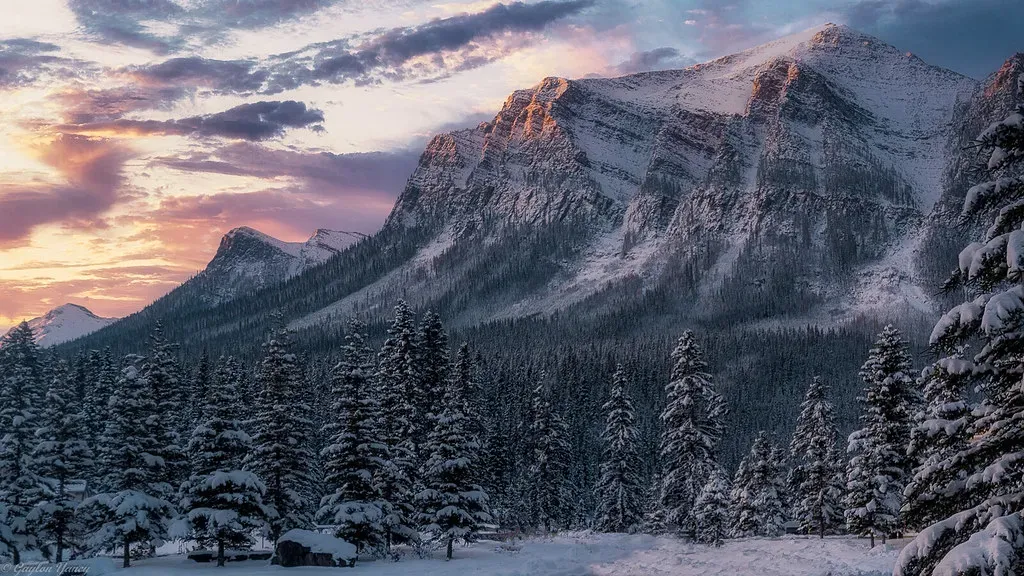
You might think of the dinosaur age as endless flat plains, but some of the mountain-building that defines your continents began during or around their time. When chunks of the supercontinent started colliding again or scrunching up at their edges, long belts of rock were folded, lifted, and stacked into ranges. These early stages of uplift created highlands and basins that guided where rivers flowed, where sediments were dumped, and where dinosaurs actually lived and died.
Those mountains and basins mattered because they influenced where your future coal, oil, and gas would be buried, where fertile valleys would eventually form, and how climates would be distributed across continents. Dinosaurs often lived in the lowlands near these uplifted belts, and their remains washed into nearby lakes, floodplains, and deltas. When you hike across an ancient mountain region today and find dinosaur fossils in its surrounding rocks, you are seeing how tectonic collisions during their time helped sketch out the frameworks of entire continental interiors.
Climate Highways: How Shifting Continents Steered Dinosaur Worlds
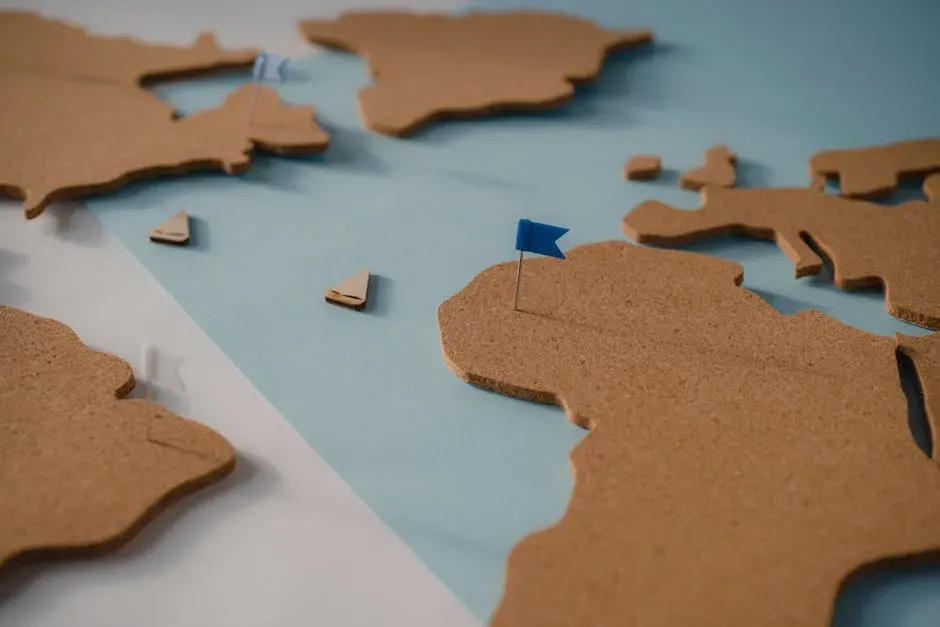
As continents drifted, they did not just redraw coastlines; they rearranged wind and ocean currents that control climate. For dinosaurs, this meant that habitats kept changing as land moved closer to or farther from the poles, and as new seaways opened or closed. For you, those ancient movements locked in patterns that still affect rainfall belts, storm tracks, and the boundaries between deserts and forests on your current continents.
When a continent slid over a warm equatorial zone, it offered lush environments where dinosaurs thrived; when it wandered toward higher latitudes, cooler and more seasonal climates took over. In many places, the dinosaur-era climate history is recorded in sediments and fossil plants alongside the dinosaur bones themselves. By reading those layers, you are really learning how the dance of continents arranged the climate zones your own societies now live in, from temperate plains to subtropical coasts.
Mass Extinctions, Empty Niches, and How Mammals (and You) Took Over
At the very end of the dinosaur age, a huge asteroid impact and intense volcanism finished off most dinosaur groups, but they did not act on an empty stage. The continents were already spread out in a pattern you would recognize: North America, South America, Africa, Eurasia, and others sitting close to their current spots. When dinosaurs vanished, the landmasses were set, more or less, for the rise of mammals and eventually you.
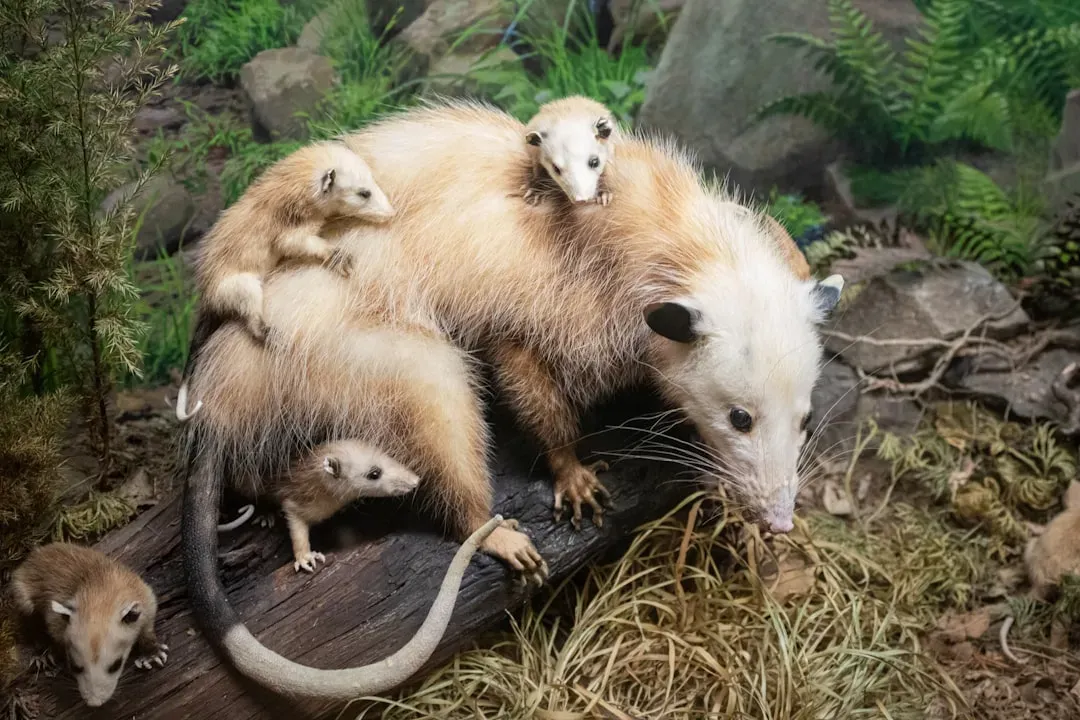
Because the continents were separated, different mammal lineages evolved in parallel on each one, shaped by the geography dinosaurs helped mark out. The extinction cleared ecological space on these familiar-looking continents, and mammals rushed in to fill niches that dinosaurs had held for millions of years. You walk on continents whose positions and landscapes were stabilized during and just after dinosaur times, and the evolutionary story of your own species unfolded on that fixed stage. In a sense, dinosaurs helped prepare the layout, and their dramatic exit opened the doors for your eventual arrival.
Reading the Rocks Beneath Your Feet: How You Still Live in Dinosaur Country
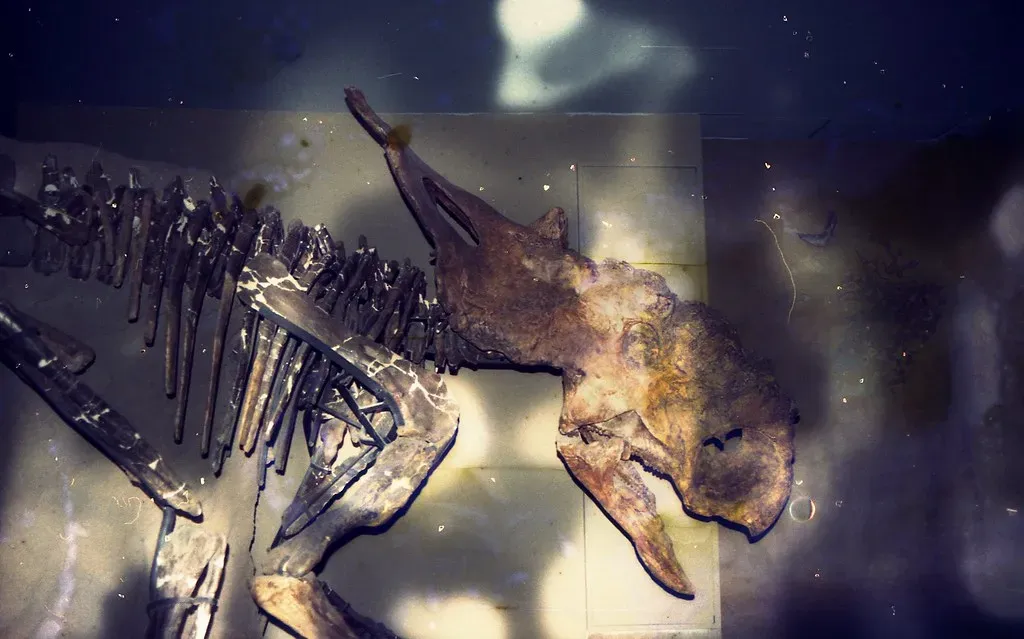
When you drive across a desert, stroll along a rocky coastline, or look up at cliffs from a highway, you are often seeing rock layers laid down in the age of dinosaurs. Those rocks may once have been river deltas, shallow seas, or swampy plains on a drifting continent, and many still preserve the fossils of the animals that lived there. You might not see a skeleton sticking out of every outcrop, but the very arrangement of those layers tells you how a continent was moving and changing while dinosaurs walked above.
In many regions, dinosaur-bearing rocks are the same layers that now host your groundwater, your building stone, or your energy resources. When engineers drill, when miners dig, when farmers manage soils, they are interacting with geology that took shape under dinosaur-era climates and sea levels. You are not just living on top of their world; you are still using the physical leftovers of it every single day, often without realizing it.
Conclusion: You’re a Citizen of a World Dinosaurs Helped Define
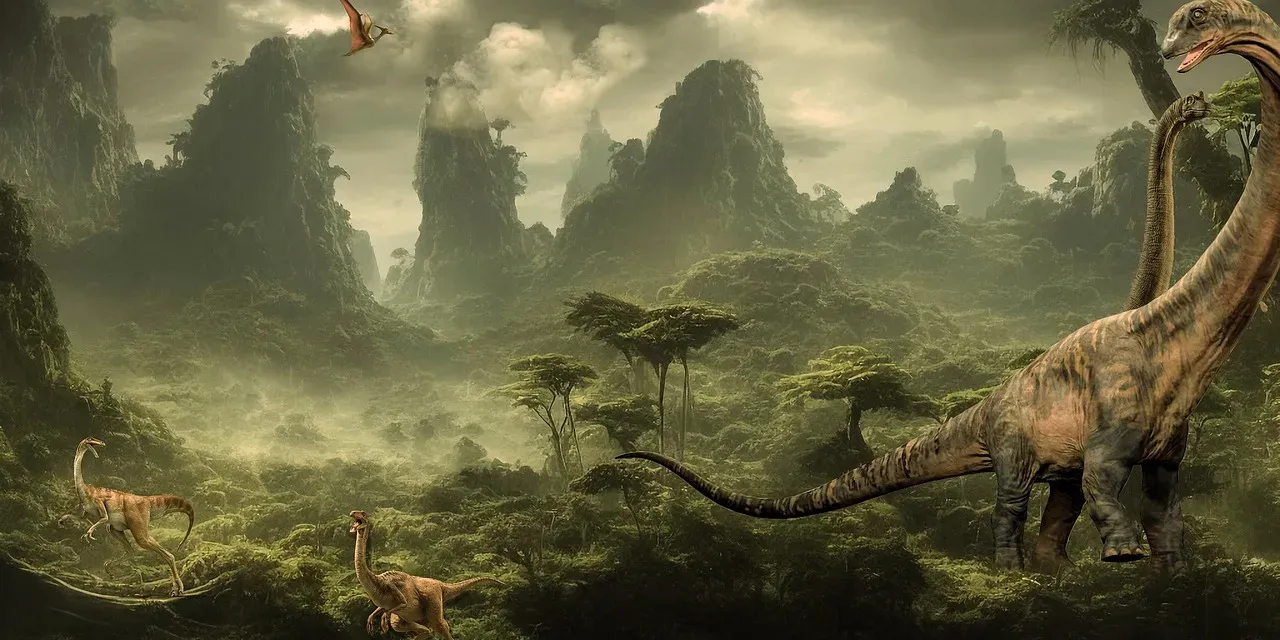
When you put the pieces together, dinosaurs did not literally push continents around, but their entire history is intertwined with the deep forces that did. They walked on Pangaea as it splintered, left fossils as the Atlantic and Indian Oceans opened, and lived through the formation of mountain belts and inland seas. Their remains became the clues you now use to rebuild where the continents used to sit, like snapshots taken during a planetary road trip.
Every time you look at a world map, you are seeing a final frame in a movie that played out while dinosaurs lived, evolved, and finally disappeared. You inherited their rearranged continents, their reworked climates, and the ecological openings that followed their extinction. The story is not just about creatures long gone; it is about the planet you wake up on every morning. Now that you know how closely your world is tied to theirs, can you look at your own continent the same way again?