Most of us picture dinosaurs as roaring, stomping behemoths crashing blindly through Jurassic forests. You probably imagine some giant lizard that could barely see past its own nose. Honestly, that picture could not be further from the truth. Modern paleontology, armed with CT scanners and cutting-edge brain mapping, has completely rewritten what you thought you knew about how dinosaurs experienced their world.
These ancient creatures were not the dull, dim-witted giants of old science textbooks. They smelled, heard, felt, and saw in ways that would genuinely surprise you. Some sensory capabilities rivaled or even surpassed what the most impressive animals alive today can do. So strap in, because what you are about to discover is nothing short of astonishing. Let’s dive in.
1. Dinosaur Vision Was Far More Colorful Than Yours
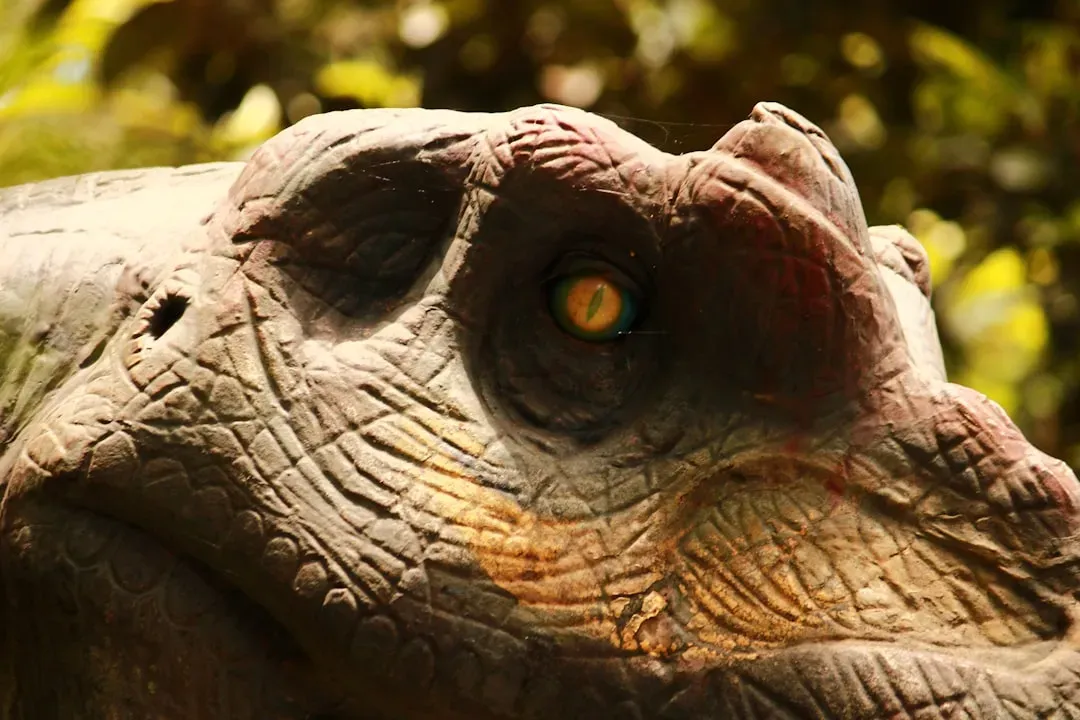
Here is a fact that will make you rethink every dinosaur documentary you have ever watched. Dinosaurs probably possessed tetrachromatic vision, meaning they had four types of cone cells in their eyes for receiving light, compared to the three types of cone cells in human eyes. This allowed them to see a greater range of colors than humans, and they could likely see ultraviolet light. Think about that for a moment. The world you see right now would look positively washed out compared to what a dinosaur experienced.
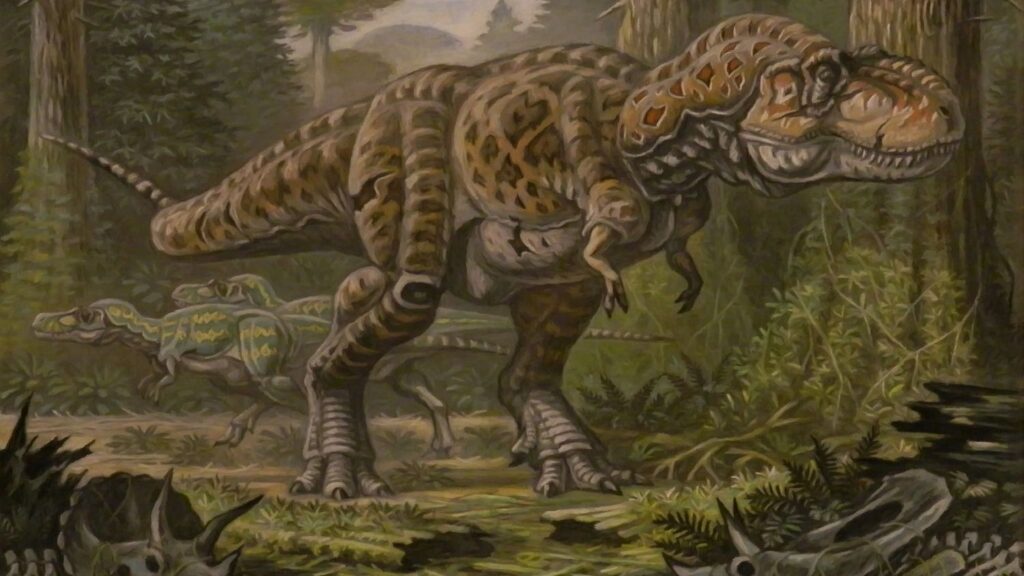
Since birds and crocodiles, the closest living relatives of tyrannosaurs, can see ultraviolet light in addition to the colors seen by humans, scientists think it is likely that T. rex could see an expanded spectrum of color. Predators with this ability could be more effective at tracking their prey through the thick camouflage of a dense forest. In other words, what appeared to be a perfectly hidden herbivore behind some ferns might have lit up like a neon sign to a hunting tyrannosaur. Evolution truly gave these predators an unfair advantage.
2. T. rex Had Eyes the Size of Oranges and Binocular Vision Like a Hawk
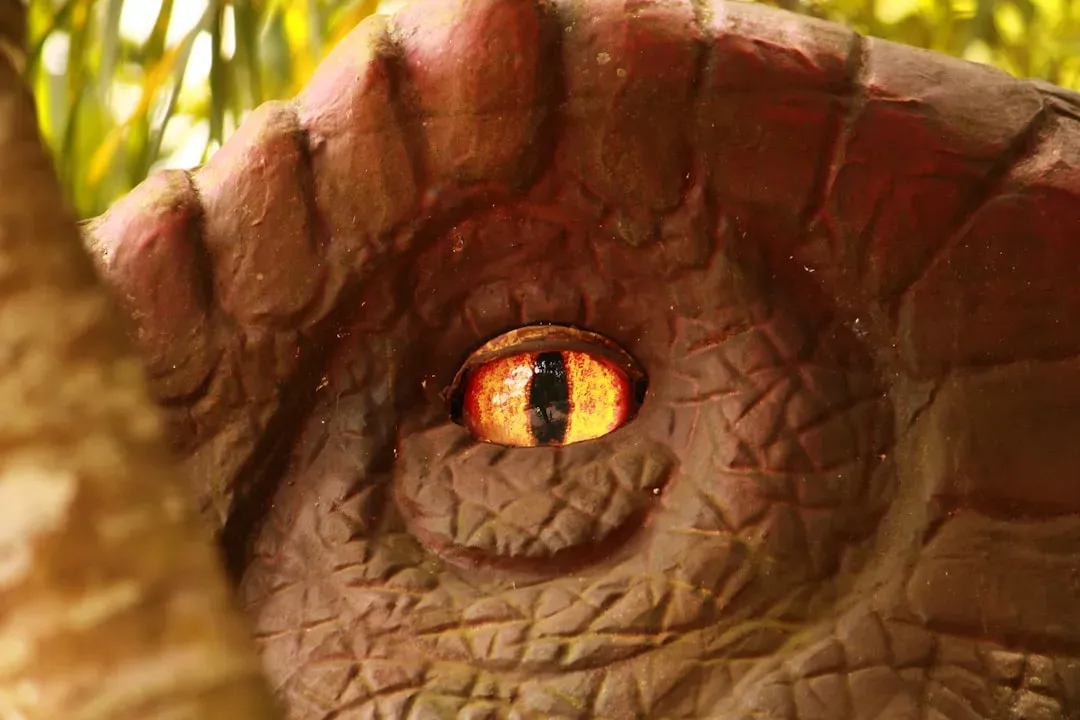
You might assume that a T. rex was mostly teeth and aggression, with vision as an afterthought. An adult T. rex had eyes the size of oranges, the largest of any land animal. As is common in predators, including raptors like hawks and eagles, the eyes of T. rex faced forward. They were also set wide apart, giving T. rex excellent depth perception to aid in pursuit of prey. Depth perception is everything when you are ambushing something at full charge.
Deinonychosaurs such as Troodon and Velociraptor were probably even more adept at identifying their prey. With their heads slightly tilted forward, they had wider fields of vision and enhanced depth perception potentially rivaling that of owls. Raptors rivaling owls in visual precision? That is not a sentence you expected to read today. It completely reframes just how formidable these smaller predatory dinosaurs truly were.
3. Some Dinosaurs Could Hear Sounds You Cannot Even Detect
Fossil records of the large bones in the dinosaurs’ ears compared with corresponding bones in human ears suggest they were able to hear lower frequencies than humans. That is not just a minor difference, either. Low-frequency sounds travel far greater distances than high-pitched ones, which means some dinosaurs could have been communicating across vast stretches of prehistoric landscape. Imagine a deep, rumbling call spreading for miles through a Cretaceous forest. Eerie, right?
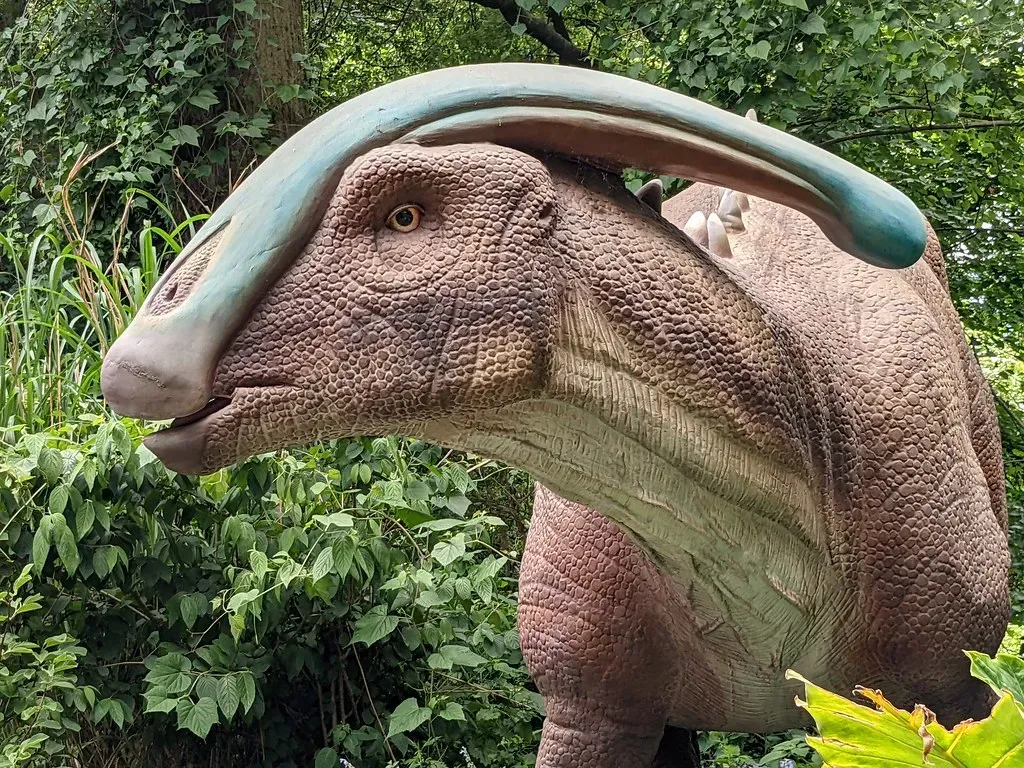
Some duck-billed dinosaurs, called hadrosaurs, had elaborate crests that contained long and resonant extensions of the breathing tracts. Those crests are naturally resonant and could easily produce low-frequency sounds. The internal anatomy of the Parasaurolophus crest was very similar to a woodwind instrument called the crumhorn, and researchers proposed that adult Parasaurolophus communicated over long distances through low-frequency sounds. Essentially, some dinosaurs had built-in musical instruments on top of their heads. That is one of the most wild evolutionary facts in all of paleontology.
4. The Sense of Smell in Dinosaurs Was Surprisingly Powerful and Varied
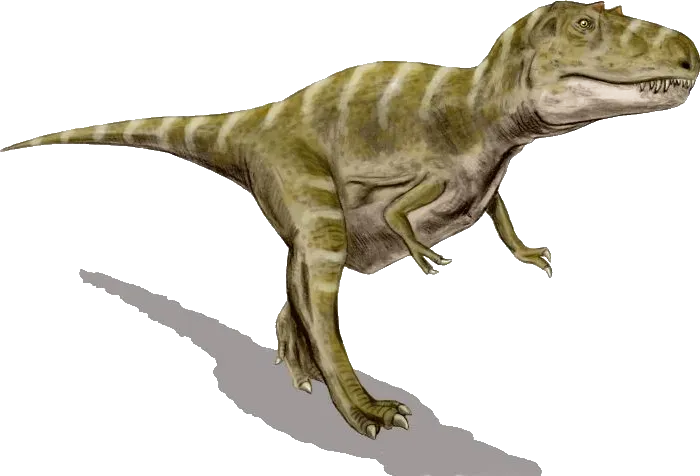
T. rex brains show unusually large olfactory regions for a dinosaur, indicating the species had an exceptionally keen sense of smell. Scientists discovered this by mapping the brain architecture from fossil evidence and comparing it to living relatives. It is a bit like finding a fingerprint at a crime scene, except the crime happened roughly 66 million years ago.
The olfactory bulbs, the regions of the brain that process smell, were very well developed in the small herbivore Thescelosaurus. They were relatively larger than those of any other dinosaur known so far, and similar to those of living alligators, which can smell a drop of blood from miles away. Thescelosaurus may have used its similarly powerful sense of smell to find buried plant foods like roots and tubers. A plant-eating dinosaur with a nose more powerful than a T. rex? Sometimes the facts are just plain stranger than fiction.
5. Dinosaur Smell Actually Evolved Stronger Over Time, Not Weaker
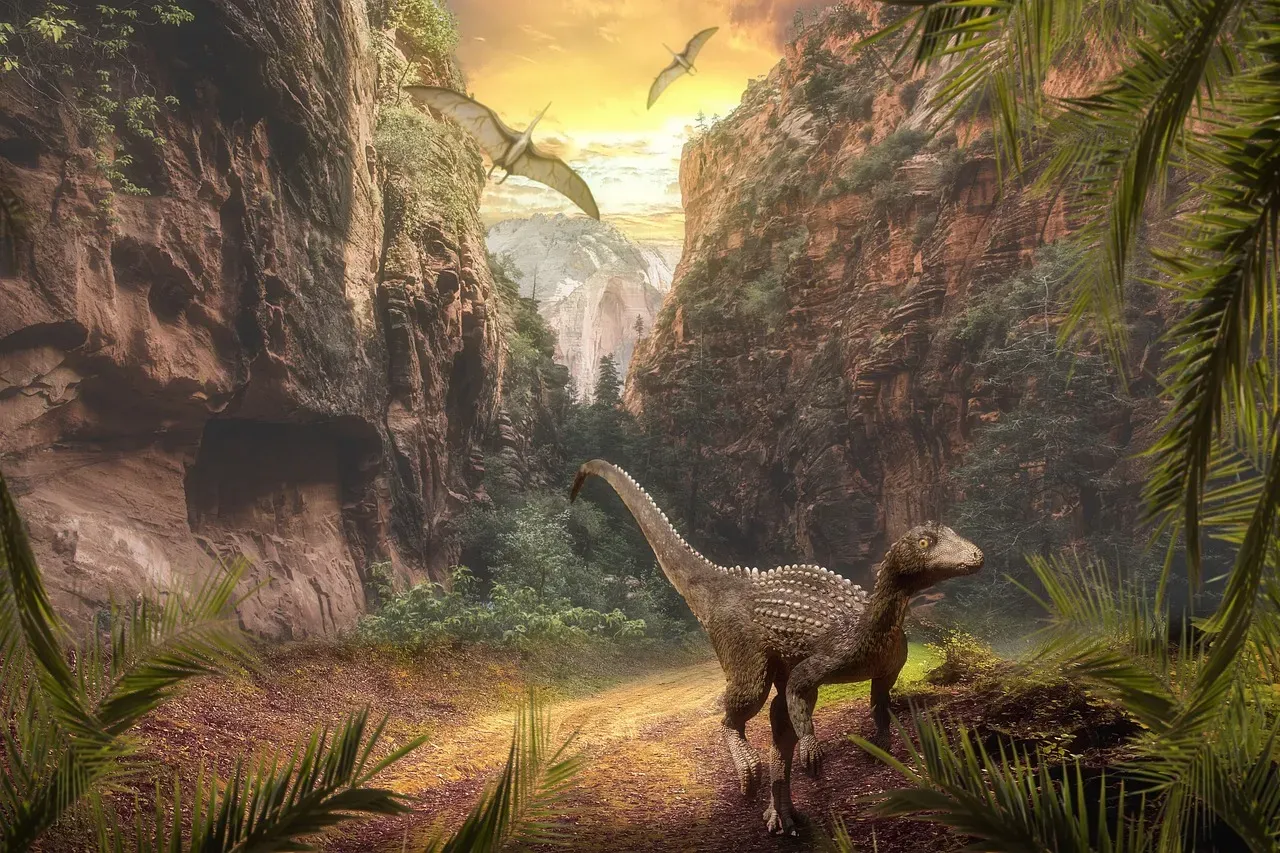
You might assume that as prehistoric creatures evolved toward birds, the sense of smell got left behind. Scientists used to think so too. It was previously believed that birds were so busy developing vision, balance, and coordination for flight that their sense of smell was scaled way back. Surprisingly, research shows that the sense of smell actually improved during dinosaur-bird evolution, like vision and balance. That finding genuinely turned the scientific community’s assumptions upside down.
Research teams made CT scans of dinosaurs and extinct bird skulls to reconstruct their brains, using the scans to determine the size of the creatures’ olfactory bulbs, a part of the brain involved in the sense of smell. Among modern-day birds and mammals, larger bulbs correspond to a heightened sense of smell. The oldest known bird, Archaeopteryx, inherited its sense of smell from small meat-eating dinosaurs about 150 million years ago. Later, around 95 million years ago, the ancestor of all modern birds evolved even better olfactory capabilities. So the next time you watch a bird sniff around your garden, you are watching a direct echo of a dinosaur sensory system still going strong.
6. T. rex Had a Face More Sensitive Than Your Fingertips
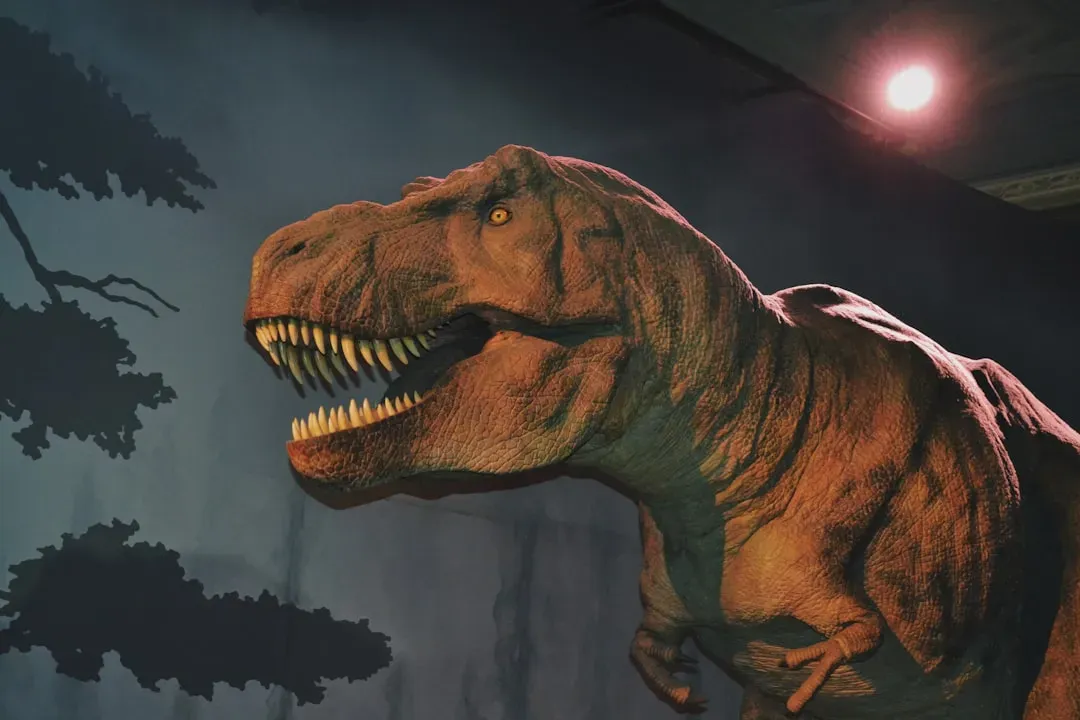
This one honestly sounds impossible. A 27-foot-long meat-eating dinosaur that died in Montana about 75 million years ago had a sensitive side. Named Daspletosaurus horneri, the ancient animal’s snout and jaws were perforated with hundreds of small openings through which nerves passed, making the front of its face as responsive to touch as a human’s fingertips or an elephant’s trunk. Think about that the next time you picture a tyrannosaur just rampaging and biting at random. There was extraordinary precision happening with every contact that snout made.
In tyrannosaurids, a scaly facial integument in association with multiple rows of neurovascular foramina on the snout and jaws serves as a reliable proxy for tactile sensitivity in these giant predatory dinosaurs. In crocodylians, the craniomandibular foramina convey hundreds of branches from the trigeminal nerve in a density that transmits high-resolution tactile sensations from the skin, making their snouts more sensitive than human fingertips. They would not be able to interact with their environment with their hands the way mammals do, finding food, building nests, tending to eggs and young. In order to do these things, Daspletosaurus needed to use its feet or head. The discovery suggests it could use its snout for all those complex ecological interactions, similar to the way crocodiles do today. Their face, in other words, was effectively their hands. That is both terrifying and surprisingly tender at the same time.
7. Some Dinosaurs Had Built-In Sensory Organs Covering Their Entire Skin
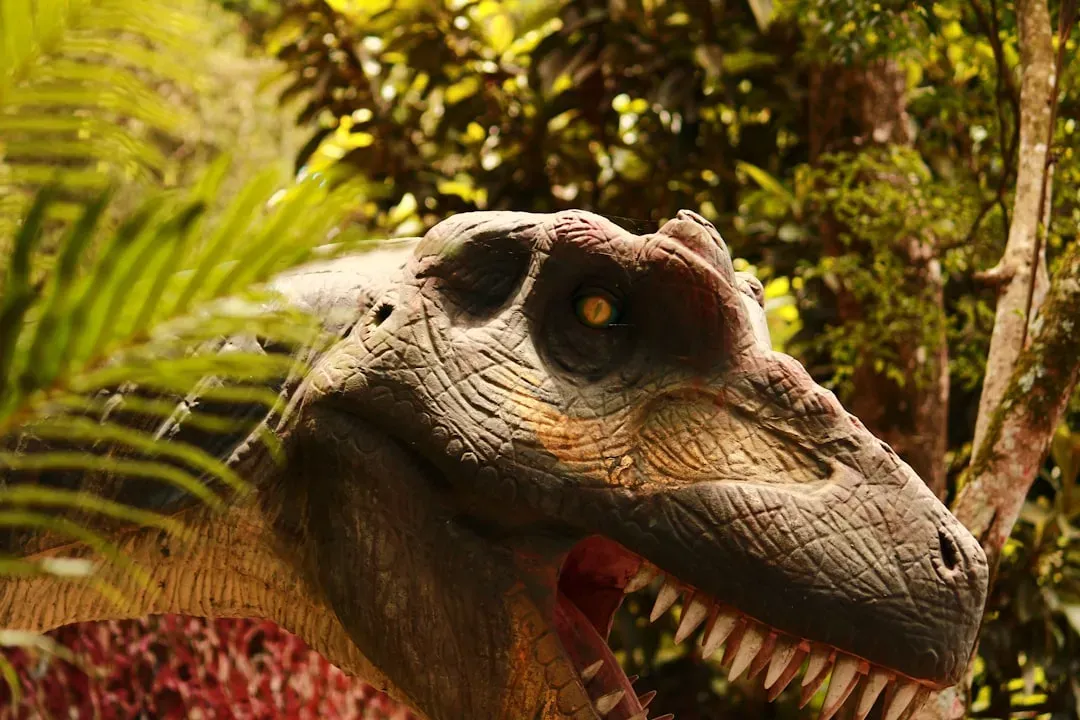
It is hard to say for sure exactly how widespread this trait was, but the evidence already uncovered is remarkable. A non-avian theropod, Juravenator starki, from Bavaria, Germany, shows a unique scale type with distinctive circular nodes identified as integumentary sense organs, analogous to those in modern crocodylians. The surprising presence of such structures suggests the tail had a sensory function, which is congruent with the inferred ecology of Juravenator and the evolution of integumentary sense organs among archosaurs.
Previously misunderstood multi-sensory organs in the skin of crocodylians are sensitive to touch, heat, cold, and the chemicals in their environment. These sensors have no equivalent in any other vertebrate. Since crocodilians are among the closest living relatives of dinosaurs, scientists use them as a direct window into what dinosaurian skin sense may have been capable of. The scales have sensors known as dome pressure receptors or integumentary sensory organs with fingertip sensitivity. Imagine an animal that could feel vibrations, temperature shifts, and chemical changes through its skin all at once. Some dinosaurs may have been walking, breathing sensory laboratories.
Conclusion: The Prehistoric World Was Alive With Sensation
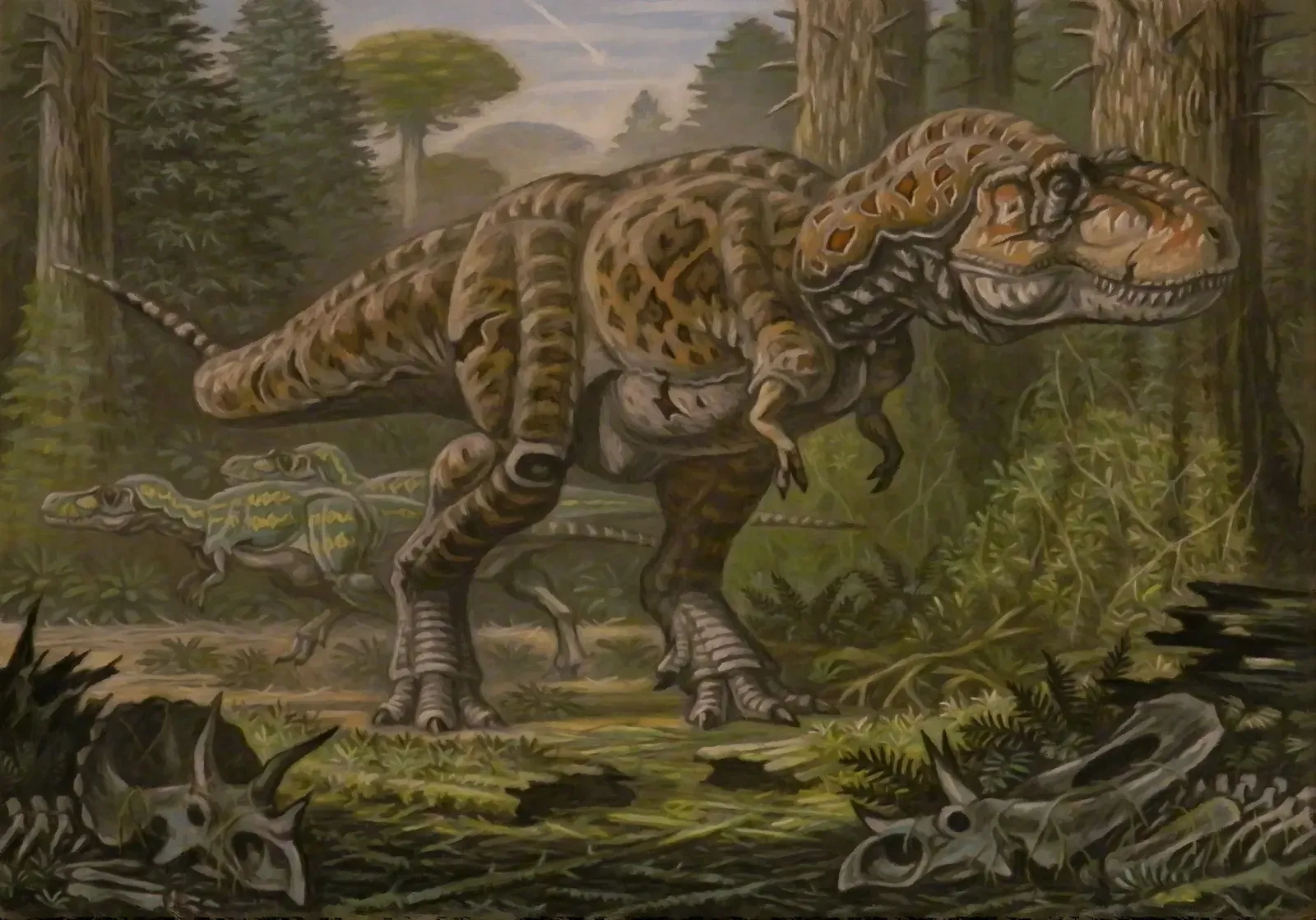
What these seven facts collectively reveal is something profound. Dinosaurs were not the clumsy, sensory-impaired monsters that older science imagined. Through advanced imaging techniques and analysis of fossilized remains, scientists have discovered remarkable details about dinosaur vision, hearing, smell, taste, and touch. These sensory adaptations shaped how dinosaurs perceived and interacted with their environment.
Honestly, the more science digs into the prehistoric past, the more you realize that these creatures were exquisitely tuned to survive and thrive. They saw colors you cannot perceive, smelled scents you would never detect, heard frequencies below your range of hearing, and felt textures with a face more delicate than your own hands. The Mesozoic world was not a place of dull, lumbering giants. It was a planet of sensory wonders operating on a level that still humbles modern science.
The real question worth sitting with is this: what else are we still getting wrong about the most dominant animals that ever walked this Earth? What would you have guessed about dinosaur senses before reading this? Tell us in the comments.