You probably picture dinosaurs when you think of ancient Earth, but long before giant reptiles thundered across the ground, enormous insects were already owning the skies. If you could step into that deep past, you would not be looking up at birds or pterosaurs, but at dragonfly-like predators and armored flyers the size of small birds, cruising through thick, oxygen-rich air.
Insects were among the first true masters of the air, evolving flight tens of millions of years before dinosaurs even appeared. As you explore these seven prehistoric insects, you’ll get a glimpse of a world that feels alien and familiar at the same time. Think of it as air traffic control for a planet that had never heard of feathers, but was already buzzing, gliding, and hunting above your head.
1. Meganeura – The Giant Dragonfly That Would Dwarf Your Hand
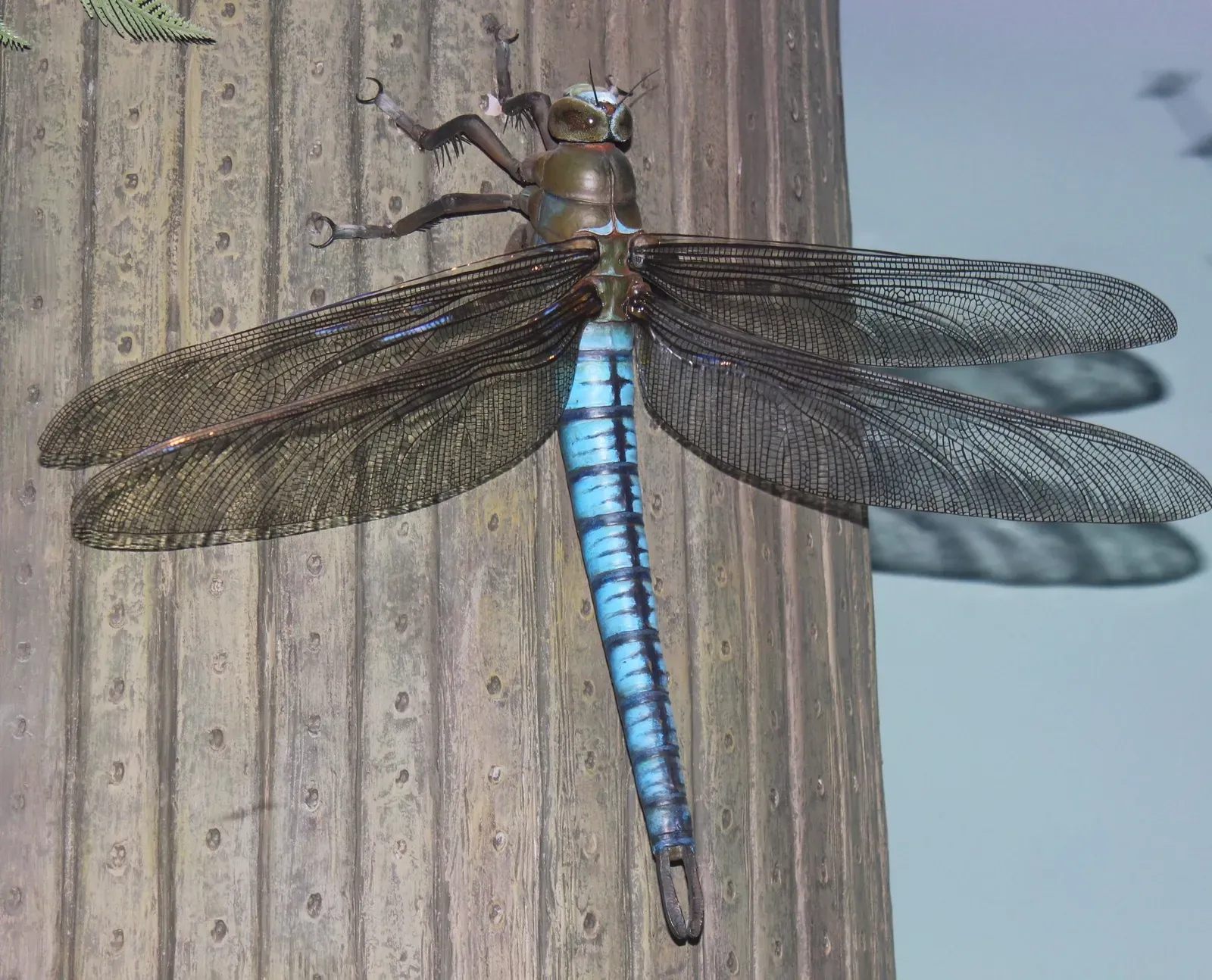
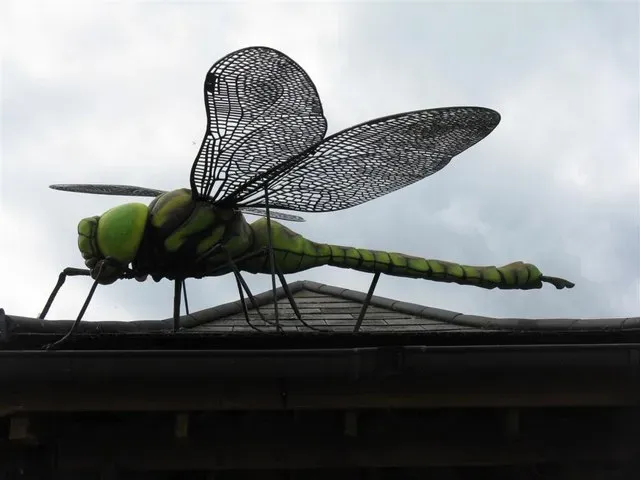
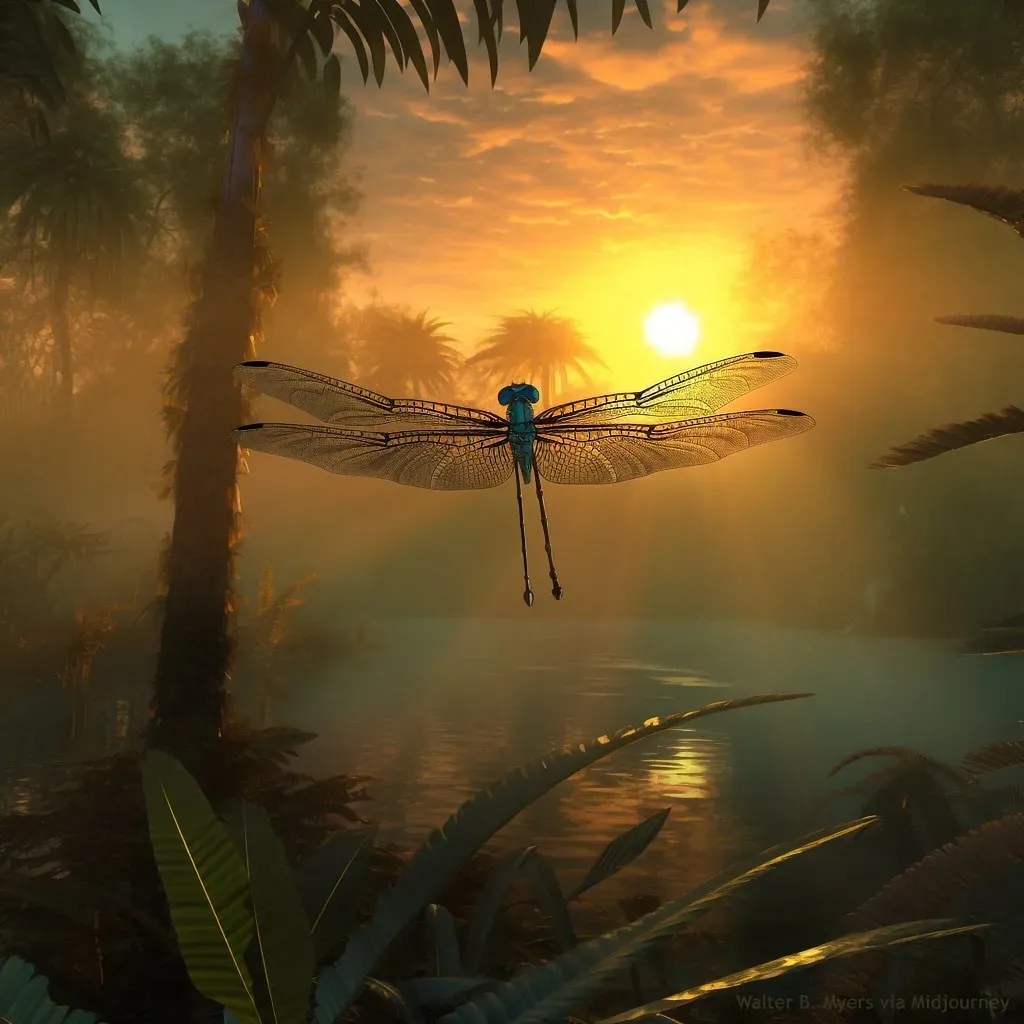
When you hear about Meganeura, you’re basically meeting the celebrity of prehistoric insects. You can picture a dragonfly-like creature with wings stretching wider than your arm from fingertip to fingertip. You’re looking at an animal with a wingspan of roughly two and a half feet or more, cruising over swampy forests during the late Carboniferous period, long before dinosaurs took shape.
If you know modern dragonflies as fast, precise hunters, you can imagine Meganeura as their oversized, turbocharged ancestor. You would have watched it patrol the air above dense forests of giant ferns and horsetails, snatching smaller insects with its spiny legs in mid-flight. Its success was probably helped by the higher oxygen levels in the atmosphere at that time, which made it easier for such a large insect to breathe and power those broad wings. If you ever wanted a reminder that small modern dragonflies still carry the blueprint of ancient aerial dominance, Meganeura is it.
2. Meganeuropsis – The Even Bigger Sky Hunter You Never Learn About in School
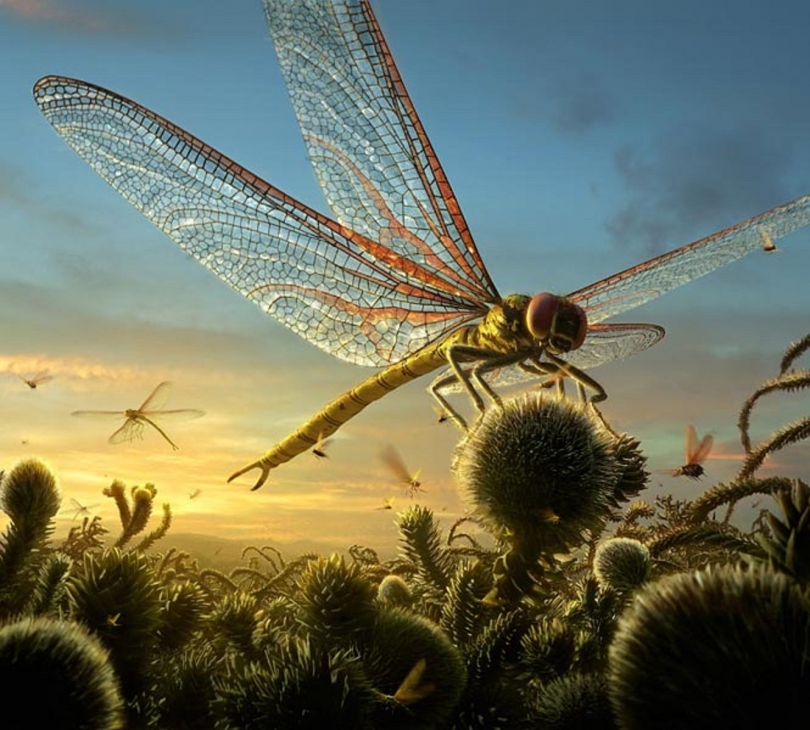
Just when you think Meganeura sounds huge, you meet Meganeuropsis and suddenly your sense of scale shifts again. If you were walking through early Permian forests, you’d be dealing with a dragonfly-like predator with a wingspan approaching the width of a small child, sometimes reported over two and a half feet and edging closer to three. You would not have needed binoculars to be impressed; one low pass overhead would do the job.
You can think of Meganeuropsis as the final act in the age of giant griffinflies, ruling the air before shifting climates and oxygen levels cut their reign short. You would have seen it patrolling lakes and wetlands, possibly hunting anything small enough to grab, from other insects to soft-bodied creatures near the water’s surface. If you’ve ever watched a modern dragonfly hover, pivot, and strike, you already know the basic moves, but scaled up to something that would have felt more like a tiny glider swooping past your face.
3. Arthropleura’s Aerial Company – Early Winged Insects in a Forest of Giants
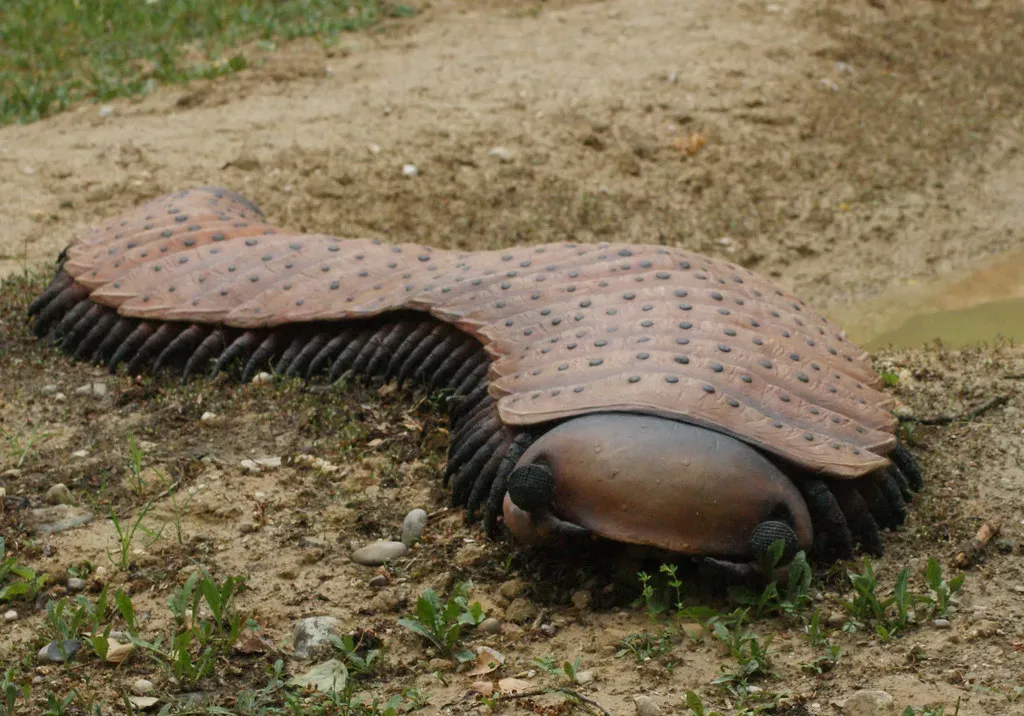
When you think of Arthropleura, you probably picture the massive millipede-like creature crawling across the forest floor, not something in the air. But if you place yourself in those Carboniferous coal forests, you wouldn’t just see that huge arthropod at your feet; you’d also see its aerial neighbors above you. Early winged insects, including primitive relatives of cockroaches, mayflies, and dragonflies, formed a buzzing canopy over a world full of towering clubmosses and tree ferns.
You can imagine standing there as detritus-eating insects cleaned up the forest floor, while others glided between trunks and over swampy pools. These early fliers were not always flashy giants, but they were part of a crucial revolution: the spread of powered flight among land animals. If you zoom out a bit, you realize you’re watching the start of a pattern that would dominate Earth’s ecology for hundreds of millions of years: insects using wings to explore space no land animal had used before.
4. Protanisoptera (Griffinflies) – Your First True Air Superpredators
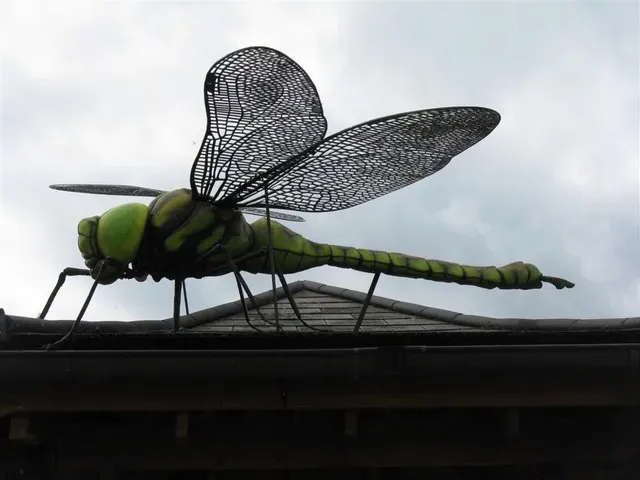
If you compress the Carboniferous and early Permian skies into one snapshot, you end up meeting a whole group called the Protanisoptera, often nicknamed griffinflies. When you learn about them, you’re not just dealing with a single species, but with an entire lineup of large, dragonfly-like hunters that dominated the air. You would see sleek bodies, long wings, and big, multifaceted eyes scanning for movement below and around them.
In your mind, you can treat griffinflies as the fighter jets of their time. They likely used keen vision and agile flight to pick off smaller insects, and possibly even early amphibians near water surfaces. You’d be watching a predator guild that evolved around high-oxygen atmospheres and dense, humid forests, taking advantage of the physics that allowed for giant insects. When oxygen levels and ecosystems shifted, you’d see this once-dominant group gradually disappear, leaving behind only their distant echoes in modern dragonflies and damselflies.
5. Palaeodictyoptera – The Strange Insects with Extra Wings You Would Not Expect
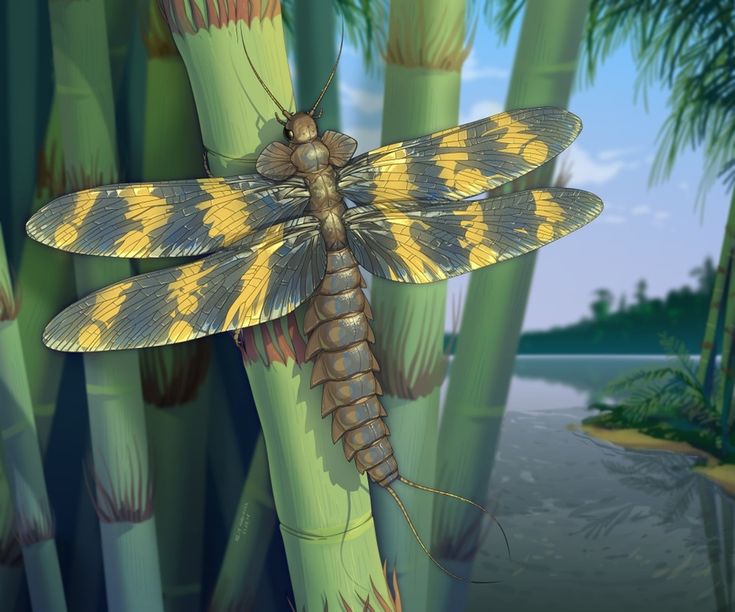
When you meet Palaeodictyoptera, you’re stepping into a branch of insect evolution that feels almost experimental. These insects lived during the late Carboniferous and early Permian, and when you picture them, you may be surprised to see not just two pairs of wings, but sometimes additional small, wing-like lobes on the thorax. You’d notice long beak-like mouthparts and often intricate patterns on their wings, giving them an otherworldly look.
You can imagine them gliding between plants, perhaps feeding by tapping into plant tissues, much like some modern sap-feeding insects. If you were watching them in the air, you might see slower, more drifting flight compared to the sharp, darting style of dragonfly relatives. You’d also be witnessing an evolutionary side road: Palaeodictyoptera did not leave direct descendants, so when they vanished, their unique body plan went with them. In your mental picture of prehistoric skies, they add a layer of strangeness you never see today.
6. Early Mayflies – The Delicate Ghosts of Ancient Rivers and Swamps
When you think of mayflies today, you probably think of fragile little insects that live only briefly as adults, hovering in swarms above rivers and lakes. If you rewind the clock back to the Paleozoic, you would still recognize their general style: delicate wings, short adult lives, and aquatic juveniles that grew up underwater. You’d be seeing some of the earliest forms of the mayfly lifestyle already in place before dinosaurs were even a concept.
You can picture standing near an ancient swamp or a river that wound through a coal forest, watching clouds of early mayflies rising at dusk. They would feed fish, amphibians, and other insect predators, just as they do in modern streams and lakes. In other words, you’re looking at a pattern of life that proved so effective it barely needed rewriting for hundreds of millions of years. When you see a mayfly today, you’re basically watching a living reminder of those ancient, insect-filled twilights.
7. Early Orthopterans – The Ancestral Hoppers Before Chirping Crickets
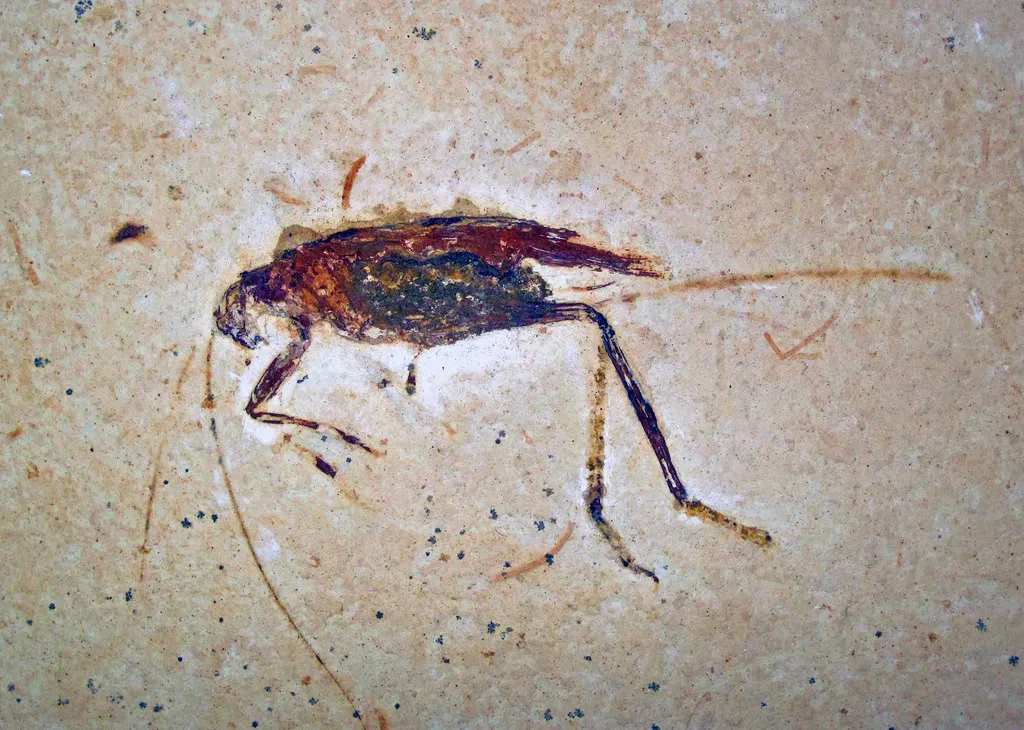
When you listen to crickets and katydids at night, you’re hearing a soundtrack that has deep roots in pre-dinosaur times. If you jump back into the late Paleozoic, you’d meet early relatives of grasshoppers and crickets, part of the broader orthopteran lineage. You might not immediately recognize every form you’d see, but the general idea would feel familiar: jumping legs, chewing mouthparts, and wings ready for short flights or glides through dense vegetation.
You can imagine them living among huge tree trunks and thick undergrowth, feeding on plant material and helping shape early terrestrial food webs. While you don’t have recordings of their sounds, it’s reasonable to picture the ancient forests filled with rustles, clicks, and possibly primitive chirps. In a world where giant dragonfly-like predators ruled the air, these smaller, agile insects gave you a different kind of mastery: speed on the ground, sudden leaps into the air, and a readiness to adapt as climates and landscapes changed.
Conclusion – When You Look at a Fly, You’re Seeing Deep Time
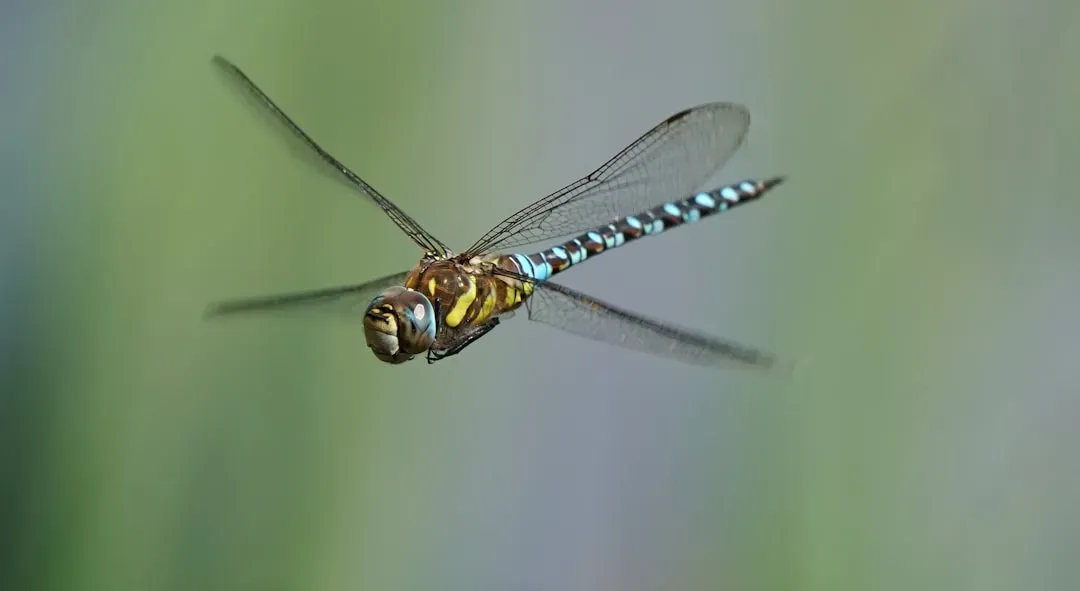
When you pull all these ancient flyers together in your mind, you’re not just building a list of weird old bugs; you’re seeing the first great wave of animal aviation on Earth. Long before feathers, gliding mammals, or reptilian gliders, insects figured out how to turn thin, lightweight wings into powerful tools for hunting, escaping, and exploring. You’re watching Meganeura and Meganeuropsis carving through the air as apex predators, Palaeodictyoptera trying out unlikely body plans, and early mayflies and orthopterans sketching out lifestyles that still thrive today.
The next time a dragonfly zips past you, or you notice a mayfly hovering over a stream, you’re getting a brief echo of skies that existed hundreds of millions of years before dinosaurs. You’re sharing your world with survivors and descendants of lineages that were already old when the first dinosaurs took their first steps. That tiny flash of wings in front of you might be small, but its story stretches far beyond anything you can see in a single moment. When you look up at today’s insects, can you feel the weight of that ancient sky behind them?