
For a long time, dinosaurs lived mostly in our heads as lumbering movie monsters: slow, swamp-dwelling, giant lizards that vanished in a single bad weekend. Then the fossils started talking back. With every new bone, feather imprint, and chemical trace, the old picture cracked a little more, until paleontologists had to admit something slightly uncomfortable: a lot of what we thought we knew was wrong, or at least way too simple.
What makes this story so entertaining is that the biggest shocks did not come from discovering a new T. rex with bigger teeth. They came from subtle details: a fuzzy outline around a small fossil, a strange bone in the chest, microscopic pigments frozen in stone, a buried layer of glassy debris. Piece by piece, those details forced experts to rewrite textbooks and rethink the very definition of what a dinosaur was. Let’s dig into seven discoveries that completely rattled the field – and why they still matter every time you picture a dinosaur in your mind.
1. Feathered Dinosaurs Shattered the “Overgrown Lizard” Myth
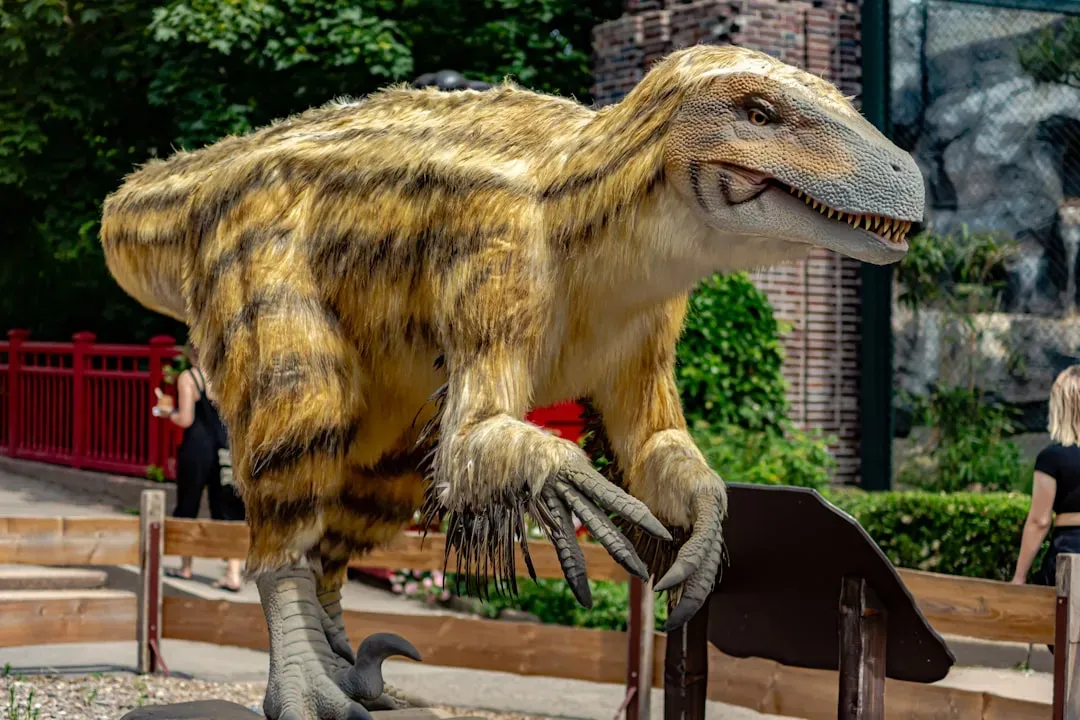
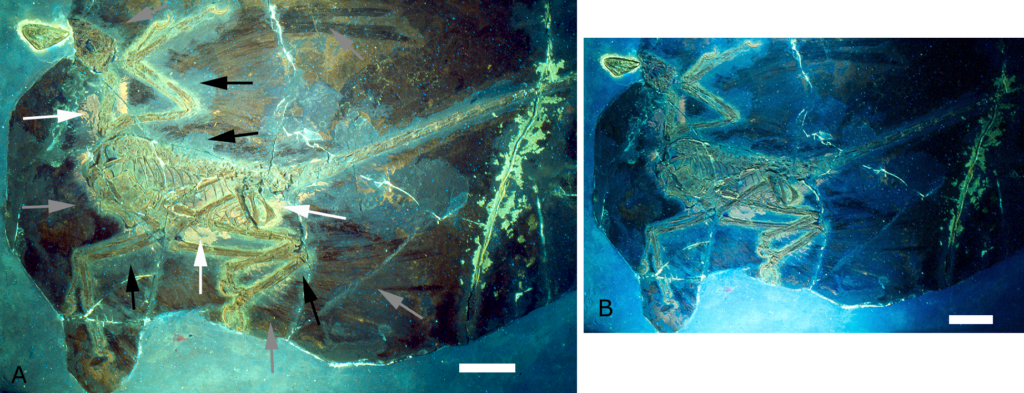
The discovery of fully feathered dinosaur fossils in northeastern China hit paleontology like a slap in the face. For more than a century, dinosaurs had been boxed into the scaly reptile category, with only a few brave scientists arguing that birds were deeply connected to them. Then fossils such as small, raptor-like theropods turned up with clear impressions of vaned feathers, downy coverings, and even complex wing structures, making it impossible to pretend feathers were just a bird thing.
Once those fossils were on the table, paleontologists had to confront a wild idea: feathers did not evolve for flight alone, and they were probably widespread across many dinosaur groups. Feathers suddenly looked like multi-purpose tools – good for insulation, display, and maybe even brooding eggs, long before powered flight showed up. That realization took dinosaurs from being cold, scaly monsters to potentially warm, fuzzy, colorfully ornamented animals, much closer in spirit to modern birds than to crocodiles sunning on a riverbank.
2. Bird Hips, Wishbones, and Air Sacs: Dinosaurs Turned Out to Breathe Like Athletes
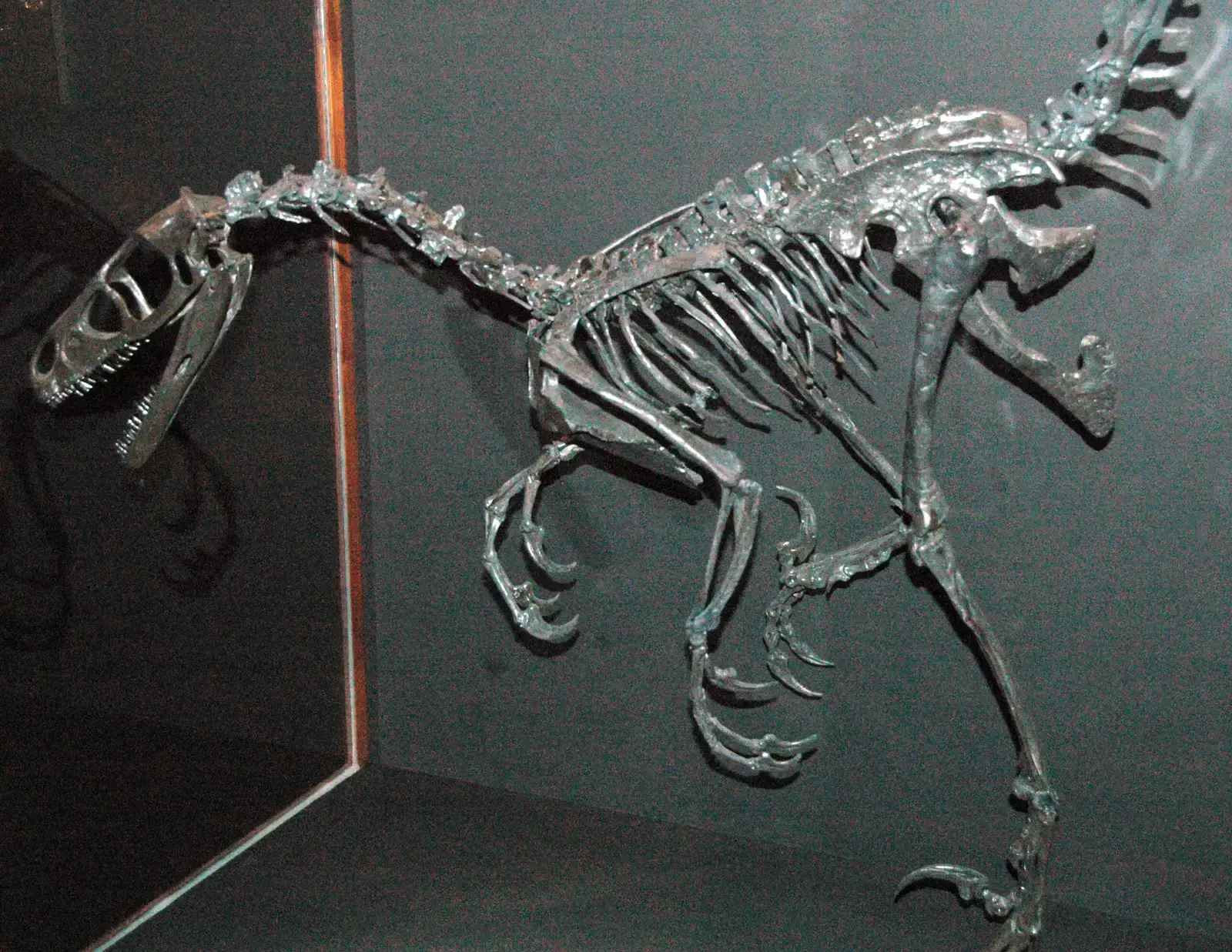
Another quiet revolution came from looking inside dinosaur skeletons instead of just admiring the teeth and claws. Researchers started noticing bird-like features such as wishbones (furculae), air-filled bones, and peculiar openings that suggested a complex system of air sacs. These are not trivial quirks; in modern birds, that air-sac system allows a one-way flow of air through the lungs, supporting high activity and warm-blooded metabolisms.
When similar structures showed up in theropods and even some long-necked sauropods, the old picture of dinosaurs as sluggish, cold-blooded reptiles began to crumble. Dinosaurs started to look like high-performance endurance animals with powerful cardiovascular systems, more like marathon runners than lazy Komodo dragons. This forced paleontologists to revisit long-held assumptions about how fast dinosaurs could move, how far they could migrate, and how they survived in climates that would challenge classic cold-blooded reptiles.
3. The Chicxulub Crater Proved a Single Catastrophe Could Change Everything
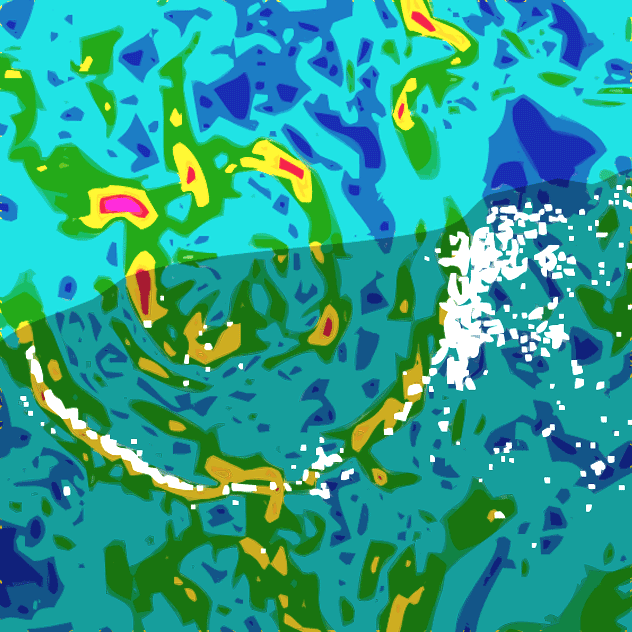
For decades, scientists argued over why the non-avian dinosaurs disappeared, tossing around ideas like slow climate shifts, volcanic gas, or evolutionary burnout. Then geologists studying the Yucatán Peninsula identified a massive buried impact crater at Chicxulub, the right age and size to be a planet-altering event. Layered around the world, a thin band of rock rich in rare elements and shocked minerals lined up perfectly with the end-Cretaceous extinction, turning what was once a fringe idea into the leading explanation.
This discovery did more than offer a dramatic death scene for dinosaurs; it forced paleontologists to accept that deep time is not just a gentle, gradual story. A single violent impact could flip the entire ecological table in a geological instant, wiping out dominant groups and opening space for new ones. The lesson was uncomfortable but powerful: even the mightiest animals on Earth can vanish because of something they never saw coming, and evolution is not a calm, predictable march but a story punctured by disasters.
4. Dinosaur Nests, Eggs, and Parental Care Broke the “Brainless Brute” Stereotype
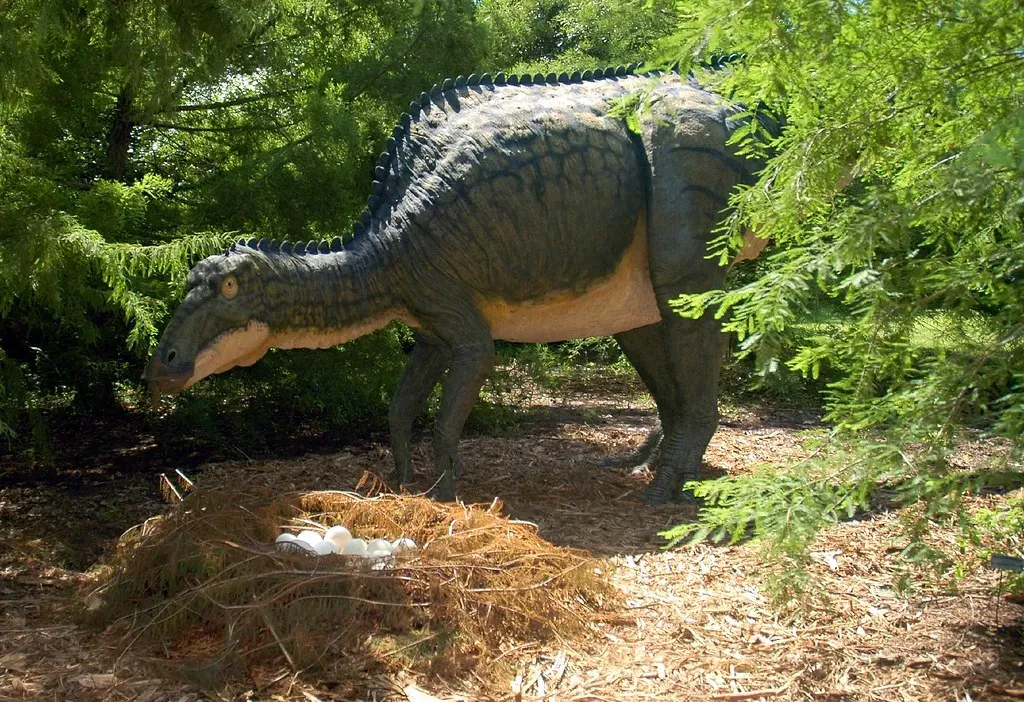
Early portrayals of dinosaurs leaned hard on the idea that these were instinct-driven beasts that laid eggs and walked away. That notion started to unravel when paleontologists began finding organized nesting grounds, clutches of eggs arranged in careful patterns, and even skeletons of adults positioned as if guarding or brooding. Sites in places like Mongolia and North America revealed repeated nesting in the same areas, hinting at long-term breeding colonies rather than random egg dumping.
Fossils showing juveniles and adults together suggested at least some species offered extended care, feeding and protecting their young beyond the moment of hatching. This pulled dinosaurs closer to birds and mammals in terms of social complexity, and it forced scientists to ask tougher questions about dinosaur brains, communication, and group behavior. The old trope of dinosaurs as dim-witted loners gave way to something more nuanced and, frankly, more interesting: animals with strategies, family structures, and emotional stakes in their offspring’s survival.
5. Arctic and Antarctic Dinosaurs Challenged Ideas About Climate and Physiology
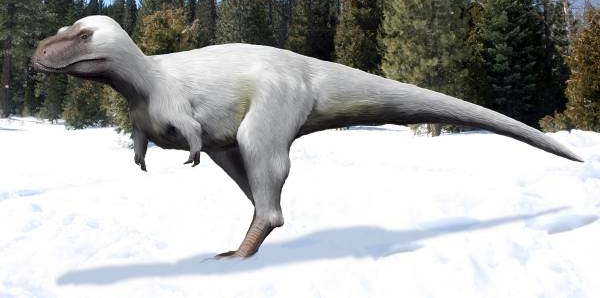
Finding dinosaur fossils in polar regions was never totally shocking; continents move, after all. What did surprise people was realizing that some dinosaurs actually lived in high-latitude environments year-round, enduring long periods of winter darkness and seasonal cold. Evidence from bone growth rings and species distribution in places that were then near the poles pointed to permanent, resident dinosaur populations rather than just seasonal migrants passing through.
This reality wrecked the easy assumption that dinosaurs could only thrive in warm, tropical swamps. Instead, they had to be flexible, physiologically capable of handling cooler temperatures and less light, and perhaps equipped with insulation like feathers or thick skin coverings. The idea that at least some dinosaurs were warm-blooded or somewhere on a spectrum toward mammal-like and bird-like metabolism gained more weight. Dinosaurs started to look less like temperature slaves and more like versatile survivors that could exploit a wide range of environments.
6. Pigment-Bearing Fossils Revealed Dinosaurs Were Not Just Mud-Colored Blobs
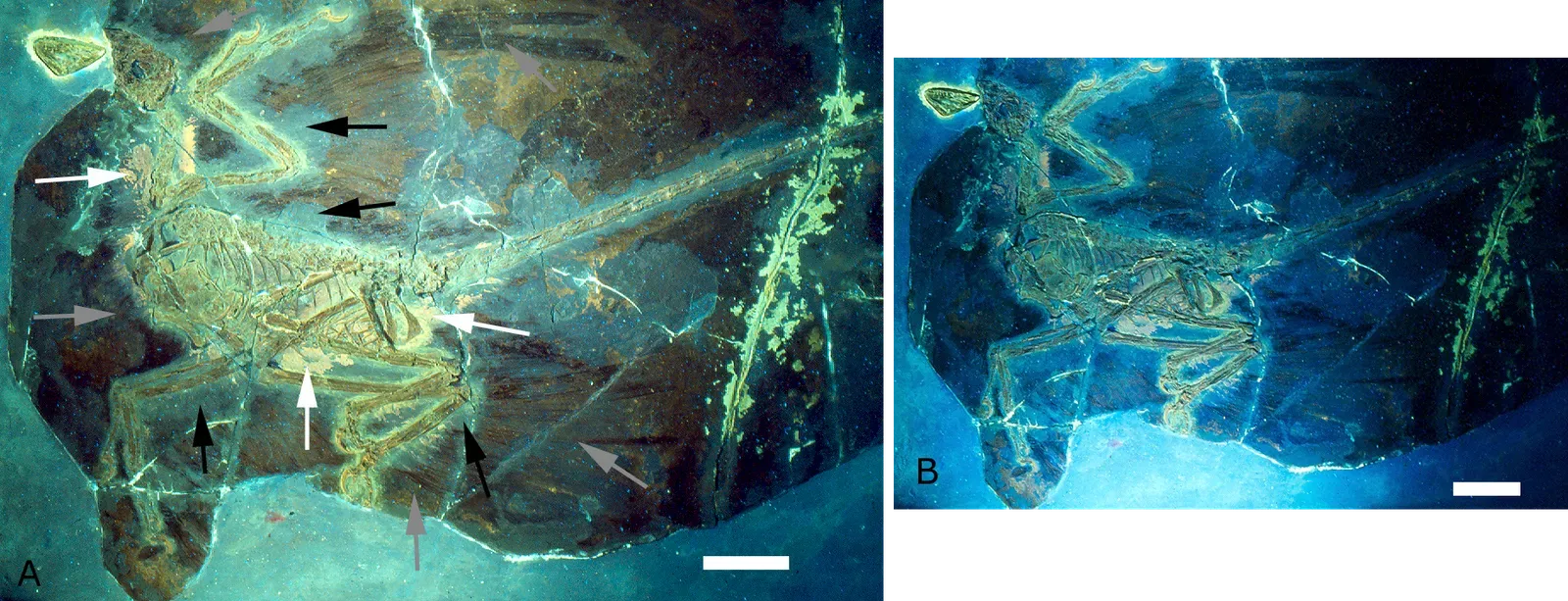
For ages, illustrators colored dinosaurs however they liked, often in dull greens and browns because it felt safe and reptilian. Then researchers found microscopic structures preserved in some fossil feathers and skin impressions that matched the size and shape of pigment-containing organelles in modern animals. By comparing these structures to those seen in living birds, scientists could infer color patterns, uncovering things like dark stripes, reddish hues, and even evidence of iridescent sheens in certain species.
This was not just about making prettier artwork; it changed how paleontologists thought about dinosaur behavior. Bold patterns and bright colors suggested roles in display, camouflage, and communication, pointing to social and sexual dynamics that were previously invisible. Dinosaurs stopped being imagined as monotone monsters and instead became more like living birds and mammals: visually complex animals using color for signaling, bluffing, flirting, and hiding. That shift made them feel less alien and more like participants in the same evolutionary arms race we see in ecosystems today.
7. Rewriting Family Trees Showed “Dinosaur” Was More Fluid Than Anyone Expected
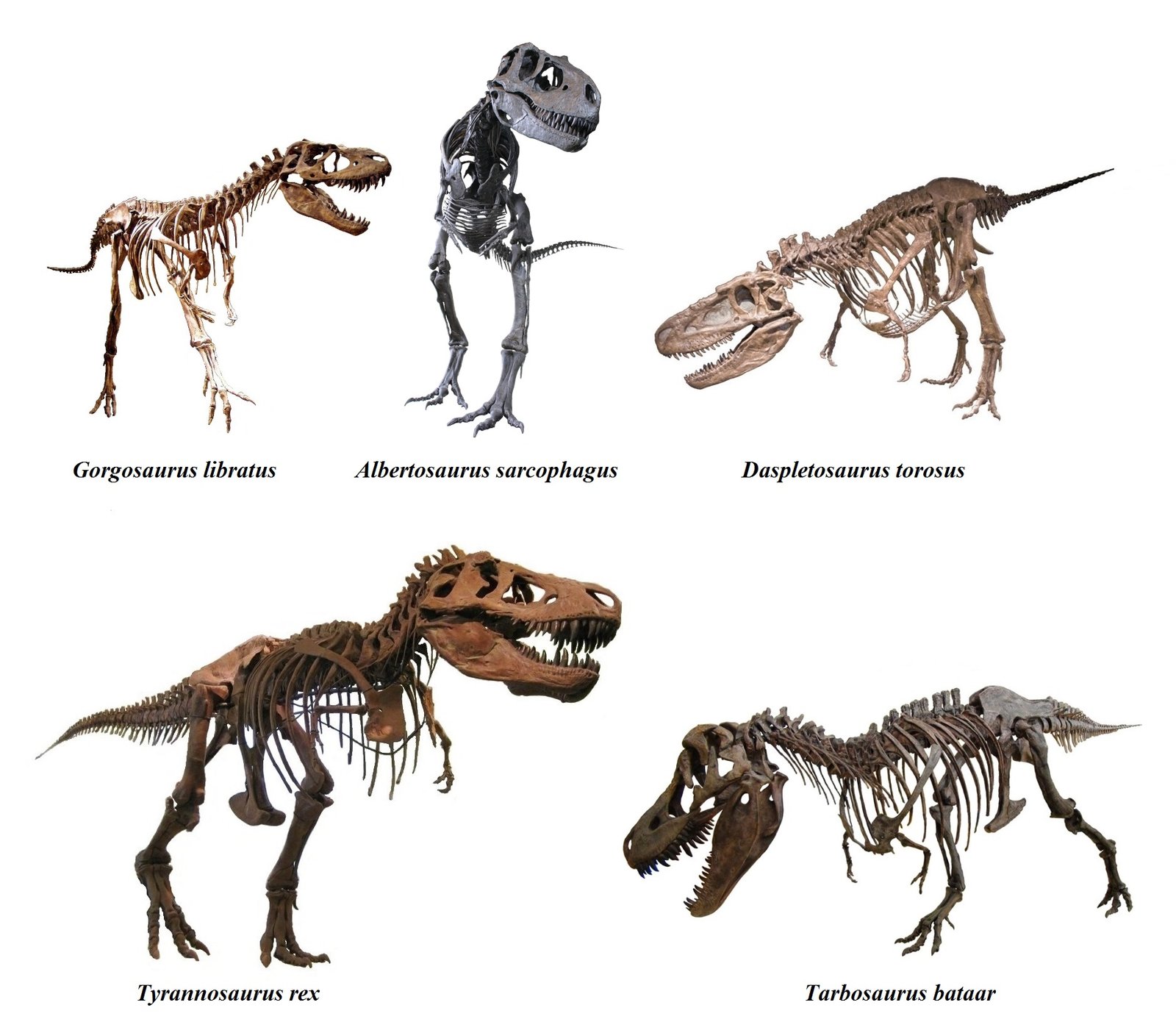
One of the most quietly disruptive developments in recent decades came not from a spectacular fossil but from reanalyzing how dinosaurs are related to each other. Using large datasets of anatomical traits and, where possible, molecular information from living relatives, researchers have repeatedly redrawn the dinosaur family tree. Some long-accepted relationships between major groups have been questioned or flipped, and proposals have been made that challenge the classic split between bird-hipped and lizard-hipped dinosaurs.
These shifting family trees forced paleontologists to let go of tidy categories and admit that evolution does not care about the labels humans like to use. Traits such as feathers, bipedal posture, or certain hip structures can evolve more than once or be lost in different lineages, creating messy patterns instead of clean branches. Rather than weakening the field, this constant revising is a sign of maturity: as new fossils and methods arrive, scientists adjust their stories to match the evidence, even when it means abandoning comfortable ideas they grew up with.
Conclusion: Dinosaurs Keep Proving We Were Too Sure of Ourselves
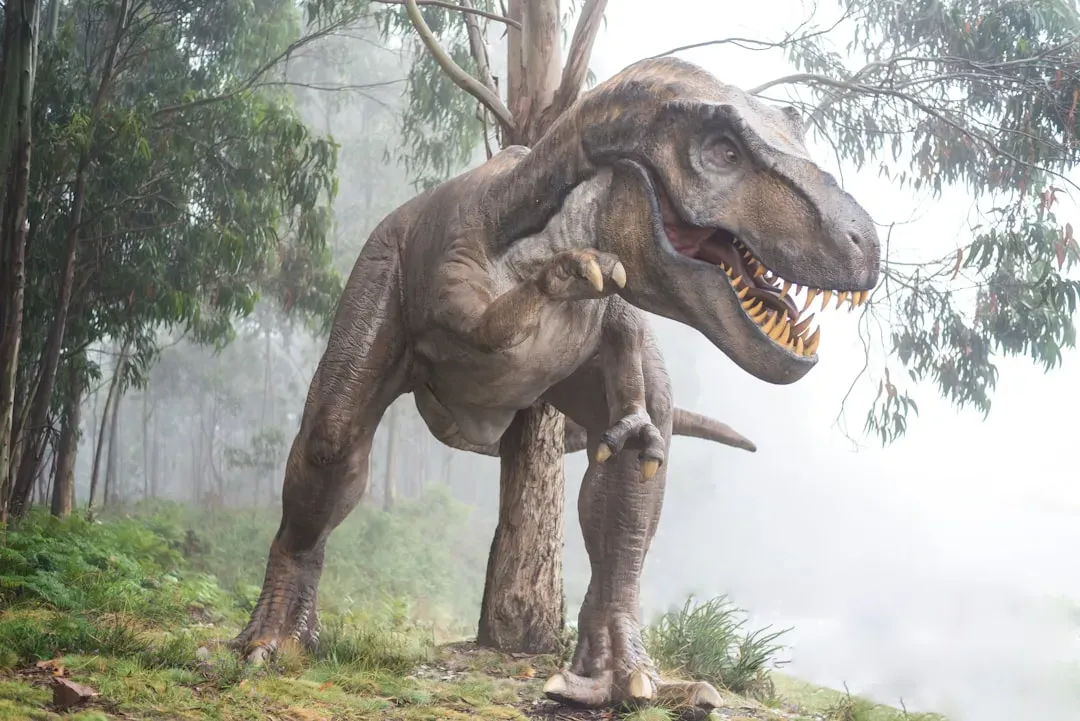
If there is one blunt lesson all these discoveries share, it is that human confidence ages badly in the face of new evidence. Dinosaurs went from being giant, stupid, scaly reptiles to complex, often feathered, high-performance animals with surprising family lives, vivid colors, and global reach. Every time paleontologists thought they had a solid, final picture, some awkward fossil from a remote quarry or a new analytical technique came along and forced them to admit they had been underestimating these creatures yet again.
Personally, I find that deeply reassuring. It means science is not a museum of fixed answers but a living, self-correcting process where even beloved ideas are fair game if the rocks say otherwise. Dinosaurs are still teaching us how dangerous it is to mistake our current best guesses for permanent truth – not just about ancient life, but about anything. The real question now is not whether the next big discovery will overturn another long-held belief, but which one it will topple first; what would you be willing to bet we are still getting wrong?