
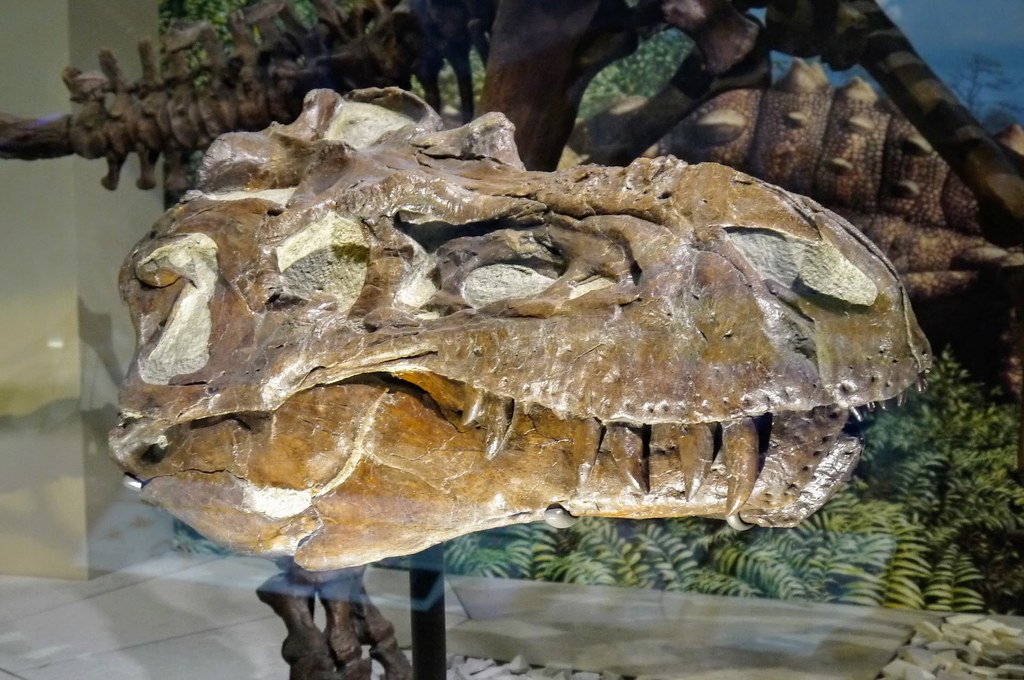
There’s something wild about the idea that some of the most important dinosaur discoveries on Earth almost stayed hidden forever. Not because they were buried too deep, but because people literally walked past them, mislabelled them, or wrote them off as “probably nothing.” It makes you wonder how many game‑changing fossils are still sitting in drawers or weathering away on hillsides right now.
When you dig into the stories behind these finds, you realize that dinosaur science is way messier, more accidental, and more human than the movies ever show. Fossils get mixed up, misidentified, forgotten, and then rediscovered by some stubborn grad student or sharp‑eyed kid. Let’s dive into seven cases where dinosaurs almost slipped through our fingers – and what that says about how science really works.
The Tiny Bone That Revealed the First Known Feathered Dinosaur
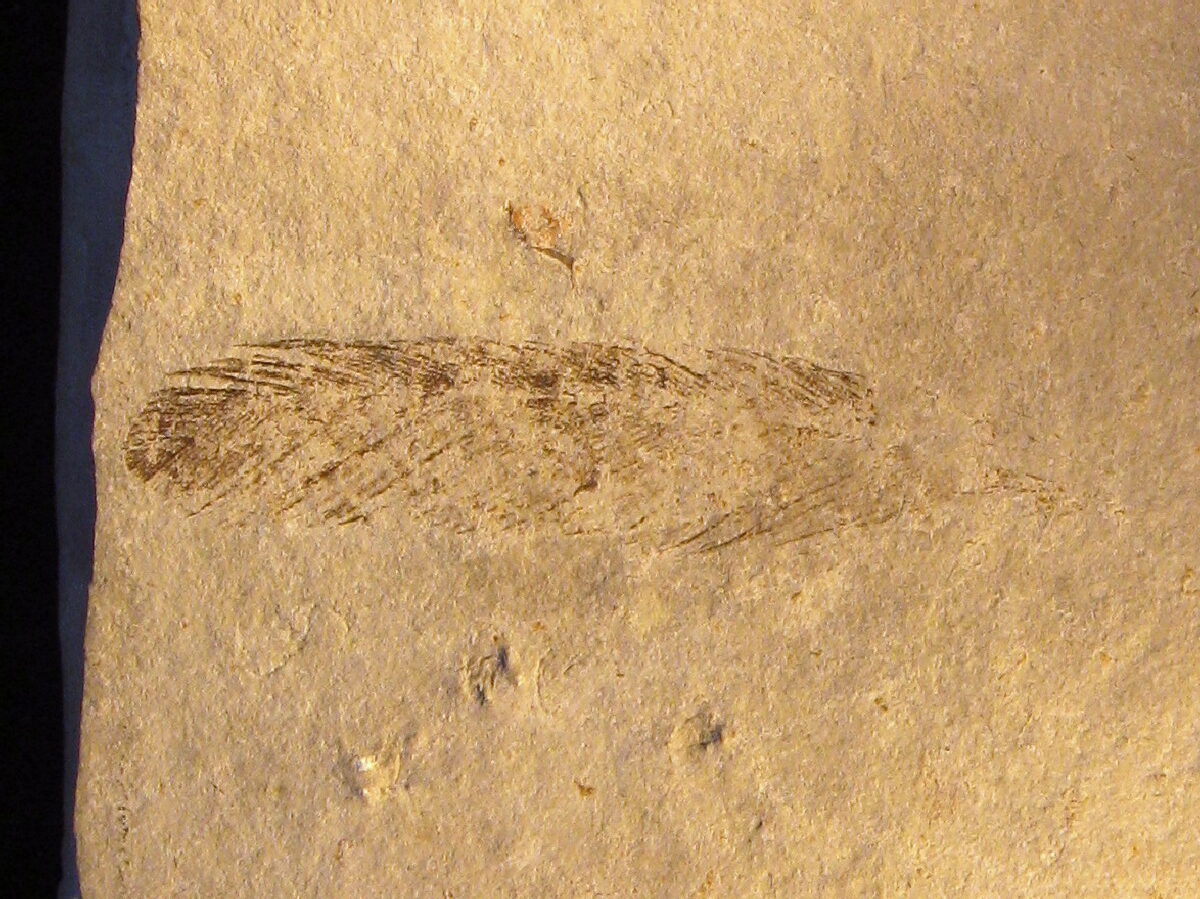
Imagine working in a museum and checking a drawer filled with what everyone assumes are “just” small lizard bones from decades ago. Buried among them is a delicate little limb bone that looks slightly off – a bit too birdlike, the joint surfaces too refined. For years, that one piece was just part of the background noise of a huge collection, until someone finally noticed it did not behave like an ordinary reptile bone at all.
That kind of moment has happened more than once with early feathered dinosaurs from China and elsewhere, where small, lightly built skeletons were lumped in with generic “reptile” or “bird” material. When researchers went back and re‑examined them with fresh eyes and better imaging, they found evidence of feather attachments and bird‑like anatomy hiding in plain sight. The shock is that some of these fossils had been sitting in collections for years, quietly holding a story about how feathers and flight evolved, while the world had no idea.
A “Pile of Rocks” That Turned Out to Be a Giant Sauropod Neck
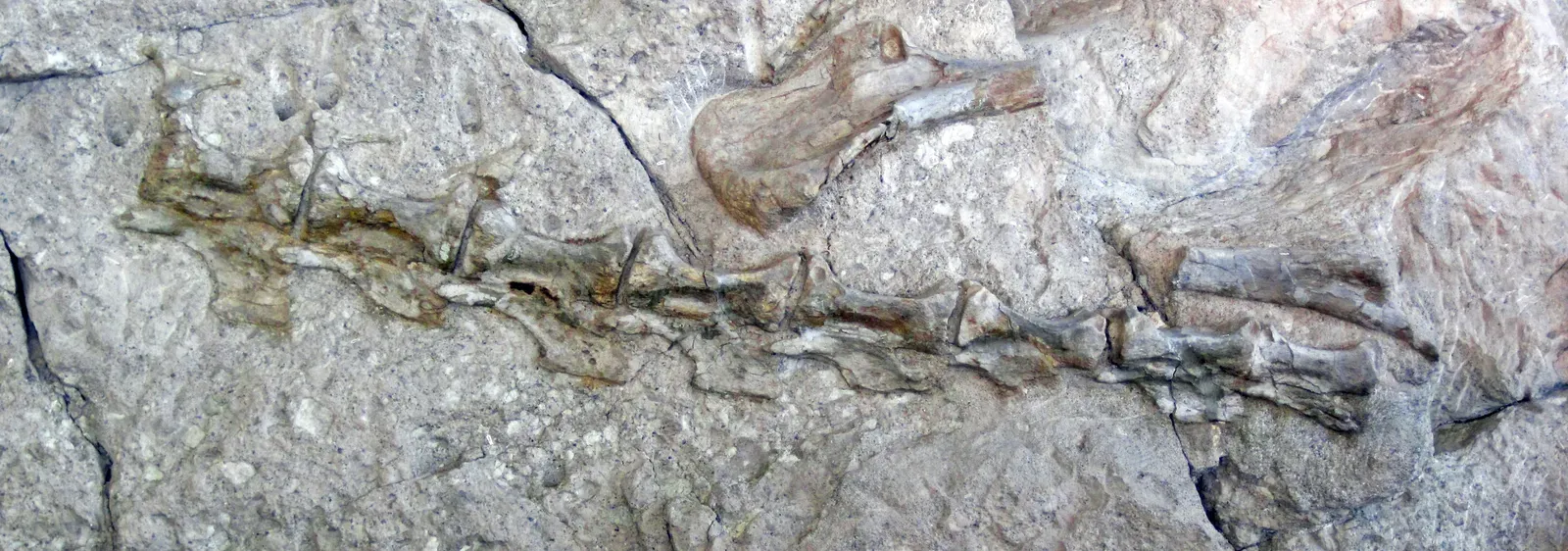
Field stories often sound glamorous, but a lot of paleontology is walking around in the heat staring at rocks that are definitely not fossils. In one famous case, a jumbled mass of weathered stone on a hillside was noted and basically shrugged off as just another broken layer of sandstone. Only later, after erosion exposed more of the shape, did someone realize those “rocks” were repeating, rounded structures that lined up like vertebrae.
What had been ignored as rubble was actually the neck of a huge sauropod, each vertebra locked in place exactly as it had been in life. Once crews dug in properly, they uncovered a massive, articulated series of bones that helped refine what we know about how long‑necked dinosaurs supported and moved those enormous necks. The near miss is painfully easy to picture: if a big storm or landslide had hit that site a few years earlier, the fragile bones might have been destroyed before anyone ever looked twice.
The Mislabelled “Crocodile” Skull That Was Really a New Theropod
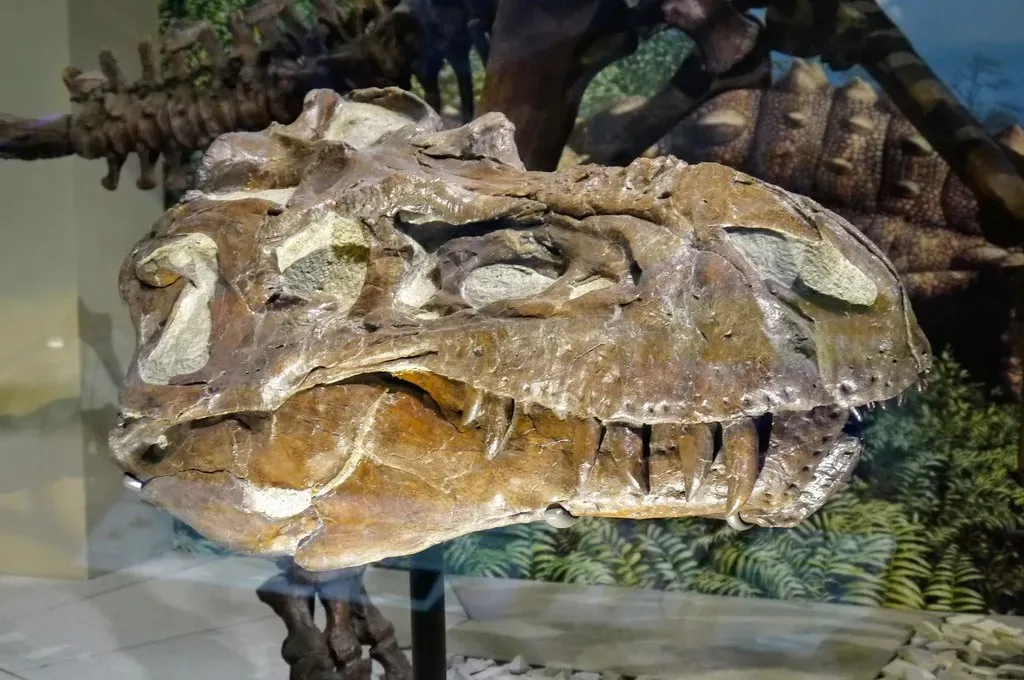
Museum basements are full of fossils that were named or cataloged in the early days of paleontology, when scientists were working with limited knowledge and often rushed descriptions. One skull in particular spent years under a crocodile label because its snout was long and narrow and the original notes were vague. Everyone just accepted that tag and moved on, the way you walk past the same painting in a hallway without really seeing it.
It took a younger researcher, double‑checking measurements for a totally different project, to notice that the skull’s teeth and jaw joints did not match any known crocodilian. Closer study showed it belonged to a theropod dinosaur with unusual head proportions, representing a distinct lineage that had been missing from the evolutionary tree. That single re‑identification suddenly changed how scientists thought predators were distributed in that region and time period, all because someone finally questioned an old handwritten label that had seemed harmlessly boring.
The “Concrete” in a Quarry Wall That Hid a Nearly Complete Skeleton
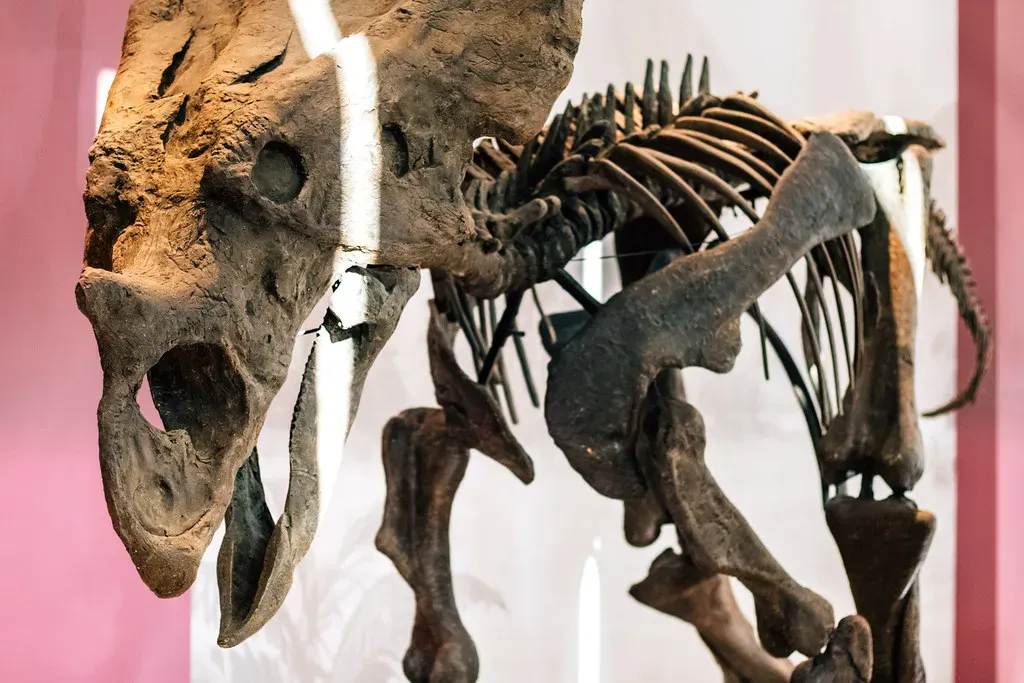
Quarry workers sometimes treat anything hard and gray as just more rock they need to blast through. In more than one case, fossil bones have been mistaken for random chunks of tougher stone or even man‑made concrete embedded in natural layers. One almost‑lost dinosaur came from a situation like this, where a strangely smooth, pale patch in the quarry wall was first written off as a nuisance block slowing down the work.
Only when a visiting geologist happened to run a hand along the surface and notice a familiar curve did anyone realize there were ribs and limb outlines under the dust. Careful excavation eventually revealed an unusually complete, beautifully preserved skeleton that provided rare details about muscle attachments and posture. The idea that a blast charge or a few more hammer blows could have erased all of that in seconds is honestly uncomfortable, and it underlines how much fossil science depends on curiosity in the most ordinary industrial settings.
The Fragment in a Drawer That Connected Dinosaurs and Birds
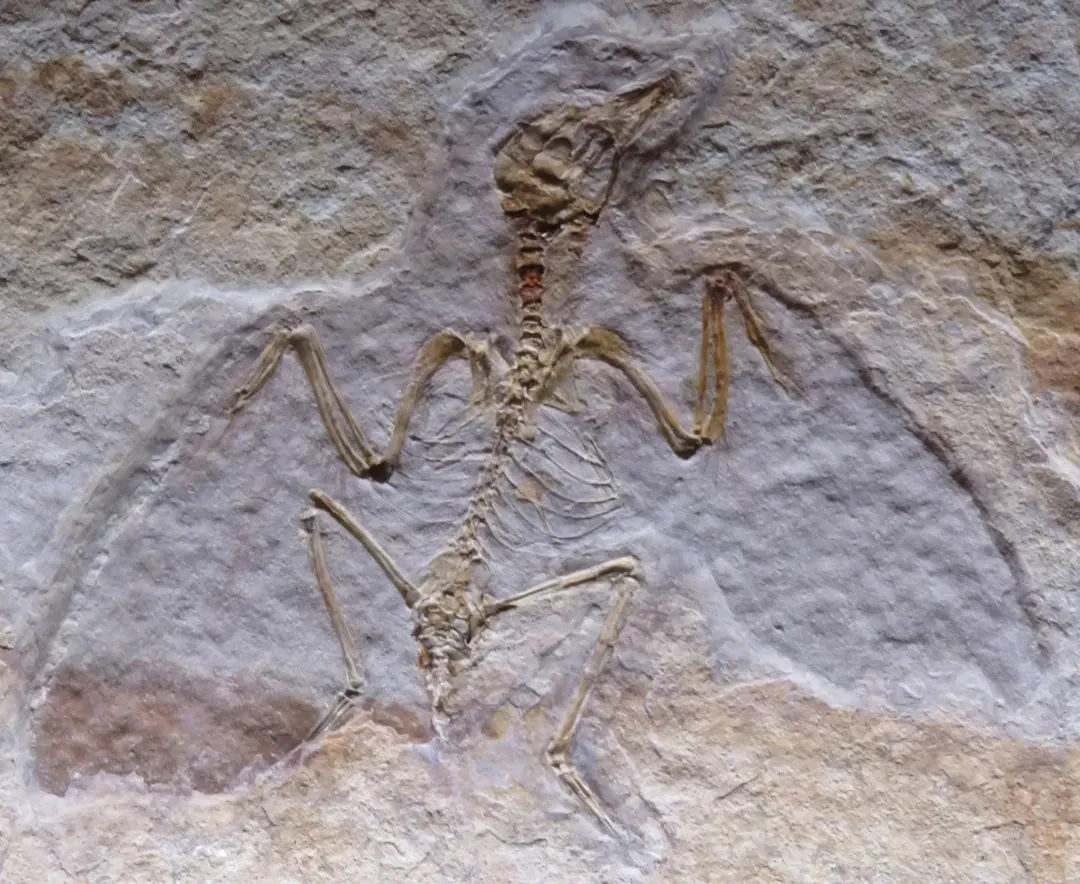
Not all critical fossils are dramatic skulls or full skeletons; sometimes the turning point is a fragment that looks, at first glance, painfully unremarkable. One small fossil limb element, tucked away in a drawer for decades, became crucial once paleontologists began focusing on the evolutionary link between non‑avian dinosaurs and birds. At first, it was cataloged as an isolated bone with no clear assignment, just one more piece in an overflowing collection.
When someone finally reevaluated it using updated comparisons and imaging, subtle details in the joint surfaces and muscle attachment scars lined up with traits seen in early birds and advanced theropods. That tiny bit of anatomy helped bridge a gap in the sequence of changes from ground‑running predators to lightweight, flight‑capable animals. It is a reminder that evolutionary stories often hinge on the bones no one is excited about at first, the puzzle pieces that only make sense when you step back and see the bigger picture.
A Scrappy Juvenile Fossil That Almost Got Tossed Aside
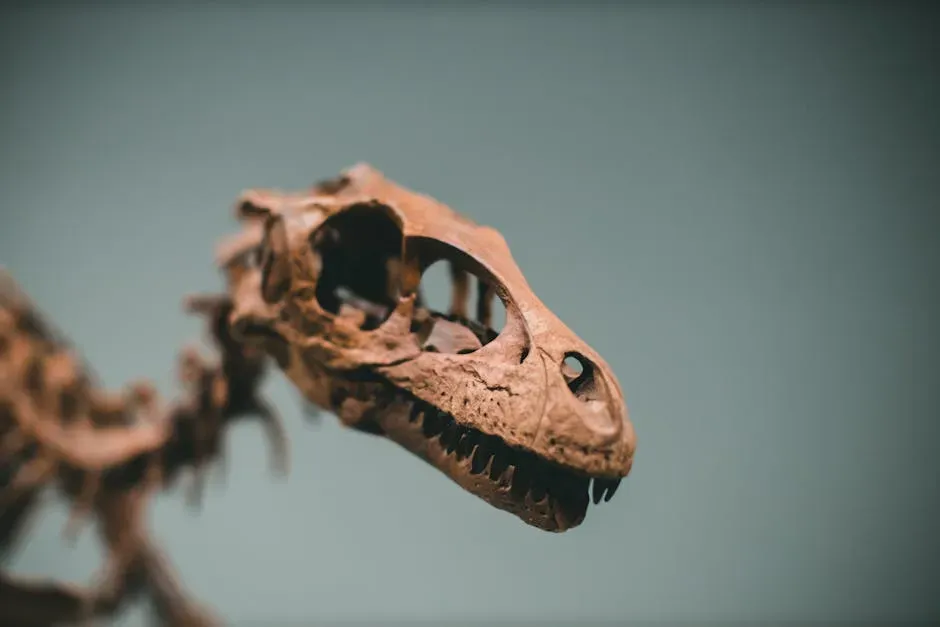
In the field, small, broken bones can feel like a distraction when everyone is hoping to find a big dramatic skull. There have been digs where a collection of tiny, fragile bones was nearly ignored or dismissed as pieces of an already known species, probably not worth the time to pack and transport. One such juvenile fossil, reduced to a scattered set of slender limbs and vertebrae, came dangerously close to staying in the ground.
Back in the lab, careful preparation showed that the proportions and growth patterns in those bones did not match any known young dinosaur. Instead, they revealed a new species that was surprisingly small even as an adult, with unique adaptations in its legs and tail hinting at a different style of movement. Without the patience to collect that “scrappy” material, paleontologists would have missed an entire ecological niche, and our view of dinosaur life would be a little flatter and more biased toward only the biggest, showiest animals.
The Fossil Hidden Under Layers of Old Plaster Jackets
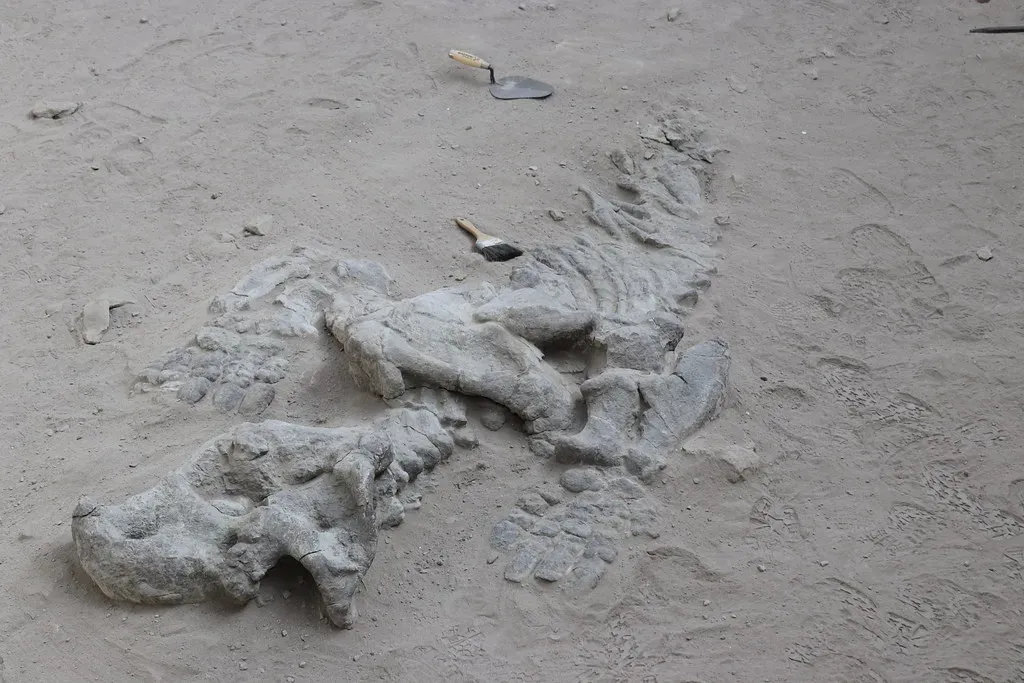
In older collections, it was common to bring whole blocks of sediment home wrapped in thick plaster “jackets” and then only partially open them. Over time, some of those jackets were stacked in corners, labeled vaguely, and forgotten. In one memorable case, what everyone thought was just an over‑packed crate from an early twentieth‑century expedition turned out to hold the better part of a dinosaur that had never been fully exposed.
When conservators finally cut into the plaster to stabilize it for storage, they were shocked to find finely preserved bones with details that no one had ever described in the literature. Slow, careful preparation over months revealed a mix of features not seen before, suggesting either an unusual variation within a known group or a distinct new species entirely. To me, that kind of discovery feels like finding an unread chapter in a classic book that has been on your shelf for years; the story was there the whole time, but no one had bothered to open it properly.
Conclusion: How Many Dinosaurs Are We Still Ignoring?
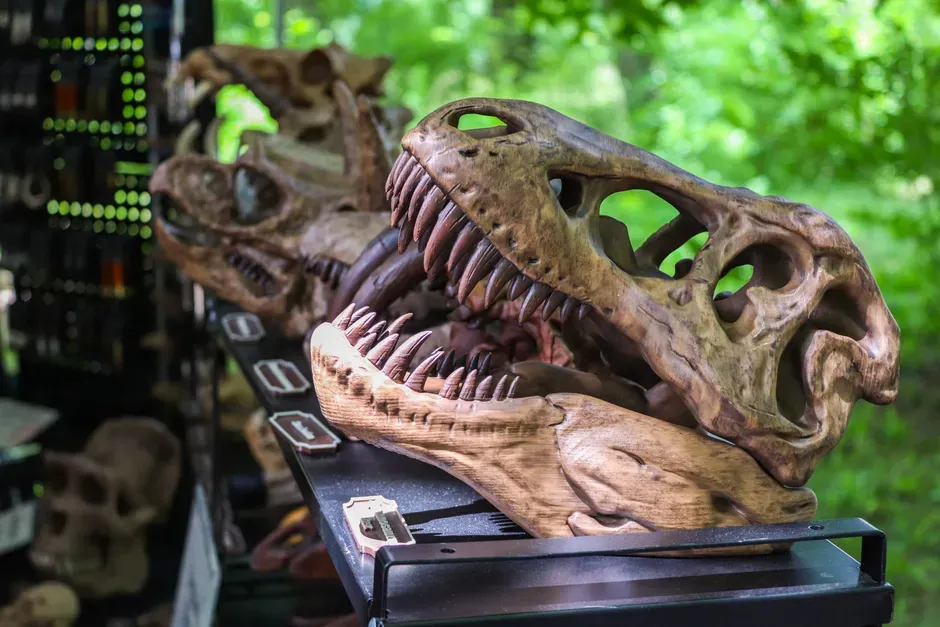
What all these near misses have in common is not magical luck but very ordinary human habits: labelling things too quickly, trusting old notes, rushing in the field, or simply not having enough time to recheck dusty collections. My honest opinion is that the biggest frontier in dinosaur science right now is not only new digs but relooking at what we already have, with fresh questions and better tools. There is something both humbling and exciting about the idea that museum basements and quarry walls still hold answers to debates about evolution, behavior, and extinction.
These stories also push back against the idea that science is a straight, polished path from question to answer. In reality, it is full of forgotten drawers, misread labels, and moments where someone finally pauses and says, “Wait, this does not fit.” The next dinosaur that rewrites the textbooks might not be hiding deep underground; it might already be on a shelf, waiting for somebody curious enough to look twice. When you think about that, you have to wonder: if we these seven, how many more are still quietly waiting to be noticed?