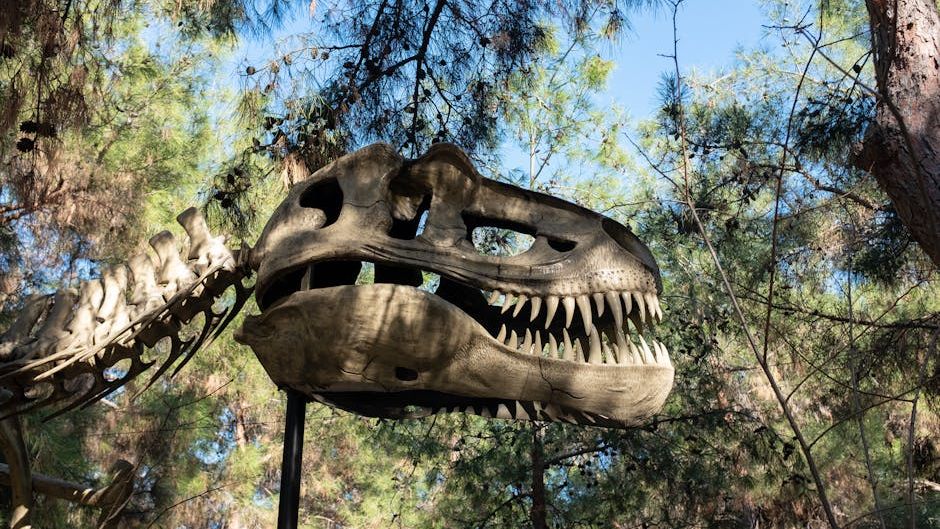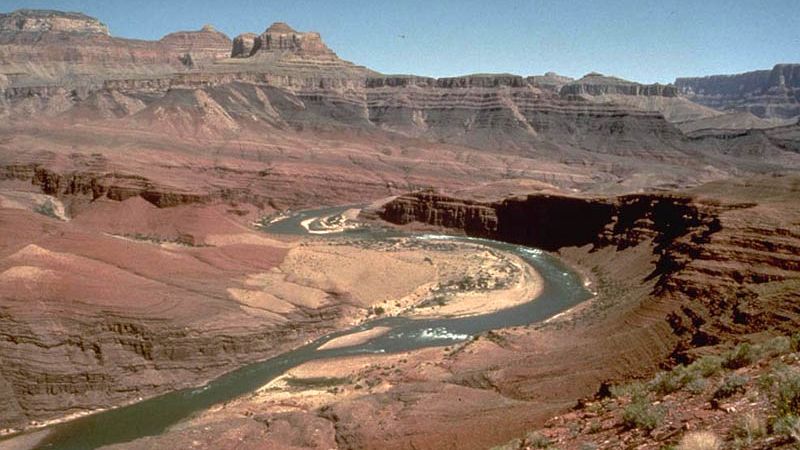
The story of dinosaur survival reads like the ultimate tale of resilience. When we think about extinction events, our minds usually jump to that infamous asteroid strike 66 million years ago that supposedly ended all dinosaurs. But here’s what most people don’t realize – dinosaurs actually weathered several devastating extinction events throughout their nearly 200-million-year reign on Earth. Some species were so adaptable, so remarkably resilient, that they managed to survive not just one, but multiple mass extinction events that wiped out countless other life forms.
Picture this: while entire ecosystems collapsed around them, certain dinosaur lineages found ways to persist, adapt, and even thrive in the aftermath. These weren’t just lucky survivors – they were evolutionary masterpieces that developed specific traits allowing them to endure catastrophic environmental changes that spelled doom for their contemporaries.
Birds – The Ultimate Dinosaur Survivors
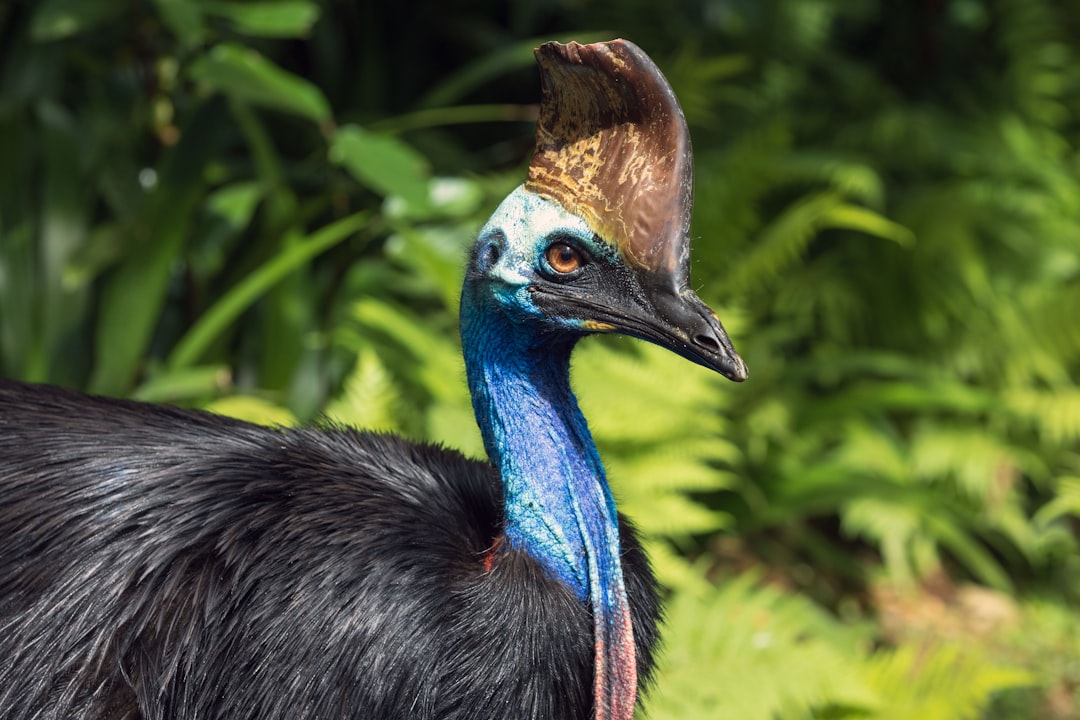
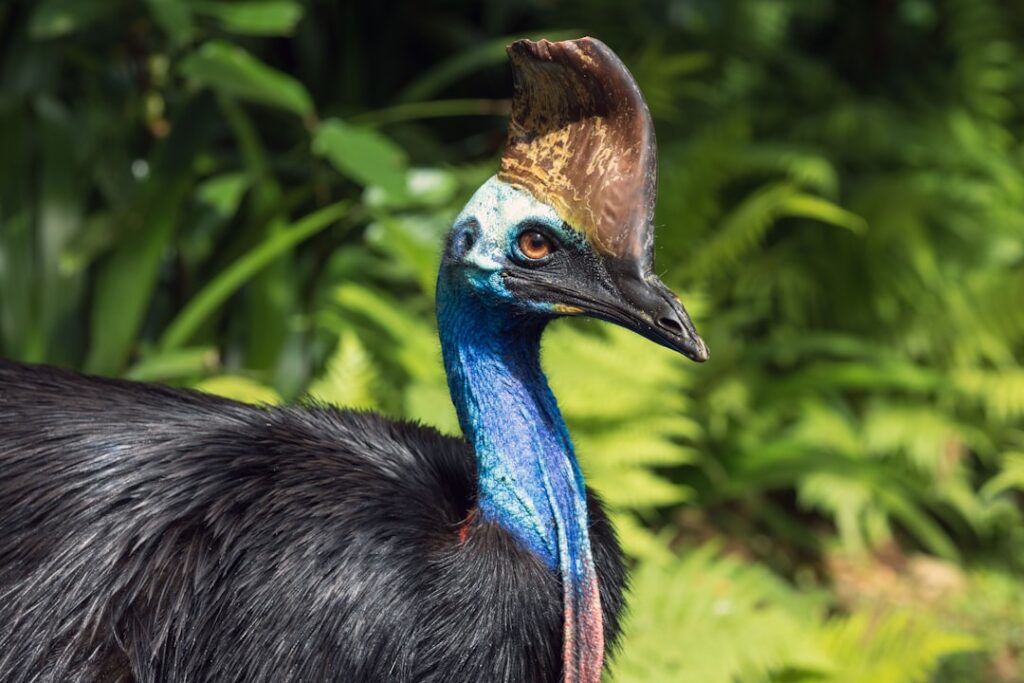
Here’s a mind-blowing fact that still catches people off guard – birds ARE dinosaurs. Birds are the only dinosaurs to survive the mass extinction event 65 million years ago. They’re not descendants of dinosaurs; they’re literally living, breathing theropod dinosaurs that have been flying around us this whole time. Museum scientists estimate that there are about 10,000 bird species alive today.
What makes this even more incredible is that birds survived through multiple extinction events. By the end of the Cretaceous, beaked birds were already eating a much more varied diet than their toothed relatives, and in the aftermath of the extinction, when animal life was severely cut back, those hard, persistent little morsels got beaked birds through the hard times. Beaked birds were able to feed on the seeds of the destroyed forests and wait out the decades until vegetation began to return. Their adaptability turned potential disaster into opportunity.
Crocodilians – Ancient Armored Survivors
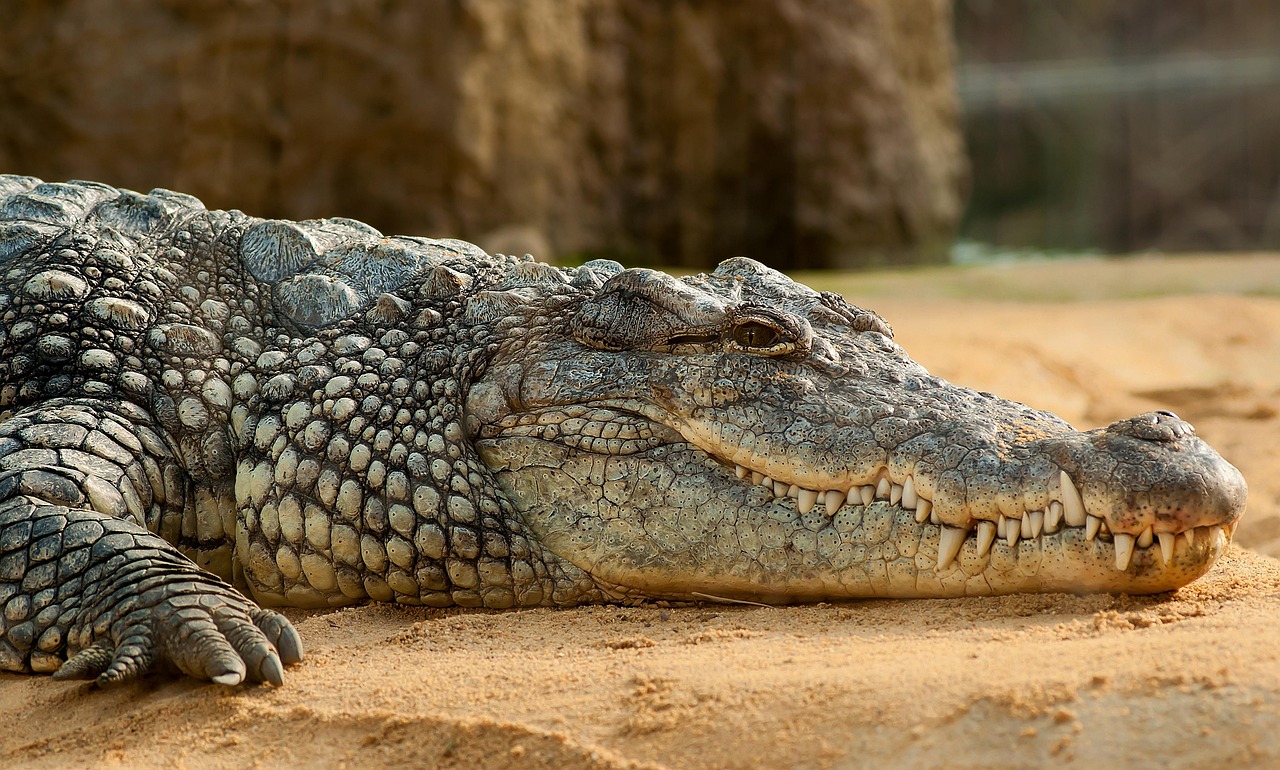
Alligators & Crocodiles: These sizeable reptiles survived – even though other large reptiles did not. Crocodilians represent one of the most remarkable survival stories in dinosaur history. These armored predators have been cruising through multiple extinction events like they’re just minor inconveniences. The only lines of archosaurs – the group of reptiles that contains the dinosaurs, birds, and crocodilians – that survived the extinction were the lineages that led to modern birds and crocodilians. Among surviving reptile groups, turtles, crocodilians, lizards, and snakes were either not affected or affected only slightly.
Ectothermic (“cold-blooded”) crocodiles have very limited needs for food (they can survive several months without eating), while endothermic (“warm-blooded”) animals of similar size need much more food to sustain their faster metabolism. Thus, under the circumstances of food chain disruption previously mentioned, non-avian dinosaurs died out, while some crocodilians survived. It’s like having the ultimate survival insurance policy built into their metabolism.
Sauropods – The Long-Necked Persistence Champions
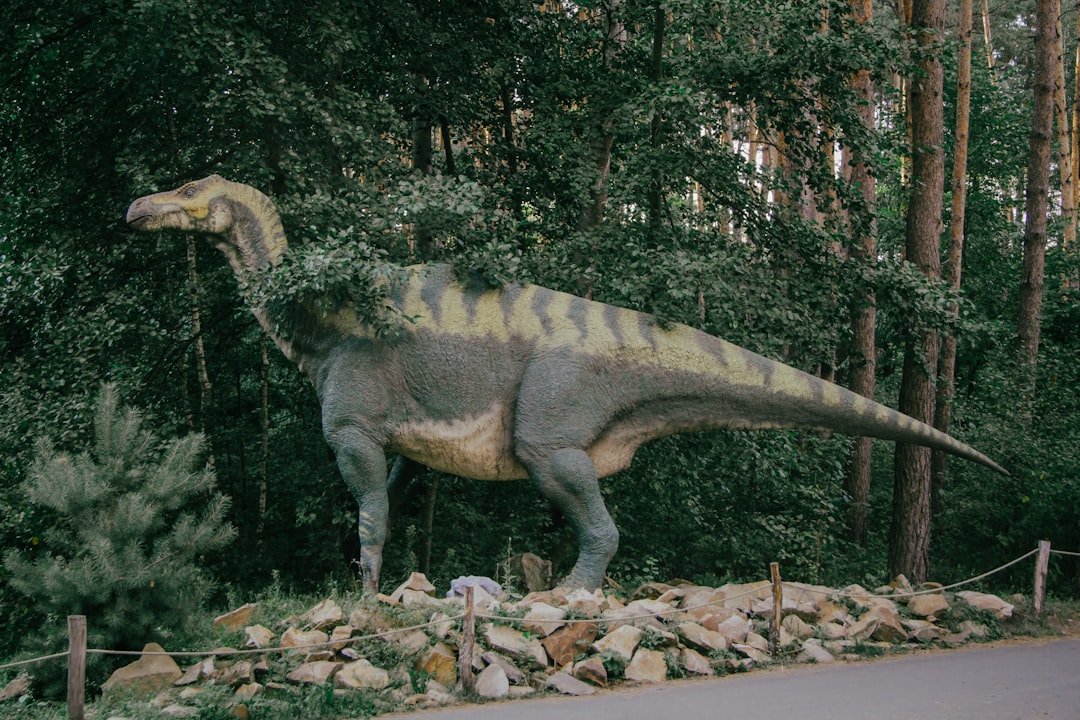
Think all sauropods vanished before the final extinction? Think again. Recent discoveries have overturned that scenario, however, by showing that sauropods flourished for another 80 million years, throughout the Cretaceous period – right up until the extinction event that brought the age of dinosaurs to a close. These colossal creatures didn’t just survive earlier extinction events – they thrived through them.
It is the first known diplodocid from South America, perhaps more closely related to African than North American and European diplodocids, and the first known diplodocid that survived into the Cretaceous. The discovery of species like Leinkupal laticauda proved that some sauropod families persisted far longer than previously thought. End-Cretaceous trends in diversity may have varied between dinosaur lineages: it has been suggested that sauropods were not in decline, while ornithischians and theropods were in decline. Even as other dinosaur groups struggled, sauropods kept their evolutionary game strong.
Theropods – The Predator Lineage That Never Quit
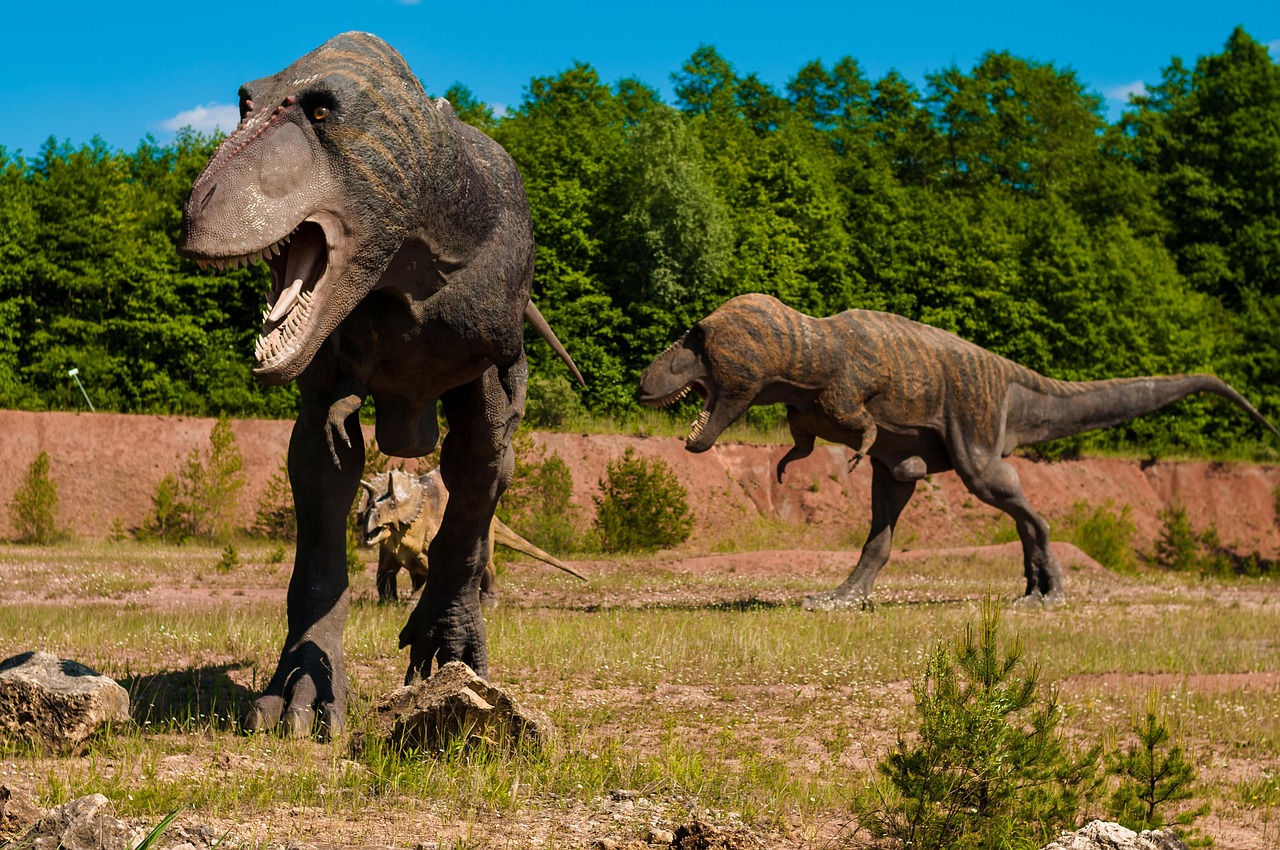
Theropod dinosaurs represent perhaps the most successful dinosaur survival story of all time. Not only did they survive multiple extinction events, but they’re still with us today in the form of birds. Crocodylomorphs, dinosaurs, pterosaurs, and mammals were left largely untouched, allowing them to become the dominant land animals for the next 135 million years. These bipedal predators showed remarkable adaptability throughout the Mesozoic era.
The key to theropod success? Diversification. Theropods were also radiating as herbivores or omnivores, with therizinosaurians and ornithomimosaurians becoming common. While other dinosaur groups remained locked into specific ecological roles, theropods experimented with different lifestyles. Some became massive predators, others evolved into plant-eaters, and the most successful group learned to fly. This flexibility became their ticket to survival when environments changed dramatically.
Mammals – The Small Survivors Among Giants
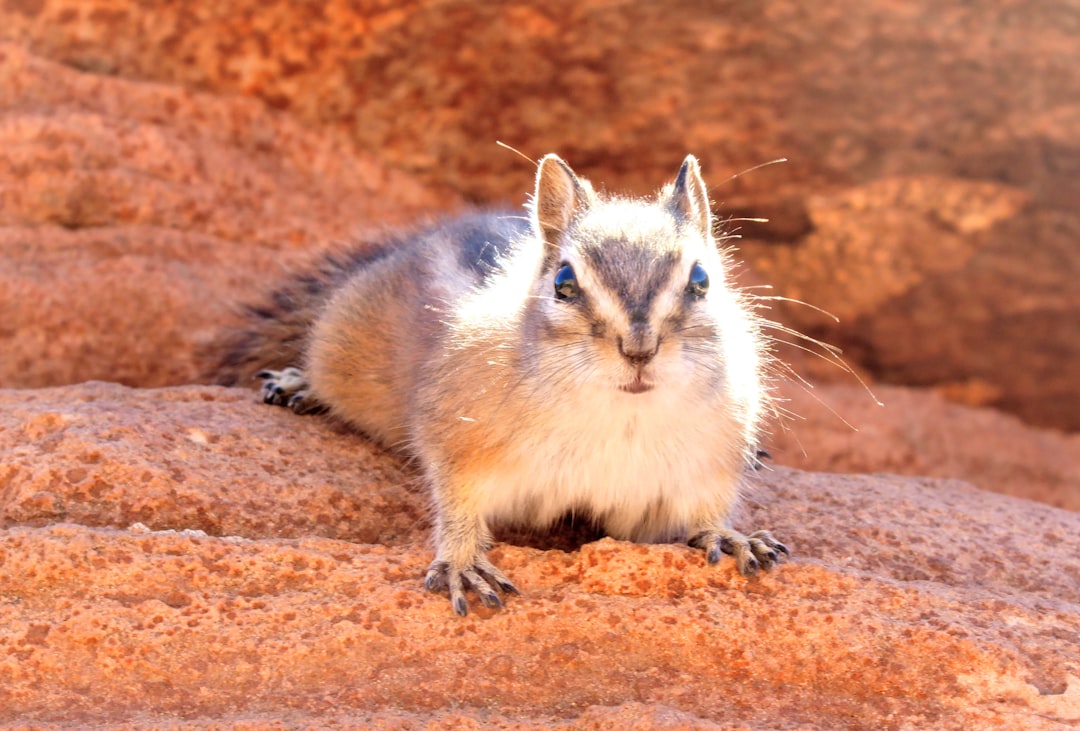
Though mammals weren’t dinosaurs, their survival story parallels that of successful dinosaur lineages. The dinosaurs (except for a few birds) all died out, along with lots of the mammals. But some small mammals survived, laying the groundwork for all the mammals alive today. The mammals alive at the time of the mass extinction event were typically quite small.
What’s fascinating is how similar survival strategies worked across different animal groups. For decades, scientists have assumed that mammals and their relatives that survived challenging times (like those during mass extinctions) made it because they were generalists that were able to eat just about anything and adapt to whatever life threw at them. Recent research suggests the story might be more complex, but the principle of adaptability over specialization clearly helped both mammals and certain dinosaur lineages weather multiple extinction events.
Archosaur Lineages – The Ruling Reptile Success Story
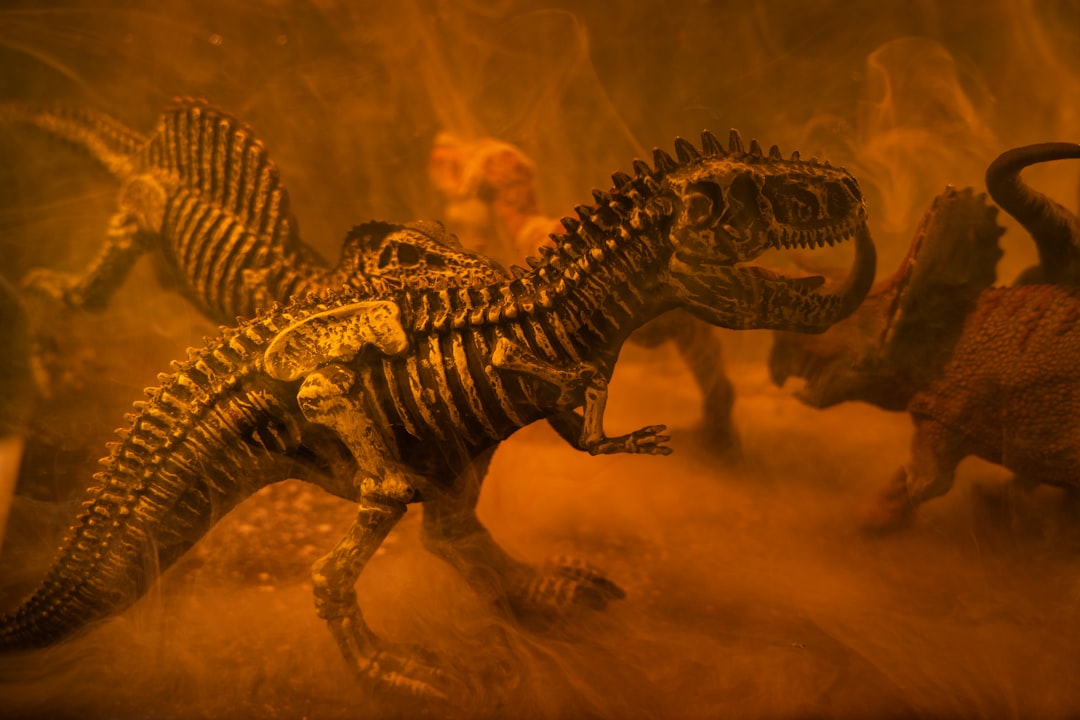
On land, all archosauromorph reptiles other than crocodylomorphs, dinosaurs, and pterosaurs became extinct. Crocodylomorphs, dinosaurs, pterosaurs, and mammals were left largely untouched, allowing them to become the dominant land animals for the next 135 million years. The archosaur success story is really about having the right body plan at the right time.
All Triassic archosaurs, apart from dinosaurs, pterosaurs and crocodiles, went extinct. This opened up many of the environments that the archosaurs had occupied, paving the way for the surviving dinosaurs to take their place, while the small mammalian relatives still scurried around the forest floors. The surviving archosaur groups possessed key advantages – they were often smaller, more metabolically efficient, or had developed special adaptations like flight or semi-aquatic lifestyles that buffered them against environmental catastrophes.
Pterosaurs – The Flying Dragons That Defied Extinction
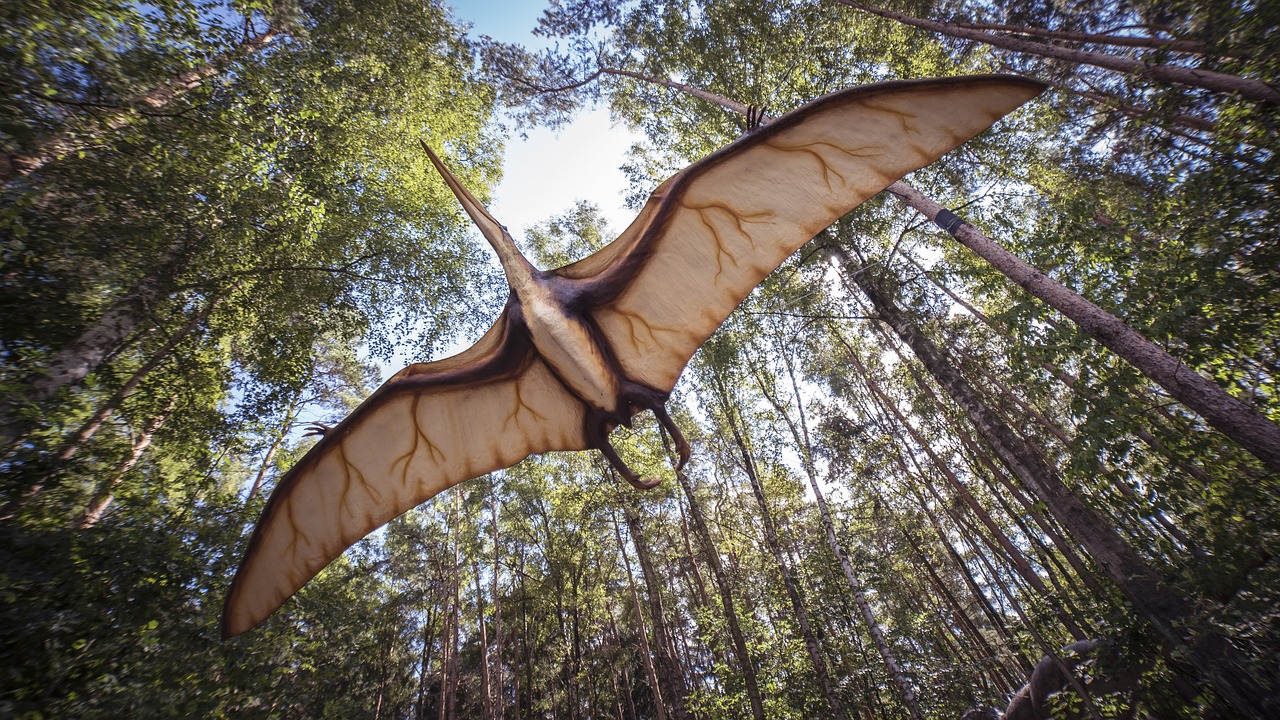
Pterosaurs, though technically not dinosaurs, evolved alongside them and showed similar resilience to multiple extinction events throughout the Mesozoic. Some of the early, primitive dinosaurs also became extinct, but more adaptive ones survived to evolve into the Jurassic. The same adaptive principles applied to pterosaurs – the flexible, evolving species made it through while rigid specialists didn’t.
These flying reptiles survived the Triassic-Jurassic extinction event and continued evolving throughout the Jurassic and Cretaceous periods. Early dinosaurs had developed insulating coats of feathers to access the rich vegetation found closer to the poles. This adaptation may have led them to survive the extinction and populate the Earth during the Jurassic. Pterosaurs likely had similar adaptations that allowed them to exploit environments that became uninhabitable for less adaptable species. Unfortunately, Pterosaurs also went extinct at the final K-Pg boundary, but their nearly 165-million-year run represents one of evolution’s greatest success stories.
Conclusion
The real lesson from these extinction survivors isn’t just about toughness – it’s about adaptability. Some of it may just be based on luck. You might have had small pockets in certain parts of the world where certain types of animals had the right conditions for them to survive. Maybe all their other representatives around the planet went extinct, but because that one small pocket survived, then they could eventually repopulate over again. The species that made it through multiple extinction events weren’t necessarily the biggest or strongest – they were the ones that could roll with the punches, switch up their diets, change their habitats, or develop new survival strategies when their old world disappeared.
What’s truly mind-blowing is that we’re still living alongside some of these ultimate survivors. Every time you see a bird outside your window, you’re looking at a living dinosaur that survived not one, but multiple apocalyptic events. Makes you wonder what other “extinct” lineages might still be hiding in plain sight, doesn’t it?