
Some dinosaur names sound less like real animals and more like rejected rock bands or fantasy villains. You hear them once, blink twice, and think: there’s no way that’s a real creature that walked the Earth. But behind each bizarre name there’s usually a surprisingly logical story about discovery, science, and the very human urge to label the weird stuff we find.
Let’s dive into seven dinosaurs whose names are so strange they almost overshadow the animals themselves. Along the way, you’ll see how personal feuds, mythology, and a bit of scientific drama got fossilized right alongside the bones.
1. Dracorex hogwartsia – The “Dragon King of Hogwarts”
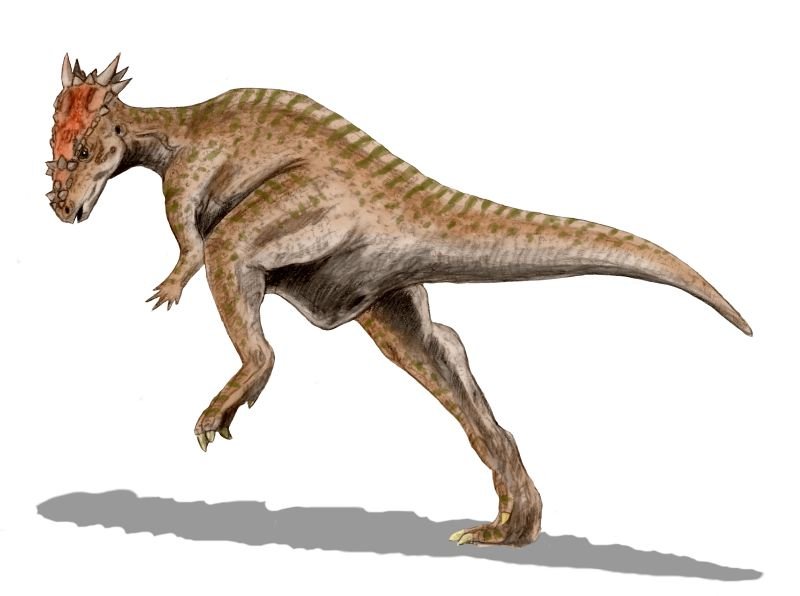
Yes, this is an actual scientific name, and no, it’s not fanfiction. Dracorex hogwartsia roughly translates to “dragon king of Hogwarts,” inspired by its dragon-like skull and a nod to the magical school from the Harry Potter series. This small, plant‑eating dinosaur lived during the Late Cretaceous and had a skull covered in spikes, bumps, and a long snout that genuinely makes it look like the design sheet for a fantasy game boss.
What makes Dracorex even stranger is that many paleontologists now suspect it might not be its own unique species at all. There’s a growing idea that Dracorex (and another spiky dinosaur called Stygimoloch) are just teenage versions of a fuller‑grown dinosaur named Pachycephalosaurus, which had a more domed skull. If that’s true, then the world’s most famously named “dragon from Hogwarts” might just be a dinosaur in its awkward adolescent phase, immortalized with the coolest name in the fossil record.
2. Masiakasaurus knopfleri – The “Knopfler’s Odd-Jawed Lizard”
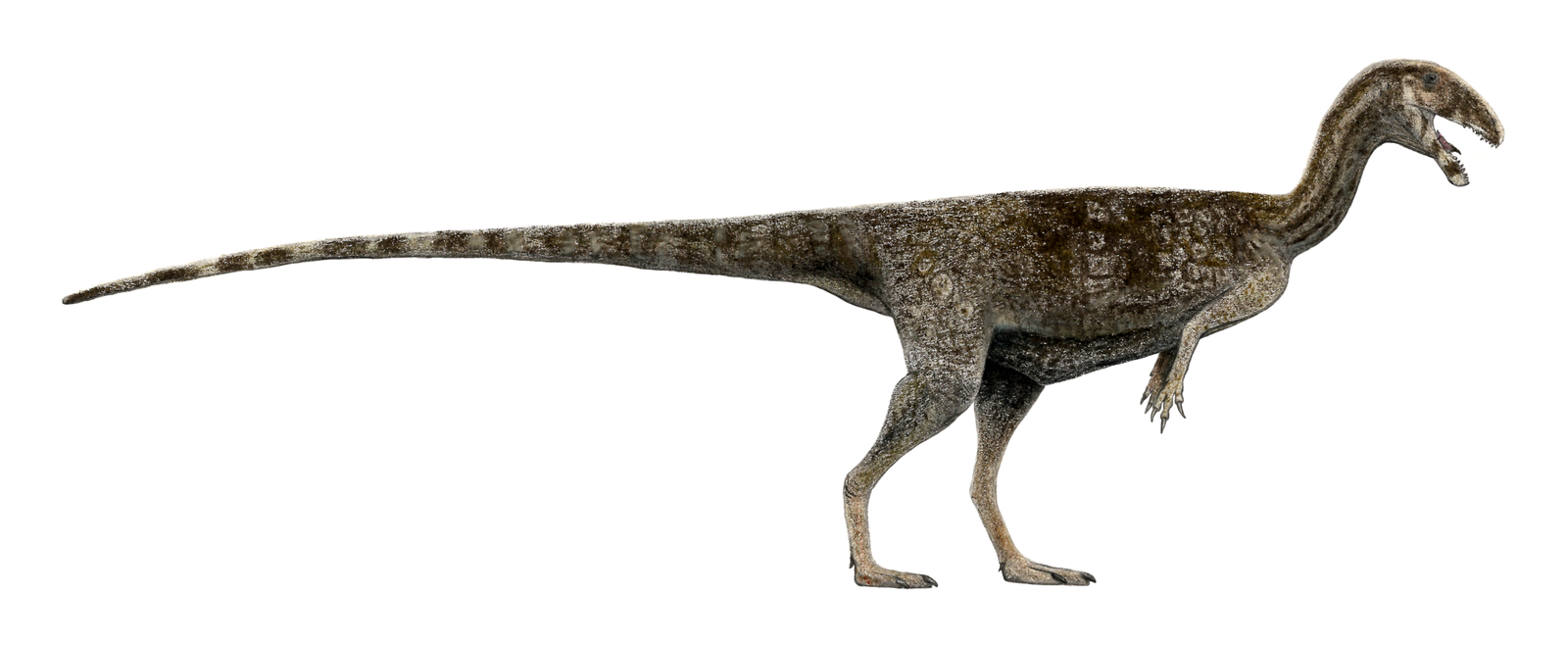
Masiakasaurus already sounds odd, but it gets weirder once you learn about its teeth. This small predator from Madagascar had forward‑projecting front teeth that stuck out of its lower jaw at a strange angle, almost like someone gave a normal dinosaur a set of badly aligned vampire fangs. Scientists think it may have been specialized for catching slippery prey like fish or small animals, which would make that bizarre dental setup more of a built‑in fishing tool than a fashion statement.
The full name, Masiakasaurus knopfleri, adds a human twist. The species name honors musician Mark Knopfler, because the team that discovered the dinosaur happened to be listening to his music a lot during their fieldwork. So now, this funky‑toothed predator forever carries the name of a rock guitarist. It’s oddly fitting: if any dinosaur deserved a backstage‑pass kind of name, it’s the one that looks like it could open for a metal band just by flashing its grin.
3. Irritator challengeri – The Paleontologist Annoyance
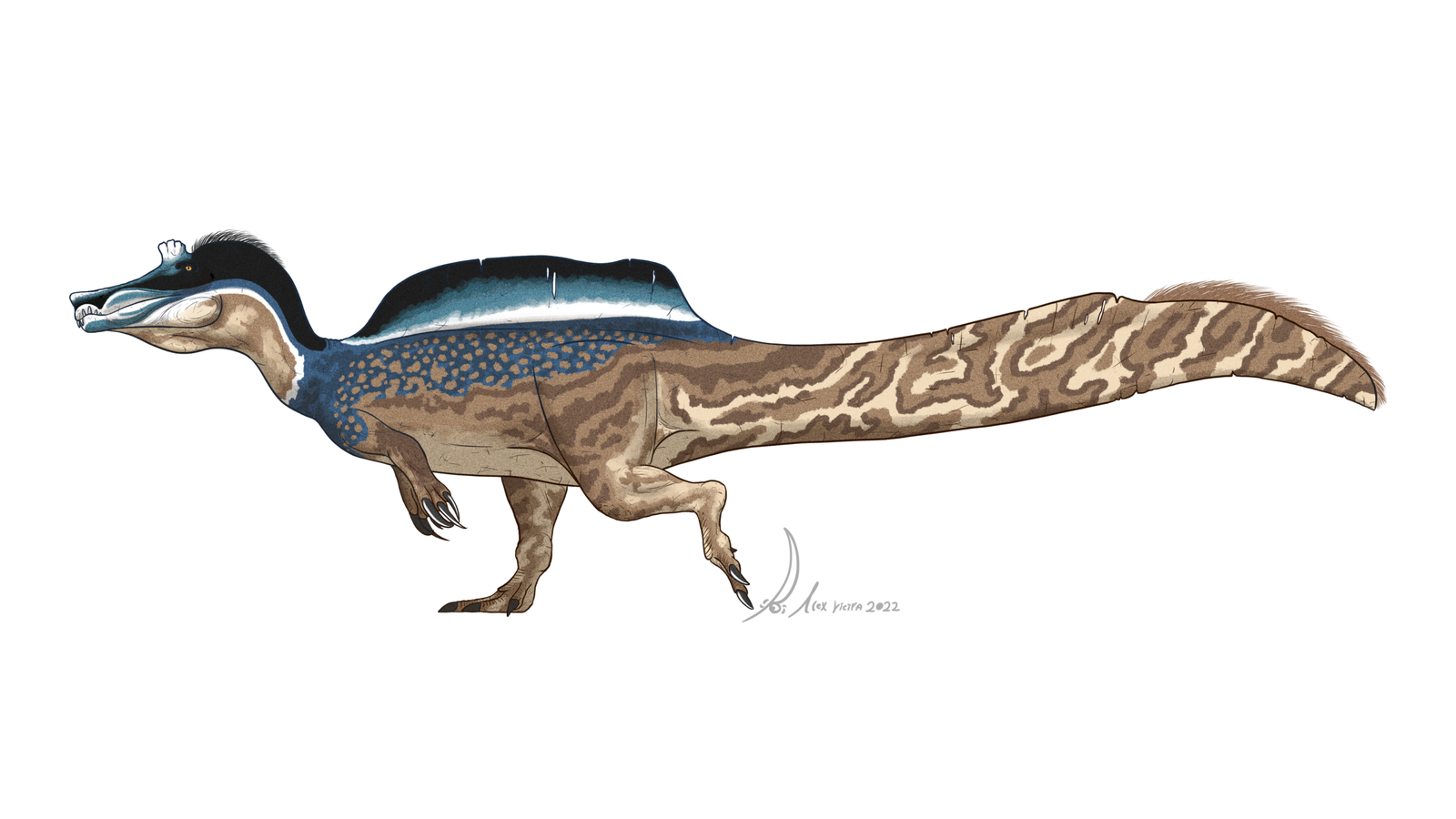
If you’ve ever worked on a frustrating project and wanted to name it after your feelings, you’re going to love Irritator. This dinosaur’s full name, Irritator challengeri, comes partly from pure scientific irritation. When the fossil was first studied, researchers realized that fossil dealers had heavily altered and “improved” the skull with plaster to make it look more impressive, which caused a lot of confusion and wasted time. In response, the scientists named it Irritator to capture just how annoyed they were by that mess.
Underneath that name, though, is a genuinely interesting animal. Irritator was a spinosaurid theropod from what is now Brazil, likely semi‑aquatic and specialized in fish hunting, with a long narrow snout and conical teeth. In many ways it resembled the more famous Spinosaurus but at a smaller size. It’s almost poetic that one of the more fascinating fish‑eating dinosaurs carries a name that screams human frustration, reminding us that fossils are discovered by real people with real emotions and, in this case, very little patience left.
4. Sauroposeidon proteles – The Earth-Shaking “Lizard of Poseidon”
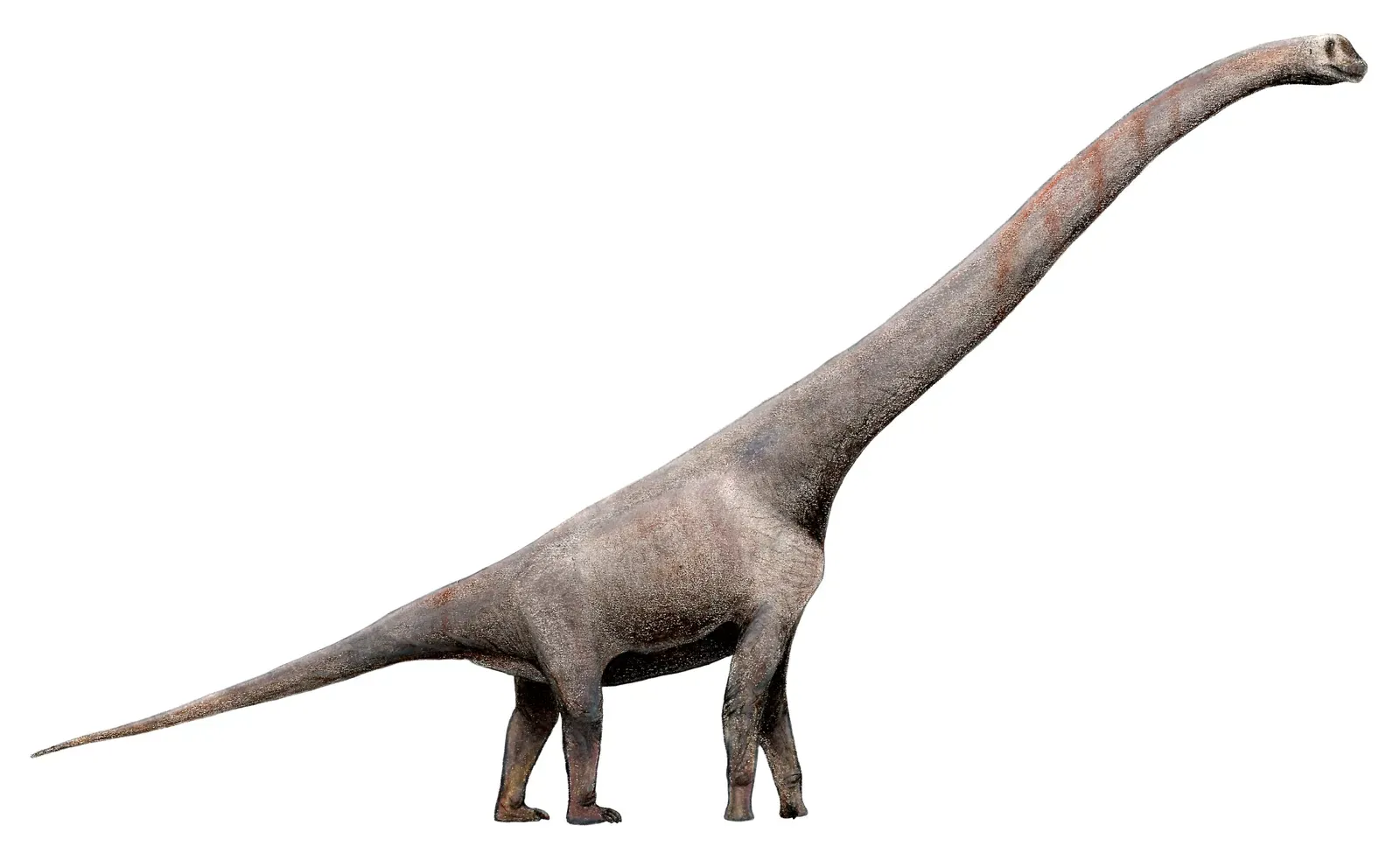
When scientists name something after a god of earthquakes and the sea, you know it’s not going to be a dainty little creature. Sauroposeidon means “lizard of Poseidon,” and it refers to a gigantic long‑necked sauropod that lived in what is now North America. Based on its enormous neck vertebrae, this dinosaur may have been among the tallest animals to ever walk the Earth, with a neck so towering it’s been compared to standing under a modern city building.
The name sounds dramatic and a little over the top, but in this case, it almost feels restrained. Its massive neck bones were originally mistaken for parts of a giant tree trunk or something man‑made because they were so huge. Imagine discovering that what you thought might be debris is actually a piece of a neck from a creature whose head could have poked into the upper stories of a building. Sauroposeidon is one of those rare dinosaurs where the outrageous name still feels like it might be underselling things.
5. Micropachycephalosaurus – The Name That Barely Fits on a Page
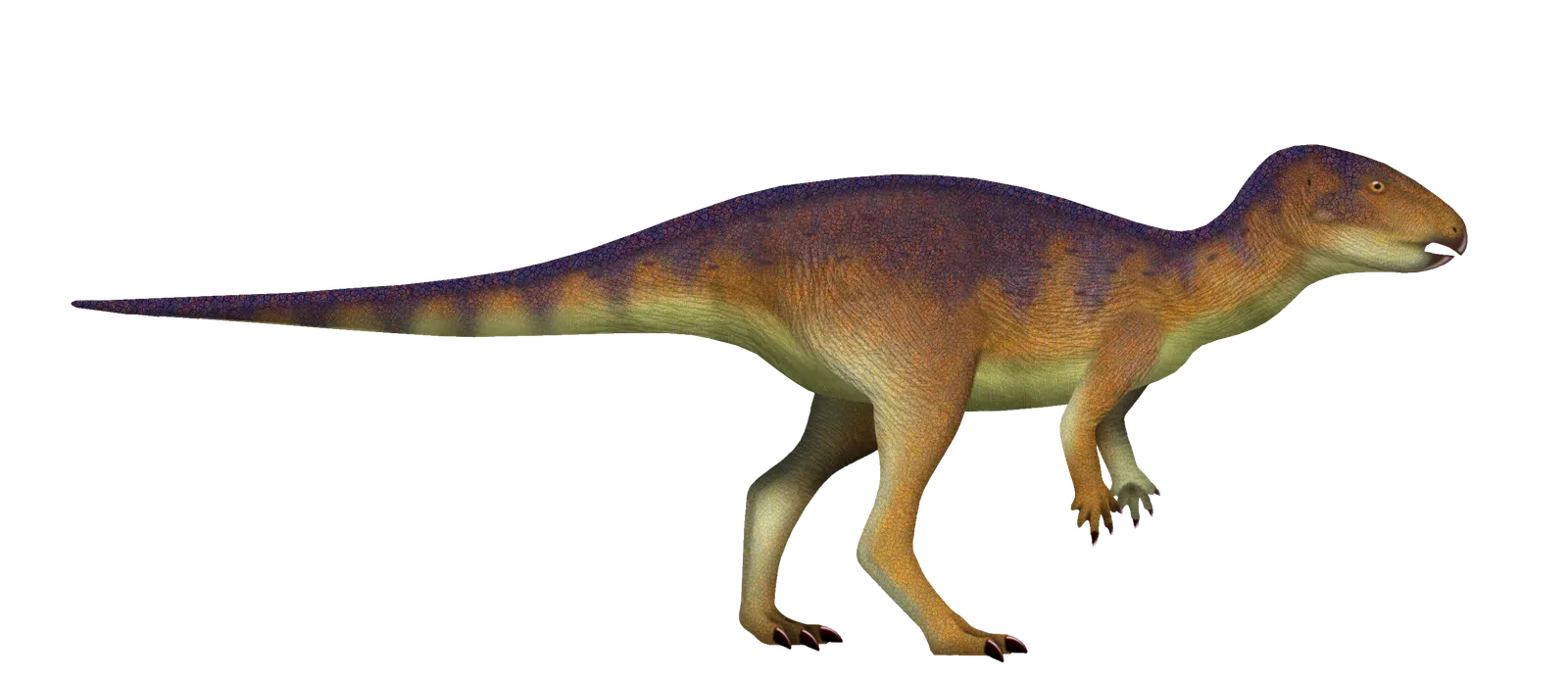
Micropachycephalosaurus is less a name and more an endurance test. It is often cited as one of the longest dinosaur genus names, and it roughly means “tiny thick‑headed lizard.” This small dinosaur lived in what is now China, and as the name suggests, it was a diminutive creature compared to many of its massive cousins. The original idea was that it belonged to the pachycephalosaurs, the group known for their thick, dome‑shaped skulls.
Later research, however, has questioned that classification, and there is still debate about exactly where it fits on the dinosaur family tree. So we are left with a dinosaur whose name screams “miniature dome‑head,” even though its exact relationships are a bit fuzzy. In a way, Micropachycephalosaurus feels like a joke that got stuck in the permanent record: a tongue‑twisting label that outgrew the certainty of the science behind it. If there were awards for “most intimidating name for the smallest creature,” this little one would be a strong contender.
6. Pantydraco caducus – The Dinosaur That Sounds Like Underwear
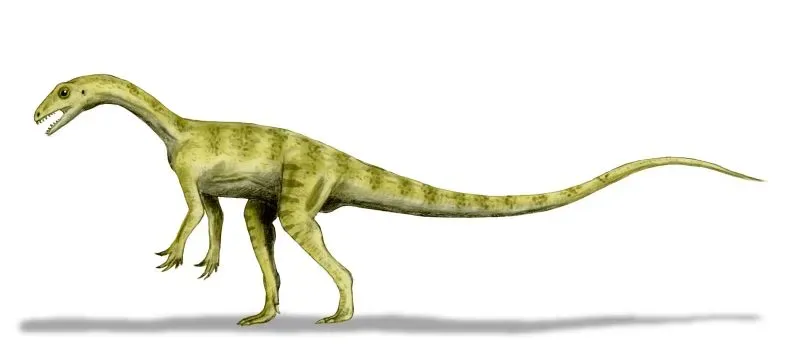
For English speakers, Pantydraco is one of those names that instantly triggers a double‑take. It sounds suspiciously like a brand of children’s underwear, but the name actually comes from a Welsh place name: Pant‑y‑ffynnon, meaning “valley of the spring.” Pantydraco was a small early sauropodomorph from the Late Triassic, a kind of distant early cousin of the huge, long‑necked sauropods that would dominate later periods. It walked on two legs and was relatively small, especially compared to the titans it is related to.
The accidental humor of the name highlights how regional language and modern slang can clash in hilarious ways. In Welsh context, Pantydraco sounds perfectly serious and dignified: “dragon from Pant‑y‑ffynnon.” Transplant that into everyday English, and suddenly you have what sounds like a cartoon mascot for a clothing line. Scientifically, it is an important dinosaur for understanding the early evolution of sauropods. Culturally, though, it is a reminder that Latinized names don’t always age gracefully once they are let loose on the global internet.
7. Bambiraptor feinbergorum – The Deadly-Smart “Bambi Thief”
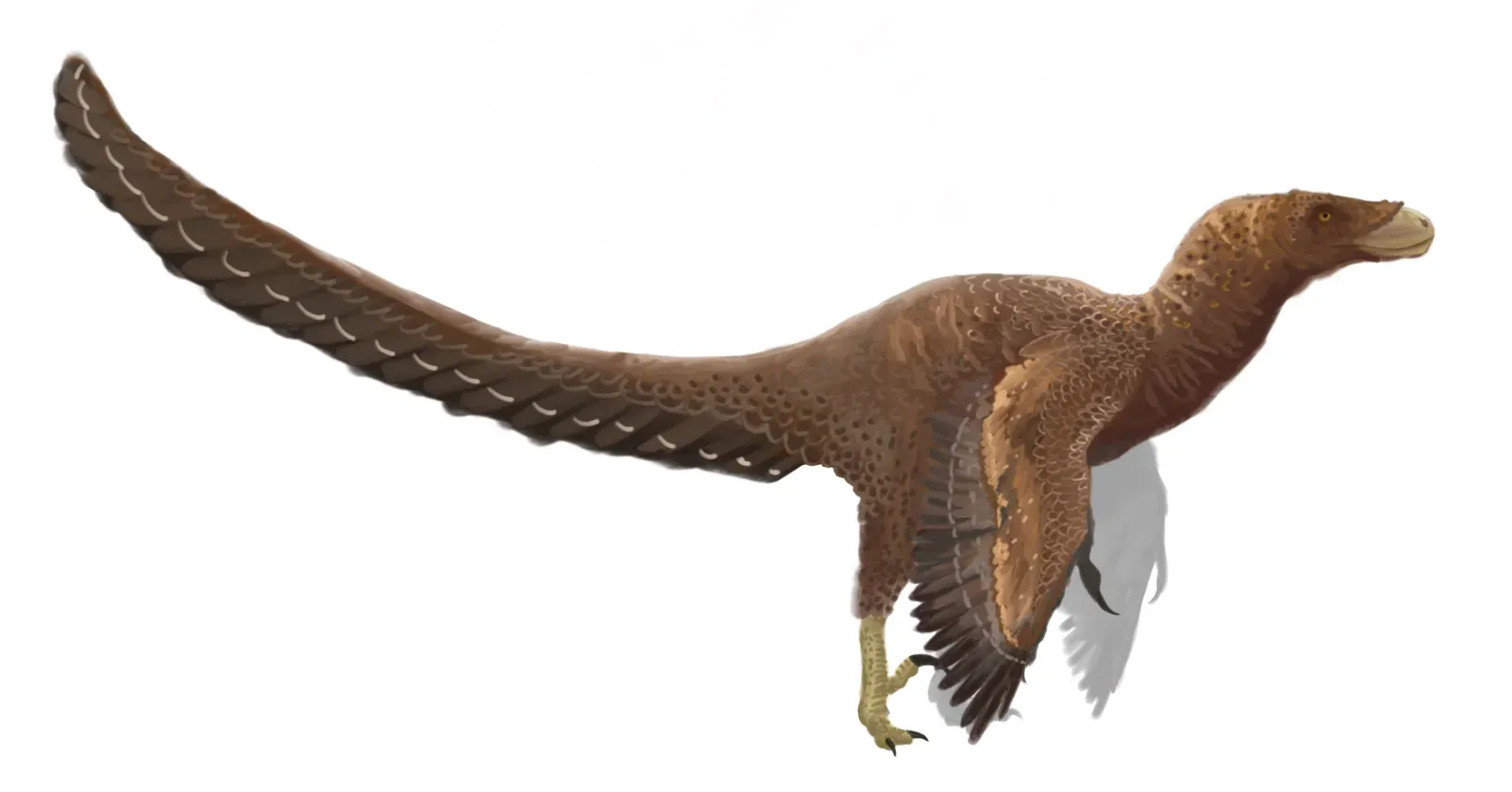
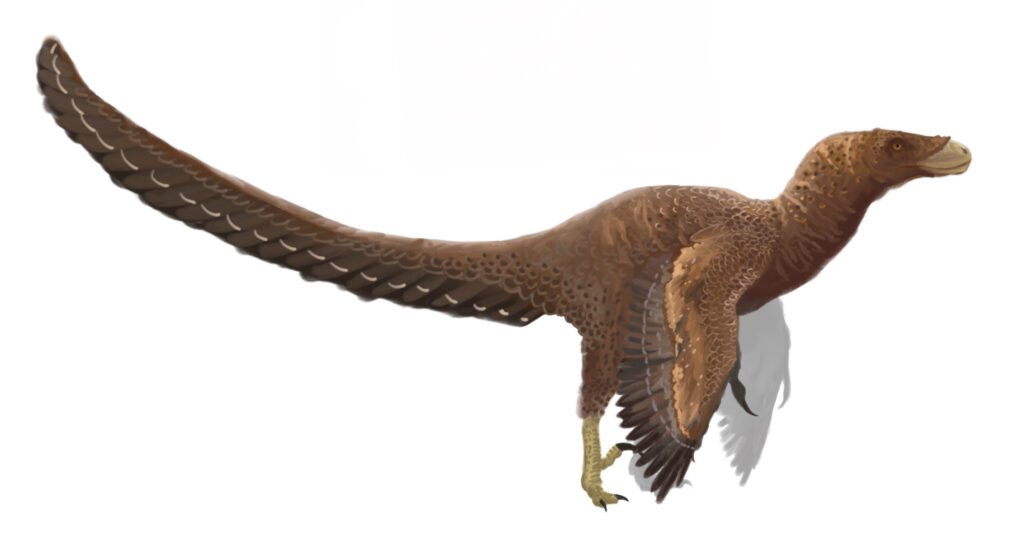
At first glance, Bambiraptor sounds adorable, like a soft plush toy you’d buy in a museum gift shop. The name was inspired by the young age of the specimen and a comparison to a small deer, much like the classic animated character that shares part of its name. But make no mistake: this was not a gentle forest fawn. Bambiraptor was a small, bird‑like theropod dinosaur, agile and likely quick, with a body plan similar to other raptor dinosaurs known for sharp claws and keen senses.
What makes Bambiraptor especially interesting is its well‑preserved skeleton, which has given scientists valuable clues about the link between dinosaurs and birds. Studies have suggested that it had a relatively large brain for its size, hinting at more complex behavior than you might expect from something nicknamed after a cartoon deer. The name may sound cute, almost disarming, but underneath it is an animal that was probably clever, fast, and armed with serious weapons. It is a perfect example of how a playful name can disguise a genuinely fierce little predator.
Conclusion: When Dinosaur Names Reveal More About Us Than Them
The strangest thing about these dinosaur names is not the creatures themselves, but what the names say about the humans who chose them. You can feel the irritation in Irritator, the fandom in Dracorex hogwartsia, the regional roots in Pantydraco, and the sense of awe behind Sauroposeidon. In every case, the label is part science, part story, and part emotional snapshot of the moment bones in the ground turned into a species on paper.
Personally, I think the wildness of these names is a feature, not a flaw. They make paleontology feel less like a distant, dusty subject and more like something driven by real people with quirks, passions, and senses of humor. The animals themselves were astonishing long before we arrived; the names are our messy, charming attempt to catch up. Next time you hear a dinosaur name that sounds completely ridiculous, maybe that is the point: it is a reminder that even in the most serious science, there is still room for surprise, personality, and a little bit of fun. Which of these bizarre names would you have guessed belonged to a real dinosaur?