Most of us walked out of school with a fairly tidy story in our heads: Darwin discovered natural selection, the strongest survive, and over millions of years, life on Earth slowly became what it is today. Clean. Simple. Settled. Except it isn’t, not even close.
The truth is that evolutionary science in 2026 looks almost nothing like what is printed in standard biology textbooks. Researchers are actively debating the foundations of how life changes, and some of the most provocative challenges are coming from inside the scientific community itself. The ideas you’re about to encounter don’t belong to fringe thinkers in basements. They belong to serious biologists, paleontologists, and geneticists who have looked at the evidence and decided the old story has some serious gaps. Get ready to rethink almost everything.
1. The Extended Evolutionary Synthesis: Evolution Needs a New Framework
Here’s the thing most people don’t realize: even within mainstream science, a significant group of researchers believe the current theory of evolution is too narrow. The standard curriculum of evolutionary biology has been dominated by the Modern Synthesis, which focuses solely on the micro-evolution of genes, instead of investigating evolutionary questions in terms of phenotypes, morphologies, embryonic structures, or ecological relations. That’s a pretty narrow lens for something as complex as all of life on Earth.
Since the last major theoretical integration in evolutionary biology in the 1940s, the biosciences have made significant advances, including the rise of molecular biology and evolutionary developmental biology, the recognition of ecological development, niche construction and multiple inheritance systems. Whereas the Modern Synthesis concentrates on genetic and adaptive variation in populations, the extended framework emphasizes the role of constructive processes, ecological interactions and systems dynamics in the evolution of organismal complexity. Single-level and unilinear causation is replaced by multilevel and reciprocal causation. Honestly, that shift alone is enormous. It’s like realizing a map you’ve been using only shows highways, when in fact the terrain is full of rivers, mountains, and hidden paths.
2. Epigenetics and the Inheritance of Acquired Traits: Lamarck’s Quiet Comeback
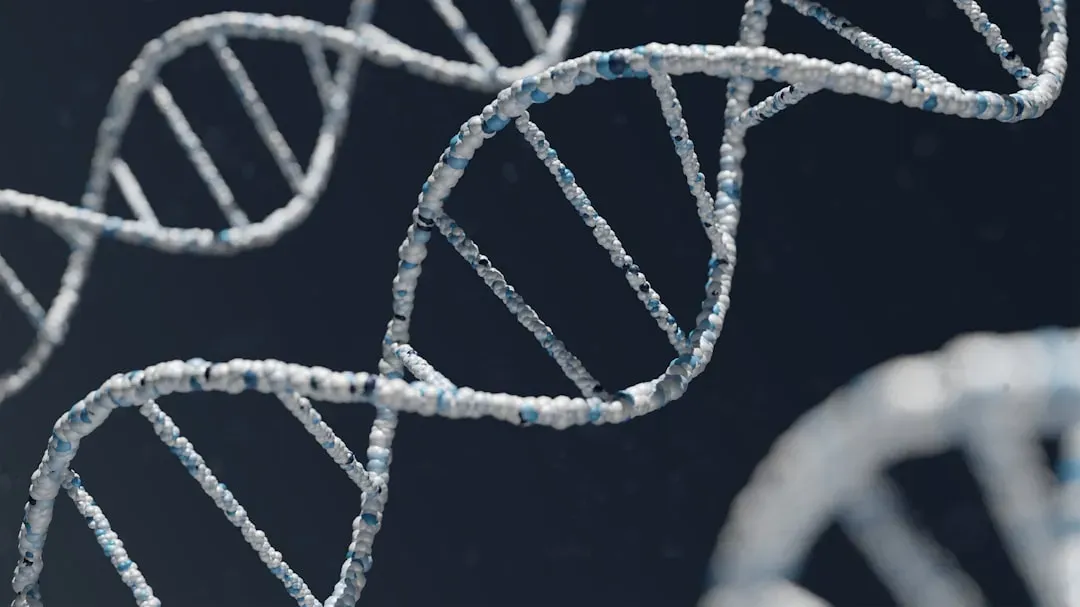
You were probably taught that Jean-Baptiste Lamarck was wrong. The classic joke is the giraffe stretching its neck and passing a longer neck to its children. Ridiculous, right? Well, hold that thought. In the 21st century, experimental results in the fields of epigenetics, genetics, and somatic hypermutation demonstrated the possibility of transgenerational epigenetic inheritance of traits acquired by the previous generation, proving a limited validity of Lamarckism.
Epigenetic inheritance adds another dimension to the modern picture of evolution. The genome changes slowly, through the processes of random mutation and natural selection, and it takes many generations for a genetic trait to become common in a population. The epigenome, on the other hand, can change rapidly in response to signals from the environment. Through epigenetic inheritance, some of the experiences of the parents may pass to future generations, while the epigenome remains flexible as environmental conditions continue to change. Epigenetic inheritance may allow an organism to continually adjust its gene expression to fit its environment without changing its DNA code. I know it sounds crazy, but your ancestors’ stress, diet, or trauma could quite literally be echoing through your own biology right now.
3. Punctuated Equilibrium: Evolution Happens in Explosive Bursts, Not Slow Crawls

Darwin imagined evolution as something like water eroding a rock. Slow, patient, gradual. The fossil record, however, keeps telling a different story. Punctuated equilibrium challenges the traditional view of evolution as a slow and steady process. This theory, proposed by Stephen Jay Gould and Niles Eldredge in the 1970s, suggests that species undergo relatively long periods of stability punctuated by brief periods of rapid change, during which new species can emerge rather quickly.
Abrupt shifts in the evolution of animals, such as short periods of time when an organism rapidly changes size or form, have long been a challenge for theorists including Darwin. A newly published research paper supports the idea that even these abrupt changes are underpinned by a gradual directional process of successive incremental changes. Still, the debate rages on. The revelation that most of Earth’s species stem from a handful of explosions invites us to reconsider the often-propagated story about life’s gradual unfolding. If biodiversity arises not through slow, steady change but through explosive bursts triggered by pivotal traits or ecological upheavals, then evolutionary theory must confront its own inherent contradictions. That is a genuinely unsettling thought for anyone who grew up trusting the textbook diagrams.
4. Symbiogenesis: Cooperation, Not Just Competition, Drives Life
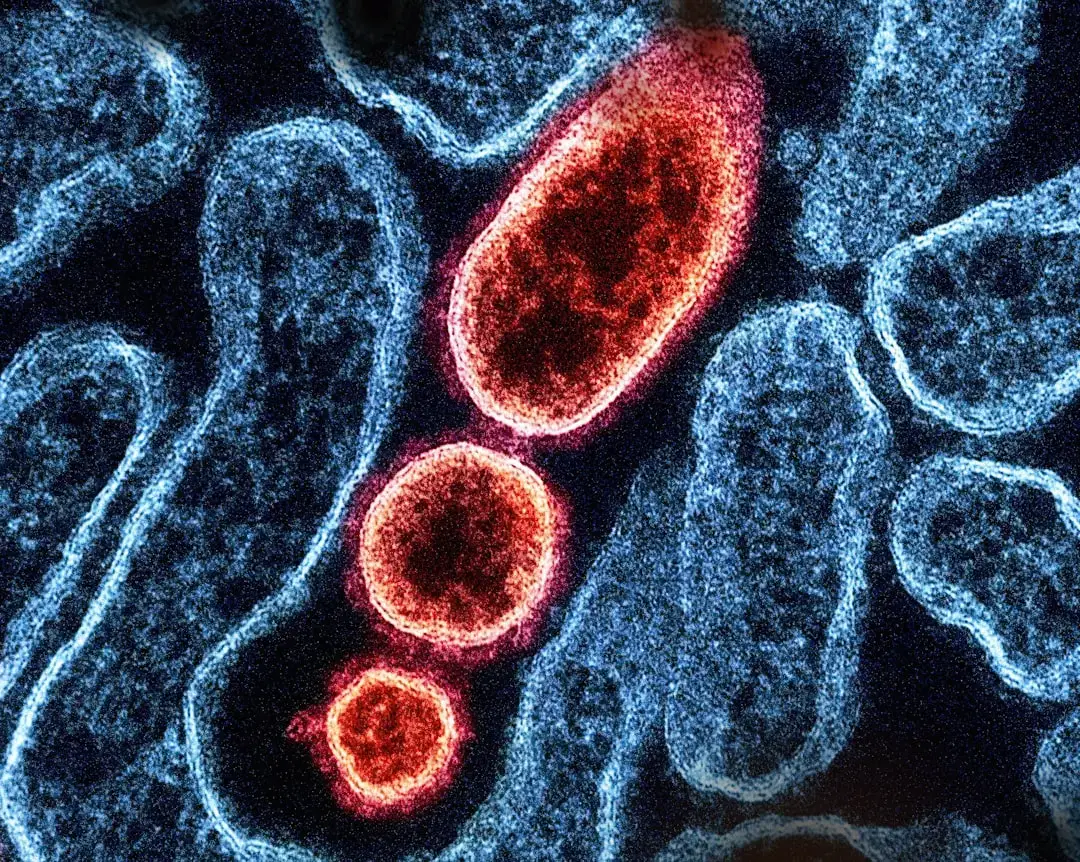
Evolution has always been sold to us primarily as a story of competition. Survival of the fittest. The ruthless struggle for existence. But what if some of the most important evolutionary leaps in the history of life were actually acts of merging and cooperation? An early proponent of symbiosis thinking was Constantin Mereschkowsky, who suggested in the early 20th century that a driving force of evolution was a biological force he called “symbiogenesis,” meaning the origin of organisms by the combination or association of two or several beings which enter into symbiosis.
Casting a long shadow across contemporary discussions about the relationship between endosymbiosis and standard evolutionary theory is Lynn Margulis, who very forcefully articulated positions on evolution that she developed in light of symbiotic relationships, setting out what she believed were the inadequacies of Darwinian and neo-Darwinian evolutionary theory. Think about this for a moment: the mitochondria inside every single one of your cells were once free-living bacteria that merged with a host cell billions of years ago. You are, in a very real sense, a walking collaboration. According to present-day neo-Darwinian theory, the only source of novelty is claimed to be by incorporation of random mutations, recombination, gene duplication, and other DNA rearrangements. However, symbiosis analysis contradicts these assertions by revealing cases of the inheritance of acquired genomes.
5. Niche Construction Theory: Organisms Build Their Own Evolution
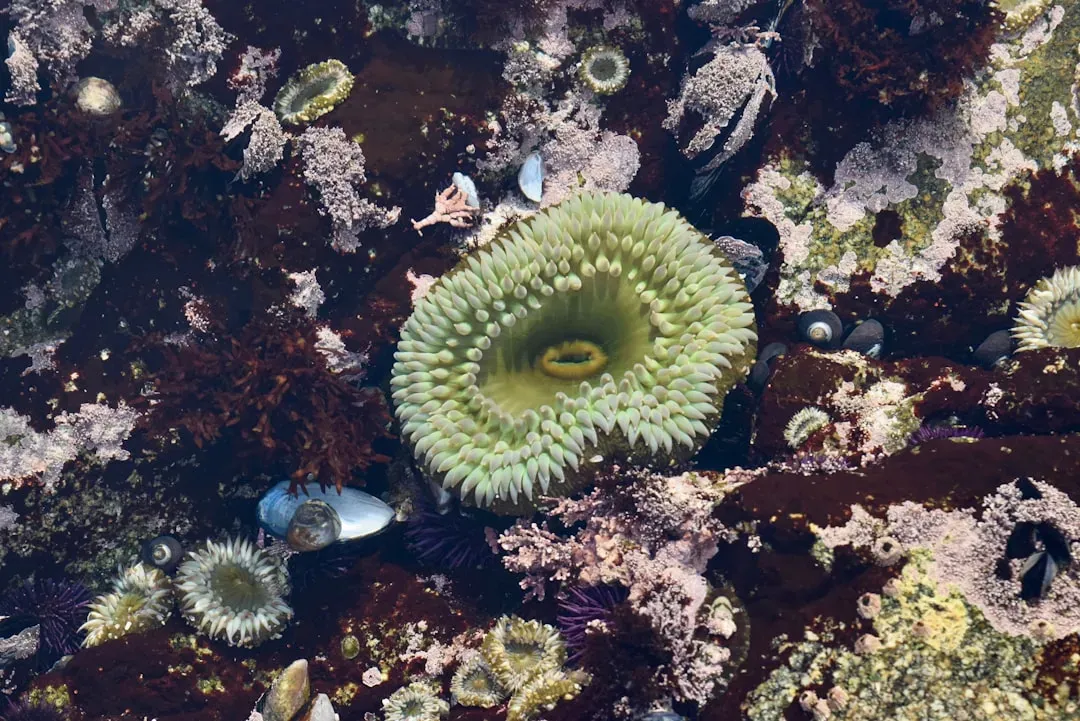
Standard evolutionary theory treats organisms as passengers. The environment presents challenges; organisms either adapt or go extinct. But what if organisms are also drivers, actively reshaping the very environments that then select for new traits in return? That’s the core provocation of niche construction theory, and it’s genuinely mind-bending. Niche construction is described as an endogenous causal process in evolution, reciprocal to the causal process of natural selection. It works by adding ecological inheritance, comprising the inheritance of natural selection pressures previously modified by niche construction, to genetic inheritance in evolution.
The effect of niche construction is especially pronounced in situations where environmental alterations persist for several generations, introducing the evolutionary role of ecological inheritance. This theory emphasizes that organisms inherit two legacies from their ancestors: genes and a modified environment. Niche construction theory has had a particular impact in the human sciences, including biological anthropology, archaeology, and psychology. It is now recognized to have played important roles in human evolution, including the evolution of cognitive capabilities. So when your ancestors built fires, crafted tools, and changed their landscapes, they were also, quite literally, reshaping the evolutionary pressures on future generations. Including you.
6. The Neutral Theory of Molecular Evolution: Chance Over Selection
Let’s be real: most people assume every evolutionary change happens because it gives an organism some kind of advantage. But what if a huge portion of all genetic change is just random noise, carrying no benefit or harm whatsoever? That’s the counterintuitive claim behind the neutral theory of molecular evolution. The neutral theory provided evidence including protein sequence comparisons to argue that most protein evolution is due to neutral mutations and genetic drift. According to its central proponent, the theory applies only for evolution at the molecular level, while phenotypic evolution is controlled by natural selection, so the neutral theory does not constitute a true alternative.
Genetic drift emphasizes the role of chance events in shaping allele frequencies within populations. This might sound abstract, but its implications are staggering. It means that a significant amount of the genetic variation you carry around in your body right now did not arrive because it helped your ancestors survive. It arrived because of sheer luck. Biologist Eugene Koonin has suggested that the gradualism of the modern synthesis is unsustainable as gene duplication, horizontal gene transfer, and endosymbiosis play a pivotal role in evolution. That’s not a small amendment to Darwin. That’s a reshaping of the entire narrative about why life looks the way it does.
7. Evo-Devo: The Hidden Architecture Inside Every Living Body
Evolutionary developmental biology, or “evo-devo,” is arguably one of the most exciting scientific ideas of the past few decades. It asks a deceptively simple question: if all animals build themselves through development, can we find shared genetic blueprints underneath the staggering diversity of life? The answers have been stunning. Some researchers in the field of evolutionary developmental biology proposed another synthesis, arguing that the modern and extended syntheses should mostly center on genes and suggest an integration of embryology with molecular genetics and evolution, aiming to understand how natural selection operates on gene regulation and deep homologies between organisms.
Researchers review arguments focusing on literatures including evo-devo, developmental plasticity, inclusive inheritance, and niche construction, whose implications for evolution can be interpreted in ways that either preserve the internal structure of contemporary evolutionary theory or point towards an alternative conceptual framework. What evo-devo revealed is something almost poetic: a fly and a human being share ancient genetic switches that control the fundamental layout of the body. The evolution of small genetic variants is merely one aspect of the complex evolution of life, and for decades, scholars have expressed deep frustrations over the limitations of the Modern Synthesis approach. They have proposed amendments, revisions, expansions, or replacements to enable us to return to the study of phenotypes and organisms, and how they interact with their environments. Evo-devo is perhaps the clearest argument that evolution is not just about genes mutating in isolation. It’s about how the entire choreography of life is built, regulated, and inherited.
The Big Picture: Evolution Is More Fascinating Than You Were Told
If there’s one takeaway from all of this, it’s that evolution is not a solved problem neatly tucked away in a textbook chapter. It is a living, contested, electrifying field of inquiry. Some evolutionary scientists have dissented from pure Darwinism for decades, giving rise to many alternative theories and models of evolutionary change. That’s not a weakness in science. That’s science working exactly as it should.
The seven theories explored here don’t necessarily contradict Darwin so much as they demand that we dramatically deepen and widen the story. Epigenetics shows that your experiences matter beyond your lifetime. Symbiogenesis shows that cooperation is as powerful a force as competition. Niche construction shows that organisms are not just products of their environment but active architects of it. Together, these ideas paint a picture of life that is richer, stranger, and far more interconnected than any single theory could capture on its own.
Life, it turns out, has never been playing by just one set of rules. Which of these seven theories surprised you the most? Share your thoughts in the comments below.