When most people think of the age of dinosaurs, they picture towering T. rexes stomping across jungles and herds of long-necked sauropods shaking the ground. But while the land was ruled by dinosaurs, the oceans were home to an entirely different cast of giants: sharp‑toothed reptiles, armor‑plated fish, and sleek, terrifying ambush predators that would make a great white shark look almost polite. These were not dinosaurs, but they evolved alongside them, hunted beneath them, and vanished around the same time.
The strangest thing is how often these sea monsters get left out of the story. School posters show triceratops and velociraptors, but rarely the massive jaws of a mosasaur or the bizarre teeth of an ichthyosaur. In a way, they are the forgotten co‑stars of prehistory. Let’s pull seven of these creatures back into the spotlight and look at what science can say about how they lived, hunted, and turned Earth’s ancient seas into some of the most dangerous habitats our planet has ever seen.
Mosasaurus: The Apex Predator That Out‑Sharked the Sharks
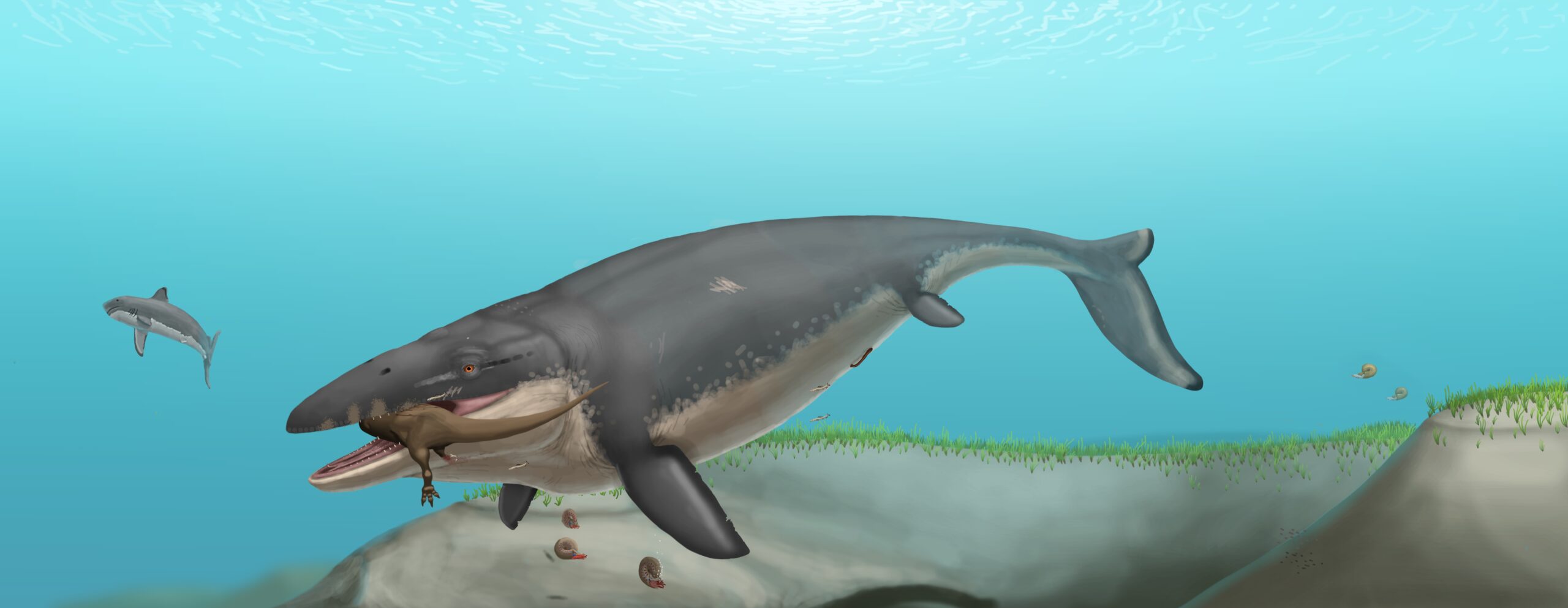
Mosasaurus is the one that steals the show in modern pop culture, yet most people still do not realize just how dominant this reptile really was. Living in the Late Cretaceous, it was not a dinosaur but a massive marine lizard, related more closely to today’s monitor lizards and snakes than to any T. rex. Some species reached lengths comparable to a bus, with long, muscular bodies, paddle‑like limbs, and a powerful tail that probably provided most of its thrust.
What makes Mosasaurus so chilling is the business end: a huge skull lined with conical teeth designed to grab and crush struggling prey. Fossil evidence suggests it fed on fish, turtles, other marine reptiles, and probably anything unlucky enough to cross its path. Its jaw joints and skull structure hint at a bite that could reposition prey and swallow large chunks, a bit like a snake scaled up to nightmare size. If you dropped a modern great white shark into a Late Cretaceous ocean, Mosasaurus would have been the one thing you definitely did not want it to meet.
Kronosaurus: The Short‑Necked Pliosaur With a Bite Built for Breaking Bones
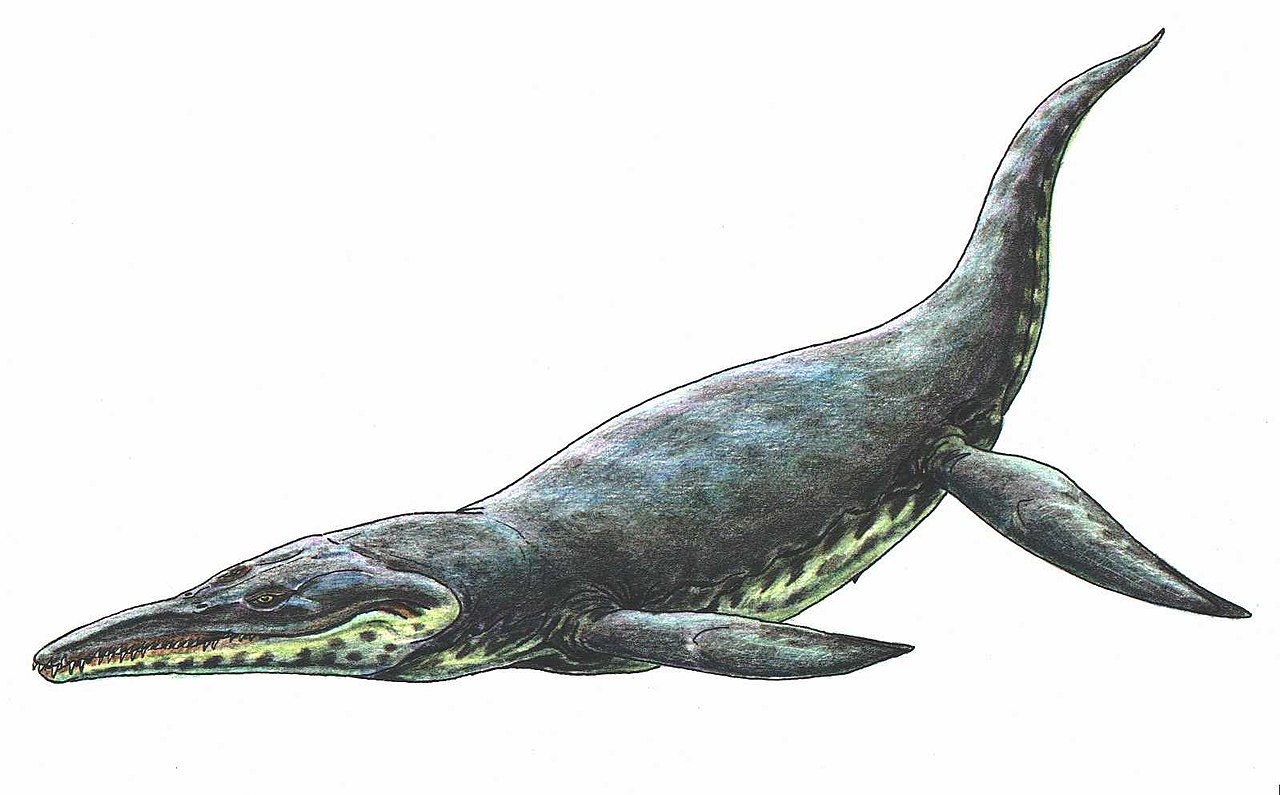
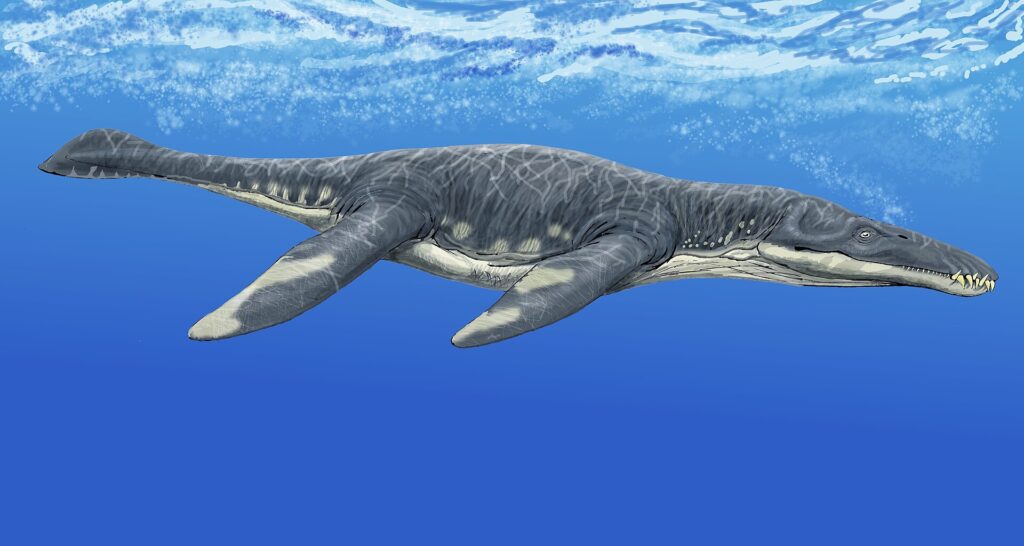
Kronosaurus was a pliosaur, a group of marine reptiles related to plesiosaurs but built like powerlifters instead of ballerinas. Instead of the classic long neck and tiny head, Kronosaurus had a relatively short neck, a gigantic skull, and a broad, barrel‑shaped body driven by four strong flippers. Some estimates of its length have been revised downward over the years as paleontologists correct early reconstruction errors, but even the more conservative figures still put it firmly in the “you do not want to see this while swimming” category.
Its skull was essentially a battering ram full of teeth. The jaws were wide and deep, with big conical teeth suited for puncturing thick hides and cracking through bone. Bite marks on other marine reptile fossils strongly suggest animals like Kronosaurus were more than comfortable tackling large, armored prey, possibly including other plesiosaurs. Imagine a crocodile, supercharged and redesigned for permanent life in the open ocean, and you get a decent mental picture of just how brutal this predator was.
Shonisaurus: The Gentle Giant of the Ichthyosaur World
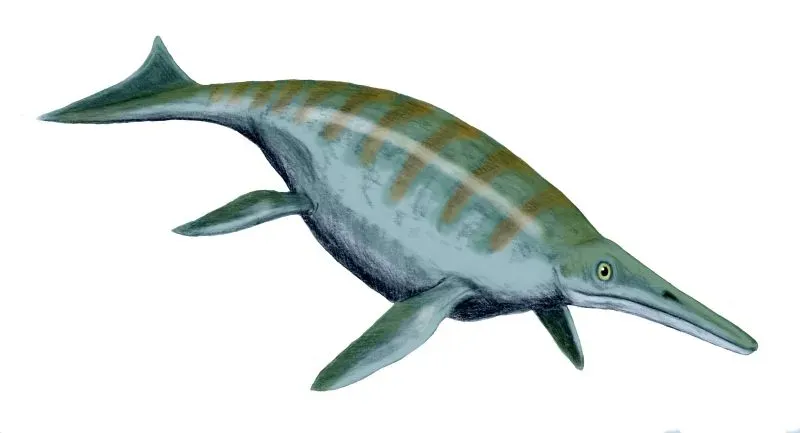
Not every sea monster was a slash‑and‑tear horror machine. Shonisaurus was an ichthyosaur from the Triassic period that looked surprisingly like a cross between a dolphin and a torpedo. It grew to absolutely enormous sizes, with some individuals rivaling modern baleen whales in length. Instead of a gaping mouth full of huge teeth, many specimens show small or reduced dentition, hinting that Shonisaurus may have focused on soft‑bodied prey like squid or small fish rather than armored victims.
This makes Shonisaurus fascinating because it shows how quickly marine ecosystems can produce giants once a niche opens up. After the devastating Permian mass extinction, life in the oceans rebounded in strange and experimental ways, and ichthyosaurs were among the early winners. Shonisaurus seems to have filled a similar ecological role to today’s large, open‑ocean whales, roaming vast distances and probably feeding in big gulps rather than high‑speed ambush attacks. In an ocean full of toothy nightmares, it might have been one of the few giants you could pass by and live to tell the tale – assuming you were too small to be worth the effort.
Liopleurodon: The Controversial Killer With an Oversized Reputation
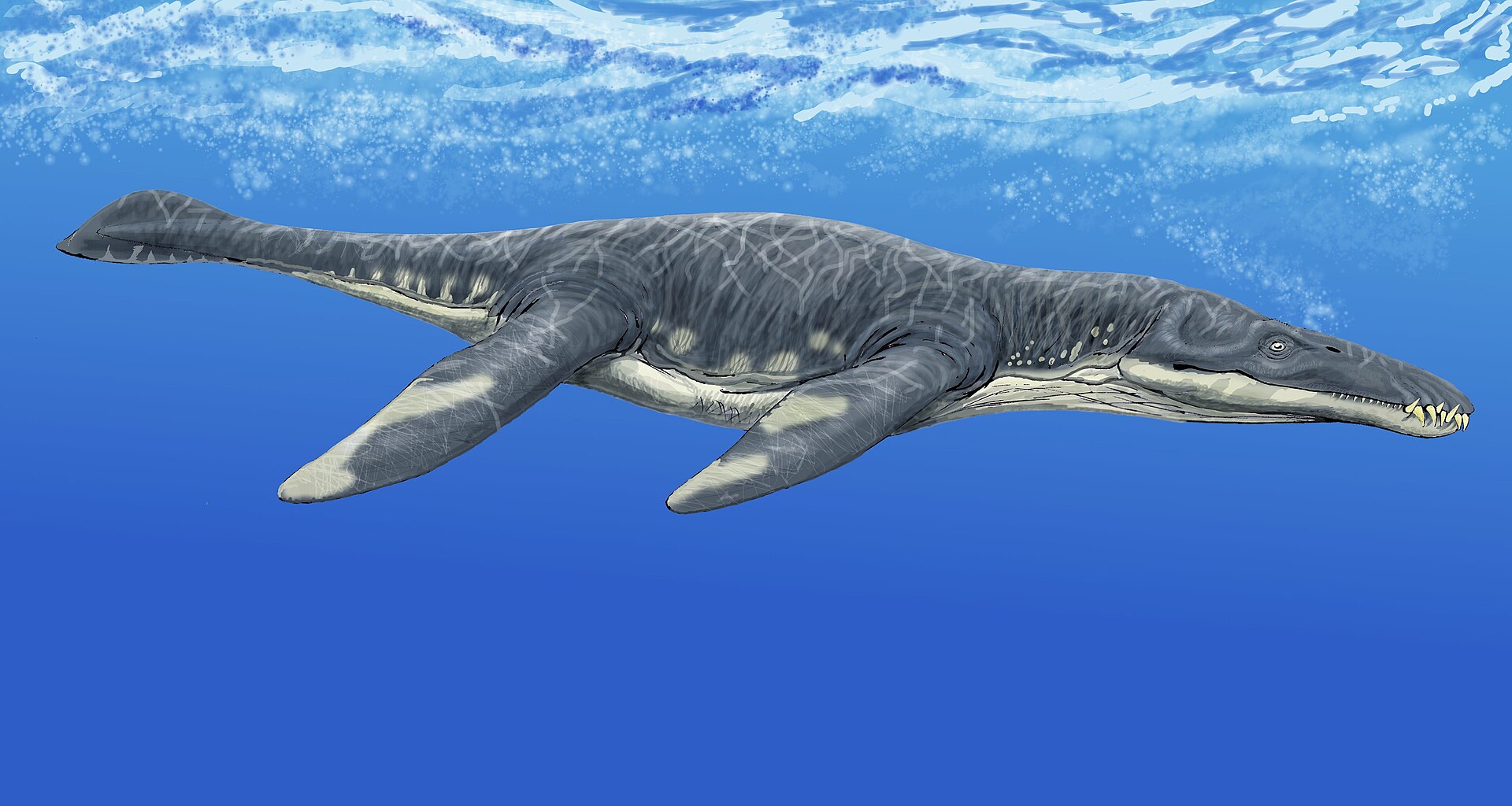
Liopleurodon is a pliosaur that got catapulted into fame by documentaries that dramatically oversized it, turning it into a kind of oceanic dragon. Later research scaled those estimates back, suggesting it was big but not impossibly huge. Still, even the more moderate reconstructions place it as a formidable predator, with a massive head and jaws controlled by powerful muscles anchored to a compact, muscular body.
Its teeth were long, pointed, and strongly rooted, the sort of toolset that says “grab and do not let go” more than “slice delicately.” The controversy about its true size has actually helped keep it in the spotlight and says a lot about how paleontology works: early interpretations get refined, corrected, and sometimes overturned. Personally, I find the real Liopleurodon more interesting than the overhyped version. A fast, heavily muscled pliosaur patrolling Jurassic seas does not need to be absurdly gigantic to be terrifying; it just needs to be efficient, and the fossils strongly suggest it was.
Leedsichthys: The Giant Filter‑Feeding Fish That Dwarfed Most Predators
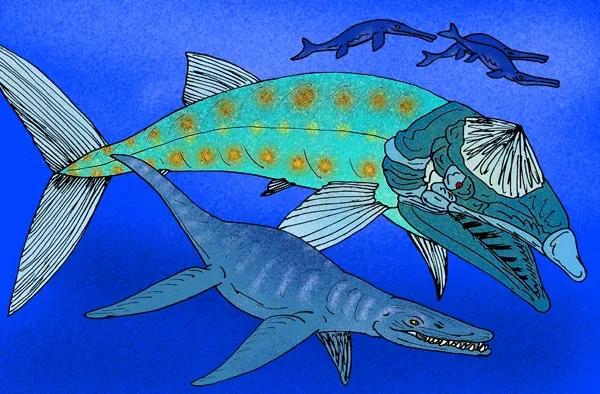
Leedsichthys is one of those creatures that quietly breaks your brain when you first read about it. It was a gigantic bony fish from the Middle Jurassic, and although size estimates vary, many scientists think it could rival or exceed modern whale sharks in length. Unlike the toothy reptiles around it, Leedsichthys likely fed on tiny organisms, filtering plankton from the water using structures in its gill region, in the same broad style as modern filter feeders.
That contrast is part of what makes it so captivating. Picture a sea full of ambush predators and pack hunters, and then insert a slow‑moving, absolutely enormous fish that survives by hoovering up microscopic life. Its very existence tells you that the Jurassic seas were productive, rich in plankton, and able to support gigantic “gentle giants” alongside apex predators. If anything, Leedsichthys feels like a reminder that you do not need sharp teeth to dominate an ecosystem; you just need a reliable way to tap into the biggest food source around.
Tylosaurus: The Spear‑Snouted Mosasaur With a Taste for Anything
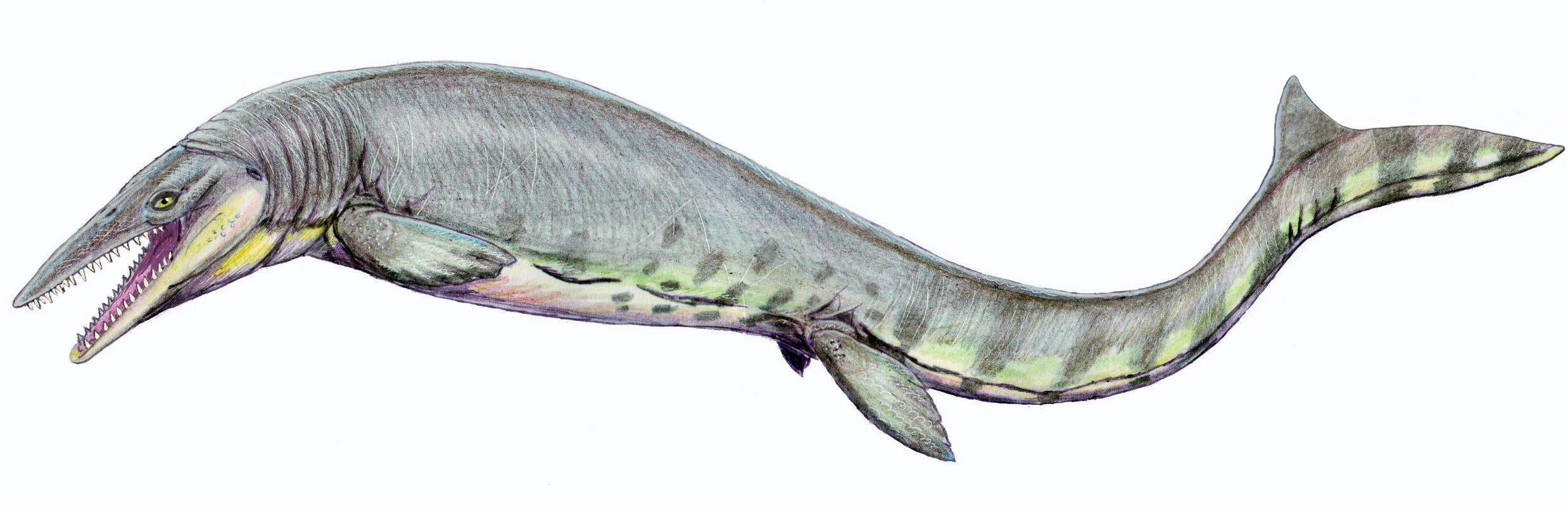
Tylosaurus was a close relative of Mosasaurus, but it brought its own style of menace to the Cretaceous seas. It had an elongated, almost spear‑like snout and a long, streamlined body, giving it a profile that screams “high‑speed pursuit.” Fossil stomach contents from Tylosaurus specimens have turned up fish, birds, sharks, and even other mosasaurs, painting a picture of an animal that was not picky about what it chomped down on.
The solid, bony tip of its snout suggests it might have rammed or stunned prey before biting, similar to how some modern dolphins and billfish use blunt‑force tactics to disorient victims. That combination of speed, brute force, and indiscriminate diet makes Tylosaurus feel like the reckless daredevil cousin in the mosasaur family. If Mosasaurus was the heavyweight champion, Tylosaurus was the aggressive middleweight that picked fights with anything that moved, including its own kind.
Thalassomedon: The Long‑Necked Ghost of the Cretaceous Seas
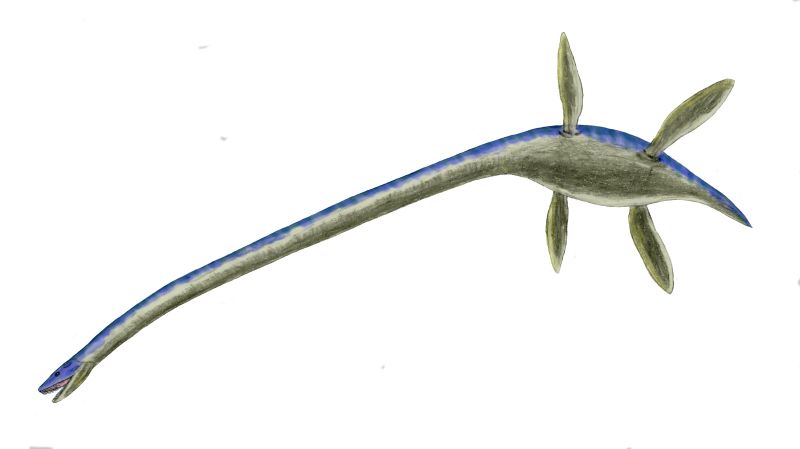
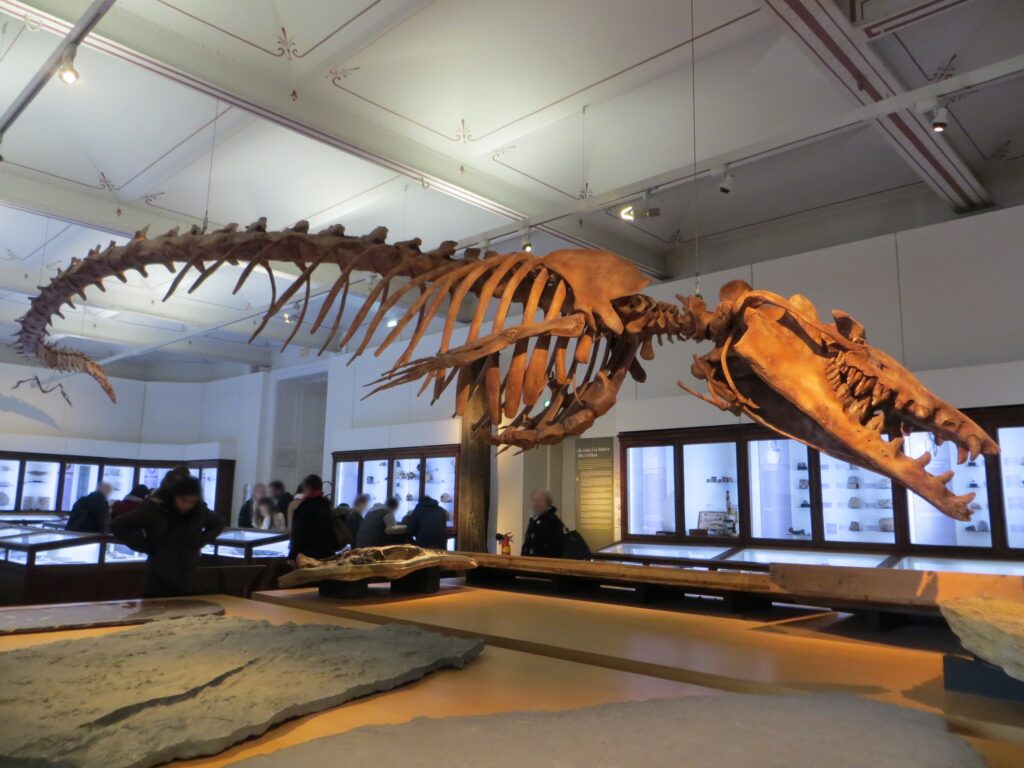
Thalassomedon was a long‑necked plesiosaur, the kind of creature that probably inspired some of the classic sea serpent legends people still toss around today. Its neck could stretch to several meters, supporting a relatively small head compared with its body. The overall effect would have been eerie: a broad, four‑flippered body gliding under the surface while a slim neck and head snaked forward through the water, ready to snap up unsuspecting prey.
Exactly how these long‑necked plesiosaurs hunted is still debated. One idea is that they used their necks to creep up on schools of fish or squid while keeping their bulky bodies farther away, reducing the chance of being detected. Another possibility is that they maneuvered their necks quickly through clusters of prey, snapping side to side like a whip. Either way, Thalassomedon represents a very different solution to the predator problem compared with pliosaurs and mosasaurs, showing how evolution kept experimenting with body plans in the same basic environment.
Why These Sea Monsters Stay in the Shadows of Dinosaurs
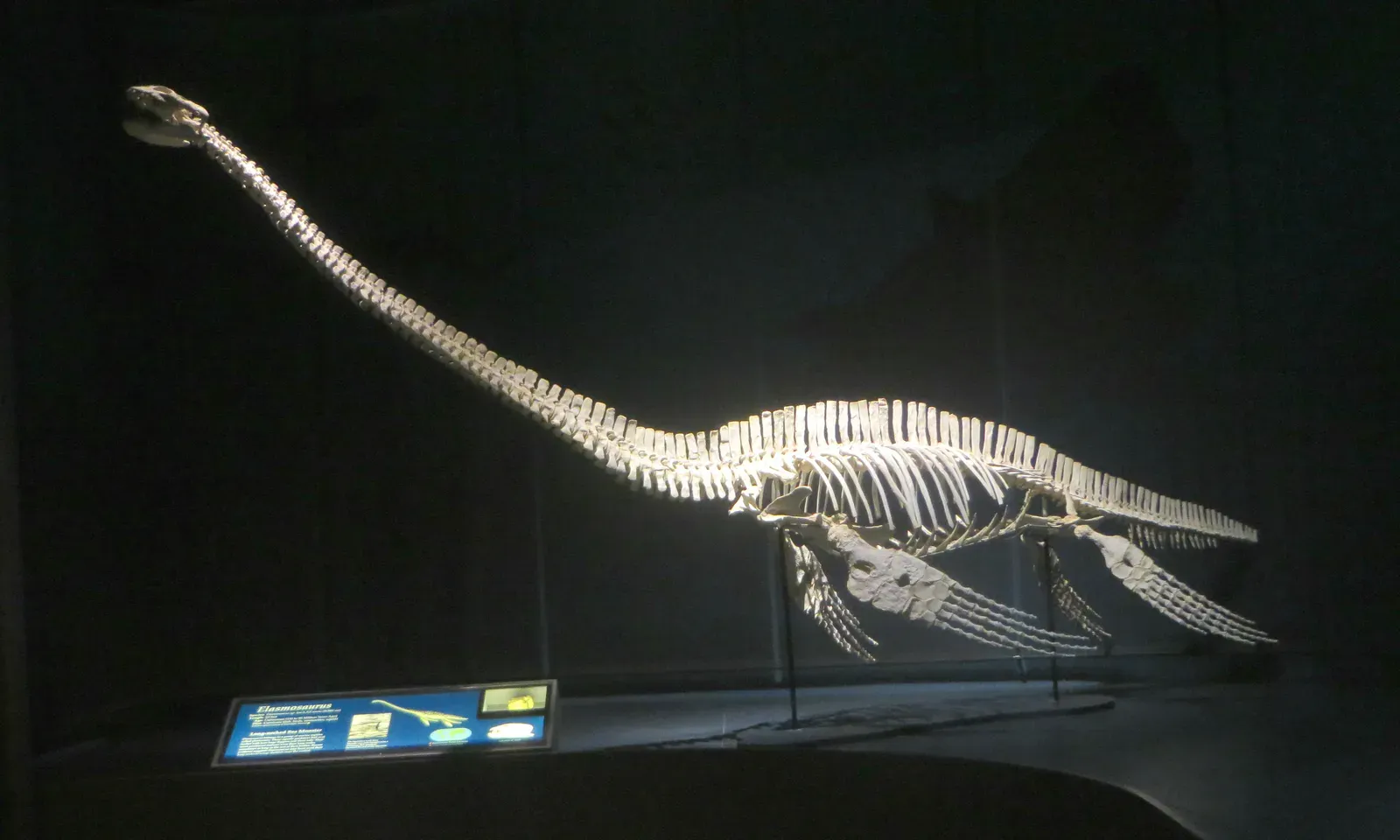
For all their power and strangeness, many of these marine reptiles and giant fish barely register in popular dinosaur discussions. Part of the reason is branding: dinosaurs get the name recognition, the museum skeletons right in the lobby, and the starring roles in big franchise movies. Sea reptiles and prehistoric fish often get treated like side characters even though they ruled ecosystems just as complex and brutal as anything on land.
There is also a more practical reason: fossils from ocean environments can be harder to interpret. Many skeletons are incomplete, scattered, or distorted by the conditions in which they were buried. That leaves plenty of room for early misinterpretations and wild reconstructions that later have to be toned down. In my view, that uncertainty should not make us ignore these animals; it should make them more intriguing. They are reminders that the story of life on Earth is still being assembled, one bone, one tooth, and one re‑worked estimate at a time.
The Oceans Were the Real Nightmare Fuel of the Dinosaur Age
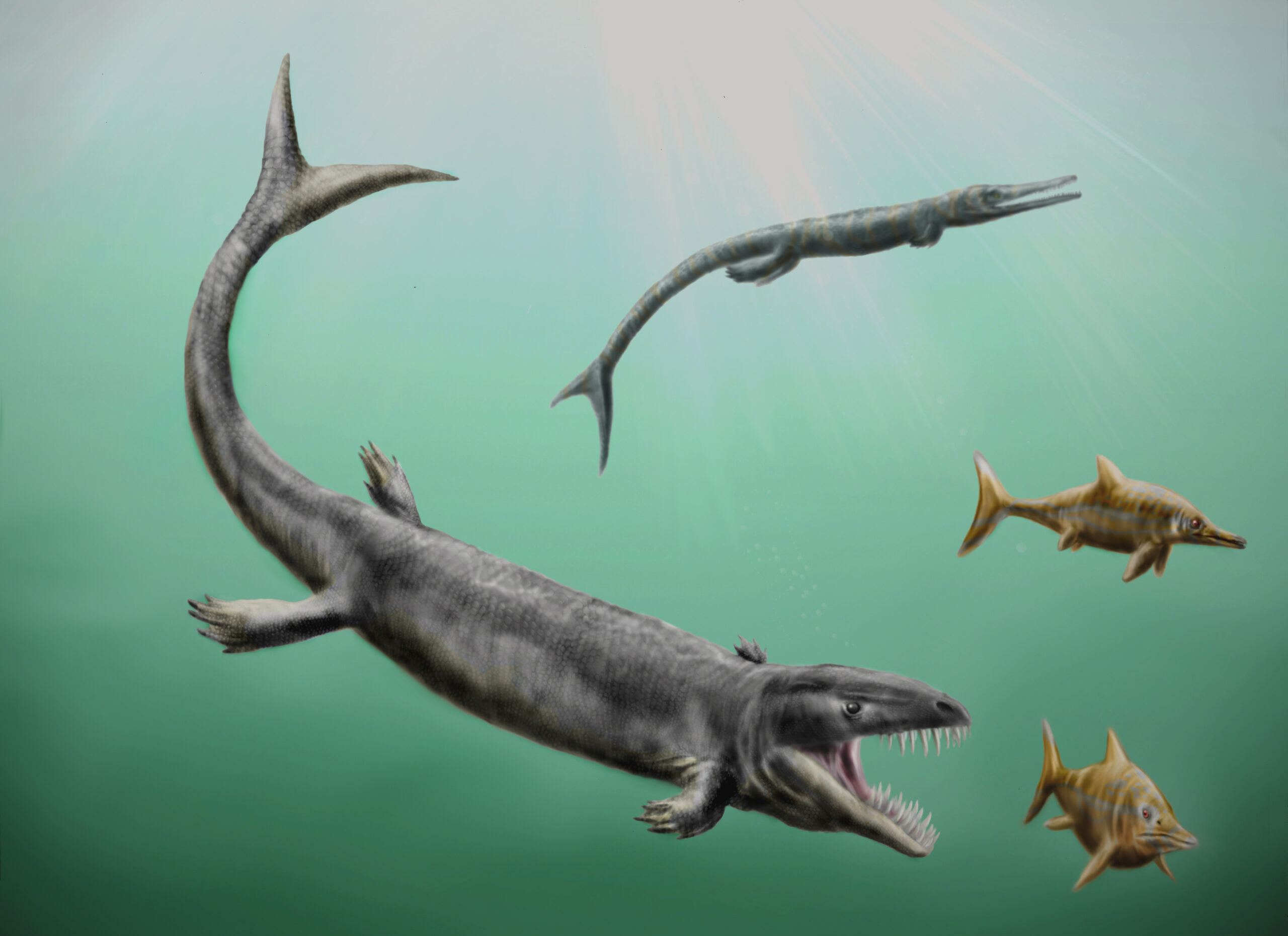
When you stack these creatures side by side – mosasaurs with their crushing jaws, pliosaurs built like torpedoes, filter‑feeding giants, and long‑necked ambushers – it becomes pretty clear that the age of dinosaurs was just as much the age of sea monsters. If I had to pick the most terrifying environment to be magically dropped into, I would honestly take my chances on land before the open ocean. At least on land you might find a tree to climb or a rock to hide behind; in those ancient seas, you were either fast, armored, gigantic, or food.
What strikes me most is how familiar some of these roles feel. Modern oceans still have top predators, massive filter feeders, and bizarre niche specialists; they are just wearing different bodies now. That continuity makes the prehistoric sea monsters feel less like mythical beasts and more like earlier chapters of a very long, very messy story. The real question is not whether these animals were terrifying – that part is obvious – but which of today’s seemingly ordinary sea creatures might look like monsters to whoever studies our fossil record millions of years from now.