You probably grew up with the image of dinosaurs as giant, lumbering reptiles with tiny brains and not much going on upstairs. For a long time, that was the default story: big teeth, big claws, small minds. But over the last few decades, a wave of discoveries has quietly shattered that old picture and replaced it with something far more surprising and, honestly, a lot more exciting.
When you look at the latest fossils, brain scans, nesting sites, and even microscopic traces inside ancient bones, you start to see dinosaurs not as monsters, but as thinking, problem-solving animals navigating complex lives. You see parents caring for their young, hunters working in groups, and brains that look suspiciously like those of modern birds and mammals. As you go through these seven discoveries, you might feel your childhood dinosaur posters getting rewritten in real time.
1. Braincase Fossils That Reveal Surprisingly Complex Brains
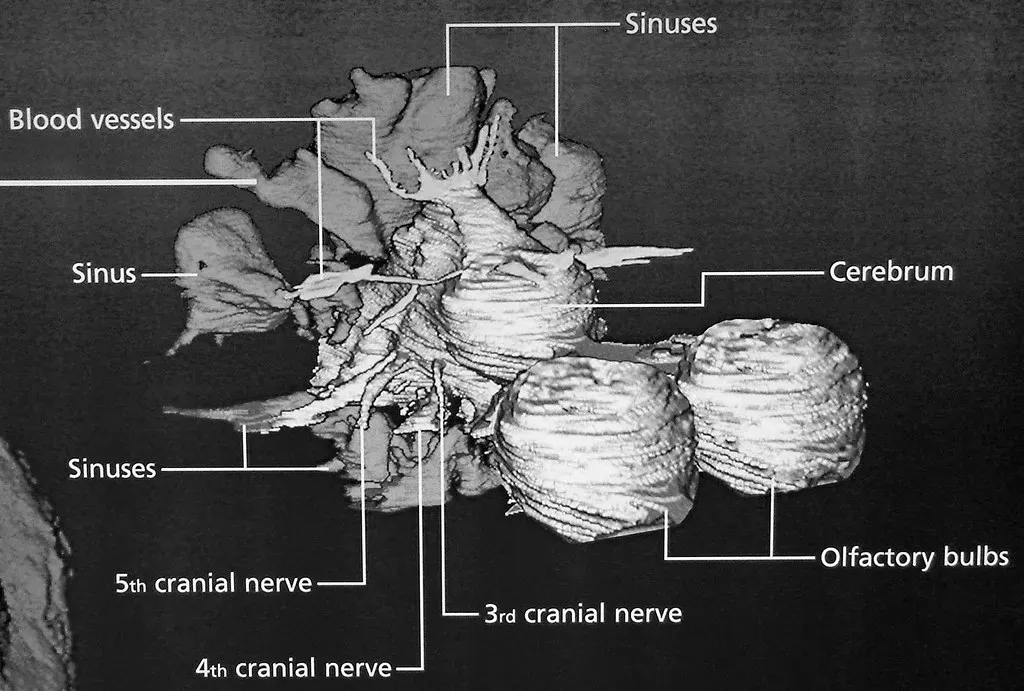
If you imagine a dinosaur brain, you might picture a smooth lump barely filling the skull, but when you study fossilized braincases closely, you find something very different. Using high‑resolution CT scans, researchers can create digital endocasts, which are three‑dimensional molds of the space the brain once filled. When you look at these endocasts for certain species, especially the so‑called “raptor” dinosaurs and early birds, you notice enlarged regions linked to vision, balance, and motor control, far beyond what you’d expect from a slow, dim creature.
When you compare brain endocasts across species, you see that some dinosaurs had brain‑to‑body proportions edging toward those of modern birds. That does not mean every dinosaur was a genius, but it does mean you have to drop the lazy assumption that “dinosaur” automatically equals “dumb.” In some cases, you’re looking at animals whose brains were tuned for fast reactions, precise movements, and possibly complex behaviors, like coordinating a chase, navigating cluttered forests, or tracking social rivals. Once you see the physical evidence inside the skull, the old stereotypes collapse pretty quickly.
2. Social Herds and Family Groups Frozen in the Fossil Record
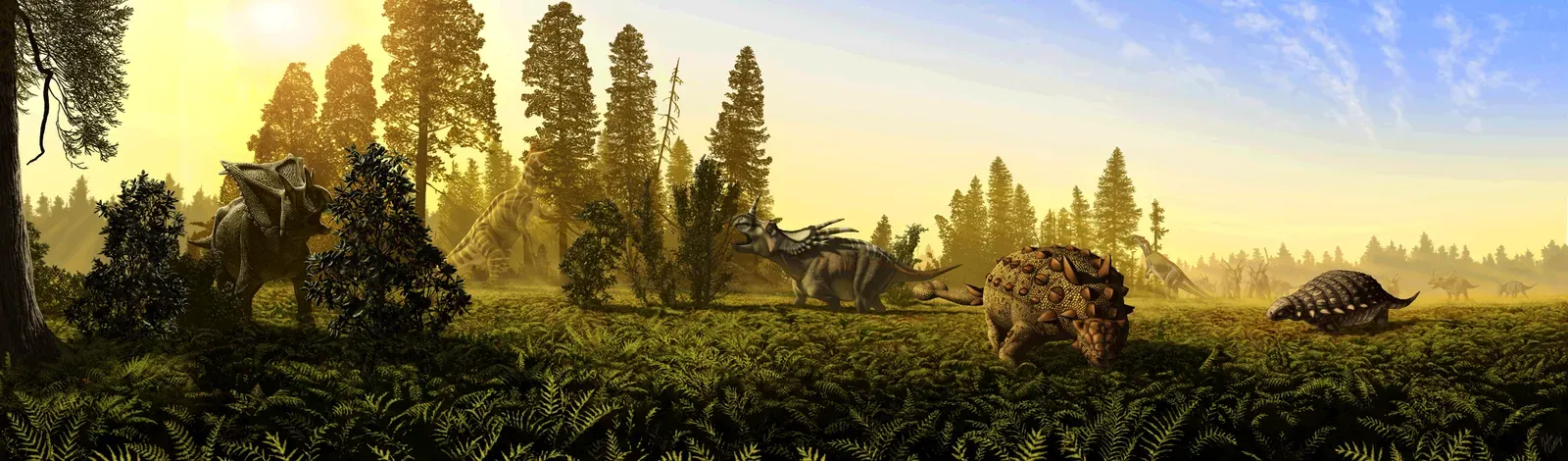
One of the most powerful clues about dinosaur intelligence comes from how they seem to have lived together. When you come across fossil bonebeds packed with multiple individuals of the same species, from juveniles to adults, arranged in ways that match a moving herd, you’re not just seeing random burial. You’re seeing snapshots of social lives: animals traveling in groups, possibly migrating, protecting youngsters, and reacting together to danger. That kind of social structure usually demands communication, memory, and at least a basic ability to coordinate with others.
There are even trackways where you can follow the footprints of several dinosaurs walking side by side at matching speeds, like a family on the move. In some cases, smaller tracks stay clustered near larger ones, hinting that youngsters kept close to protective adults rather than wandering alone. If you picture yourself in that ancient landscape, you’re not looking at a chaotic crowd of brainless beasts; you’re watching social groups making decisions in real time. Social living is one of the biggest drivers of intelligence in modern animals, and the fossil record tells you dinosaurs were very much part of that story.
3. Nests, Eggs, and Parental Care That Rival Modern Birds
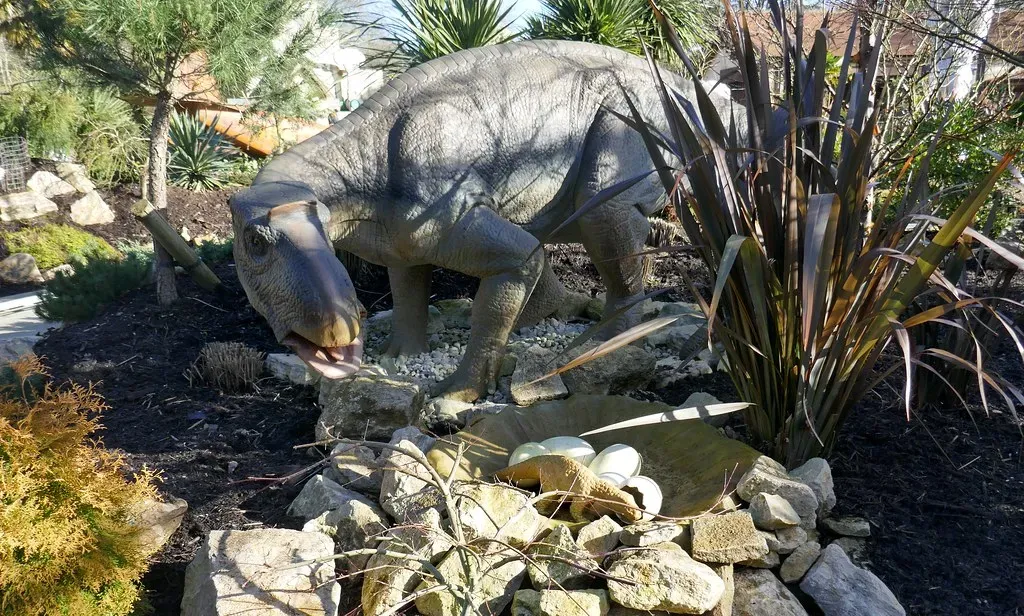
When you examine dinosaur nesting sites, you start to realize you are not just dealing with creatures that laid eggs and walked away. In several famous localities, you find carefully arranged nests, sometimes in neat colonies, with eggs placed in rings or layers rather than tossed in a pile. The arrangement suggests that these dinosaurs paid attention to how their eggs were positioned, possibly to control temperature or protect them from flooding. In some cases, you even find adult skeletons crouched over nests, implying that parents stayed put to guard or incubate their clutch.
You also see growth patterns in the bones of juveniles that suggest extended periods of dependence, more like what you’d see in birds or mammals than in many modern reptiles. That kind of life history – slow growth, prolonged care, and repeated nesting in the same areas – requires planning, memory, and the ability to invest energy in future offspring rather than just immediate survival. When you picture a dinosaur patiently tending its nest, returning year after year to the same breeding ground, it becomes much easier to view these animals as thoughtful parents instead of cold, instinct‑driven machines.
4. Pack Hunting and Cooperative Behavior in Predatory Dinosaurs
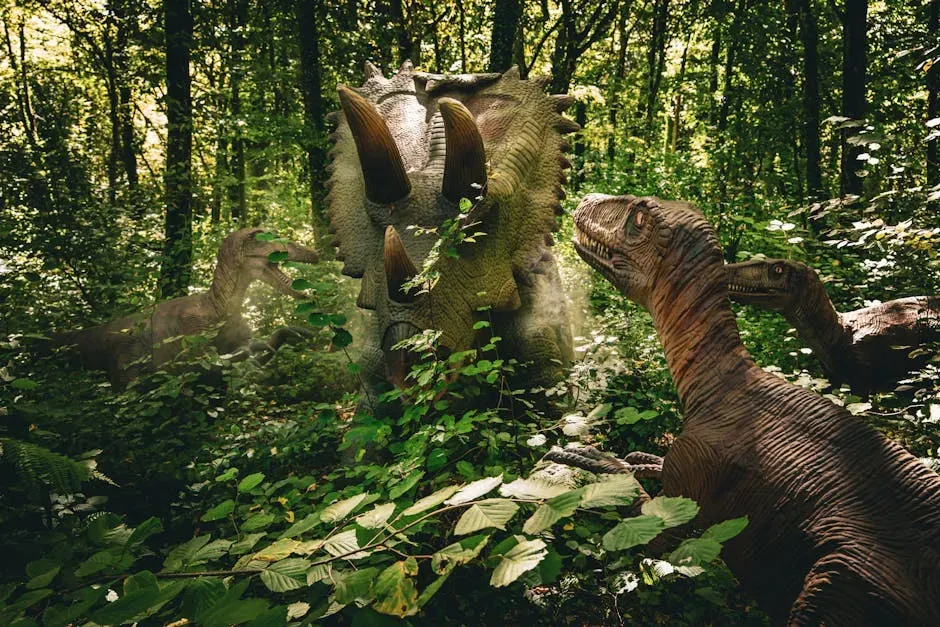
Predatory dinosaurs are often portrayed as lone killers, but some fossil sites tell a more complicated story. When you find multiple skeletons of the same carnivorous species alongside the bones of potential prey, arranged in ways that suggest a shared event, you are forced to consider cooperation. Certain trackways reinforce this idea: several predators moving in the same direction at similar speeds, as though working a territory together, rather than randomly stumbling into one another. It’s not proof of sophisticated strategy, but it points you toward behavior richer than simple, solitary ambush.
Cooperative hunting in modern animals – from wolves to dolphins – goes hand in hand with communication, role sharing, and flexible problem‑solving. If at least some predatory dinosaurs hunted in groups, they needed to recognize individuals, respond to one another’s movements, and adapt on the fly when a hunt went wrong. You can imagine a scenario where a group of mid‑sized predators steers a herd toward an ambush point, adjusting their positions like a living net. Even if their coordination was rough compared with a modern wolf pack, you’re still looking at brains capable of social decision‑making, not just pre‑programmed lunges.
5. The Bird–Dinosaur Connection and What It Means for Minds
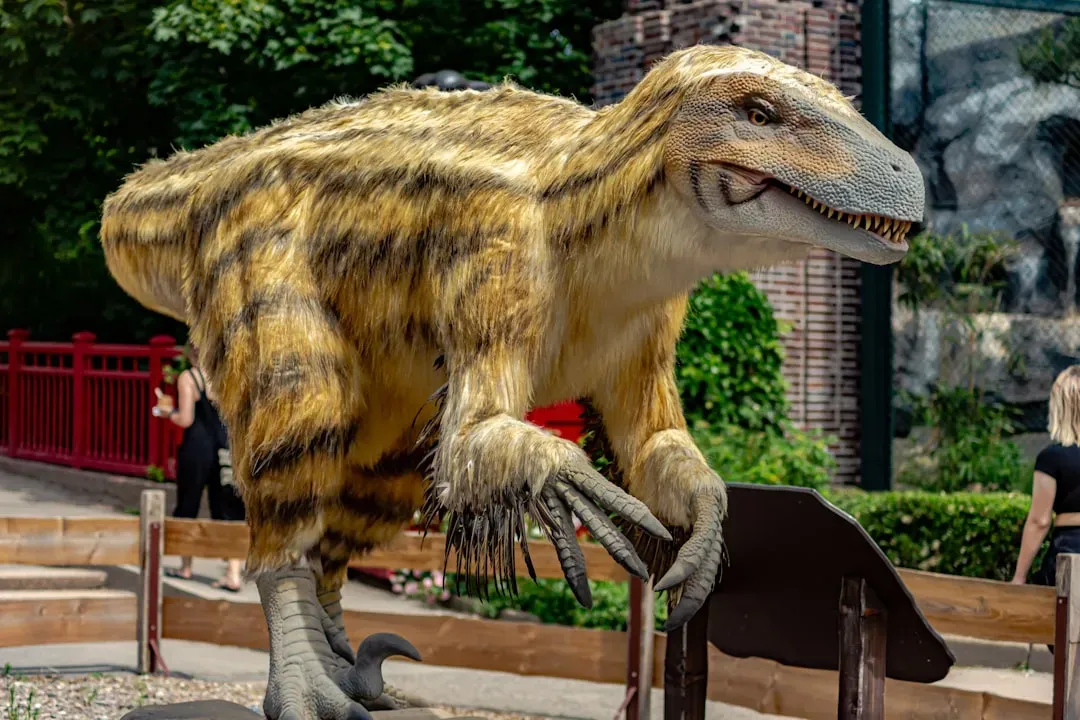
Once you accept that birds are living dinosaurs, everything you know about crows, parrots, and even pigeons suddenly becomes relevant to ancient intelligence. Modern birds solve puzzles, use tools, recognize individual humans, and remember complex routes over large distances. When you realize their ancestors were non‑avian dinosaurs, you have to rethink the mental world of those older forms. You are no longer starting from “reptile” as the mental baseline; you are starting from a lineage that eventually produced some of the sharpest minds outside mammals.
Anatomical details drive this point home. When you look at fossils of feathered dinosaurs, you see skeletal adaptations for agile movement, strong eyesight, and tight control of the head and neck – traits that in living birds go hand in hand with curious, exploratory behavior. Brain endocasts of early bird‑like dinosaurs show expanded regions related to vision and coordination, mirroring what you see in modern avian brains. You do not need to assume that every dinosaur was as clever as a crow, but you can safely say that the evolutionary path to bird‑level intelligence was already under construction long before anything with wings left the ground.
6. Sensory Superpowers: Vision, Hearing, and Balance
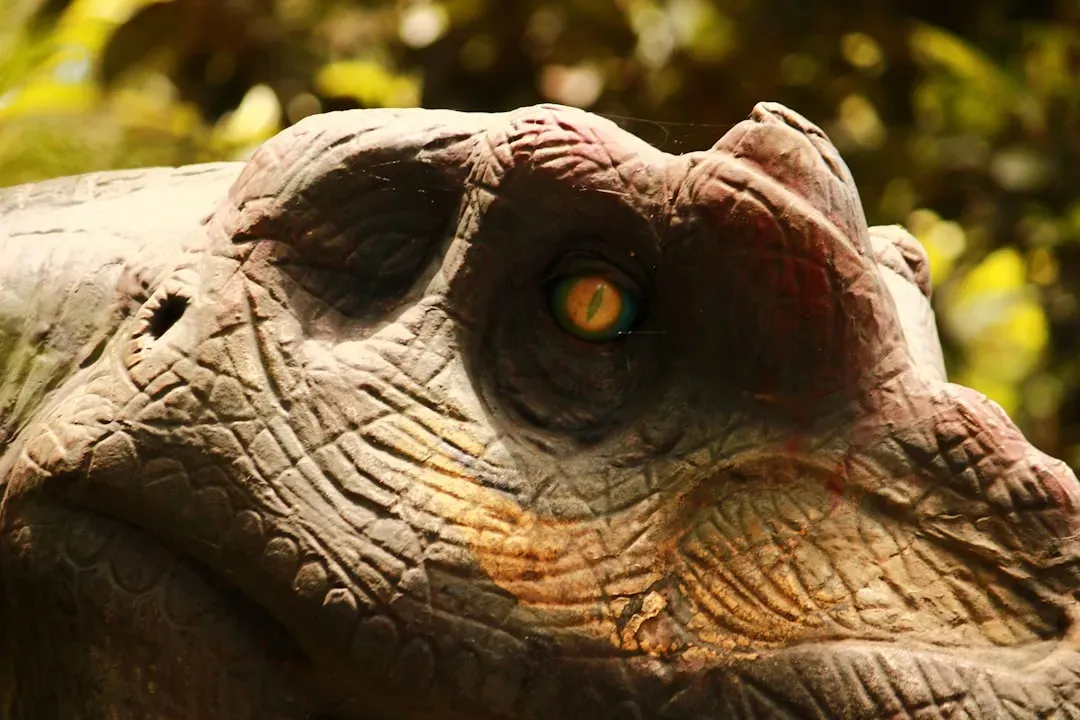
When you examine dinosaur skulls, you’re not just looking at teeth – you’re also reading the layout of their senses. Large eye sockets, certain shapes of the inner ear, and specific arrangements of canals in the skull tell you that many dinosaurs relied heavily on vision and balance. For some species, the eyes faced somewhat forward, which can give better depth perception, a trait you see in active hunters and agile tree‑dwellers today. A brain that can process detailed visual input and keep a big body balanced while moving quickly is not a brain running on the lowest possible setting.
The inner ear structures of many theropods and early birds suggest they were capable of stabilizing their gaze while darting around, much like modern birds that can sprint, leap, or fly without losing track of what they’re looking at. That kind of control takes fast, coordinated neural processing. When you put these clues together, you get a picture of dinosaurs as sensory specialists: scanning landscapes, tracking movement, and reacting to subtle cues from their environment. Intelligence is not just about puzzle‑solving; it’s also about interpreting the flood of information coming in every second, and dinosaurs seem to have been well equipped for that job.
7. Growth Patterns, Long Lives, and the Time Needed to Learn
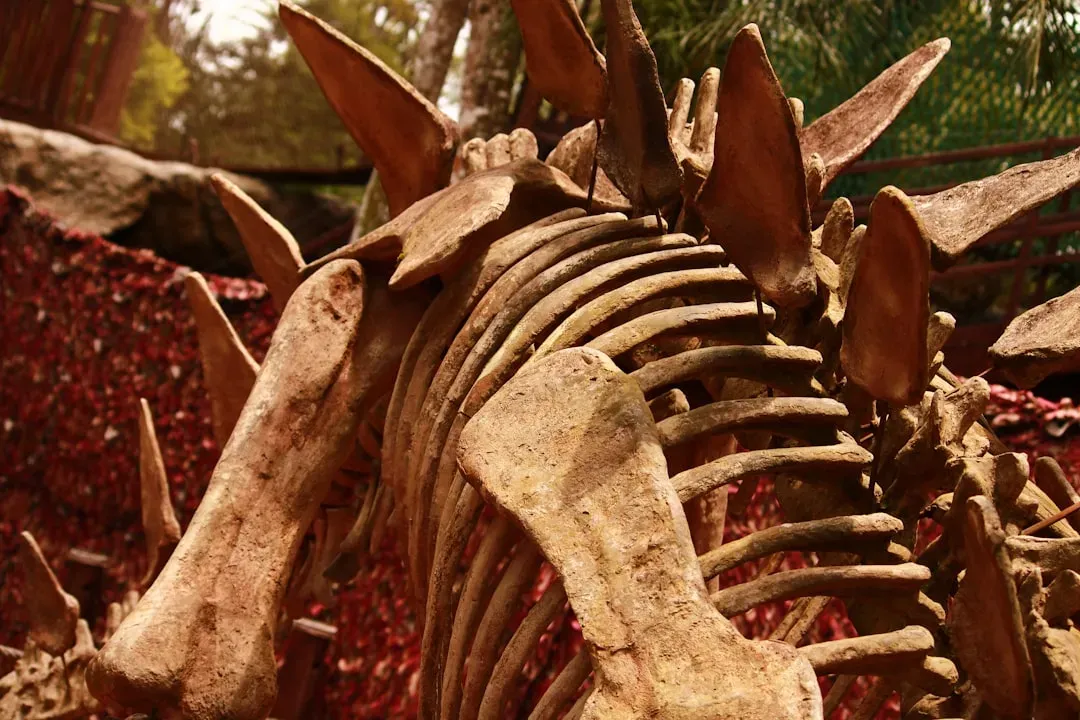
When you slice open a dinosaur bone (or more realistically, examine a thin section under a microscope), you see growth rings and tissue structures that reveal how fast the animal grew and how long it likely lived. Many large dinosaurs took years to reach full size, with phases of rapid growth followed by slower, more stable periods. If you imagine a young dinosaur spending several seasons learning how to find food, avoid predators, and navigate its social world, you start to see why a more capable brain would be useful. A long childhood and a complex environment usually reward learning and memory.
Some species show evidence of repeated injuries that healed over time, suggesting that individuals survived dangerous events and adapted their behavior afterward. In modern animals, that kind of survival often comes from experience: learning which areas are risky, which routes are safer, and which rivals to avoid. If you picture yourself as a dinosaur growing up in a world of giants, you realize that pure instinct would not always be enough. The more you learn about their growth and life histories, the more it makes sense to view many dinosaurs as animals capable of changing their behavior based on what life threw at them.
When you step back and look at all of these discoveries together – brain structure, social living, parental care, cooperation, bird connections, sensory abilities, and life histories – the old cartoon of dinosaurs as stupid, doomed reptiles simply falls apart. You are left with a world full of animals that thought, learned, and adapted in ways that overlap strongly with creatures you already respect for their intelligence today. The details are still being filled in, and researchers are careful not to exaggerate, but the trend is clear: the mental lives of dinosaurs were richer than you were ever told in childhood. Knowing that, how can you look at a fossil footprint the same way again?