
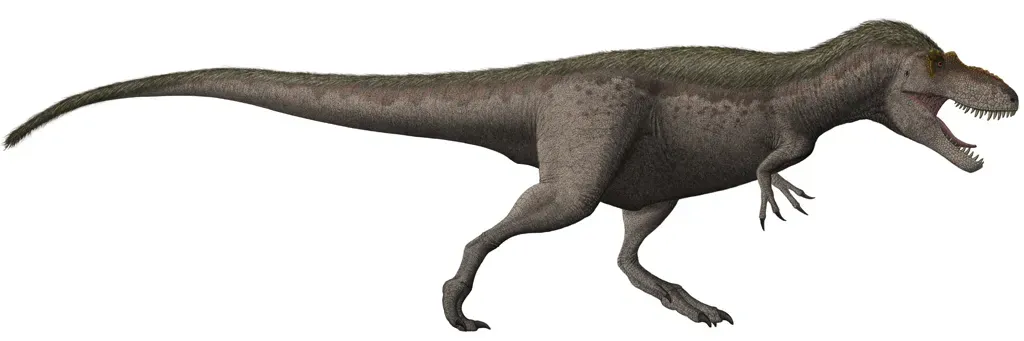
You probably grew up hearing that dinosaurs mainly used their tails for balance, like a long counterweight behind a lumbering giant. That idea is partly right, but it barely scratches the surface of what those tails could actually do. When you look closer at the bones, the muscles, and the trackways they left behind, the tail starts to look less like a dead weight and more like a Swiss Army knife attached to the spine.
In fact, when you imagine yourself as a dinosaur for a moment, your tail becomes a powerful piece of multitool anatomy: a stabilizer, a weapon, a social signal, a thermal regulator, and maybe even a communication device. Paleontologists are still debating some of these roles, but the overall picture is clear: if you ignore the tail, you miss half the story. Let’s walk through seven incredible ways dinosaurs actually used their tails – and why you’d never want to lose yours if you were one of them.
1. Your Built‑In Counterweight: Mastering Balance and Movement
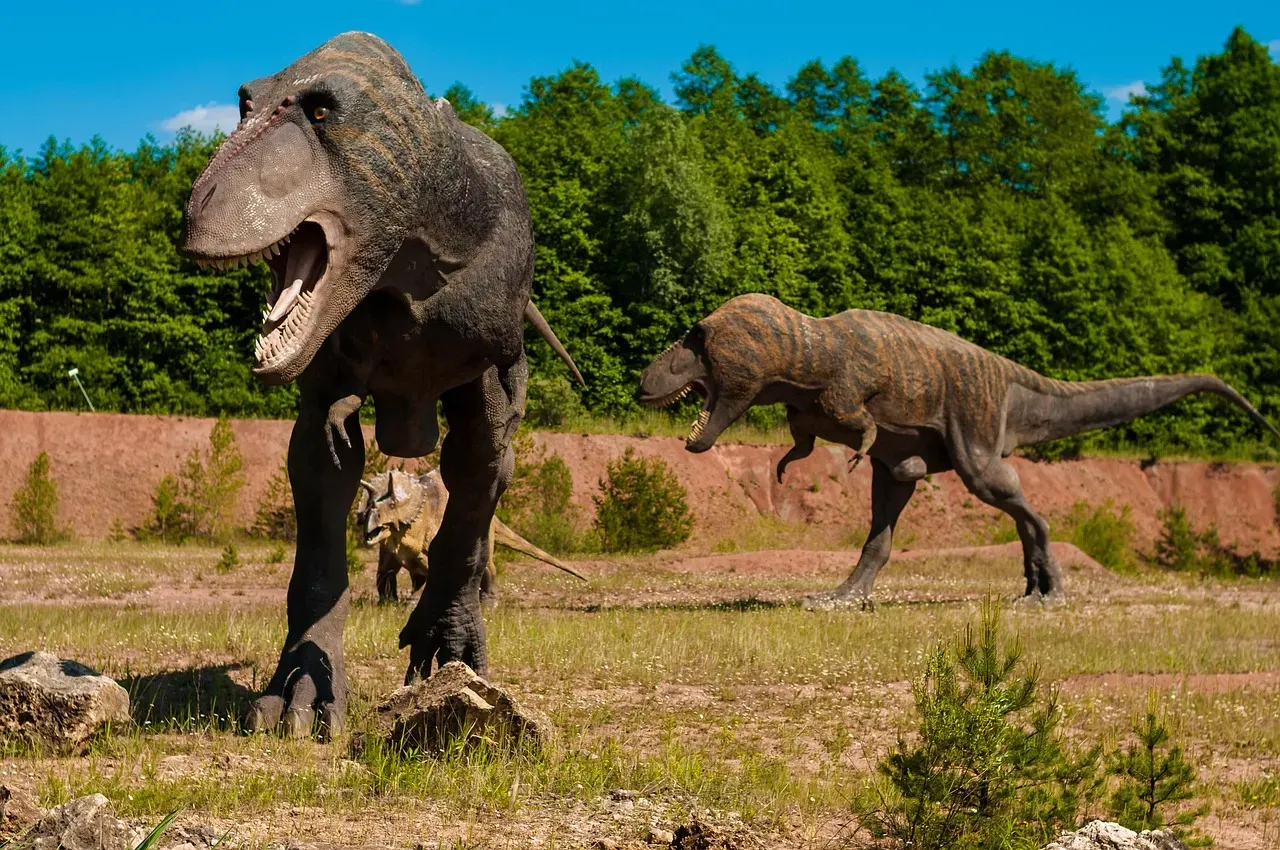
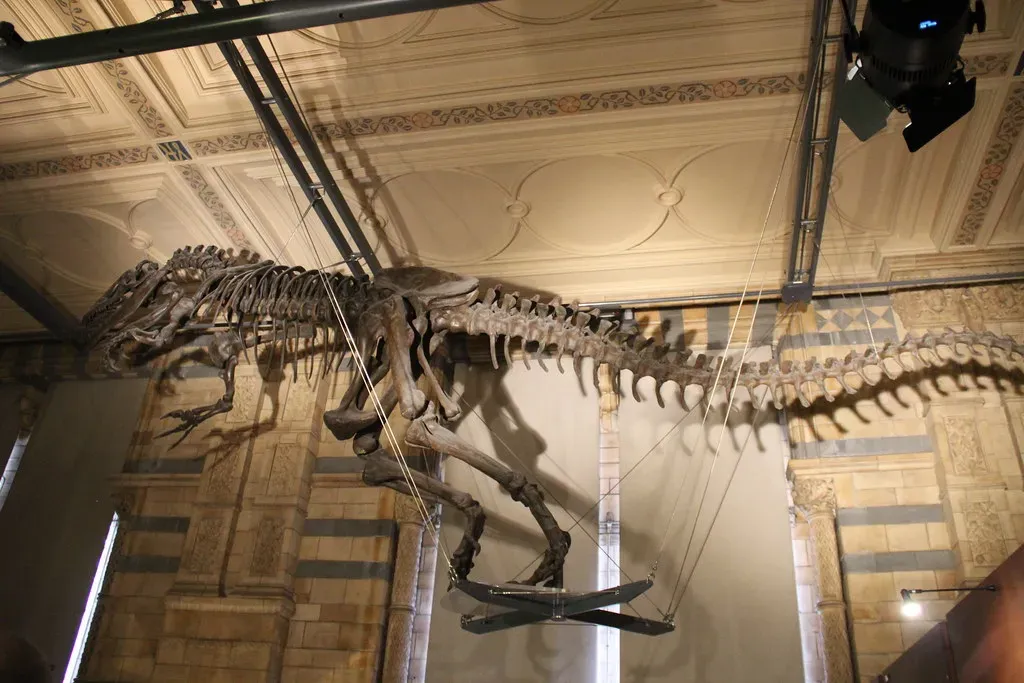
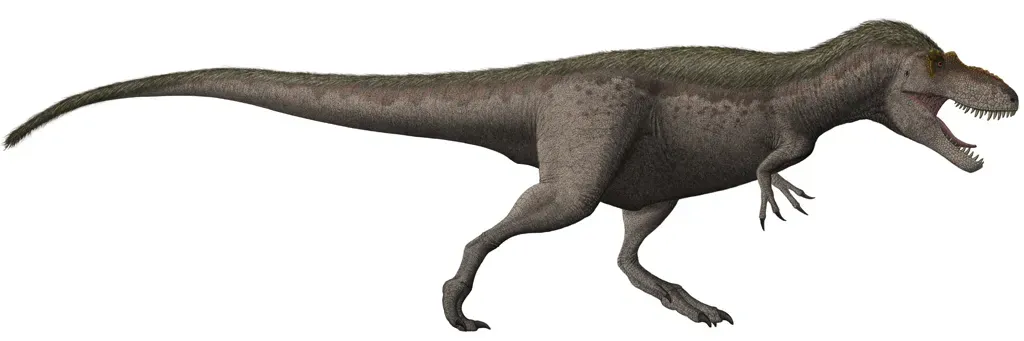
If you picture yourself as a big theropod like a Tyrannosaurus, your entire posture depends on your tail. Your body leans forward with a heavy head and chest, and your hips sit in the middle like a pivot point. Your tail stretches out behind you as a long, muscular counterweight that helps keep your center of mass over your legs so you do not topple forward with every step.
This balance trick is the reason you could walk and run on two legs without constantly face‑planting. Instead of holding your torso upright like a human, you would keep your body more horizontal, with your tail and torso forming a kind of seesaw over your hips. That setup lets you move with surprising agility for an animal the size of a bus, and it means every step you take is a controlled, balanced act rather than a clumsy lumber.
2. Your Natural Shock Absorber: Smoothing Out Every Step
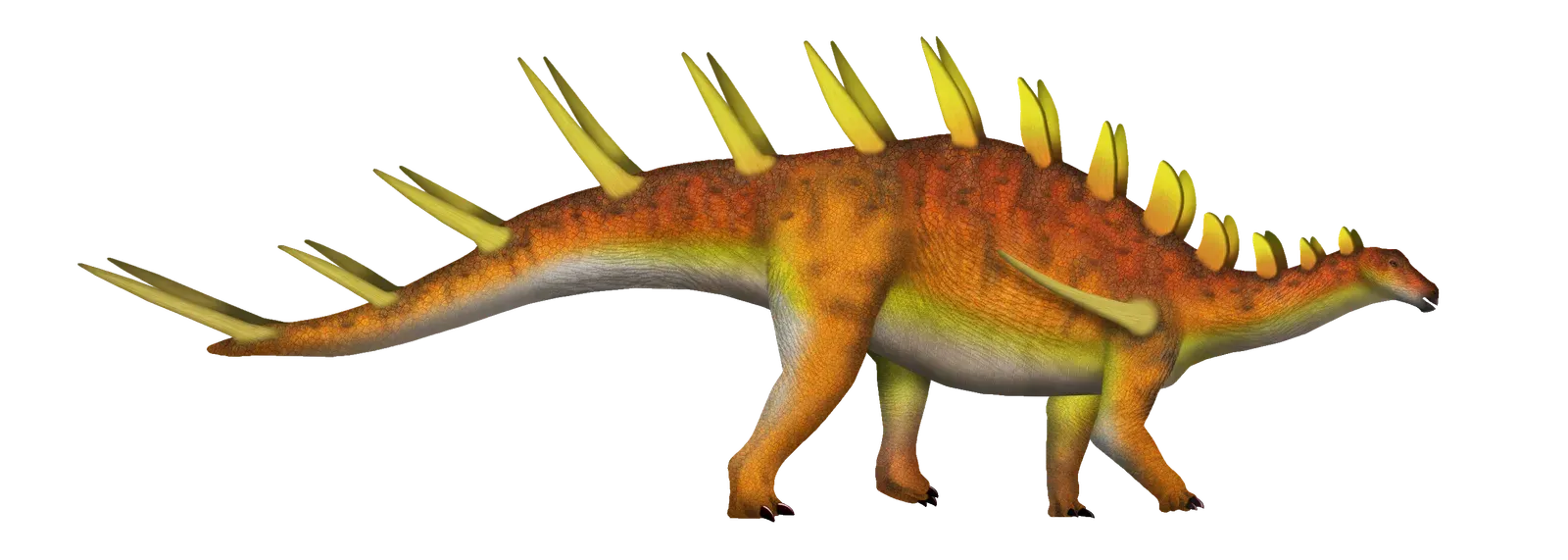
Now imagine yourself running across soft ground, each footfall sending vibrations and jolts up your legs into your spine. Your tail is not just dragging behind; it is helping absorb and distribute some of that energy. The joints and muscles at the base of your tail let it flex slightly with each step, turning your body into a more flexible, shock‑absorbing system rather than a rigid, jarring frame.
In long‑tailed dinosaurs, especially the fast‑moving ones, this mattered a lot. A flexible tail helps soften impacts and stabilize your body when your feet hit the ground at high speed or on uneven terrain. For you as a dinosaur, that means less strain on your spine and hips, smoother strides, and a better chance of staying upright if you make a sharp turn, stumble, or charge after prey.
3. Your Whip‑Like Weapon: Turning the Tail into a Strike Tool
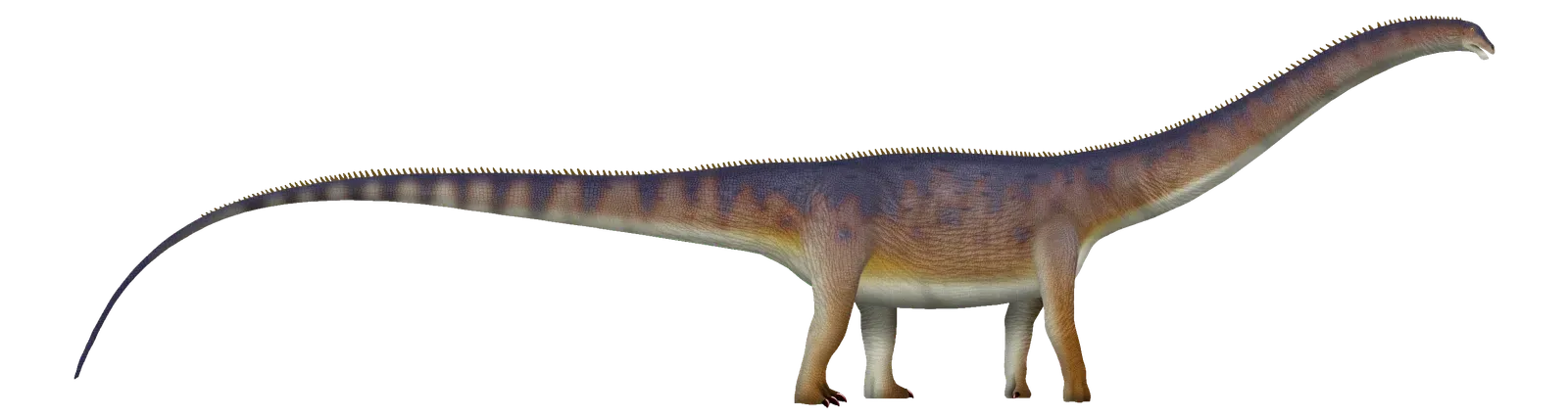
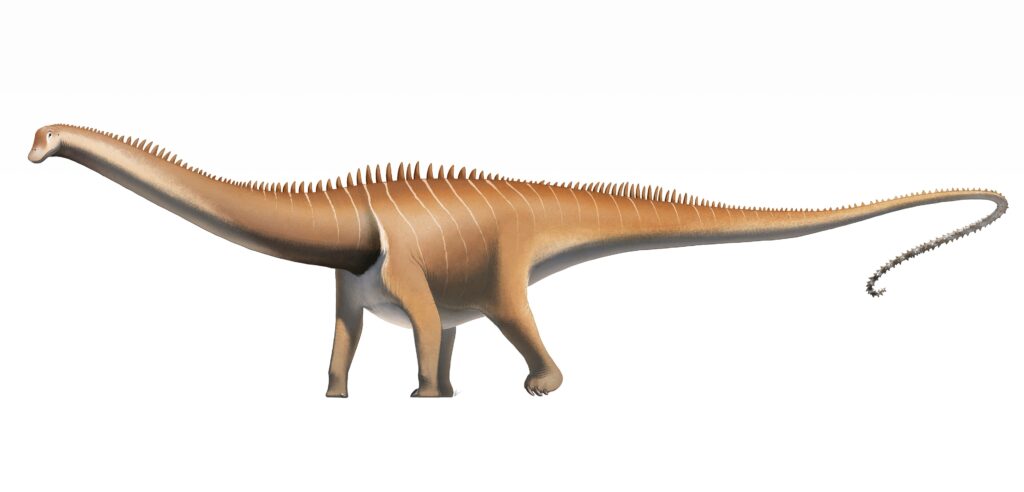
If you switch roles and imagine yourself as a sauropod with a long, slender tail, that tail suddenly looks like a whip you could snap behind you. Some researchers have suggested that certain sauropods might have been able to flick the end of the tail fast enough to create a sharp cracking sound, or at least deliver a painful lash to a predator. Even if the exact speed is debated, the structure – lightweight vertebrae that get smaller toward the tip – fits the idea of a tail built for rapid motion.
For you, that means your tail is more than just passive protection; it is an active deterrent. A predator that gets too close to your hindquarters risks a strike that could cut, bruise, or at least scare it away. You do not need to hit perfectly every time; just knowing you can swing that muscular, whip‑like tail gives you a new defensive option that many modern large animals simply do not have.
4. Your Armored Club: A Final Line of Defense
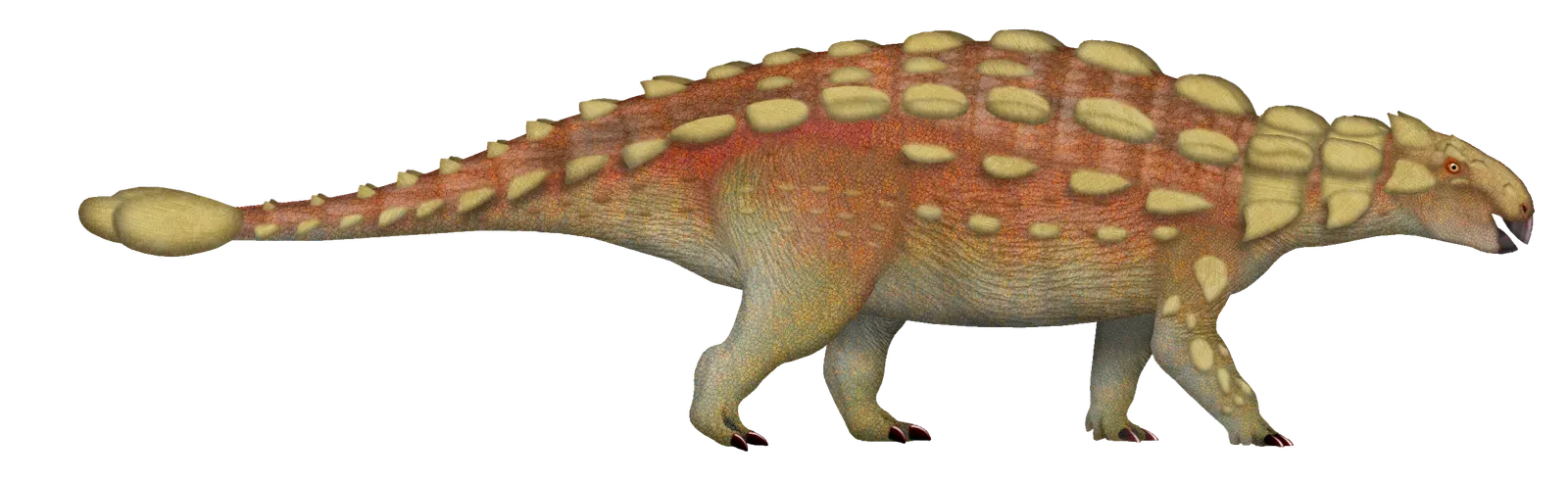
Now put yourself in the place of an ankylosaur, one of those low‑slung, heavily armored herbivores with a massive bony club at the end of the tail. In your skeleton, the last vertebrae in the tail are reinforced, and the muscles at the base are thick and powerful. At the tip, extra bone grows into a dense mass, turning your tail into something that functions almost like a medieval mace attached to living muscle.
With that kind of equipment, your tail becomes your last, devastating line of defense. If a predator comes in from the side or behind, you can swing your tail in a powerful arc and slam that club into a leg or ribcage. Breaking a leg or causing serious injury in one hit is entirely plausible with that setup, and for you as an ankylosaur, that changes the game: you are not just armored to endure attacks, you are armed to punish anything that dares to try.
5. Your Social Signal: Flags, Displays, and Dinosaur Body Language
If you imagine yourself living in a herd or a small group, your tail suddenly becomes a big, mobile signal you can wave around. You might lift it high to show alertness, lower it in calm moments, or swing it in specific patterns during courtship. In some species, tail spines, plates, or unusual shapes would make your tail more visible, turning it into a kind of moving banner that others in your species could not miss.
Even if scientists cannot always decode exactly what each posture meant, it makes sense for you to use your tail as part of your body language. Modern animals do this all the time – think of how a dog wags its tail or how many lizards twitch or raise theirs. As a dinosaur, you likely relied on the same general idea: your tail helped send signals about mood, status, or intention long before any sound left your mouth.
6. Your Turning Rudder: Steering and Stabilizing During Fast Moves
Picture yourself as a fast, agile predator chasing prey that suddenly dodges to the side. Without something to help you adjust mid‑stride, your own momentum could send you skidding past your target. This is where your tail acts a bit like a rudder on a boat or a tightrope walker’s pole. By swinging it slightly to one side or adjusting its angle, you can shift your center of mass and help your body turn more quickly.
That same principle helps you stay balanced if you jump, pivot, or scramble over obstacles. Your tail gives you a way to fine‑tune your movements after your feet have already left the ground or committed to a step. You see a similar trick in modern animals like long‑tailed lizards and even some birds, and as a dinosaur, you are basically playing the same physics game with a much larger, heavier body that still needs to be nimble to survive.
7. Your Hidden Support System: Muscles, Breathing, and Energy Use
When you think about your tail as a dinosaur, it is easy to focus on the obvious parts you can swing or wave, but there is another role hiding in plain sight: internal support. The muscles and tendons along your tail connect to your hips, legs, and even parts of your torso. In some species, those structures may have helped support your posture, assist with the movement of your hind limbs, or influence how efficiently you held your body off the ground.
There is also discussion among researchers about whether some tail muscles might have played a small role in helping stabilize your breathing apparatus or the way your torso expanded and contracted as you moved. Even if that role was limited or indirect, the basic point still holds for you: your tail is not just an add‑on behind your body. It is woven into the entire system that lets you walk, run, stand, and conserve energy, almost like a backstage crew that keeps the show going while the audience only watches the main actors.
Conclusion: Seeing Dinosaurs Anew Through Their Tails
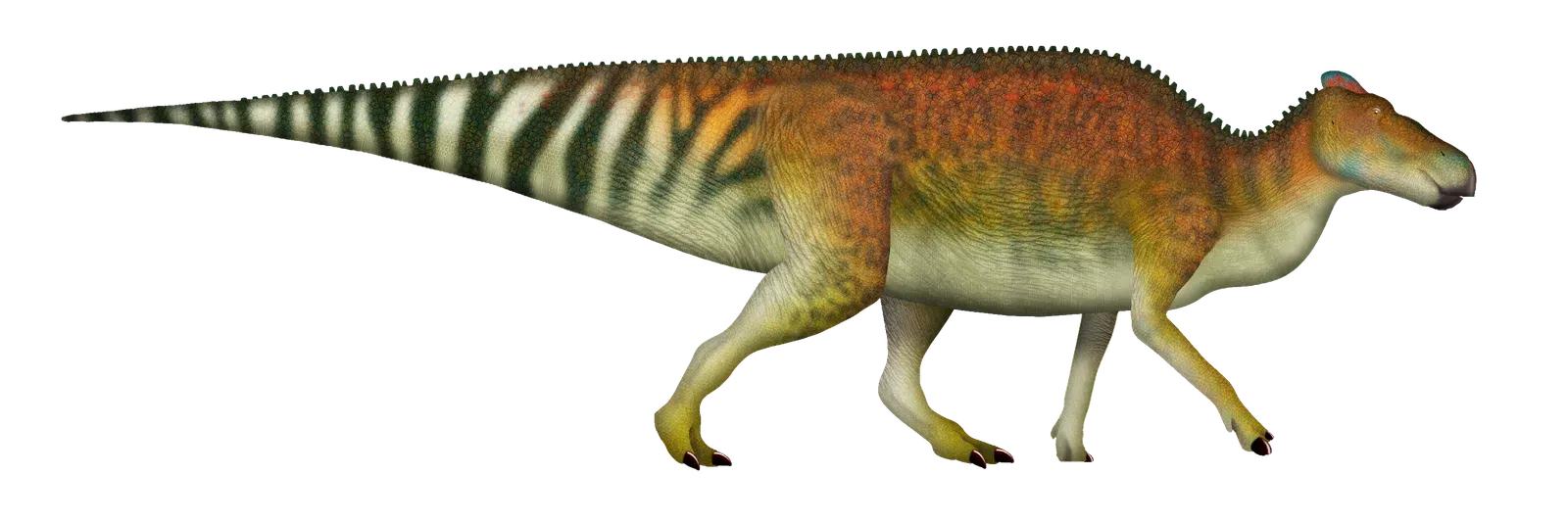
Once you start looking at dinosaurs through the lens of the tail, you realize you have been underrating these animals for years. Instead of seeing a simple balancing rod, you start to picture a complex, multi‑purpose tool that helps you fight, signal, steer, support your body, and survive in a dangerous world. You begin to appreciate how every vertebra, muscle, and plate worked together, turning the tail into something far more important than a glorified counterweight.
If you could step into a time machine and watch a herd of dinosaurs moving across a plain, you would probably notice their tails first – the swaying, the lifting, the sudden snaps and swings that reveal how alive those structures really were. Understanding those tails pulls you a little closer to what life actually felt like for them, moment to moment. The next time you see a dinosaur skeleton in a museum, will you still think of the tail as just extra length, or will you see it as the secret weapon it really was?