Every kid I know has gone through a dinosaur phase, and honestly, most adults never quite grow out of it. Giant predators the size of buses, feathered killers smaller than turkeys, entire worlds erased overnight by catastrophe – it sounds like the kind of science that would be drowning in money. Instead, dinosaur research often runs on the academic equivalent of couch-cushion change.
That mismatch between public fascination and actual funding has real consequences. It shapes which fossils are excavated and which are left to erode away, which questions get answered and which stay stuck at the level of cool YouTube speculation. When you look closely at how dinosaur science is funded, you start to see a quiet story about what our society thinks counts as “useful,” and what it quietly decides is just a childhood obsession we are supposed to grow out of.
We Love Dinosaurs Emotionally, But Not Economically

It is almost surreal: museums packed on dinosaur exhibit days, blockbuster movies breaking records, kids’ bedrooms overflowing with plastic T. rexes – and then, behind the scenes, paleontologists writing grant proposals wondering if they can afford one more field season. The cultural love affair with dinosaurs has never really translated into robust, stable funding for the science that makes those exhibits and films possible. The public sees the spectacle but not the spreadsheet.
Part of the problem is that enthusiasm does not automatically become institutional support. People buy tickets, toys, and t‑shirts, but that revenue rarely funnels directly into long-term research programs at universities or museums. Instead, dinosaur science frequently sits in a corner labeled “nice to have,” squeezed out by fields perceived as more urgent or profitable. It is like loving music but consistently cutting the school band budget – at some point, you start running out of people who can actually play.
“Practical” Science Gets Priority – And Dinosaurs Are Seen As a Luxury
Modern science funding is heavily tilted toward fields that promise immediate returns: new drugs, climate tools, military tech, artificial intelligence. These are framed as investments with clear payoffs in health, security, or economic growth. Dinosaur research, by comparison, is usually filed under curiosity-driven basic science, which is critical for knowledge but harder to connect to short-term policy goals or commercial products.
Because of that, when agencies and foundations have to choose, dinosaur projects often lose to proposals with words like “cancer,” “energy,” or “national security” in the title. It is not that those other topics do not deserve support – they absolutely do – but the result is a lopsided ecosystem where deep-time research is chronically underfed. The irony is that we lean heavily on a supposedly practical mindset while ignoring the long history of “impractical” discoveries that later transformed technology, medicine, and even how we prepare for global risks.
Fieldwork Is Expensive, Slow, And Easy To Undervalue
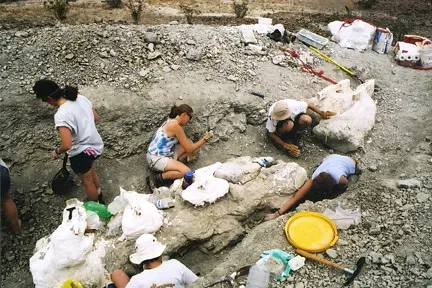
Dinosaur science is not just about lab coats and computer models; it is often about dusty trucks, remote camps, and weeks of digging in the sun. Fieldwork is brutally physical and surprisingly costly: travel to remote sites, permits, local staff, plaster, tools, shipping, and then years of careful preparation back in the lab. A single important dig can soak up a budget that would fund several small projects in other disciplines, and that makes funders nervous.
On top of that, field projects move on geological time compared to political cycles. It can take years from first discovering a bone to preparing, describing, and publishing a new fossil. Grant panels that are used to quick, quantifiable outcomes may see dinosaur fieldwork as too risky or too slow. The result is a strange situation where we live on a planet full of fossils, but a lot of them are simply weathering away, not because we lack the tools to study them, but because we lack the money to get there in time.
Museums Carry Enormous Scientific Loads On Shoestring Budgets
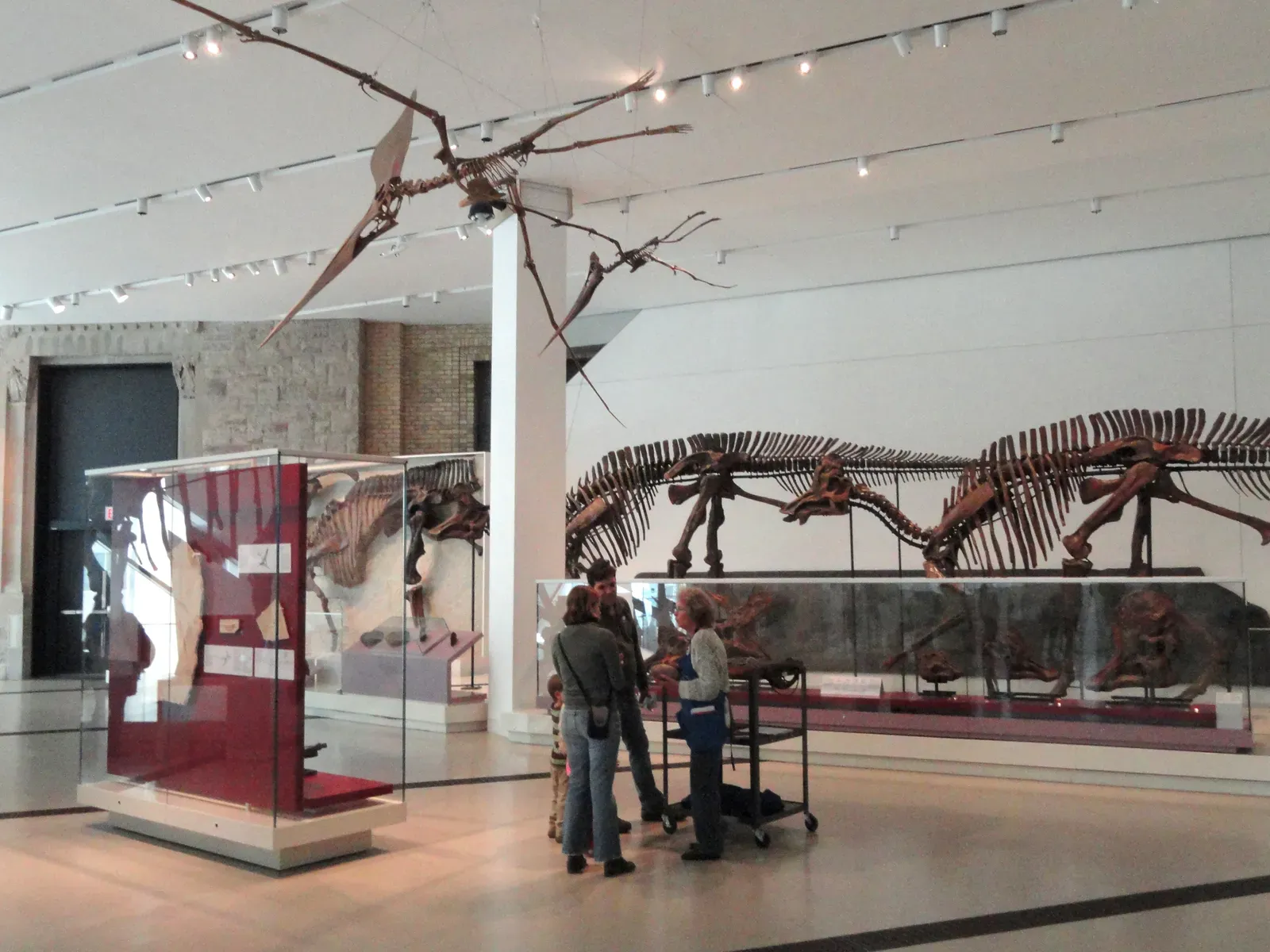
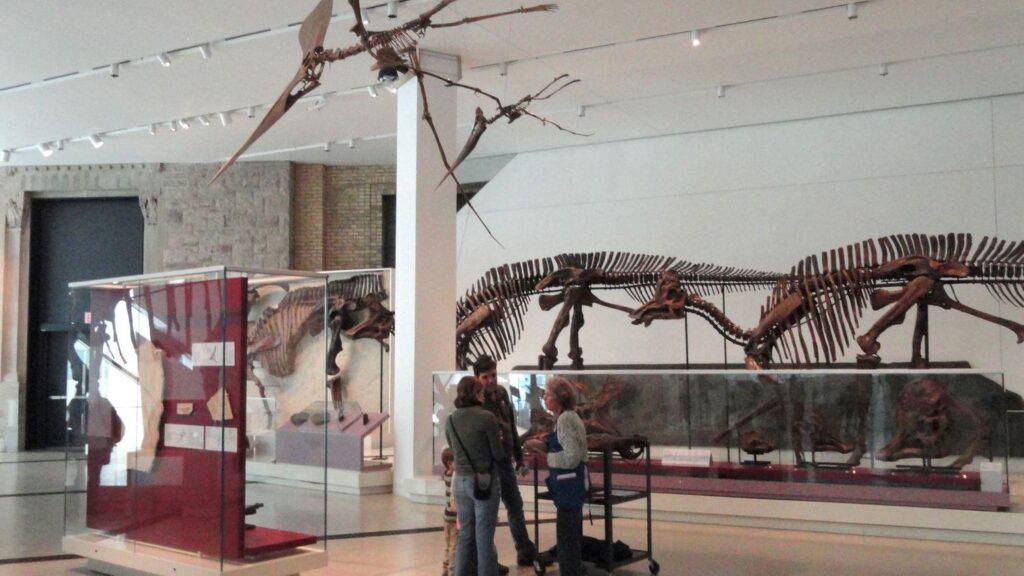
Most people think of museums as places that display science, not places that do science. In dinosaur research, the opposite is often true: museum basements, not university lecture halls, are where much of the real work happens. Curators and collection managers are simultaneously researchers, archivists, educators, fundraisers, and crisis managers trying to keep aging collections safe. Yet museums often rely on fragile mixes of ticket sales, donations, and shrinking public support.
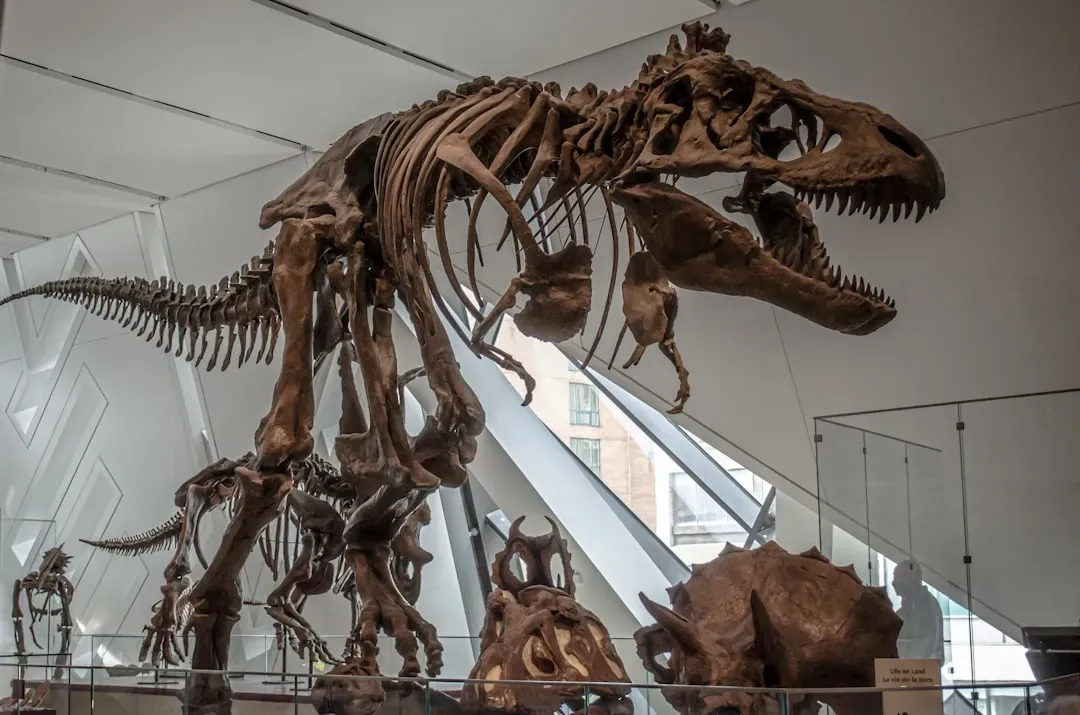
When museum budgets tighten, the first cuts tend to hit research and collections rather than the gift shop or marketing campaigns that bring people through the door. That translates into fewer staff to catalogue fossils, fewer hours to study new specimens, and less capacity to host visiting scientists from other institutions. The public still sees towering skeletons under dramatic lighting, but behind those bones may be a research program held together by overworked staff and short-term grants.
Private Fossil Markets Compete With Public Science
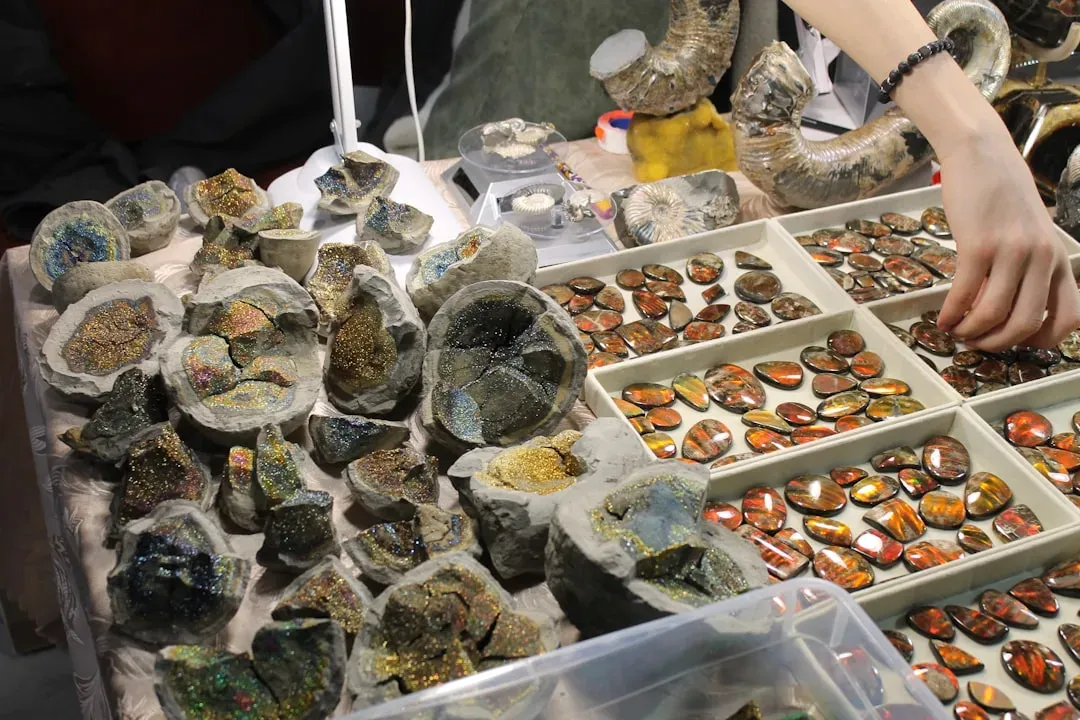
In recent decades, dinosaur fossils have morphed from scientific treasures into luxury collectibles. High-profile auctions of famous skeletons for eye-watering sums have encouraged landowners and commercial fossil hunters to treat specimens like rare art. That can pull important fossils straight out of the scientific pipeline and into private homes or corporate lobbies, where they may become essentially inaccessible for research.
Underfunded paleontologists can rarely outbid wealthy private buyers. Even when they can, they may have to divert scarce grant money to purchase fossils that ideally should have entered public collections from the start. The rise of a high-end fossil market essentially creates a parallel system where the most spectacular specimens sometimes bypass the institutions best equipped to study and preserve them. Science ends up fighting with status and speculation, often from a position of financial weakness.
Underfunding Skews Which Questions We Can Even Ask
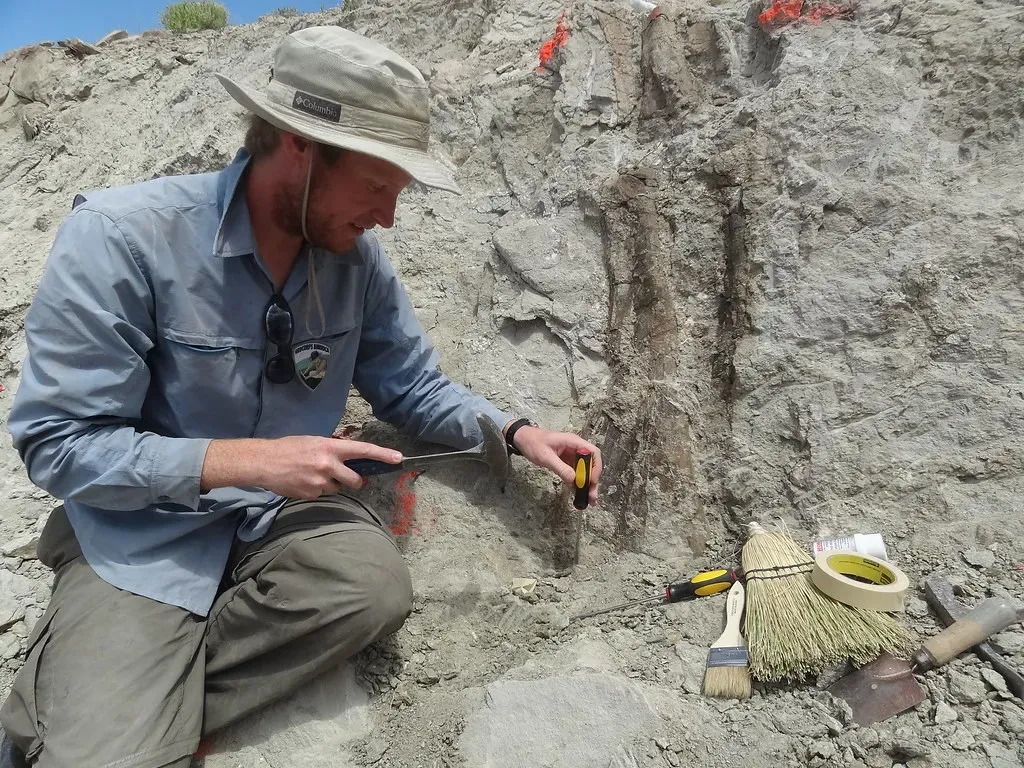
When money is tight, scientists stop asking some of the most adventurous questions, because they simply cannot afford the long, uncertain road to answers. Instead, they gravitate toward safer projects that fit within small, predictable budgets: describing single bones, reanalyzing existing data, or focusing on sites that are already well known. Those studies still matter, but they rarely rewrite textbooks or open new frontiers in understanding dinosaur ecosystems and evolution.
This financial pressure shapes the stories we tell about the ancient world. Maybe we know more about dinosaurs from one region not because they were actually more diverse, but because that region had better funding, infrastructure, and political stability. Maybe big, visually impressive species get more attention than small, ecologically crucial ones because they photograph well for donors. When we underfund dinosaur science, we are not just slowing discovery; we are quietly biasing it.
What Better Funding Could Unlock For Dinosaur Science
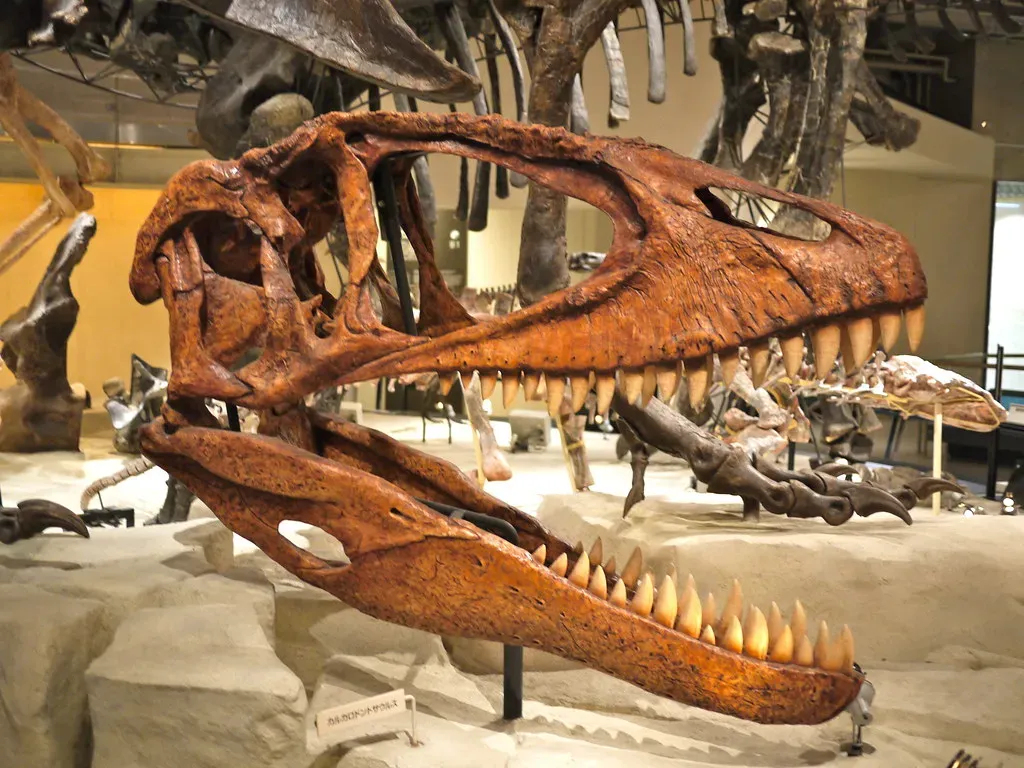
If dinosaur science had funding proportionate to its cultural impact, the field could look radically different. Teams could systematically survey underexplored regions, from polar deposits to tropical sites that preserve entirely different ecosystems than the famous badlands. High-resolution imaging, chemical analysis, and biomechanical modeling could be applied not just to a handful of star specimens, but to wide swaths of the fossil record, revealing patterns that are currently invisible.
We might get much sharper answers to big questions: How did dinosaurs cope with climate swings over millions of years? How did ecosystems recover after mass extinctions? Why did some groups evolve feathers, flight, or extreme body sizes while others did not? Those answers are not just about nostalgia for a lost world; they feed directly into our understanding of resilience, collapse, and adaptation – topics that feel more relevant than ever as we face our own planetary challenges.
Why It Matters: Dinosaurs As A Mirror For Our Future
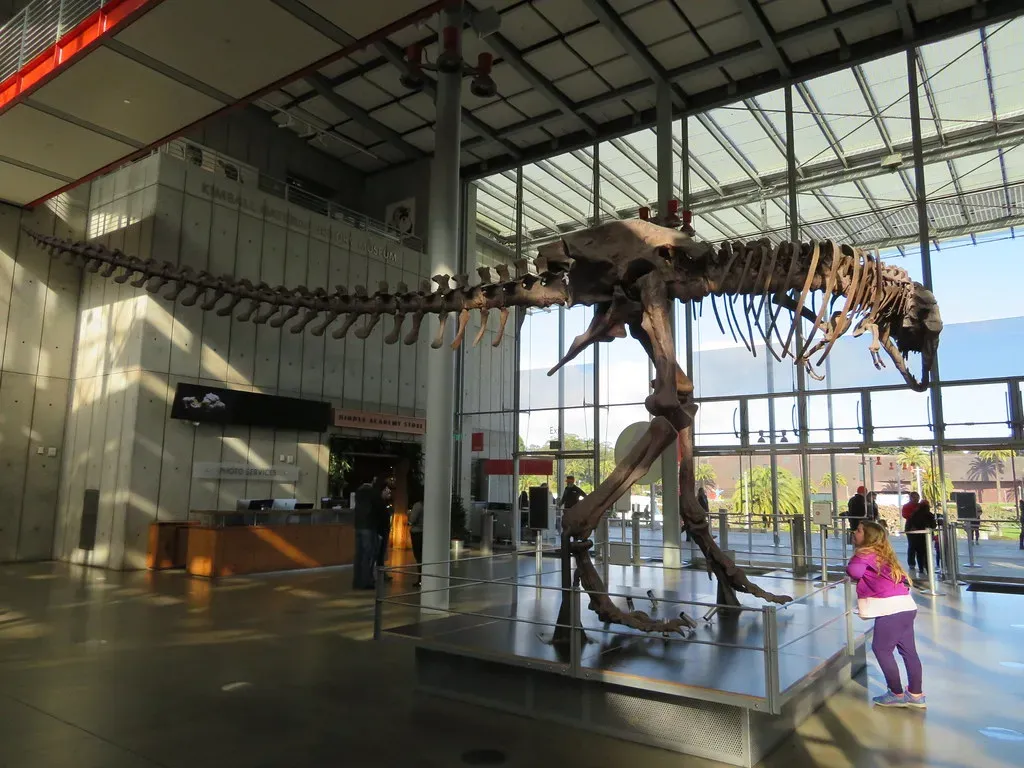
At first glance, it is easy to shrug and say dinosaur funding does not matter compared to immediate human crises. But dinosaurs lived through climate shifts, volcanic winters, rising seas, and cascading ecological changes on a scale we can barely imagine. Their stories are, in a way, extreme test cases for how life responds when the world gets knocked off balance. Ignoring that record because it feels too far in the past is like throwing away the black box from a crashed plane because the flight is over.
Personally, I see dinosaur science as a kind of time-traveling environmental report. It tells us which strategies worked and which failed when the planet changed fast and hard. When we underfund that work, we are not just saying that childhood wonder does not deserve support; we are also choosing to walk into the future with less information than we could have. In a century defined by climate disruption and biodiversity loss, that feels like a gamble we do not need to take.
Conclusion: What Our Treatment Of Dinosaur Science Says About Us
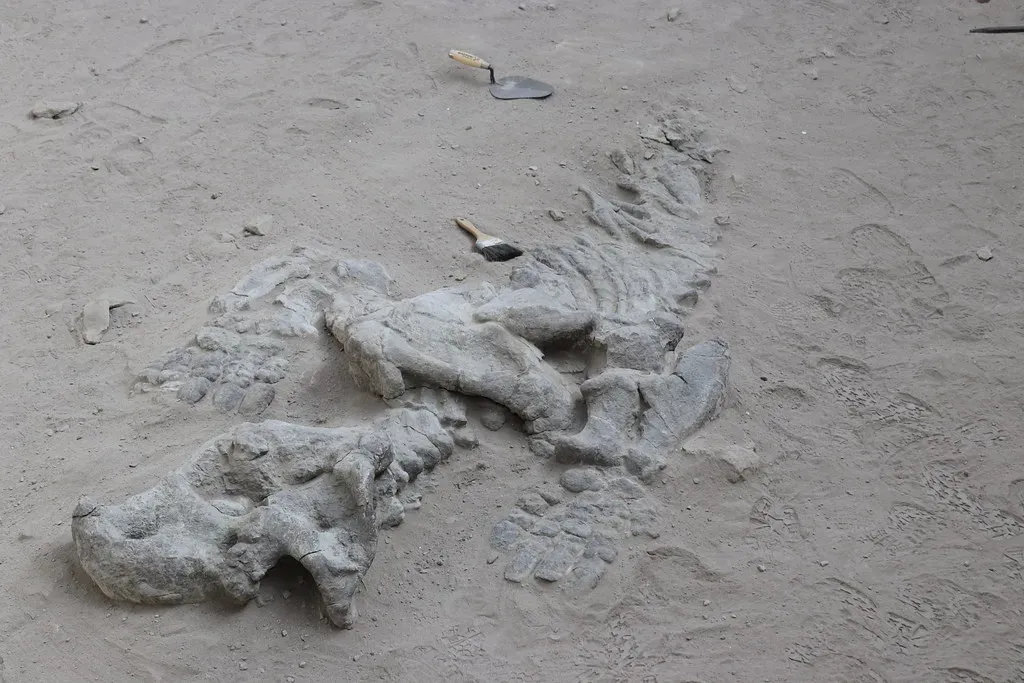
The fact that dinosaur research scrapes by while fueling so much of our imagination is more than a quirky funding glitch; it is a quiet verdict on what kinds of knowledge we value. We say we care about curiosity, long-term thinking, and learning from history, but then we underinvest in one of the clearest windows into Earth’s deep past. To me, that tension reveals a culture that still struggles to support anything that does not promise a quick, obvious payoff, even when the deeper rewards are huge.
If we decided that dinosaur science actually matters – not just as entertainment, but as hard-earned evidence about survival, extinction, and resilience – our budgets would start to look different. More digs would happen, more fossils would stay in public hands, and more young scientists could build careers without constant financial anxiety. In the end, the real question is not whether dinosaurs deserve better funding, but whether we are willing to fund the kind of long-view, curiosity-driven science that might help us navigate our own era. When you look at it that way, are dinosaurs really the ones being shortchanged – or is it us?