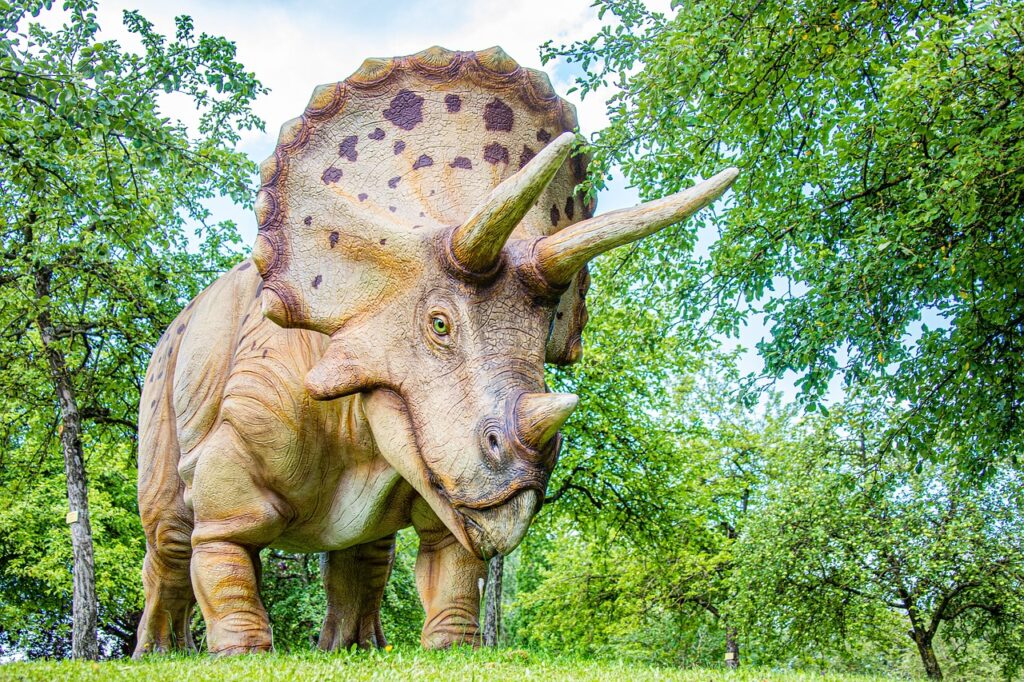
Sixty‑six million years ago, a space rock slammed into Earth, wiped out the non‑avian dinosaurs, and reset life on the planet. It sounds like the end of a story, but in many ways it was just a brutal plot twist. A surprising number of ancient lineages shrugged off that catastrophe, quietly rebuilt their empires, and then met a very different threat much later: us.
What makes this so haunting is that these survivors beat the odds against volcanism, climate chaos, and a literal doomsday asteroid, only to be cut down by spears, nets, rifles, bulldozers, and global trade. When you zoom out through deep time, humans show up in the last few frames of the movie and suddenly start rewriting the script for creatures that had ruled their worlds for tens of millions of years. Let’s meet seven of the most remarkable of these prehistoric holdouts – and how they went from unstoppable to endangered the moment we entered their story.
Crocodilians: Armored Relics That Outlived the Dinosaurs
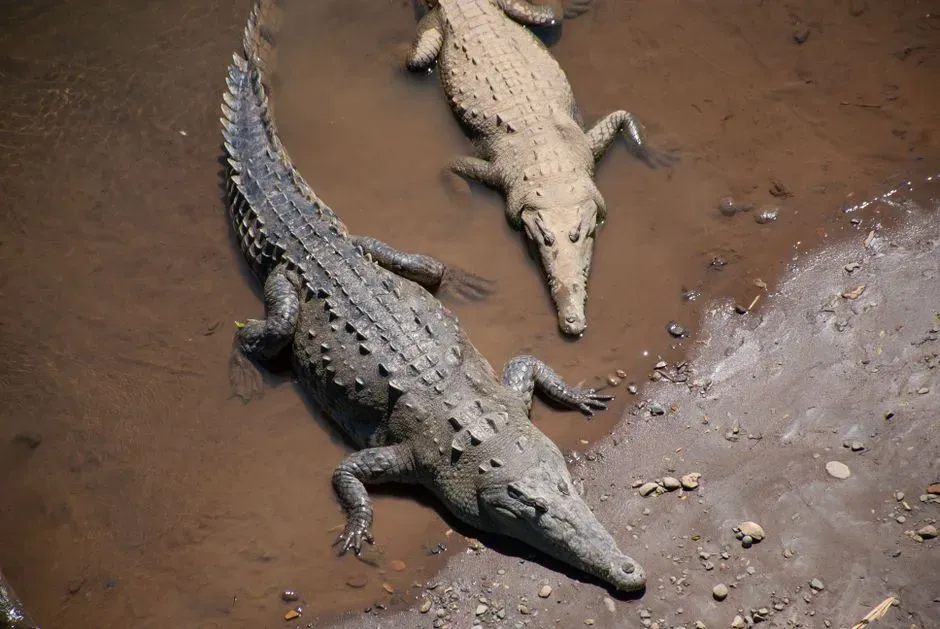
Imagine an animal so tough it watched the dinosaurs disappear, shrugged, and went back to lurking in the river. That is basically the crocodilian story. Modern crocodiles, alligators, caimans, and gharials are the last branches of a much bigger prehistoric family tree that stretches well back into the age of dinosaurs, with ancestors prowling swamps more than two hundred million years ago.
They survived the asteroid impact by being ecological opportunists: semi‑aquatic ambush hunters that could slow their metabolism, eat almost anything, and ride out dark, cold years in water and mud while many large land animals starved. For most of their history after that, their biggest problems were other crocodilians and shifting climates. Then people arrived with guns, leather markets, and riverside cities. In just a few human generations, populations of some croc species crashed because of hunting for skins, wetland drainage, and now pollution and dam building that reshape the very rivers they rely on.
Sharks: Ancient Ocean Predators Now Choking on Plastic
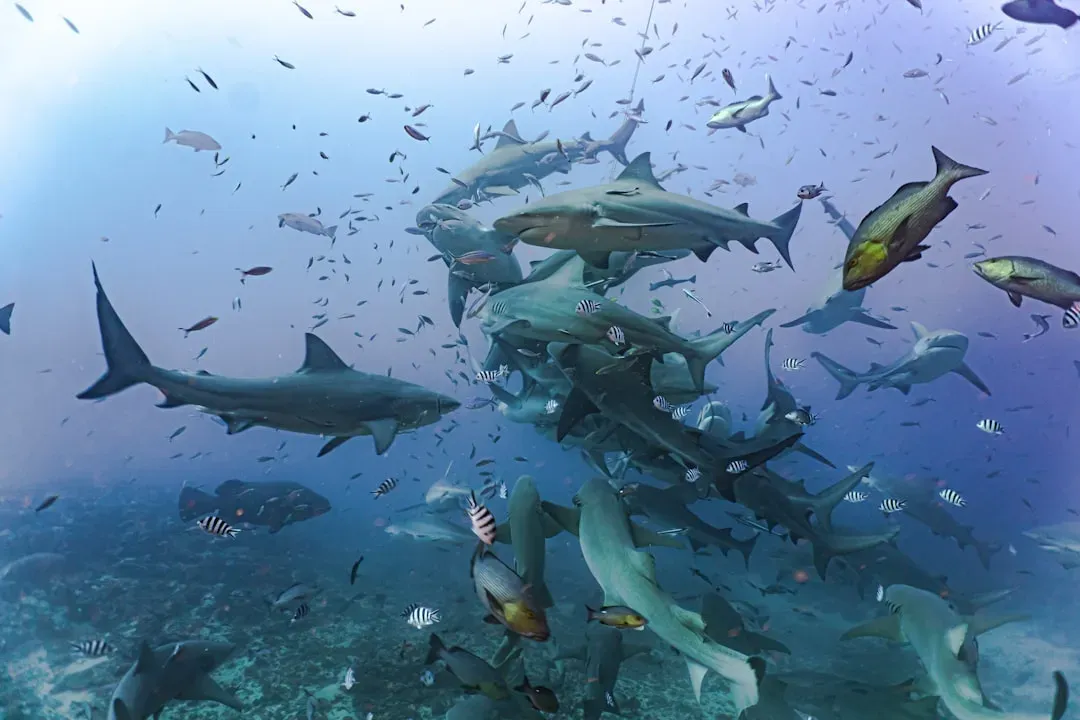
Sharks were already old by the time the asteroid hit. Their lineage goes back more than four hundred million years, long before the first dinosaurs took their tentative steps on land. When the impact winter turned the skies dark and devastated marine food webs, many ocean giants died out, but sharks adapted, diversified, and reclaimed their role at the top of marine ecosystems.
Fast forward to the modern era and these survivors of multiple mass extinctions are now falling victim to overfishing, finning, and industrialized oceans. Instead of giant marine reptiles, their new threats are longline hooks, ghost nets, and plastic‑choked seas. Some shark species that once ranged widely across prehistoric oceans are now hanging on in fragmented pockets, their numbers sliced down in a handful of decades in a way no asteroid ever managed. It is a strange twist: a creature that weathered global cataclysms now struggling against the demand for soup and cosmetic products.
Horseshoe Crabs: Living Fossils Exploited for Their Blood
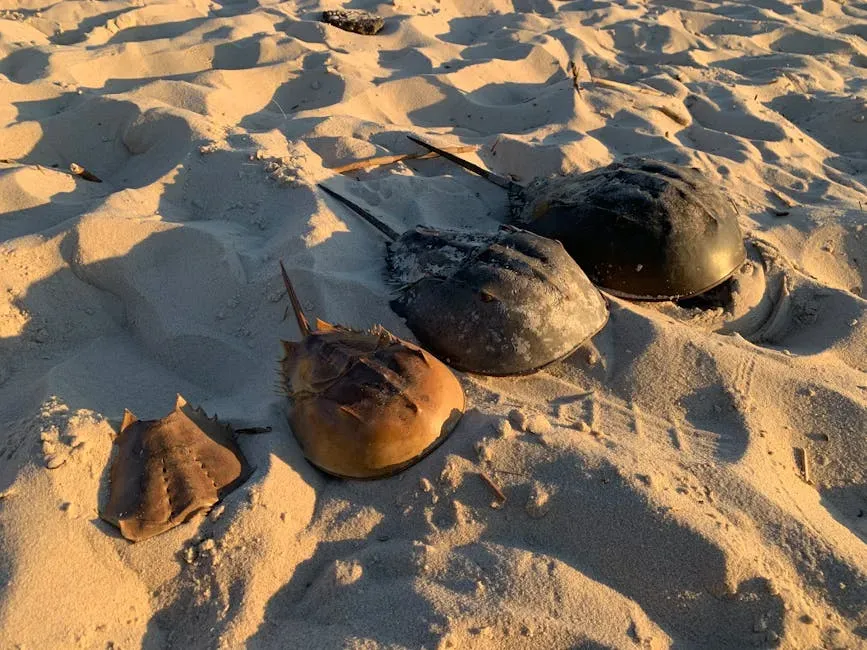
Horseshoe crabs look like armored helmets with tails, and that odd look is no accident – they carry a body plan that has changed remarkably little for hundreds of millions of years. Their ancestors scuttled through Paleozoic seas long before dinosaurs evolved, and their lineage sailed through the asteroid impact that erased so many other marine groups. By the time humans appeared, these creatures had already survived multiple rounds of global climate swings and shifting continents.
Today, though, they are under pressure in a way they never faced before. Coastal development paves over the beaches where they lay their eggs, while fisheries harvest them for bait and biomedical industries bleed them for their unique blue blood, used to test medical products for contamination. The irony is harsh: a creature that outlived entire dynasties of reptiles can be pushed toward collapse because modern society wants safer injections and better fishing. They are a reminder that survival through deep time does not guarantee safety in a world of ports, seawalls, and warehouses.
Sea Turtles: Ancient Mariners Colliding With Modern Coasts
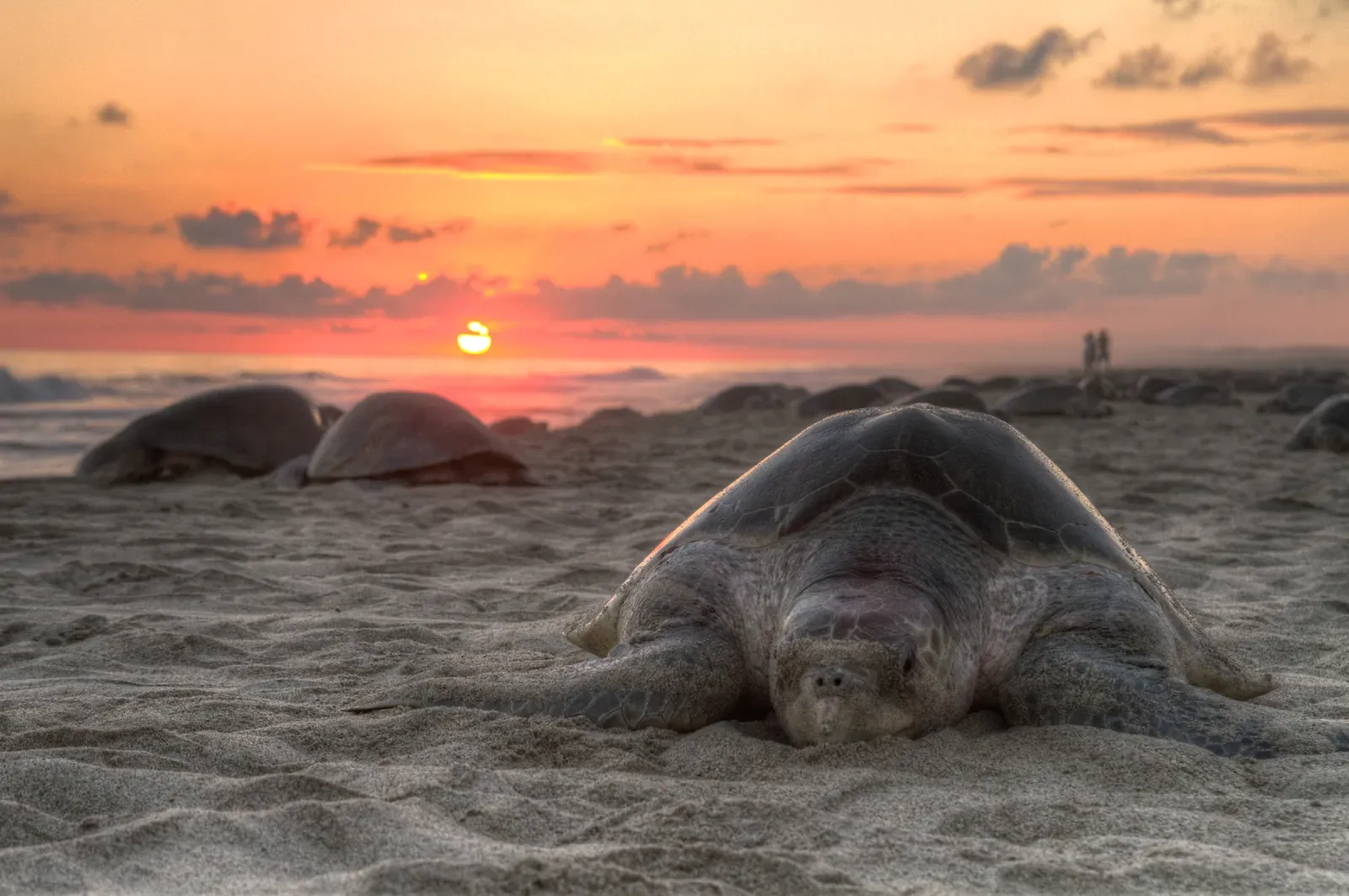
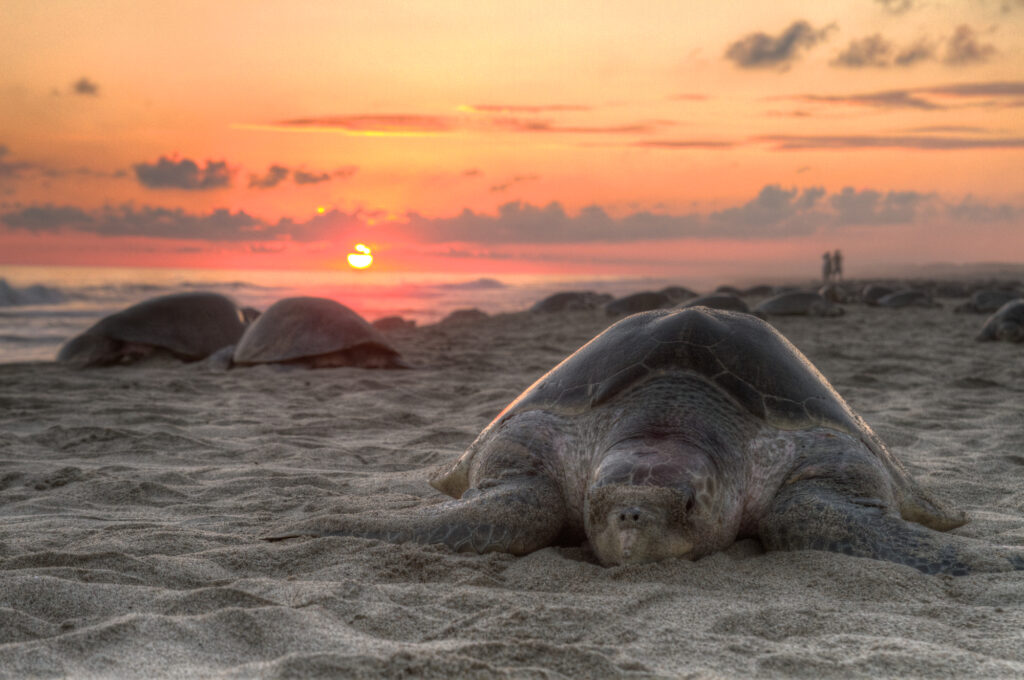
Sea turtles are another group whose roots run deep into the age of giant reptiles. Their ancestors cruised warm oceans alongside mosasaurs and plesiosaurs, and at least some turtle lineages made it through the asteroid winter by being hardy, omnivorous, and flexible in their diets and habitats. For tens of millions of years afterward, they nested on shifting shorelines and navigated by currents and magnetic fields with nobody to bother them but natural predators and the occasional storm.
Then humans began turning sandy nesting beaches into resorts, ports, and coastal highways. Eggs are poached, hatchlings disoriented by artificial lights, and adults snagged in fishing gear or struck by boats. Plastic bags and debris drift through the same coastal zones turtles use as feeding grounds, turning once‑safe seagrass meadows and open water into minefields of trash. These are animals that learned to synchronize their lives with the moon and tides, yet now have to dodge beachfront lighting, tourist traffic, and industrial noise just to complete a nesting season.
Coelacanths: Ghosts From Deep Time Pulled Up by Nets
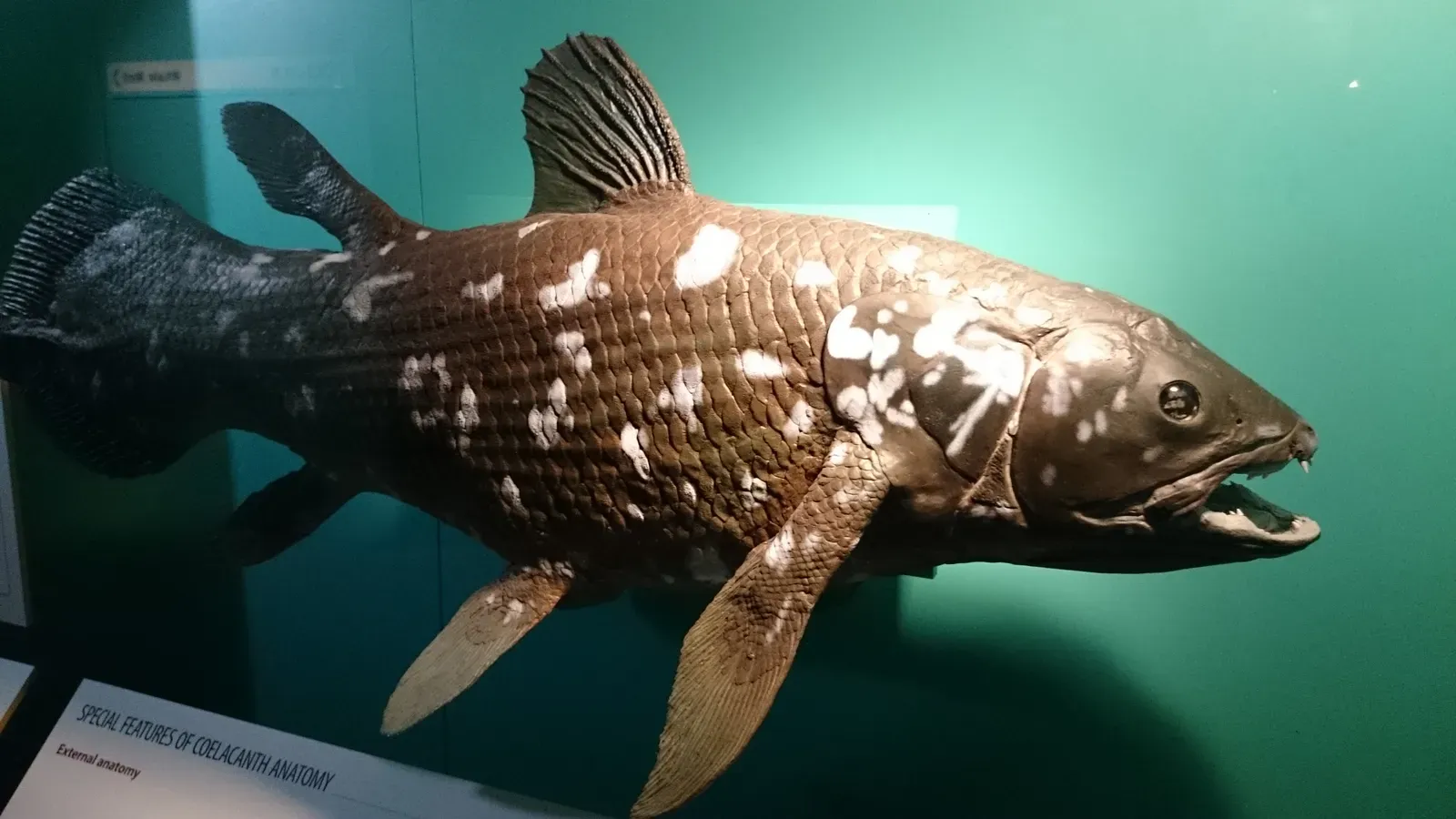
Coelacanths are the closest thing we have to a scientific ghost story. Their relatives were common in the Devonian and later swam through Mesozoic seas, and paleontologists assumed they vanished along with many other lineages. Then, in the twentieth century, a live coelacanth turned up in a fishing haul, revealing that a branch of this ancient group had quietly survived the asteroid impact and everything since in deep, dark waters off Africa and later Indonesia.
For millions of years, their deep‑reef haunts and slow, secretive lifestyle probably protected them from many environmental changes that hammered shallow seas. Humans changed that by casting wide industrial nets and building deep‑water fisheries that can unintentionally catch them. These fish reproduce slowly, with long lifespans and relatively few offspring, which made sense in a stable deep‑sea world but becomes a disaster when even modest bycatch or curiosity‑driven collecting begins. An animal that dodged recognition by science for so long now has to survive the side effects of our desire to harvest and explore every corner of the ocean.
Marsupials: Southern Survivors Facing Bulldozers and Cats
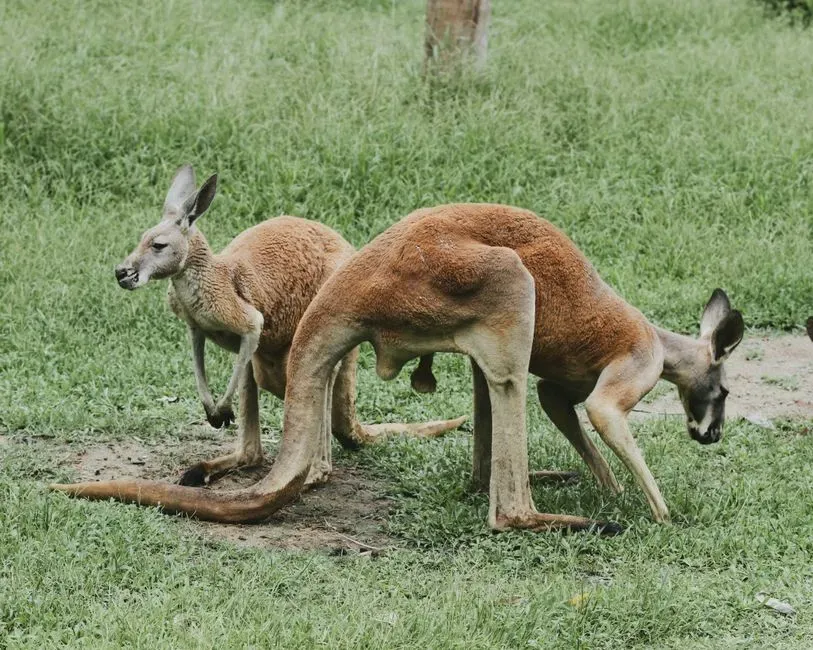
When the asteroid hit, mammals were mostly small, but they were not all the same. One branch that would later give rise to kangaroos, wombats, and opossums – marsupials – was already present and ready to radiate into new niches once the dinosaurs were gone. As continents drifted and climates changed after the extinction, marsupials flourished especially in what would become South America and Australia, evolving into giant browsing kangaroos, saber‑toothed marsupial predators, and burly wombat relatives.
For tens of millions of years, their biggest challenges were natural: changing vegetation, shifting temperatures, and occasional droughts. Once humans spread into these continents, though, the rules flipped. A wave of hunting, land clearing, and later imported predators like cats and foxes cut down many large marsupials, leaving only the smaller, more adaptable species. Even today, habitat fragmentation, vehicle strikes, and invasive species are finishing off animals whose ancestors survived one of the worst days in Earth’s history. I still remember seeing a kangaroo dead on the roadside in rural Australia and thinking how bizarre it is that a creature with roots older than humanity can be ended by a bad stretch of asphalt and a speeding truck.
Birds: Dinosaur Descendants Now Trapped in Our World
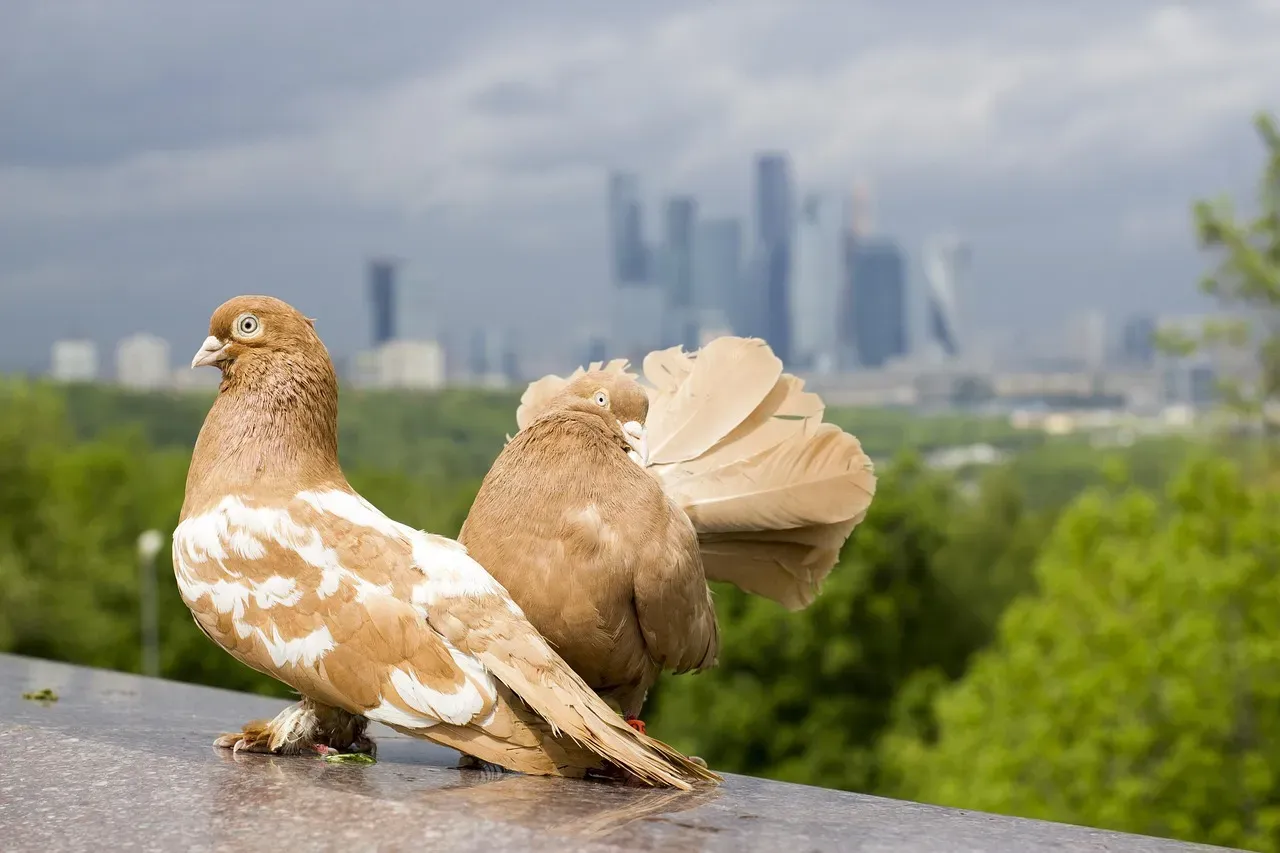
Birds are the one group on this list that technically never had to “survive” the dinosaurs – because they are dinosaurs. A branch of small, feathered theropods made it through the asteroid impact, probably thanks to their smaller size, faster reproduction, and ability to exploit seeds, insects, and varied habitats when the world went dark. Over millions of years, they exploded into an astonishing variety, from penguins and parrots to hawks and hummingbirds, filling skies and forests that would have looked eerily empty right after the impact.
Now, though, birds are colliding hard with the human world: glass towers that act like invisible traps, house cats that hunt songbirds in staggering numbers, pesticides that strip away food sources, and climate shifts that scramble migration timing. Some lineages that once spread across continents are now reduced to a handful of shrinking refuges. It is hard not to feel conflicted watching a pigeon peck crumbs near a skyscraper, knowing its distant ancestors survived raining fire from the sky, while today their cousins are disappearing because we like tidy lawns, bright night lights, and ever‑expanding cities.
Conclusion: The Asteroid Wasn’t the Final Test – We Are
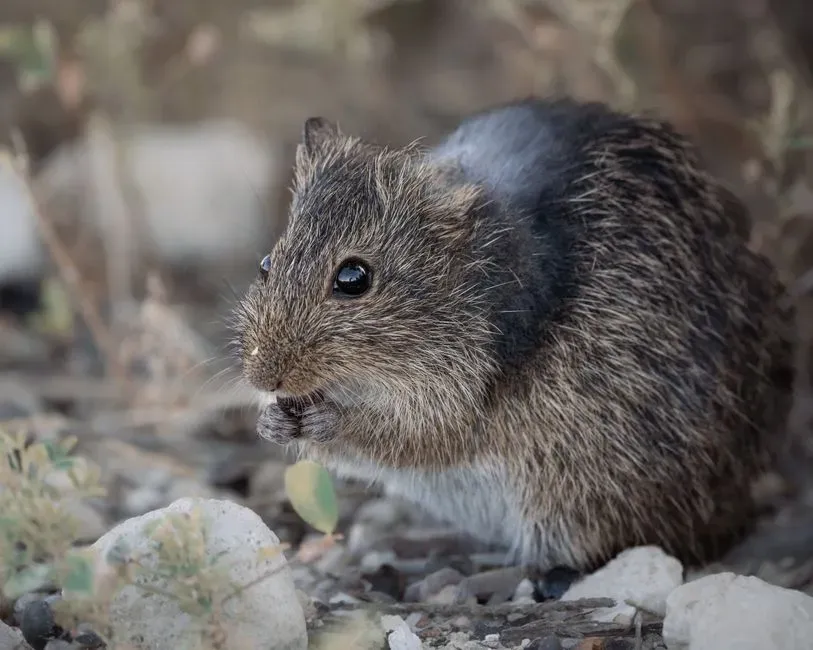
Looking at these survivors side by side, a pattern jumps out: the asteroid did not pick on any particular group for moral reasons; it simply reset the board. Life responded with resilience, and these lineages – crocodilians, sharks, turtles, horseshoe crabs, coelacanths, marsupials, and birds – won a brutal survival lottery. For tens of millions of years afterward, they adapted and thrived, shaping ecosystems on their own terms. Only in the blink of an eye, in geological terms, did one new species arrive that could alter oceans, carve up continents, and decide, consciously or not, who gets to stay.
My own view is that blaming the asteroid for extinctions while ignoring our role today is a convenient dodge. We like stories where disaster comes from the sky because it lets us off the hook; it feels random, inevitable, beyond anyone’s control. But the real plot twist is that the most dangerous force now does not come from space at all – it comes from our choices about fishing, farming, building, and consuming. If creatures that stood tall against mass extinction can fall to our habits, then our responsibility is plain: we are either the next asteroid, or the first species that chooses not to be. Which role sounds better to you?