
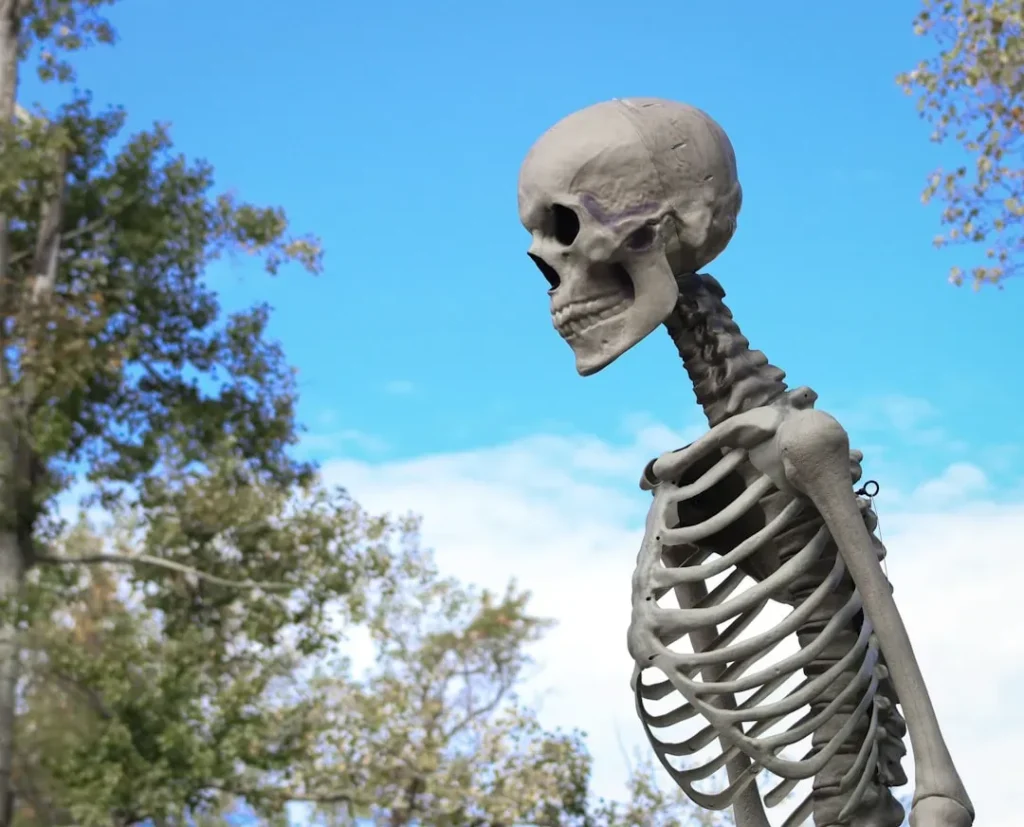
Imagine digging in a field with simple tools, no modern science, and suddenly unearthing a skull the size of a barrel or a thigh bone taller than a grown man. You would not calmly say, “Ah, a Late Jurassic sauropod femur.” You’d feel a jolt in your stomach, and your mind would race to gods, monsters, and heroes. For most of human history, that was the only toolkit people had to make sense of gigantic bones turning up in the ground: stories, not science.
What makes this so fascinating is that early people were not stupid; they were doing their best with the clues they had. In a way, they were running an experiment with almost no data and a lot of imagination. And while they got a lot wrong, they also left us a trail of myths that point, in a distorted way, toward real fossils. Let’s dig into seven big mistakes our ancestors made when they tried to explain the giant bones sleeping under their feet.
1. They Thought Giants Were Just Oversized Humans
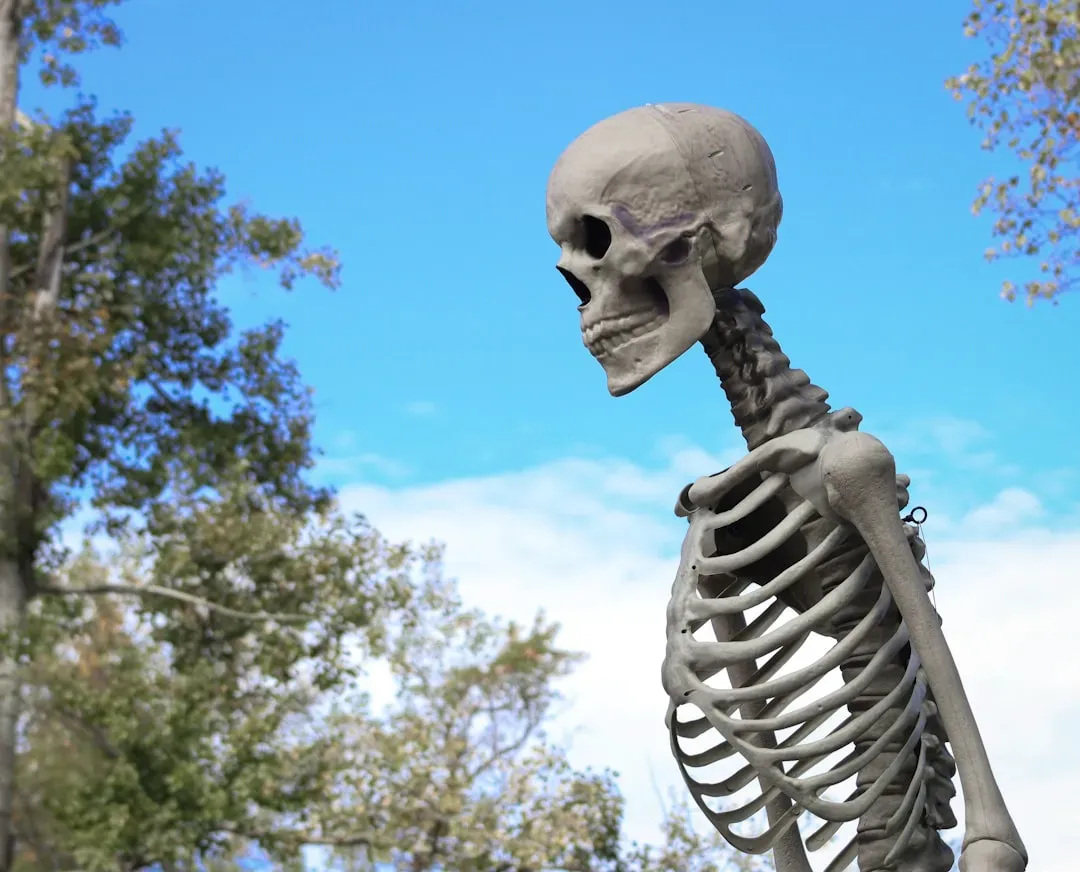
One of the most common early explanations for huge bones was simple: these must belong to giant people. If you picture a massive femur or a huge skull fragment with a single large opening where the nose would’ve been, it is not hard to see why people might have imagined a race of enormous humans walking the Earth long before us. In cultures across the world, flood myths and tales of primeval battles often came packaged with stories of giants who were wiped out or driven away, and those stories were often “confirmed” by the discovery of big bones.
From our modern perspective, we can see the mismatch immediately. Many large fossil bones do not match human proportions at all: the joints, the muscle attachment points, and the thickness are built for creatures that walked differently and held their bodies in unfamiliar ways. But if you had never seen a dinosaur skeleton reconstruction or even a decent anatomy chart, your brain would bend those shapes into the closest category it knew: people, just bigger. I remember the first time I saw a huge fossil femur in a museum as a kid; with no context, it really did feel like it belonged to some kind of superhero-sized human, and I had all of science at my disposal. Imagine having only folklore and guesswork.
2. They Mistook Dinosaur Skulls for One-Eyed Monsters
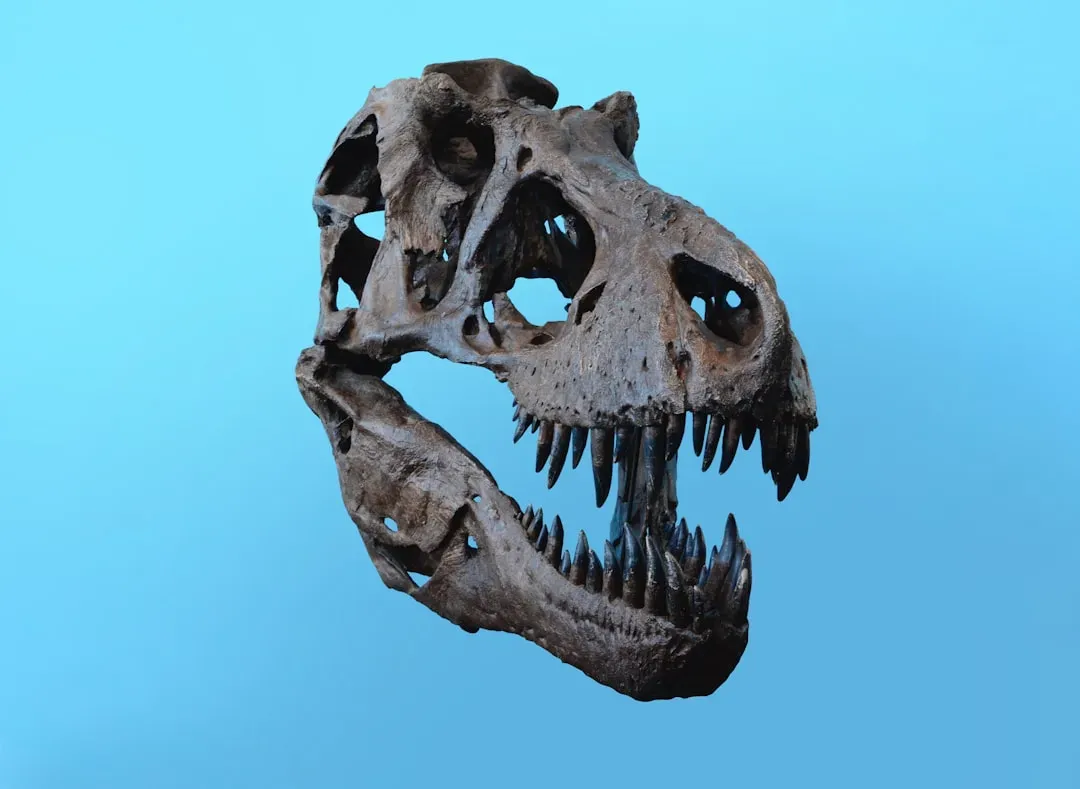
Another spectacular misunderstanding came from the way large skulls weathered over time. Many big herbivores, especially ancient elephants and their relatives, have a large central cavity in their skulls for the trunk and sinuses. If you pull that skull out of the ground with no skin, muscle, or soft tissue to guide you, you could easily interpret that huge hole in the middle as a single, massive eye socket. Suddenly, you do not have an animal; you have a one-eyed monster.
It is not much of a leap to go from that vision to stories about enormous one‑eyed beings that lived in caves or guarded mountain passes, especially in regions where fossil-rich hills produced a steady trickle of strange bones. Without X‑rays or comparative anatomy, early people were basically reverse‑engineering a creature from a cracked, incomplete casing. They filled in the missing pieces with drama: towering, man‑eating, one‑eyed giants instead of long‑trunked, plant‑eating mammals or other large animals that once walked the land. In a sense, their “anatomy lab” was storytelling by the campfire.
3. They Turned Fossil Cemeteries Into Battlefields of Legendary Beasts
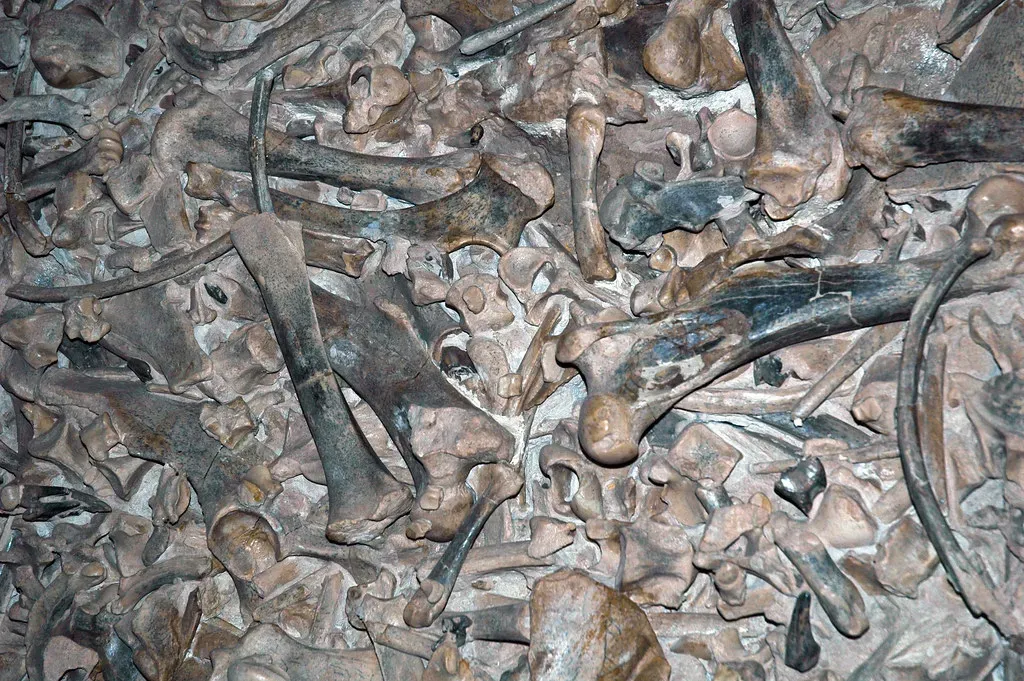
In some places, erosion exposed entire beds of bones all jumbled together: ribs, vertebrae, tusks, and teeth from many animals layered in confusing piles. To early humans, stumbling on what we now call fossil bone beds must have felt like discovering the aftermath of a massive, ancient battle. Imagine your group finding dozens of huge skeletons tangled in rock; it is almost irresistible to picture a war of monsters that all died together in some incredible clash.
Today, paleontologists see those same deposits and read a completely different story: rivers that flooded and washed carcasses into one place, lakes that dried up and trapped animals in mud, ashfalls from eruptions that buried herds alive. But for people without that geological lens, the explanation naturally leaned toward drama and intention. The Earth, in their minds, remembered battles the way we remember wars in history books. They scoped out those fossil “graveyards” as proof that dragons, serpents, or titanic beasts once fought for territory, gods, or even humans. It is a reminder of how easily we overlay narrative order on random natural patterns.
4. They Assumed Giant Bones Proved Ancient Super‑Predators
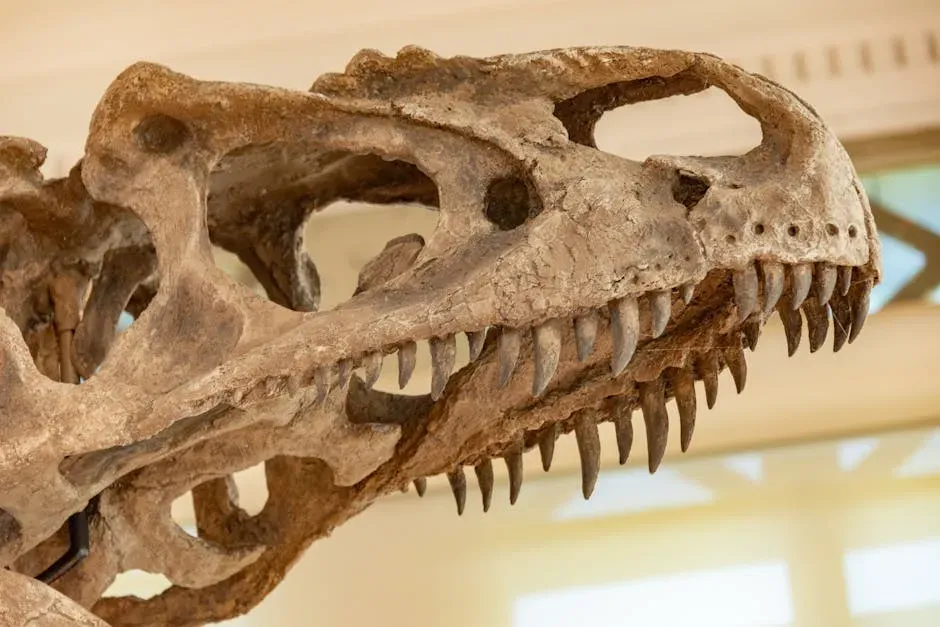
When early people found large teeth, claws, or massive jaw fragments, they tended to imagine predators first, not gentle herbivores. Big teeth meant big danger. A giant jawbone, separated from the rest of the skull and lacking context, looked like a perfect fit for some nightmare hunter that once stalked the land. The idea that many enormous creatures mainly ate plants did not feel intuitive when you were face‑to‑face with a fossilized row of thick, ridged molars.
Modern science complicates that picture: many of the largest animals that ever lived survived on leaves, grass, or plankton. Huge size can be a defense against predators or a way to handle low‑quality food, not necessarily evidence of bloodthirst. But when your day‑to‑day life involves staying alive in a fragile ecosystem with actual predators lurking around, your mind tilts toward danger. I sometimes think about how, if all we had of whales were their teeth and ribs buried in stone, many people might have imagined some hyper‑aggressive sea monster rather than a slow, singing giant cruising the oceans.
5. They Read Earthquakes and Landslides as Monsters Waking Up
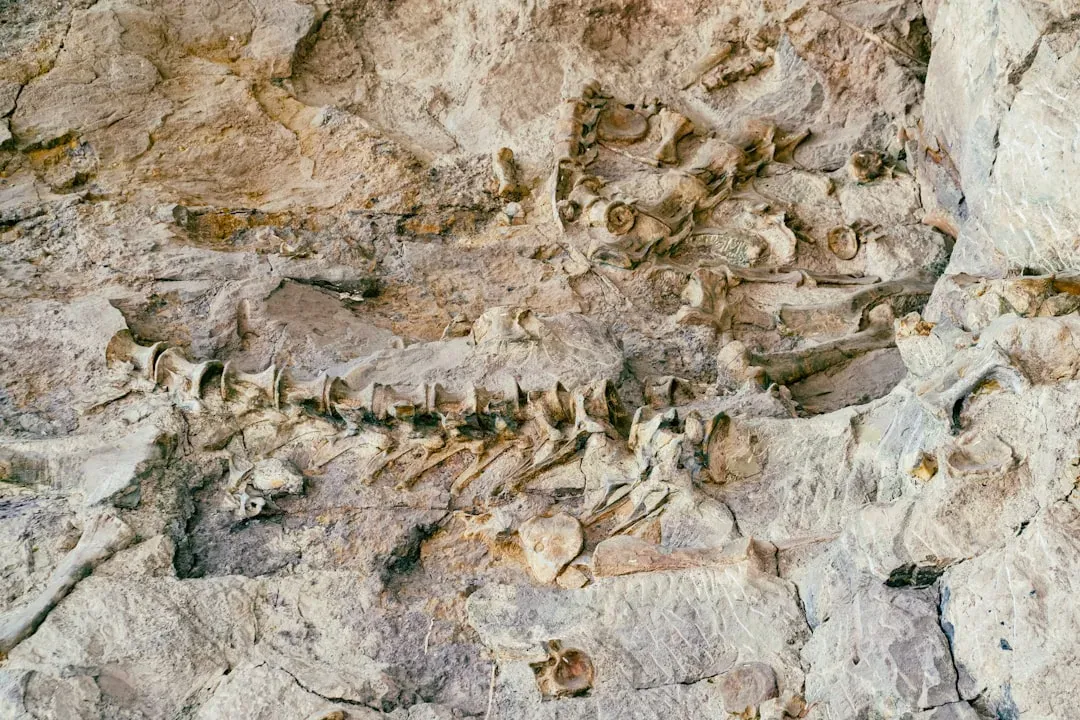
Giant bones do not just appear; they get exposed by erosion, quakes, floods, and landslides. In many places, stories grew up around the idea that these skeletons were not just ancient remains but sleeping beings that sometimes stirred beneath the surface. When a hillside collapsed and revealed a massive rib cage or spine, it could feel like catching a titan halfway through waking up or being buried again. Natural disasters and strange bones became woven into the same mythic fabric.
Today, we can tie those events to plate tectonics, soil erosion, and seasonal rainfall patterns, but that rational framework is extremely recent. For most of history, a violent tremor in the ground and the sudden appearance of giant bones would have seemed like cause and effect: something woke, moved, or protested underneath. This view turned fossils into active participants in human life, almost like restless gods or guardians shifting in their sleep. Honestly, when the ground shakes and cracks open, even now, it does not feel completely wrong to imagine some vast creature rolling over far below us.
6. They Treated Fossils as Magical Objects, Not Scientific Clues
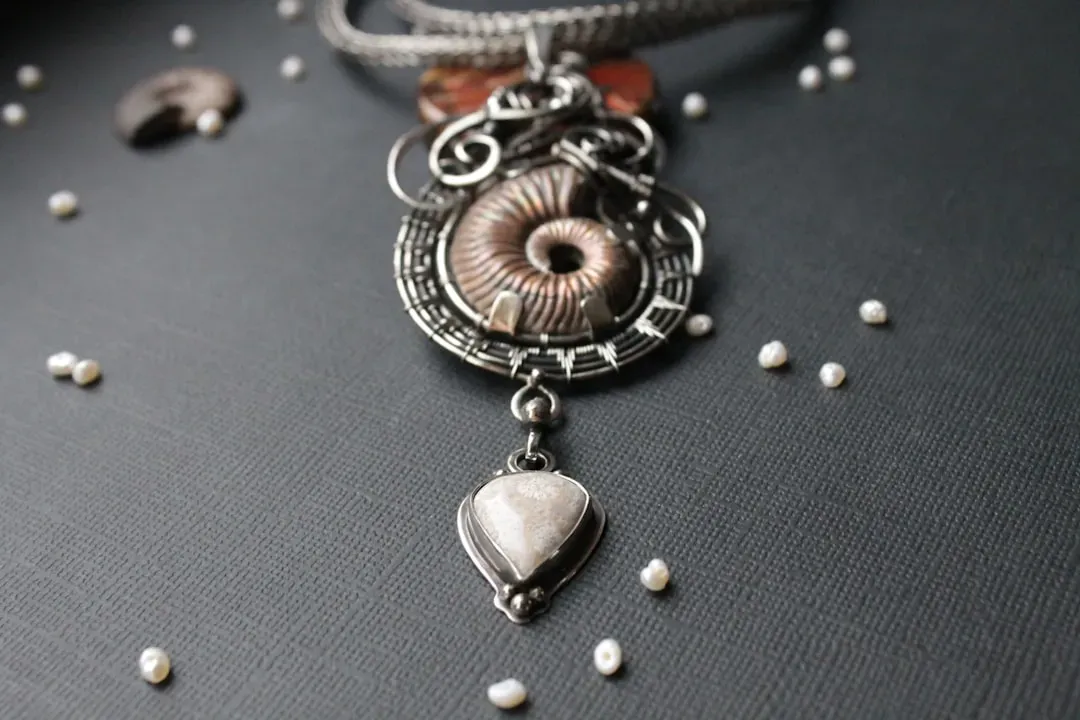
Across cultures, unusual stones and bones were often given special powers: protection in battle, healing for sickness, or good luck in travel. A giant tooth might be worn as a charm, a chunk of fossil bone ground into powder and mixed with remedies. Instead of asking what animal the bone came from, many people asked what it might do for them right now. The fossil’s value was not about reconstructing the past; it was about shaping the present through ritual and belief.
From a scientific angle, that looks like a missed opportunity. Every fossil carries data: about climate, ecosystems, evolution, and extinction. But humans are pragmatic storytellers. If holding a massive tooth made you feel braver or safer, that function outweighed any curiosity about its ancient owner. I find that strangely human: we turned the leftovers of lost worlds into little anchors of meaning in our day‑to‑day lives. In a way, we still do that, except now the magic trick is museum labels, research papers, and documentaries instead of talismans and potions.
There is also a quieter irony here. By treasuring these bones as sacred or powerful, many early cultures accidentally preserved them instead of letting them erode away. What they misread as charms and holy objects sometimes ended up as the very specimens later scientists could finally study. Their mistake in interpretation became a small gift of conservation to the future.
7. They Believed Giant Creatures Meant the Past Was Stronger Than the Present
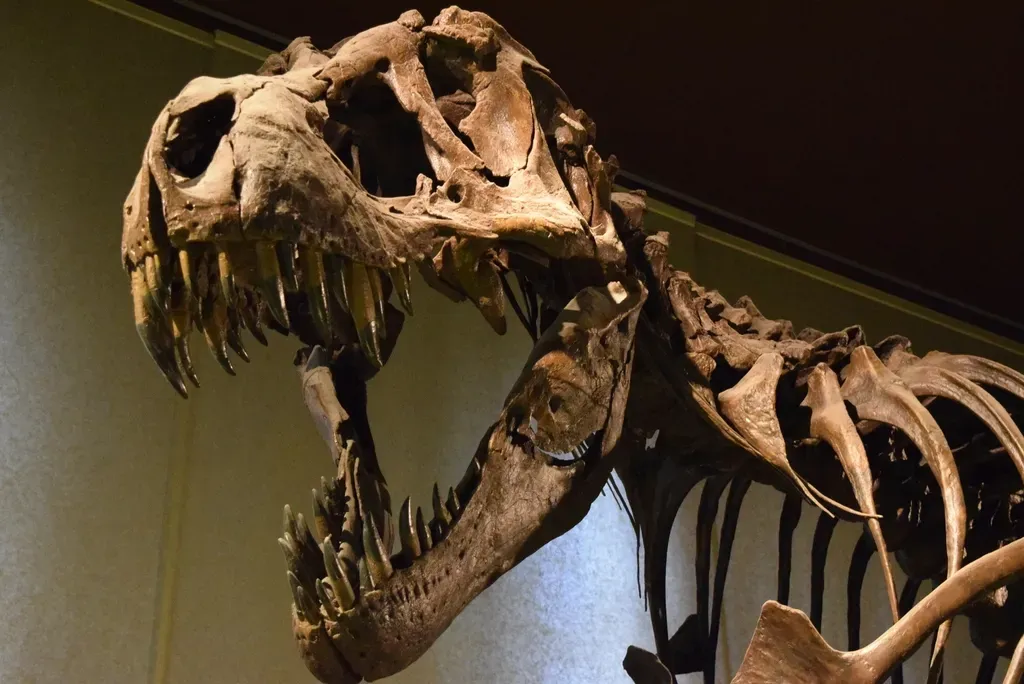
Standing in front of a bone that dwarfs any living animal you know can mess with your sense of where you fit in history. Many early explanations leaned toward the idea that the world had declined: that long ago, everything was larger, stronger, closer to the gods, and that humans were small, late arrivals in a fading age. Giant bones were seen as physical proof that the Earth used to host mightier beings, and that we were somehow living in history’s afterglow.
Modern paleontology paints a far more dynamic picture. Life on Earth has swung back and forth through multiple phases: mass extinctions, bursts of innovation, periods of giants and periods when small, nimble creatures had the advantage. Our era is not simply weaker or smaller; it is different, shaped by its own pressures and possibilities. Yet I get why early humans felt that way. When you pick up a fossil bigger than anything alive around you, it is hard not to feel like you missed out on a more epic version of reality. In a twist, we now know we are the ones with the epic power: we can wipe out species, reshape ecosystems, and even contemplate resurrecting ancient genes. The past was not just stronger; it was stranger, and the present is terrifyingly influential.
Conclusion: From Monsters to Models – And Why Their Mistakes Still Matter
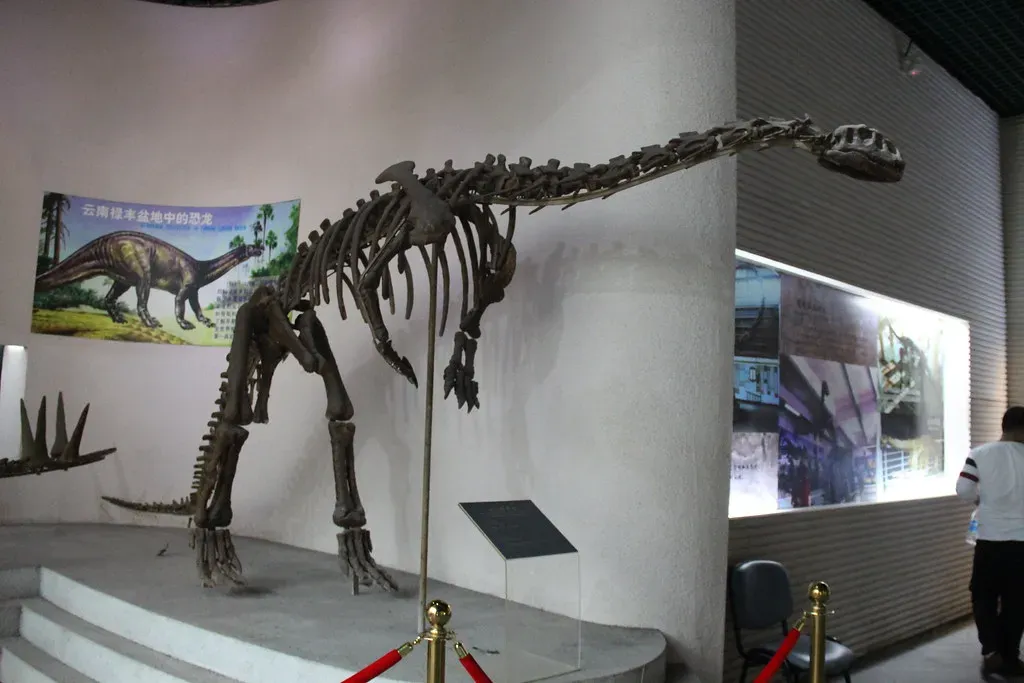
Looking back, it is tempting to laugh at the idea of giant humans, one‑eyed monsters, and magical bones. But if you strip away our modern lab coats and technology, many of those early guesses were surprisingly reasonable leaps from the little evidence people had. They took scattered, broken clues and built whole worlds of meaning from them. Were they wrong, often spectacularly so? Absolutely. Yet those mistakes show just how deeply humans need stories to fill the gaps between what we see and what we understand.
Here is my unpopular opinion: we are not as far from those early myth‑makers as we like to think. We still grab at incomplete data, still tell ourselves confident stories, and still resist letting go of ideas that feel good even when better evidence shows up. The difference is that we now have a method – science – that forces our stories to wrestle with reality. Those ancient misunderstandings about giant bones are not just quirky episodes in the history of paleontology; they are reminders of how our minds work, and how easily awe can tilt into error. Next time you see a dinosaur skeleton towering over a museum hall, it is worth asking yourself: if you had dug that bone up a thousand years ago, what kind of monster would you have sworn it came from?