There’s something oddly comforting about rewatching the Ice Age movies as an adult and suddenly realizing just how wildly inaccurate they are. You still laugh at Sid, still feel for Manny, still root for that doomed acorn, but in the back of your mind a quieter voice goes: “Yeah… that’s not how any of this worked in real life.” The films are fun and surprisingly emotional, but they also gave a whole generation of kids a seriously warped picture of what the actual Ice Age really was.
I remember sitting in a crowded cinema as a teenager, feeling oddly guilty that I sort of believed half of what I was seeing on screen. Talking mammoths? Sure, suspension of disbelief. But mammoths hanging out with saber-toothed tigers and sloths in a tight little friend group, dodging melting glaciers overnight? That seeps in more than we realize. Let’s pull back the curtain a bit and look at seven big “lessons” from the Ice Age films that simply do not hold up when you compare them with what scientists know about the real Ice Age world.
1. All the Ice Age animals lived together like one big cross-species friend group
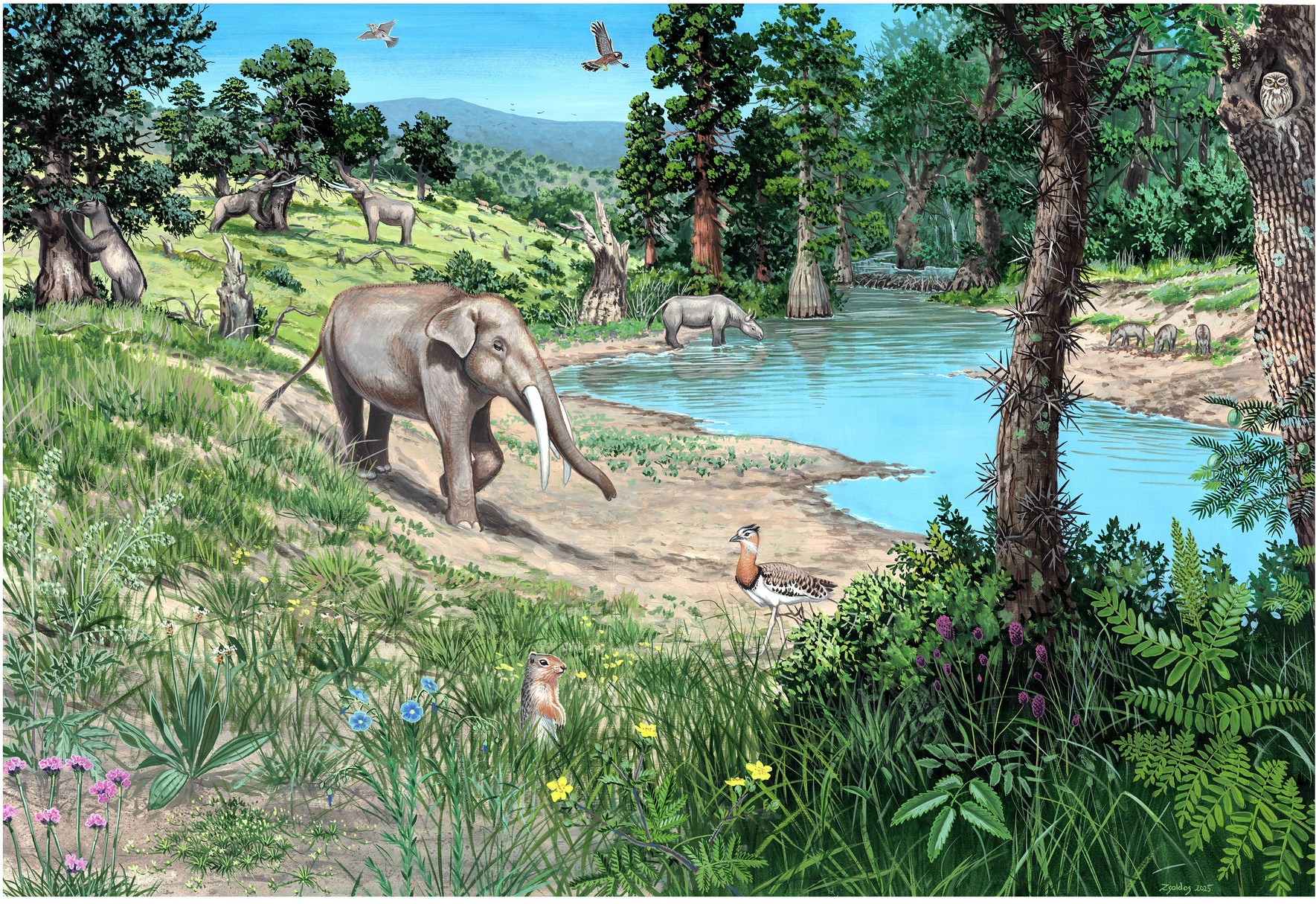
The films make it feel like the Ice Age was basically one huge neighborhood where mammoths, saber-toothed cats, giant sloths, dodos, rhinos, humans, and even dinosaurs all just bumped into each other before lunch. In reality, different species lived in different habitats, at different times, and in different regions. Many of the animals shown did overlap in broad time ranges, but they weren’t packed together like an overstuffed zoo exhibit with perfect comedic timing.
Real Ice Age ecosystems were more like continents of shifting zones: open mammoth steppe here, dense conifer forest there, icy tundra somewhere else. A saber-toothed cat in what’s now North America would not just randomly stroll past a pack of South American glyptodonts on its way to visit a herd of Eurasian woolly mammoths. Geography, climate zones, and simple distance made those cartoon-style meetups incredibly unlikely. The “herd” in the films may be adorable, but ecologically it’s a mash-up for the sake of story, not science.
2. Humans and woolly mammoths hung out constantly (and casually)
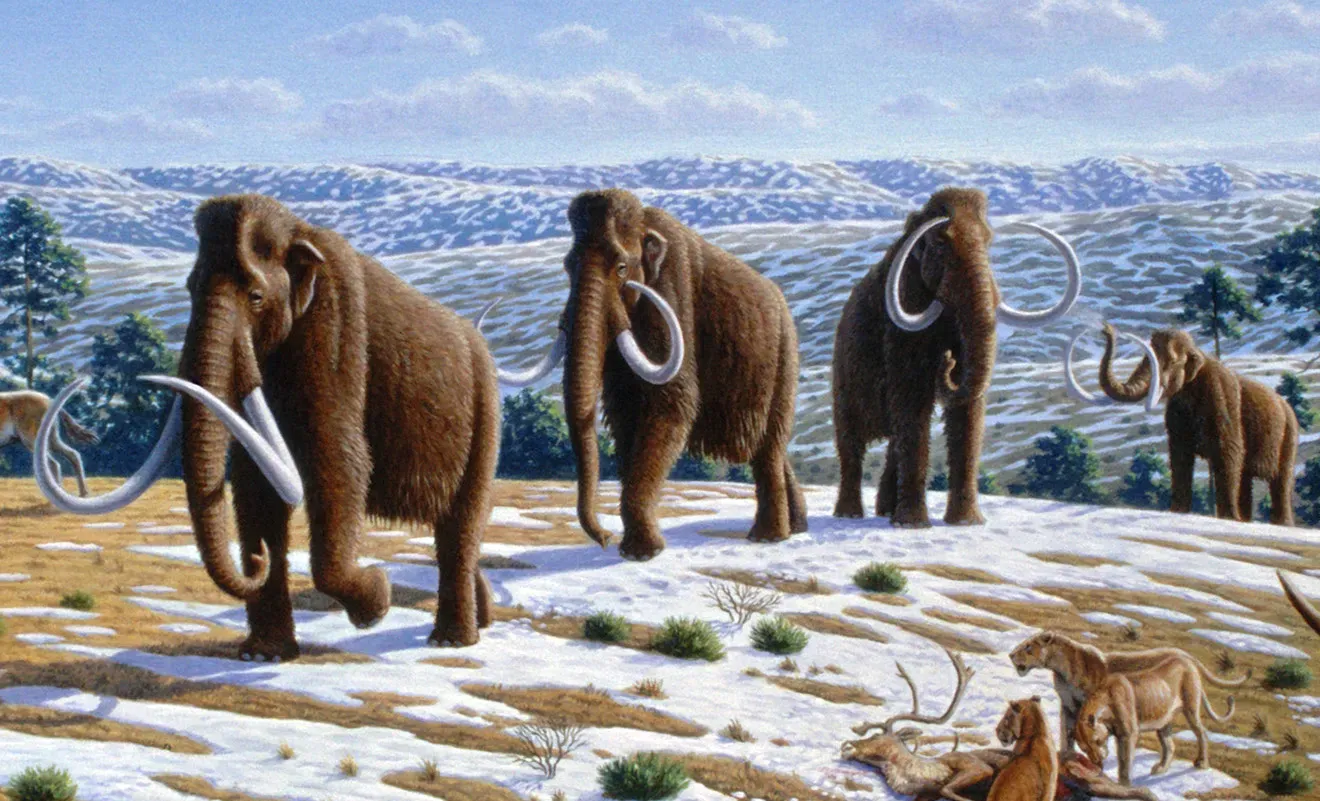
The Ice Age films love the idea that early humans and mammoths were basically neighbors, rubbing shoulders in the same valleys, trading glances and occasionally rescuing each other’s kids. While humans and mammoths did overlap in time and place, their encounters were not daily sitcom material. Evidence suggests humans hunted mammoths, scavenged their remains, and used bones and tusks for tools and shelters, but these episodes were scattered in time and space, not ongoing cozy cohabitation.
Think of it less like a shared village and more like rare, high-stakes encounters between hunter and giant prey on a harsh landscape. Early humans did not have the luxury of wandering around making friends with megafauna; they were surviving in dangerous environments where a wrong move could be fatal. The films turn that into heartwarming, child-safe interactions, which is understandable for a family movie, but it leaves kids with the impression that humans and mammoths lived side by side like neighbors instead of predator and prey crossing paths occasionally under intense pressure.
3. The Ice Age ended in sudden, overnight catastrophe
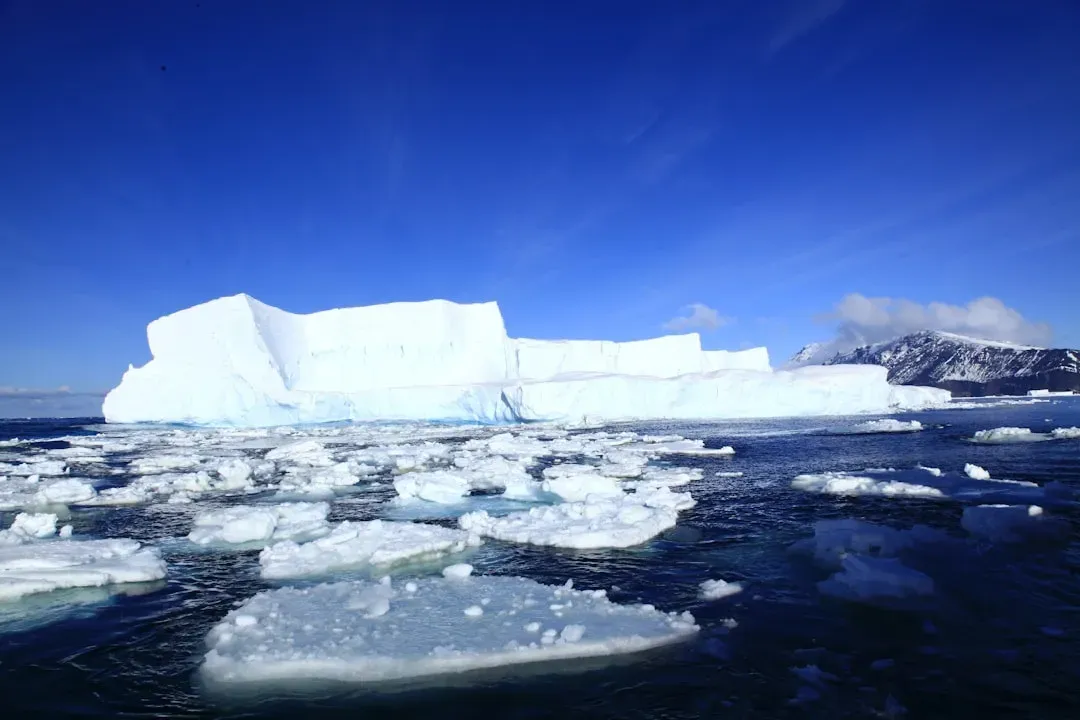
One of the most dramatic illusions the films create is that huge climate shifts happen almost overnight: glaciers crack and crumble, oceans surge in, lava pops up, and whole continents seem to rearrange themselves between breakfast and dinner. The actual end of the last Ice Age was dramatic in geological terms, but “dramatic” in Earth science usually still means thousands of years, not one wild weekend. Massive ice sheets receded gradually, sea levels rose over long stretches of time, and ecosystems migrated slowly northward.
There were some faster climate events within that grand transition, but even those played out over decades or centuries, not a single chaotic chase scene. A child watching Ice Age might come away picturing climate as a light switch: frozen one day, tropical the next. In real life, climate change is more like a slow-moving freight train that is hard to stop once it gathers momentum. Ironically, that slow pace is part of what makes our current rapid warming so alarming by comparison; what took nature millennia, we’re compressing into mere centuries.
4. Dinosaurs and Ice Age mammals coexisted
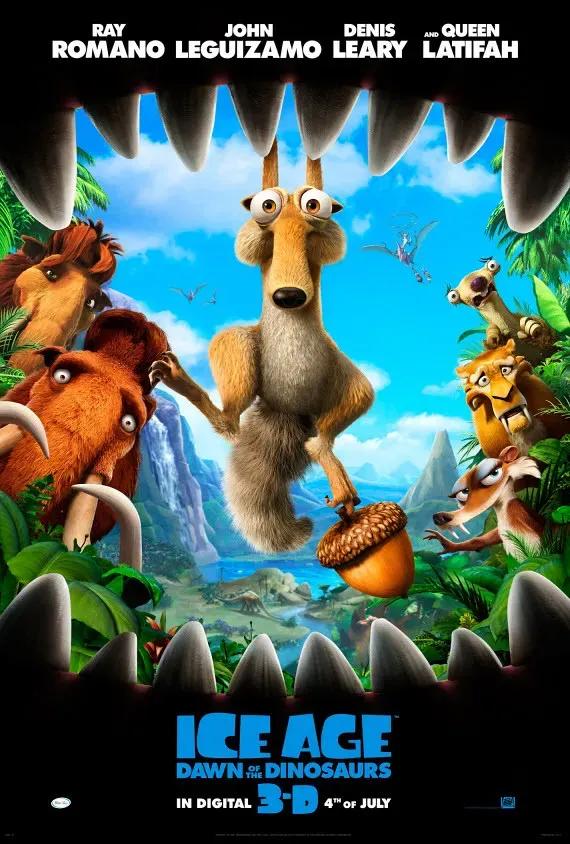
The moment dinosaurs show up frozen beneath the ice in the franchise, science quietly dives out the back door. The last non-bird dinosaurs (the big iconic ones like T. rex and Triceratops) disappeared about sixty-six million years ago, wiped out by a mass extinction event long before woolly mammoths, saber-toothed cats, or even humans existed. The main Ice Age animals in the movies lived during the Pleistocene, which ended roughly eleven thousand years ago. That’s not a small overlap; that’s a difference of tens of millions of years.
If you tried to fit dinosaurs and Pleistocene mammals on a single timeline, the gap between them would dwarf the entire span of human civilization. It’s like insisting that ancient Romans rode around on electric scooters while streaming social media in real time. The films mix them because kids love dinosaurs and studios love box office hits, but it dramatically confuses the basic order of Earth history. For a lot of children, those movies may be their first big exposure to prehistoric life, and the result is a muddled sense that all “old animals” lived together in one big prehistoric mash-up.
5. Ice Age predators were cuddly teammates rather than dangerous hunters
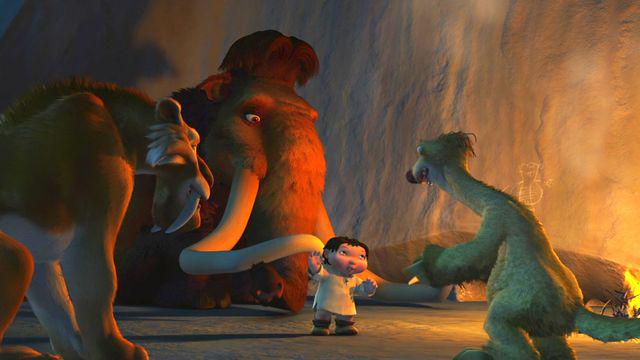
Diego, the saber-toothed cat, is written as a tough-but-lovable member of the gang, gradually becoming more loyal and protective than predatory. That character arc is charming, but it wildly softens what Ice Age predators really were: apex hunters perfectly adapted to take down large prey. Saber-toothed cats, giant hyenas, and other carnivores of the time were not hanging back trading sarcastic banter while herbivores strolled around unbothered. They followed herds, exploited weaknesses, and hunted to survive.
This cuddly framing can leave children with a strangely Disneyfied picture of predation, as if big carnivores just needed a good hug and a supportive friend group. In reality, if you were a ground sloth or a young mammoth, a predator was not part of your found family; it was an ever-present deadly risk. Nature is not cruel in a moral sense, but it is brutally indifferent. The Ice Age world was full of constant tension between hungry hunters and desperate prey. The movies scrub away that rawness to make everyone safe for comic relief, which is understandable, but not remotely true.
6. Ice Age animals had fully modern personalities and social lives
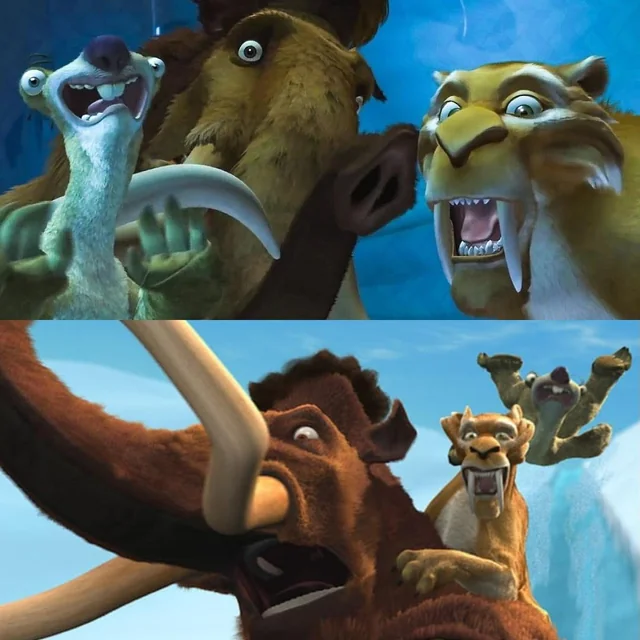
One of the biggest invisible distortions in the films is psychological, not physical: the animals think, feel, and socialize exactly like modern humans. Manny has a midlife crisis, Sid is the clingy comic relief friend, Diego struggles with loyalty and identity, and everyone constantly cracks slangy, modern-style jokes. That makes the characters relatable and hilarious, but it reinforces the idea that prehistoric animals experienced the world through a modern human emotional lens.
Real Ice Age animals did have social structures and basic emotional responses; many mammals likely formed herds, cared for young, and recognized individuals. But they did not sit around having deep moral debates about family, destiny, or commitment. Their behavior was driven by instincts, survival pressures, and simpler forms of attachment. When kids see prehistoric creatures acting like slightly furrier humans in animal costumes, it quietly erases just how different non-human minds actually are. The films anthropomorphize everything, which is fun, but it blurs an important line between human psychology and animal behavior.
7. The Ice Age world was uniformly frozen, bleak, and blue-white
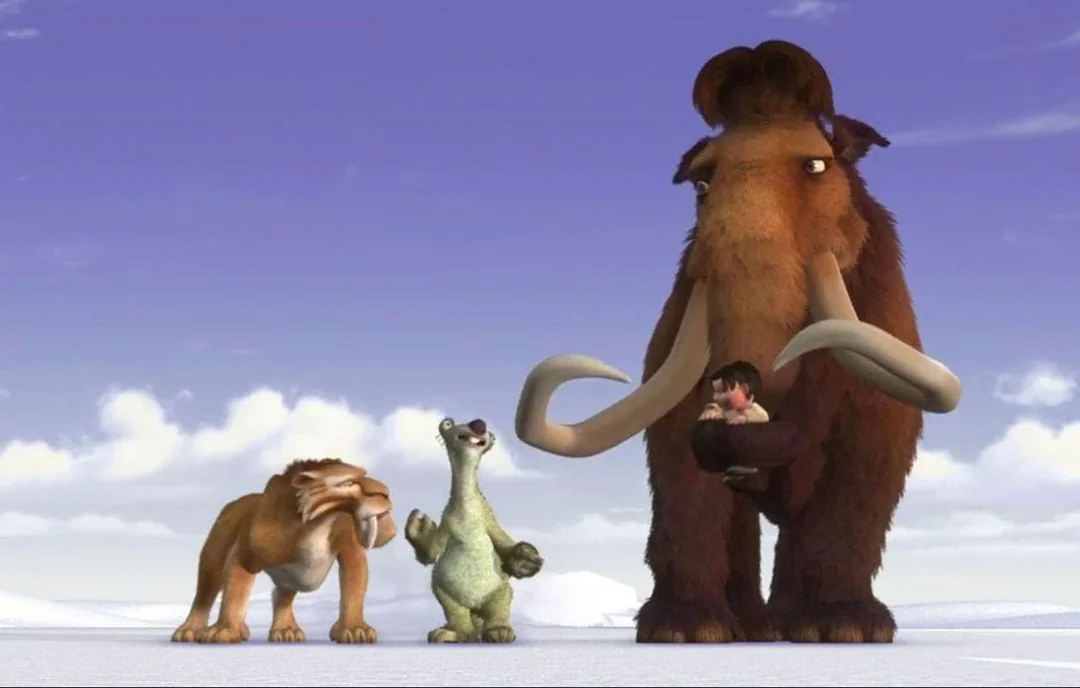
The visual language of the films leans heavily on endless snow, ice cliffs, and pale blue horizons, as if the entire planet was one giant freezer aisle. In reality, even during the height of the last Ice Age, large parts of the world were not under ice at all. Huge ice sheets did cover regions of North America and northern Europe, but between and beyond those were vast open grasslands, cold but not heavily glaciated plains, forests, and even relatively mild refuges. The “mammoth steppe” was a dry, windswept grassland, not a solid sheet of snow, supporting hardy plants and sprawling herds.
When children only see the Ice Age represented as a frozen wasteland, they miss the complexity and variety of those ancient environments. There were seasons, plant growth, migrations, and entire food webs built on more than just snow and desperation. It would be like describing modern Earth only by showing the interior of a single polar research station. The truth is more nuanced and, in a quiet way, more impressive: life found ways to adapt across different climates and landscapes long before humans started making animated movies about it.
Conclusion: Why the truth still matters, even when the movie is fun

I still enjoy the Ice Age films, and I don’t think kids are ruined for life just because they watched a talking mammoth banter with a tiger about parenting. But when a movie becomes a whole generation’s mental picture of the past, its distortions start to matter. These films compress timelines, mix species that never met, tame predators, humanize animal minds, and turn slow-motion climate shifts into explosive spectacle. The result is a version of the Ice Age that is entertaining but deeply misleading, a prehistoric theme park stitched together from half-truths and conveniences.
In my view, the real Ice Age story is actually more powerful: a long, grinding struggle of species adapting, migrating, and sometimes vanishing in the face of enormous environmental change. No punchlines, no neatly resolved character arcs, just a planet quietly reshaping itself and everything that lives on it. Maybe the next time we laugh at Sid slipping on ice, we can also remember the real world behind the jokes and give kids a clearer picture of what actually happened. After all, when it comes to understanding our planet’s past, would you rather rely on a punchline, or the kind of story that still shapes the world we’re walking through today?