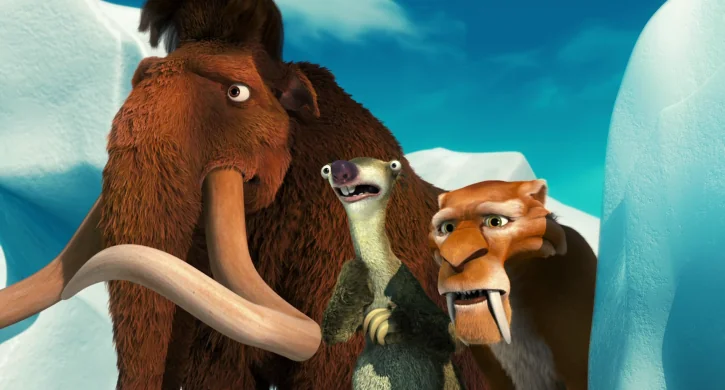
The Ice Age movies are funny, chaotic, and oddly comforting. Many of us can still picture a mammoth, a sloth, and a saber-toothed cat wandering through endless snow, cracking jokes and dodging disaster. But while the films are great entertainment, they also quietly rewired how a lot of kids imagine the real Ice Age – and not always in ways that match what scientists actually know.
When you compare the cartoon world to the fossil record, you start to see how far apart they really are. Entire species that never met are hanging out together, giant ice walls are collapsing overnight, and global climate change gets squeezed into a dramatic chase sequence. Let’s dig into seven of the biggest myths the Ice Age films sold to children about our planet’s frozen past – and what the science actually says instead.
1. All those animals never actually lived together at the same time
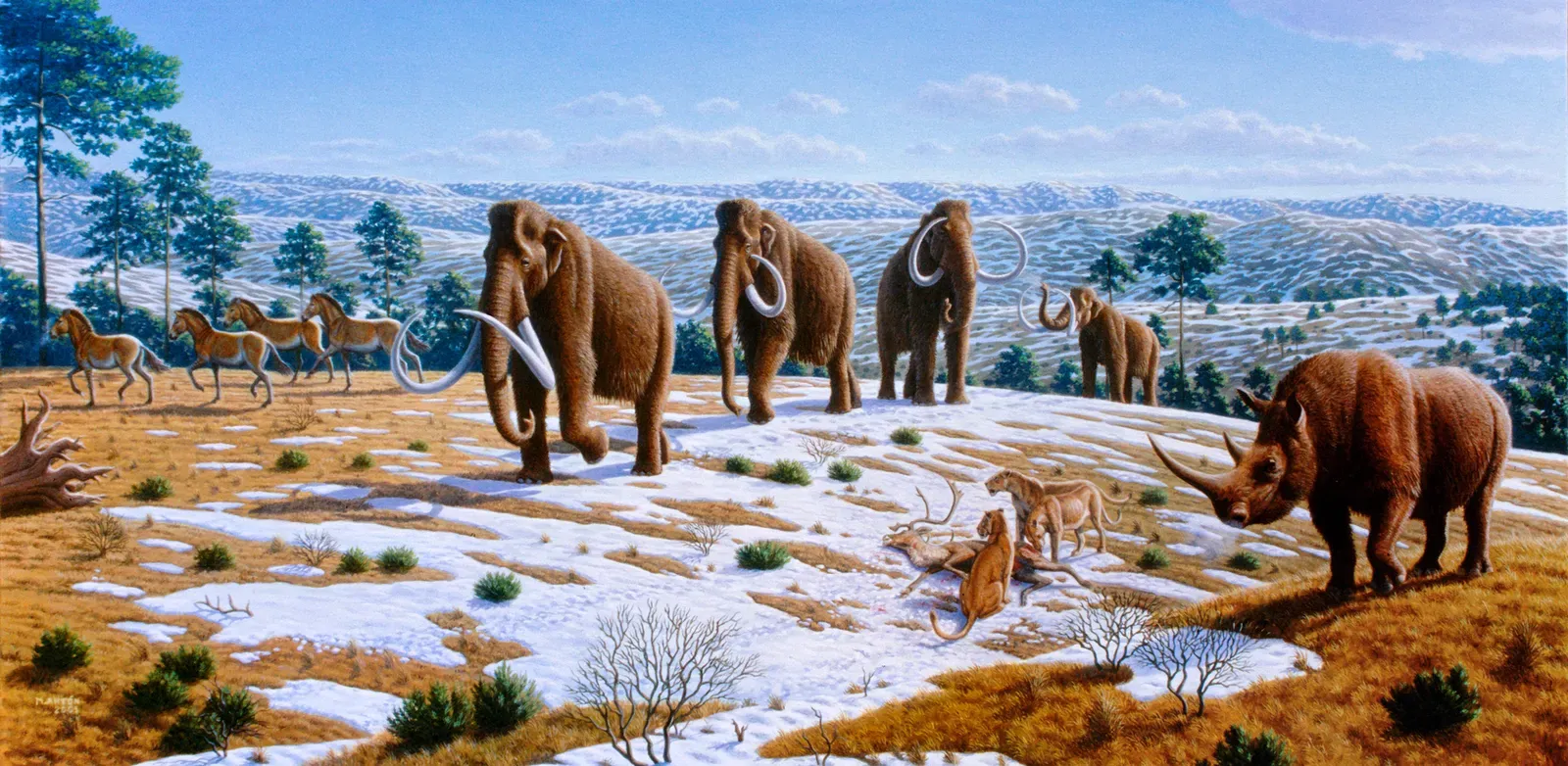
One of the most charming things about Ice Age is its oddball friend group: a woolly mammoth, a ground sloth, a saber-toothed cat, a human baby, and eventually even dinosaurs and sea creatures. It feels like a prehistoric all‑stars reunion, where every cool extinct animal got invited to the same party. The problem is, the fossil record shows that a lot of these animals were separated by huge stretches of time and sometimes even by continents.
Dinosaurs, for example, died out roughly sixty‑six million years before the classic Ice Age mammals like mammoths and saber‑toothed cats showed up. The first film loosely uses the last major ice age, which peaked about twenty thousand years ago, as its backdrop. By that time, dinosaurs had already been gone for longer than humans have even existed. Even within the mammals, some species the films throw together did not actually overlap in the exact same regions in the way the movies suggest, making that cozy cross‑species neighborhood more fantasy than prehistory.
2. Humans and these Ice Age animals were not all hanging out in one place
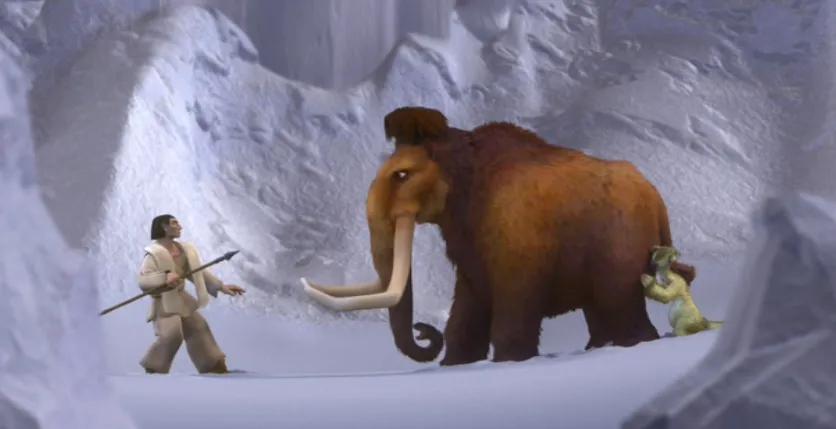
The films love the idea of humans and mammoths sharing the same trails, campsites, and migration routes, bumping into each other like slightly awkward neighbors. In reality, the timeline and geography are a lot more complicated. While humans did overlap with animals like mammoths and saber‑toothed cats in some regions, they did not all live in one convenient spot with a crowd of every famous Ice Age species clustered together.
For example, the main human groups living in Europe and parts of Asia during the last Ice Age were dealing with very different ecosystems than humans who later migrated into the Americas. Mammoths did live alongside early humans in several parts of the world, and evidence suggests people hunted them. But the film’s vision of a single valley full of every iconic animal plus a conveniently nearby human tribe is more like a prehistoric theme park than anything supported by archaeology or paleontology.
3. The Ice Age was not one long frozen winter from pole to pole
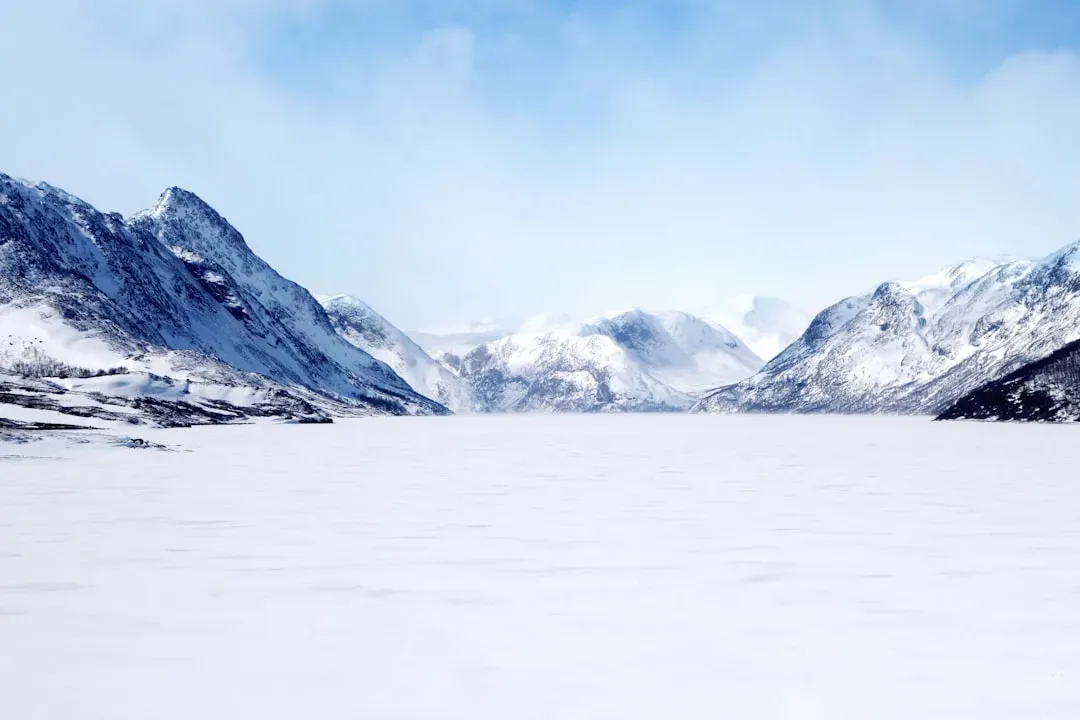
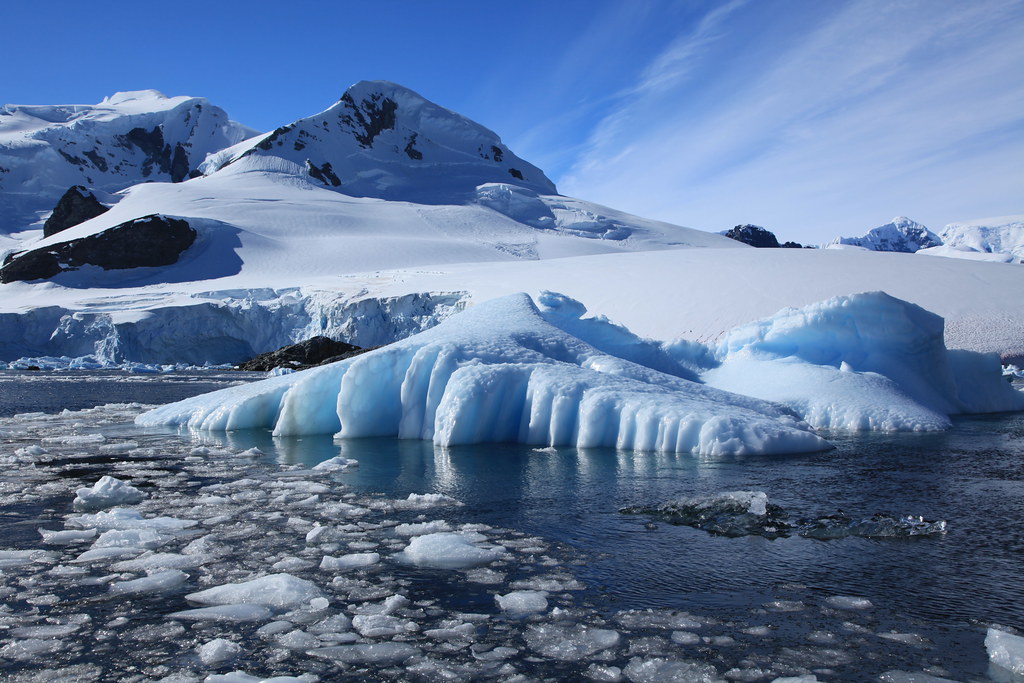
Visually, Ice Age leans into the idea of a world completely buried in snow and ice, where everything is frozen all the time except for the occasional tropical gag. That makes for strong, simple imagery, but it flattens the real complexity of Earth’s climate. The last Ice Age was not just a single endless winter; it was a long period with colder average temperatures, big ice sheets over certain regions, and lots of climate ups and downs.
Large parts of North America and northern Europe were indeed covered by enormous ice sheets, but other regions were not. Some areas were chilly grasslands, others were cold but ice‑free forests, and places closer to the equator stayed relatively warm. There were also warmer spells and local climate shifts rather than one uniform deep‑freeze. The film’s “entire planet as a giant freezer” image simplifies a messy, fascinating reality where climate changed over thousands of years and varied dramatically from place to place.
4. Ice sheets and glaciers do not melt overnight in dramatic walls of water
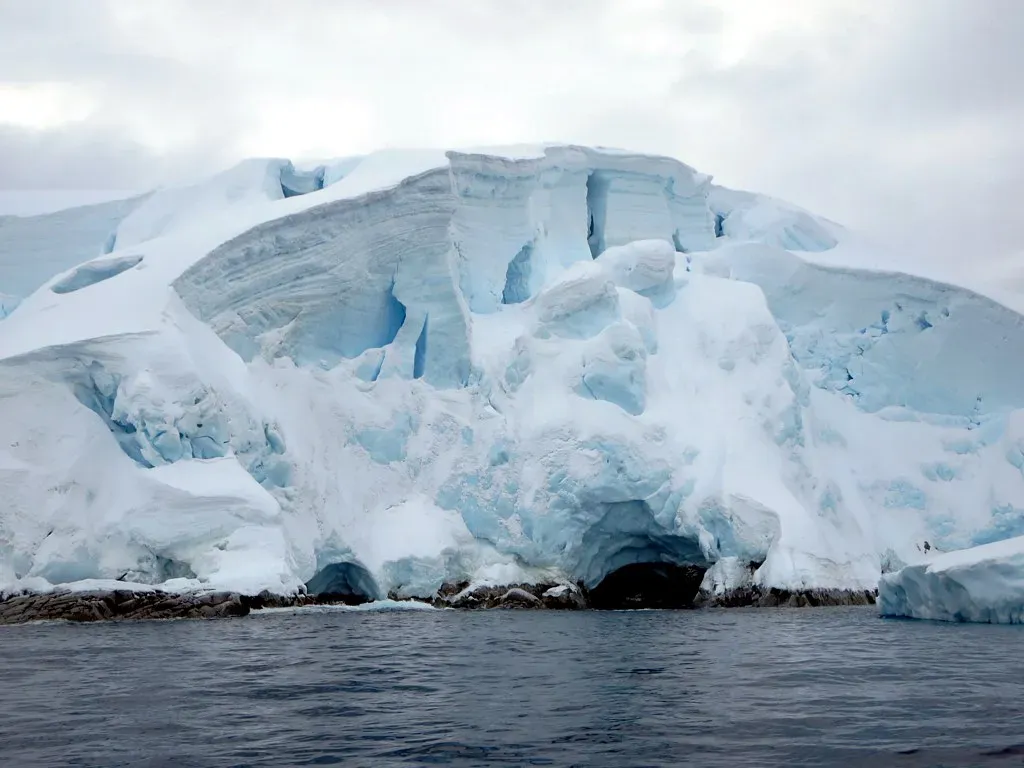
A huge recurring visual in the franchise is ice collapsing like a movie set: walls splitting, glaciers shattering, oceans suddenly bursting free and chasing the heroes down valleys. It is thrilling and looks great in a chase scene, but real ice sheets do not behave quite like that. Massive continental ice does melt and break, but on human time scales it usually looks more like slow retreat, crevasse formation, and icebergs breaking away at the edges rather than a single, sudden collapse of an entire landscape in minutes.
There were indeed dramatic meltwater floods in Earth’s history when glacial lakes suddenly drained, and they carved giant channels and reshaped valleys. But even those events unfolded over hours, days, or longer, not seconds. Most of the major Ice Age transitions, including the end of the last one, happened over thousands of years with pulses of faster and slower warming. The movies compress all of that into disaster‑movie timing, which exaggerates the speed and style of how big ice actually responds to climate change.
5. Ice Age animals did not form small, quirky “found families” that stuck together
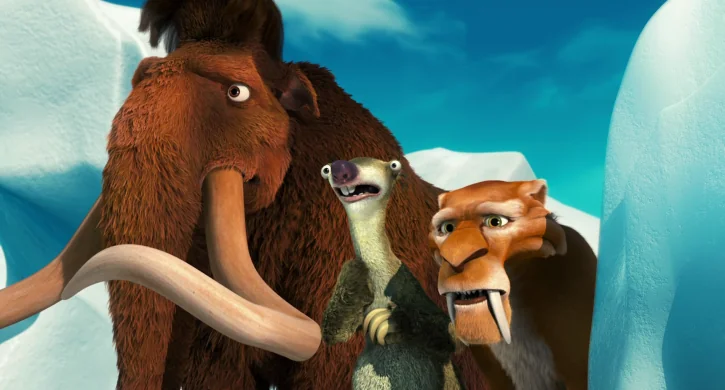
A big emotional hook of the Ice Age series is the idea that these animals form a chosen family that crosses species lines, social rules, and natural instincts. In the films, a mammoth, a carnivorous cat, and a herbivorous sloth not only tolerate each other but travel, live, and raise young together as if they were a blended family. In nature, those relationships would be extremely unlikely, especially over long periods of time.
Real Ice Age mammals lived in social structures shaped by survival: mammoths likely formed herds similar to modern elephants, saber‑toothed cats probably had social patterns that did not include sharing meals with their usual prey, and sloths were not signing up for stressful migration adventures with predators. Rare, brief interactions between different species did occur, of course, usually driven by competition, hunting, or scavenging. The movie’s heartwarming, long‑term cross‑species family is less a reflection of fossil evidence and more a way to tell modern stories about friendship and belonging in a prehistoric costume.
6. The pace of evolution and extinction was not as fast or as simple as shown
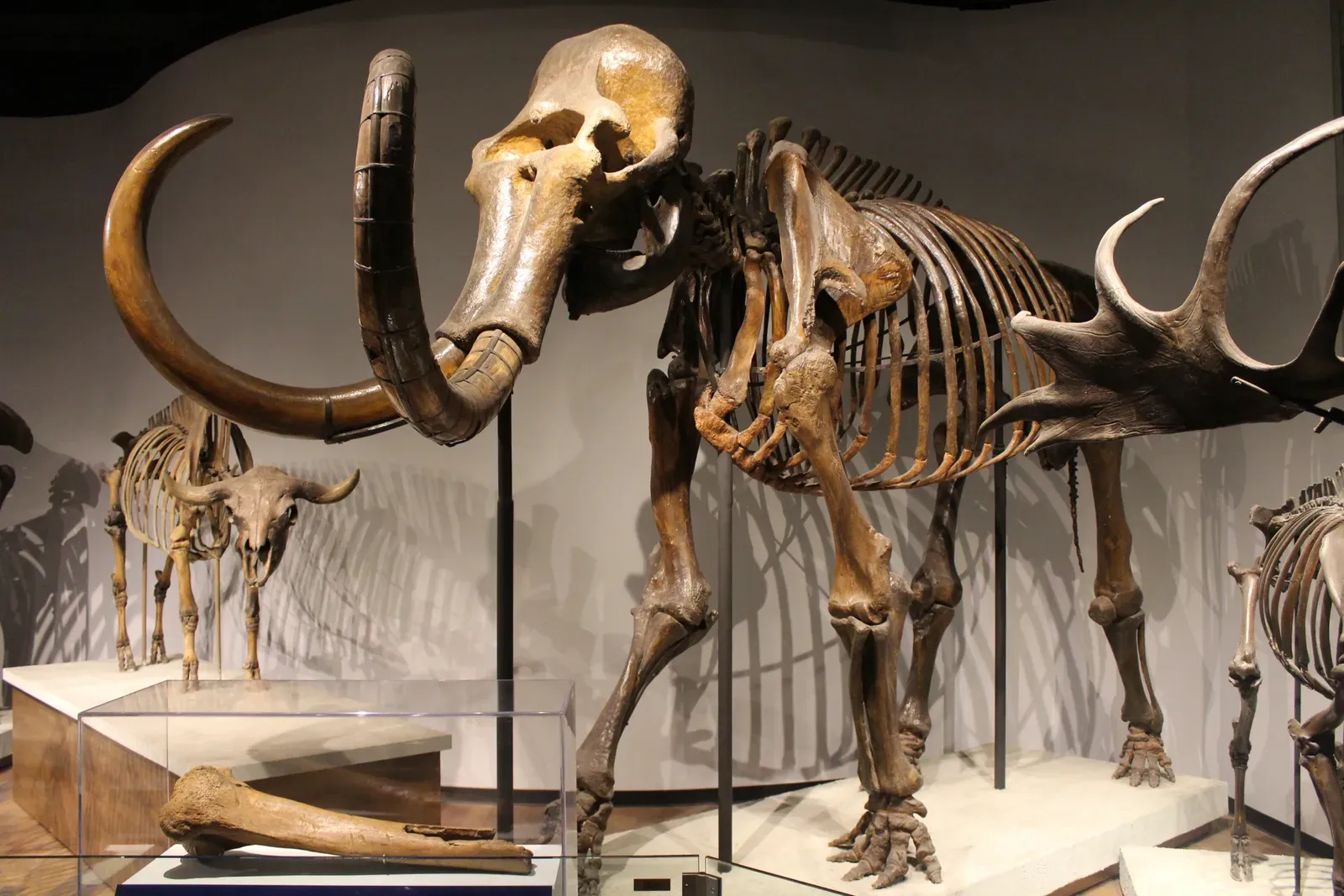
The Ice Age films sometimes give the impression that species suddenly appear, adapt instantly, or vanish almost overnight when conditions change. In reality, evolution and extinction play out over many generations, and often over thousands to millions of years. Species do not typically wake up one year, find the climate a bit different, and then collectively decide to vanish by the next season.
For example, the disappearance of mammoths and many other large Ice Age animals seems to have involved a mix of factors: shifting climate, changing vegetation, and in some regions, pressure from human hunting. The pattern was uneven and complicated rather than a clean, universal extinction event triggered by one single cause. By turning evolutionary change into a quick, dramatic plot twist, the movies unintentionally teach kids that nature changes at the speed of a movie sequel, when in truth it tends to move with a patient, sometimes frustrating slowness.
7. Climate change during the Ice Age was real, but not driven by cartoon disasters
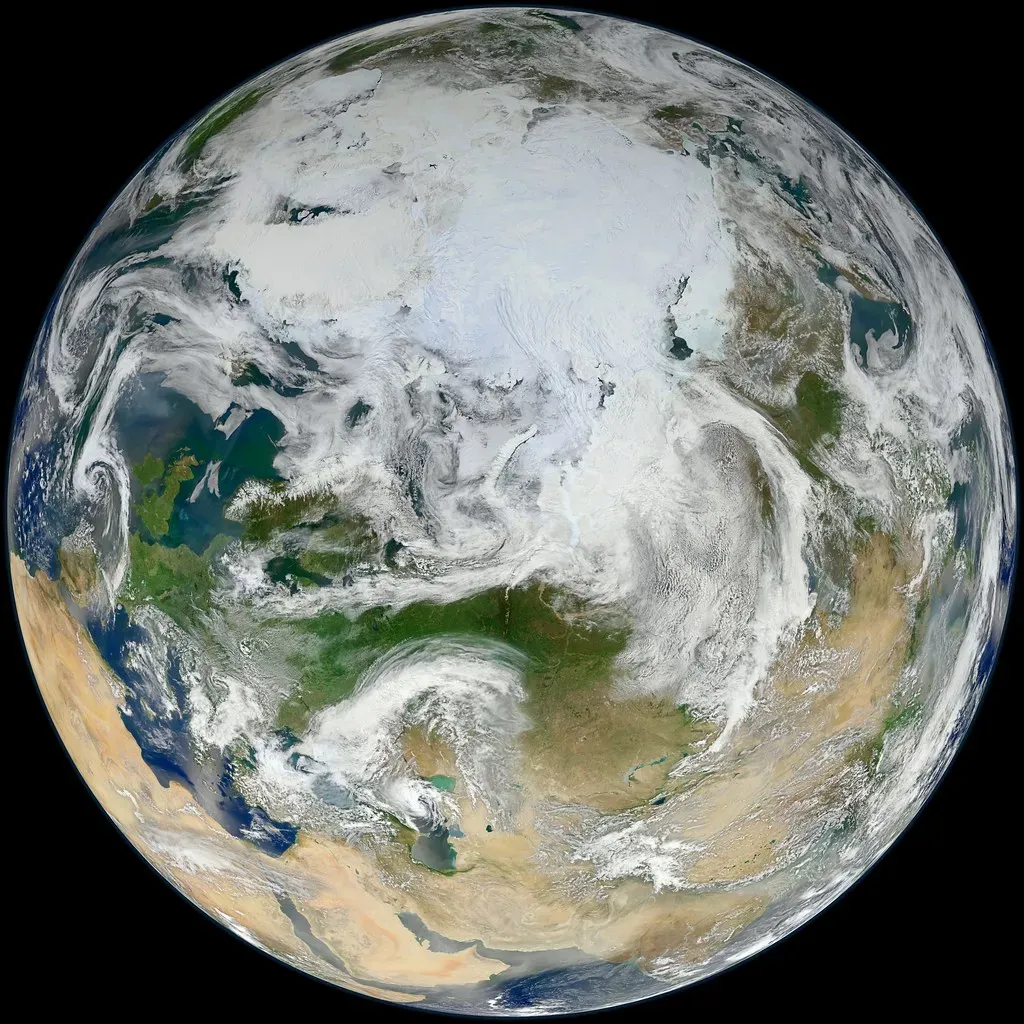
Across the series, you see climate change framed as a set of wild, isolated events: a broken dam, moving continents, erupting volcanoes, or an especially chaotic squirrel chasing an acorn. While these make for memorable scenes, the real drivers of Ice Age climate shifts were mostly large‑scale, slow‑moving processes. Subtle changes in Earth’s orbit and tilt, feedbacks involving ice and sunlight, shifts in ocean circulation, and atmospheric greenhouse gas levels all played key roles in cooling and warming phases.
There were dramatic volcanic eruptions and local catastrophes in Earth’s history, but the broad pattern of entering and exiting ice ages is written in orbital cycles and complex climate feedbacks, not in one‑off accidents. The danger of the movie version is that kids may come away thinking climate swings are either freakish flukes or purely natural, unpredictable chaos with no pattern. The truth is both more sobering and more empowering: climate can and does change for specific physical reasons, and today, human activity is one of those reasons.
Conclusion: why these myths matter more than we think
It is tempting to shrug and say that the Ice Age films are just cartoons, so the science does not really matter. But stories shape how kids first picture the past, and those early mental images can stick around for a surprisingly long time. When a whole generation quietly absorbs the idea that dinosaurs and mammoths were neighbors, that glaciers fall like dominoes, or that climate is just random chaos, it sets a strange baseline for how they later understand real science and real environmental change.
That does not mean we have to cancel the movies or drain the fun out of them; it means we should treat them like what they are: imaginative, emotional tales dressed up in prehistoric fur, not documentaries. As adults, we can enjoy the jokes and the found‑family moments while also helping kids untangle fantasy from fossil record. Maybe the real question is this: now that you know how different the actual Ice Age was, does the cartoon version look weirder – or somehow even more fascinating – than before?