It’s easy to imagine prehistory as this blurry, alien era where nothing looked, sounded, or felt like our world. Cavemen, dinosaurs, endless ice, then suddenly iPhones. But when you start lining events up on a timeline, something strange happens: the distance between “them” and “us” shrinks fast. Some prehistoric moments sit uncomfortably close to things we think of as firmly “modern,” and that gap between stone tools and spaceflight starts to feel more like a compressed accordion than a vast, empty desert.
Once I started digging into dates, I couldn’t stop. It felt almost unsettling, like discovering your great‑grandparents lived through events you thought belonged to schoolbook legends. The more I looked, the more the human story stopped being a slow, steady line and started looking like a wild sprint in the last few seconds of a very long race. These seven timeline coincidences are like mental glitches in that story – little reminders that prehistory isn’t as far away as it feels.
1. Cleopatra Lived Closer To Us Than To The Building Of The Great Pyramid
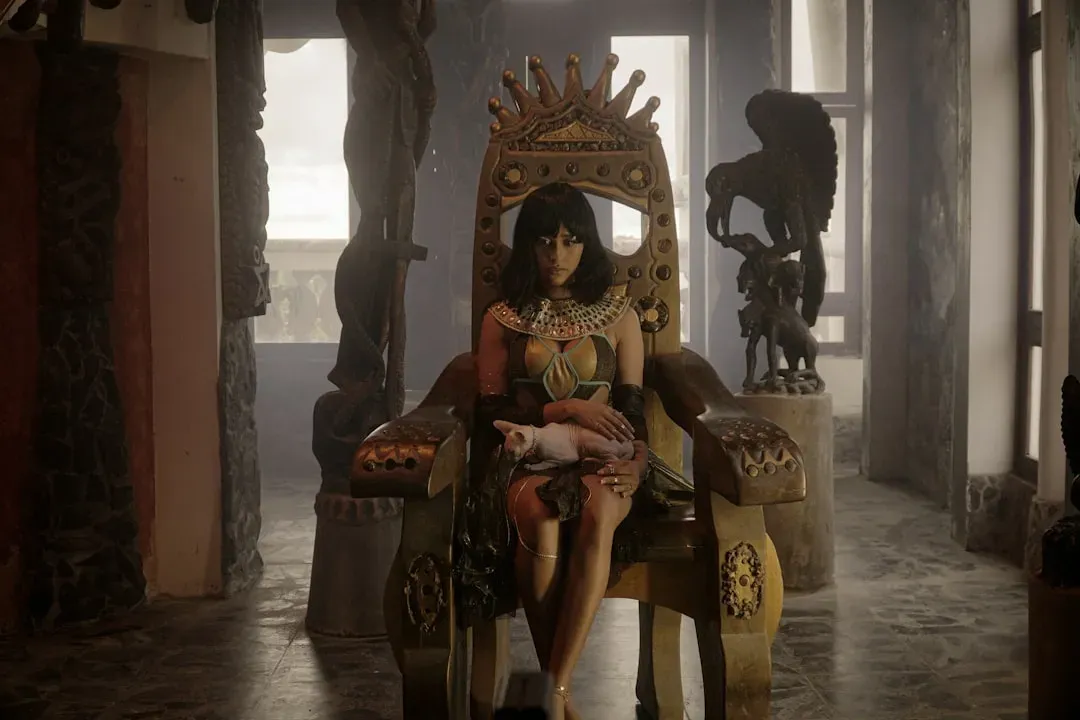
Here’s a brain‑twister to start: Cleopatra, the last active ruler of Ptolemaic Egypt, lived closer in time to you reading this than to the construction of the Great Pyramid at Giza. Cleopatra died in the first century BCE, while the Great Pyramid was completed roughly two and a half millennia earlier. When we lump “ancient Egypt” into one fuzzy era, it feels like a single block of time, but the people who carved those massive stones were already ancient history to Cleopatra’s world.
Think about how we talk about her, draped in gold and mystery, as if she belongs to the same story as pharaohs overseeing pyramid construction. In reality, there was a longer gap between her life and the building of the Great Pyramid than between her life and things like modern skyscrapers, streaming movies, and vaccines. For someone like Cleopatra, the pyramid builders would have been as distant – and probably as mythologized – as we think of the earliest farmers or even cave painters today. That telescoping of “ancientness” makes our own sense of distance wildly misleading.
2. Woolly Mammoths Were Still Alive When The Pyramids Were Already Standing
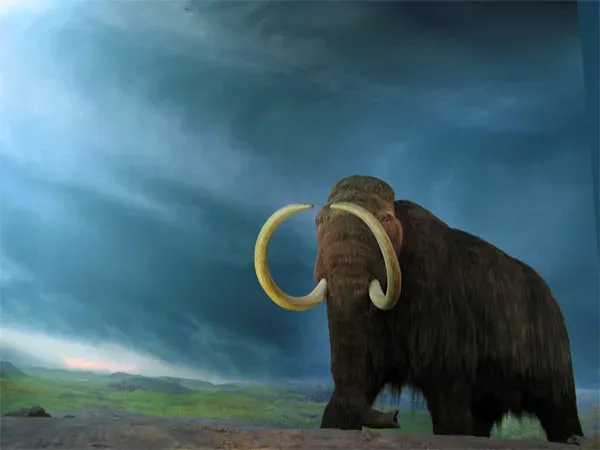
Another time‑bending overlap: while workers were hauling limestone blocks into place at Giza, small populations of woolly mammoths were still trudging around on remote Arctic islands. Most mammoths died out thousands of years before, but a few isolated groups survived far into the Holocene, well within what we’d call “recorded history.” So in the same broad historical window, humans were both building one of the most iconic stone monuments on Earth and sharing the planet with a creature we treat like pure Ice Age nostalgia.
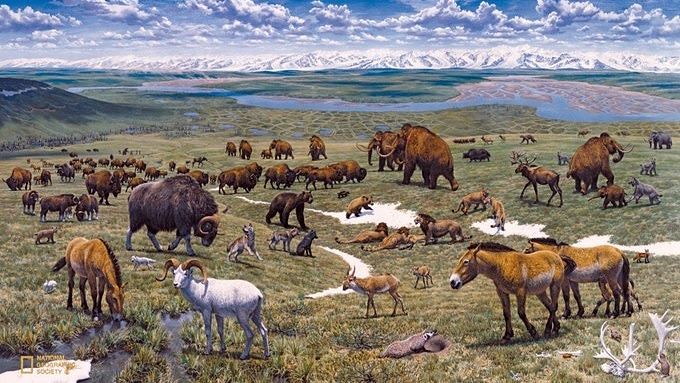
This means mammoths are not some unimaginably ancient relic that vanished in a separate, sealed chapter of time. They brushed up against early civilizations, at least on the timeline, even if not face‑to‑face. When you picture pyramid builders taking a break under the desert sun, it’s wild to realize that somewhere else on Earth, shaggy giants with curved tusks were still roaming, as real as elephants in a wildlife documentary. The Ice Age did not end with a neat curtain drop; it faded slowly, overlapping with cities, temples, myths, and trade routes.
3. The Oldest Known Cave Art Is Closer To iPhones Than To Our Earliest Stone Tools
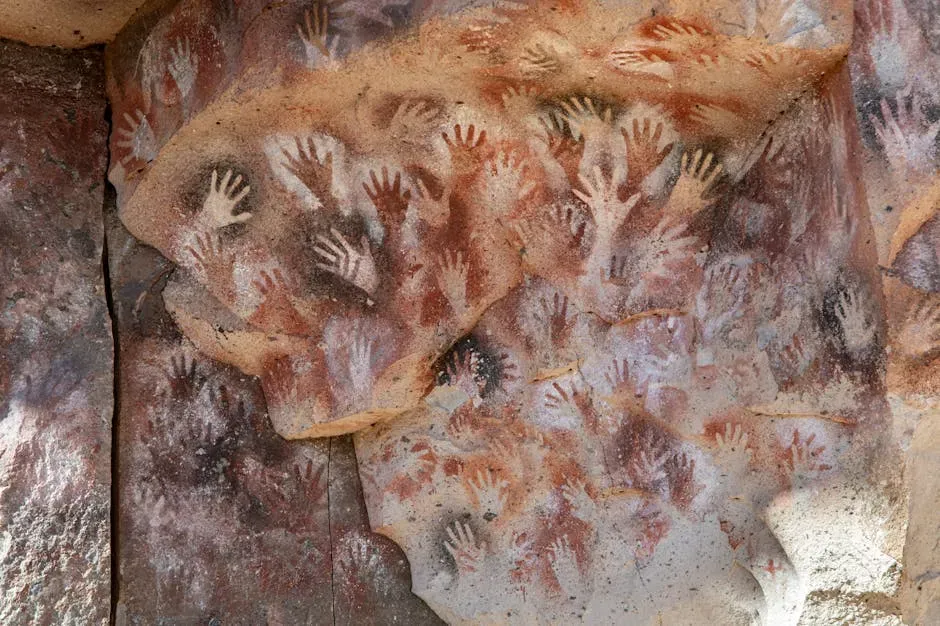
We tend to mash “prehistoric humans” into one mental image: rough stone tools, animal skins, dark caves. But the time between early stone tools and the famous cave paintings in places like Europe and Southeast Asia is jaw‑droppingly huge. Simple stone tools appeared hundreds of thousands of years ago, while much later, early artists began painting sophisticated scenes of animals, symbols, and maybe even storytelling on cave walls. The gap between those first crude tools and the flowering of symbolic art is much larger than the gap from that art to our digital lives.
Imagine a timeline where those first stone tools mark the starting line and the earliest cave art sits far down the track. From that cave art to us – phones in pockets, satellites in orbit – takes up a relatively short segment at the end. It suggests that for an enormous stretch of human (and pre‑human) existence, our technology changed at a glacial pace, and then something shifted in how we thought, created, and shared ideas. In a strange way, you and a cave painter might have more in common in how your minds work than that painter had with the anonymous toolmaker from the very deep past.
4. The Entire Written History Of Civilization Fits Into A Tiny Slice Of Human Time
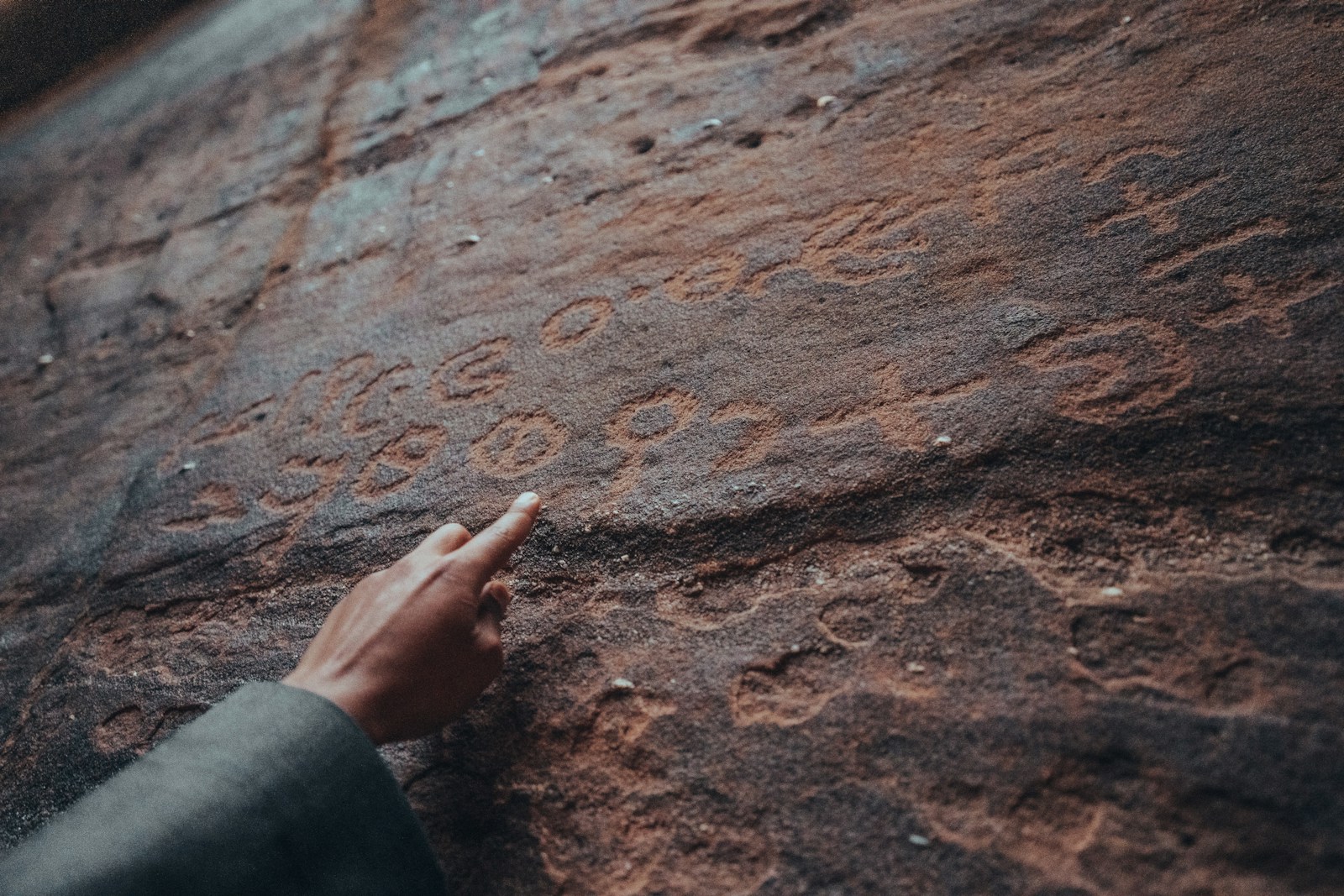
If you condensed the entire history of Homo sapiens into a single day, written history would barely make it into the last moments before midnight. Anatomically modern humans have been around for tens of thousands of years, but writing systems only appear in the very late part of that story. All the texts, chronicles, legal codes, poems, novels, and memes we obsess over belong to a razor‑thin sliver of our species’ timeline. The rest is prehistory, lived and lost without written records, even though it lasted far longer.
That should make us humble. We treat written sources as the “real” story, as though everything before writing is a vague prelude, but that’s upside down. The vast majority of our ancestors lived in what we’d call prehistory, and they were no less human for it. Their families, fears, jokes, ceremonies, and improvisations just didn’t make it onto clay tablets or parchment. When you realize that your entire library, your favorite movies, and centuries of philosophy fit into such a thin slice of time, prehistory stops feeling like a foggy “before” and starts feeling like the true, long-running main act.
5. The First Cities Are Closer To Us Than To The First Stone Age Huts
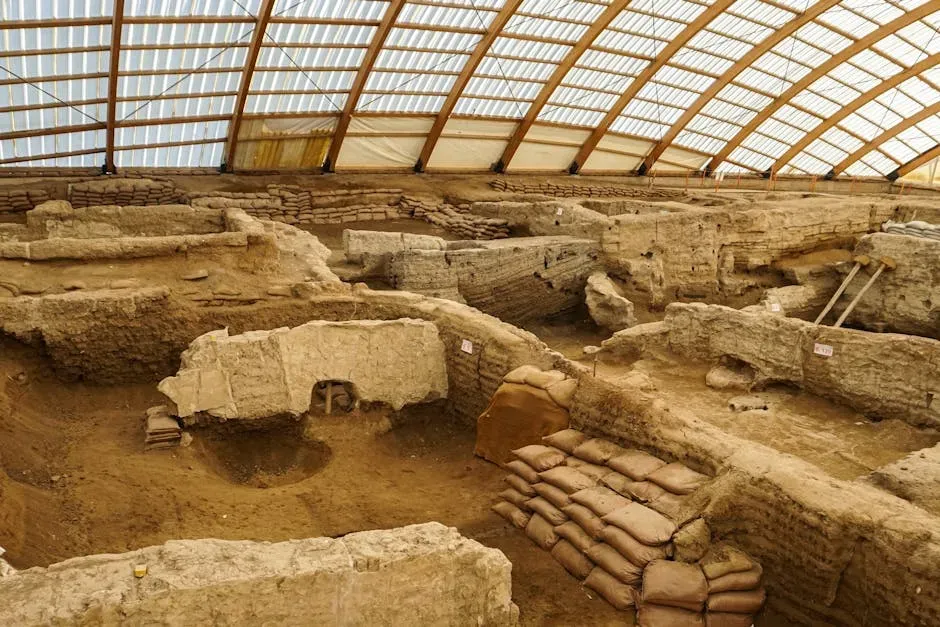
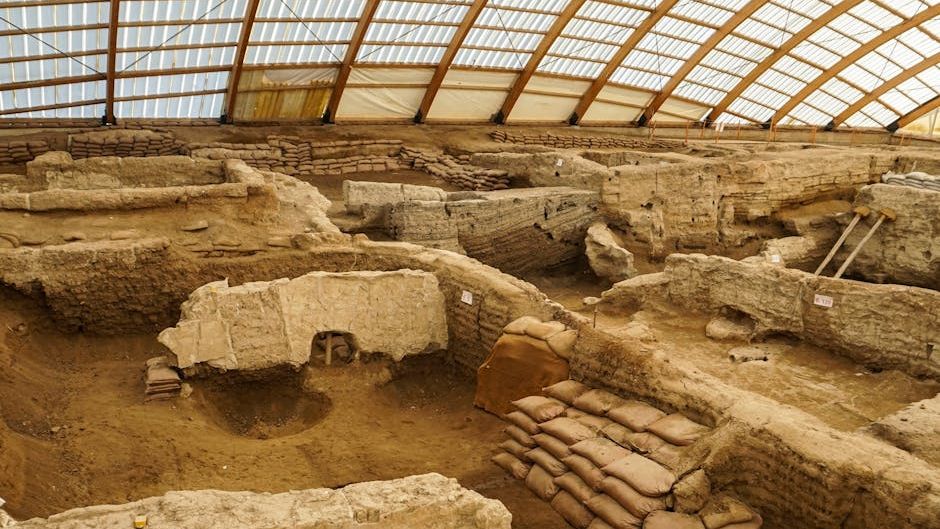
Urban life feels like a defining human experience now, but it’s a very new twist compared to how long people lived in small bands or scattered villages. The first recognizable cities – places with dense populations, planned layouts, and complicated social roles – appeared only a few thousand years ago. Yet the earliest known shelters and basic dwellings stretch much farther back, across tens of thousands of years of hunter‑gatherer camps and small, simple settlements. That means the leap from flimsy, temporary huts to walled cities took an unbelievable amount of time, while our leap from those first cities to megacities and online worlds was comparatively fast.
Picture the earliest hut‑builders: small groups moving with the seasons, using whatever materials were on hand, measuring time by the sky and the growth of plants. Now jump forward to the earliest urbanites, dealing with markets, debts, neighbors, and rulers. The timeline from those first city streets to your own neighborhood is shockingly compressed compared to the long, slow stretch before. In a weird way, you might be closer in daily experience to a Bronze Age urban dweller – worrying about rent, food prices, and social status – than they were to their remote ancestors sleeping under makeshift roofs by the fire.
6. The Age Of Dinosaurs Ended Long Before Our Mammal Ancestors Became “Us”
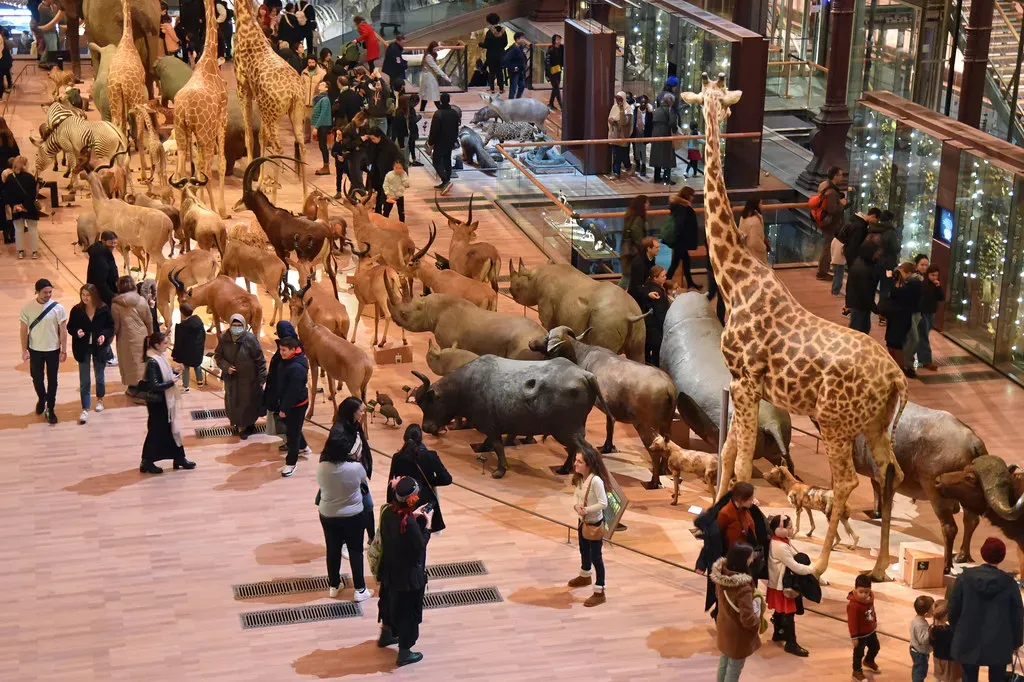
We often talk about dinosaurs as if they just barely missed us, like they stepped offstage right before humans appeared. The reality is that after the dinosaurs (aside from birds) died out, mammals spent tens of millions of years evolving, diversifying, and experimenting with different forms before anything like humans entered the picture. The time gap between the last non‑avian dinosaur and the first recognizably human ancestor is vastly longer than the gap from those early humans to now. In terms of raw time, we are much closer to saber‑toothed cats and giant ground sloths than to iconic dinosaurs like Tyrannosaurus.
This timeline shift changes the emotional story a bit. Dinosaurs did not exit and then hand the stage directly to us; they left a world that other creatures reshaped for ages before we were even a thought. Our earliest mammalian relatives crawled, scurried, and eventually thrived in a post‑dinosaur world that had time to radically transform. When we talk about humans as “late arrivals,” we are understating it: we are not just late to the dinosaur party, we are late to the entire after‑party that followed. That makes the last few hundred thousand years of human evolution feel like a final, hectic chapter in a book that was already very long.
7. We Are Closer To The Last Ice Age Than The Last Ice Age Was To Much Earlier Human Ancestors
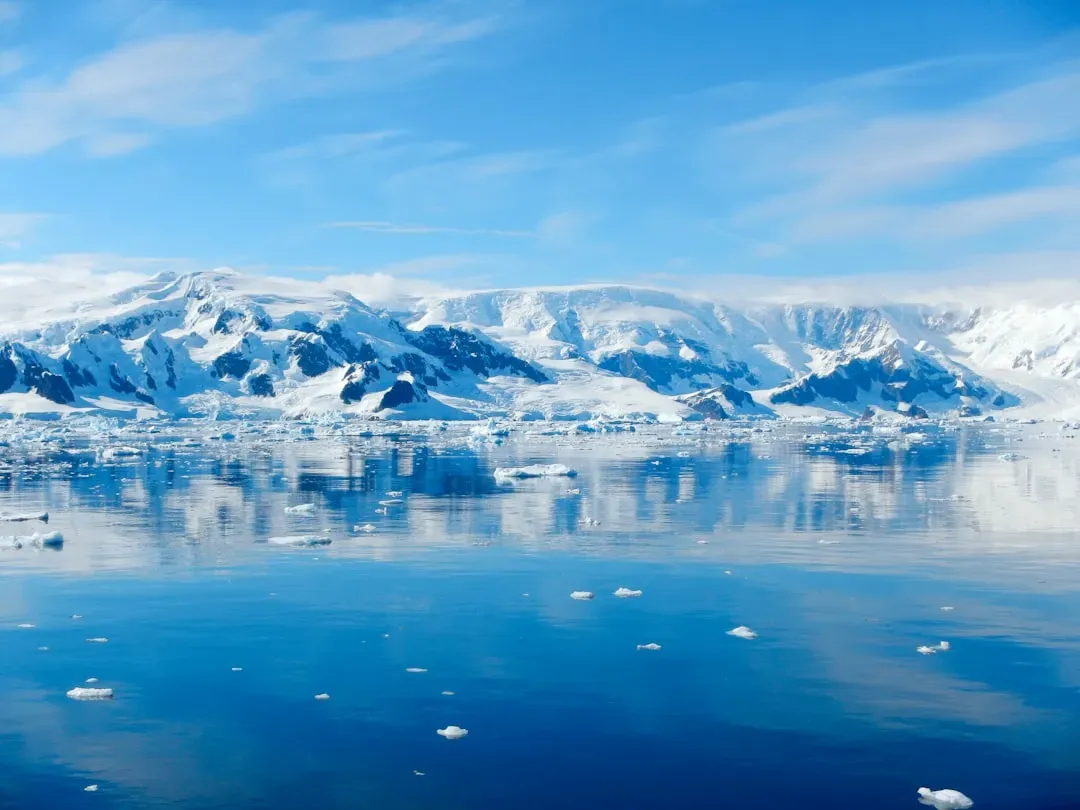
When you hear “Ice Age,” you might imagine something so distant that it barely touches our reality, but in geological terms, it practically brushed past our front door. The most recent major glacial period ended only thousands of years ago, not millions. Humans who were biologically very similar to us watched ice sheets retreat, sea levels rise, and landscapes shift into the forms we recognize today. In some regions, stories and myths about floods, strange climates, or vanished coastlines might echo those real transitions, even if the specifics have blurred beyond recognition.
Now step back and look at the deeper past: before that last big Ice Age, earlier human ancestors had already been around for a very long time, adapting to different climates and environments we can barely imagine. The timeline from those ancestors to the last Ice Age is far longer than the stretch from that Ice Age to your current life, with central heating, puffer jackets, and weather apps. When you realize that, the idea of prehistory gets rearranged. The people watching glaciers melt and new forests grow are not ancient strangers on the other side of a chasm; they are almost our contemporaries in the grand scheme of Earth’s history.
Conclusion: Prehistory Is Not A Distant Country
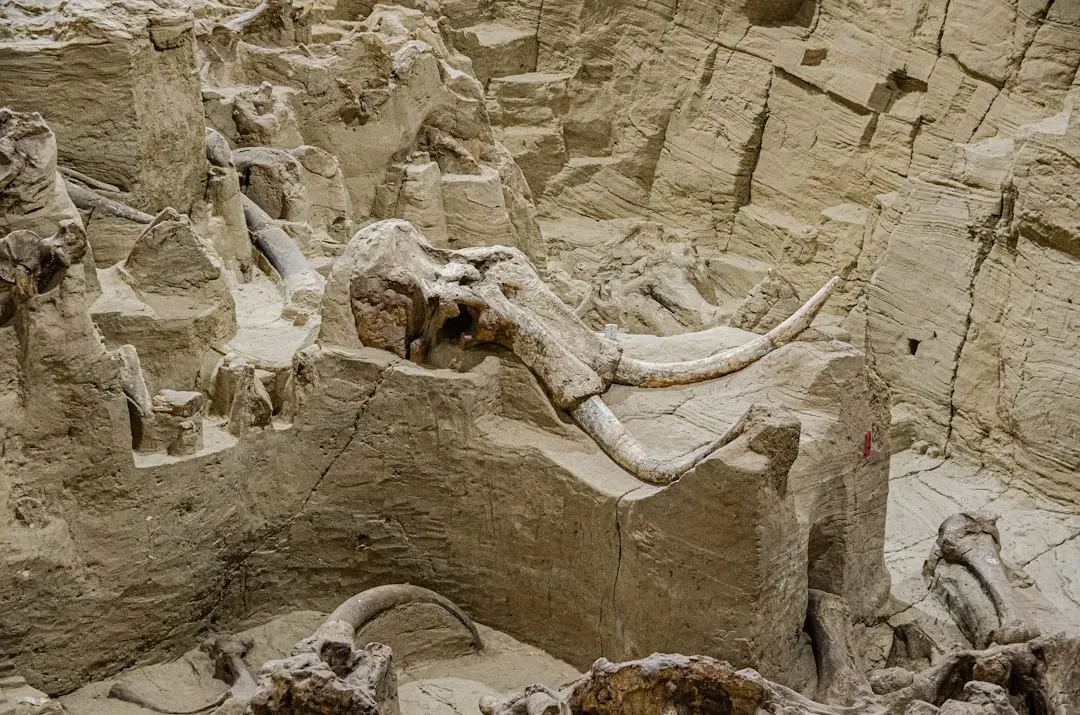
When you put these coincidences side by side, the neat categories we love – prehistoric, ancient, medieval, modern – start to feel more like a filing trick than a faithful map of reality. Cleopatra standing closer to you than to pyramid builders, mammoths lingering into the age of monuments, cave painters separated from us by less time than from the first tool‑makers: all of it suggests that our sense of “long ago” is badly skewed. We compress whole civilizations into a single mental image and inflate the distance between us and the people who lived without our tools, as if phones and cars turned us into a different species entirely.
My own opinion, after sitting with these timelines, is that prehistory is less a dark, unreachable void and more like a dimly lit room right next to ours, separated by a thin wall of missing records and unfamiliar technologies. The people in that room had brains like ours, emotional lives like ours, and probably worries that would sound uncomfortably familiar if we could hear them. Once you see how their time overlaps and brushes up against milestones we think of as modern, it becomes hard to maintain the illusion that they were fundamentally alien. Maybe the better question is not how far away prehistory is, but how differently we’d live if we truly felt how close it still is – what would you change if you realized that, in the story of humanity, you are standing barely a page away from them?